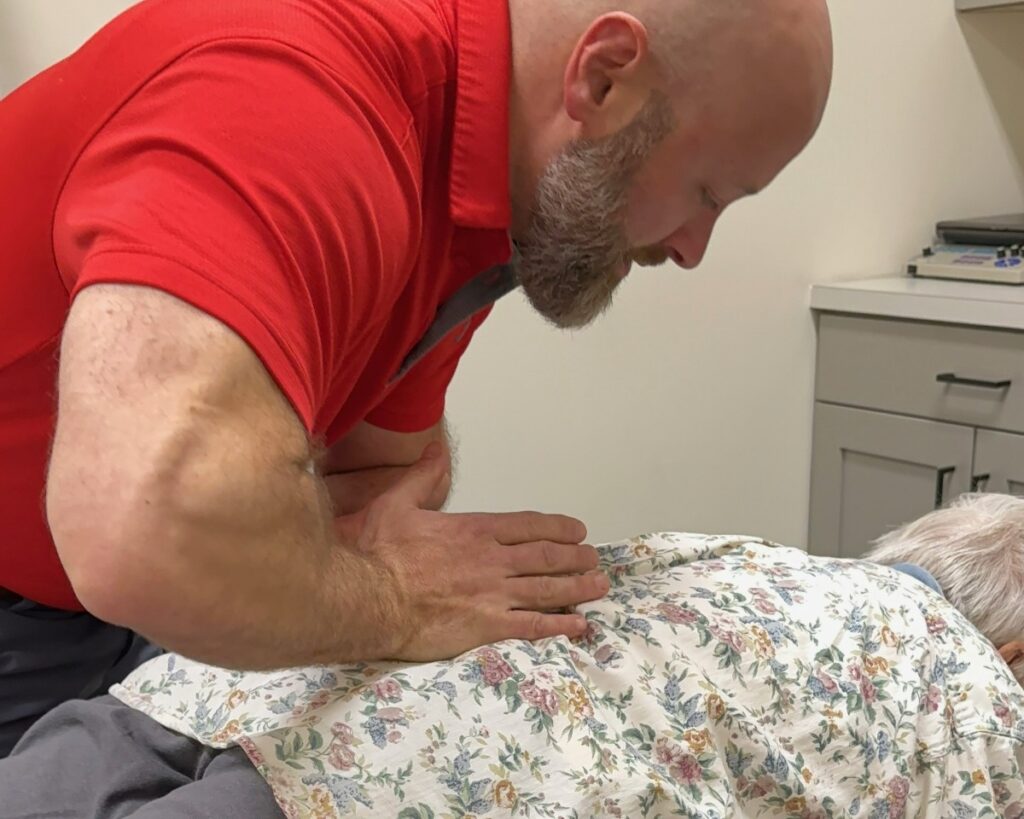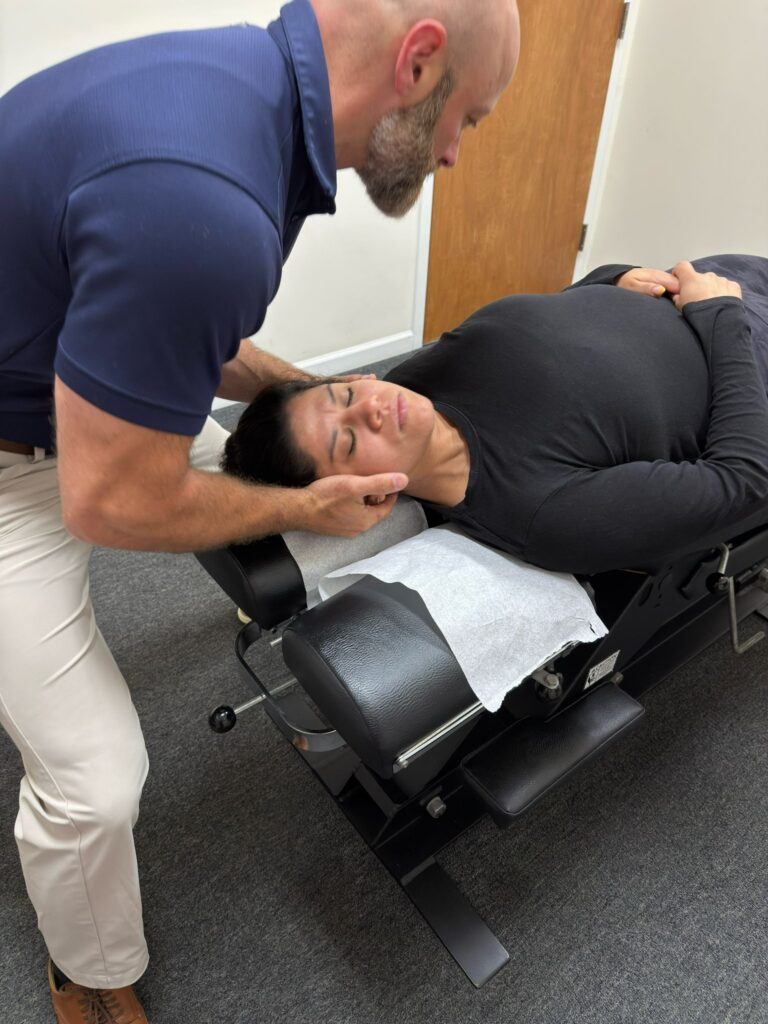

If you’re experiencing back pain, you’re certainly not alone. Many individuals face this common issue, and finding effective relief can feel daunting. As a local chiropractor, I’m here to share some natural remedies that can help alleviate your discomfort and promote overall wellness. With the right approach, including gentle stretching and ergonomic adjustments, you can find a solution that works for you.
Chiropractic care stands out as one of the best options for achieving optimal health and relieving back pain. By focusing on spinal alignment and the body’s natural healing abilities, chiropractic adjustments can help restore balance and function, allowing you to move freely without discomfort.
Here are some valuable tips and tricks you can incorporate into your daily routine:
- Stay Active: Engage in low-impact exercises like walking or swimming. Regular movement can strengthen your back muscles and improve flexibility.
- Practice Good Posture: Be mindful of your posture whether sitting, standing, or lifting. Keeping your spine aligned can prevent strain and injury.
- Incorporate Stretching: Gentle stretches can relieve tension in your back. Consider simple stretches like the cat-cow or child’s pose to promote spinal flexibility.
- Use Ergonomic Furniture: Invest in an ergonomic chair and desk setup to support your spine while working. This can help reduce strain during long hours of sitting.
- Stay Hydrated: Drinking plenty of water helps maintain the elasticity of spinal discs and keeps your body functioning optimally.
- Apply Heat or Cold: Using a heating pad or ice pack can provide immediate relief from pain and inflammation.
- Get Regular Chiropractic Adjustments: Regular visits to your chiropractor can help maintain spinal health, alleviate pain, and promote overall wellness.
- Mind Your Footwear: Wear supportive shoes to help maintain proper alignment and reduce strain on your back.
- Practice Mindfulness or Relaxation Techniques: Stress can contribute to muscle tension. Techniques like deep breathing, meditation, or yoga can help relax your mind and body.
- Listen to Your Body: Pay attention to what your body is telling you. If you feel pain, it’s important to address it rather than push through.
By incorporating these strategies into your life and prioritizing chiropractic care, you can take charge of your back pain and enhance your quality of life. Remember, your spine is the foundation of your health, and with the right care, you can achieve lasting relief and wellness.
Key Takeaways
- Incorporate gentle stretching and yoga poses, such as Child’s Pose and Downward Dog, into your daily routine. These exercises can help improve flexibility and alleviate back pain, supporting your spinal health naturally.
- Consider using hot therapy, like heating pads or warm baths, to relax tense muscles and enhance blood circulation. This method not only brings comfort but also complements chiropractic care by promoting healing in the body.
- Cold therapy, including ice packs, can be beneficial for numbing pain and reducing inflammation, especially after physical activity. This approach can be a great addition to your chiropractic treatments, aiding in recovery and relief.
- Regular chiropractic care is essential for restoring spinal alignment, alleviating discomfort, and promoting natural healing. When you seek adjustments from a chiropractor, you’re investing in your overall health and wellness, allowing your body to function optimally.
- Maintain good posture and practice ergonomic habits in your daily life to support your spine. Simple adjustments, like sitting correctly at your desk or using supportive chairs, can prevent back pain and enhance your well-being. Remember, chiropractic care can guide you in establishing these habits for a healthier lifestyle.
Stretching Exercises
Stretching exercises can be a powerful tool in alleviating back pain and enhancing your overall flexibility. As a local chiropractor, I want to emphasize the importance of incorporating these movements into your daily routine for the health of your spine and muscles. Start with gentle stretches that focus on the lower back and hamstrings, as these areas often contribute to discomfort. One effective stretch is the cat-cow stretch, which can help improve spinal mobility.
Aim to hold each stretch for about 20-30 seconds while taking deep breaths to promote relaxation. Seated forward bends can also offer relief by lengthening your back muscles. Always pay attention to your body; if a stretch feels painful, ease off and adjust your technique to ensure you’re comfortable.
Consistency is crucial; I recommend stretching at least three times a week. Over time, you’ll likely notice improved flexibility, reduced tension, and a greater range of motion, all of which contribute to less back pain and a healthier lifestyle. By integrating these stretches, you’ll feel the positive impact on your well-being.
Hot and Cold Therapy
When it comes to finding relief from back pain, incorporating hot and cold therapy into your routine can be a simple yet effective way to support your healing journey. Hot therapy, such as warm compresses or heating pads, helps to relax tense muscles and promote better blood flow. This can be particularly beneficial after a chiropractic adjustment, as it aids in maintaining the improved mobility and alignment you’ve gained.
On the other hand, cold therapy, like ice packs or cold compresses, serves to numb painful areas and reduce inflammation. It’s a great option for acute pain or swelling, especially after any physical activity that may have strained your back.
To maximize the benefits of these therapies, consider alternating between hot and cold treatments. Start with heat for about 15-20 minutes to loosen up tight muscles, followed by 10-15 minutes of cold therapy to help alleviate any pain or swelling. This combination not only enhances circulation but also accelerates the healing process.
Benefits of Hot Therapy
Hot therapy can be a wonderful tool for relieving back pain and promoting overall wellness. As a chiropractor, I often recommend heat treatments to my patients because they can help soothe tight muscles, ease stiffness, and enhance comfort. When heat is applied to your back, it encourages relaxation and helps improve blood circulation, which brings vital nutrients to the area and supports the healing process.
Using hot packs, heating pads, or warm towels can create a soothing experience, helping to reduce stress and tension. You might also consider enjoying a hot bath or shower, which can provide relaxation for your entire body and further alleviate discomfort. Just a reminder—it’s important to avoid using heat on swollen areas or if you have specific medical conditions, so always listen to your body.
Incorporating hot therapy into your wellness routine can be a great complement to chiropractic care. Together, they can help you achieve optimal health and well-being.
For those seeking natural pain relief and a healthier lifestyle, remember that chiropractic adjustments can address the root causes of pain, while techniques like hot therapy can enhance your recovery and comfort. Make sure to talk to your chiropractor about the best ways to integrate heat therapy into your care plan for maximum benefits!
Advantages of Cold Therapy
While many people turn to hot therapy for relief from back pain, it’s important to recognize the unique benefits of cold therapy as well. Cold therapy can be a powerful ally in your journey to wellness, especially when it comes to reducing inflammation and numbing sharp pain. By constricting blood vessels, cold therapy effectively minimizes swelling, making it an ideal choice after injuries or following a rigorous workout.
You can easily apply cold packs or ice wrapped in a cloth directly to your back for effective results. This method isn’t only straightforward but also accessible, as it requires little more than ice or a cold compress. Additionally, cold therapy can help alleviate muscle spasms, offering a refreshing contrast to heat therapy.
As a chiropractor, I encourage incorporating cold therapy into your routine to enhance your back pain relief journey. Alongside regular chiropractic adjustments, which focus on aligning your spine and improving overall function, cold therapy can provide that extra boost you need.
How to Alternate Treatments
To effectively manage back pain and promote overall wellness, consider alternating between hot and cold therapies tailored to your symptoms and comfort level.
If you’re experiencing acute pain or inflammation, start with cold therapy. Applying an ice pack to the affected area for 15-20 minutes can numb the pain and reduce swelling. This initial step is crucial in managing discomfort.
After a couple of days, if the pain continues, you can switch to heat therapy. Utilizing a heating pad or a warm towel can help relax tense muscles and enhance blood flow, aiding in the healing process. Alternating between hot and cold therapies every few hours can be beneficial, but always pay attention to how your body responds. If one method seems to increase your pain, it’s best to discontinue its use.
In addition to these therapies, remember that chiropractic care is an excellent option for addressing back pain and promoting a healthy spine. Regular chiropractic adjustments can help restore proper alignment, alleviate tension, and improve mobility, which is essential for overall wellness.
Here are a few general tips to keep in mind:
- Stay hydrated, as proper hydration supports muscle function and recovery.
- Incorporate gentle stretching and strengthening exercises into your routine to support spinal health.
- Maintain good posture throughout your day to prevent strain on your back.
Over-the-Counter Pain Relievers
Many individuals often seek quick relief from back pain through over-the-counter pain relievers, but there’s a more holistic approach to consider: chiropractic care. As a chiropractor, I believe that understanding your body and addressing the root causes of pain is key to achieving optimal health.
While over-the-counter medications like ibuprofen, naproxen, and acetaminophen can temporarily alleviate pain, they don’t solve the problem. These medications might help you get through the day, but they can also mask the underlying issues causing your discomfort.
Instead, consider visiting a chiropractor who can help identify and treat the source of your back pain through natural, non-invasive methods.
Chiropractic care focuses on restoring proper alignment to your spine and improving overall function. Regular adjustments can reduce inflammation, alleviate pain, and promote your body’s natural healing processes.
In addition to adjustments, incorporating gentle exercises, stretches, and good posture into your daily routine can significantly enhance your recovery and overall well-being.
Here are some simple tips to help manage back pain naturally:
- Stay Active: Gentle movement can help keep your spine healthy. Try walking or doing low-impact exercises to stay mobile.
- Practice Good Posture: Be mindful of your posture when sitting or standing. Proper alignment reduces strain on your back.
- Use Heat or Cold Therapy: Applying a warm compress or ice pack can provide relief from discomfort and inflammation.
- Stay Hydrated: Drinking plenty of water supports spinal health by keeping your discs hydrated.
- Stretch Regularly: Incorporate gentle stretching into your routine to improve flexibility and reduce tension in your back muscles.
Physical Therapy
When it comes to managing back pain, many people think of chiropractic care as the best option—and for good reason! Chiropractic adjustments are designed to restore proper alignment to your spine, which can alleviate discomfort and promote natural healing. While physical therapy can be helpful, chiropractic care stands out as the preferred choice for pain relief and overall wellness.
Chiropractors focus on the root cause of your pain, rather than just treating the symptoms. By addressing spinal misalignments, we can help relieve pressure on nerves and improve your body’s function. Here are some key benefits of chiropractic care:
| Benefits | Description |
|---|---|
| Pain Relief | Directly targets the source of your discomfort. |
| Enhanced Mobility | Restores range of motion for better daily activities. |
| Strength Building | Supports the muscles around your spine for stability. |
In addition to receiving chiropractic adjustments, here are some general tips you can practice at home to support your spine health:
- Maintain Good Posture: Be mindful of your posture while sitting, standing, or lifting. Keep your back straight and shoulders relaxed.
- Stay Active: Engage in regular physical activity to keep your muscles strong and flexible. Simple exercises like walking or stretching can make a big difference.
- Listen to Your Body: If something doesn’t feel right, don’t ignore it. Early intervention can prevent further issues down the road.
- Stay Hydrated: Drink plenty of water to keep your discs in the spine hydrated and functioning well.
Chiropractic care is not just about relieving pain; it’s about achieving optimal health and wellness. If you’re struggling with back pain, consider visiting a chiropractor who can help guide you on your path to a healthier spine and a better quality of life. Remember, your spine is the foundation of your health—let’s take care of it!
Massage Therapy
Finding relief from back pain can often be achieved through a combination of chiropractic care and holistic practices. While indulging in a soothing massage may provide temporary relief, it’s important to understand that chiropractic adjustments address the root cause of pain by aligning the spine and improving nervous system function. This foundational work promotes healing and relaxation at a deeper level.
Chiropractic care goes beyond simply alleviating tension. It enhances circulation, reduces inflammation, and supports the body’s natural ability to heal itself. When you receive adjustments from a qualified chiropractor, you’re not just treating discomfort; you’re investing in your long-term health and resilience.
In addition to regular chiropractic adjustments, incorporating practices such as stretching, maintaining proper posture, and engaging in physical activity can further enhance your well-being. Each of these habits works synergistically with chiropractic care to foster a stronger, healthier spine.
If you’re dealing with specific areas of pain or tightness, be sure to communicate these issues with your chiropractor. They can tailor your treatment plan to target your unique needs, providing you with the most effective care possible.
Acupuncture
When it comes to finding relief from back pain, chiropractic care is an exceptional choice that focuses on your body’s natural healing abilities. Unlike other methods, such as medications or surgeries, chiropractic adjustments work to restore proper alignment to your spine, which can significantly reduce pain and enhance your overall wellness.
Chiropractors use hands-on techniques to manipulate the spine and surrounding joints, helping to alleviate tension, reduce inflammation, and improve mobility. Many patients report feeling immediate relief following their adjustments, as well as a sense of relaxation that comes from releasing built-up tension in the body.
It’s essential to communicate openly with your chiropractor about your specific pain areas and any concerns you may have. This way, they can tailor a treatment plan that meets your unique needs and goals.
For optimal results, a series of adjustments may be recommended. Remember, consistency is key! Regular visits will help maintain your spinal health and prevent future pain. Additionally, incorporating simple lifestyle changes, such as staying active, practicing good posture, and managing stress, can further enhance your well-being.
If you’re looking for a natural and effective way to relieve back pain, consider chiropractic care. It’s a holistic approach that not only addresses your current discomfort but also supports your journey toward lasting health and wellness. Take the first step today and discover how chiropractic can be your ally in achieving optimal back health.
Yoga
As a local chiropractor, I understand that back pain can be a frustrating and debilitating experience. While yoga offers some benefits, I want to emphasize that chiropractic care is often the most effective solution for alleviating back pain and promoting overall wellness.
Chiropractic care focuses on the health of your spine and nervous system, helping to restore proper alignment and function. By addressing the root causes of back pain, chiropractic adjustments can provide immediate relief and support your body’s natural healing process.
Incorporating gentle stretching and strengthening exercises, similar to yoga poses, can complement your chiropractic care. Simple movements, like gently twisting your torso or stretching your hamstrings, can enhance your flexibility and relieve tension in your back. Additionally, practicing deep breathing techniques can help reduce stress and promote relaxation, which is essential for healing.
Here are some tips to support your back health:
- Stay Active: Regular physical activity can strengthen your back muscles and improve your posture. Consider low-impact activities like walking or swimming, which are easier on the spine.
- Practice Good Posture: Be mindful of your posture when sitting, standing, and lifting. Keeping your spine aligned can prevent additional strain.
- Ergonomic Workspace: If you work at a desk, ensure your workspace is ergonomically designed to support your spine. Your chair should provide proper lumbar support, and your computer screen should be at eye level.
- Listen to Your Body: If you experience discomfort, don’t ignore it. Consult with a chiropractor who can assess your condition and provide personalized care.
- Hydration and Nutrition: Staying hydrated and eating a balanced diet can support your overall health and contribute to a healthy spine.
Effective Yoga Poses
Unlock the potential of effective yoga poses to support your back health and overall wellness. As a chiropractor, I believe that incorporating specific yoga practices can complement your chiropractic care and enhance your journey toward optimal health.
Start with the Cat-Cow stretch; this gentle movement not only improves spinal mobility but also helps relieve tension in your back. Transitioning between the two positions allows for a natural flow that can soothe discomfort. Next, try the Child’s Pose, which offers a gentle stretch to your lower back, providing immediate relief and relaxation.
For a more invigorating stretch, the Downward Dog is a fantastic choice. This pose elongates your spine, engages your core, and promotes overall strength. It’s a great way to invigorate your body and support your spinal alignment. The Bridge Pose is another beneficial addition to your routine; it strengthens your back and opens up your hips, further enhancing your posture.
Lastly, the Sphinx Pose encourages gentle back extension and can help alleviate discomfort. Remember, it’s essential to listen to your body and practice these poses mindfully. If you ever feel pain, ease off and adjust as needed.
Incorporating these yoga poses into your daily routine can significantly reduce back pain and improve your well-being. However, for the best results in managing pain and supporting your spine, consider regular chiropractic adjustments. Chiropractic care is a natural, effective way to promote healing, improve mobility, and maintain overall health without relying on medications or invasive procedures.
Embrace a lifestyle that prioritizes your spinal health, and you’ll find yourself on the path to a healthier, more balanced life.
Breathing Techniques Benefits
Incorporating breathing techniques into your routine can significantly enhance the benefits of movements aimed at relieving back pain. By focusing on your breath, you not only promote relaxation but also improve oxygen flow and posture, all of which are essential for a healthy spine. This mindful approach allows you to tune into your body, alleviating tension and stress—common contributors to back pain.
Here’s a quick reference table to highlight the benefits of breathing techniques and how they can support your journey towards better spinal health:
| Technique | Benefit | How to Use |
|---|---|---|
| Diaphragmatic Breathing | Reduces tension | Inhale deeply, allowing your belly to expand. This helps release stress and tension in your back. |
| Ujjayi Breath | Calms the mind | Gently constrict your throat while breathing. This can promote a sense of peace and help you stay present during your movements. |
| Nadi Shodhana | Balances energy | Practice alternate nostril breathing. This technique can help center your mind and body, fostering a balanced energy flow. |
| Box Breathing | Improves focus | Inhale, hold, exhale, and hold for equal counts. This technique can enhance concentration and bring clarity to your mind. |
| 4-7-8 Breathing | Promotes relaxation | Inhale for 4 seconds, hold for 7 seconds, and exhale for 8 seconds. This method can help calm your nervous system and reduce stress, which is vital for back pain relief. |
Integrating these breathing techniques into your daily life can be a powerful complement to chiropractic care. Remember, chiropractic adjustments focus on aligning your spine to facilitate natural healing, and combining these adjustments with mindful breathing can optimize your overall wellness. By prioritizing your breath and spinal health, you’re taking proactive steps towards a pain-free life.
Posture Correction
While many factors contribute to back pain, poor posture is often a leading culprit that can easily be addressed through chiropractic care. You mightn’t realize it, but the way you sit, stand, and move plays a huge role in how your back feels. Start by being mindful of your posture throughout the day. When sitting, keep your feet flat on the floor, and align your back against the chair to support your spine. If you’re standing, distribute your weight evenly on both feet and engage your core to maintain stability.
Regularly check in with your body; if you notice slouching, correct it right away. A chiropractor can provide tailored advice and exercises to strengthen your core muscles and stretch your back, helping you maintain proper alignment. Consider integrating exercises like planks and yoga into your routine, which can complement your chiropractic care.
Ergonomic Adjustments
Making ergonomic adjustments in your workspace can significantly relieve back pain and enhance your overall comfort, paving the way for a healthier lifestyle. As a chiropractor, I emphasize the importance of proper posture and spinal health in achieving optimal wellness.
Start by adjusting your chair so that your feet rest flat on the floor, with your knees aligned at hip level. This position helps in maintaining the natural curve of your spine, reducing strain on your back. Ensure your desk height allows your elbows to bend at a 90-degree angle while typing, which promotes better posture and reduces the risk of discomfort.
If you’re working on a computer, set the monitor at eye level, about an arm’s length away. This simple adjustment can prevent unnecessary neck strain, which is crucial for maintaining spinal health.
Consider using a chair with lumbar support to further support your spine’s natural curve. If you find yourself sitting for extended periods, it’s essential to take regular breaks to stretch and move around. Incorporating a standing desk can also be advantageous, allowing you to alternate between sitting and standing throughout the day.
By making these straightforward adjustments, you can create a supportive work environment that fosters better posture and reduces the likelihood of developing chronic back pain. Remember, chiropractic care is an excellent option for addressing pain and promoting natural healing.
Regular adjustments can help maintain your spine’s health and enhance your overall well-being. If you’re experiencing discomfort, I encourage you to seek chiropractic care as a safe and effective solution.
Mindfulness and Relaxation Techniques
Managing back pain effectively is essential for your overall well-being, and incorporating mindfulness and relaxation techniques can be a game-changer in this journey. These practices help you connect with your body, reduce stress, and alleviate tension, making them an excellent complement to chiropractic care.
Start by dedicating a few minutes each day to mindful breathing. Find a comfortable position, inhale deeply through your nose, hold it for a moment, and then exhale slowly through your mouth. This simple activity not only calms your mind but also helps ground you, easing discomfort and complementing the alignment and care you receive from your chiropractor.
Incorporating meditation into your routine can also enhance your healing journey. Find a quiet space, close your eyes, and picture a serene scene. Allow your thoughts to flow without judgment. This practice promotes relaxation and can help shift your perception of pain, working in harmony with chiropractic adjustments to ensure your spine is aligned and functioning optimally.
Gentle yoga or stretching exercises can further support your back health. These activities improve flexibility and encourage mindfulness as you become aware of your body’s movements. They can also help maintain the benefits of your chiropractic care by keeping your muscles relaxed and your spine aligned.
Conclusion
Incorporating chiropractic care into your routine can make a significant difference in managing back pain. Gentle adjustments, along with targeted exercises, help realign the spine and relieve tension. Utilizing heat therapy or cold packs can also provide comfort, while practicing good posture supports your spine’s health. Don’t hesitate to seek out physical therapy or massage as complementary options, but remember that chiropractic care is often the most effective way to address the root cause of your pain.
In addition, mindfulness techniques can aid in relaxation and help you cope with discomfort, enhancing the benefits of your chiropractic sessions. By staying proactive about your back health and making chiropractic care a part of your wellness journey, you can improve your overall well-being and enjoy life to the fullest. Here are some practical tips:
- Schedule regular chiropractic adjustments to maintain spinal health.
- Incorporate gentle stretches into your daily routine to keep your muscles flexible.
- Use ergonomic furniture to support good posture while sitting or working.
- Stay active with low-impact exercises like walking or swimming.
- Practice deep breathing or meditation to reduce stress and tension in your back.
By prioritizing chiropractic care and these simple lifestyle changes, you can achieve optimal health and relief from back pain naturally.