
If you’ve ever dealt with low back pain, you know how frustrating it can be to figure out what’s causing it. Often, it’s not just a sudden injury; everyday habits can play a big role in your discomfort. Factors like stress, lack of quality sleep, and even the type of shoes you wear can impact your back health more than you might think.
As a local chiropractor, I want to help you uncover these hidden triggers so you can better understand your body and take steps to improve your overall well-being. Here are a few insights and tips to consider:
- Stress Management: Chronic stress can lead to muscle tension, especially in your back. Incorporating relaxation techniques such as deep breathing, meditation, or yoga can help reduce stress and alleviate pain.
- Sleep Quality: Poor sleep can exacerbate back pain. Aim for a comfortable sleeping position, and consider using a supportive mattress and pillows to maintain proper spinal alignment.
- Footwear Matters: The shoes you wear can significantly affect your posture and spine health. Choose supportive footwear that provides cushioning and stability. Avoid high heels or shoes that lack arch support.
- Posture Awareness: Be mindful of your posture throughout the day, especially if you sit for long periods. Make an effort to sit up straight, keep your feet flat on the floor, and take regular breaks to stretch and move around.
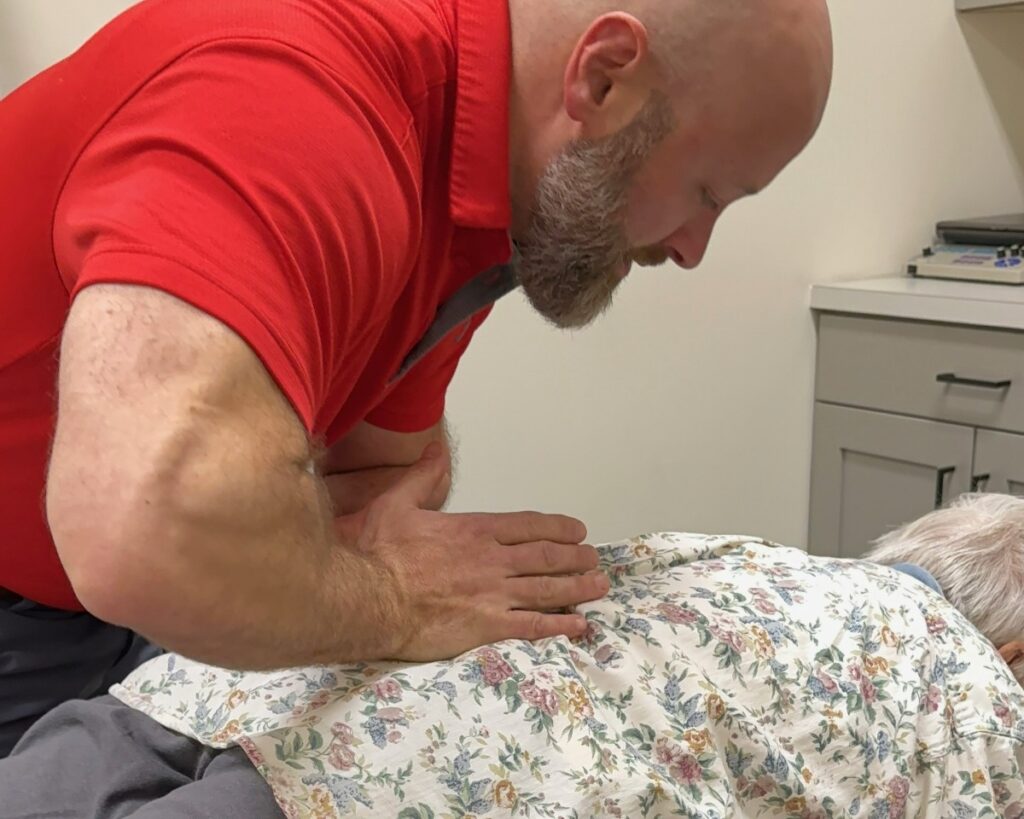
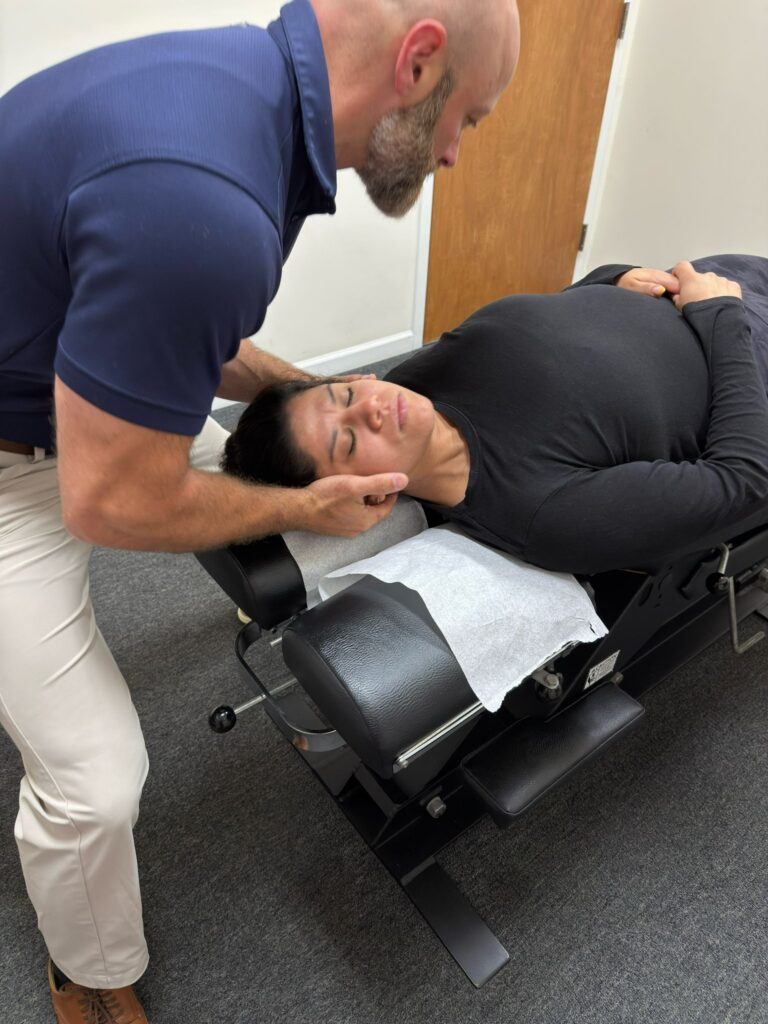
- Regular Chiropractic Care: Visiting a chiropractor can be one of the best ways to address low back pain. Chiropractic adjustments help align your spine, improve mobility, and reduce pain naturally without the need for medications or surgeries.
By paying attention to these triggers and incorporating healthier habits into your daily routine, you can take significant steps toward relieving your low back pain and achieving optimal health. Remember, your spine is the foundation of your overall health, and chiropractic care is here to support you on your journey to wellness.
Key Takeaways
Unlocking Low Back Pain’s Hidden Triggers
Chronic stress and emotional tension can lead to muscle tightness and increased sensitivity in the lower back, often worsening pain if left unaddressed. By incorporating relaxation techniques and mindfulness practices, you can help alleviate some of this tension. Remember, chiropractic care can also play a crucial role in managing stress and promoting overall wellness.
Sedentary behavior and prolonged sitting are common culprits behind muscle imbalances and increased pressure on spinal discs, which can lead to chronic back pain. To combat this, try to incorporate regular breaks into your routine. Stand up, stretch, and move around every hour. Chiropractic adjustments can also help realign your spine and improve your posture, making it easier to stay active throughout the day.
Poor posture, especially while using technology, places unnecessary strain on your back muscles, further exacerbating discomfort and pain. Be mindful of your posture when sitting or standing. Consider using ergonomic furniture and devices to support your spine and reduce strain. Regular visits to a chiropractor can help maintain proper alignment and improve your posture.
Repetitive strain from bending, twisting, or lifting without breaks can cause microtraumas, leading to long-term low back pain. To prevent this, practice proper body mechanics: bend at your knees, keep your back straight, and avoid twisting your torso as you lift. If you find yourself dealing with persistent pain, a chiropractor can provide targeted care to address these issues and promote healing.
Improper footwear, such as high heels or shoes that lack support, can disrupt your body alignment and increase strain on your lower back. Opt for shoes that offer good arch support and cushioning. If you’re unsure about your footwear choices, a chiropractor can provide recommendations tailored to your specific needs.
By being aware of these hidden triggers and taking proactive steps, you can enhance your well-being and reduce the risk of low back pain. Chiropractic care is an excellent option for natural healing and maintaining optimal health. Consider integrating these tips into your daily routine for better spinal health and overall wellness!
The Role of Stress in Low Back Pain
While you mightn’t immediately connect stress to low back pain, these two factors often go hand in hand.
When you’re under stress, your body naturally reacts by tightening muscles, especially in the lower back. This tension can lead to discomfort, making it difficult to move freely. Many people don’t realize that their stress is manifesting as physical pain until it becomes overwhelming.
Stress can also negatively impact your posture. You may find yourself slumping or tensing up without even noticing, which adds extra strain on your back. Over time, these habits can contribute to chronic pain.
As a local chiropractor, I want to stress the importance of recognizing the signs of stress in your life. One of the best ways to alleviate muscle tension and improve overall comfort is through chiropractic care. Regular adjustments can help restore proper spinal alignment, reducing tension and promoting relaxation.
In addition to chiropractic treatments, incorporating relaxation techniques into your routine can be beneficial. Simple practices like deep breathing, stretching, or yoga can help relax tight muscles and improve your posture. It’s all about creating a healthier lifestyle that supports your body and mind.
Emotional Tension and Its Physical Manifestations
When you experience emotional tension, your body can react in unexpected ways, often showing up as physical discomfort. This connection between your emotions and physical state is very real and can significantly impact your overall well-being. For example, stress or anxiety is commonly associated with discomfort in your lower back.
Here are some ways emotional tension can manifest physically and how chiropractic care can help:
- Muscle Tightness: Stress can lead to muscle tightness, which may result in back pain. Chiropractic adjustments can help alleviate this tension, promoting relaxation and better muscle function.
- Posture Changes: When you’re under emotional strain, you might find yourself slouching or adopting poor posture. This can worsen discomfort. Chiropractic care focuses on aligning your spine, which can improve your posture and reduce pain.
- Inflammation: Chronic stress can contribute to inflammation, exacerbating back pain. Regular chiropractic adjustments support your body’s natural healing processes and can help manage inflammation effectively.
- Nerve Sensitivity: Emotional distress can make you more sensitive to pain. Chiropractic care not only addresses physical alignment but also enhances your body’s nerve function, helping to reduce sensitivity and discomfort.
Understanding the link between emotional tension and physical pain is essential for effective management. By incorporating chiropractic care into your wellness routine, you can address both the emotional and physical aspects of your low back pain, leading to better overall health and relief.
General Tips for Managing Emotional Tension:
- Practice Relaxation Techniques: Incorporate deep breathing exercises, meditation, or yoga into your daily routine to reduce stress levels.
- Stay Active: Regular physical activity can help manage stress and improve your mood. Even a short walk can make a difference.
- Mind Your Posture: Be aware of your posture throughout the day, especially if you’re sitting for long periods. Try to keep your back straight and shoulders relaxed.
Poor Sleep Quality and Its Impact on Back Health
Emotional tension can significantly disrupt your sleep, creating a cycle that can negatively impact your back health. When you don’t get enough restorative sleep, your muscles can become tense, which often leads to back pain. Understanding the signs of poor sleep and its effects is crucial for breaking this cycle and enhancing your overall well-being.
Symptoms of Poor Sleep and Their Impact on Back Health
| Symptoms of Poor Sleep | Impact on Back Health | Tips for Improvement |
|---|---|---|
| Fatigue | Increased muscle tension | Establish a calming bedtime routine |
| Irritability | Poor posture | Limit screen time before bed |
| Difficulty concentrating | Decreased pain tolerance | Create a supportive sleep environment |
| Muscle soreness | Higher risk of injury | Practice relaxation techniques |
| Lack of motivation | Reduced mobility | Stay active during the day |
Addressing your sleep quality is essential for improving your back health. Here are some tips to help you achieve better sleep and, in turn, reduce discomfort:
- Establish a Bedtime Routine: Consistency is key. Try to go to bed and wake up at the same time every day to regulate your body’s clock.
- Limit Screen Time Before Bed: The blue light emitted by screens can interfere with your sleep. Aim to turn off devices at least an hour before bedtime.
- Create a Comfortable Sleep Environment: Your mattress and pillow should provide adequate support for your spine. A peaceful, dark, and cool room can also enhance sleep quality.
- Practice Relaxation Techniques: Incorporating practices such as deep breathing, meditation, or gentle stretching can help ease tension and prepare your body for restful sleep.
- Stay Active During the Day: Regular physical activity can improve sleep quality and reduce stress, ultimately benefiting your back health.
Nutritional Choices That Affect Spine Health
Making informed nutritional choices is essential for maintaining a healthy spine and overall wellness. The right diet can significantly influence inflammation, muscle strength, and your general well-being—all of which contribute to a healthy back. Here are some important nutritional tips to consider:
- Omega-3 Fatty Acids: These beneficial fats, found in fish, walnuts, and flaxseeds, can help reduce inflammation in your body. By including Omega-3s in your diet, you may experience less discomfort and support joint health, which is crucial for a flexible spine.
- Calcium and Vitamin D: These nutrients are vital for strong bones. You can find calcium in dairy products, leafy greens, and fortified foods, while sunlight is a natural source of Vitamin D. Together, they help keep your bones sturdy, which is essential for spinal support.
- Magnesium: This mineral plays a key role in muscle function and relaxation, helping to alleviate tension and discomfort. You can boost your magnesium intake by snacking on nuts, seeds, and whole grains. A well-functioning muscular system is important for maintaining balance and preventing strain on the spine.
- Antioxidants: Eating a variety of colorful fruits and vegetables rich in antioxidants can help combat oxidative stress in your body. This is important for your spine, as oxidative stress can contribute to discomfort and other health issues.
In addition to focusing on these nutritional elements, remember that chiropractic care can be a powerful ally in achieving optimal health. Regular adjustments can help keep your spine aligned, reduce pain, and enhance your overall well-being.
By combining good nutrition with chiropractic care, you’re taking proactive steps toward a healthier, pain-free life.
Sedentary Lifestyle: The Hidden Danger
The Hidden Danger of a Sedentary Lifestyle: A Chiropractor’s Perspective
As a chiropractor, I often see the effects of a sedentary lifestyle on my patients’ spines and overall health. Many people don’t realize that sitting for long periods can contribute to muscle imbalances, put extra pressure on your spinal discs, and lead to chronic pain. The good news? Simple changes can help you maintain a healthy spine and reduce discomfort.
Here’s a quick overview of how different activity levels impact your spine and what you can do about it:
| Activity Level | Impact on Spine | Chiropractic Tip |
|---|---|---|
| Sedentary | Increased back pain | Stand up and stretch every hour |
| Light Activity | Improved posture | Take short walks throughout your day |
| Active | Enhanced spinal health | Engage in regular exercise, including spinal strengthening and flexibility exercises |
Tips for a Healthier Spine:
- Take Breaks: If you work at a desk, set a timer to remind you to stand up every hour. A few minutes of movement can make a big difference!
- Incorporate Movement: Try to include short walks during your day, whether it’s during lunch or after meetings. This helps promote circulation and reduces stiffness.
- Stay Active: Regular exercise is key to maintaining a healthy spine. Consider activities that strengthen your core, improve flexibility, and support good posture, such as yoga or Pilates.
- Chiropractic Care: Regular chiropractic adjustments can help correct misalignments and relieve pain caused by a sedentary lifestyle. Your chiropractor can provide personalized recommendations tailored to your specific needs.
Improper Footwear and Its Effects on Posture
Wearing improper footwear can have a significant impact on your posture and may lead to low back pain. As a chiropractor, I often see how shoes like high heels, those without adequate arch support, or those with stiff soles can disrupt your body’s alignment. This misalignment can create discomfort and pain over time, affecting not only your back but also your overall well-being.
To help you make better footwear choices, here are a few tips:
- Choose Supportive Shoes: Look for shoes that offer proper arch support and cushioning. This helps to maintain your body’s natural alignment and reduces the strain on your spine.
- Avoid High Heels: While they may look stylish, high heels can throw off your posture and lead to discomfort. Opt for shoes with a lower heel that allow for a more natural foot position.
- Pay Attention to Fit: Ensure your shoes fit well. Shoes that are too tight or too loose can lead to improper weight distribution, affecting your posture.
- Consider Orthotics: Custom or over-the-counter orthotics can provide additional support and help correct alignment issues caused by improper footwear.
- Stay Active: Regular physical activity and stretching can help strengthen your back and improve your posture, making you less susceptible to pain from footwear-related issues.
Remember, chiropractic care is a fantastic way to address discomfort caused by improper footwear. Regular adjustments can help restore your spine’s alignment, improve your posture, and promote natural healing.
If you’re experiencing pain, don’t hesitate to reach out for a consultation. Your journey to optimal health starts with the right choices for your feet!
Heel Height Impact
Improper footwear, particularly high heels, can significantly disrupt your posture and contribute to low back pain. When you wear heels, your body naturally shifts forward, causing your lower back to overcompensate and leading to misalignment. This can result in discomfort and chronic pain. Here’s how high heels can impact your body and what you can do about it:
- Increased pressure on the lower back: The angle created by high heels can strain your spine, leading to discomfort. Regular chiropractic adjustments can help realign your spine and alleviate this pressure.
- Altered gait: High heels change the way you walk, which can create muscle imbalances over time. A chiropractor can assess your gait and recommend exercises to help restore balance and improve your walking pattern.
- Tightened calf muscles: Wearing heels frequently can shorten your calf muscles, which negatively impacts your posture. Incorporating stretching routines or discussing stretching techniques with your chiropractor can help maintain flexibility and posture.
- Reduced stability: High heels can affect your stability and increase the risk of falls and injuries. Focus on wearing supportive footwear and consider chiropractic care to enhance your balance and coordination.
Choosing the right footwear is essential for maintaining a healthy posture and preventing low back pain. Remember, chiropractic care is a natural and effective way to achieve optimal health, relieve pain, and promote overall wellness.
If you’re experiencing discomfort, consider reaching out to your chiropractor for personalized advice and treatment options tailored to your needs.
Arch Support Importance
When it comes to maintaining a healthy posture, arch support is key to your overall well-being. Many people underestimate the impact of wearing improper footwear, which can lead to significant discomfort and misalignment throughout the body. Shoes that lack proper arch support can cause your feet to flatten, negatively affecting your alignment all the way up to your spine. This misalignment can result in back pain and discomfort that can be felt throughout your entire body.
Choosing shoes that provide adequate arch support is essential for promoting better posture and overall health. Quality footwear can help protect your feet, support your spine, and reduce the risk of pain. Remember, your feet are the foundation of your body, and when they’re supported properly, it can make a world of difference in how you feel.
As a chiropractor, I encourage you to invest in shoes that support your arches. Additionally, consider incorporating stretching and strengthening exercises for your feet and legs into your routine, as they can enhance your stability and posture. Regular chiropractic care can also help ensure that your spine and nervous system are functioning at their best, contributing to your overall wellness. The next time you shop for shoes, prioritize arch support and embrace a proactive approach to your health!
Sole Flexibility Matters
Finding the right balance in shoe flexibility is crucial for your posture and overall comfort, and it can significantly impact your spinal health. When your footwear lacks proper sole flexibility, it may lead to misalignments, which can contribute to low back pain.
Here are some important considerations to keep in mind:
- Arch Support: It’s essential to wear shoes that provide adequate arch support. Without it, your feet and back can become strained, leading to discomfort.
- Heel Height: Be cautious with high heels. They can shift your weight in ways that negatively affect your posture and balance, potentially leading to pain.
- Toe Box: A narrow toe box can restrict the natural movement of your feet, which may disrupt your gait and contribute to spinal issues.
- Material: Shoes made from rigid materials can limit your foot’s natural motion. Look for flexible materials that allow for comfortable movement.
Choosing the right shoes is a vital step in maintaining proper posture and preventing pain. Remember to pay attention to how your footwear feels and make adjustments as needed.
Incorporating chiropractic care into your routine can also help alleviate any discomfort you may experience. Regular chiropractic adjustments can improve your spinal alignment, enhance your overall wellness, and support a pain-free lifestyle. Prioritize your health by being mindful of your footwear and considering chiropractic care for optimal health and natural healing.
The Connection Between Weight Gain and Back Pain
When you gain weight, it can put extra pressure on your spine, leading to discomfort and back pain.
This added weight can change the way your body moves, making everyday tasks feel more difficult.
As these changes occur, muscle imbalances may develop, which can intensify your back pain.
Chiropractic care offers a natural and effective way to address these issues.
By focusing on spinal alignment and overall body mechanics, chiropractic adjustments can help relieve the pressure on your spine and improve your movement.
This not only alleviates pain but also helps restore balance to your muscles, promoting better posture and reducing the risk of future discomfort.
Here are a few tips to help manage your weight and support your back health:
- Stay Active: Incorporate regular physical activity into your daily routine. Simple activities like walking, swimming, or yoga can strengthen your muscles and improve your spinal health.
- Focus on Nutrition: Eating a balanced diet rich in whole foods can help you maintain a healthy weight. Consider foods that are high in fiber and low in processed sugars to support your overall wellness.
- Practice Good Posture: Be mindful of your posture throughout the day, whether you’re sitting at a desk or lifting objects. Proper alignment reduces strain on your spine and can help prevent pain.
- Stay Hydrated: Drinking enough water supports overall health and helps keep your spinal discs hydrated, which is important for cushioning your spine.
- Visit Your Chiropractor: Regular chiropractic check-ups can help keep your spine aligned and your body functioning optimally. Your chiropractor can provide personalized care and advice tailored to your specific needs.
Increased Pressure on Spine
As a local chiropractor, I want to emphasize the often-overlooked connection between weight gain and increased pressure on your spine, which can significantly contribute to back pain.
When your body weight increases, your spine takes on more stress, leading to discomfort that can affect your daily life.
This added pressure can strain your muscles, ligaments, and discs, making even simple activities painful.
Here are some important factors that link weight gain to back pain and how chiropractic care can help:
- Increased Load on Spinal Structures: Extra weight means your spine has to work harder to support your body. Chiropractic adjustments can help realign your spine, reducing the strain and pressure on these structures.
- Altered Posture and Alignment: Gaining weight can change your posture, which can lead to imbalances and pain. Regular chiropractic adjustments can improve your posture and help restore proper alignment, promoting better spinal health.
- Reduced Flexibility and Mobility: Carrying excess weight can limit your movement and flexibility. Chiropractic care includes exercises and stretches that can enhance your mobility, making it easier for you to stay active and maintain a healthy weight.
- Higher Inflammation Levels: Weight gain can lead to increased inflammation in the body, which can exacerbate pain. A chiropractor can work with you on a holistic approach to reduce inflammation through lifestyle changes and natural healing techniques.
To support your spine and overall health, consider these simple tips:
- Stay Active: Engage in regular physical activity to help manage your weight and strengthen your back muscles. Activities like walking, swimming, or yoga can be beneficial.
- Focus on Nutrition: Eating a balanced diet rich in whole foods can help you maintain a healthy weight and reduce inflammation.
- Practice Good Posture: Be mindful of your posture throughout the day, especially when sitting or standing for long periods. This can help alleviate unnecessary strain on your spine.
- Schedule Regular Chiropractic Visits: Consistent chiropractic care can help keep your spine aligned and functioning optimally, paving the way for better health and wellness.
By prioritizing your spinal health through chiropractic care, you can take proactive steps towards alleviating back pain and achieving a healthier, more vibrant life.
Altered Body Mechanics
Weight gain can significantly impact your spine and overall body mechanics, leading to back pain. When extra weight is added, your posture may shift, causing you to lean forward or arch your back more than normal. These changes can create imbalances in how your muscles and joints function together, resulting in discomfort and stiffness.
It’s essential to recognize these alterations in your body mechanics. Tight or weak muscles can worsen misalignment, making daily activities feel more challenging. But don’t worry—there are steps you can take to help alleviate this pain naturally!
Chiropractic care is an excellent option for addressing these issues. A chiropractor can help restore proper alignment to your spine, enhancing your overall body mechanics and reducing discomfort. Incorporating strength training and flexibility exercises into your routine can also improve your posture, which is key to relieving back pain.
Here are some general tips you can use to support your spine:
- Focus on Posture: Try to maintain a neutral spine when sitting or standing. Keep your shoulders back and your ears aligned with your shoulders.
- Stay Active: Engage in regular physical activity, such as walking or gentle stretching, to keep your muscles strong and flexible.
- Strengthen Core Muscles: Strengthening your core can provide better support for your spine. Simple exercises like planks and bridges can be very effective.
- Incorporate Flexibility Exercises: Stretching can help alleviate tightness in muscles and improve your overall range of motion.
- Visit Your Chiropractor: Regular chiropractic check-ups can help you maintain proper spinal alignment, which is crucial for preventing pain and promoting overall wellness.
Muscle Imbalance Effects
Gaining extra pounds can lead to muscle imbalances that often contribute to back pain. When your body carries excess weight, it impacts how your muscles function, which can result in tension and discomfort. Here’s how weight gain can create muscle imbalances, and importantly, how chiropractic care can help:
- Weak Core Muscles: Extra weight can put a strain on your core, making it weaker and less supportive. A strong core is essential for maintaining proper posture and protecting your spine. Chiropractic adjustments can help realign your spine, allowing your core muscles to engage more effectively in supporting your body.
- Tight Hip Flexors: Carrying more weight can lead to tight hip flexors, which pull your pelvis forward and can strain your lower back. Chiropractic care can help relieve tightness through gentle adjustments and stretches, promoting better mobility and reducing discomfort.
- Overactive Back Muscles: When certain muscles are weak, your back muscles may overwork to compensate, leading to fatigue and pain. A chiropractor can assess your muscle function and provide targeted adjustments and exercises to help restore balance and ease tension.
- Altered Posture: Weight gain can shift your center of gravity, leading to poor posture that exacerbates back issues. Chiropractic care focuses on correcting alignment, which can improve your posture and relieve associated pain.
Addressing these imbalances through chiropractic care is key to relieving pain and enhancing your overall well-being.
Here are some general tips you can incorporate into your daily routine:
- Stay Active: Engage in regular physical activity to strengthen your core and support your spine.
- Mind Your Posture: Be mindful of your posture, especially when sitting or standing for long periods.
- Stretch Regularly: Incorporate stretching into your routine to keep your muscles flexible and reduce tightness.
- Consult a Chiropractor: Regular chiropractic visits can help maintain spinal health, address imbalances, and promote natural healing.
Repetitive Movements and Their Long-Term Consequences
Many people may not realize that repetitive movements can quietly lead to long-term low back pain. Whether it’s at work or during daily chores, performing the same motions repeatedly can strain your muscles and joints. Over time, this strain can create imbalances and weaken the structures that support your back, making it more susceptible to injury.
Consider how often you bend, twist, or lift in the same way. These actions can cause tiny injuries, or microtraumas, that build up over time. If you don’t take breaks or change up your movements, you might end up facing chronic discomfort or pain.
To prevent these long-term issues, it’s essential to introduce variety into your daily routine. Here are some simple tips to help you maintain a healthy back:
- Take Frequent Breaks: If your work involves repetitive tasks, take short breaks to stretch and move around. This helps reduce strain on your muscles and joints.
- Incorporate Stretching: Regular stretching can keep your muscles flexible and reduce tension. Focus on stretches that target your back, hips, and legs.
- Strengthen Your Core: A strong core supports your spine and helps prevent injury. Simple exercises like planks, bridges, and pelvic tilts can be very effective.
- Mind Your Posture: Pay attention to how you sit, stand, and move. Maintaining good posture can significantly reduce pressure on your back.
- Consider Chiropractic Care: Regular visits to a chiropractor can help address any imbalances and promote overall spinal health. Chiropractic adjustments can relieve pain and improve function, allowing your body to heal naturally.
The Influence of Technology and Screen Time on Back Pain
As a local chiropractor, I want to address a pressing issue many of us face in today’s tech-driven world: back pain caused by long hours spent hunched over screens. You may not notice how your posture impacts your spine until discomfort begins to creep in, but understanding this connection is key to maintaining your health.
Here are some important factors to consider:
- Poor Posture: Slouching or leaning forward can put unnecessary strain on your back muscles. Aim to sit up straight, keeping your shoulders back and your head aligned over your spine.
- Prolonged Sitting: Sitting for extended periods can lead to tight hip flexors and a weakened core. Try to stand or walk around every 30 minutes to keep your muscles engaged and your body moving.
- Device Positioning: Holding your screens at awkward angles can force your neck and back into unnatural positions. Position your computer monitor at eye level and keep your devices at a comfortable height to maintain good alignment.
- Lack of Breaks: Not taking regular breaks can result in muscle fatigue and stiffness. Set reminders to stretch, take deep breaths, and change your position throughout the day.
Incorporating these practices into your daily routine can significantly reduce your risk of developing chronic back pain linked to technology use. Additionally, regular chiropractic care is a natural and effective way to support your spinal health and alleviate discomfort.
By visiting your chiropractor, you can receive personalized adjustments and guidance tailored to your specific needs, promoting overall wellness.
Conclusion
Recognizing the hidden triggers of low back pain is crucial in taking proactive steps towards relief and better health. As a chiropractor, I believe that addressing aspects such as stress, sleep quality, and nutrition can significantly enhance your well-being. It’s essential to understand how a sedentary lifestyle and improper footwear can negatively impact your posture and spinal health.
One of the best ways to combat low back pain is by incorporating regular movement breaks into your daily routine. Simple stretches or short walks can make a world of difference. Additionally, consider making ergonomic adjustments at your workstation to support your spine better.
Remember, chiropractic care is a fantastic option for managing pain and promoting natural healing. Regular chiropractic adjustments can help align your spine, improve posture, and enhance overall function. By taking a holistic approach, you empower yourself to take control of your back health without relying on medications or surgeries.
Incorporate these tips into your daily life: prioritize good sleep hygiene, make healthier nutritional choices, and stay active. By doing so, you not only help relieve low back pain but also pave the way for a healthier, happier life. Your journey to optimal health starts with understanding your body and making mindful choices every day!