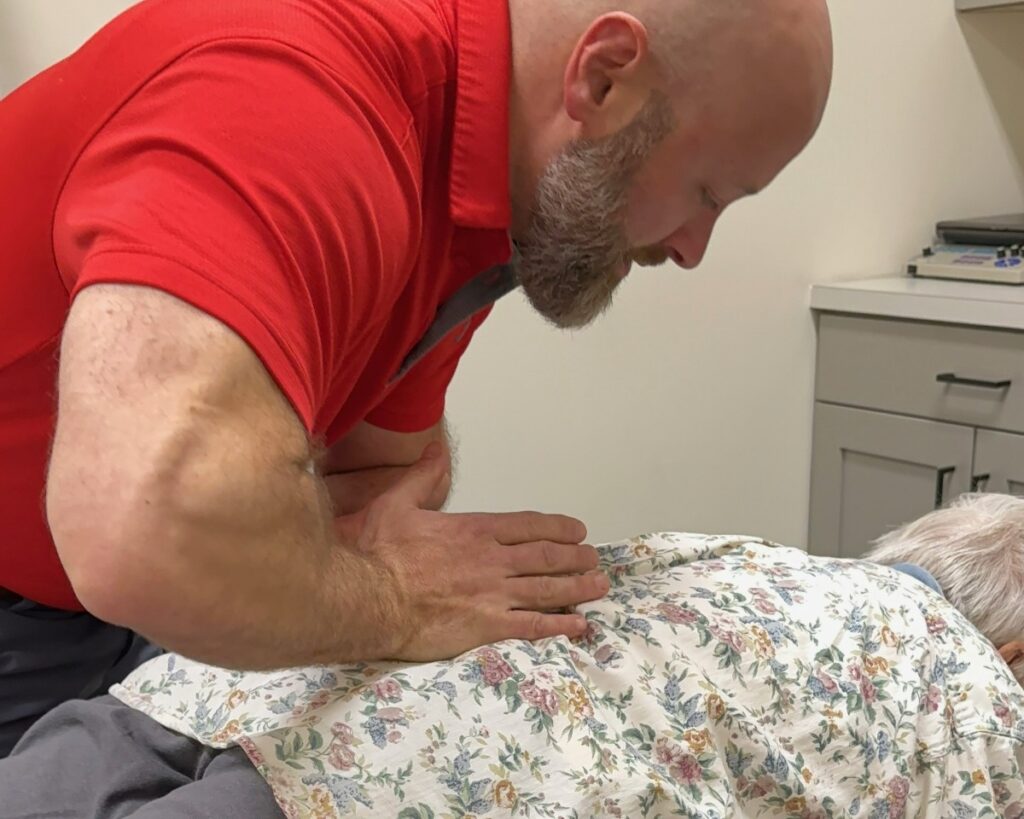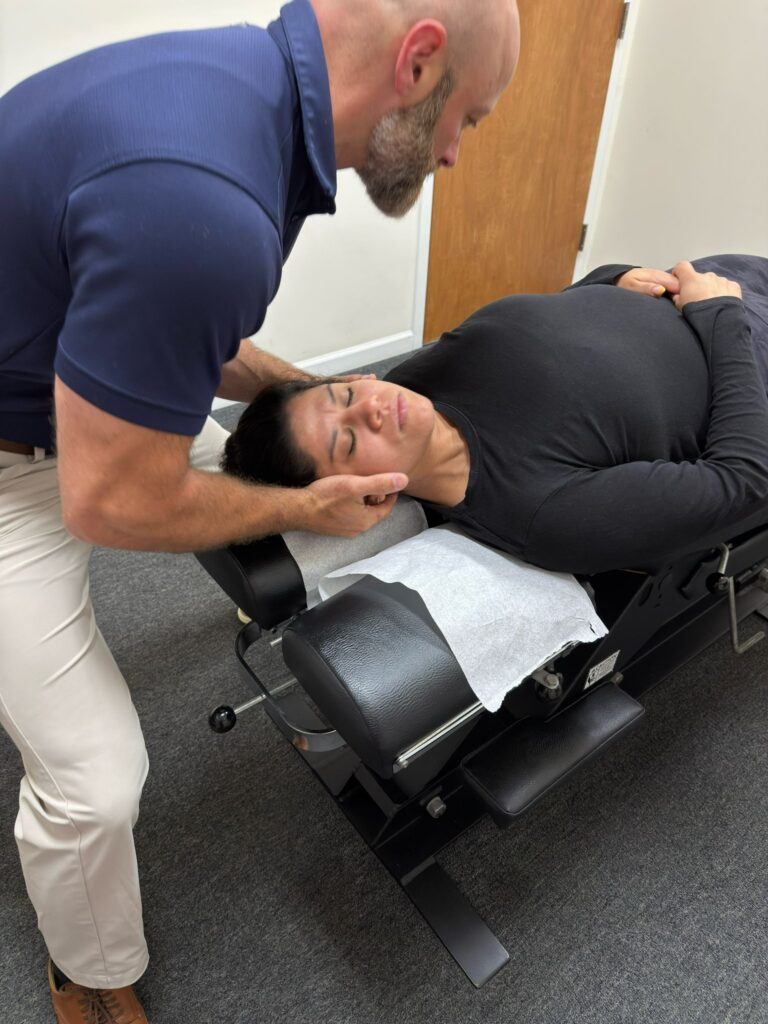

You might be surprised to learn how many factors can contribute to common low back pain injuries. As a local chiropractor, I want to shed light on these issues and help you understand how to achieve optimal health through natural healing. Poor posture at your desk, the effects of aging, muscle strains, sedentary lifestyles, and even psychological stress can all lead to that nagging discomfort in your lower back. Often, we don’t realize the impact of these factors until the pain sets in.
The good news is that understanding these causes is essential for both prevention and recovery. Chiropractic care can provide effective relief for your low back pain by addressing the root causes rather than just masking the symptoms. By realigning the spine and improving overall function, chiropractic adjustments can help restore balance to your body, reducing pain and enhancing your quality of life.
Here are some general tips to help you manage and prevent low back pain:
- Practice Good Posture: Whether you’re sitting at your desk or standing, be mindful of your posture. Keep your back straight and shoulders relaxed to reduce strain on your spine.
- Stay Active: Incorporate regular exercise into your routine. Activities like walking, swimming, or yoga can strengthen your back muscles and improve flexibility.
- Manage Stress: Find healthy ways to cope with stress, such as meditation, deep-breathing exercises, or talking to someone you trust. Reducing stress can help alleviate tension in your back.
- Listen to Your Body: If you feel pain, don’t ignore it. Seek chiropractic care to assess and address the underlying issues before they become more severe.
- Maintain a Healthy Weight: Carrying excess weight can put additional strain on your lower back. Focus on a balanced diet and regular exercise to keep your weight in check.
Remember, chiropractic care is a natural and effective way to support your body’s healing processes. If you’re struggling with low back pain, consider visiting a chiropractor to explore how spinal adjustments can help you find relief and promote overall wellness. Your journey to a healthier, pain-free life starts with understanding and taking care of your body.
Key Takeaways
Common causes of low back pain can often be traced back to lifestyle choices and habits, and understanding these can help you take proactive steps toward better spinal health. Here are some key factors to consider:
- Posture Matters: Poor posture, such as slouching or hunching over, can lead to spinal misalignment, which often results in chronic low back pain. Being mindful of your posture while sitting, standing, or walking can make a significant difference. Try to keep your shoulders back and your spine straight to support your back properly.
- Watch Your Movements: Muscle strains are common when lifting heavy objects or overstretching without using the right techniques. Always bend at the knees and keep your back straight when lifting to reduce the risk of injury. If you’re unsure about how to lift correctly, consider consulting with a chiropractor for personalized guidance.
- Stay Active: A sedentary lifestyle can weaken your core muscles, which are crucial for supporting your spine. Incorporating regular physical activity, even something as simple as walking or engaging in gentle stretching exercises, can strengthen your core and help prevent low back pain.
- Aging Gracefully: As we age, our bodies experience natural changes like disc degeneration and decreased bone density, which can increase the risk of low back injuries. Regular chiropractic adjustments can help maintain spinal health and mobility as you age, promoting a healthier, more active lifestyle.
- Create a Comfortable Workspace: If you spend long hours at a desk, make sure your workspace is ergonomically designed. Position your monitor at eye level and use a chair that supports your lower back. Taking frequent breaks to stretch can also help reduce muscle tension and discomfort.
By integrating these tips into your daily routine and seeking chiropractic care, you can take significant steps toward alleviating low back pain and enhancing your overall wellness. Chiropractic adjustments not only relieve pain but also promote natural healing and better spinal alignment, allowing you to enjoy a healthier, more active life. Remember, taking care of your spine today can lead to a more vibrant tomorrow!
Poor Posture and Its Impact on the Spine
Poor posture may seem like a minor issue, but it can have a significant impact on your spine and overall health. When you find yourself slouching or hunching over, you put unnecessary stress on your spinal structures, which can lead to misalignments and discomfort. Over time, this strain can cause your spine to lose its natural curvature, potentially resulting in chronic pain.
Many people don’t realize that poor posture can lead to frequent adjustments in position or feelings of fatigue due to muscle overuse. If you spend long hours sitting at a desk or looking down at your phone, your neck and back muscles can become strained. This strain can lead to tension headaches and a decrease in mobility.
As a local chiropractor, I want to emphasize the importance of maintaining good posture and how chiropractic care can help. Regular chiropractic adjustments can realign your spine and improve your posture, alleviating discomfort and enhancing your overall well-being.
Here are some tips to help you maintain better posture throughout your day:
- Be Mindful: Check in with your posture regularly. Sit up straight with your shoulders back and your feet flat on the floor.
- Set Up Your Workspace: Ensure your desk and chair are ergonomically designed. Your computer screen should be at eye level to avoid neck strain.
- Take Breaks: Stand up, stretch, and move around every hour to relieve muscle tension and promote blood flow.
- Strengthen Your Core: Engage in exercises that strengthen your core muscles, as a strong core supports your spine and improves posture.
- Consider Chiropractic Care: Regular visits to a chiropractor can help keep your spine aligned and your body functioning optimally.
Muscle Strains and Sprains
Muscle strains and sprains can strike unexpectedly, leading to sharp pain and restricted movement. These injuries often happen when you lift something heavy, twist your body in an unusual way, or make sudden movements. You may experience stiffness, swelling, or bruising in the affected area.
To help you understand the differences between strains and sprains, here’s a simple comparison:
| Feature | Muscle Strain | Ligament Sprain |
|---|---|---|
| Affected Area | Muscles and tendons | Ligaments |
| Cause | Overstretching or tearing | Twisting or impact |
| Symptoms | Pain, muscle spasms | Pain, swelling, instability |
| Treatment | Rest, ice, chiropractic care | Rest, ice, chiropractic care |
| Recovery Time | Days to weeks | Weeks to months |
Recognizing the signs of these injuries early on can help you seek appropriate care and prevent further issues. Chiropractic care is a natural and effective way to address both muscle strains and sprains. By focusing on spinal alignment and overall body mechanics, chiropractors can help alleviate pain and enhance your body’s ability to heal itself.
Here are a few general tips to support your recovery:
- Rest and Listen to Your Body: Allow yourself time to heal. Avoid activities that exacerbate the pain.
- Apply Ice: Ice the affected area for 15-20 minutes several times a day to reduce swelling.
- Stay Hydrated: Drink plenty of water to support your body’s healing process.
- Gentle Stretching: Once the initial pain subsides, gentle stretching can help improve flexibility and promote healing.
- Consider Chiropractic Care: Regular visits with a chiropractor can provide you with personalized treatment plans that focus on natural healing and pain relief.
Sedentary Lifestyle and Lack of Exercise
Many individuals often underestimate how much a sedentary lifestyle can affect their overall health, particularly when it comes to low back pain. If you find yourself sitting for long periods, your muscles can weaken, which may lead to poor posture and increased strain on your spine. Without regular exercise, your core muscles—essential for supporting your back—can lose their effectiveness.
This decrease in strength can leave your back vulnerable to injuries, making even simple movements difficult and painful. Additionally, being inactive for extended periods can lead to stiffness in your joints, which can hinder your flexibility and mobility.
As a chiropractor, I want to emphasize that incorporating even light physical activity into your daily routine can significantly reduce your risk of low back pain. Consider taking a few minutes each day to stretch or go for a brief walk. These activities can help strengthen your muscles, improve your posture, and enhance your overall well-being.
Chiropractic care is also an excellent way to address and prevent low back pain. Regular adjustments can help align your spine, relieve tension, and improve your body’s ability to function optimally.
Here are some simple tips to help you stay active and support your back:
- Take Frequent Breaks: If your job involves sitting, set a timer to remind you to stand up and move around every hour.
- Stretch: Incorporate stretches into your daily routine, especially focusing on your back, hips, and legs.
- Strengthen Your Core: Engage in exercises that strengthen your abdominal and lower back muscles, like planks or gentle yoga.
- Stay Hydrated: Drink plenty of water to keep your body functioning at its best and to help maintain joint health.
- Consider Chiropractic Care: Regular visits to a chiropractor can help ensure your spine is aligned and functioning well, providing natural relief from back pain.
Overexertion and Heavy Lifting
When you lift heavy objects or push your limits, using proper techniques is crucial for your health and well-being. As a chiropractor, I want to emphasize that without these techniques, you risk straining your muscles, which can lead to pain or injury. It’s also essential to consider how long you’re engaging in these activities because fatigue can increase your chances of harm.
To protect your spine and prevent injury during heavy lifting, here are some tips to keep in mind:
- Bend at the Hips and Knees: Instead of bending at the waist, squat down by bending your hips and knees. This helps you use your legs, which are stronger than your back.
- Keep the Object Close: Hold the heavy object as close to your body as possible. This reduces the strain on your back and makes lifting safer.
- Engage Your Core: Your core muscles play a vital role in stabilizing your spine. Engage them while lifting to provide extra support.
- Avoid Twisting: When lifting or carrying, try to avoid twisting your body. Instead, turn your whole body by moving your feet to face the direction you’re going.
- Know Your Limits: Listen to your body. If you feel fatigued, take a break. Overexertion can lead to injury, so it’s better to lift safely than to push yourself too hard.
- Consider Chiropractic Care: Regular chiropractic adjustments can help maintain spinal alignment and improve your body’s ability to handle physical activities. If you do experience discomfort, chiropractic care can provide natural relief and support your recovery.
Proper Lifting Techniques
Proper lifting techniques are crucial for maintaining a healthy spine and preventing low back pain, particularly during heavy lifting or when pushing yourself too hard. To protect your back and ensure safe lifting, it’s essential to use the right methods. Always remember to bend at your knees instead of your waist. Keeping the load close to your body and utilizing your leg strength for lifting can make a significant difference. A stable stance is also key for balance.
As a chiropractor, I want to share some straightforward tips that can help you lift safely and promote a healthier lifestyle:
| Action | Description |
|---|---|
| Bend your knees | Lower your body while maintaining a straight back to reduce strain on your spine. |
| Keep load close | Hold the object as close to your body as possible to minimize pressure on your back. |
| Use leg strength | Engage your leg muscles for lifting, allowing your back to stay protected. |
| Maintain balance | Stand with your feet shoulder-width apart to ensure a solid base and improve stability. |
| Avoid twisting | If you need to turn, pivot with your whole body rather than just your back to prevent injury. |
Muscle Strain Risks
Overexerting yourself during physical activities can lead to muscle strains, especially when heavy lifting is involved. It’s essential to understand the risks associated with pushing your body too hard, and as a chiropractor, I want to help you avoid these injuries and promote natural healing.
Here are four common factors that can increase your chances of muscle strain, along with some tips for prevention:
- Poor Technique: Lifting with the wrong form can put unnecessary stress on your lower back. Always focus on maintaining a straight back, bending at the knees, and using your legs to lift rather than your back. If you’re unsure about your technique, consider consulting a chiropractor for guidance.
- Lack of Warm-up: Skipping warm-up exercises can leave your muscles unprepared for heavy loads. Spend a few minutes doing gentle stretches and light movements before diving into your workout. This helps increase blood flow and flexibility, reducing the risk of strain.
- Inadequate Rest: Not allowing your muscles enough time to recover can lead to fatigue and increase the likelihood of a strain. Make sure to incorporate rest days into your routine and listen to your body – if you’re feeling tired or sore, give yourself a break. Chiropractic adjustments can also help facilitate recovery and keep your body aligned.
- Excessive Weight: Lifting weights that are too heavy for your current strength level can easily lead to injuries. Start with lighter weights and gradually increase as you build strength. A chiropractor can assist you in developing a safe and effective fitness plan.
By being mindful of these factors and incorporating these tips into your routine, you can reduce your risk of muscle strains and promote a healthier, more active lifestyle.
Duration of Activity
Engaging in physical activities for extended periods can significantly increase your risk of injury, especially during heavy lifting. Overexertion can lead to muscle fatigue, which impacts your form and stability. When your muscles tire, they struggle to support your spine properly, making you more prone to strains and sprains.
| Activity Type | Injury Risk Level |
|---|---|
| Light Lifting | Low |
| Moderate Lifting | Moderate |
| Heavy Lifting | High |
To help protect your spine and maintain optimal health, it’s vital to take regular breaks and listen to your body. If you start feeling fatigued, it’s crucial to stop and rest. This simple practice can help you avoid long-term damage.
In addition to taking breaks, consider incorporating chiropractic care into your wellness routine. Chiropractors are specialists in spinal health and can help you maintain proper alignment, which is essential for preventing injuries and supporting overall well-being. Regular adjustments can enhance your body’s ability to recover from physical activities and keep you feeling your best.
Aging and Degenerative Disc Disease
As you age, the discs in your spine naturally start to lose hydration, which can lead to decreased stability in your back. This process may make your back more susceptible to pain and injuries. Understanding how aging affects your discs is essential for maintaining a healthy spine and overall well-being.
Chiropractic care is an excellent way to support your spine as it ages. Regular adjustments can help keep your spine aligned, enhance mobility, and reduce discomfort. By focusing on the health of your spine, you can promote better posture and reduce the risk of injuries.
Here are some simple tips to help support your spinal health as you age:
- Stay Active: Engage in regular exercise that promotes flexibility, strength, and balance. Activities like walking, swimming, and yoga can be incredibly beneficial.
- Practice Good Posture: Be mindful of your posture throughout the day, whether sitting, standing, or lifting. Proper alignment can reduce strain on your spine.
- Hydrate: Drink plenty of water to help keep your discs hydrated and functioning well.
- Listen to Your Body: If you experience discomfort, don’t ignore it. Consult with a chiropractor to identify the root cause and receive natural, effective treatment.
- Incorporate Stretching: Gentle stretching can help maintain flexibility and reduce tension in your back muscles.
Natural Aging Process
As we journey through life, the natural aging process can bring about changes in our bodies, particularly in our spine, which may lead to conditions like degenerative disc disease. While you mightn’t notice these changes right away, they can significantly affect your comfort and mobility. Here are four important factors to consider:
- Disc Wear and Tear: Over time, the discs in our spine can lose their elasticity and cushioning ability. This can lead to discomfort and stiffness, making it essential to maintain spinal health.
- Bone Density Loss: As we age, our bones may become less dense, increasing the risk of fractures and instability. Keeping your spine aligned can help support bone health.
- Decreased Flexibility: Aging often results in stiffer joints and a reduced range of motion. Regular chiropractic adjustments can enhance flexibility and keep your spine moving smoothly.
- Postural Changes: With age, our posture can change, placing additional stress on our spine. Chiropractic care can help you maintain proper alignment and posture, reducing strain and discomfort.
By understanding these factors, you can take proactive steps to manage and alleviate low back pain as you age. Incorporating regular chiropractic visits into your wellness routine can be a powerful way to support your spine’s health naturally. Additionally, practicing good posture, staying active, and engaging in gentle stretching exercises can help you maintain your flexibility and comfort.
Disc Dehydration Effects
As we age, our spine undergoes significant changes, with disc dehydration being a key factor in the development of degenerative disc disease. Over time, our spinal discs lose water, making them less flexible and more brittle. This dehydration can diminish their ability to absorb shocks, which may increase the risk of pain and injury.
You may find that everyday activities, such as bending or lifting, become more challenging as your discs deteriorate. Furthermore, the lack of hydration can lead to reduced disc height, which can result in nerve compression and discomfort.
Being aware of these changes is crucial for maintaining your spinal health. Here are some simple tips you can incorporate into your daily life to support your spine and alleviate discomfort:
- Stay Hydrated: Drinking plenty of water helps keep your discs hydrated and functioning optimally. Aim to drink at least eight glasses of water a day.
- Exercise Regularly: Engaging in low-impact exercises, like walking, swimming, or yoga, can strengthen the muscles around your spine and maintain flexibility.
- Practice Good Posture: Make a conscious effort to sit and stand up straight. Proper posture reduces strain on your spine and can help prevent discomfort.
- Consider Chiropractic Care: Regular visits to a chiropractor can help address spinal misalignments and enhance overall function. Chiropractic adjustments can relieve pain, improve mobility, and promote natural healing.
- Listen to Your Body: Pay attention to how your body feels during various activities. If something causes discomfort, modify the movement or seek guidance from a healthcare professional.
Spinal Stability Reduction
As we age, our bodies undergo changes that can significantly affect our spinal stability. Conditions like degenerative disc disease can make it tougher to maintain good posture and perform everyday movements, leading to a variety of challenges. Here are a few common issues you might experience:
- Increased Pain: Weakness in the spine can cause chronic discomfort that can be frustrating.
- Limited Mobility: You may struggle with bending over or lifting everyday items, making daily tasks feel daunting.
- Postural Problems: Slouching may become a habit, which can throw your entire body out of alignment.
- Higher Injury Risk: Reduced stability can increase your risk of falls or sprains, making it essential to find ways to support your spine.
The good news is that chiropractic care can play a pivotal role in addressing these issues. By focusing on spinal health and realignment, chiropractic adjustments can help restore your body’s natural balance, alleviating pain and improving mobility.
Here are some additional tips to enhance your spinal health:
- Stay Active: Regular movement is key! Simple activities like walking or gentle stretching can help keep your spine healthy.
- Incorporate Strength Training: Building core strength can provide better support for your spine, helping you maintain good posture and reducing pain.
- Practice Good Posture: Be mindful of your posture when sitting or standing. Consider ergonomic furniture to support your spine during daily activities.
- Stay Hydrated: Proper hydration is essential for maintaining the health of your discs and overall spinal function.
Remember, chiropractic care is a natural, effective way to promote spinal wellness and relieve pain without the need for medications or surgery. If you’re experiencing any of these challenges, consider visiting a chiropractor who can provide personalized care tailored to your needs.
Together, you can work towards achieving optimal health and a more comfortable, active lifestyle.
Obesity and Its Effects on Back Health
Obesity significantly affects your back health by putting extra pressure on your spine and the muscles that support it. When you carry excess weight, particularly around your waist, it can shift your center of gravity. This change often leads to poor posture and increased strain on your back, which can result in muscle fatigue and stiffness over time. These issues make you more vulnerable to injuries and discomfort.
Additionally, carrying extra weight can worsen conditions like herniated discs and sciatica, making everyday activities feel daunting. You may find that even simple tasks cause you pain or discomfort, leading to a lower quality of life.
One of the best ways to support your back health is by maintaining a healthy weight. This can be achieved through balanced nutrition and regular exercise, both of which can significantly relieve pressure on your spine. Chiropractic care is an excellent choice for enhancing your overall well-being. Chiropractors focus on natural healing methods that can help alleviate pain, improve mobility, and promote a healthier lifestyle.
Here are some simple tips to consider:
- Focus on Your Posture: Be aware of how you sit, stand, and move. Good posture can help reduce the strain on your back.
- Incorporate Gentle Exercises: Activities like walking, swimming, or yoga can enhance your flexibility and strength while being easy on your back.
- Stay Hydrated: Drink plenty of water to keep your spine’s discs well-nourished.
- Consider Regular Chiropractic Visits: A chiropractor can provide adjustments that help realign your spine, alleviate pain, and improve your overall spinal health.
- Make Gradual Changes: If weight loss is your goal, focus on small, manageable changes to your diet and exercise routine instead of drastic alterations.
Workplace Ergonomics and Design Flaws
Workplace ergonomics are vital for maintaining not only your comfort but also your spinal health. Many people are unaware of how their workspace can contribute to back pain until they start feeling discomfort.
As a chiropractor, I want to share some simple tips to help you create a healthier work environment and promote natural healing through proper ergonomics:
- Chair Height: Adjust your chair so that your feet rest flat on the ground, with your knees forming a right angle. This position supports your lower back and helps maintain good posture.
- Monitor Position: Ensure your computer screen is at eye level. This alignment helps prevent neck and back strain, allowing your spine to maintain its natural curve.
- Keyboard and Mouse: Keep your keyboard and mouse close to your body. This way, you won’t have to reach out too far, which can lead to shoulder tension and discomfort.
- Frequent Breaks: It’s important to stand up and stretch every hour. Taking short breaks can relieve tension in your muscles and improve blood circulation, contributing to overall wellness.
By implementing these ergonomic adjustments, you can significantly reduce the risk of back pain and enhance your overall health.
Sports Injuries and Physical Activities
When you engage in sports or physical activities, it’s important to be aware of the potential for injuries that can lead to back pain. High-impact sports like basketball or football can put a lot of strain on your lower back, especially during movements like pivoting, jumping, or tackling. Even activities that seem low-impact, such as running or cycling, can cause discomfort if your body mechanics aren’t aligned or if you push yourself too hard.
A common culprit behind these injuries is inadequate warm-ups or stretching, which can leave your muscles tight and unprepared for sudden movements. Additionally, using improper techniques during lifting or twisting can lead to strain on your back, resulting in both acute pain and chronic issues.
To reduce the risk of injury and keep your back healthy, it’s essential to listen to your body and heed its signals. Here are some helpful tips:
- Strengthen Your Core: A strong core provides support for your spine, helping to reduce the risk of back pain. Incorporate exercises that target your abdominal and back muscles into your routine.
- Warm Up and Stretch: Always take time to warm up and stretch before engaging in any physical activity. This prepares your muscles and reduces the likelihood of injury.
- Practice Proper Technique: Whether you’re lifting weights, running, or playing sports, using the correct form is crucial. If you’re unsure, consider consulting a chiropractor for guidance on proper body mechanics.
- Incorporate Rest Days: Giving your body time to recover is just as important as the exercise itself. Schedule regular rest days to allow your muscles to heal and strengthen.
- Consider Chiropractic Care: Regular visits to a chiropractor can help maintain spinal health, improve posture, and enhance your overall physical performance. Chiropractic care focuses on natural healing and can provide effective relief from pain without the need for medications or surgeries.
Psychological Factors and Stress
When you’re feeling stressed, it can lead to muscle tension, especially in your lower back, which often results in discomfort.
This emotional strain not only intensifies your pain but can also make it more challenging to find relief. One of the most effective ways to manage stress and alleviate low back pain is through chiropractic care.
Chiropractic adjustments can help release muscle tension, improve spinal alignment, and enhance overall function of your body. By addressing the root cause of your discomfort, chiropractic care offers a natural and holistic approach to pain relief.
In addition to regular chiropractic visits, here are some simple tips you can incorporate into your daily routine to help manage stress and support your back health:
- Practice Relaxation Techniques: Deep breathing, meditation, or gentle yoga can help reduce stress and promote relaxation in your muscles.
- Stay Active: Regular physical activity strengthens your back muscles and improves flexibility. Aim for activities like walking, swimming, or light stretching.
- Maintain Good Posture: Be mindful of your posture whether sitting at a desk or standing. Good alignment can prevent unnecessary strain on your back.
- Get Enough Rest: Quality sleep is vital for your body to recover and heal. Ensure you have a comfortable sleeping environment.
- Stay Hydrated: Drinking plenty of water helps keep your muscles hydrated and functioning optimally.
By implementing these strategies and seeking chiropractic care, you can effectively manage stress and promote your overall well-being.
Stress and Muscle Tension
Stress and muscle tension are closely linked, and they can significantly contribute to low back pain. When you’re under stress, your muscles tend to tighten up, which can lead to discomfort and pain. Here are some ways that stress affects your body and how chiropractic care can help alleviate these issues:
- Increased Muscle Tightness: Stress often causes your muscles to contract, particularly in the back area. Regular chiropractic adjustments can help relieve this tension, allowing your muscles to relax and function properly.
- Poor Posture: When you’re tense, it’s common to adopt slouched or awkward positions, which can strain your back. A chiropractor can guide you in maintaining better posture and provide exercises to strengthen your back muscles.
- Reduced Blood Flow: Stress can constrict blood vessels, limiting the oxygen and nutrients that reach your muscles. Chiropractic care enhances circulation through spinal adjustments, promoting better overall health and muscle recovery.
- Chronic Pain Cycle: Ongoing stress can create a feedback loop where back pain persists or worsens. By addressing both the physical and emotional aspects of stress through chiropractic techniques, you can break this cycle and experience lasting relief.
General Tips for Managing Stress and Muscle Tension:
- Practice Relaxation Techniques: Deep breathing, meditation, or gentle yoga can help reduce stress levels and ease muscle tension.
- Stay Active: Regular physical activity, like walking or stretching, can keep your muscles flexible and reduce stiffness.
- Mind Your Posture: Be conscious of your posture throughout the day. Make adjustments to your workspace to support a healthy spine.
- Schedule Regular Chiropractic Visits: Regular check-ups with your chiropractor can help maintain your spinal health and manage stress-related muscle tension.
Taking proactive steps to manage stress and muscle tension can greatly improve your overall well-being. Remember, chiropractic care is a natural and effective way to achieve optimal health and alleviate pain, helping you live a healthier, happier life.
Emotional Impact on Pain
The emotional impact of pain can be significant, often making your experience of discomfort feel even more intense. When stress or anxiety kicks in, your body tends to tense up, which can worsen any existing pain. This can create a frustrating cycle: pain leads to stress, and stress, in turn, amplifies your pain. It’s completely normal to feel overwhelmed or sad about the limitations pain can impose on your life, and these emotions can heighten your sensitivity to discomfort.
Understanding how your mental state affects your physical condition is crucial for managing pain effectively. One of the best ways to address both emotional and physical well-being is through chiropractic care. Chiropractic adjustments can help alleviate pain, improve mobility, and reduce tension in your body, which can help break the cycle of pain and stress.
In addition to chiropractic treatments, here are some simple tips to enhance your overall well-being:
- Practice Relaxation Techniques: Deep breathing, meditation, or gentle yoga can help calm your mind and reduce tension in your body.
- Stay Active: Regular, gentle movement can boost your mood and help maintain your body’s flexibility. Activities like walking or swimming are great options.
- Maintain a Healthy Diet: Eating a balanced diet can positively affect your mood and energy levels, which can influence your pain perception.
- Focus on Sleep: Quality sleep is crucial for healing and overall wellness. Establishing a calming bedtime routine can help improve your sleep quality.
- Stay Connected: Talking to friends or family about your feelings can provide emotional relief and support, helping you cope better with your pain.
Coping Mechanisms and Strategies
Managing low back pain goes beyond just physical treatments; it also involves addressing the psychological aspects of pain. By focusing on stress and emotional factors, you can enhance your overall well-being and find relief. Here are some effective coping strategies to consider, all of which complement chiropractic care:
- Mindfulness Meditation: This practice encourages you to stay present, helping to reduce anxiety and improve how you perceive pain. It can be a great addition to your chiropractic routine.
- Cognitive Behavioral Therapy (CBT): By challenging negative thoughts about your pain, you can develop healthier ways to cope. Combining this with the adjustments from chiropractic care can lead to better outcomes.
- Relaxation Techniques: Try deep breathing exercises or progressive muscle relaxation to ease tension and stress. These techniques can be particularly helpful after a chiropractic adjustment to maintain the benefits.
- Social Support: Engaging with friends or joining support groups can help you share your experiences and reduce feelings of isolation. A strong support system can enhance your healing journey alongside chiropractic treatments.
Incorporating these strategies not only helps manage pain more effectively but also promotes a healthier lifestyle overall. Remember, chiropractic care is a powerful ally in your quest for optimal health and pain relief, offering natural healing solutions that empower you to take control of your well-being.
Medical Conditions Contributing to Back Pain
Many people think low back pain is only caused by physical strain or injury, but there are several medical conditions that can contribute to it as well. For instance, herniated discs can put pressure on nearby nerves, leading to sharp pain or numbness. Arthritis, especially osteoarthritis, can cause inflammation in the spine, which often results in persistent discomfort. It’s also important to note that kidney stones or infections can sometimes present as back pain, making it easy to confuse with musculoskeletal issues.
Another condition to be aware of is sciatica, which occurs when the sciatic nerve gets irritated, sending pain down your leg. Even fibromyalgia can lead to widespread pain, including discomfort in the lower back. If you’ve had a history of cancer, certain types can spread to the spine and cause pain, too.
Understanding these underlying conditions is crucial for managing your back pain effectively. However, instead of turning to medications or surgeries, I encourage you to explore chiropractic care. As a chiropractor, I believe that natural healing methods can be incredibly beneficial for your overall wellness.
Here are some general tips to help you manage back pain and improve your spinal health:
- Stay Active: Gentle exercises, like walking or stretching, can help keep your back strong and flexible.
- Practice Good Posture: Pay attention to how you sit, stand, and lift objects. Good posture can prevent strain on your back.
- Use Heat or Cold Therapy: Applying a heating pad or ice pack can provide relief and reduce inflammation.
- Stay Hydrated: Drinking plenty of water is essential for maintaining the health of your spinal discs.
- Consider Chiropractic Adjustments: Regular visits to a chiropractor can help align your spine, relieve tension, and promote healing without the need for invasive treatments.
If your back pain persists, it’s important to consult with a healthcare professional who can help identify the cause and recommend a chiropractic treatment plan tailored to your specific needs. Remember, taking a natural approach to healing can lead you to optimal health and wellness!
Conclusion
Understanding the various causes of low back pain is crucial for taking proactive steps towards prevention and achieving optimal health. One of the most important factors is maintaining proper posture; whether you’re sitting at a desk or lifting heavy objects, good posture supports your spine and reduces strain. Staying active is also key—regular movement and exercise strengthen the muscles that support your back, helping to prevent injuries.
Pay attention to your lifting techniques as well; always lift with your legs, not your back, and avoid twisting your body while carrying heavy loads. Workplace ergonomics can greatly influence your spine health too. Make sure your workstation is set up to promote good posture, with your computer screen at eye level and your chair providing adequate lumbar support.
Additionally, managing stress is essential. Stress can lead to muscle tension, which may contribute to back pain. Incorporating relaxation techniques such as deep breathing, yoga, or meditation can help alleviate this tension.
If you find yourself experiencing persistent discomfort, it’s important to consult a healthcare professional who specializes in spinal health, like a chiropractor. Chiropractic care focuses on natural healing and can help identify any underlying issues contributing to your pain. Through spinal adjustments and personalized care, chiropractors can support your body’s ability to heal itself and improve overall wellness.
Remember, prioritizing your spinal health is a journey, and small, consistent changes can lead to significant improvements. By adopting these tips and considering chiropractic care, you can take control of your back health and enjoy a more vibrant, active life.