
Low back pain injuries can be incredibly frustrating and complex, but understanding their real causes is essential for effective relief and prevention. Many people may think that a single cause is behind their discomfort, but in reality, it often stems from a combination of anatomical, lifestyle, and even psychological factors.
As a local chiropractor, I want to help you understand these underlying causes so you can take charge of your health. Here are some common contributors to low back pain:
- Poor Posture: Slouching or sitting for long periods can strain your back. Be mindful of your posture, especially when at a desk or using your phone. Try to sit up straight with your feet flat on the ground.
- Muscle Imbalances: Weak or tight muscles can lead to discomfort. Regular stretching and strengthening exercises can help keep your muscles balanced. Consider incorporating core-strengthening workouts into your routine!
- Sedentary Lifestyle: Lack of movement can weaken your back muscles, making them more susceptible to injury. Aim to stay active with regular physical activity, such as walking or swimming, to keep your back strong and healthy.
- Stress and Tension: Emotional stress can manifest as physical tension in your back. Practicing relaxation techniques, like deep breathing or yoga, can help alleviate this tension.
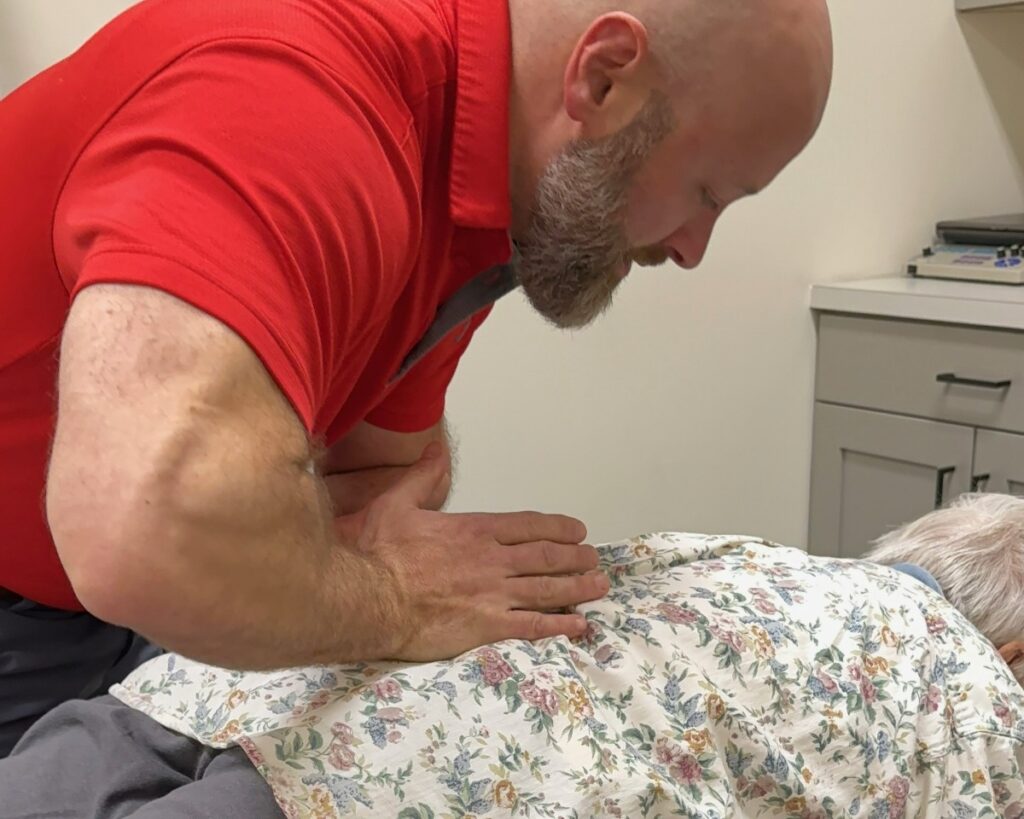
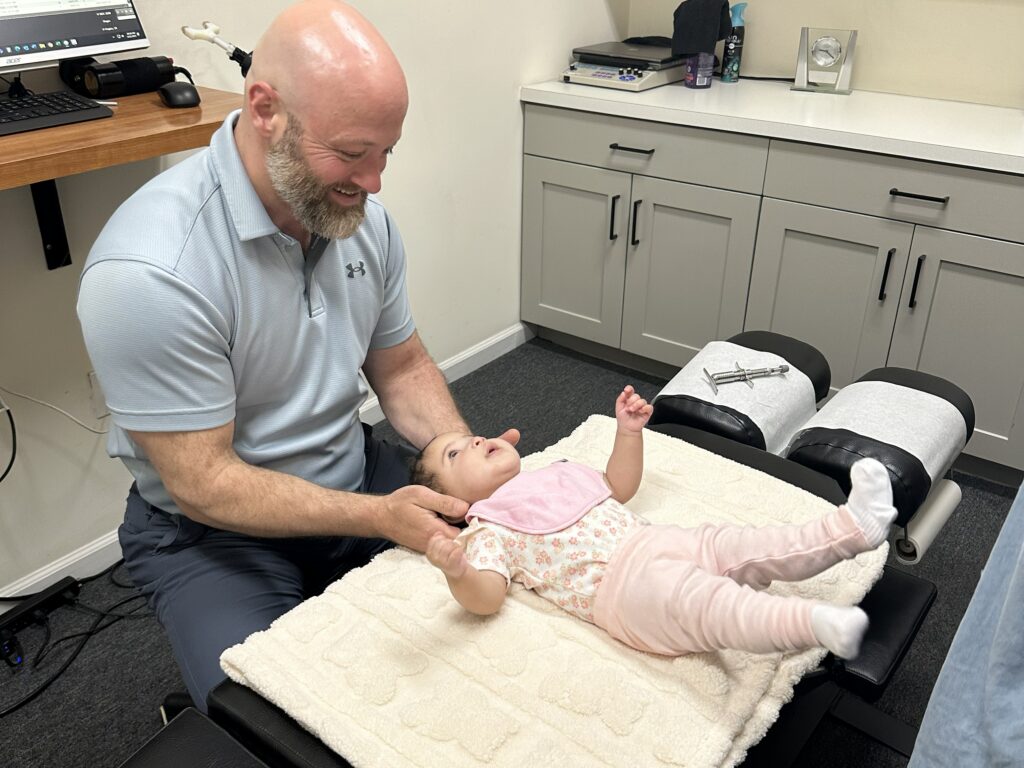
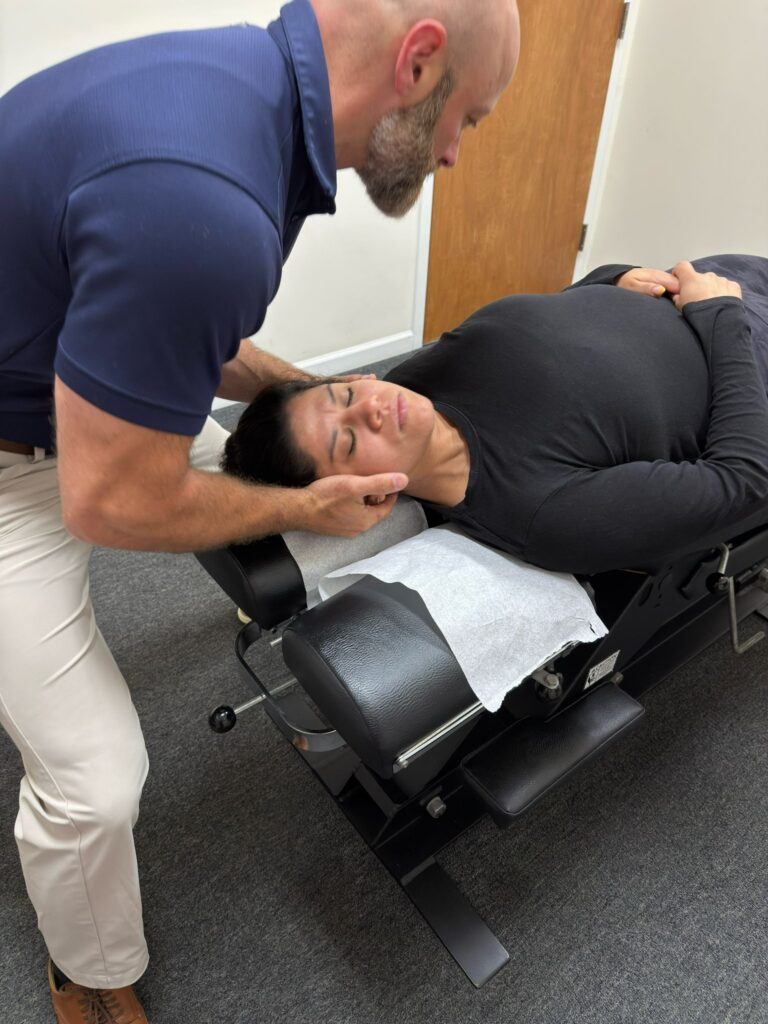
Chiropractic care focuses on the spine and overall body alignment, making it a fantastic option for addressing low back pain. Through gentle adjustments, I can help restore proper alignment, improve mobility, and promote natural healing.
In addition to chiropractic treatments, here are some general tips to help manage and prevent low back pain:
- Stay Active: Regular exercise can strengthen your back and prevent future pain.
- Mind Your Posture: Keep your spine aligned whether you’re sitting, standing, or lifting.
- Stretch Regularly: Incorporate stretching into your daily routine to keep your muscles flexible.
- Listen to Your Body: If something doesn’t feel right, don’t push through the pain. Seek chiropractic care to address the issue early.
By focusing on these strategies and choosing chiropractic care, you can take significant steps toward achieving optimal health and relief from low back pain. Remember, you don’t have to live with discomfort—let’s work together to find a natural path to wellness!
Key Takeaways
- Spending long hours sitting can lead to poor posture, weakened muscles, and muscle imbalances, which may ultimately contribute to low back pain over time. To combat this, take regular breaks to stand, stretch, or walk around to promote better spinal health.
- Carrying excess body weight puts additional strain on your spine, leading to misalignments and ongoing discomfort. Maintaining a healthy weight through balanced nutrition and regular exercise can help alleviate this pressure and improve your overall well-being.
- Tight hip flexors from extended sitting can pull your pelvis forward, which may exacerbate lower back issues. Incorporating simple stretches and mobility exercises into your daily routine can help lengthen these muscles and support a healthier posture.
- Inactivity can lead to muscle imbalances and weakness, increasing the risk of strains and chronic back pain. Engaging in regular physical activity, even low-impact options like walking or swimming, can strengthen your muscles and enhance your spinal stability.
- Psychological factors such as anxiety and stress can amplify your perception of pain and hinder recovery. Mindfulness practices, such as deep breathing or yoga, can help manage stress levels and promote relaxation, allowing for a better healing environment.
Chiropractic care is an excellent option for addressing these issues naturally. Regular visits to a chiropractor can help realign your spine, improve posture, and relieve pain, setting you on the path to optimal health and wellness. Remember, taking small steps toward a healthier lifestyle can make a significant difference in your back health!
Understanding the Anatomy of the Lower Back
When considering the health of your lower back, it’s crucial to understand its anatomy, as this knowledge can empower you to identify potential issues. Your lower back, known as the lumbar region, is made up of five vertebrae (L1 to L5) that provide both support and flexibility. Between these vertebrae are intervertebral discs, which act as shock absorbers, enabling smooth movement and reducing the impact on your spine.
The muscles, ligaments, and tendons in your lower back work diligently together to stabilize the spine and facilitate movement. This teamwork is vital for maintaining a healthy spine and allows you to perform daily activities with ease.
Additionally, nerves branch out from the spinal cord, providing sensation and control to your legs and feet, while the lumbar region’s connection to the pelvis plays a crucial role in weight distribution.
By familiarizing yourself with this anatomy, you can gain insight into how injuries or strains may occur. Moreover, understanding the importance of maintaining strength and flexibility in your lower back can help prevent pain and discomfort.
As a chiropractor, I emphasize the benefits of natural healing through chiropractic care. Regular adjustments can enhance spinal alignment, improve mobility, and alleviate pain without the need for medications or invasive procedures.
Here are some tips to promote a healthier lower back:
- Stay Active: Engage in regular exercise that includes stretching and strengthening your core muscles. This can help support your spine and protect against injury.
- Practice Good Posture: Whether sitting or standing, maintaining proper posture can reduce strain on your lower back.
- Lift with Care: When lifting heavy objects, bend at your knees and keep the object close to your body to avoid putting undue stress on your back.
- Listen to Your Body: If you experience discomfort, don’t ignore it. Early intervention through chiropractic care can prevent more serious issues down the line.
- Stay Hydrated: Drinking plenty of water can help keep your intervertebral discs hydrated and functioning properly.
Common Misconceptions About Back Pain
You might think that mastering proper lifting techniques is the only way to prevent back pain, but that’s just one piece of a much larger puzzle. Many people mistakenly believe that age is the primary reason for back issues, but that’s not necessarily the case. In fact, your spinal health can be influenced by a variety of factors, including lifestyle choices and physical activity.
It’s crucial to understand that some common exercise myths could actually be hindering your back health. Instead of relying solely on traditional exercises, consider incorporating movements that promote spinal alignment and flexibility. Activities like yoga or gentle stretching can be incredibly beneficial for maintaining a healthy spine.
As a chiropractor, I want to emphasize the importance of regular chiropractic care for achieving optimal health and wellness. Chiropractic adjustments can help ensure that your spine is properly aligned, which can alleviate pain and enhance your overall well-being.
Here are some general tips to keep your back healthy:
- Stay Active: Engage in low-impact activities like walking, swimming, or cycling to keep your muscles strong and your spine flexible.
- Practice Good Posture: Be mindful of your posture when sitting, standing, or lifting. Keeping your spine aligned can prevent unnecessary strain.
- Listen to Your Body: If you experience discomfort, don’t ignore it. Early intervention through chiropractic care can prevent more serious issues down the line.
- Incorporate Stretching: Regularly stretch your back and core muscles to improve flexibility and reduce tension.
- Consider Chiropractic Care: Regular visits to a chiropractor can help maintain your spinal health, relieve pain, and promote a natural sense of well-being.
Lifting Techniques Misunderstood
Misunderstandings about lifting techniques can lead to unnecessary back pain and injury, which is something we want to help you avoid.
As a chiropractor, I often see patients who’ve experienced discomfort due to improper lifting habits. Many people believe that bending at the waist is acceptable, but this can place excessive strain on your lower back. Instead, you should keep your back straight and use your legs to lift.
Here are some common misconceptions to be aware of:
- Lifting with your back: It’s a common mistake to think that using your back muscles is the right way to lift. This can lead to injuries and chronic pain. Always engage your leg muscles and maintain a straight back to protect your spine.
- Twisting while lifting: Some people believe that twisting their torso while lifting is okay. However, this can cause serious strain on your spine. Always face the object you’re lifting, and pivot your feet instead of twisting your body.
- Lifting heavy objects alone: Many think they can manage heavy loads on their own, but this can be risky. If an object feels too heavy, don’t hesitate to ask for help or use equipment designed for lifting. Your health is worth it!
By understanding the correct lifting techniques, you can protect your back and prevent pain.
Additionally, regular chiropractic care can help ensure your spine is aligned and functioning properly, reducing the risk of injury. Remember, healthy lifting habits combined with chiropractic adjustments can lead to a stronger, healthier you.
Let’s prioritize your well-being together!
Age Isn’t Everything
Many people believe that back pain is just a part of getting older, but that’s a common misconception. While it’s true that older adults often report back issues, age alone isn’t the main reason for these problems. In fact, several factors influence back health, including lifestyle choices, posture, and any previous injuries you may have sustained.
Younger individuals can also suffer from chronic back pain, often due to poor ergonomic practices or neglecting their spine health. It’s important to emphasize that back pain can affect anyone, regardless of age. By understanding this, we can take proactive steps to maintain a healthy spine.
Chiropractic care is an excellent way to address back pain and promote overall wellness. Regular visits to your chiropractor can help ensure your spine is aligned and functioning properly, which can alleviate pain and prevent future issues.
Here are some simple tips to keep your back healthy:
- Stay Active: Incorporate regular physical activity into your routine. Activities like walking, swimming, or yoga can strengthen your back muscles and improve flexibility.
- Practice Good Posture: Be mindful of your posture, whether sitting, standing, or lifting. Keeping your back straight and shoulders back can reduce strain on your spine.
- Listen to Your Body: If you experience any discomfort, don’t wait for it to worsen. Early intervention through chiropractic care can make a significant difference.
- Ergonomics Matter: If you spend long hours at a desk, make sure your workspace is set up to support good posture. Your chair and desk height should be adjusted to minimize strain.
- Stay Hydrated and Nourished: Proper hydration and a balanced diet support overall health, including your spine.
Exercise Myths Explored
When it comes to back pain, distinguishing between truth and myth can be quite tricky, especially with so much misinformation out there. Understanding the realities of back care is crucial in managing your discomfort effectively.
Here are some common misconceptions that I often encounter in my practice:
- “Lifting weights will always hurt my back.” This is a myth! When done with proper technique and adequate core strength, weightlifting can actually support and protect your back. It’s about lifting smart and safe! Working with a chiropractor can help you learn the best methods to strengthen your back without injury.
- “Stretching before exercise prevents back injuries.” While flexibility plays a role in overall health, stretching incorrectly can sometimes do more harm than good. Instead of focusing solely on static stretching, consider dynamic movements that warm up your muscles and get your body ready for action. A chiropractor can guide you on safe and effective stretching techniques tailored to your needs.
- “Resting is the best remedy for back pain.” Contrary to popular belief, staying active (within safe limits) can often aid in recovery far better than complete rest. Gentle movement and specific exercises can enhance your healing process and improve your spinal health. Chiropractic care often includes tailored exercise recommendations that help keep you moving safely.
By addressing these myths, we can better understand how to care for our backs and promote overall wellness. Chiropractic care is a wonderful option for those looking to relieve pain naturally and achieve optimal health. If you’re struggling with back pain, consider consulting with a chiropractor who can provide personalized advice and treatments to support your healing journey.
The Role of Sedentary Lifestyles
If you find yourself sitting for most of the day, it’s important to understand how that can impact your body. Poor posture from prolonged sitting can lead to muscle weakness and imbalances, which may be contributing to low back pain that you may not even realize at first. This is where chiropractic care comes into play.
As a chiropractor, I see firsthand how a sedentary lifestyle can affect spinal health. The good news is that recognizing the impact of your sitting habits is the first step toward finding relief. Chiropractic adjustments can help realign your spine, alleviate discomfort, and improve your overall well-being.
In addition to seeking chiropractic care, there are simple changes you can make in your daily routine to support your body. Try to take short breaks every hour to stand, stretch, or walk around. Incorporating regular physical activity into your day, even in small amounts, can greatly benefit your muscle strength and posture.
Impact of Sitting Posture
In today’s fast-paced world, the way you sit can greatly influence your back health, and as a local chiropractor, I want to share some insights on how to improve your sitting posture for better wellness.
Poor sitting habits can lead to discomfort and long-term issues, especially if you’re spending hours at a desk. Here are some simple tips to help you maintain a healthy spine and promote overall well-being:
- Support your lower back: Choose a chair that provides good lumbar support. This helps maintain the natural curve of your spine, which is crucial for preventing pain and promoting a healthy posture.
- Feet flat on the ground: Make sure your feet are flat on the floor or consider using a footrest. This positioning helps reduce strain on your knees and lower back, allowing for better circulation and comfort.
- Screen at eye level: Set your computer monitor at eye level. This prevents you from leaning forward, which can lead to neck and back strain. Proper screen height encourages a more relaxed posture, making it easier to work for extended periods.
Remember, maintaining good posture is essential for your spinal health. Regular chiropractic care can help ensure that your spine is aligned and functioning optimally, which may relieve pain and enhance your overall well-being.
Muscle Weakness and Imbalance
Sedentary lifestyles can significantly contribute to muscle weakness and imbalances, making it vital to understand how your daily habits impact your body. Spending long hours sitting can weaken your core and back muscles, which are essential for supporting your spine effectively. This imbalance may lead to poor posture and increased strain on your lower back, resulting in discomfort. Furthermore, tight hip flexors from prolonged sitting can pull your pelvis forward, worsening these issues.
You mightn’t notice these changes right away, but over time, they can lead to chronic pain and injury. That’s where chiropractic care comes in! As a chiropractor, I focus on helping you restore balance and function to your body naturally. Regular chiropractic adjustments can alleviate pain, improve posture, and help your body heal itself.
In addition to seeking chiropractic care, incorporating simple movements and stretches into your daily routine can counteract the negative effects of a sedentary lifestyle. Here are a few tips to help you promote better muscle balance and overall spinal health:
- Take Breaks: Set a timer to remind yourself to stand up and stretch every 30 to 60 minutes. Even a quick walk around your space can make a difference.
- Strengthen Your Core: Incorporate exercises that target your core muscles, such as planks or bridges, to improve stability and support for your spine.
- Stretch Regularly: Gentle stretching of your hip flexors, hamstrings, and back can help relieve tension and prevent tightness.
- Mind Your Posture: Be mindful of your seating position. Use a chair that supports your lower back, and try to keep your feet flat on the floor.
- Stay Active: Find activities you enjoy, whether it’s walking, swimming, or yoga. Regular physical activity can enhance your overall health and reduce muscle imbalances.
Lack of Physical Activity
A lack of physical activity can significantly impact your overall health, especially when it comes to your lower back. When we lead a sedentary lifestyle, our muscles can weaken and our flexibility might decrease, which can lead to discomfort and chronic pain. As a local chiropractor, I want to emphasize how important it’s to stay active for the health of your spine.
Here are some key points to keep in mind:
- Decreased Core Strength: Regular exercise helps build and maintain core strength. When these muscles are strong, they support your spine better, reducing unnecessary stress on your lower back. Consider incorporating simple core-strengthening exercises into your routine.
- Reduced Flexibility: A lack of movement can cause your muscles to tighten, limiting your range of motion. This can increase the risk of strains and injuries. Gentle stretching and mobility exercises can improve flexibility and help keep your muscles limber.
- Weight Gain: Being inactive can lead to weight gain, which can put extra pressure on your lower back. Staying active not only helps manage your weight but also promotes overall wellness.
It’s essential to stay active, not just for your back, but for your entire well-being. Simple activities like walking, yoga, or even gentle stretching can make a big difference.
If you’re already experiencing discomfort, chiropractic care can help alleviate pain and restore balance to your body naturally. Remember, taking small steps towards a more active lifestyle can lead to significant improvements in your health!
Impact of Obesity on Back Health
Obesity can have a significant impact on your back health, placing extra strain on your spine and the muscles that support it. When you carry excess weight, your body must work harder to maintain balance and proper posture. This added pressure can lead to discomfort and pain, particularly in the lower back. Your spine is designed to support a certain amount of weight, and exceeding that can lead to misalignments and increased wear on your vertebrae and discs.
Additionally, carrying extra weight can weaken and fatigue your core muscles, which play a crucial role in stabilizing your spine. When these muscles aren’t functioning optimally, they may not provide the necessary support, leading to further discomfort.
The good news is that addressing obesity can greatly improve your back health. By embracing a balanced diet and incorporating regular physical activity into your routine, you can reduce your weight and ease the strain on your back.
Chiropractic care is an excellent option for those looking to enhance their health naturally. Regular chiropractic adjustments can help align your spine, improve posture, and alleviate pain without the need for medications or surgeries.
Here are some simple tips to help you on your journey to better back health:
- Stay Active: Aim for at least 30 minutes of moderate exercise most days of the week. Activities like walking, swimming, or cycling can be beneficial.
- Strengthen Your Core: Incorporate exercises that target your core muscles, such as planks or gentle yoga, to provide better support for your spine.
- Mind Your Posture: Pay attention to how you sit, stand, and walk. Maintaining proper posture can significantly reduce strain on your back.
- Stay Hydrated: Drinking water can help maintain the health of your spinal discs and support overall body function.
- Seek Chiropractic Care: Regular visits to a chiropractor can help keep your spine aligned and your body functioning optimally. They can provide personalized advice based on your specific needs.
Psychological Factors Contributing to Pain
While discussions about low back pain often focus on physical factors, it’s important to recognize that psychological elements can significantly impact how you experience and cope with discomfort. Your mindset, emotions, and stress levels can greatly influence your perception of pain. Understanding these factors can empower you to manage your condition more effectively and enhance your overall well-being.
Here are some psychological influences to consider:
- Anxiety: Worrying about your pain or its potential impact on your life can intensify your discomfort and slow down your recovery. Engaging in mindfulness practices, such as deep breathing or meditation, can help reduce anxiety and promote relaxation.
- Depression: Feelings of hopelessness can lead to withdrawing from activities that support healing and wellness. It’s essential to stay active and involved in your daily life. Simple activities like going for a walk or participating in social events can boost your mood and aid in recovery.
- Stress: High levels of stress can cause muscle tension, which may exacerbate your back pain. Incorporating stress-relief techniques such as yoga, stretching, or regular chiropractic adjustments can help alleviate tension and improve your overall comfort.
Chiropractic care is a natural and effective way to address both the physical and psychological aspects of pain. By focusing on spinal health and alignment, we can help reduce discomfort and promote a sense of well-being.
Chronic Conditions Linked to Low Back Pain
Chronic conditions can often contribute to low back pain, creating a challenging cycle that many face. Understanding how conditions like arthritis, fibromyalgia, and sciatica affect your back is crucial for finding relief. Here’s a simple overview of some common chronic conditions associated with low back pain, along with how chiropractic care can help:
| Condition | Description | Chiropractic Benefit |
|---|---|---|
| Arthritis | Inflammation in joints, leading to stiffness and discomfort. | Chiropractic adjustments can help reduce inflammation and improve joint mobility. |
| Fibromyalgia | Widespread pain and tenderness that can interfere with daily activities. | Chiropractic care can relieve tension and promote relaxation to alleviate pain. |
| Sciatica | Compression of the sciatic nerve, resulting in sharp pain that radiates down the leg. | Spinal adjustments can help relieve nerve compression and improve overall function. |
| Herniated Disc | Displacement of disc material causing nerve irritation and pain. | Gentle chiropractic techniques can help restore proper alignment and reduce pressure on nerves. |
| Osteoporosis | Weakening of bones, leading to an increased risk of fractures and pain. | Chiropractic care focuses on strengthening the spine and improving posture, which can help support bone health. |
Recognizing these connections is vital to addressing the root causes of your pain rather than just masking the symptoms. Chiropractic care offers a natural approach to healing that focuses on restoring balance and promoting wellness.
Here are some general tips to support your back health:
- Maintain Good Posture: Whether sitting or standing, try to keep your spine aligned to avoid unnecessary strain.
- Stay Active: Engaging in low-impact exercises can strengthen your back and improve flexibility.
- Practice Stress Relief: Techniques like deep breathing, yoga, or gentle stretching can help reduce muscle tension and improve overall well-being.
- Stay Hydrated: Drinking plenty of water supports spinal health by keeping the discs in your spine hydrated.
If you suspect you have any of these conditions, consider consulting a chiropractor to discover how natural care can help you achieve optimal health and reduce your low back pain. Remember, you don’t have to live with discomfort—there are effective, natural solutions available!
The Importance of Core Strength and Flexibility
Addressing low back pain is crucial for your overall well-being, and as a chiropractor, I want to emphasize the importance of core strength and flexibility in your journey to better health.
Strengthening your core and enhancing your flexibility can significantly reduce your risk of injuries and help alleviate any existing pain you may be experiencing.
Here’s why focusing on these areas is essential:
- Support Your Spine: A strong core acts like a natural brace for your spine, helping to reduce strain on your lower back during everyday activities. By incorporating exercises that target your core, you can help protect your back from unnecessary stress.
- Enhance Balance: Improving flexibility in your muscles and joints not only enhances your balance but also helps you move more gracefully. This can prevent falls and awkward movements that often lead to discomfort and pain. Simple stretches and yoga can be excellent ways to boost your flexibility.
- Promote Better Posture: Good core strength is key to maintaining proper posture. When your muscles are strong and flexible, you’re less likely to slouch or strain your back, which can alleviate pressure and improve your overall alignment. I recommend being mindful of your posture throughout the day, especially if you sit for long periods.
Tips for a Healthier Back:
- Incorporate Core Exercises: Try exercises like planks, bridges, and abdominal curls into your routine to strengthen your core.
- Stretch Daily: Dedicate a few minutes each day to stretch your back, hips, and legs to enhance flexibility.
- Stay Active: Engage in low-impact activities like walking, swimming, or cycling, which can help maintain a healthy weight and support back health.
- Listen to Your Body: Pay attention to any discomfort and consult with a chiropractor if you have concerns about your back health.
Remember, chiropractic care is a natural and effective way to achieve optimal health.
If you’re dealing with low back pain or want to enhance your overall wellness, consider scheduling an appointment to discuss how chiropractic adjustments can support your journey to a stronger, more flexible body.
Let’s work together to help you feel your best!
Strategies for Prevention and Management
To effectively prevent and manage low back pain, it’s crucial to take a proactive approach that emphasizes natural healing and overall wellness. One of the best ways to support your spine is by incorporating regular exercise into your daily routine. Focus on activities that strengthen your core muscles and enhance flexibility, such as yoga or Pilates. These exercises not only help your back but also promote relaxation and stress relief.
Be mindful of your posture throughout the day, especially if you find yourself sitting for long periods. Ergonomic furniture can be a game-changer in providing the right support for your back, helping you maintain proper alignment while you work or relax.
When lifting objects, always remember to bend at your knees and keep the load close to your body to minimize strain on your back. Staying hydrated and maintaining a healthy weight are also key factors in reducing stress on your lower back. Extra pounds can put additional pressure on your spine, so a balanced diet and regular physical activity can make a big difference.
If you do experience back pain, it’s important not to ignore it. Take a moment to rest and consider using ice or heat to soothe discomfort. Additionally, chiropractic care is an excellent option for addressing back pain naturally. A chiropractor can provide personalized adjustments and treatments that target the root causes of your pain, promoting healing and restoring balance to your body.
Conclusion
Understanding the real causes of low back pain injuries is essential for effective prevention and management, and as a chiropractor, I want to help you take charge of your back health naturally. Factors such as your lifestyle, core strength, and psychological well-being play a significant role in how you feel. Instead of falling for common misconceptions, focus on embracing flexibility and mastering proper lifting techniques to minimize strain on your back.
Chiropractic care is a fantastic way to address these issues, helping you achieve optimal health without the need for surgeries or medications. Regular adjustments can improve spinal alignment and enhance your overall well-being. Additionally, staying active and maintaining a healthy weight are key components in reducing back pain—your body will thank you!
Here are a few simple tips to keep in mind:
- Stay Active: Engage in gentle exercises like walking, swimming, or yoga to strengthen your back and improve flexibility.
- Focus on Core Strength: Incorporate exercises that target your abdominal and back muscles. A strong core supports your spine and reduces the risk of injury.
- Practice Good Posture: Be mindful of how you sit, stand, and lift. Proper posture can alleviate unnecessary strain on your back.
- Listen to Your Body: If you feel discomfort, don’t ignore it. Consider seeking chiropractic care to address any underlying issues before they worsen.
Your back deserves the best care, so prioritize these strategies and consider chiropractic care as your go-to solution for pain relief and overall wellness. Start making these changes today for a healthier tomorrow!