Low back pain is a common issue that affects many individuals, often resulting from weak core muscles and poor posture. As a chiropractor, I believe it’s essential to not only address these physical aspects but also to understand the body’s mechanics. By incorporating specific exercises into your daily routine, you can build strength and flexibility, which are crucial for preventing discomfort and promoting overall wellness.
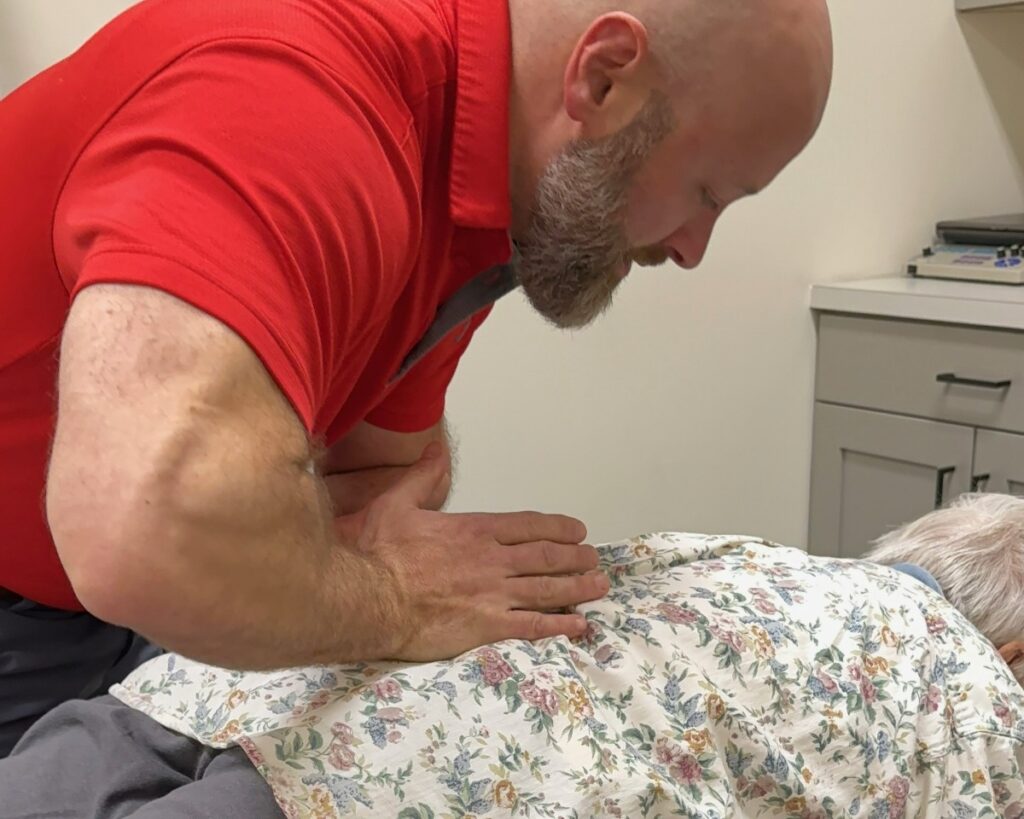
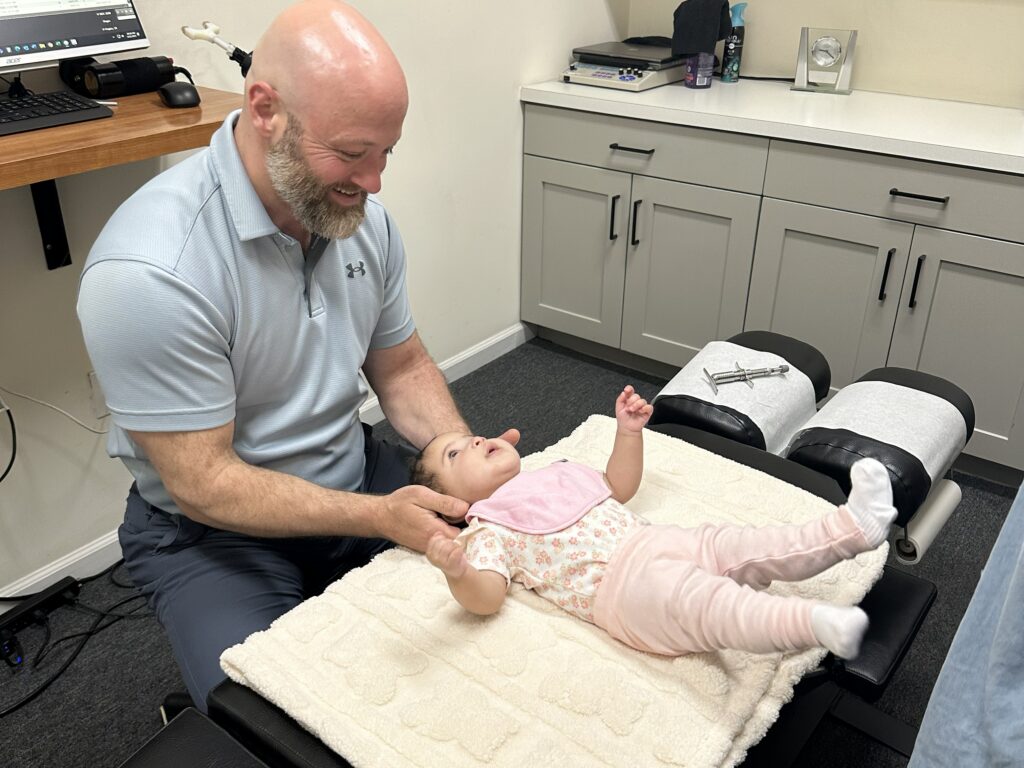
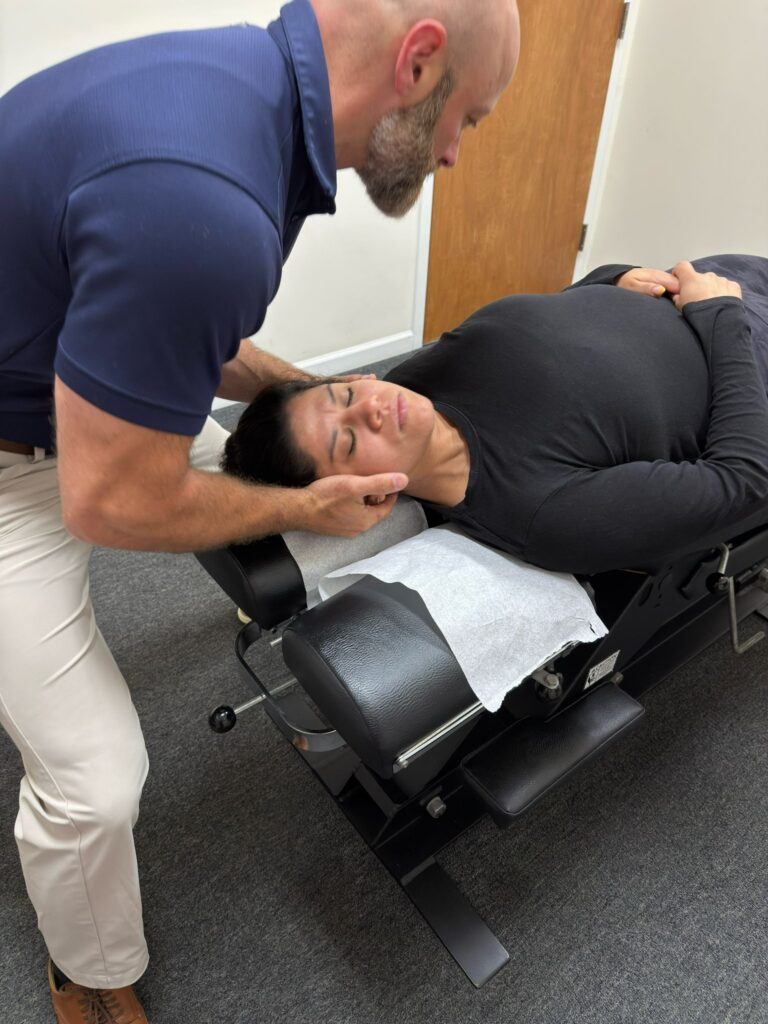
Chiropractic care plays a pivotal role in achieving optimal health. It focuses on natural healing through spinal adjustments and muscle strengthening techniques, which can greatly reduce pain and improve function. In addition to regular chiropractic visits, incorporating strategic exercises can enhance your recovery and prevent future issues.
Here are some top exercises you can easily integrate into your life to help prevent low back pain:
- Pelvic Tilts: This simple exercise helps strengthen your abdominal muscles while promoting flexibility in your lower back. Start by lying on your back with your knees bent. Gently flatten your lower back against the floor by tightening your abdominal muscles. Hold for a few seconds and release.
- Cat-Cow Stretch: This yoga-inspired stretch helps improve spinal flexibility. Start on your hands and knees. Inhale as you arch your back (Cow) and exhale as you round your spine (Cat). Repeat several times to loosen up your back.
- Bridges: Bridges strengthen your glutes and lower back. Lie on your back with your knees bent and feet flat on the floor. Lift your hips towards the ceiling, squeezing your glutes at the top, then lower back down.
- Knee-to-Chest Stretch: This stretch helps relieve tension in your lower back. While lying on your back, pull one knee towards your chest and hold for 15-30 seconds, then switch legs.
- Wall Sits: This exercise strengthens your core and legs, providing stability to your spine. Stand with your back against a wall and slide down until your knees are at a 90-degree angle. Hold for 10-30 seconds.
In addition to these exercises, remember to maintain good posture throughout your day. When sitting, ensure your back is straight and supported, and when lifting objects, bend at your knees rather than your back. These small adjustments can make a significant difference in your spinal health.
By taking proactive steps, like engaging in these exercises and visiting your chiropractor regularly, you can effectively manage and prevent low back pain. Prioritizing your spinal health is a key component of living a healthier, pain-free life. If you have any questions or need personalized advice, don’t hesitate to reach out for guidance. Your journey to optimal health starts with understanding your body and taking action!
Key Takeaways
As a local chiropractor dedicated to promoting health and wellness, I want to share some essential exercises that can help prevent low back pain while emphasizing the importance of chiropractic care in achieving optimal spinal health.
- First and foremost, engage in core strengthening exercises. Movements like planks, bridges, and bird-dogs can significantly support your spinal stability. A strong core is your best defense against injury, and chiropractic adjustments can enhance the benefits of these exercises by ensuring your spine is aligned and functioning optimally.
- Don’t forget to incorporate regular stretching routines into your day. Simple stretches like Cat-Cow and Child’s Pose not only enhance flexibility but also help relieve tension in your lower back. When your spine is flexible and free from tension, it can function more effectively, and chiropractic care can help maintain that flexibility.
- It’s crucial to maintain proper posture throughout your daily activities. Always aim for a neutral spine and engage your core muscles. This practice reduces stress on your lower back and can prevent discomfort. Regular chiropractic adjustments can also help you maintain good posture, ensuring that your spine is aligned and reducing the risk of pain.
- If you work at a desk, consider using ergonomic setups and taking frequent movement breaks. This approach minimizes the strain that prolonged sitting can put on your spine. Chiropractic care can assist in optimizing your workspace ergonomics and keep your spine healthy, making a world of difference in how you feel.
- Finally, consistency is key. Aim to perform your strengthening exercises 2–3 times a week, with sets of 10–15 repetitions. This routine will help build a resilient back over time. Additionally, regular visits to your chiropractor can help monitor your progress and make adjustments as needed, ensuring that your back remains strong and pain-free.
Incorporating these practices into your daily routine not only helps prevent low back pain but also enhances your overall well-being. Remember, chiropractic care is your partner in achieving and maintaining a healthy spine!
Understanding Low Back Pain
Low back pain can be a frustrating issue, especially when it disrupts your daily routine. It can make even simple tasks like bending down to pick something up or standing for long periods feel challenging. This discomfort often arises from various causes, including muscle strain, herniated discs, or poor posture. By understanding the underlying factors, you can take effective steps to manage your pain.
If you’ve experienced low back pain, you know how it can limit your activities and affect your mood. It’s crucial to listen to your body’s signals and address any discomfort early on. Common factors that contribute to low back pain include prolonged sitting, lack of movement, and improper lifting techniques. By being mindful of these habits, you can proactively alleviate discomfort and enhance your quality of life.
Chiropractic care is a fantastic option for relieving low back pain naturally. Chiropractors focus on aligning the spine and improving overall function, which can lead to significant pain relief and improved mobility. Regular adjustments can help reduce muscle tension, enhance circulation, and promote the body’s natural healing processes.
Here are some general tips to help you manage low back pain and support your spine health:
- Practice Good Posture: Whether sitting or standing, maintaining a neutral spine position can reduce strain on your back. Keep your shoulders back and avoid slumping.
- Stay Active: Incorporate gentle exercises and stretches into your routine. Activities like walking, swimming, or yoga can strengthen your back and improve flexibility.
- Use Proper Lifting Techniques: When lifting heavy objects, use your legs to lift, not your back. Keep the object close to your body and avoid twisting while lifting.
- Take Breaks: If you have a job that requires long periods of sitting, make sure to take regular breaks to stand up, stretch, and move around.
- Stay Hydrated: Adequate hydration supports spinal health by keeping the discs in your spine well-nourished.
Importance of Core Strength
As a local chiropractor, I want to emphasize the importance of core strength for your overall health and wellness, particularly when it comes to maintaining a healthy back and preventing pain.
Many people think of their core as just their abs, but it actually involves a network of muscles in your back, hips, and pelvis that work together to support your spine.
When these muscles are strong, they help stabilize your entire body, which reduces the risk of injury in your daily activities.
Weak core muscles can lead to issues like poor posture and muscle imbalances, which often put extra stress on your lower back.
By focusing on strengthening your core, you can improve your stability and balance, making it easier to move without straining your back.
Simple exercises such as planks, bridges, and bird-dogs can be easily incorporated into your routine to help build that essential strength.
Remember, a strong core not only enhances your physical performance but also serves as a protective barrier against low back pain.
Prioritizing core strength is a crucial step toward living a pain-free, active lifestyle.
As your chiropractor, I encourage you to consider chiropractic care as a foundational element of your wellness journey.
Regular adjustments can help ensure that your spine is aligned and functioning optimally, which complements your efforts to strengthen your core.
Together, we can work towards achieving your health goals and maintaining a healthy back naturally.
Stretching Exercises for Flexibility
Maintaining a healthy back goes beyond just building a strong core; flexibility is crucial in preventing low back pain. As a chiropractor, I often emphasize the importance of incorporating stretching exercises into your daily routine. These exercises not only enhance your flexibility but also help relieve tension in your back, paving the way for a more comfortable and active lifestyle. Here are three effective stretches that you can easily add to your regimen:
- Cat-Cow Stretch: Start on your hands and knees, and gently alternate between arching your back up (like a scared cat) and down (like a cow). This dynamic movement helps to mobilize your spine and can reduce stiffness.
- Child’s Pose: Kneel down and sit back on your heels, extending your arms forward on the floor. This calming stretch relaxes your lower back and hips, providing a gentle release of tension.
- Seated Forward Bend: Sit with your legs extended in front of you and reach towards your toes, holding the stretch. This not only targets your hamstrings but also stretches your lower back, promoting overall flexibility.
Incorporating these simple stretches into your daily routine can significantly improve your flexibility and reduce the risk of low back pain.
Strengthening Exercises for the Lower Back
To effectively support your lower back and prevent pain, incorporating strengthening exercises into your routine is essential. These movements target your core and back muscles, which are crucial for providing stability and alignment—key components of optimal health. While strengthening exercises are important, remember that regular chiropractic care can enhance your overall wellness and help address underlying issues contributing to pain.
One effective exercise is the bird-dog: start on all fours, extend one arm forward and the opposite leg back, then switch sides. This exercise not only strengthens your back but also improves coordination.
Another great option is the bridge: lie on your back with knees bent, lift your hips, and hold for a few seconds before lowering. This move strengthens your glutes and lower back, helping to create a solid foundation for your spine.
Additionally, try the plank to engage your entire core. Hold this position while keeping your body straight, which helps in stabilizing your spine. Aim for two to three sets of 10-15 repetitions for each exercise, adjusting as your strength improves. Consistency is key, so make these exercises a regular part of your routine.
Incorporating these strengthening exercises, along with regular visits to your chiropractor, can help build a stronger back and significantly reduce your risk of pain. Remember, chiropractic care focuses on the root cause of pain, promoting natural healing and better overall function. By combining exercise with chiropractic adjustments, you’ll be on the path to a healthier, pain-free life.
Posture Improvement Techniques
Improving your posture is crucial in preventing low back pain and enhancing your overall well-being. As a local chiropractor, I want to share some essential desk ergonomics and effective standing posture tips that can help you maintain a healthier alignment throughout your day.
First and foremost, it’s important to set up your workspace to support your spine. Ensure your chair provides good lumbar support, keeping your lower back perfectly cradled. Your feet should rest flat on the floor, and your knees should be at a 90-degree angle. This simple setup can significantly reduce strain on your back.
When you’re standing, remember to distribute your weight evenly on both feet. Engage your core muscles to support your lower back and keep your shoulders relaxed and back. This position not only looks confident but also helps maintain the natural curve of your spine.
Regular chiropractic adjustments can be a game changer in your journey to better posture. Chiropractors focus on spinal alignment, which is essential for overall health. By correcting misalignments, we can alleviate pain and promote a more natural posture.
Incorporating stretches and strengthening exercises into your routine can also enhance your posture. Simple neck stretches and back-strengthening exercises can greatly improve your spinal alignment.
Desk Ergonomics Essentials
Setting up your workspace properly is crucial for preventing low back pain and promoting overall wellness. By improving your desk ergonomics, you can support better posture and reduce strain on your spine.
Here are three essential tips to enhance your workspace and support your journey to optimal health:
- Chair Height: Ensure your chair is adjusted so that your feet rest flat on the floor, with your knees at a 90-degree angle. This position helps distribute your weight evenly, reducing stress on your lower back. A well-aligned chair can make a significant difference in your comfort and spinal health.
- Monitor Position: Position your monitor at eye level, approximately an arm’s length away. This setup minimizes neck strain and encourages a neutral spine alignment. By keeping your neck in a natural position, you can help prevent discomfort and promote healthy spinal function.
- Keyboard and Mouse: Place your keyboard and mouse within easy reach, keeping them at elbow height. Your wrists should remain straight to reduce tension while you type. Proper positioning of these tools can help maintain your posture and prevent repetitive strain injuries.
Implementing these simple adjustments can greatly enhance your comfort and promote a healthier lifestyle throughout the day.
Standing Posture Tips
While optimizing your workspace is essential for reducing the risk of low back pain, maintaining good standing posture is crucial for your overall spinal health. Start by positioning your feet shoulder-width apart to ensure that your weight is distributed evenly. Engaging your core muscles will help support your spine, so think of it as gently pulling your belly button in towards your spine. Let your arms hang naturally at your sides, and make sure your shoulders are relaxed and drawn back to avoid slouching.
It’s important to keep your head aligned with your spine—imagine a string gently pulling the top of your head upwards. Avoid jutting your chin forward, as this can lead to unnecessary strain on your neck and back. If you find yourself standing for extended periods, shift your weight between your feet or use a footrest to give your legs a break.
Incorporating regular breaks into your routine to stretch or move around can significantly help maintain your posture and reduce tension in your back. Remember, chiropractic care is an excellent way to support your spinal health and alleviate any discomfort you may experience. By maintaining good posture and seeking chiropractic adjustments, you can promote natural healing and work towards a healthier lifestyle. Your spine will thank you!
Incorporating Movement Into Daily Life
Incorporating movement into your daily life can be a game-changer for preventing low back pain and achieving optimal health. As a chiropractor, I emphasize the importance of keeping your body active to reduce tension in your back and promote overall wellness. Here are three simple ways to integrate more movement into your routine:
- Take Short Breaks: Set a timer to remind yourself to stand up and stretch or walk around every hour. This simple habit breaks up long periods of sitting that can strain your back. Remember, movement is essential for spinal health, and even a few minutes of activity can make a big difference.
- Use a Standing Desk: If you can, consider switching to a standing desk or creating a makeshift one at home. Alternating between sitting and standing not only promotes better posture but also encourages more movement throughout the day. This can help alleviate pressure on your spine and support your overall well-being.
- Choose Active Transportation: Whenever possible, opt to walk or bike instead of driving. This is a great way to stay active while also adding some cardio to your day. Not only does this help with back health, but it also contributes to your overall fitness and vitality.
Conclusion
Incorporating specific exercises into your daily routine can significantly help in preventing low back pain and promoting overall spinal health. As a chiropractor, I encourage you to focus on core strengthening, flexibility, and maintaining good posture, as these are essential for supporting your spine.
Remember to take regular movement breaks throughout your day, especially if you find yourself sitting for long periods. Consistency is key; the more dedicated you are to your exercise routine, the better your chances of not only preventing discomfort but also enhancing your overall well-being.
Chiropractic care plays a vital role in achieving optimal health. It can help address misalignments in your spine, improve mobility, and reduce pain naturally without the need for medications or surgeries.
Start today by giving your back the care it deserves. Consider integrating gentle stretches and strengthening exercises into your routine, and don’t hesitate to reach out to your chiropractor for personalized advice and support. Together, we can work towards a healthier, pain-free life!