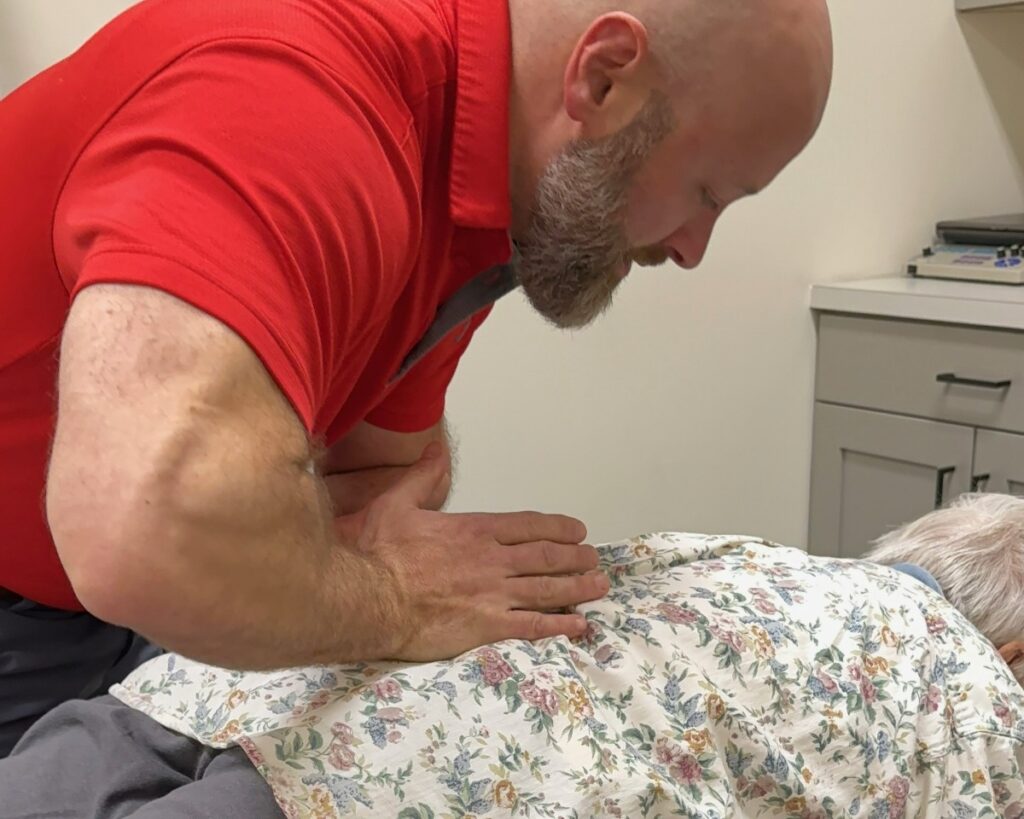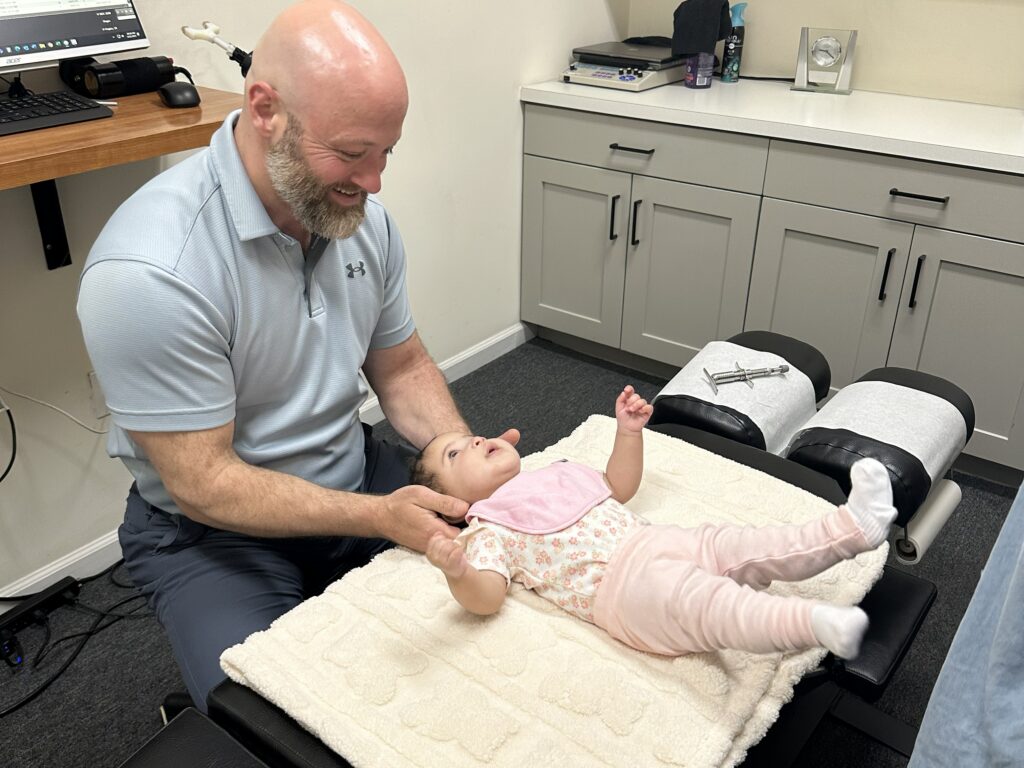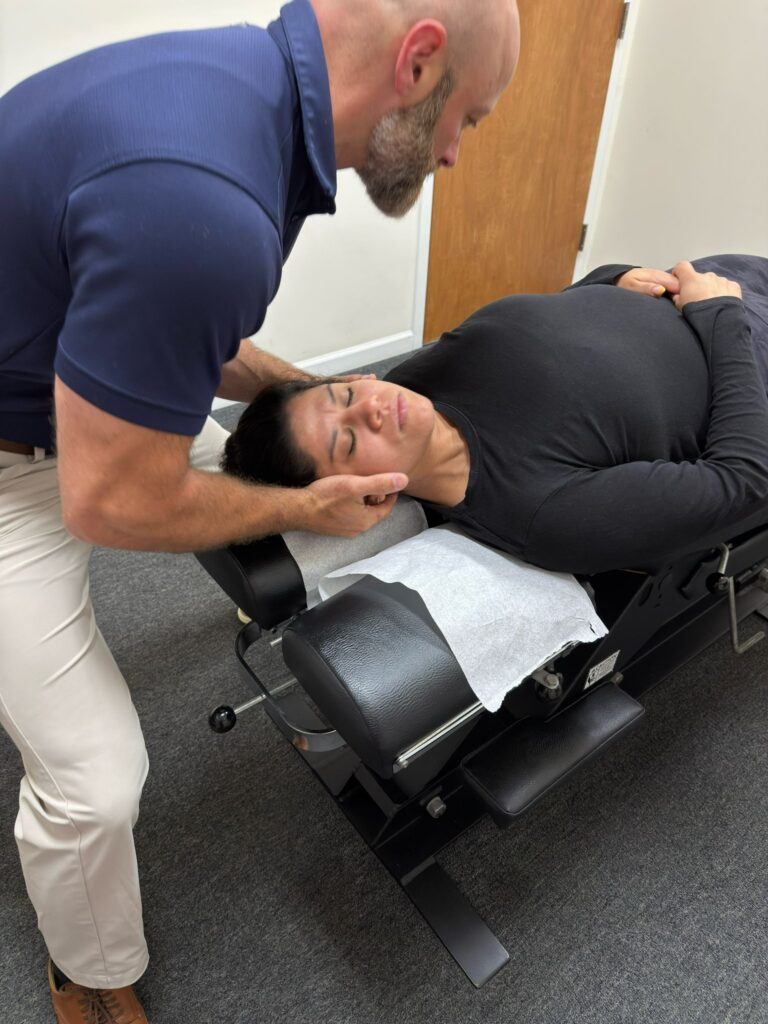

Chronic low back pain can be a frustrating battle, but you don’t have to navigate it alone. As a chiropractor, I want to share effective remedies that can help you regain control and enhance your quality of life through natural healing. One of the most powerful tools at your disposal is chiropractic care, which focuses on spinal health and alignment to alleviate discomfort and improve overall wellness.
Chiropractic adjustments target the root causes of back pain by realigning the spine and relieving pressure on nerves. This approach not only helps to ease your current pain but also promotes long-term health by encouraging proper posture and spinal function. Alongside chiropractic care, there are several lifestyle changes and exercises you can incorporate into your daily routine to support your recovery.
Here are a few simple tips to help you on your journey to relief:
- Stay Active: Gentle exercises like walking, stretching, or yoga can help strengthen your back muscles and improve flexibility. Always consult with your chiropractor before starting any new exercise regimen.
- Practice Good Posture: Paying attention to how you sit, stand, and lift can make a significant difference. Try to keep your back straight and avoid slouching, especially when sitting for long periods.
- Use Heat and Ice: Applying heat can relax tight muscles, while ice can reduce inflammation. Alternate between the two to find what works best for you.
- Stay Hydrated and Eat Well: Proper nutrition and hydration play a crucial role in your body’s healing process. Focus on a balanced diet rich in anti-inflammatory foods.
- Consider Regular Chiropractic Visits: Regular adjustments can help maintain your spinal health and prevent future pain.
Understanding how these options work together can lead you toward relief and a healthier lifestyle. Remember, you don’t have to face chronic low back pain alone. With the right support and strategies, you can take charge of your health and experience the benefits of chiropractic care.
Key Takeaways
Chiropractic care is an excellent way to naturally relieve chronic low back pain by realigning the spine and enhancing overall function. Unlike medications that may only mask the pain, chiropractic focuses on addressing the underlying issues, making it a preferred choice for many seeking long-term relief.
Incorporating regular core-strengthening exercises and engaging in low-impact activities can significantly support your spine. These practices help reduce strain and improve flexibility, which is vital for maintaining a healthy back. Simple activities like walking, swimming, or gentle yoga can be beneficial and are easy to integrate into your daily routine.
Another important aspect of managing chronic pain is your diet. Eating a balanced, anti-inflammatory diet filled with whole foods, fruits, and vegetables can enhance your overall health and help alleviate pain symptoms. Staying hydrated is also crucial; water plays a significant role in keeping your body functioning optimally.
Don’t overlook the power of stress management! Techniques such as deep breathing exercises and meditation can help reduce muscle tension, which often contributes to pain. Finding time to relax and unwind can make a big difference in how your body feels.
Additionally, paying attention to your posture and making ergonomic adjustments in your daily activities can go a long way in preventing strain on your back. Simple changes, like ensuring your workspace is set up correctly or being mindful of how you sit and stand, can support your spinal health over time.
By choosing chiropractic care and incorporating these tips into your lifestyle, you’re taking powerful steps toward achieving optimal health and wellness. Remember, your spine is the foundation of your well-being—taking care of it should be a top priority!
Understanding Chronic Low Back Pain
Chronic low back pain can be incredibly frustrating and limit your daily activities. Understanding its causes is the first step toward finding relief. This type of pain often arises from various factors such as poor posture, muscle strain, or even underlying medical conditions. Your lifestyle choices can significantly contribute to your discomfort—sitting for long periods, lifting heavy objects incorrectly, and managing stress can all take a toll on your back.
As you go about your daily life, chronic low back pain can affect not just your physical health, but also your mood and overall quality of life. It’s important to recognize that this pain isn’t just something you feel physically; it can lead to feelings of anxiety or depression as well.
Here’s where chiropractic care comes in as a natural and effective solution. Chiropractors focus on realigning your spine to improve overall function, which can help alleviate pain and promote healing. Regular adjustments can help restore proper movement in your spine, reducing discomfort and enhancing your overall wellness.
In addition to chiropractic care, there are some simple tips you can incorporate into your daily routine to help manage your low back pain:
- Practice Good Posture: Keep your back straight and shoulders relaxed when sitting or standing. This can help alleviate pressure on your spine.
- Stay Active: Engage in low-impact exercises like walking, swimming, or yoga. These activities strengthen your muscles and improve flexibility.
- Lift Properly: When lifting heavy objects, bend at your knees and keep the object close to your body. This technique helps protect your back.
- Manage Stress: Techniques like deep breathing, meditation, or gentle stretching can help reduce tension in your muscles and improve your mental well-being.
- Stay Hydrated: Drinking plenty of water can help keep your spinal discs well-hydrated and functioning properly.
Physical Therapy and Exercise
When it comes to managing chronic low back pain, one of the most effective approaches is chiropractic care, which focuses on optimizing spinal health and overall wellness.
By strengthening your core muscles and improving flexibility through specific exercises, you can support your spine and enhance your mobility.
Chiropractic care often emphasizes these key areas, providing hands-on adjustments that align your spine and relieve tension, allowing your body to function at its best.
As you work with your chiropractor, they can guide you in performing targeted exercises that not only strengthen your core but also improve your flexibility, helping to alleviate pain and discomfort.
Here are a few simple tips to help you on your journey to wellness:
- Practice Good Posture: Keep your back straight and shoulders back, whether sitting or standing. This reduces strain on your spine.
- Stay Active: Engage in gentle activities like walking or swimming, which can help maintain flexibility without putting too much stress on your back.
- Incorporate Core Strengthening Exercises: Simple exercises like planks and bridges can help build the muscles that support your spine.
- Stretch Regularly: Incorporate stretches for your back, hamstrings, and hips into your routine to improve flexibility.
- Consult Your Chiropractor: Regular visits can help keep your spine aligned and address any issues before they become serious.
Remember, chiropractic care is a natural and effective way to achieve pain relief and promote overall health.
Strengthening Core Muscles
Strengthening your core muscles is vital not just for alleviating low back pain but also for enhancing your overall stability and well-being. A strong core acts as a supportive foundation for your spine, helping to reduce strain and discomfort in your lower back. As a chiropractor, I encourage you to incorporate simple yet effective exercises like planks, bridges, and pelvic tilts into your routine. Aim to engage in these exercises three to four times a week for the best results.
It’s important to focus on maintaining proper form during these exercises to prevent injury and ensure you’re getting the most benefit. As you become more comfortable, consider gradually increasing the intensity or duration of your workouts to continue challenging your muscles. You might also find it helpful to incorporate stability balls or resistance bands to add variety and further engage your core.
Listening to your body is key; if you feel any discomfort or pain while exercising, it’s best to stop and consult a professional, like a chiropractor, who can provide personalized guidance. Building a strong core not only aids in pain relief but also contributes to improved posture and balance in your daily activities.
Stretching and Flexibility Exercises
Incorporating stretching and flexibility exercises into your daily routine can significantly enhance the core strengthening efforts you’ve embarked on. These gentle movements aren’t only vital for improving your range of motion but also play a crucial role in reducing tension and enhancing overall mobility, particularly in areas prone to discomfort like the lower back, hips, and hamstrings.
Consider adding simple stretches such as the cat-cow stretch, knee-to-chest stretch, and seated forward bend into your day. These exercises can be particularly beneficial for promoting spinal health and alleviating stiffness. Aim to stretch every day, holding each position for at least 20-30 seconds. It’s essential to listen to your body; if you experience any pain, ease back and modify the stretch to suit your comfort level.
Consistency is key to feeling the benefits. By incorporating these stretches alongside your chiropractic care, you may notice a significant reduction in stiffness and an overall improvement in your daily activities. Remember, combining stretching with regular chiropractic adjustments creates a holistic approach to managing chronic low back pain and achieving optimal health.
Embrace this natural pathway to wellness, and feel empowered in your journey towards a healthier, more flexible you!
Alternative Treatments
When it comes to managing chronic low back pain, chiropractic care stands out as a leading choice for achieving optimal health and wellness. Unlike conventional treatments that often rely on medications and invasive procedures, chiropractic focuses on natural healing through spinal alignment and overall body function.
Chiropractors are specially trained to assess and realign your spine, which can relieve discomfort and enhance your body’s ability to heal itself. By correcting misalignments, or subluxations, you can experience reduced pain, improved mobility, and a stronger foundation for your overall health. Regular chiropractic adjustments can’t only alleviate pain but also promote better posture and core strength, which are essential for long-term stability.
In addition to chiropractic care, there are some simple lifestyle practices that can support your journey toward better back health. Incorporating gentle exercises like yoga or tai chi can improve flexibility and strengthen your back muscles, providing additional support to your spine. Engaging in mindfulness practices, such as meditation, can also help you manage stress, which is known to exacerbate pain.
Don’t overlook the benefits of self-care at home. Techniques like applying heat or cold to the affected area can reduce inflammation and relieve tension in your muscles. Staying active with low-impact activities, maintaining a healthy weight, and ensuring proper ergonomics at your workstation can further enhance your spinal health.
Herbal supplements, such as turmeric and ginger, are known for their anti-inflammatory properties and can be a great addition to your natural wellness routine. However, it’s always best to consult with your chiropractor before adding new supplements to ensure they align with your overall health plan.
Medication Options
When dealing with chronic low back pain, it’s essential to explore all available options for relief, and one of the most effective methods is chiropractic care. Chiropractic adjustments target the spine and help restore proper alignment, which can alleviate pain and improve mobility naturally.
While over-the-counter pain relievers like ibuprofen or acetaminophen may offer temporary relief, they don’t address the root cause of pain. Chiropractic care focuses on identifying and treating the underlying issues, such as misalignments or tension in the muscles and joints. This holistic approach promotes healing without the need for medication.
If you experience muscle spasms or inflammation, working with a chiropractor can help you develop a personalized treatment plan that may include specific exercises, stretches, and lifestyle modifications. These strategies can strengthen your back and reduce the likelihood of future pain.
In some cases, individuals may consider stronger medications like opioids, but these come with risks of dependency and side effects. Instead, chiropractic care offers a safe, drug-free alternative that can provide lasting relief and support overall wellness.
Additionally, incorporating regular physical activity, maintaining a healthy diet, and practicing good posture can enhance your chiropractic treatment. Simple changes, like using ergonomic furniture and taking breaks to stretch during long periods of sitting, can make a significant difference in your spinal health.
Always consult with your chiropractor about the best approach to managing your pain. Remember, achieving optimal health is a journey, and being proactive in your care will lead to better outcomes. Embrace the benefits of chiropractic care for a natural and effective path to wellness.
Lifestyle Modifications
Making lifestyle modifications can greatly enhance your journey to managing chronic low back pain, and I’m here to guide you through this process.
One of the most effective ways to support your back health is by incorporating regular physical activity into your daily routine. Focus on low-impact exercises such as walking, swimming, or cycling. These activities not only strengthen your back but also promote overall wellness without putting additional strain on your spine.
Posture is another critical factor to consider. If you find yourself sitting for long periods, be mindful of your posture. Utilize ergonomic furniture and take frequent breaks to stretch and move around. This small adjustment can make a significant difference in your comfort levels and spinal health.
Nutrition plays a vital role in your overall well-being. Aim for a balanced diet that includes plenty of anti-inflammatory foods. Incorporate fruits, vegetables, whole grains, and healthy fats into your meals. Staying hydrated is also essential, as it helps maintain the health of your discs and joints.
Keeping a healthy weight can reduce the strain on your back, so practice portion control and be mindful of your eating habits.
Lastly, never underestimate the power of quality sleep. Establish a consistent sleep schedule and create a comfortable sleeping environment to promote restful nights. When you sleep well, your body has the chance to recover and heal, which is crucial for managing pain.
By making these lifestyle adjustments and considering chiropractic care, you can significantly alleviate your low back pain and enhance your quality of life. Chiropractic care focuses on the root cause of pain and promotes natural healing, helping your body function at its best.
Mindfulness and Stress Management
To effectively manage chronic low back pain, incorporating chiropractic care alongside mindfulness practices can make a significant difference. As a chiropractor, I emphasize the importance of spinal health in achieving overall well-being. Regular chiropractic adjustments not only help realign your spine, but they also enhance your body’s natural ability to heal itself.
In addition to chiropractic care, breathing techniques can help you stay grounded and reduce tension in your body. Guided meditation is another excellent tool; it promotes relaxation and can significantly lower stress levels. These mindfulness practices, when combined with chiropractic adjustments, empower you to take control of your pain and improve your quality of life.
Here are some general tips to incorporate into your daily routine:
- Practice Deep Breathing: Take a few minutes each day to focus on your breath. Inhale deeply through your nose and exhale slowly through your mouth. This simple exercise can help release tension in your back and promote relaxation.
- Stay Active: Engage in gentle exercises that promote flexibility and strengthen your core, which supports your spine. Activities like walking, swimming, or yoga can be beneficial.
- Maintain Good Posture: Be mindful of your posture whether sitting, standing, or lifting. Proper alignment reduces strain on your back and helps prevent pain.
- Schedule Regular Chiropractic Visits: Consistent chiropractic care helps maintain spinal health and can significantly alleviate chronic pain.
Breathing Techniques
Breathing techniques can be an invaluable tool for managing chronic low back pain and enhancing your overall wellness. As a chiropractor, I believe that focusing on your breath not only helps to alleviate discomfort but also promotes a sense of mindfulness and relaxation.
By directing your attention towards your breath, you can create a calming effect that allows your body to release tension, particularly in the back muscles.
To begin, practice deep, slow breaths. Inhale deeply through your nose, allowing your abdomen to expand, and then exhale gently through your mouth. This simple yet effective practice calms your nervous system and can significantly reduce tension in your back. In addition to this, consider trying abdominal breathing, which fully engages your diaphragm and encourages a deeper state of relaxation.
Incorporate these breathing techniques into your daily routine, especially during stressful times. Whether you’re at home, at work, or on the go, taking a moment to focus on your breath can help you manage pain and improve your overall state of mind. Over time, you’ll likely notice that these exercises not only help with pain relief but also contribute to your overall health and well-being.
Guided Meditation Benefits
Guided meditation is a valuable practice that can significantly enhance your journey to managing chronic low back pain, especially when combined with chiropractic care.
By promoting mindfulness and reducing stress, guided meditation helps you focus your thoughts and breathing, creating a mental space that allows you to detach from pain. This technique encourages you to observe your sensations without judgment, fostering a sense of calm that can complement your chiropractic treatments.
One of the key benefits of guided meditation is its ability to lower cortisol levels, which are often linked to stress and the perception of pain. When you incorporate this practice into your routine alongside regular chiropractic adjustments, you may find that your body becomes more attuned to tension and discomfort.
This mindfulness can help you recognize and address these issues before they escalate into more significant problems.
To empower yourself in managing pain naturally, consider integrating guided meditation with your chiropractic care. Here are a few tips to get started:
- Set Aside Time: Dedicate a few minutes each day to practice guided meditation. Consistency is key.
- Find a Comfortable Space: Choose a quiet place where you can sit or lie down comfortably, free from distractions.
- Use Resources: Look for guided meditation apps or online videos that focus on pain relief and relaxation.
- Combine with Chiropractic Care: After your chiropractic adjustments, take a moment to meditate, allowing your body to absorb the benefits of the treatment.
- Practice Mindfulness: Throughout the day, take brief pauses to check in with your body, observing any tension or discomfort without judgment.
By embracing guided meditation as part of your wellness routine, you’re taking a proactive step towards managing your pain naturally.
Together with chiropractic care, you can achieve a more balanced and healthier lifestyle.
Conclusion
Combining active self-care with chiropractic care can significantly relieve chronic low back pain. Regular low-impact exercise, such as walking or swimming, helps strengthen your back muscles, while chiropractic adjustments target spinal alignment, promoting optimal function and reducing discomfort.
In addition, exploring alternative therapies, like massage or acupuncture, can complement your chiropractic treatments and enhance your healing journey. Remember to make lifestyle adjustments—maintaining a healthy weight, practicing good posture, and using ergonomic furniture can all contribute to better spinal health.
Mindfulness practices, such as gentle yoga or meditation, can also be beneficial. They help you manage stress and cope with pain more effectively. The key is to find the right combination of activities that work for you.
Stay proactive in your recovery—listen to your body, and don’t hesitate to reach out for support from your chiropractor. By prioritizing chiropractic care and these healthy habits, you’re taking the right steps toward a pain-free life. Your journey to relief starts now!