
Low back pain can be a frustrating and limiting experience, but there are effective ways to manage and alleviate this discomfort without resorting to medications or surgery. As a local chiropractor, I believe in the power of natural healing and the importance of spinal health for overall wellness.
One of the fundamental techniques to relieve low back pain is through gentle stretching and core strengthening exercises. These movements can help improve flexibility, strengthen the muscles that support your spine, and promote better posture. Simple activities like pelvic tilts, knee-to-chest stretches, and gentle yoga can make a significant difference.
Posture correction is another essential aspect. Many of us spend long hours sitting at desks or hunched over our phones, which can lead to misalignment of the spine. Being mindful of your posture—sitting up straight, using ergonomic chairs, and taking breaks to stand and stretch—can help reduce strain on your back.
Additionally, incorporating mindful practices such as deep breathing and relaxation techniques can play a vital role in managing pain. Stress can exacerbate discomfort, so finding ways to relax and unwind is crucial for healing.
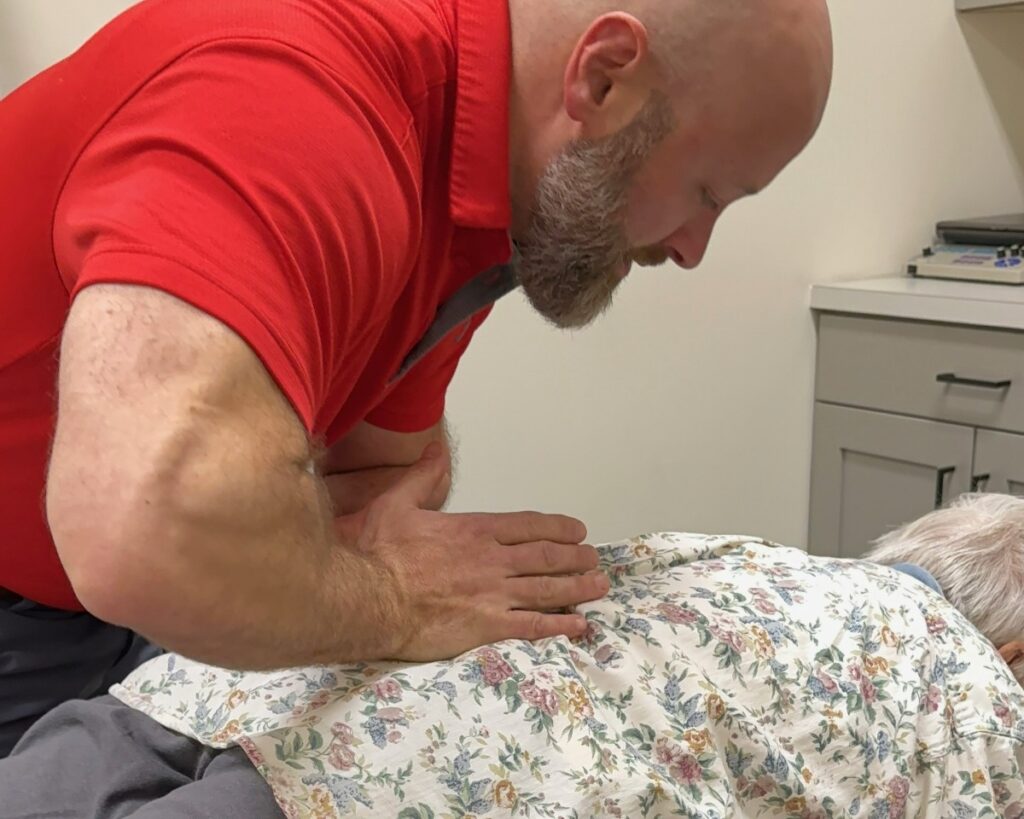
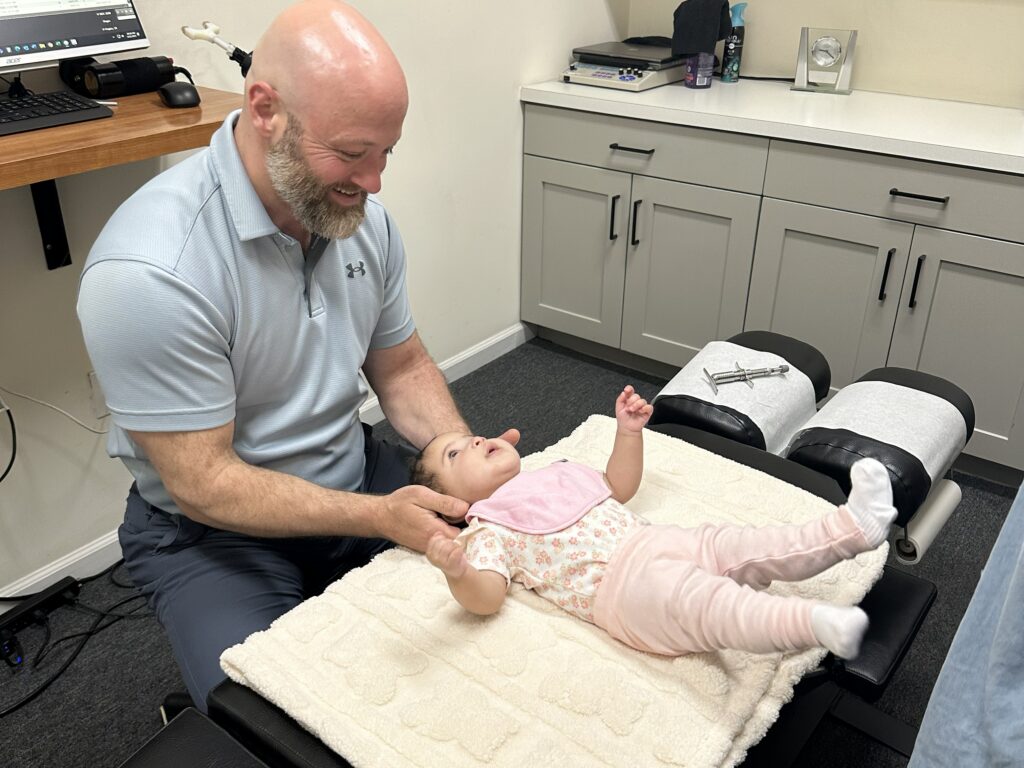
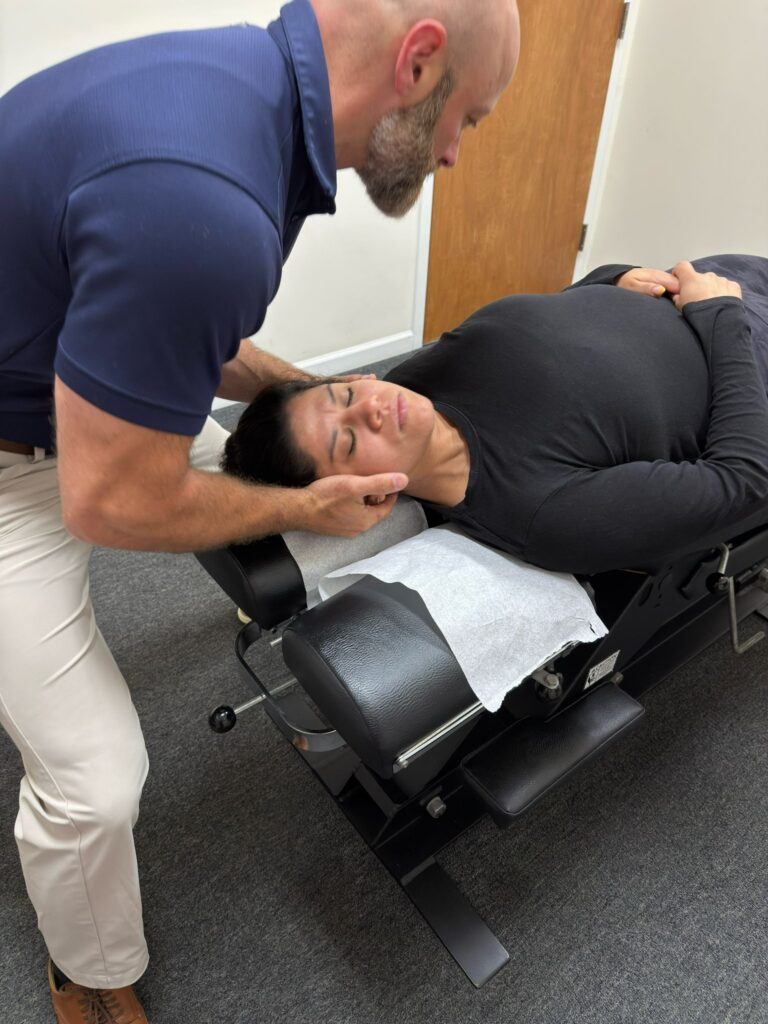
As you explore these options, consider chiropractic care as a powerful ally in your journey towards relief and wellness. Chiropractic adjustments can help realign the spine, reduce tension, and improve your overall function, making it a top choice for those seeking natural pain relief.
Remember, the path to a healthier back starts with small, consistent changes. By prioritizing spinal health and incorporating these techniques, you can take significant steps towards overcoming low back pain and achieving optimal health. What you’ll discover through this journey may surprise you!
Key Takeaways
- Maintain a strong posture by sitting up straight, engaging your core muscles, and ensuring your ears are aligned over your shoulders. This simple practice can significantly reduce the strain on your spine and promote better spinal health.
- Keep your body active with gentle exercises like walking, swimming, or yoga. These activities not only strengthen your back and core muscles but also enhance your overall well-being. Remember, a healthy spine supports a healthy life!
- Regular chiropractic adjustments can work wonders for your spine. By restoring proper alignment, chiropractic care helps alleviate nerve pressure, promoting your body’s natural healing processes. This is a holistic approach to pain relief that can lead you to optimal health.
- Apply heat to relax tight muscles or ice to combat inflammation in your lower back as needed. Both techniques can provide temporary relief and support your recovery, but regular chiropractic visits will address the root cause of your discomfort.
- If you find yourself sitting for long periods, remember to take breaks! Stand up, stretch, and move around every 30–60 minutes. This helps improve blood flow, reduces stiffness, and keeps your spine happy and healthy.
By focusing on these simple yet effective practices, you can enhance your wellness and support your spinal health naturally. Chiropractic care is always here to guide you on your journey to a pain-free life!
Understanding Low Back Pain
When you experience low back pain, it can be a distressing experience, especially if you’re unsure of what’s causing it.
Low back pain commonly arises from muscle strain, poor lifting techniques, or prolonged periods of sitting.
You might also notice that stress can contribute to this discomfort by tightening the muscles in your back.
In some cases, conditions like herniated discs or arthritis may also be involved.
Identifying the source of your discomfort is essential in finding relief.
Take a moment to reflect on your daily habits.
Are you slouching, or lifting heavy objects incorrectly?
Small changes in your posture or lifting techniques can lead to significant improvements in your comfort levels.
It’s important to recognize that age can also play a role in back pain, as our spines naturally undergo changes over time.
However, understanding these factors empowers you to take control of your health.
Chiropractic care offers a natural approach to alleviating low back pain.
By focusing on spinal health, chiropractors can help restore proper alignment, relieve tension, and enhance mobility.
Regular chiropractic adjustments can also support your overall wellness, preventing future episodes of pain.
Here are some general tips to consider for maintaining a healthy back:
- Practice Good Posture: Whether you’re sitting at a desk or lifting objects, ensure that you maintain a straight back and engage your core muscles.
- Stay Active: Regular physical activity strengthens your back and core muscles, reducing the risk of injury. Simple exercises like walking, swimming, or yoga can be very beneficial.
- Take Breaks: If you’re sitting for long periods, make it a habit to stand up, stretch, and move around every 30 minutes.
- Listen to Your Body: If something doesn’t feel right, don’t ignore it. Early intervention can help prevent more serious issues down the line.
By recognizing the causes of low back pain and integrating these practices into your daily life, you can work towards achieving effective relief and a more active, pain-free lifestyle.
Embrace chiropractic care as a key partner in your journey to optimal health and wellness.
Importance of Proper Posture
Maintaining proper posture is crucial for preventing low back pain and supporting your overall spinal health. When you sit, stand, or walk with correct alignment, you significantly reduce the strain on your spine and the surrounding muscles. This not only helps alleviate discomfort but also enhances your body’s ability to function effectively throughout your daily activities.
As a chiropractor, I want to emphasize how good posture can be a game-changer for your well-being. By prioritizing the alignment of your spine, you can experience natural relief from pain and improve your quality of life without the need for medications or surgeries.
Here’s a quick reference table to illustrate the effects of posture:
| Posture Type | Effects on Back Pain | Tips for Improvement |
|---|---|---|
| Slouched | Increases pressure on discs | Sit up straight, engage your core |
| Leaning forward | Strains lower back | Align your ears over your shoulders |
| Standing tall | Reduces stress on the spine | Keep your feet shoulder-width apart |
Remember, small adjustments in your daily routine can make a big difference. Here are some general tips to help you maintain proper posture:
- Be Mindful: Pay attention to your posture throughout the day, whether you’re at your desk, in your car, or standing in line.
- Strengthen Your Core: A strong core supports your spine. Incorporate exercises that target your abdominal and back muscles into your routine.
- Take Breaks: If you sit for long periods, stand up, stretch, and walk around every hour to reduce tension in your back.
- Use Supportive Furniture: Invest in a chair that supports your lower back and encourages good posture when sitting.
Stretching Exercises for Relief
Stretching exercises can be a true game-changer for relieving low back pain, and as your local chiropractor, I want to share some key techniques that can’t only enhance your flexibility but also strengthen your core.
Incorporating a daily stretching routine into your life can significantly improve your overall comfort and mobility, making it easier to engage in your daily activities without discomfort.
But remember, while stretching is beneficial, it’s essential to pair these exercises with chiropractic care for the best results.
Regular visits to your chiropractor can help ensure your spine is properly aligned, which is crucial for optimal function and pain relief.
Chiropractic adjustments can enhance the effectiveness of your stretching routine, allowing your body to move more freely and heal naturally.
Here are some general tips to keep in mind:
- Listen to Your Body: Always pay attention to how your body feels during stretches. If you experience pain, ease off and consult with your chiropractor.
- Consistency is Key: Aim to stretch daily, even if it’s just for a few minutes. Consistency will yield better results over time.
- Focus on the Core: Strengthening your core muscles can provide better support for your spine. Include exercises that target your abdominal and lower back muscles.
- Breathe Deeply: Don’t forget to breathe deeply while stretching. This helps to relax your muscles and can enhance the effectiveness of each stretch.
- Stay Hydrated: Proper hydration is essential for muscle health and recovery. Drink plenty of water, especially after stretching.
By integrating daily stretching with regular chiropractic care, you can work towards achieving optimal health and a pain-free lifestyle.
Key Stretching Techniques
To effectively alleviate low back pain, incorporating key stretching techniques into your routine can make a significant difference and promote overall wellness. As a chiropractor, I believe in the power of natural healing and the benefits of chiropractic care for maintaining optimal health.
Start with the knee-to-chest stretch; lie on your back, pull one knee toward your chest, and hold for 20-30 seconds. This stretch helps relieve tension in your lower back and can improve your spinal health. Next, try the cat-cow stretch; get on your hands and knees, arch your back upward, then lower it while lifting your head. This gentle movement encourages flexibility in your spine and can help alleviate discomfort.
The seated forward bend is another excellent option; sit with your legs extended, reach toward your toes, and hold. This stretch not only helps with flexibility but also promotes relaxation. Finally, the piriformis stretch is beneficial; lie on your back, cross one ankle over the opposite knee, and gently pull the uncrossed leg toward you. This stretch targets the piriformis muscle, which can often contribute to low back pain.
Incorporating these stretches into your daily routine can enhance your flexibility and significantly reduce tension in your lower back. Remember, chiropractic care is an effective way to address pain and promote healing. Regular adjustments can help align your spine, allowing your body to function optimally.
Embrace these stretches as part of your wellness journey, and consider visiting a chiropractor for personalized care tailored to your needs.
Benefits of Stretching
Incorporating stretching into your daily routine can significantly boost your overall well-being and provide much-needed relief from low back pain.
As a chiropractor, I emphasize the importance of maintaining flexibility to prevent stiffness and tension in your muscles. Stretching increases blood flow to the affected areas, which promotes healing and reduces discomfort.
Moreover, regular stretching can improve your posture—an essential factor in preventing future pain. Good posture not only helps alleviate strain on your spine but also contributes to overall body health. You might be surprised to learn that stretching can also help reduce stress, allowing your body to relax and recover more effectively. When your muscles are more limber, you can engage in daily activities with greater ease and less risk of injury.
To get started with a beneficial stretching routine, consider these simple tips:
- Start Slowly: Begin with gentle stretches and gradually increase intensity as your flexibility improves.
- Be Consistent: Aim to stretch regularly, ideally daily, to see the best results.
- Focus on Major Muscle Groups: Pay special attention to areas that often hold tension, such as your lower back, hamstrings, and shoulders.
- Listen to Your Body: Never push yourself to the point of pain—stretching should feel good and relieve tension.
- Combine with Chiropractic Care: Regular visits to your chiropractor can enhance the benefits of stretching by ensuring your spine is aligned and functioning optimally.
By committing to a stretching routine alongside chiropractic care, you’re taking a vital step towards a healthier back and a more active lifestyle.
Embrace these practices for natural healing and improved wellness, and feel free to reach out for personalized guidance on how chiropractic care can support your journey to optimal health.
Daily Stretching Routine
Incorporating a daily stretching routine can significantly enhance your overall well-being, especially when it comes to alleviating low back pain. As a chiropractor, I often emphasize the importance of maintaining a healthy spine and flexible muscles to support your body’s natural alignment.
Start with gentle stretches that target your lower back, hips, and hamstrings. Simple moves like the cat-cow stretch, child’s pose, or seated forward bend are excellent choices to relieve tension and promote spinal health. Aim for at least 10-15 minutes of stretching each day. As you stretch, focus on your breath and allow your body to relax into each movement.
As your flexibility improves, you can gradually increase the duration and intensity of your stretches. However, it’s crucial to listen to your body. If something feels painful, it’s important to ease off and avoid pushing through discomfort. Remember, consistency is vital—making stretching a daily habit can lead to lasting relief from pain and improved mobility.
In addition to stretching, consider scheduling regular visits with a chiropractor to address any underlying issues and enhance your recovery. Chiropractic care is an effective, natural approach to achieving optimal health and wellness. With the right care and a commitment to your stretching routine, you’ll feel stronger, more flexible, and ready to tackle daily activities with ease.
Strengthening Your Core
Strengthening your core isn’t only vital for alleviating low back pain but also plays a key role in improving your overall stability and wellness. A robust core supports your spine and helps prevent injuries, making it an essential aspect of your health journey. As a chiropractor, I believe that incorporating core-strengthening exercises into your daily routine can enhance your body’s resilience and promote natural healing. Here are three effective exercises to help you get started:
- Plank: Begin in a plank position, holding for 20-30 seconds. Ensure your body forms a straight line from your head to your heels. This simple yet powerful exercise engages your entire core, helping to build strength and stability over time.
- Bird-Dog: Start on all fours, then extend one arm forward and the opposite leg back. Hold this position for a few seconds before switching sides. The Bird-Dog exercise not only enhances your balance but also promotes coordination, which is crucial for a healthy spine.
- Bridge: Lie on your back with your knees bent and feet flat on the floor. Gently lift your hips towards the ceiling, squeezing your glutes as you rise. Hold this position for a few seconds before lowering back down. The Bridge exercise effectively targets your lower back and glutes, both important for maintaining a strong and supportive core.
Incorporating these exercises into your daily routine can significantly strengthen your core, ultimately reducing low back pain and enhancing your overall physical health. Remember, chiropractic care is an excellent way to support your journey towards optimal health.
Regular visits to your chiropractor can help ensure your spine is aligned and functioning properly, allowing you to reap the full benefits of your core-strengthening efforts. Embrace these exercises and consider chiropractic care as a fundamental part of your wellness plan!
The Benefits of Yoga
Yoga can be a fantastic addition to your wellness routine, especially if you’re dealing with low back pain. However, as a chiropractor, I want to emphasize that while yoga has its benefits, chiropractic care is your best option for achieving optimal health and lasting relief. Chiropractic adjustments target the root cause of pain and promote natural healing, helping you to feel your best without the need for medications or surgeries.
Incorporating yoga can complement your chiropractic treatment by improving flexibility, strengthening muscles, and enhancing posture. These aspects are key to reducing discomfort and preventing future issues. Here’s how yoga can play a role in your overall health:
| Benefits of Yoga | Description |
|---|---|
| Increased Flexibility | Yoga helps to loosen tight muscles, which can reduce tension in your lower back. However, for comprehensive care, regular chiropractic adjustments can further enhance your flexibility and spinal health. |
| Improved Strength | Building core strength through yoga supports your spine and pelvis. Coupled with chiropractic care, you can achieve even greater stability and strength in your body. |
| Enhanced Posture | Yoga encourages proper alignment, which is crucial for minimizing strain on your back. Chiropractic adjustments can help maintain this alignment for long-lasting benefits. |
To maximize your health, consider these general tips:
- Stay Consistent: Regular chiropractic visits can help maintain your spinal health while you practice yoga.
- Listen to Your Body: Pay attention to what feels right for you in yoga, and don’t push through pain. Always consult your chiropractor if you have any concerns.
- Combine Practices: Use yoga as a tool to complement your chiropractic care, but remember that chiropractic adjustments are essential for long-term relief.
Utilizing Heat and Cold Therapy
When it comes to managing low back pain, many people find that heat and cold therapy can be incredibly helpful. As a chiropractor, I often recommend these natural methods to my patients for relief. Applying heat can relax tight muscles and enhance blood flow, promoting healing in the affected area. On the other hand, cold therapy is great for reducing inflammation and numbing sharp pain, allowing for a more comfortable experience.
Combining both heat and cold can be an excellent strategy for comprehensive relief. For instance, you might start with a cold pack to tackle any swelling, then follow up with a warm compress to soothe and relax your muscles. This simple approach can make a significant difference in how you feel.
Benefits of Heat Application
Heat therapy can be a wonderful addition to your wellness routine, especially if you’re dealing with low back pain. As a chiropractor, I often see the benefits of heat in helping to relax tense muscles and improve blood circulation. When you apply heat, not only do you find relief from discomfort, but you also support your body’s natural healing processes. Here are three key benefits of heat application that you can easily incorporate into your daily life:
- Muscle Relaxation: Heat works wonders for your muscles. It increases their elasticity and allows them to stretch and relax more effectively. This can help reduce tightness and improve your overall flexibility.
- Enhanced Blood Flow: When you apply heat, it causes your blood vessels to expand. This improved circulation delivers essential nutrients and oxygen to the affected area, which can speed up healing and reduce inflammation.
- Pain Relief: The soothing warmth from heat therapy can help block pain signals to the brain, creating a comforting sensation that lessens your perception of pain. It’s a natural way to find relief without relying on medications or invasive procedures.
Incorporating heat therapy into your routine is simple. You can use a heating pad, warm towel, or even take a warm bath to enjoy these benefits. Just remember to listen to your body and avoid applying heat for too long to prevent burns.
While heat therapy is effective, it’s important to also consider chiropractic care as a vital part of your journey to optimal health. Chiropractic adjustments can address the root cause of your pain and help maintain proper spinal alignment, which is key for long-term wellness.
Together, heat therapy and chiropractic care can be a powerful combination for managing low back pain and enhancing your overall well-being. Always consult with your chiropractor for personalized advice tailored to your specific needs.
Advantages of Cold Therapy
While heat therapy can certainly provide relief for low back pain, I want to emphasize the great benefits of incorporating cold therapy into your wellness routine. Cold therapy is a fantastic way to reduce inflammation and numb the painful area, helping to alleviate discomfort naturally. When you apply cold compresses or ice packs, it constricts blood vessels, which limits swelling and promotes faster healing. This is especially useful right after an injury or during flare-ups of pain.
One of the great things about cold therapy is that it provides a refreshing cooling sensation, which can counteract the heat often associated with muscle tension. For optimal results, apply cold therapy in short intervals—about 15-20 minutes at a time. Just remember to wrap the ice pack or compress in a cloth to protect your skin and ensure a safe experience.
As a chiropractor, I encourage you to explore natural methods for managing your pain and promoting healing. Cold therapy is an excellent tool to have in your wellness toolkit, and when combined with regular chiropractic care, it can help you achieve optimal health and well-being. Always listen to your body, and don’t hesitate to reach out for professional guidance tailored to your specific needs.
Combining Both Methods
Combining both heat and cold therapy can greatly enhance your journey to managing low back pain naturally. By alternating these two methods, you can optimize relief and support your body’s healing process. Here are three effective ways to integrate both therapies into your routine:
- Start with Cold: Begin by applying a cold pack to the affected area for 15-20 minutes. This helps to reduce inflammation and numb any sharp pain you might be feeling. Cold therapy is a great way to take the edge off discomfort.
- Switch to Heat: Once the initial swelling has gone down, transition to using a heat pad. Heat therapy warms up your muscles, promoting relaxation and improving blood flow. This increased circulation aids in recovery and can help alleviate tension in your back.
- Listen to Your Body: It’s important to pay attention to how your body feels. Adjust the duration and frequency of your heat and cold applications based on your comfort level. Don’t hesitate to switch back and forth as needed; this personalized approach can lead to better results.
In addition to these methods, consider visiting your local chiropractor. They can provide tailored adjustments and techniques that complement your therapy, helping to restore balance and alignment to your spine.
This holistic approach not only addresses pain but also promotes overall wellness, paving the way for a healthier, more vibrant life. Remember, the goal is to find what works best for you in achieving lasting relief from low back pain, naturally.
Mindfulness and Meditation Techniques
Practicing mindfulness and meditation can significantly aid in alleviating low back pain by enhancing your awareness and reducing stress levels. These techniques help you connect with your body and release tension that may be contributing to discomfort. As a chiropractor, I believe that integrating mindfulness with chiropractic care can lead to optimal health and well-being. Here’s a straightforward guide to help you incorporate mindfulness practices into your daily routine:
| Step | Description |
|---|---|
| Find a Quiet Space | Choose a comfortable spot where you can sit or lie down without distractions. |
| Breathe Deeply | Take a deep breath in through your nose, hold it for a moment, and exhale slowly through your mouth. This helps calm your nervous system. |
| Focus on Sensations | Direct your attention to how your body feels, particularly in your lower back. Notice any tightness or discomfort without trying to change it. |
| Observe Thoughts | Acknowledge any thoughts that come to mind—it’s normal! Just gently bring your focus back to your breath and body sensations. |
| Conclude | Slowly bring your awareness back to your surroundings, opening your eyes gradually. Take a moment to notice how you feel. |
In addition to these mindfulness practices, remember that regular chiropractic adjustments can enhance your body’s ability to heal itself and maintain proper alignment, which is essential for preventing future pain. Pairing mindfulness with chiropractic care can create a powerful synergy for your overall health.
Here are some general tips to keep in mind:
- Stay Active: Gentle exercises like walking or stretching can complement your chiropractic care and mindfulness practices.
- Listen to Your Body: Pay attention to how your body feels throughout the day. If you notice tension building, take a moment to practice your mindfulness techniques.
- Maintain Good Posture: Being mindful of your posture can help alleviate strain on your back. Consider setting reminders to check your posture throughout the day.
- Stay Hydrated: Drinking plenty of water supports spinal health and helps maintain the elasticity of your muscles and joints.
Embracing mindfulness alongside chiropractic care can empower you on your journey to a pain-free, healthier life. Remember, your well-being is a priority, and natural healing methods can lead to lasting relief.
Alternative Therapies: Acupuncture and Chiropractic
If you’re looking for effective ways to manage low back pain, consider the benefits of chiropractic care. As a local chiropractor, I believe that chiropractic is one of the best options for achieving optimal health and natural pain relief without relying on medication or invasive procedures.
Here are three key benefits of chiropractic care for low back pain:
- Spinal Alignment: Chiropractors specialize in spinal manipulation, which helps to align your spine properly. When your spine is in alignment, it reduces pressure on your nerves, alleviating pain and discomfort in your back and body.
- Natural Healing: Chiropractic care focuses on the body’s natural ability to heal itself. By addressing the root cause of your pain, we can promote healing and improve your overall well-being without the need for drugs or surgery.
- Holistic Wellness: Chiropractic therapy isn’t just about treating pain; it also considers your overall health. We look at factors such as your lifestyle, diet, and stress levels, which can all impact your back health. By making adjustments in these areas, you can support your recovery and enhance your quality of life.
Incorporating chiropractic care into your routine can lead to lasting relief from low back pain and improve your overall health.
Remember to also practice good posture, engage in regular physical activity, and manage stress effectively—these simple tips can make a big difference!
If you’re ready to take charge of your health, consider scheduling an appointment to explore how chiropractic care can work for you. Your journey to pain relief and wellness starts here!
When to Seek Professional Help
Knowing when to seek professional help for low back pain is essential, especially if your discomfort sticks around or gets worse despite trying self-care methods. If your pain lasts more than a few weeks or starts to interfere with your everyday activities, it’s a good idea to visit your local chiropractor. Chiropractors specialize in understanding how the spine and nervous system work together, and they can help identify the root cause of your pain.
If you find yourself experiencing numbness, tingling, or weakness in your legs, don’t wait to get help. These symptoms could suggest a more serious issue that might benefit from chiropractic care. Remember, your spine plays a crucial role in your overall health, and a chiropractor can provide gentle, non-invasive treatments to help restore balance and function.
Additionally, if your pain follows an injury or is accompanied by other concerning symptoms like fever, unexplained weight loss, or issues with bowel or bladder control, it’s important to reach out to a healthcare professional right away. While these symptoms may not always indicate a chiropractic issue, a chiropractor can evaluate your condition and guide you on the best path forward.
In the meantime, here are a few tips to help manage your low back pain naturally:
- Stay Active: Gentle movements and stretching can keep your back flexible. Walking or doing light exercises can help improve blood flow and reduce stiffness.
- Practice Good Posture: Pay attention to how you sit and stand. Keeping your back straight and your shoulders back can help alleviate strain on your spine.
- Use Heat or Ice: Applying a warm compress or an ice pack to your lower back can provide relief. Heat can soothe tight muscles, while ice can reduce inflammation.
- Mind Your Sleep Position: Sleeping on your back with a pillow under your knees or on your side with a pillow between your legs can support your spine and help reduce pain.
- Stay Hydrated: Drinking plenty of water helps keep your discs hydrated and healthy, which is vital for spinal health.
Conclusion
Incorporating chiropractic care into your routine can significantly assist in managing low back pain. By prioritizing proper posture and engaging in regular stretching and strengthening exercises, you can enhance your spinal health and overall wellness. Mindfulness practices can also play a vital role in your healing journey, helping you connect with your body and reduce stress.
Don’t underestimate the power of heat and cold therapy, which can provide immediate relief and improve circulation to the affected areas. Additionally, exploring natural treatments like acupuncture can complement your chiropractic care and contribute to a holistic approach to your wellness.
If your pain persists or worsens, seeking out a chiropractor is a crucial step. Chiropractors specialize in understanding the spine and nervous system, and they use gentle adjustments to restore proper alignment and function, which can lead to long-lasting relief.
Remember, taking proactive steps towards your health, like regular chiropractic visits, can guide you toward a more comfortable and active life. Embrace these strategies, and you’ll be on your way to achieving optimal health and wellness naturally.