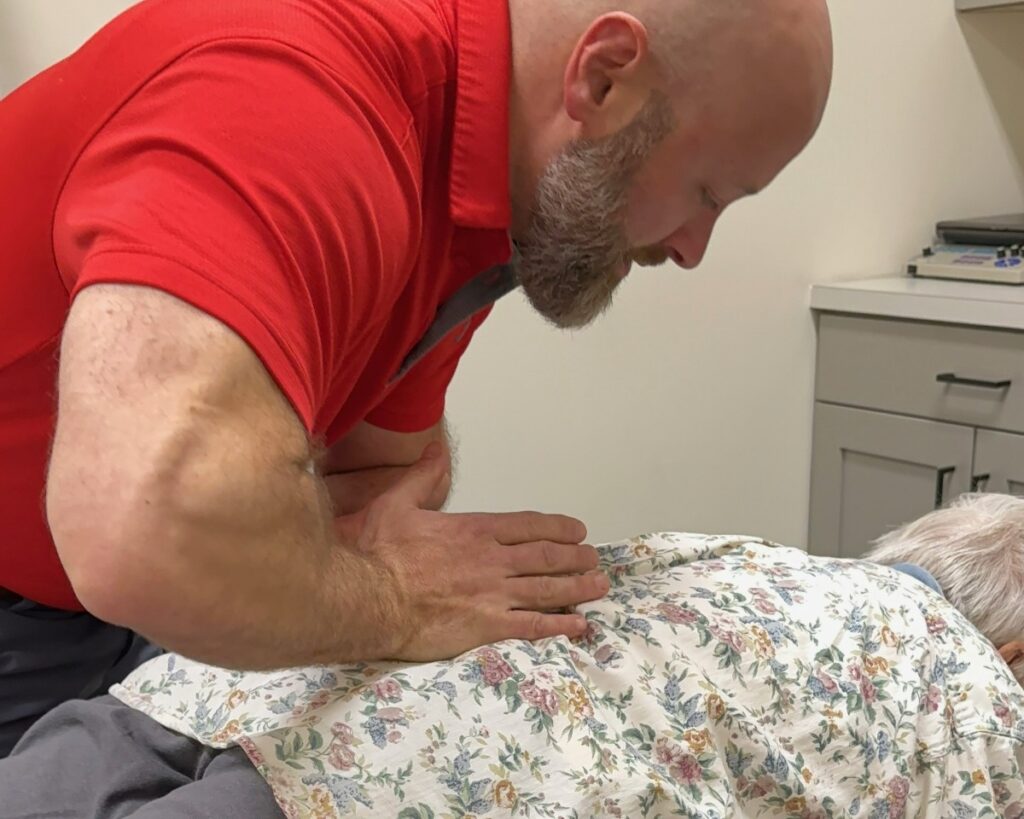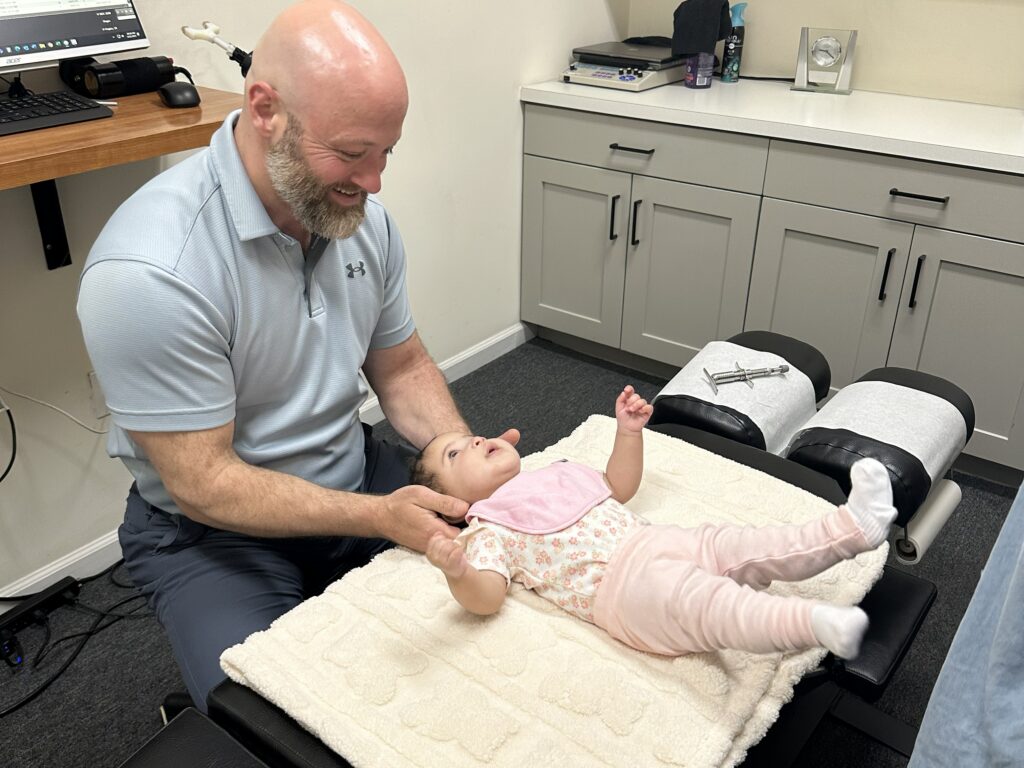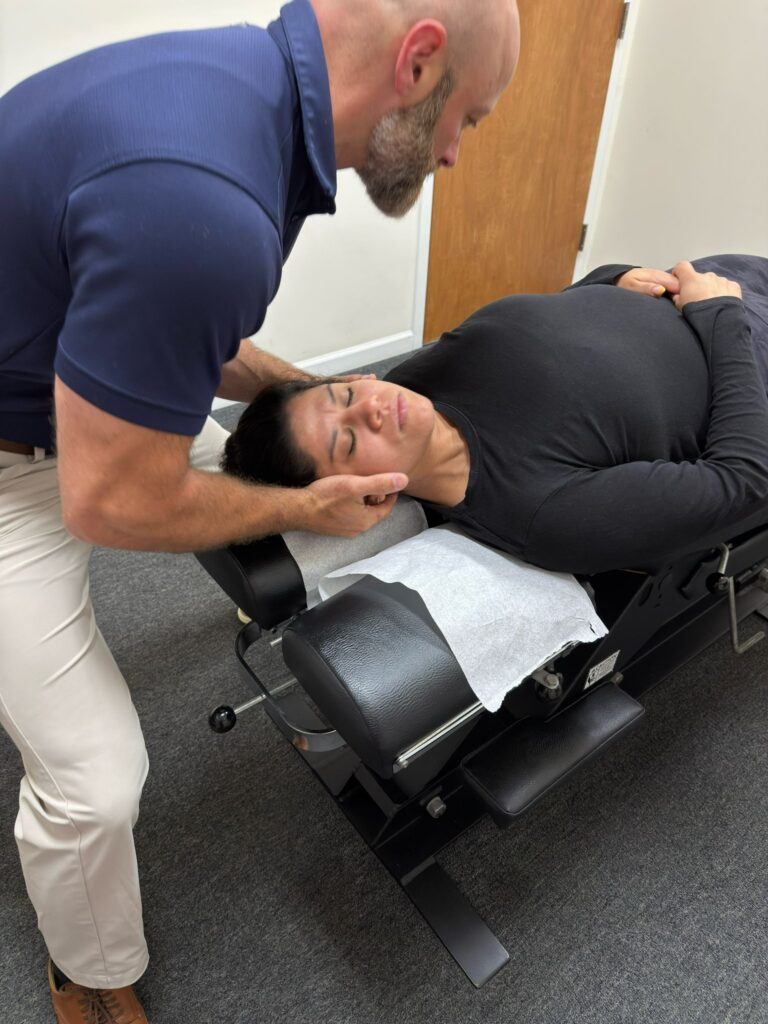

In 2026, the landscape of low back pain relief is transforming, and as a local chiropractor, I’m excited to share how these changes can greatly benefit your health. One of the most significant shifts is the growing emphasis on drug-sparing approaches that highlight the importance of chiropractic care and movement-based therapies. These natural methods not only help alleviate pain but also empower you to take charge of your health.
With the rise of technologies like telehealth and wearables, monitoring your progress and receiving feedback is easier than ever. You can connect with your chiropractor remotely, ensuring you stay on track with your treatment plan. This accessibility reinforces the idea that managing low back pain effectively can be done from the comfort of your home.
However, what truly sets this new era apart is the integration of mind-body strategies and personalized treatments. Techniques such as mindfulness, breathing exercises, and gentle stretching complement chiropractic care, creating a holistic approach to wellness. By addressing both the physical and emotional aspects of pain, you can experience more comprehensive relief.
As these trends continue to gain momentum, here are some general tips to help you manage your low back pain effectively:
- Stay Active: Incorporating regular movement into your daily routine can help strengthen your back and improve flexibility. Simple activities like walking, swimming, or yoga can make a difference.
- Practice Good Posture: Being mindful of your posture when sitting, standing, or lifting can reduce strain on your back. Use ergonomic furniture and take breaks to stretch if you sit for long periods.
- Stay Hydrated: Drinking plenty of water is essential for overall health, including spinal health. Proper hydration helps maintain the elasticity of the spinal discs.
- Listen to Your Body: Pay attention to how your body feels during different activities. If something causes discomfort, modify your movements or seek guidance from your chiropractor.
- Incorporate Mindfulness: Techniques like deep breathing or meditation can help reduce stress, which is often linked to back pain. Taking a few moments each day to practice mindfulness can enhance your overall well-being.
Remember, choosing chiropractic care as your primary method for managing low back pain not only supports natural healing but also fosters a healthier lifestyle. If you have any questions or need personalized guidance, don’t hesitate to reach out. Together, we can work towards achieving your optimal health.
Key Takeaways
As we look toward 2026, it’s clear that chiropractic care is becoming the cornerstone of effective low back pain relief. By focusing on spinal alignment and the function of the nervous system, chiropractic adjustments can significantly enhance your overall well-being. Here are some key trends and tips that highlight why chiropractic care should be your go-to choice for pain relief and natural wellness:
- Chiropractic Care First: Emphasizing chiropractic treatment as the foundational approach for low back pain relief is essential. Regular adjustments can help keep your spine aligned, which in turn supports your nervous system. This holistic approach can help alleviate pain and promote better health naturally.
- Movement-Based Therapies: Incorporating activities like yoga, Pilates, and Tai Chi into your routine can complement chiropractic care. These practices improve flexibility, strengthen your core, and reduce stress, all of which are crucial for managing pain. Simple exercises, such as gentle stretching or breathing techniques, can be easily integrated into your daily life to enhance your healing journey.
- Wearable Technology: Consider using wearable devices that track your posture and muscle activity. These gadgets can provide real-time feedback, helping you maintain proper posture throughout the day. By being aware of your body mechanics, you can prevent pain before it starts.
- Telehealth Services: With the rise of telehealth, getting personalized pain management plans and ongoing consultations has never been easier. As a chiropractor, I can offer virtual assessments and guidance, ensuring you receive the care you need without the hassle of travel.
- Virtual Reality Tools: Innovative tools like virtual reality can be used alongside traditional chiropractic therapies. These technologies can help you engage in your pain management journey more actively, making the process more enjoyable and empowering.
Takeaway Tips:
- Prioritize regular chiropractic visits to maintain spinal alignment and support overall health.
- Incorporate movement-based activities into your routine to enhance flexibility and build core strength.
- Use technology to monitor your posture and muscle activity for better awareness.
- Explore telehealth options for convenient access to chiropractic care and advice.
- Stay engaged in your healing process by trying out new tools and techniques that complement your chiropractic care.
By focusing on these trends and tips, you can take charge of your health and well-being naturally, positioning chiropractic care as the best choice for achieving optimal pain relief and overall wellness. Remember, a healthy spine leads to a healthier life!
The Rise of Telehealth in Pain Management
Telehealth has emerged as a significant advancement in managing pain, particularly for those experiencing low back pain. As a local chiropractor, I want to highlight how this innovative approach can enhance your journey toward natural healing and optimal health, all from the comfort of your home.
With telehealth, you can connect with your chiropractor for expert guidance without the stress of traveling long distances. This convenience not only saves you time but also allows you to schedule appointments that fit seamlessly into your busy life. Imagine being able to focus on your health while balancing your daily responsibilities!
One of the key benefits of telehealth is the ability to create personalized treatment plans that are tailored specifically to your needs. During video consultations, your chiropractor can assess your condition, monitor your progress, and make adjustments to your care based on your feedback. This real-time interaction enhances your overall experience and helps you stay committed to your path of healing.
Consistency in follow-ups is crucial for effective pain management, and telehealth makes it easier than ever to maintain regular communication with your chiropractic care provider. By embracing this trend, you’re taking an active role in your journey to relieve back pain and improve your overall wellness.
In addition to utilizing telehealth, here are some general tips to support your spinal health and pain relief:
- Maintain Good Posture: Pay attention to your posture while sitting, standing, and walking. Keeping your spine aligned can prevent unnecessary strain.
- Stay Active: Engage in low-impact exercises such as walking, swimming, or yoga to strengthen your back muscles and improve flexibility.
- Practice Stress Management: Stress can contribute to muscle tension and pain. Techniques such as deep breathing, meditation, or gentle stretching can help you relax.
- Use Ergonomic Furniture: If you work from home, invest in an ergonomic chair and desk to support proper spinal alignment during long hours of sitting.
- Listen to Your Body: If you feel discomfort or pain, take breaks and adjust your activities as needed. It’s essential to prioritize your body’s signals.
Innovative Wearable Technologies for Monitoring Pain
As you seek effective ways to alleviate pain and enhance your well-being, innovative wearable technologies are revolutionizing how you can monitor and manage low back pain. These devices offer you immediate feedback, helping you identify your pain triggers and track your recovery journey.
Here are three exciting advancements that can complement your chiropractic care and support your path to natural healing:
- Smart Bracelets: These handy devices monitor your body movements and posture throughout the day. They can alert you when you’re in positions that may exacerbate your low back pain, encouraging you to make adjustments that promote better spinal alignment.
- Wearable Sensors: When placed on your lower back, these sensors can measure muscle activity and tension levels in real time. They send alerts to your smartphone, prompting you to change your posture or movements when necessary. This proactive approach can help prevent strain and support your chiropractic adjustments.
- Pain Management Apps: When used alongside wearable devices, these apps can analyze your pain patterns over time. They provide personalized insights and tips, encouraging you to adopt healthier habits that align with your chiropractic care. This combination can empower you to take charge of your pain management.
Incorporating these innovative tools into your wellness routine can enhance your understanding of low back pain and help you engage in daily activities with greater ease.
Remember, chiropractic care is an excellent choice for achieving optimal health, as it focuses on natural healing and spinal alignment. Here are a few general tips to keep in mind:
- Maintain good posture while sitting and standing to reduce strain on your back.
- Incorporate gentle stretching and strengthening exercises into your daily routine to support your spine.
- Stay hydrated and nourish your body with whole foods to promote overall health.
Personalized Treatment Plans Through Genetic Testing
Unlocking the power of personalized treatment plans through genetic testing can significantly improve how you manage low back pain. By looking at your genetic makeup, healthcare providers can gain insights into your individual pain sensitivities and how you might respond to different treatments. This personalized approach means you won’t be stuck with a generic plan that may not work for you.
For example, if your genetic profile suggests you might respond well to specific therapeutic techniques, your chiropractor can focus on those methods, ensuring a tailored plan that suits your unique needs. Additionally, understanding your genetics can help identify which lifestyle changes—like specific exercises or stretches—could be most beneficial for your recovery.
Embracing genetic testing gives you a proactive role in your pain management journey, allowing you to make informed decisions about your care. While chiropractic care is already a fantastic option for natural healing and pain relief, combining it with insights from genetic testing can enhance your overall wellness.
Here are a few general tips to consider while managing low back pain:
- Stay Active: Regular movement is crucial for spinal health. Simple activities like walking or gentle stretching can keep your back flexible and strong.
- Good Posture: Pay attention to your posture, whether sitting, standing, or lifting. Maintaining proper alignment can help reduce strain on your back.
- Stay Hydrated: Drinking plenty of water is essential for keeping your discs hydrated and healthy.
- Supportive Sleep: Ensure your mattress and pillows support your spine properly for restful sleep.
- Chiropractic Care: Regular visits to a chiropractor can help realign your spine, reduce pain, and promote overall wellness.
The Impact of Mindfulness and Meditation Practices
Mindfulness and meditation practices are increasingly recognized as valuable tools in managing low back pain, and when combined with chiropractic care, they can significantly enhance your overall well-being. By incorporating these techniques into your daily routine alongside regular chiropractic adjustments, you can relieve discomfort and promote a healthier lifestyle.
Here are three ways mindfulness and meditation can complement your journey toward low back pain relief:
- Stress Reduction: Mindfulness practices can help reduce stress, which often leads to muscle tension and discomfort in the back. By focusing on the present moment, you can release built-up tension, making your chiropractic adjustments more effective and lasting.
- Improved Awareness: Meditation enhances the connection between your mind and body. This increased awareness allows you to recognize the early signs of pain or discomfort. By being more in tune with your body, you can communicate better with your chiropractor, enabling them to provide more targeted care.
- Pain Perception Alteration: Engaging in regular meditation can help shift how your brain responds to pain signals. Instead of perceiving pain as a threat, mindfulness allows you to approach it with compassion and understanding. This mindset can make your experience with pain less daunting, and in conjunction with chiropractic care, can lead to improved outcomes.
Integrating mindfulness and meditation into your daily life, along with regular chiropractic adjustments, could be a transformative step in your journey toward low back pain relief and overall wellness. Remember, a holistic approach that includes mental and physical health can yield the best results for your body.
Movement-Based Therapies Gaining Popularity
Movement-based therapies are gaining popularity for their effectiveness in relieving low back pain, but it’s important to remember that chiropractic care can be an even more powerful solution for achieving optimal health and wellness.
Practices like yoga and Pilates can enhance flexibility and strength, and they can certainly offer benefits. However, chiropractic care goes a step further by addressing the root causes of pain through spinal alignment and nervous system function.
As you explore ways to manage your low back pain, consider incorporating chiropractic adjustments into your routine. These adjustments can help restore proper alignment in your spine, which is essential for your body’s overall function. When your spine is aligned, your nervous system can operate at its best, leading to improved healing and pain relief.
In addition to chiropractic care, you can also adopt simple tips to support your back health. Regular physical activity is crucial—try low-impact exercises that promote flexibility and strength, such as gentle stretching or walking. Pay attention to your posture throughout the day, especially if you sit for long periods. Consider using ergonomic furniture that supports your back.
Yoga and Pilates Integration
As more individuals search for effective relief from low back pain, many are discovering the benefits of integrating yoga and Pilates into their routines. While these movement-based therapies can enhance flexibility and strengthen core muscles, which are vital for spinal support, it’s important to remember that chiropractic care serves as the best foundation for achieving optimal health and pain relief. Here’s how yoga and Pilates can complement chiropractic care in your journey towards wellness:
- Improved Posture: Both yoga and Pilates focus on alignment, which can help you develop better posture. Good posture reduces strain on your back and supports the adjustments made during chiropractic sessions, enhancing your overall spinal health.
- Enhanced Strength: Pilates emphasizes core stability while yoga promotes overall strength. A strong core helps alleviate pressure on your lower back, but it’s the chiropractic adjustments that ensure your spine is properly aligned, allowing your body to function at its best.
- Stress Relief: Yoga incorporates mindfulness, which can help reduce tension in your muscles. Lower stress levels can facilitate healing, and when combined with chiropractic care, you’re setting yourself up for a holistic approach to pain management.
Incorporating yoga and Pilates into your routine can be beneficial, but always remember that chiropractic care is your primary resource for achieving lasting relief and maintaining a healthy spine. Here are some general tips to consider:
- Stay Consistent: Regular chiropractic visits help maintain spinal alignment and prevent issues before they arise.
- Listen to Your Body: Pay attention to how your body feels during yoga and Pilates. If something doesn’t feel right, don’t push through the pain.
- Practice Mindfulness: Engage in deep breathing and relaxation techniques during your yoga practice to enhance your overall well-being.
Functional Movement Training
Integrating yoga and Pilates into your routine can certainly support your journey towards better health, but I want to highlight another effective approach: functional movement training. This method focuses on exercises that imitate everyday activities, which can significantly improve your strength, flexibility, and balance. By including functional movements in your routine, you not only enhance your physical abilities but also help reduce the risk of injury and alleviate common issues like low back pain.
As a chiropractor, I believe that understanding how your body moves is key to achieving optimal health. Here’s a quick comparison of the benefits of functional movement training:
| Benefit | Description | Example Exercise |
|---|---|---|
| Improved Strength | Enhances overall muscle function | Squats |
| Better Flexibility | Increases range of motion | Lunges |
| Enhanced Balance | Boosts stability and coordination | Single-leg stands |
Incorporating these movements into your daily routine can be a game changer for managing low back pain. Remember, the goal is to promote a strong and resilient body that can handle the demands of daily life.
Here are some general tips to help you on your wellness journey:
- Listen to Your Body: Always pay attention to how your body feels during and after exercises. If something doesn’t feel right, it’s important to adjust or consult a chiropractor.
- Stay Consistent: Make functional movements a regular part of your routine. Consistency is key to seeing improvement and reducing pain.
- Focus on Form: Proper technique is crucial to prevent injury and maximize benefits. If you’re unsure, consider working with a chiropractor who can guide you.
- Combine with Chiropractic Care: Regular chiropractic adjustments can complement your functional movement training, helping to ensure your spine and nervous system are functioning at their best.
Tai Chi Benefits
Embracing Tai Chi can be a fantastic complement to chiropractic care, offering a gentle way to enhance your overall health and wellness. This time-honored practice not only assists in alleviating low back pain but also fosters relaxation and mental clarity.
Here are three key benefits you can enjoy from incorporating Tai Chi into your routine alongside your chiropractic treatments:
- Improved Flexibility: The slow, flowing movements of Tai Chi help to loosen tight muscles and increase your range of motion. This can significantly reduce stiffness and tension in your back, making it easier to move comfortably throughout your day.
- Strengthened Core: Practicing Tai Chi builds core strength and stability, which is essential for supporting your spine. A strong core can help prevent injuries and promote better posture, which are important aspects of maintaining a healthy back.
- Stress Reduction: The meditative qualities of Tai Chi can calm your mind, helping to lower stress levels. Since stress can often exacerbate pain, practicing mindfulness through Tai Chi can be a soothing way to help manage discomfort.
Incorporating Tai Chi into your daily routine is an excellent step toward achieving better health and relief from low back discomfort. Remember, combining this practice with regular chiropractic adjustments can enhance the benefits, helping you to achieve optimal wellness naturally.
Always listen to your body, and consult your chiropractor for personalized advice on how to integrate Tai Chi safely into your lifestyle.
Integration of Virtual Reality in Pain Relief Techniques
Virtual reality is emerging as an exciting tool in the realm of pain relief, particularly for those dealing with low back pain. This innovative approach immerses you in a soothing virtual environment, allowing your mind to shift focus away from pain signals. By engaging in guided exercises and relaxation techniques within this calming space, you can effectively reduce discomfort.
As a chiropractor, I believe that enhancing your physical therapy with virtual reality can make your recovery more enjoyable and less daunting. The interactive nature of VR not only keeps you engaged but also motivates you to stick with your rehabilitation routine.
What’s particularly advantageous is that VR experiences can be tailored to meet your specific needs. By exploring various modules, you can gain valuable insights into how your body responds to different movements, empowering you to take an active role in your pain management journey.
While virtual reality can be a helpful supplement, it’s essential to remember that chiropractic care remains one of the best and most natural ways to achieve optimal health and wellness. Regular adjustments can help align your spine, reduce nerve interference, and promote your body’s natural healing processes.
Here are some tips to complement your pain relief efforts:
- Stay Active: Gentle exercises can strengthen your back and improve flexibility. Activities like walking or stretching can be beneficial.
- Maintain Good Posture: Be mindful of your posture while sitting, standing, and lifting heavy objects. Proper alignment can prevent strain on your back.
- Practice Relaxation Techniques: Incorporate deep breathing, meditation, or gentle yoga into your routine to help reduce stress and tension in your body.
- Stay Hydrated and Eat Well: Nutrition plays a crucial role in overall health. A balanced diet can support your body’s healing process.
- Communicate with Your Chiropractor: Keep an open line of communication with your chiropractor about your pain levels and how you’re responding to treatments. This can help tailor your care plan for the best outcomes.
The Role of Nutrition and Lifestyle Changes
When it comes to managing low back pain, your nutrition and lifestyle choices are fundamental to your recovery and overall wellness. Adopting an anti-inflammatory diet, staying active, and effectively managing stress can significantly enhance your comfort and mobility. As a chiropractor, I believe that these lifestyle adjustments, combined with regular chiropractic care, can lead to lasting pain relief and improved health.
Let’s dive into how these changes can truly make a difference in your journey towards wellness:
- Anti-Inflammatory Diet: Focus on incorporating whole foods such as fruits, vegetables, lean proteins, and healthy fats into your meals. Foods rich in omega-3 fatty acids, like salmon and walnuts, can help reduce inflammation in your body. Staying hydrated is also crucial, so aim to drink plenty of water throughout the day.
- Stay Active: Regular physical activity is essential for a healthy spine and can help alleviate low back pain. Simple exercises such as walking, stretching, and low-impact activities like swimming or yoga can strengthen your muscles and improve flexibility. Always listen to your body and consult with your chiropractor for personalized exercise recommendations.
- Stress Management: High stress levels can lead to muscle tension and worsen pain. Incorporating relaxation techniques such as deep breathing exercises, meditation, or even spending time in nature can help lower stress. Additionally, regular chiropractic adjustments can help relax tight muscles and promote a sense of well-being.
- Chiropractic Care: Don’t underestimate the power of chiropractic adjustments in your pain relief journey. Regular visits can help align your spine, improve your posture, and reduce tension in your muscles, which can all contribute to decreased pain and improved function.
By making these nutrition and lifestyle changes, and integrating chiropractic care into your routine, you can take charge of your health and experience a more comfortable, active life. Remember, your body is designed to heal itself — sometimes it just needs a little guidance.
If you have any questions or need support on your wellness journey, don’t hesitate to reach out for chiropractic care!
Anti-inflammatory Diet Choices
Incorporating anti-inflammatory diet choices into your routine can greatly enhance your experience with low back pain. As a chiropractor, I emphasize that what you eat plays a crucial role in managing inflammation and pain levels.
By choosing specific foods, you can support your body’s natural healing process and complement the benefits of chiropractic care. Here are three key anti-inflammatory options to consider:
- Fatty Fish: Foods like salmon and mackerel are rich in omega-3 fatty acids. These healthy fats are known to help reduce inflammation, making them an excellent addition to your diet for pain relief.
- Leafy Greens: Vegetables such as spinach and kale are packed with antioxidants and essential vitamins that fight inflammation. Including these greens in your meals can support your overall health and enhance the effectiveness of your chiropractic treatments.
- Nuts and Seeds: Almonds and chia seeds offer a good source of healthy fats and protein, which can help promote your body’s well-being. Snacking on these can be a simple way to add anti-inflammatory benefits to your diet.
Making these dietary adjustments can lead to significant relief from discomfort and improve your overall wellness. Remember, alongside these food choices, regular chiropractic care can optimize your health and alleviate pain naturally.
Embrace these dietary changes and the benefits of chiropractic care, and you may just feel a positive difference in your life!
Exercise and Mobility Importance
Exercise and mobility are vital components in effectively managing low back pain, and as a chiropractor, I emphasize the importance of these practices in promoting natural healing and overall wellness.
Incorporating regular physical activity into your daily routine can help strengthen your core muscles, improve flexibility, and enhance stability, all of which can alleviate discomfort in your back.
Engaging in simple activities such as stretching, walking, or swimming can significantly improve how your back feels.
Staying active keeps your joints lubricated and combats stiffness, leading to better movement patterns.
Remember, movement is medicine!
In addition to general exercise, I recommend focusing on mobility exercises that target your hips and spine.
These movements can relieve tension and improve your posture, which is crucial in reducing pain.
Listening to your body is key; if something doesn’t feel right, don’t hesitate to modify your routine.
By embracing a lifestyle that prioritizes movement, you can take control of your low back pain and enhance your overall well-being.
Chiropractic care is an excellent complement to these practices, as it addresses the root causes of pain and supports your body’s natural ability to heal.
Together, we can create a path toward optimal health and a pain-free life.
Stress Management Techniques
Managing low back pain involves more than just physical activity; stress can significantly affect your condition as well. As a chiropractor, I want to share some effective techniques to help you manage stress and enhance your overall well-being, while promoting natural healing through chiropractic care:
- Mindful Eating: Pay attention to your diet by choosing foods that are rich in anti-inflammatory properties, such as colorful fruits, vibrant vegetables, and whole grains. Not only can these foods help reduce pain, but they also support your body’s healing processes. Remember, the right nutrition can work hand-in-hand with chiropractic care to promote optimal health.
- Regular Exercise: Incorporate low-impact activities like yoga or swimming into your routine. These exercises not only help strengthen your back but also lower stress levels, making you feel more relaxed and at ease. When you combine regular movement with chiropractic adjustments, you can achieve better spinal alignment and overall wellness.
- Adequate Sleep: Make quality sleep a priority by creating a soothing bedtime routine. Good rest is crucial for recovery and can help alleviate stress. When your body gets the rest it needs, it can better respond to chiropractic treatments and support your journey toward pain relief.
Increasing Awareness and Support for Mental Health
As awareness of the connection between mental health and physical well-being grows, it’s becoming clear that addressing psychological factors can be a crucial part of managing low back pain. Many people find that feelings of stress, anxiety, and depression can make their pain feel worse. By understanding this link, you can take a more well-rounded approach to your healing process.
Chiropractic care is an excellent choice for not just physical pain relief, but also for supporting your mental well-being. Techniques like spinal adjustments can help improve your body’s function and reduce discomfort, which in turn can lessen feelings of stress and anxiety.
Additionally, engaging in activities that promote mental health, such as yoga or meditation, can work hand-in-hand with chiropractic care to help you manage pain more effectively.
It’s also important to talk about your mental health with your chiropractor. They can provide personalized strategies that tackle both your physical and emotional needs. By embracing this comprehensive approach, you can’t only find relief from your low back pain but also improve your overall quality of life.
Remember, chiropractic care isn’t just about your spine—it’s about your whole well-being.
Here are some simple tips to enhance your healing journey:
- Stay Active: Gentle exercises, like walking or stretching, can help keep your back strong and flexible.
- Practice Mindfulness: Techniques like deep breathing or meditation can reduce stress and help you feel more relaxed.
- Maintain Good Posture: Be mindful of how you sit and stand to prevent additional strain on your back.
- Stay Hydrated: Drinking enough water supports your body’s overall health and can help with pain management.
Don’t underestimate the power of combining mental health awareness with chiropractic care in your pain management journey. It’s a holistic approach that can lead to lasting benefits.
Advancements in Pharmacological Treatments and Alternatives
Understanding the connection between mental health and physical well-being is essential when seeking relief for low back pain. As you explore your options, I want to highlight the benefits of chiropractic care, which stands out as a natural and effective approach for managing pain.
Here are some key points to consider:
- Holistic Pain Relief: Chiropractic adjustments focus on aligning the spine and improving overall function, which can alleviate pain without the need for medications. This hands-on approach helps your body heal itself and promotes long-term wellness.
- Nerve Function Improvement: By enhancing spinal alignment, chiropractic care can positively influence nerve signals, reducing discomfort and allowing your body to function more efficiently. This can lead to a more significant reduction in chronic pain.
- Natural Healing Methods: Chiropractors often integrate various natural therapies, such as massage, stretching, and exercise recommendations, which can further support your healing process. These methods can help reduce inflammation and improve mobility without the side effects that often accompany pharmaceutical treatments.
Incorporating chiropractic care into your wellness routine not only addresses pain relief but also promotes a healthier lifestyle.
Here are some tips to enhance your overall well-being:
- Stay Active: Engage in gentle exercises, such as walking or swimming, to keep your back and core strong.
- Practice Good Posture: Be mindful of your posture while sitting, standing, or lifting to reduce strain on your back.
- Listen to Your Body: Pay attention to how you feel and seek chiropractic care at the first sign of discomfort to prevent further issues.
Conclusion
In 2026, managing low back pain has evolved into a comprehensive approach that emphasizes the importance of chiropractic care, alongside technology and personalized movement therapies. As a local chiropractor, I want to share how you can take control of your recovery and embrace a healthier lifestyle.
Chiropractic care stands at the forefront of low back pain relief by focusing on spinal health and natural healing methods. Regular chiropractic adjustments can help realign your spine, improve mobility, and reduce pain without the need for medications or surgeries. This hands-on approach encourages your body’s innate ability to heal itself, providing long-lasting relief.
Incorporating technology like telehealth and wearables can enhance your chiropractic journey by allowing you to monitor your progress and stay connected with your chiropractor from the comfort of your home. This combination of traditional care and modern tools empowers you to take an active role in your health.
Movement therapies, such as stretching and strengthening exercises, are essential for maintaining a healthy back. Simple practices like daily stretches or core strengthening can help prevent pain from returning. Additionally, mindfulness techniques and proper nutrition support your overall well-being and enhance your recovery process.
Remember, consistency is key. Regular chiropractic visits, combined with mindful practices and a balanced diet, can lead to significant improvements in your health. Educating yourself about your spine and body mechanics is vital in preventing future issues.
As you explore these trends in low back pain relief, consider chiropractic care as your go-to solution. By prioritizing natural healing and healthier living, you’re not just alleviating pain; you’re investing in a lifetime of wellness.