
Chronic low back pain can be a persistent challenge, affecting your daily activities in ways you might not even notice. As a local chiropractor, I want to emphasize how vital exercise is in managing this discomfort. By incorporating specific movements and stretches into your routine, you can strengthen your core and enhance your flexibility, which are crucial for spinal health.
Starting an exercise regimen can feel daunting, but it doesn’t have to be. Here are some simple exercises that can help you regain control and find relief from low back pain:
- Pelvic Tilts: Lying on your back with your knees bent, gently tilt your pelvis upward, flattening your lower back against the floor. This helps strengthen your lower back and abdominal muscles.
- Knees to Chest Stretch: Lying on your back, pull one knee toward your chest, holding for 15-30 seconds, then switch legs. This stretch helps relieve tension in your lower back.
- Cat-Cow Stretch: On your hands and knees, alternate arching your back (cat) and dipping it down (cow). This movement increases flexibility in your spine and relieves stiffness.
- Child’s Pose: Sitting back on your heels and reaching your arms forward can provide a gentle stretch for your back and help alleviate pain.
Remember, the key to managing chronic low back pain is consistency. Regularly engaging in these exercises can contribute to a healthier spine and overall well-being. It’s also essential to listen to your body and not push yourself too hard.
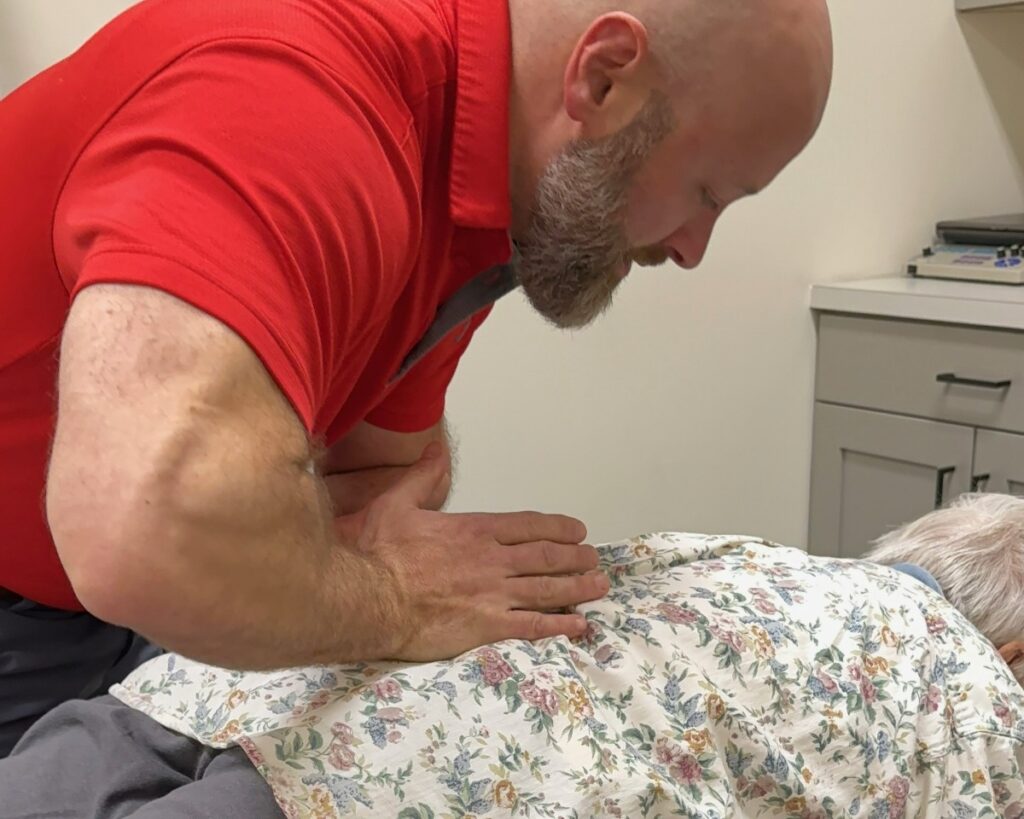
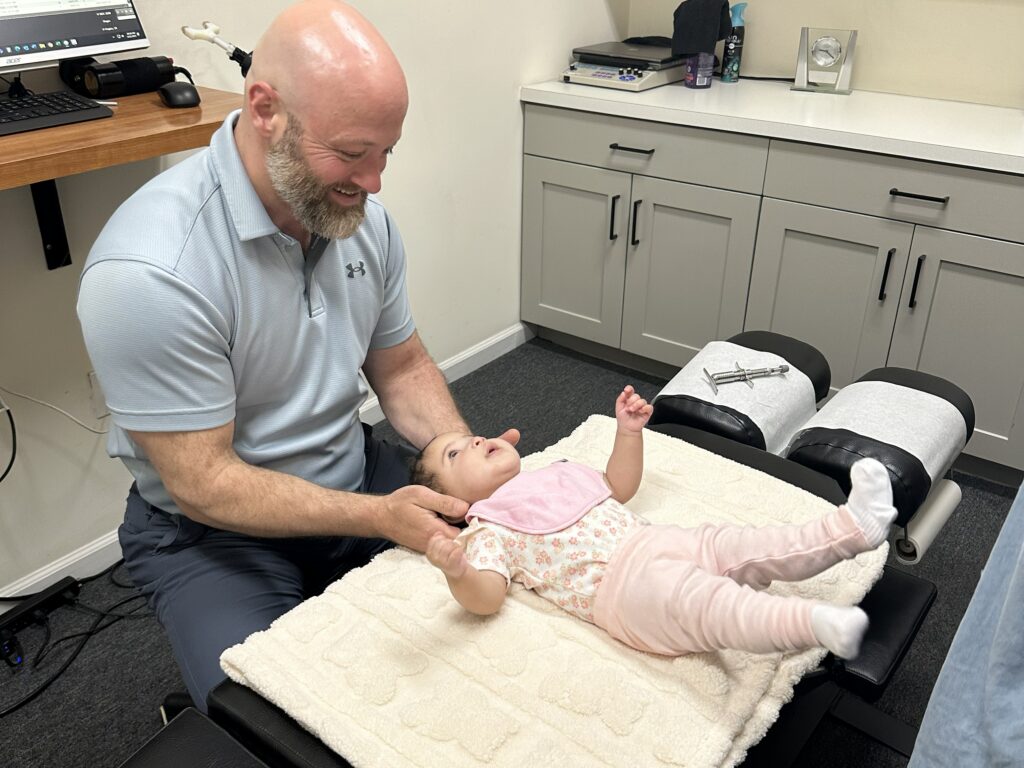
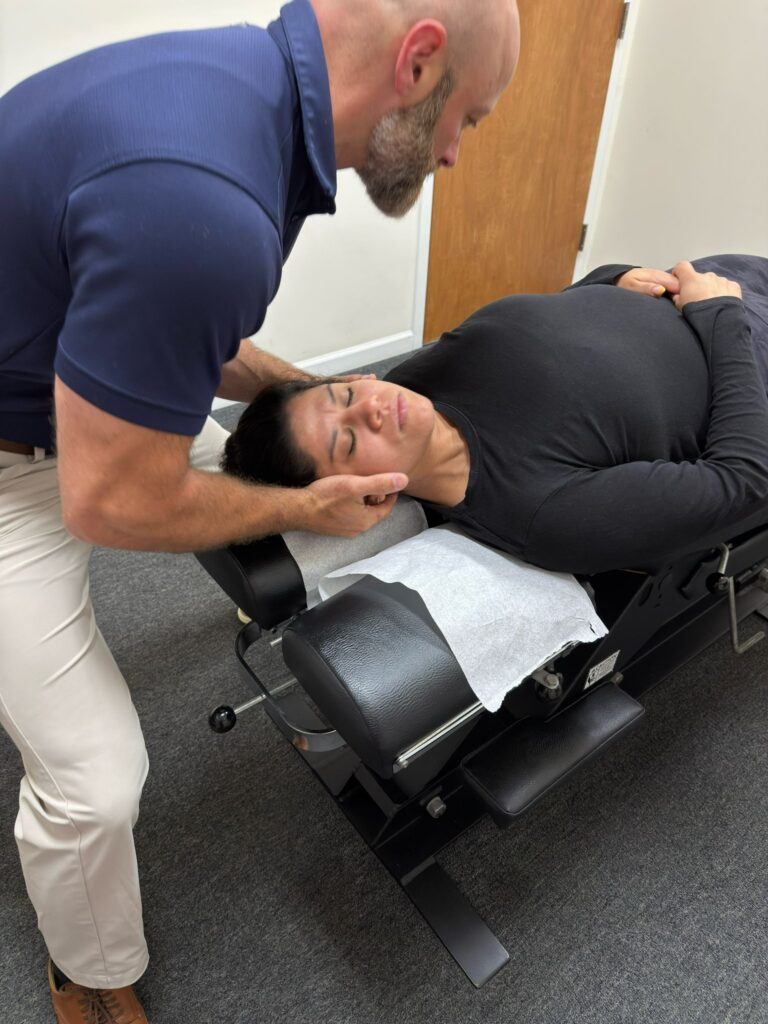
In addition to exercise, chiropractic care plays a crucial role in achieving optimal health and wellness. Regular adjustments can help align your spine, alleviate pain, and enhance your body’s natural ability to heal itself. By making chiropractic care a part of your routine, you can further support your journey towards a pain-free life.
As you embark on this path, keep these tips in mind:
- Stay active—aim for gentle, regular movement.
- Practice good posture throughout your day.
- Stay hydrated and maintain a balanced diet for overall health.
By integrating these practices into your life, you can take significant steps toward alleviating chronic low back pain and achieving a healthier lifestyle. If you have any questions or need guidance, don’t hesitate to reach out to your local chiropractor for personalized advice and support.
Key Takeaways
- Core-strengthening exercises, such as planks and bridges, are fantastic for building support around your back and can significantly help in reducing pain. Strengthening your core is a vital step in achieving better spinal health and overall wellness.
- Regular stretching techniques, including the Cat-Cow and Figure-Four Stretch, are excellent for enhancing flexibility and relieving muscle tension. These stretches can be easily incorporated into your daily routine and can make a noticeable difference in how your back feels.
- Participating in enjoyable activities like swimming or yoga is a wonderful way to stay active while promoting a sustainable exercise routine. When you enjoy what you’re doing, you’re more likely to stick with it, which is key for maintaining a healthy spine.
- Consistent exercise is crucial for promoting blood flow, releasing feel-good endorphins, and improving your sleep quality—all of which play a significant role in managing pain naturally. Movement is medicine for your body, especially for your back.
- Pairing your exercise routine with regular chiropractic care can work wonders for maintaining spinal alignment and enhancing your overall wellness. Chiropractors focus on natural healing methods that support your body’s ability to function correctly, leading to better health outcomes and pain relief without the need for medications or surgeries.
Incorporating these tips into your daily life can help you take charge of your health and find relief from chronic low back pain. Remember, chiropractic care is a powerful ally in your journey toward optimal health and wellness!
Understanding Chronic Low Back Pain
When considering chronic low back pain, it’s important to understand that this issue goes beyond just a temporary discomfort. Often, it arises from a complex mix of physical, psychological, and lifestyle factors. You might be feeling this pain due to muscle strain, poor posture, or an injury that never fully healed. Additionally, psychological aspects such as stress and anxiety can heighten your awareness of pain, making it feel more intense.
Your everyday habits are crucial too. A sedentary lifestyle can weaken your muscles and reduce flexibility, which can make you more prone to experiencing pain. It’s also common for emotional stress to show up physically, creating a cycle that can be difficult to escape. By understanding these factors, you can take proactive steps to manage your pain effectively.
Chiropractic care is an excellent choice for addressing both the symptoms and root causes of chronic low back pain. Through gentle adjustments and targeted treatments, a chiropractor can help realign your spine, improve your posture, and enhance your overall well-being.
Here are some general tips to help you on your journey to healing:
- Stay Active: Incorporate gentle exercises or stretches into your daily routine to strengthen your back muscles and improve flexibility. Activities like walking, swimming, or yoga can be beneficial.
- Mind Your Posture: Be mindful of your posture, especially when sitting for long periods. Use ergonomic furniture and take breaks to stand and stretch.
- Manage Stress: Practice stress management techniques such as deep breathing, meditation, or engaging in hobbies you enjoy. Reducing stress can help lessen the physical manifestations of pain.
- Stay Hydrated: Drinking plenty of water supports overall health and can help maintain the elasticity of your spinal discs.
- Seek Chiropractic Care: Regular visits to a chiropractor can help keep your spine aligned, reduce pain, and promote natural healing.
The Importance of Exercise in Pain Management
Regular exercise is vital for managing chronic low back pain, and as a chiropractor, I emphasize the importance of keeping your body active for optimal spinal health. Engaging in regular physical activity enhances blood flow to your muscles, promoting healing and reducing stiffness in your back.
This means that by staying active, you can strengthen your back and improve your flexibility, making daily activities easier and more comfortable.
When you exercise, your body releases endorphins, which are natural pain relievers that can lift your mood and help diminish your perception of pain. You may notice that incorporating movement into your routine can also lead to better sleep, helping to combat fatigue and improve your overall well-being.
Moreover, a consistent exercise routine is an excellent way to manage stress, which can often make pain feel worse. Focus on activities you genuinely enjoy—this makes it easier to stay committed to your routine. Remember, even small amounts of movement can significantly impact your pain levels and enhance your quality of life.
In addition to exercise, consider integrating chiropractic care into your wellness plan. Regular chiropractic adjustments can help align your spine, relieve tension, and improve overall bodily function, making it easier for you to engage in physical activities.
Together, exercise and chiropractic care can be powerful allies in your journey to natural healing and optimal health. Take those first steps towards a more active lifestyle, and remember that your chiropractor is here to support you every step of the way!
Key Exercises for Strengthening Core Muscles
Strengthening your core muscles is essential for managing chronic low back pain and promoting overall spinal health. A strong core supports your spine, alleviating pressure and discomfort. As a chiropractor, I believe incorporating core-strengthening exercises into your routine can significantly enhance your wellness journey.
Here are four effective exercises that can help you achieve better back support and improve your quality of life:
- Plank: Begin by holding a plank position for 20-30 seconds. Keep your body straight from head to heels, engaging your entire core. This exercise not only strengthens your core but also promotes good posture, which is crucial for spinal health.
- Bird-Dog: Start on all fours, ensuring your back is flat. Extend one arm and the opposite leg simultaneously. Alternate sides to improve balance and stability. This exercise helps in coordinating your movements while strengthening the muscles that support your spine.
- Dead Bug: Lie on your back with your arms and legs raised in the air. Slowly lower one arm and the opposite leg towards the floor, then return to the starting position. This exercise enhances coordination and builds core strength, which is vital for protecting your back.
- Bridge: Lie on your back with your knees bent and feet flat on the floor. Lift your hips towards the ceiling, squeezing your glutes at the top. Hold for a few seconds before lowering. This strengthens your lower back and glute muscles, providing better support for your spine.
Incorporating these exercises into your daily routine can lead to improved back support and overall health. Remember, chiropractic care plays a crucial role in maintaining a healthy spine and alleviating pain naturally.
Stretching Techniques for Improved Flexibility
To enhance your flexibility and alleviate chronic low back pain, integrating effective stretching techniques into your daily routine is essential. As a chiropractor, I believe that understanding and caring for your spine is crucial for overall health and wellness. Let’s explore some simple stretches that can help you on your journey toward improved flexibility and reduced discomfort.
Start with the cat-cow stretch, a great way to promote spinal flexibility. Begin on all fours, with your hands under your shoulders and knees under your hips. As you inhale, arch your back, letting your belly drop toward the floor (the “cow” position). Then, exhale and round your back, tucking your chin to your chest (the “cat” position). Hold each position for about five seconds and repeat this several times. This gentle movement helps mobilize your spine and can alleviate tension.
Next, try the seated forward bend. Sit with your legs extended straight in front of you. Take a deep breath and gently reach toward your toes, feeling a stretch in your lower back and hamstrings. Hold this position for 15-30 seconds, breathing deeply. This stretch is excellent for relaxing tight muscles and improving flexibility.
Another effective stretch is the figure-four stretch, which targets tight hips—often a contributor to back pain. Lie on your back and cross one ankle over the opposite knee. Gently pull the uncrossed leg toward your chest, feeling a stretch in your hips. Hold for 20-30 seconds on each side. This stretch not only helps with hip flexibility but can also relieve strain on your lower back.
Incorporating these stretches into your routine can significantly improve your flexibility and help reduce discomfort in your lower back. Remember, chiropractic care is a natural and effective way to address pain and promote overall wellness. By focusing on spinal health and incorporating these simple stretches, you can take proactive steps toward a healthier, pain-free life. Always listen to your body and consult with a chiropractor for personalized guidance tailored to your needs.
Creating a Sustainable Exercise Routine
Creating a sustainable exercise routine is a vital component of managing chronic low back pain, and as a chiropractor, I believe it’s one of the best natural approaches to achieving optimal health. By focusing on consistency, enjoyment, and gradual progression, you can develop a routine that supports your spinal health and overall well-being.
Here are four key steps to help you build an effective routine:
- Set Realistic Goals: Start with small, achievable goals that fit seamlessly into your daily life. This approach not only keeps you motivated but also prevents feelings of overwhelm, which can lead to setbacks.
- Choose Enjoyable Activities: It’s important to incorporate exercises that you genuinely enjoy—whether that’s walking, swimming, or practicing yoga. Enjoyment is key to sticking with your routine, and the right activities will also promote better movement patterns that support your spine.
- Schedule Regular Sessions: Treat your exercise sessions like important appointments. Designate specific days and times for your workouts, making them a priority in your schedule. Consistency is crucial for maintaining progress and managing pain.
- Listen to Your Body: Always pay attention to how your body feels during and after exercise. If you experience any pain or discomfort, it’s essential to adjust your routine accordingly. This mindful approach can help you avoid injury and ensure that your exercises are benefiting your spine.
Incorporating chiropractic care into your wellness routine can further enhance your exercise efforts. Regular chiropractic adjustments can help maintain proper alignment and function of your spine, making it easier to engage in physical activity without discomfort.
Conclusion
Incorporating gentle, consistent exercise into your daily routine can greatly help in managing chronic low back pain. As your local chiropractor, I emphasize the importance of focusing on core-strengthening exercises and stretching techniques. Not only will these activities build strength and flexibility, but they will also enhance your overall well-being.
It’s essential to maintain a sustainable exercise routine while also being mindful of your body. This awareness can help you recognize signs before pain escalates, allowing you to take proactive steps to prevent flare-ups. Simple activities such as gentle yoga, walking, or specific core exercises can significantly benefit your back and overall health.
Additionally, regular chiropractic care can play a crucial role in your journey towards pain relief and wellness. By addressing misalignments in your spine, chiropractic adjustments can enhance your body’s natural healing abilities, improve mobility, and provide lasting relief from discomfort.
Take a step today toward a healthier back—your body will thank you! Remember, prioritizing your spinal health through exercise and chiropractic care is a powerful way to achieve optimal wellness without relying on medications or surgeries.