
Good posture is vital for your overall health and plays a significant role in how you feel each day. If you’re experiencing pain or discomfort, it may be time to take a closer look at your daily habits. Fortunately, small adjustments in your workspace, movement patterns, and even the shoes you wear can lead to meaningful improvements in your posture and pain relief.
As a chiropractor, I often see how poor posture can contribute to a range of discomforts. By making some simple changes and incorporating chiropractic care into your routine, you can achieve better posture and enhance your overall well-being. Here are some effective strategies to help you maintain optimal posture and alleviate pain naturally:
- Evaluate Your Workspace: Ensure that your desk and chair are set up ergonomically. Your computer screen should be at eye level, and your chair should support your lower back. This will help reduce strain on your spine.
- Practice Good Sitting Habits: When sitting, keep your feet flat on the floor and avoid crossing your legs. Use a cushion or lumbar support to maintain the natural curve of your lower back.
- Stay Active: Regular movement is crucial for spinal health. Take short breaks to stand, stretch, and walk around. Incorporating gentle exercises, like yoga or Pilates, can also improve your posture over time.
- Choose Supportive Footwear: Wearing shoes that provide proper arch support can make a big difference. Avoid high heels or overly flat shoes that can throw your alignment off balance.
- Strengthen Your Core: A strong core supports your spine and helps with posture. Incorporate exercises that target your abdominal and back muscles into your routine.
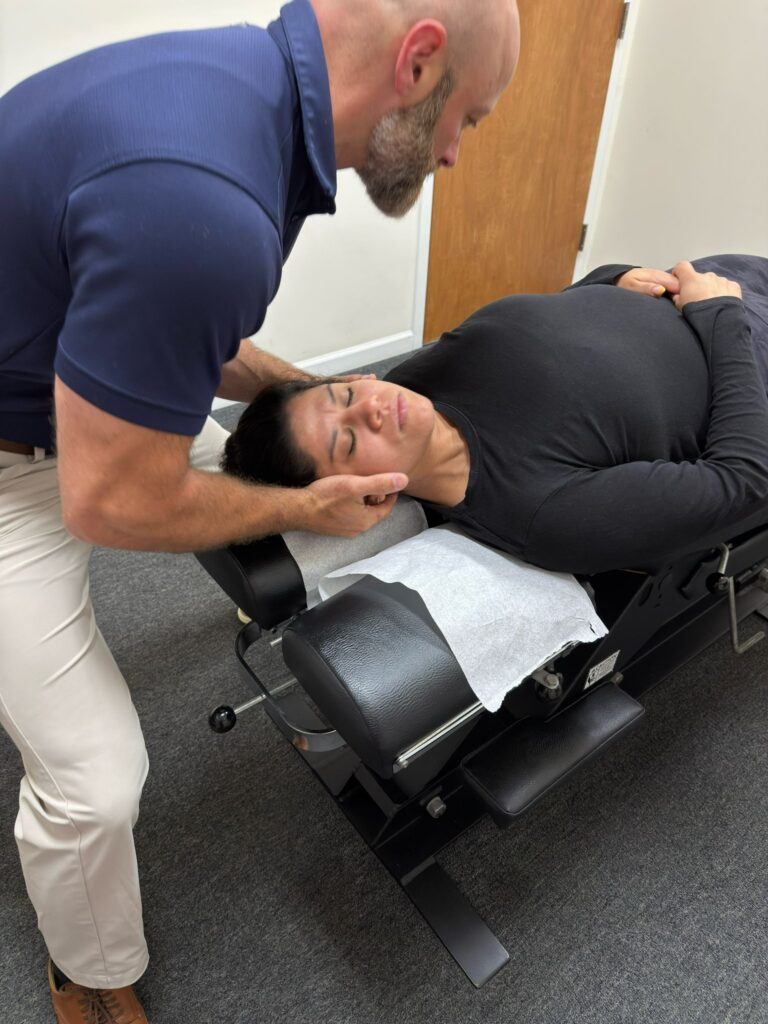
- Consider Chiropractic Care: Regular chiropractic adjustments can help keep your spine aligned and alleviate pain. Chiropractic care focuses on natural healing and can be an effective way to improve your posture and overall health.
By implementing these tips and considering the benefits of chiropractic care, you can create a healthier lifestyle that promotes better posture and reduces pain. Remember, small changes can lead to significant improvements, so start today and feel your best every day!
Key Takeaways
- To promote spinal health and reduce strain, aim to maintain a neutral spine. This can be achieved by keeping your feet flat on the ground and ensuring your head is aligned over your shoulders. This simple adjustment can make a significant difference in your comfort throughout the day.
- Strengthening your core is essential for supporting your spine and preventing discomfort. Incorporate exercises like planks and bridges into your routine; they are effective and can easily be done at home. A strong core helps maintain proper posture, which is key to overall wellness.
- Remember to take breaks! Every 30 minutes, stand up, stretch, and take a short walk. This not only helps alleviate tension but also boosts circulation. Deep breathing during these breaks can further enhance relaxation and reduce stress.
- It’s vital to create an ergonomic workstation. Position your monitor at eye level to avoid straining your neck, and choose a chair that provides proper support for your lower back. These adjustments can significantly improve your comfort and productivity.
- Incorporating mindful breathing and gentle stretching into your daily routine can enhance your body awareness and relieve muscle tension. These practices are great complements to chiropractic care, which focuses on aligning the spine and promoting natural healing.
By following these tips, you can take proactive steps toward better posture and pain relief, while also considering chiropractic care as a natural and effective solution for maintaining your overall health and wellness.
Understanding the Importance of Good Posture
As a local chiropractor, I want to emphasize the critical role that good posture plays in your overall health and well-being. It may not be immediately obvious, but sitting or standing with proper alignment can significantly reduce strain on your muscles and joints, helping to prevent unnecessary pain. Good posture supports the natural curvature of your spine, which allows your body to function more efficiently. This alignment not only aids in better breathing and circulation but also ensures that your organs receive the support they need to thrive.
If you find yourself frequently slouching or hunching over, you may be setting yourself up for discomfort, fatigue, and even headaches. By becoming more mindful of your posture, you can dramatically enhance your quality of life. Simple adjustments, such as how you sit or stand, can lead to immediate improvements. Engage your core muscles, keep your shoulders relaxed and back, and ensure your head is aligned over your spine. These small changes can make a big difference.
Ergonomic Workspace Setup
Creating an ergonomic workspace is vital for supporting your spine and promoting overall wellness, especially if you spend long hours at your desk. As a chiropractor, I emphasize the importance of good posture to prevent pain and discomfort. Here are some simple steps to help you set up a workspace that nurtures your spine and encourages healthy living.
First, adjust your chair so that your feet rest flat on the floor, with your knees at hip level. Your back should be well-supported, and a chair that promotes a natural curve can make a significant difference in your spinal health.
Next, position your monitor at eye level and about an arm’s length away. This helps prevent neck strain, which can lead to discomfort and misalignments in your spine. If you’re using a laptop, think about investing in a stand and using an external keyboard and mouse to achieve the right height.
When typing, keep your wrists straight and your hands slightly below elbow level. This alignment is crucial for preventing repetitive strain injuries. Additionally, consider using a document holder for any reference materials, so you can keep your neck in a neutral position.
Remember, a well-lit workspace is essential, as proper lighting can help reduce eye strain, allowing you to focus better and maintain a healthy posture.
By applying these ergonomic principles, you can create a more comfortable work environment that supports your spine and overall health. Regular chiropractic care can also enhance these efforts by addressing any misalignments and promoting natural healing.
Prioritize your health and wellness by making these adjustments, and consider incorporating chiropractic care into your routine for optimal results!
Strengthening Core Muscles
An ergonomic workspace is essential for maintaining good posture, but to truly support your spine and enhance your overall wellness, strengthening your core muscles is key. A strong core not only helps you maintain proper alignment throughout the day, but it also plays a crucial role in preventing pain and discomfort.
As a chiropractor, I believe that incorporating specific exercises into your routine can significantly improve your spinal health. Here are four effective exercises to help you build core strength:
- Planks: Start in a plank position, keeping your body straight from head to heels. Aim to hold this position for 20-30 seconds, gradually increasing the time as your strength improves. This exercise engages your entire core, promoting stability and support for your spine.
- Bridges: Lie on your back with your knees bent and feet flat on the floor. Lift your hips towards the ceiling, engaging your glutes and core. Hold this position for a few seconds before gently lowering back down. This exercise strengthens the muscles around your lower back and pelvis, which is essential for spinal health.
- Russian Twists: Sit on the floor with your knees bent and lean back slightly. Holding a weight (or just your hands), twist your torso side to side. This movement targets the oblique muscles, providing stability and helping to improve your posture.
- Bird-Dogs: Get on all fours with your hands under your shoulders and knees under your hips. Extend one arm forward and the opposite leg back, keeping your spine straight. Hold for a moment, then switch sides. This exercise enhances coordination and strengthens your core, which is vital for protecting your spine during daily activities.
Incorporating these exercises into your routine can greatly support your efforts to maintain healthy posture and alleviate pain.
Stretching to Relieve Tension
To ease tension and enhance flexibility, it’s crucial to incorporate regular stretching into your daily routine, especially when considering your spinal health. Stretching not only helps release tight muscles but also promotes better blood circulation and relaxation, which are key elements for overall well-being. Making stretching a daily habit can significantly benefit areas that often feel tight, such as your neck, shoulders, and back.
Start with gentle movements and hold each stretch for about 15 to 30 seconds. Simple stretches like neck tilts, shoulder rolls, and seated forward bends can work wonders in alleviating discomfort and improving your posture over time. These exercises aren’t just beneficial for your muscles, but they also support spinal health, which is where chiropractic care shines.
As you stretch, always listen to your body. Avoid pushing through pain, as this can lead to further issues. If you’re uncertain about how to perform certain stretches safely, don’t hesitate to consult with a chiropractor. They can provide personalized guidance and help you develop a stretching routine that complements your chiropractic care, ensuring you achieve the best results for your health.
Mindfulness and Body Awareness
To truly connect with your body and achieve optimal health, practicing mindfulness is essential. As your local chiropractor, I can tell you that incorporating simple breathing techniques and daily movement practices can significantly enhance your body awareness and reduce tension. This mindful approach not only promotes relaxation but can also help you maintain better posture throughout your day, which is crucial for spinal health.
By being mindful of your body’s movements and how you carry yourself, you can prevent discomfort and pain. Regular chiropractic adjustments can further support this awareness by aligning your spine and ensuring your nervous system functions optimally. When your spine is aligned, it can lead to better posture, reduced tension, and an overall sense of well-being.
Here are a few tips to help you integrate mindfulness into your daily routine:
- Breathe Deeply: Take a few minutes each day to practice deep breathing. Inhale through your nose, allowing your belly to rise, and exhale through your mouth. This simple practice can help reduce stress and tension in your body.
- Move Mindfully: Whether it’s stretching, walking, or practicing yoga, pay attention to how your body feels during movement. Notice any areas of tension and consciously relax them.
- Posture Checks: Throughout your day, take a moment to check in with your posture. Sit up straight, roll your shoulders back, and keep your feet flat on the ground. Good posture supports spinal health and reduces strain.
- Regular Chiropractic Care: Make chiropractic visits a part of your wellness routine. Regular adjustments can help keep your spine aligned and your body functioning at its best.
Incorporating these practices into your life can lead to lasting benefits. Remember, achieving optimal health is a journey, and with the right support and mindfulness, you can enhance your well-being naturally.
Breathing Techniques
Practicing mindful breathing can significantly enhance your body awareness and help alleviate pain, all of which complement the benefits of chiropractic care.
By focusing on your breath, you can ground yourself and promote relaxation, which is essential for maintaining a healthy spine and overall wellness.
Here are four effective breathing techniques to incorporate into your daily routine:
- Diaphragmatic Breathing: Inhale deeply through your nose, allowing your diaphragm to expand fully. This helps engage the muscles that support your spine. Exhale through your mouth, feeling your belly contract. This technique can reduce tension and improve posture.
- Box Breathing: Inhale for a count of four, hold for four, exhale for four, and pause for four. This rhythmic pattern can help reset your nervous system and prepare your body for a chiropractic adjustment. Repeat this cycle several times to cultivate a sense of calm.
- 4-7-8 Technique: Inhale for four seconds, hold your breath for seven seconds, and then exhale slowly for eight seconds. This method can promote relaxation and decrease stress, which may contribute to spinal tension.
- Mindful Breathing: Simply focus on your breath without trying to change it. Notice the sensations in your body as you breathe in and out. This mindfulness practice can help you become more aware of any areas of tension or discomfort that may benefit from chiropractic care.
Incorporating these breathing techniques into your routine not only enhances your overall well-being but also supports the benefits of chiropractic treatment.
Daily Movement Practices
Mindful breathing is an essential practice that supports daily movement and enhances your overall well-being. By taking deep breaths, you create a strong connection with your body, allowing you to become more aware of how it feels during movement. Gentle stretches, yoga, and tai chi are excellent ways to encourage fluidity and balance in your body, promoting better spinal alignment.
As you practice these movements, pay close attention to your body’s posture and alignment. Each movement should feel natural and comfortable, helping to alleviate tension and discomfort. Remember to keep your breath steady and focused; this not only grounds you but also keeps your mind clear and aware of your body’s needs.
Setting aside just a few minutes each day for these activities can make a significant difference in your health. This consistent dedication to movement supports better posture, reduces pain, and enhances your body’s resilience. Incorporating chiropractic care into your routine can further complement these practices, helping to correct misalignments and ensure that your spine is functioning optimally.
To get started, here are a few tips:
- Breathe Deeply: Begin each session with mindful breathing to center yourself.
- Start Small: If you’re new to movement practices, start with just a few minutes of stretching or yoga each day.
- Listen to Your Body: Pay attention to how your body feels in each position and adjust accordingly.
- Stay Consistent: Aim to practice daily, even if it’s just for a short time, to build a healthy habit.
- Consider Chiropractic Care: Regular visits to a chiropractor can help maintain your spinal health, enhance your mobility, and support your overall wellness journey.
The Role of Supportive Footwear
Choosing the right footwear can significantly improve your overall posture and contribute to pain relief, which is essential for maintaining a healthy spine.
Supportive shoes play a vital role by helping to distribute your body weight evenly, thereby reducing strain on your feet, knees, and back.
Here are four key features to consider when selecting supportive footwear:
- Arch Support: Look for shoes that provide adequate arch support to maintain your foot’s natural alignment. This can help prevent overpronation, a common issue that can lead to discomfort and affect your spinal health.
- Cushioning: Opt for footwear with ample cushioning to absorb shock and minimize impact on your joints. This can make a significant difference in how long you can stay active without experiencing pain.
- Stability: Shoes that feature a firm heel counter and a wide base offer better stability. This enhanced balance can reduce your risk of injury and contribute to a healthier posture, which is crucial for your spine.
- Fit: The fit of your shoes is essential. They shouldn’t be too tight or too loose, as either can lead to foot pain and misalignment that can affect your posture and overall spinal health.
Investing in supportive footwear is a straightforward step toward achieving better posture and relieving pain.
Remember, chiropractic care is also an excellent option for addressing any existing pain and promoting natural healing for optimal health.
Using Technology Wisely
When setting up your workspace, creating an ergonomic workstation is essential for maintaining your comfort and posture.
A well-designed space can help reduce strain on your spine and prevent discomfort.
Remember to take regular breaks from your screen to stretch and reset your position.
These small adjustments can make a big difference in how you feel throughout the day.
Using technology wisely not only enhances your productivity but can also support your overall well-being.
Incorporating chiropractic care into your routine is a natural and effective way to manage pain and promote wellness.
Regular chiropractic adjustments can help align your spine, improve your posture, and alleviate discomfort caused by prolonged sitting.
Here are some helpful tips to enhance your workspace and support your spinal health:
- Adjust Your Chair: Make sure your chair supports your lower back. Your feet should be flat on the floor, with knees at a right angle.
- Screen Height: Position your computer screen at eye level to avoid straining your neck. This keeps your head aligned over your spine.
- Keyboard and Mouse: Keep your keyboard and mouse close enough to avoid reaching, which can lead to shoulder and wrist strain. Your elbows should be at a 90-degree angle.
- Frequent Breaks: Set a timer to remind you to take breaks every 30 minutes. Stand up, stretch, and walk around to relieve tension.
- Stay Hydrated: Drinking plenty of water throughout the day can help keep your muscles hydrated and reduce stiffness.
Ergonomic Workstations Matter
Creating an ergonomic workstation is essential for your daily comfort and productivity, and it can significantly contribute to your overall health and wellness.
As a local chiropractor, I believe that a well-designed workspace not only helps prevent pain but also supports your spine’s natural alignment. By taking a few simple steps, you can enhance your focus while promoting your body’s natural healing processes.
Here are four key tips to consider:
- Chair Height: Ensure your chair is adjusted so that your feet rest flat on the floor, and your knees are at a 90-degree angle. This position helps maintain proper spinal alignment and prevents strain on your lower back.
- Monitor Position: Your monitor should be at eye level and about an arm’s length away. This setup reduces neck strain and encourages a more relaxed posture, which is vital for spinal health.
- Keyboard and Mouse: Position your keyboard and mouse at elbow height. Keeping your arms relaxed and close to your body helps prevent tension in your shoulders and neck, supporting better spinal alignment.
- Lighting: Make sure your workspace is well-lit to minimize glare on your screen and reduce eye strain. Good lighting can help you maintain focus and avoid unnecessary tension in your body.
Remember, the way you set up your workstation can have a lasting impact on your health. By prioritizing ergonomic practices, you not only enhance your productivity but also support your body’s natural alignment.
If you ever experience discomfort, know that chiropractic care is an effective way to address pain and promote overall wellness. Embrace these tips, and take a proactive approach to your health!
Screen Time Breaks
Regularly taking screen time breaks is vital for your physical well-being and mental clarity. As a chiropractor, I encourage you to step away from your screen every hour for at least five minutes. During this break, take the opportunity to stretch, walk around, or simply rest your eyes. This practice not only helps alleviate tension in your neck, shoulders, and back—areas that tend to tighten during prolonged screen use—but also promotes better spinal health.
To ensure you remember to take these important breaks, consider setting a timer or using reminder apps. Incorporating simple stretches or deep breathing exercises during these pauses can significantly improve your posture and reduce discomfort. Gentle movements can help maintain flexibility in your spine and support overall wellness.
Remember, your body thrives on movement, and these short breaks are essential for maintaining a healthy lifestyle. By prioritizing regular breaks, you’re not just enhancing your comfort; you’re also investing in your long-term health. And as always, if you’re experiencing persistent pain or discomfort, chiropractic care can be an excellent choice for natural healing and pain relief.
Your future self will thank you for making these small yet impactful changes in your daily routine!
Incorporating Regular Movement Breaks
Incorporating regular movement breaks into your daily routine is a powerful way to enhance your posture and alleviate pain, especially when paired with chiropractic care.
By taking the time to stretch and move, you can relieve tension and boost circulation, which are vital for maintaining a healthy spine. Here are some effective strategies to seamlessly integrate movement breaks into your day:
- Set a Timer: Use your phone or computer to remind you to take breaks every hour. This simple step can help you stay committed to your health and wellness journey.
- Stand Up: Each time you take a break, stand up and walk around for a few minutes. This not only helps reset your posture but also gives your spine a chance to decompress, which is essential for spinal health.
- Stretch: Incorporate easy stretches like neck rolls or shoulder shrugs to release tight muscles. These movements can enhance flexibility and reduce discomfort, making it easier for you to maintain an active lifestyle.
- Change Positions: Alternate between sitting, standing, or even using a stability ball to engage different muscles. This variety can prevent stiffness and promote better spinal alignment, something chiropractic care emphasizes for optimal health.
Remember, regular movement is key to supporting your spine and overall well-being.
If you’re experiencing persistent pain, consider consulting with a chiropractor. They can provide personalized guidance and adjustments to help you achieve the best possible results in your journey toward health and wellness.
Conclusion
By prioritizing good posture and incorporating these simple tips into your daily routine, you can significantly enhance your comfort and alleviate pain. Start by setting up your workspace in an ergonomic way that supports your spine; this means adjusting your chair and desk height to encourage a natural sitting position. Strengthening your core muscles is also crucial, as a strong core provides stability and support for your spine. Remember to take regular movement breaks throughout your day to keep your body active and prevent stiffness.
Pay attention to the footwear you choose; supportive shoes can make a big difference in how your body feels. Incorporate mindfulness practices into your day to maintain awareness of your body’s alignment and posture. If discomfort persists, seeking chiropractic care is an excellent way to address the root causes of pain and enhance your overall wellness naturally.
Chiropractors are trained to provide gentle, effective adjustments that help align your spine, leading to improved function and pain relief. Start implementing these changes today to pave the way for a healthier, more pain-free life, and always remember that chiropractic care is a natural and effective choice for achieving optimal health and wellness!