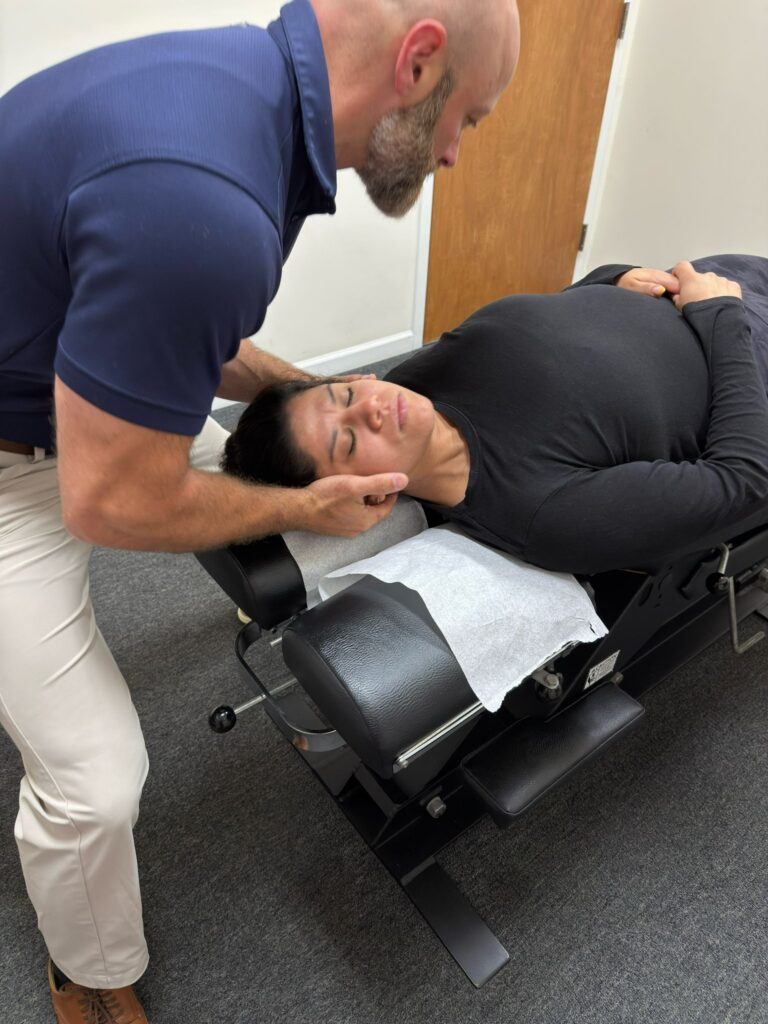

When it comes to relieving headache pain, aligning your body is crucial. As a chiropractor, I’ve seen firsthand how poor posture can lead to muscle tension and discomfort, increasing the likelihood of headaches. Fortunately, simple adjustments to your alignment can significantly lessen your pain and improve your overall well-being.
It’s not just about sitting up straight; there’s a lot more to it. Proper posture involves being mindful of how you hold your body throughout the day, whether you’re working at a desk, using your smartphone, or even just relaxing at home. By ensuring your spine is in alignment, you can alleviate pressure on your muscles and nerves, which can help reduce headache frequency and intensity.
Here are some tips to help you achieve better alignment and prevent headaches:
- Ergonomic Workspace: Make sure your workstation is set up to promote good posture. Your computer screen should be at eye level, and your chair should support your lower back. Consider using a chair with lumbar support or adding a cushion for better alignment.
- Take Breaks: If you find yourself sitting for long periods, be sure to take regular breaks. Stand up, stretch, and walk around to relieve tension in your neck and shoulders.
- Mind Your Phone: When using your smartphone, hold it at eye level instead of bending your neck down. This small change can make a big difference in how your upper body feels.
- Stay Hydrated: Dehydration can contribute to headaches. Make sure you’re drinking enough water throughout the day to keep your body functioning optimally.
- Chiropractic Care: Regular visits to a chiropractor can ensure your spine is properly aligned, which can help prevent headaches and other discomforts. Chiropractic adjustments can relieve tension, improve circulation, and enhance your overall health.
By incorporating these simple habits into your daily routine, you can take significant steps toward a headache-free life. Remember, a well-aligned body is key to not only alleviating pain but also achieving optimal health. If you’re struggling with headaches, consider reaching out to a chiropractor for a personalized approach to wellness and relief.
Key Takeaways
- To alleviate muscle tension that can trigger headaches, it’s essential to maintain proper spinal alignment through good posture. This is where chiropractic care can play a vital role in helping you achieve that alignment naturally.
- Adjusting your workspace ergonomics is crucial for supporting your spine and reducing neck strain while you work. A chiropractor can provide personalized advice on how to set up your workstation to promote better alignment and comfort.
- Incorporating stretching and mobility exercises that focus on the neck and shoulders can effectively relieve built-up tension. Consider asking your chiropractor for specific exercises tailored to your needs.
- Practicing diaphragmatic breathing and relaxation techniques can ease stress and promote overall well-being. These methods complement chiropractic care by enhancing relaxation and improving spinal function.
- Staying hydrated and monitoring your diet is important too. Identifying and avoiding foods that trigger headaches can aid in your overall health journey. Your chiropractor can offer guidance on how to maintain a balanced diet that supports spinal health.
By focusing on these natural approaches and integrating chiropractic care into your routine, you can effectively manage headache pain and work towards achieving optimal wellness.
Understanding the Connection Between Alignment and Headaches
When your spine is out of alignment, it can lead to tension and discomfort that may trigger headaches. Misalignment can put strain on your muscles and nerves, creating pressure that radiates pain throughout your head. Many people don’t realize that poor posture or repetitive movements can contribute to these issues.
As your spine shifts out of its natural position, it disrupts the communication between your brain and body, which can intensify headache symptoms. You might also notice tightness in your neck and shoulders, further adding to that throbbing pain.
Understanding this connection is vital for finding effective relief. By focusing on your spinal alignment, you’re taking a proactive step toward reducing the frequency and intensity of headaches.
Simple practices like stretching, strengthening exercises, and regular chiropractic adjustments can significantly help.
Chiropractic care is a natural and holistic approach to achieving optimal health and wellness. By prioritizing your spinal health, you empower yourself to enjoy life with less headache pain and improved overall well-being.
The Role of Posture in Headache Relief
Maintaining good posture is crucial for relieving headache pain, as poor posture can lead to muscle tension and strain. When you slouch or hunch over, it places unnecessary pressure on your neck and shoulders, which can trigger headaches. By practicing good posture—sitting or standing up straight—you allow your muscles to relax and function properly, reducing the likelihood of discomfort.
As your local chiropractor, I encourage you to take a moment throughout the day to check in with your posture. Are your shoulders rounded? Is your head jutting forward? Making simple adjustments can make a significant difference in how you feel. Keep your ears aligned with your shoulders and hips, ensuring a straight spine. This alignment helps distribute weight evenly, minimizing stress on your muscles and supporting your overall spinal health.
Being mindful of your posture not only helps relieve existing headache pain but also plays a vital role in preventing future headaches. Chiropractic care is an excellent way to ensure that your spine is aligned and functioning optimally, which can significantly enhance your well-being.
Here are some tips you can easily incorporate into your daily routine:
- Set reminders to check your posture throughout the day, especially if you’re at a desk or working on a computer.
- Take breaks every hour to stretch and reset your posture. Simple neck and shoulder stretches can relieve built-up tension.
- Invest in ergonomic furniture. A chair that supports your lower back and allows your feet to rest flat on the ground can help maintain proper posture.
- Stay active. Regular exercise strengthens your muscles, making it easier to maintain good posture.
Techniques for Improving Your Posture
While you mightn’t be aware, small changes in your daily habits can lead to significant improvements in your posture, which is crucial for your overall health. By being mindful of how your body is aligned, you can reduce tension and enhance your well-being.
As a chiropractor, I believe that maintaining good posture is essential for spinal health, and here are three effective techniques you can start using today to support your journey towards optimal wellness:
1. Adjust your workspace: Your work environment plays a key role in your posture. Ensure that your chair provides support for your lower back and that your computer screen is at eye level. This simple adjustment can greatly reduce strain on your neck and shoulders, helping you feel more comfortable throughout the day.
Consider visiting your chiropractor for personalized recommendations on ergonomic setups that best support your spine.
2. Practice the wall test: An excellent way to gauge your posture is to perform the wall test. Stand with your back against a wall, keeping your heels about an inch away from it. Your head, shoulders, and hips should all touch the wall.
This position serves as a guide for maintaining proper alignment while you go about your daily activities. Regularly checking in on your posture can help you stay mindful and make necessary adjustments.
3. Engage your core: A strong core is vital for supporting your spine and maintaining proper posture. Simple activities like tightening your abdominal muscles while sitting or standing can help strengthen your core over time.
Incorporating core-strengthening exercises into your routine can further enhance your posture and overall spinal health.
Remember, chiropractic care is a natural and effective way to address posture-related issues and support your journey to better health.
Regular visits to your chiropractor can provide you with personalized guidance and adjustments that promote optimal spinal alignment and overall wellness.
Stretching Exercises to Alleviate Tension
To alleviate headache pain naturally, incorporating stretching exercises into your routine can be incredibly beneficial. At our chiropractic practice, we often recommend focusing on specific areas that contribute to tension, such as the neck, shoulders, and upper back.
Simple neck stretch techniques, shoulder release exercises, and upper back mobility movements can help restore balance and relieve the pressure that often leads to headaches.
Consider trying these gentle stretches:
- Neck Stretch: Sit comfortably and slowly tilt your head to one side, bringing your ear towards your shoulder. Hold for 15-30 seconds, feeling the stretch along the opposite side of your neck. Repeat on the other side.
- Shoulder Release: Stand or sit tall, and take a deep breath. As you exhale, roll your shoulders back and down. Repeat this motion several times to release tension in the shoulders.
- Upper Back Mobility: Interlace your fingers and stretch your arms forward, rounding your upper back. Hold for a few breaths, then gently arch your back and lift your arms overhead to open up the chest.
In addition to these stretches, regular chiropractic adjustments can help maintain spinal alignment and promote overall wellness, reducing the frequency and intensity of headaches.
By focusing on natural healing techniques like these, you can achieve optimal health without relying on medications or invasive procedures. Remember, taking small steps towards a healthier lifestyle can lead to significant improvements in your well-being.
Always consult with your chiropractor for personalized advice tailored to your specific needs.
Neck Stretch Techniques
If you’ve been struggling with persistent headaches, incorporating neck stretch techniques into your daily routine can be a transformative experience.
These simple yet effective stretches not only help relieve tension but also enhance blood flow, which can alleviate discomfort. As a chiropractor, I believe that focusing on natural healing methods like these stretches can significantly improve your overall well-being.
Here are three effective neck stretches you can try for relief:
- Chin Tuck: Sit up tall in your chair, gently tuck your chin toward your chest, and hold this position for 15 seconds. This stretch helps to realign your cervical spine and relieve pressure on your neck. Repeat this three times for best results.
- Side Neck Stretch: Tilt your head toward one shoulder, allowing the opposite side of your neck to stretch. You should feel a gentle pull along the side of your neck. Hold this position for 15 seconds on each side to promote flexibility and relaxation.
- Neck Rotation: Slowly turn your head to look over one shoulder, holding this position for 15 seconds before switching to the other side. This stretch increases mobility in your neck and can help reduce stiffness.
Incorporate these stretches into your daily routine, and you may notice a significant reduction in the frequency and intensity of your headaches.
Remember, consistent practice is key!
Moreover, chiropractic care complements these stretches by addressing the underlying issues in your spine and nervous system.
By visiting a chiropractor, you can receive tailored adjustments that promote better alignment and overall health, leading to even more effective relief from pain.
Embrace these natural methods for a healthier, more vibrant life!
Shoulder Release Exercises
After incorporating neck stretch techniques, you may notice that tension in your shoulders can also contribute to headache pain. As a chiropractor, I want to emphasize the importance of addressing this tension naturally. Here are some effective shoulder release exercises that can help alleviate tightness and improve your comfort without the need for medications or invasive procedures.
| Exercise | Duration | Benefits |
|---|---|---|
| Shoulder Shrugs | 10-15 reps | Relieves shoulder tension |
| Arm Cross Stretch | 20-30 seconds | Increases flexibility |
| Neck Rolls | 5-10 repetitions | Eases neck and shoulder strain |
| Seated Forward Bend | 20-30 seconds | Stretches the back and shoulders |
Incorporating these simple exercises into your daily routine can make a significant difference in reducing the tension that often leads to headaches. Not only will you feel more relaxed, but you’ll also enhance your overall well-being. Remember, chiropractic care focuses on natural healing and optimal health, helping your body to function at its best. By taking proactive steps like these, you can support your body’s natural ability to heal and maintain a healthier lifestyle.
Upper Back Mobility
While shoulder exercises are important, it’s equally vital to pay attention to your upper back to prevent tension and headaches. As a chiropractor, I can tell you that improving upper back mobility is key to enhancing your overall well-being.
Here are some effective stretching exercises that can help alleviate discomfort and support your spinal health:
- Cat-Cow Stretch: Begin on your hands and knees. As you inhale, arch your back like a cat stretching, and as you exhale, round your back like a cow. This gentle movement increases flexibility and helps relieve tension in your spine.
- Thoracic Spine Rotation: Sit comfortably with your legs crossed. Place one hand on your knee and gently twist your torso towards that side. Hold this position for a few breaths to release tightness in your upper back and improve mobility.
- Wall Angels: Stand with your back against a wall. Raise your arms in a “W” position and then slide them up the wall to form a “Y.” This exercise opens up your chest and stretches your upper back, promoting better posture and spinal alignment.
Incorporating these stretches into your daily routine can significantly enhance your upper back health, keeping you relaxed and headache-free.
Remember, chiropractic care is an excellent choice for achieving optimal health and relieving pain naturally. Regular adjustments can help maintain proper spinal alignment, which is essential for overall wellness.
The Importance of Ergonomics in Daily Activities
When you prioritize ergonomics in your daily activities, you can significantly decrease the risk of headaches and discomfort. As a chiropractor, I can’t stress enough the importance of good posture while sitting, standing, or lifting. Your body is designed for natural alignment, and ensuring your workstations support this can make a world of difference.
For example, keeping your computer screen at eye level helps prevent neck strain, which is often a precursor to headaches.
When you sit, aim for your feet to be flat on the floor, and your knees should be at a comfortable 90-degree angle. Choose a chair that provides support for your lower back—this is key in maintaining a healthy spine.
If you find yourself working at a desk for long periods, remember to take regular breaks. Get up, stretch, and move around to keep your body engaged and prevent stiffness.
Even everyday tasks like cooking or driving can benefit from ergonomic adjustments. By making small changes in your environment and habits, you can enhance your comfort and promote better overall health. This proactive approach can lead to fewer headaches and a more enjoyable daily life.
Chiropractic care is an excellent way to support your body’s natural alignment and address any discomfort. Regular adjustments can help keep your spine healthy, reducing pain and improving your quality of life.
Breathing Exercises for Stress Relief
When stress creeps in, simple breathing exercises can be a powerful tool not only for regaining control but also for enhancing your overall well-being. Techniques like diaphragmatic breathing and mindful practices can help calm your mind, reduce tension, and even alleviate headache pain.
As a chiropractor, I understand the vital connection between stress, tension, and spinal health. When you’re under stress, your body may tense up, which can lead to misalignments in your spine. This is where chiropractic care can make a difference. By addressing these misalignments, we can help your body function more optimally, making it easier to manage stress and promote natural healing.
Let’s explore some effective breathing exercises that you can incorporate into your daily routine for immediate stress relief:
- Diaphragmatic Breathing: Sit or lie down comfortably. Place one hand on your chest and the other on your abdomen. Inhale deeply through your nose, allowing your diaphragm (not your chest) to expand. Exhale slowly through your mouth. This technique not only calms your mind but also promotes better oxygen flow to your body, supporting overall health.
- Mindful Breathing: Take a moment to focus on your breath. Inhale deeply and hold for a count of four, then exhale slowly for a count of six. This practice can help ground you in the present and ease feelings of anxiety, making it easier to face daily challenges.
- Visualization: While breathing deeply, visualize a peaceful scene, such as a beach or a forest. Imagining a serene environment can help lower your stress levels and enhance the calming effects of your breathing exercises.
Incorporating these breathing techniques into your routine can be a simple yet effective way to manage stress and support your spinal health.
Remember, chiropractic care is your ally in achieving optimal health. Regular adjustments can help keep your spine aligned, reduce tension, and enhance your body’s natural ability to heal.
As you practice these breathing exercises, consider scheduling a visit to your chiropractor to further support your wellness journey. Together, we can help you create a healthier, more balanced life.
Diaphragmatic Breathing Technique
Have you ever noticed how your breath changes when you’re stressed? When tension builds up, you might find yourself taking shallow breaths, which can increase discomfort and tightness in your body.
As a chiropractor, I want to share a simple yet powerful technique called diaphragmatic breathing that can help you relax and alleviate headache pain. Not only does it promote relaxation, but it’s also a wonderful way to support your overall wellness and spinal health.
Here’s how you can practice it:
- Get Comfortable: Find a cozy spot to sit or lie down. Place one hand on your chest and the other on your abdomen. This will help you feel the movement of your breath.
- Inhale Deeply: Take a slow, deep breath in through your nose. Focus on allowing your diaphragm (the muscle located beneath your lungs) to expand rather than your chest. You should feel your abdomen rise as you fill your lungs with air.
- Exhale Fully: Now, exhale slowly through your mouth. Let your abdomen fall as you release all the air. Imagine letting go of any tension you’re holding in your body.
Repeat this breathing pattern for several minutes. With practice, you’ll find that deep, relaxed breaths can significantly reduce stress and tension headaches.
Additionally, regular diaphragmatic breathing can support your spinal health by promoting relaxation of the muscles surrounding the spine, which can be beneficial for anyone seeking natural ways to enhance their well-being.
Remember, chiropractic care is an excellent approach for achieving optimal health and can complement your efforts in managing stress and pain.
Mindful Breathing Practices
Mindful breathing practices can significantly enhance your journey toward natural wellness and pain relief, especially when integrated with chiropractic care. By grounding yourself in the present moment through focused breathing, you can effectively manage stress and alleviate physical tension that may contribute to discomfort in your spine and surrounding muscles.
To get started, find a comfortable seated position—this could be on a chair or even on the floor. Inhale deeply through your nose, allowing your abdomen to expand fully. This action not only fills your lungs but also helps promote proper posture, which is crucial for spinal health.
Hold your breath for a moment, then exhale slowly through your mouth. Aim to repeat this process for several minutes, letting go of any distractions around you.
As you engage in this mindful breathing exercise, pay close attention to how your body feels. Notice any areas of tightness or discomfort; this awareness can be beneficial when you visit your chiropractor, as it helps them understand your specific needs.
If your mind wanders—perhaps to your daily tasks or worries—gently guide your focus back to your breath.
In addition to calming your nervous system, mindful breathing can help alleviate headache pain that often arises from muscle tension in the neck and shoulders. By incorporating these breathing techniques into your daily routine, you promote relaxation and support the natural healing processes of your body.
Remember, chiropractic care is an excellent partner in this journey toward optimal health. Regular adjustments can enhance your overall well-being, improve your posture, and reduce pain, making it easier for you to practice mindful breathing effectively.
Take a few moments each day for this practice, and consider how combining it with chiropractic care can lead to lasting benefits for your health and wellness.
The Impact of Physical Activity on Headache Frequency
While you may not immediately associate physical activity with relief from headaches, evidence suggests that regular exercise can significantly decrease their occurrence. As a chiropractor, I believe in the body’s natural ability to heal itself, and incorporating consistent physical activity is a fantastic way to support that process.
Here are three essential ways that exercise can help reduce headache frequency:
- Boosts Natural Pain Relievers: Engaging in physical activity increases endorphin levels in your body. These endorphins act as natural painkillers and can improve your mood, helping to alleviate the discomfort associated with headaches.
- Reduces Muscle Tension: Exercise plays a crucial role in relieving muscle tightness, particularly in the neck and shoulders. Tension in these areas can often lead to headaches. Regular movement helps improve flexibility and reduces strain, which can minimize headache triggers.
- Improves Sleep Quality: Consistent physical activity can enhance your sleep, which is vital for overall health. When you get better rest, you’re less likely to experience headaches. Quality sleep supports your body’s ability to recover and maintain balance.
To incorporate exercise into your daily routine, consider activities that you enjoy, such as walking, swimming, or practicing yoga. These can be gentle on your body while still providing substantial benefits.
Remember, chiropractic care also complements these lifestyle changes by addressing spinal alignment and muscle function, promoting overall wellness and natural healing.
Mindfulness and Relaxation Techniques
When headaches strike, incorporating mindfulness and relaxation techniques can be a great way to find relief. As a local chiropractor, I often recommend breathing exercises, guided visualization, and progressive muscle relaxation to help ease your discomfort. These methods not only support relaxation but also promote overall wellness by reducing tension in the body.
However, it’s essential to remember that maintaining proper spinal alignment is crucial for preventing headaches. Poor posture and spinal misalignments can contribute to tension and discomfort. Regular chiropractic adjustments can help ensure that your spine is in optimal condition, reducing the likelihood of headaches and enhancing your body’s natural ability to heal.
In addition to these techniques, here are some general tips you can incorporate into your daily routine:
- Stay Hydrated: Dehydration can lead to headaches, so make sure to drink plenty of water throughout the day.
- Practice Good Posture: Be mindful of your posture, especially when sitting for long periods. Use ergonomic furniture if possible.
- Take Breaks: If you work at a desk, take frequent breaks to stretch and move around. This helps relieve tension that can build up in the neck and shoulders.
- Get Regular Chiropractic Care: Regular adjustments can help keep your spine aligned and reduce the frequency and intensity of headaches.
Breathing Exercises for Relief
Breathing exercises can be a highly effective way to alleviate headache pain, especially when combined with the benefits of chiropractic care. These exercises not only help you focus and reduce tension but also promote a sense of calm that complements your overall wellness journey. Here’s how you can get started:
- Deep Breathing: Inhale slowly through your nose for a count of four, hold for four, then exhale through your mouth for four. Repeat this for a few minutes. This technique helps center yourself and can work in harmony with spinal adjustments to enhance relaxation.
- 4-7-8 Technique: Breathe in for four seconds, hold for seven seconds, and exhale for eight seconds. This method can ease anxiety and help reduce the intensity of headaches, making it a great complement to regular chiropractic visits that focus on relieving tension in your body.
- Box Breathing: Inhale for four seconds, hold for four, exhale for four, and hold again for four. This rhythmic breathing technique encourages relaxation and mental clarity, which can be beneficial when combined with the holistic approach of chiropractic care.
Incorporating these breathing exercises into your daily routine can significantly enhance your overall health and wellness.
Remember, chiropractic care is a natural and effective way to address the underlying causes of headache pain, helping you achieve optimal health without the need for medications or surgeries.
Embrace these exercises as part of your journey toward a healthier, pain-free life.
Guided Visualization Practices
Have you ever thought about how guided visualization practices can complement your chiropractic care for headache relief? By tapping into the power of your imagination, you can cultivate a calming mental space that helps alleviate tension and discomfort.
Imagine yourself in a tranquil setting, like a quiet beach or a vibrant forest. Visualize the pain gradually fading away with each gentle wave or rustling leaf. This technique not only serves as a distraction from your discomfort but also promotes relaxation throughout your entire body.
Incorporating guided visualization into your routine can enhance your overall well-being and serve as a valuable tool for managing headaches, especially when paired with regular chiropractic adjustments. Chiropractic care focuses on aligning your spine to relieve pressure on nerves and improve your body’s function, which can significantly reduce headache frequency and intensity.
Set aside a few minutes each day for visualization practice to reinforce the benefits of your chiropractic treatments. By finding your personal sanctuary in your mind, you can achieve relief whenever you need it.
Progressive Muscle Relaxation Techniques
Progressive muscle relaxation techniques can be an excellent way to relieve headache tension and promote overall well-being. By consciously releasing physical stress, you can enhance the benefits of chiropractic care. When you focus on each muscle group, you not only identify tension but also learn how to let it go, fostering relaxation.
Here’s how you can practice this technique effectively:
- Find a Comfortable Position: Settle into a quiet space, whether sitting or lying down, where you can relax without interruptions. This peaceful environment complements the adjustments you receive in chiropractic care.
- Tense and Relax: Begin with your toes; tense each muscle group for about five seconds, then release. Gradually work your way up through your calves, thighs, abdomen, arms, and face. This practice aligns well with the adjustments your chiropractor provides, helping to further alleviate tension in your body.
- Breathe Deeply: As you tense your muscles, take a deep breath in, and as you relax, exhale fully. This rhythmic breathing enhances the release of stress, making it easier to manage headache pain and other discomforts.
Incorporating these relaxation techniques into your routine can complement your chiropractic adjustments, leading to better overall health and wellness.
Give it a try and notice how your body responds! Remember, chiropractic care is a natural way to achieve optimal health, free from the need for surgeries or medications.
Nutrition’s Role in Reducing Headache Triggers
While many factors contribute to headache triggers, nutrition plays a crucial role in managing and reducing their frequency. It’s important to understand that certain foods may spark headaches. Common offenders include aged cheeses, processed meats, and artificial sweeteners. Keeping a food diary can be a helpful way to identify your specific triggers.
Staying hydrated is equally important. Dehydration can often lead to headaches, so make sure you’re drinking plenty of water throughout the day. Incorporating magnesium-rich foods like spinach, nuts, and whole grains into your diet can also be beneficial, as magnesium deficiency is linked to migraines.
Regular meal times can help stabilize your blood sugar levels, which in turn can reduce the risk of headaches. Aim for balanced meals that combine protein, healthy fats, and complex carbohydrates. By being mindful of what you eat and drink, you can significantly lower your chances of experiencing headache pain.
In addition to nutrition, chiropractic care can be an excellent way to address headache issues. Regular chiropractic adjustments can help improve spinal function and reduce tension in the muscles around your neck and shoulders, which may contribute to headaches.
By maintaining proper alignment and function of your spine, you can support your overall health and well-being.
Seeking Professional Help for Chronic Headaches
Even with careful attention to nutrition and lifestyle, some people still face chronic headaches that can significantly disrupt their daily lives. If you find yourself in this situation, reaching out for professional help, particularly from a chiropractor, can be a transformative step.
Here are three key reasons to consider chiropractic care for your headaches:
- Holistic Assessment: A chiropractor will conduct a thorough evaluation to identify the underlying causes of your headaches. This approach considers not just the symptoms but also your spinal health, posture, and lifestyle factors, ensuring a comprehensive understanding of your condition.
- Natural Treatment Plans: Instead of relying on medications, a chiropractor can develop a personalized treatment plan that may include spinal adjustments, exercises, and lifestyle changes. These natural methods can help relieve tension, improve alignment, and promote overall wellness, helping you address the root causes of your headaches.
- Ongoing Support and Education: Regular visits to a chiropractor provide you with continuous support as you work towards headache relief. They’ll help you track your progress and make necessary adjustments to your care plan. Additionally, they can educate you on healthy habits and ergonomic practices that can prevent headaches from recurring.
Don’t hesitate to explore chiropractic care as a viable option for managing your headaches. This proactive step can lead you toward a more manageable and headache-free life, allowing you to embrace each day with greater energy and joy.
Conclusion
Aligning your body and maintaining good posture is essential for effectively relieving headache pain. As a local chiropractor, I want to share how these practices not only offer immediate relief but also promote long-term wellness. By incorporating simple stretching exercises, making ergonomic adjustments to your workspace, and practicing mindfulness techniques, you can significantly reduce tension and prevent future headaches.
Start by being aware of your posture throughout the day. Keeping your spine aligned is key; think of your head being stacked directly over your shoulders and your shoulders over your hips. This alignment helps alleviate pressure on your neck and back, which can often be a source of headaches.
Stretching is another powerful tool. Gentle neck and shoulder stretches can release tight muscles and improve blood flow, which may help in reducing headache frequency and intensity. Additionally, consider setting up your workspace ergonomically—ensure that your computer screen is at eye level and your chair supports your lower back.
Mindfulness techniques, such as deep breathing and meditation, can further enhance your ability to manage stress, which is a common headache trigger. Remember, paying attention to your body’s alignment and engaging in these practices is not just about feeling good; it’s a proactive step towards achieving optimal health and well-being.
If you find that headaches persist despite these efforts, chiropractic care may provide the relief you need. A chiropractor can help identify the root causes of your headaches and offer personalized treatment plans to alleviate pain and improve your overall health. Embrace these natural solutions for a healthier, headache-free life!