
When it comes to low back pain, many people instinctively turn to stretching as a solution. While stretching can be beneficial, it’s important to recognize that not all stretches are suitable for everyone, and some may even worsen your condition. As a chiropractor, I believe in a holistic approach to health that prioritizes spinal wellness and natural healing. Understanding which movements can promote healing and which might lead to further discomfort is crucial for effective pain management.
So, how do you know which stretches to incorporate into your routine? Here are some tips:
- Listen to Your Body: Pay attention to how your body feels during and after stretching. If a stretch causes pain or discomfort, it’s best to stop and consult with a chiropractic professional.
- Focus on Gentle Movements: Opt for gentle stretches that promote flexibility without straining your back. Movements like knee-to-chest stretches or gentle spinal twists can provide relief without risking injury.
- Incorporate Core Strengthening: Strengthening your core can help support your lower back. Consider exercises that engage your abdominal muscles, as a strong core can alleviate pressure on your spine.
- Consult a Chiropractor: A chiropractor can guide you through safe and effective stretches tailored to your specific condition. They can also provide spinal adjustments that enhance your overall mobility and reduce pain.
- Stay Consistent: Regularly incorporating safe stretches and exercises into your routine can lead to long-term benefits for your back health.
- Combine with Chiropractic Care: Pairing your stretching routine with chiropractic adjustments can help align your spine and improve your overall wellness.
By focusing on these strategies and consulting with a chiropractor, you can effectively manage your low back pain and work towards a healthier, pain-free life. Remember, your spine is the foundation of your overall health—taking care of it is essential for achieving optimal well-being.
Key Takeaways
Not all low back pain stretches are created equal. In fact, some may actually worsen your condition, especially if you’re dealing with issues like sciatica or herniated discs. It’s important to be mindful of how you stretch, as improper techniques can lead to increased discomfort or even injury.
That’s why gentle, targeted stretches are often the best choice for alleviating low back pain. For example, the knee-to-chest stretch and the cat-cow stretch are typically safe and effective options. They can help relieve tension in your lower back and promote mobility.
Before you begin any stretching routine, remember to warm up your muscles. This can be as simple as a few minutes of light walking. Also, always listen to your body; if any stretch causes sharp or persistent pain, it’s best to stop immediately.
As a chiropractor, I recommend consulting with a professional who can provide personalized guidance on safe and effective stretches tailored to your specific needs. Chiropractic care is a fantastic way to not only address pain but also to promote overall wellness and a healthier lifestyle. By focusing on natural healing methods, you can achieve optimal health without the need for medications or surgeries.
So, take care of your spine and your body! Incorporate gentle stretches into your routine, and consider chiropractic care as your go-to solution for pain relief and maintaining a healthy lifestyle.
Understanding Low Back Pain: Causes and Symptoms
When you experience low back pain, it can feel more than just a minor annoyance; it often arises from various causes, ranging from muscle strain to underlying issues. Perhaps you lifted something too heavy, twisted your spine awkwardly, or sat for long periods without proper support. Each of these actions can lead to muscle tension or injury, but the good news is that chiropractic care can help restore balance and promote healing.
Conditions like herniated discs, arthritis, or sciatica may also contribute to ongoing discomfort. You might notice symptoms such as stiffness, limited mobility, or shooting pain that travels down your legs. Paying attention to these signs is essential, as they can guide you toward effective treatments that prioritize your body’s natural healing abilities.
Ignoring low back pain can lead to chronic issues that disrupt your daily activities. By understanding the causes and symptoms, you empower yourself to seek the right care. Chiropractic adjustments can be a highly effective way to relieve pain and improve function, allowing your body to heal naturally.
In addition to seeking chiropractic care, there are simple tips you can incorporate into your daily life to support your spine and overall wellness. Make sure to maintain good posture, take breaks to stretch if you sit for long periods, and engage in regular exercise that strengthens your core muscles. These practices not only help alleviate low back pain but also contribute to long-term health and vitality.
The Role of Stretching in Pain Management
Stretching is an essential component of managing low back pain, and it works hand in hand with chiropractic care to promote healing and overall wellness. By integrating stretching into your daily routine, you can help relieve tension, enhance flexibility, and support your body’s natural healing processes. This can lead to improved mobility and a reduction in discomfort throughout your day.
Here’s a brief overview of how stretching, combined with chiropractic care, can benefit you:
| Benefit | How It Helps | Example Stretch |
|---|---|---|
| Alleviates tension | Reduces muscle tightness and discomfort, making it easier to move | Cat-Cow Stretch |
| Improves flexibility | Increases your range of motion, which can help prevent injury | Seated Forward Bend |
| Promotes relaxation | Helps to ease stress on the back, allowing for a more restful state | Child’s Pose |
To get the most out of your stretching routine, consider these general tips:
- Listen to Your Body: Pay attention to how your body feels during each stretch. If something doesn’t feel right, ease off and consult with your chiropractor.
- Stay Consistent: Incorporate stretching into your daily routine. Consistency is key to experiencing the benefits over time.
- Pair with Chiropractic Care: Regular visits to your chiropractor can enhance the effects of your stretching routine, as they can provide personalized advice and adjustments to optimize your spinal health.
- Focus on Breathing: Deep, calming breaths can help you relax into each stretch, enhancing the benefits and promoting a sense of well-being.
Common Stretches for Low Back Pain Relief
Incorporating specific stretches into your daily routine can significantly relieve low back pain and enhance overall mobility, all while supporting the natural healing process that chiropractic care promotes.
One fantastic stretch to consider is the knee-to-chest stretch. Simply lie on your back and gently pull one knee toward your chest, holding the position for 20-30 seconds before switching legs. This stretch helps to release tension in your lower back, which is crucial for maintaining spinal health.
Another excellent option is the cat-cow stretch. Start on your hands and knees, arch your back upwards like a cat, then lower it down while lifting your head, creating a gentle wave motion. Repeat this several times to boost flexibility and alleviate stiffness, which aligns perfectly with the principles of chiropractic care.
Don’t overlook the seated forward bend! Sit with your legs extended in front of you, reach for your toes, and hold this stretch for 20-30 seconds. This targets not only your hamstrings but also your lower back, helping to relieve discomfort and promote a healthy spine.
Finally, the child’s pose is a wonderful stretch that encourages relaxation. Kneel and sit back on your heels, stretching your arms forward on the floor. Hold this position to ease tension and promote a sense of calm in your back, further enhancing your overall wellness.
Remember, while these stretches can be incredibly beneficial, regular chiropractic adjustments are key to achieving optimal health and addressing the root cause of back pain. Combining these stretches with chiropractic care will provide you with a holistic approach to pain relief and wellness.
Make stretching a part of your routine, and consider visiting your chiropractor to discuss personalized strategies for maintaining your spinal health.
When Stretching May Do More Harm Than Good
Stretching can sometimes do more harm than good if you’re not cautious. As a chiropractor, I often see how individual pain triggers and improper techniques can lead to increased discomfort or even injury. It’s crucial to listen to your body and ensure you’re using the right methods for your specific situation.
Instead of jumping into stretching routines, consider how chiropractic care can help you achieve optimal health and wellness. A chiropractor can assess your unique needs and create a personalized plan that addresses your pain while promoting natural healing.
Here are a few tips to keep in mind when thinking about stretching and your overall health:
- Consult a Chiropractor: Before starting any new stretching program, consult with your chiropractor. They can guide you on safe practices that align with your body’s needs.
- Warm Up First: Always warm up your muscles with light activities before stretching. This helps reduce the risk of injury.
- Focus on Technique: Proper technique is essential. If you’re unsure about how to stretch correctly, ask your chiropractor for guidance.
- Know Your Limits: Stretching should never be painful. If you feel sharp pain, stop immediately and consult your chiropractor.
- Incorporate Chiropractic Care: Regular chiropractic adjustments can enhance your flexibility and overall well-being, making your body more receptive to safe stretching.
By taking these precautions and considering chiropractic care, you can promote a healthier lifestyle while reducing the risk of injury.
Individual Pain Triggers
While many individuals seek relief through stretching, it’s essential to recognize that certain pain triggers can actually worsen discomfort rather than provide relief. Understanding what specifically aggravates your back pain is crucial for effective management. Everyone’s triggers can differ significantly, and stretching without this knowledge can lead to increased suffering.
| Pain Trigger | Potential Stretching Effect | Alternative Approach |
|---|---|---|
| Sciatica | Increased nerve pain | Focus on gentle mobility |
| Herniated disc | Heightened discomfort | Consult a chiropractic specialist |
| Muscle strain | Further strain | Rest and ice, combined with chiropractic care |
| Arthritis flare-up | Increased stiffness | Engage in low-impact exercises and chiropractic adjustments |
Recognizing your unique pain triggers is a vital step in choosing the best approach to manage your low back pain naturally. Chiropractic care is an excellent option for not only addressing pain but also promoting overall wellness.
Here are some helpful tips to consider:
- Stay Active: Gentle movements can help maintain mobility without straining your back. Activities like walking or swimming can be beneficial.
- Listen to Your Body: If a stretch or exercise causes pain, stop immediately. It’s essential to pay attention to what your body is telling you.
- Consider Chiropractic Care: Regular adjustments can help align your spine, relieve tension, and improve your overall health. A chiropractor can provide personalized advice tailored to your specific needs.
- Practice Good Posture: Maintaining good posture can help prevent excessive strain on your back. Ensure your workspace is ergonomically friendly.
- Incorporate Relaxation Techniques: Stress can contribute to muscle tension. Techniques such as deep breathing or yoga can help relax both your mind and body.
Improper Technique Risks
Understanding your pain triggers is an important step towards healing, but it’s essential to recognize that improper stretching techniques can do more harm than good.
When you engage in stretching, using the correct form is crucial to avoid injuries and promote natural healing. For example, pushing a stretch beyond your comfort zone can strain muscles and ligaments, potentially exacerbating your pain. It’s also important to take your time with each stretch; rushing through them can prevent your body from experiencing the gentle release it needs.
If you encounter sharp or persistent pain while stretching, it’s a signal to stop immediately. Instead, focus on gradually easing into each stretch and paying attention to your body’s responses.
As a chiropractor, I always encourage my patients to consider consulting with a healthcare professional who specializes in proper stretching techniques. A chiropractor can provide personalized guidance tailored to your specific needs, ensuring that you stretch safely and effectively.
Remember, prioritizing safety in your stretching routine can significantly enhance the benefits you receive, promoting not just flexibility but overall wellness. By incorporating chiropractic care into your routine, you’re choosing a natural path to optimal health and pain relief.
Always listen to your body, and don’t hesitate to reach out for professional help to ensure you’re on the right track.
Individual Differences: Tailoring Stretches to Your Needs
When it comes to managing low back pain, it’s important to remember that each person’s body is unique. Your individual anatomy, fitness level, and specific pain triggers play a significant role in determining which stretches will be most effective for you. Instead of relying on one-size-fits-all routines, take the time to assess your own needs for a more personalized approach.
Start by pinpointing areas of tightness or discomfort in your back. You may discover that certain stretches help alleviate tension, while others might make your pain worse. It’s crucial to listen to your body and adjust your stretches accordingly. For instance, if a stretch feels too intense, try easing into it more gradually or opting for a gentler alternative.
Incorporating chiropractic care into your wellness routine can greatly enhance your ability to manage low back pain. A chiropractor can provide tailored guidance to help you create an effective stretching routine that aligns with your unique needs. They can also address any underlying issues contributing to your pain, ensuring a comprehensive approach to your health.
Here are some general tips to keep in mind as you work on your stretches:
- Warm Up First: Before stretching, engage in light activity to get your blood flowing. This could be a short walk or gentle movements to prepare your muscles.
- Focus on Breathing: Deep, controlled breathing can help relax your muscles and enhance the effectiveness of your stretches.
- Hold, Don’t Bounce: When you stretch, hold each position for a steady count (about 15-30 seconds) rather than bouncing, which can lead to injury.
- Stay Consistent: Make stretching a regular part of your routine. Consistency is key to seeing improvement in flexibility and pain relief.
- Consult a Chiropractor: For a personalized approach to pain relief and overall wellness, consider visiting a chiropractor. They can offer valuable insights and adjustments that complement your stretching routine.
Alternative Approaches to Managing Low Back Pain
When it comes to managing low back pain, chiropractic care stands out as a leading approach that emphasizes natural healing and overall wellness. By focusing on spinal health, chiropractic adjustments can help restore proper alignment, relieve tension, and promote better movement. This is a crucial step towards achieving optimal health and reducing pain.
In addition to chiropractic adjustments, incorporating mindfulness and meditation into your routine can significantly reduce stress, which often contributes to muscle tension and discomfort. Consider setting aside a few minutes each day to practice deep breathing or meditation, as this can enhance your overall sense of well-being.
Acupuncture may also offer benefits, but it’s essential to remember that chiropractic care specifically targets the root causes of back pain by addressing spinal misalignments. Regular visits to a chiropractor can help ensure your spine remains healthy and functioning correctly, which is vital for preventing future pain.
As you work on your stretching routine, remember that maintaining a flexible spine is key. Gentle stretches can complement your chiropractic care and keep your muscles loose. Be mindful of your posture throughout the day, whether sitting at a desk or lifting objects, as this can greatly impact your back health.
Mindfulness and Meditation
When it comes to finding relief from low back pain, many people often look towards physical therapies and medications. However, I believe that incorporating mindfulness and meditation into your routine can be a powerful complement to chiropractic care. These practices help you become more aware of your body and the sensations of pain, allowing you to manage discomfort in a more effective way.
By focusing on your breath and staying present, you can significantly reduce stress, which is known to intensify pain. Regular mindfulness and meditation can also improve your emotional resilience, making it easier to cope with the frustrations that often accompany chronic pain.
You don’t need to dedicate hours to these practices; even a few minutes each day can yield positive results. To get started, find a quiet space, sit comfortably, and take slow, deep breaths. As you inhale and exhale, try to let go of any tension in your body and simply observe how you feel.
In addition to these practices, don’t forget the importance of regular chiropractic adjustments. Chiropractic care focuses on aligning the spine, which can greatly improve your overall health and well-being. By integrating mindfulness and chiropractic care into your life, you can foster a deeper connection with your body and pave the way for natural healing and optimal health. Remember, your journey to wellness starts with small, consistent steps.
Acupuncture and Pressure Therapy
Relief from low back pain often comes in various forms, and while acupuncture and pressure therapy are popular alternative approaches, chiropractic care is your best choice for achieving optimal health and wellness. Chiropractic treatment not only addresses pain but also focuses on the underlying issues affecting your spine and overall body function.
Chiropractors use specific adjustments to align the spine, which can help relieve pain, improve mobility, and promote the body’s natural healing processes. Unlike other methods, chiropractic care emphasizes a holistic approach that targets the root cause of discomfort, rather than just masking the symptoms.
Here’s a quick comparison of how chiropractic care stands out against other therapies:
| Therapy | Benefits |
|---|---|
| Chiropractic Care | Aligns the spine, enhances overall wellness, reduces reliance on medications |
| Acupuncture | Reduces inflammation, boosts energy |
| Pressure Therapy | Relieves muscle tension, enhances relaxation |
| Both | Non-invasive, holistic approach |
| Safety | Minimal side effects |
| Accessibility | Can be performed in clinics, with some techniques adaptable for home use |
For those dealing with low back pain, here are some general tips that can complement your chiropractic care:
- Stay Active: Regular gentle exercise can strengthen your back and improve flexibility. Consider walking, swimming, or yoga.
- Maintain Good Posture: Pay attention to how you sit, stand, and lift objects. Proper posture can prevent strain on your spine.
- Use Heat or Cold Therapy: Applying heat or ice can help reduce pain and inflammation. Use heat for muscle relaxation and cold for swelling.
- Stay Hydrated: Drinking enough water helps maintain spinal disc health and overall bodily function.
- Mind Your Sleep Position: Ensure you have a supportive mattress and pillow. Sleep on your side with a pillow between your knees to keep your spine aligned.
Chiropractic Adjustments
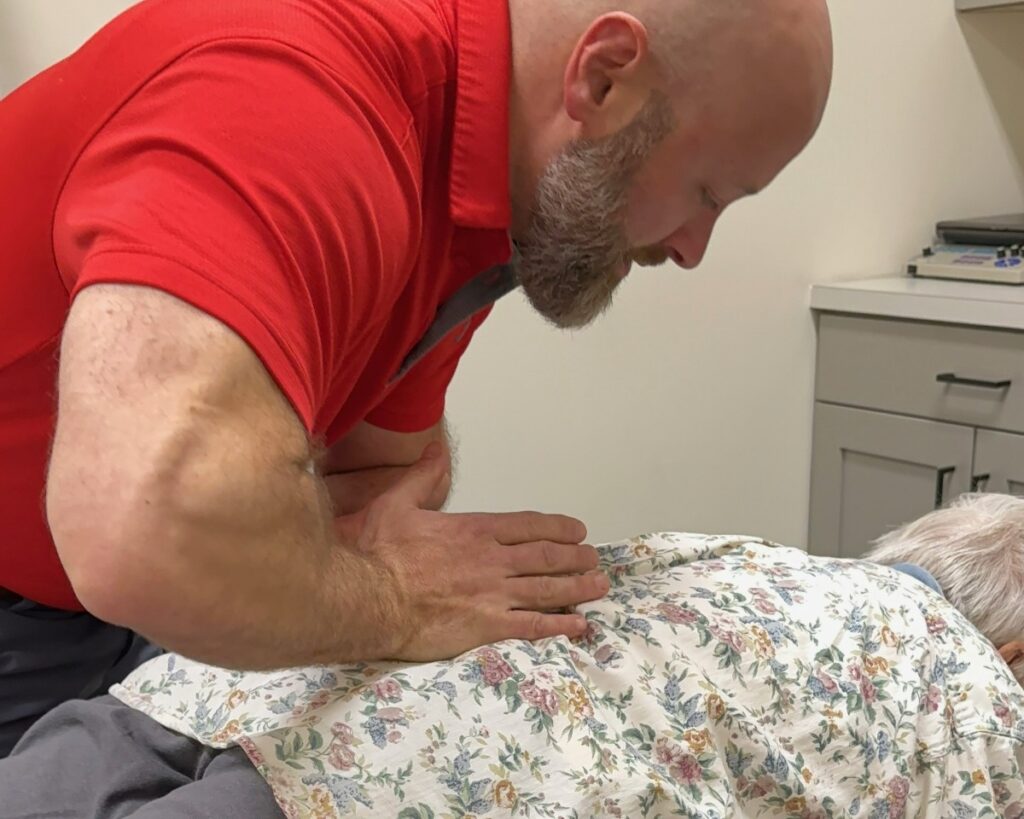
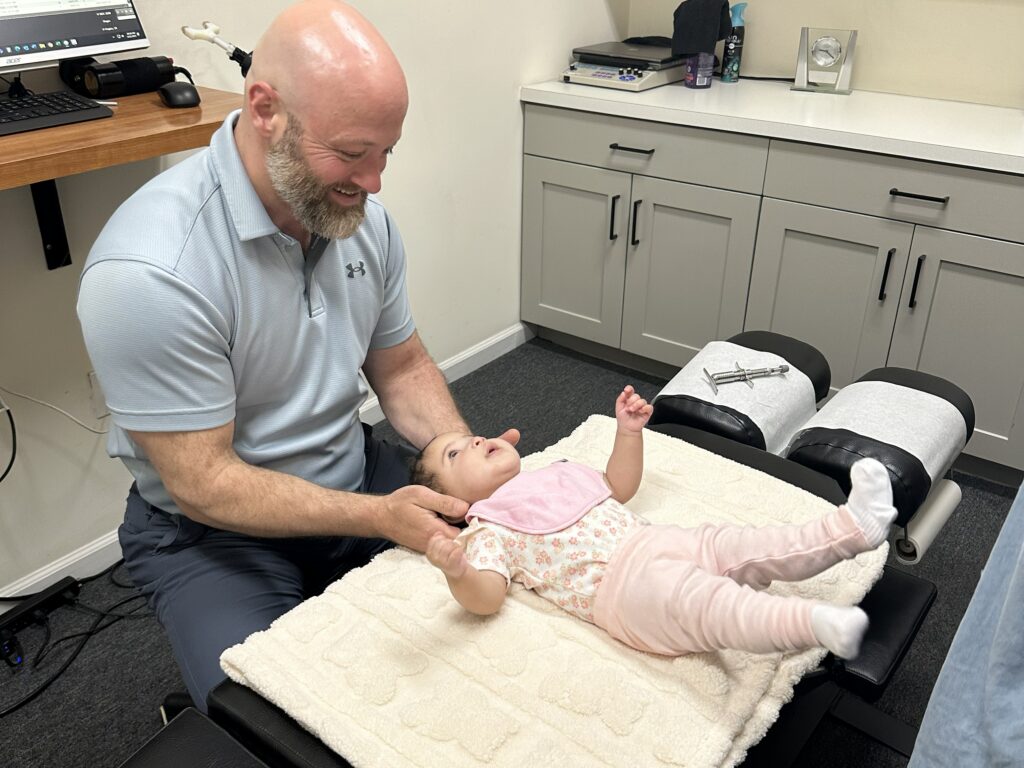
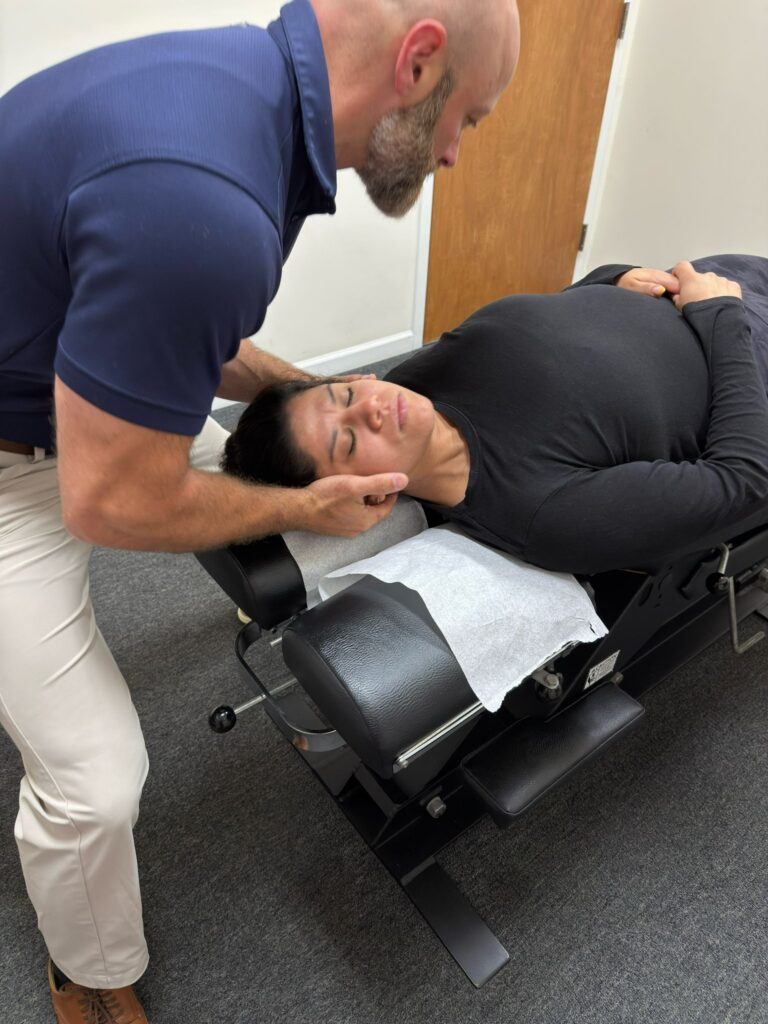
Chiropractic adjustments are an exceptional way to manage low back pain naturally, providing targeted relief by realigning the spine and enhancing your overall function.
When you come in for a visit, I’ll carefully assess your posture, movement, and pain levels to create a personalized treatment plan just for you.
These adjustments can help reduce muscle tension, increase your mobility, and improve nerve function—key components for feeling your best.
Many patients report feeling immediate relief after an adjustment, which makes chiropractic care a highly effective option for pain management.
Additionally, regular chiropractic sessions can help prevent future issues by keeping your spine healthy and aligned.
This proactive approach to health not only addresses current discomfort but also promotes long-term wellness.
If you’re seeking a natural and holistic way to manage low back pain, consider making chiropractic adjustments a part of your routine.
It could be the key to regaining your comfort and mobility.
Here are some simple tips to complement your chiropractic care:
- Stay Active: Gentle exercises and stretches can keep your back strong and flexible.
- Maintain Good Posture: Be mindful of your posture, especially when sitting or standing for long periods.
- Listen to Your Body: Pay attention to any discomfort and consult with your chiropractor if you notice any changes.
- Stay Hydrated: Drinking plenty of water can help keep your spinal discs healthy.
Expert Recommendations for Safe Stretching Practices
When it comes to alleviating low back pain, proper stretching techniques are crucial for preventing injury and improving your overall wellness. As a chiropractor, I want to share some effective and safe stretching practices that can help you feel better while also emphasizing the benefits of chiropractic care.
First, always start with a gentle warm-up for your muscles. Spend about 5 to 10 minutes engaging in light activities like walking or simple movements to get your blood flowing. This prepares your body for stretching and helps reduce the risk of injury.
Next, focus on gentle stretches that specifically target your lower back, hips, and hamstrings. It’s important to avoid bouncing or forcing any stretch. Instead, hold each position for 15 to 30 seconds. Pay attention to how your body feels—if you experience any pain, it’s a sign to stop. Always strive to maintain a neutral spine during your stretches, as this protects your back and promotes better alignment.
Incorporating deep breathing into your routine can also enhance relaxation while you stretch. This not only helps your body but also calms your mind, creating a more effective stretching experience.
Remember, while these tips can be very helpful, consulting a chiropractor can provide you with personalized guidance and ensure that you’re performing stretches correctly. Chiropractic care is a holistic approach to health that focuses on natural healing and optimal body function. By working with a chiropractor, you can tailor a stretching routine specific to your needs, which can enhance your recovery process and overall flexibility.
Conclusion
In summary, while stretching can provide relief for low back pain, it’s crucial to approach it with care. Remember, not all stretches are suitable for everyone, and some may even worsen certain conditions. Always pay attention to how your body feels, steering clear of any movements that cause discomfort.
As a chiropractor, I recommend considering a tailored stretching routine that aligns with your individual needs. This can help you effectively manage pain and enhance your mobility. Additionally, incorporating chiropractic care into your wellness regimen can be an excellent way to address the root causes of low back pain.
Chiropractic adjustments not only promote spinal health but also improve overall function, which can help you experience greater relief and wellness. Think of your spine as the foundation of your body—keeping it aligned and healthy is essential for optimal performance.
For those looking for ways to relieve their low back discomfort, here are some general tips:
- Focus on Gentle Stretches: Incorporate gentle stretches that target the lower back, hips, and hamstrings. Simple movements like the cat-cow stretch or child’s pose can help alleviate tension.
- Stay Active: Regular, low-impact activities like walking or swimming can keep your back strong and flexible.
- Practice Good Posture: Be mindful of your posture while sitting, standing, and lifting. Good alignment can significantly reduce strain on your back.
- Listen to Your Body: If a stretch doesn’t feel right, don’t push through the pain. Instead, consult with a chiropractor for personalized guidance.
- Consider Chiropractic Care: Regular visits to a chiropractor can help maintain spinal alignment, reduce pain, and improve your overall health.
By embracing these practices and prioritizing chiropractic care, you can pave the way for a healthier, pain-free life.