
You may not realize it, but that comfy couch and the adorable cat curled up on your lap could be playing a significant role in your back pain. When you sink into those soft cushions and slouch, it can disrupt your posture and lead to discomfort over time. However, there are simple adjustments you can make to alleviate that pain and improve your overall health.
Let’s take a closer look at how your sitting habits and furry companions affect your spine, and learn some valuable tips to help you feel better.
- Posture Matters: When you sit on your couch, try to maintain a neutral spine position. Consider using a small cushion or lumbar support to help keep your back aligned. This can significantly reduce strain on your spine.
- Take Breaks: If you tend to spend long hours sitting, make sure to get up and stretch every 30 minutes. Gentle stretches can help relieve tension in your back and improve circulation.
- Engage Your Core: Strengthening your core muscles can provide better support for your spine. Simple exercises like planks or seated abdominal twists can make a difference in your stability.
- Cat Cuddles with Care: While snuggling with your cat is enjoyable, be mindful of your posture while doing so. Try to sit upright or use a supportive chair to prevent slouching.
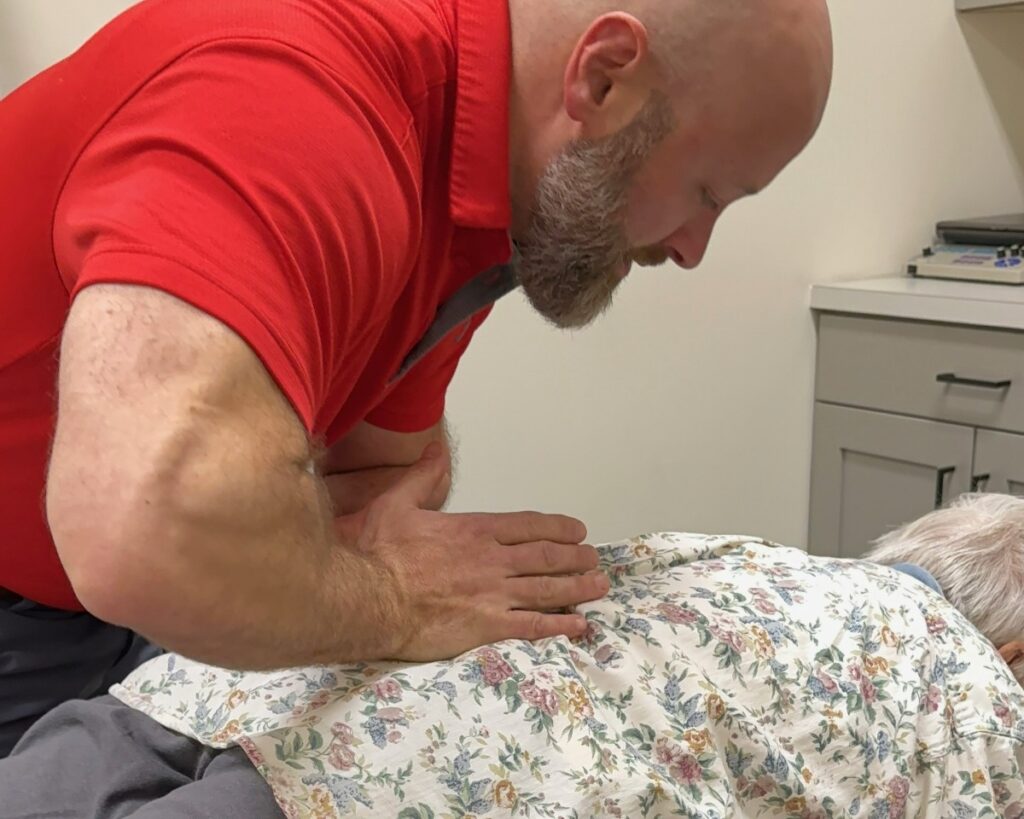
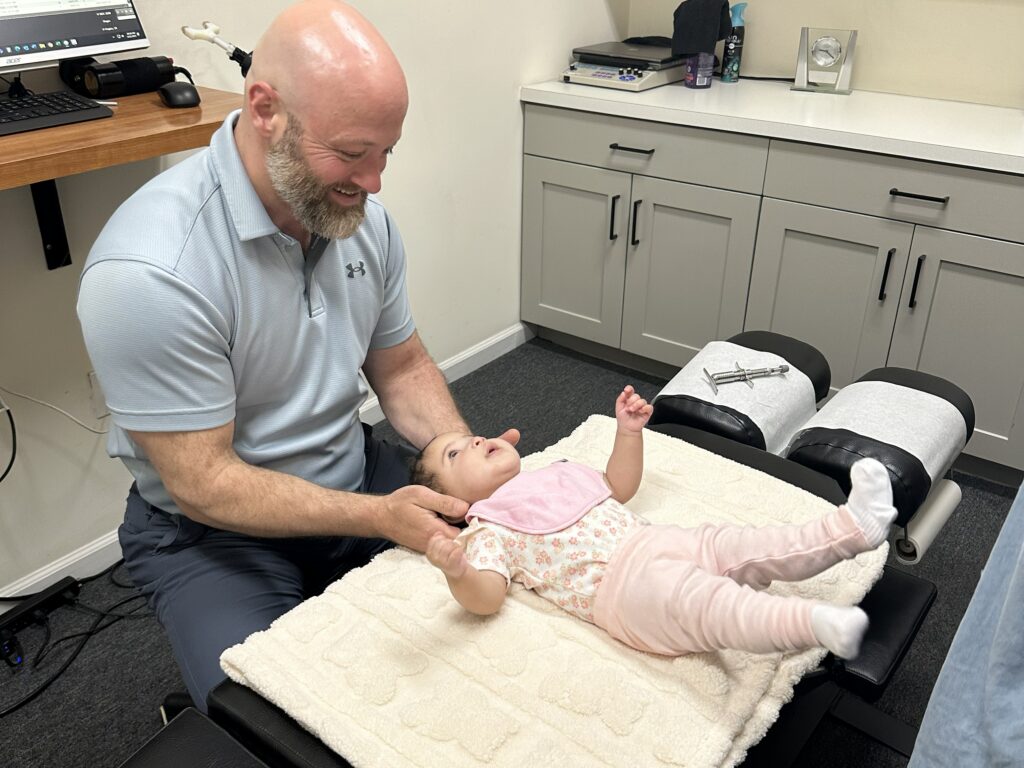
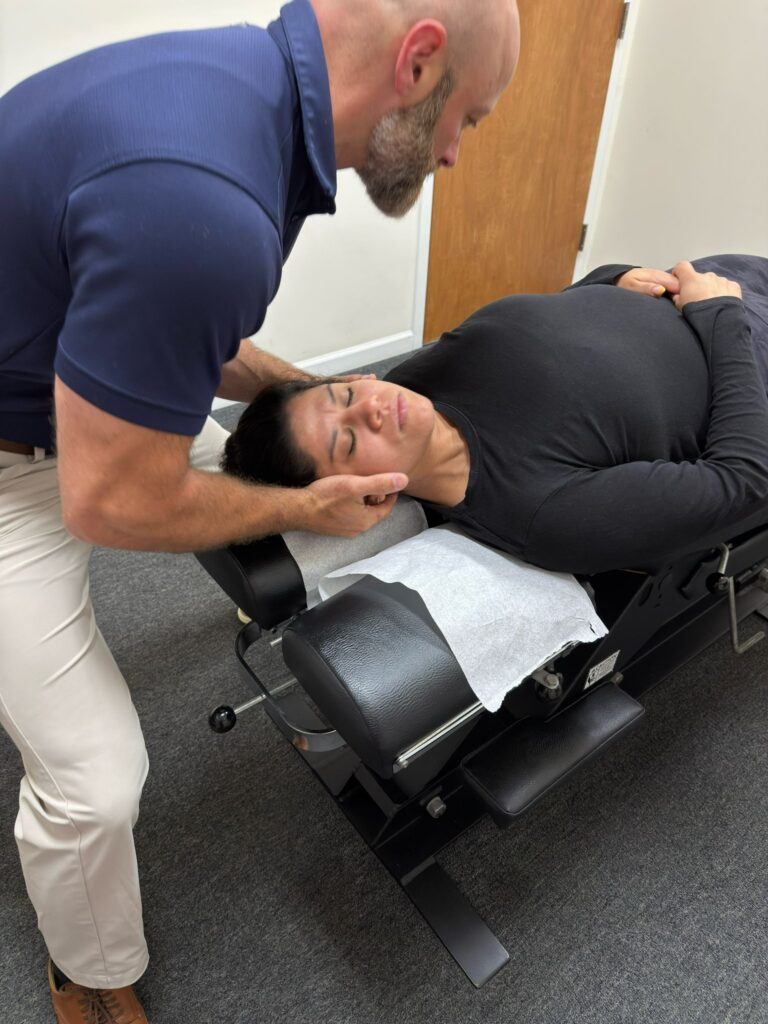
- Chiropractic Care: Regular chiropractic adjustments can help maintain proper spinal alignment and alleviate pain. A chiropractor can provide personalized care tailored to your needs, helping you achieve optimal health naturally.
By making these small changes and considering chiropractic care, you can take proactive steps toward reducing your back pain and enhancing your overall well-being. Remember, a healthy spine is crucial for a healthy life!
Key Takeaways
Back Pain: Blame Your Couch and Your Cat
As a local chiropractor, I often see patients struggling with back pain, which can sometimes be traced back to their seating habits at home. One common culprit is that soft, cozy couch we all love to sink into. While it feels comfortable, sitting on a soft couch can lead to poor posture over time, causing spinal misalignment and contributing to back pain.
Another factor to consider is our furry friends – our cats. They love to curl up right next to us, prompting us to adjust our seating position frequently. This can disrupt our natural alignment, leading to slouching and tension in the back.
Prolonged sitting, especially on couches that lack proper support, can also restrict circulation. When blood flow is limited, it can lead to muscle fatigue and stiffness in the back. So, what can you do to help alleviate this discomfort?
Here are a few simple tips:
- Create a Cozy Spot for Your Cat: Designating a specific area for your cat can help minimize the need for you to twist and lean uncomfortably. This will allow you to maintain better posture while sitting.
- Mind Your Posture: When sitting, try to keep your back straight and shoulders relaxed. Use cushions or lumbar supports to help maintain the natural curve of your spine.
- Take Breaks: It’s essential to get up and move around periodically. Even a few minutes of stretching or walking can help improve circulation and relieve tension in your back.
- Consider Chiropractic Care: Regular chiropractic adjustments can be a fantastic way to alleviate back pain and restore proper spinal alignment. Chiropractic care focuses on natural healing and can help address the issues caused by poor sitting habits and accommodating our pets.
By implementing these tips and considering chiropractic care, you can take proactive steps toward better spinal health and overall wellness. Remember, your back deserves the best care possible!
Understanding the Link Between Posture and Back Pain
When you slouch or sit for extended periods, it’s easy to overlook how significantly your posture impacts your back health. Poor posture can place undue pressure on your spine and the surrounding muscles, which may lead to chronic pain and discomfort. For instance, hunching over a computer or sinking into a couch can disrupt your spine’s natural curvature, potentially resulting in misalignment. This misalignment can lead to muscle fatigue and tension, making it difficult to find a comfortable position.
To enhance your posture and support your back health, start by sitting up straight, keeping your shoulders back, and ensuring your feet are flat on the ground. Investing in ergonomic furniture designed to support your spine’s natural curve can make a big difference. Remember to take regular breaks to stretch and move around; this helps alleviate the strain caused by prolonged sitting.
In addition to these tips, consider incorporating chiropractic care into your wellness routine. Chiropractors specialize in spinal health and can help correct misalignments, relieve pain, and promote overall wellness naturally. With regular chiropractic adjustments, you can maintain proper alignment, reduce your risk of back pain, and enhance your overall health. By being mindful of your posture and taking proactive steps, you can significantly improve your well-being and support your spine.
The Couch: A Comfort or a Curse?
Couches can be your go-to spot to relax after a long day, but they can also be a hidden source of back pain if they’re not supportive enough. When you sink into those soft cushions, you may feel cozy, but if your couch doesn’t provide the right support, it can lead to poor posture and discomfort. Over time, you might notice yourself slouching or leaning in ways that strain your back.
Take a moment to think about how you sit on your couch: are you curled up or leaning in a way that puts pressure on your spine? That initial comfort can quickly turn into a curse if your spine isn’t properly supported. You deserve a space that nurtures your body and promotes wellness, not one that contributes to aches and pains.
To help combat discomfort, regularly change your position while sitting, and incorporate gentle stretches to relieve tension. But perhaps the most important step is to assess your couch. Is it time for an upgrade? A good couch should hug your body comfortably while maintaining the natural alignment of your spine.
As a chiropractor, I encourage you to prioritize your spinal health. Simple adjustments in your seating habits and ensuring your couch supports your spine can make a significant difference. Remember, chiropractic care is an excellent way to maintain optimal health and address any pain you may be experiencing. By focusing on natural healing and wellness, you can enjoy your relaxation time without the worry of back pain. Prioritizing your comfort and spinal alignment will lead you towards a healthier, happier life!
The Importance of Ergonomic Seating
In today’s fast-paced world, many of us find ourselves sitting at desks or in front of screens for extended periods. This sedentary lifestyle can take a toll on our spinal health, making ergonomic seating not just a luxury, but a necessity. As a chiropractor, I want to emphasize the importance of choosing the right chair to support your body properly. Good ergonomic chairs are designed to support your lower back, promote proper posture, and reduce strain on your spine—key factors in preventing discomfort and pain.
When selecting a chair, it’s crucial to ensure it fits your body correctly. This means adjusting the height so your feet rest flat on the floor and your knees form a right angle. Additionally, the backrest should support the natural curve of your spine, allowing you to maintain a healthy posture. These adjustments help distribute your weight evenly, minimizing pressure points that can lead to discomfort.
Incorporating ergonomic seating into your daily routine can significantly enhance your comfort and productivity. However, it’s essential to remember that while a good chair is important, it’s not a substitute for regular chiropractic care. Chiropractic adjustments can help align your spine, alleviate pain, and promote overall wellness. By combining the benefits of ergonomic seating with chiropractic care, you can take a proactive approach to your health.
Here are some general tips to help you maintain spinal health throughout your day:
- Take Breaks: Stand up, stretch, and move around every hour to keep your muscles active.
- Be Mindful of Your Posture: Sit back in your chair, with your shoulders relaxed and your ears aligned with your shoulders.
- Stay Hydrated: Drinking water helps maintain the elasticity of the discs in your spine.
- Exercise Regularly: Incorporate exercises that strengthen your core and back muscles, as they play a crucial role in supporting your spine.
How Cats Affect Your Sitting Position
As a chiropractor, I can’t stress enough the importance of ergonomic seating for maintaining good posture and overall spinal health. However, if you’re a proud cat owner, you might find that your furry companion influences your sitting position more than you realize. Cats have a knack for cozying up in our laps or on our chairs, and while it’s adorable, it can lead to some unintended consequences for your spine.
When your cat snuggles up next to you, you might instinctively twist your body or shift your weight to accommodate them. This common adjustment can disrupt your natural alignment and lead to slouching or leaning, which over time can create tension and discomfort in your back. As a chiropractor, I see many patients who unknowingly develop pain due to these small but frequent changes in posture.
To combat this, consider creating a designated cozy area for your cat nearby. This way, they can still be close to you without forcing you to compromise your sitting position. Maintaining a straight back, keeping your shoulders relaxed, and ensuring your feet are flat on the ground are all essential for proper posture.
In addition to mindful sitting, regular chiropractic care can help alleviate any tension or discomfort caused by these postural changes. Chiropractic adjustments can restore your spine’s natural alignment, promoting better overall health and wellness. Remember, your spine is the foundation of your body, and taking care of it’s essential for a pain-free life.
Common Sitting Mistakes and Their Consequences
As a chiropractor, I want to share how your sitting habits can significantly affect your back health. Many people don’t realize that common sitting mistakes can lead to chronic pain, discomfort, and long-term damage to your spine. Habits like slouching, crossing your legs, or sitting for extended periods without breaks may seem harmless, but they can put strain on your spine and muscles.
Here’s a simple breakdown of common mistakes and their consequences:
| Common Mistakes | Consequences |
|---|---|
| Slouching | Puts increased pressure on your spinal discs, leading to discomfort. |
| Crossing legs | Can create uneven alignment in your hips, which may lead to pain. |
| Leaning forward | Often results in neck strain, causing headaches and discomfort. |
| Sitting too long | Leads to muscle fatigue, making it harder to maintain good posture. |
| Poor chair support | Can cause lower back pain, as your spine isn’t properly supported. |
Recognizing these habits is the first step toward improvement. Here are some tips to help you maintain good posture and improve your back health:
- Sit Up Straight: Keep your back straight and shoulders relaxed. This helps distribute your weight evenly.
- Take Breaks: Stand up and move around every 30 minutes. This promotes circulation and reduces muscle fatigue.
- Use Supportive Chairs: Invest in a chair that offers good lumbar support to keep your spine aligned.
- Feet on the Ground: Keep your feet flat on the floor or use a footrest to maintain proper alignment.
- Mind Your Screen Height: Position your computer screen at eye level to avoid leaning forward or straining your neck.
Tips for Creating a Back-Friendly Living Space
Creating a back-friendly living space is essential for maintaining good posture and overall comfort, which is crucial for your spinal health. As a chiropractor, I want to share some practical tips to help you create a supportive environment that promotes wellness and alleviates discomfort.
Start by selecting ergonomic furniture that provides the right support for your spine. Look for a chair with excellent lumbar support and a desk that’s at the appropriate height for your body.
When you sit, remember to keep your feet flat on the floor and your knees bent at a 90-degree angle. This position helps reduce strain on your back.
Next, it’s important to arrange your workspace in a way that minimizes strain. Position your computer screen at eye level to avoid hunching over, which can lead to discomfort in your neck and back. Keep frequently used items within easy reach to prevent awkward stretching or bending.
Don’t forget about your relaxation areas! Choose a supportive couch or chair that encourages good posture. If you like to lounge, consider using cushions or lumbar rolls for added support. These small adjustments can make a big difference in how your back feels.
Finally, maintaining a clutter-free living space is vital. A tidy environment not only promotes movement and accessibility, but it also helps you stay organized and reduces stress, which can contribute to tension in your body.
By implementing these tips, you’ll create a more comfortable living space that supports your back health. Remember, chiropractic care is an excellent way to complement these changes and achieve optimal health. Regular adjustments can help alleviate pain, improve posture, and enhance your overall well-being.
Make these simple changes today and take a step towards a healthier, pain-free life!
Exercises to Alleviate Back Pain
To alleviate back pain effectively, incorporating targeted exercises into your routine can make a significant difference, and it’s important to remember that chiropractic care can be an essential part of your wellness journey.
Start with gentle stretches like the cat-cow or child’s pose, which help improve flexibility and relieve tension in your back. These movements can complement the adjustments you receive during your chiropractic visits, enhancing your overall spinal health.
Strengthening your core is vital for supporting your spine. Exercises like planks and bridges are excellent choices as they stabilize your back during daily activities. A strong core not only helps with pain relief but also supports the work your chiropractor does to keep your spine aligned.
Don’t overlook the importance of your hips! Tight hip flexors can contribute to back pain, so make sure to include hip flexor stretches and glute bridges in your routine. These exercises can help alleviate tension and enhance your mobility, making it easier to maintain a healthy posture throughout the day.
Consistency is key for all these exercises. Aim to perform them a few times a week, gradually increasing the duration and intensity as you become stronger. Always listen to your body; if something doesn’t feel right, it’s best to stop and consult your chiropractor for guidance.
Before starting any new exercise program, especially if you’re experiencing severe back pain, it’s crucial to seek advice from a healthcare professional who understands the spine, like a chiropractor. With a little dedication and the right support, you can find relief from back pain while also enhancing your overall strength and mobility.
Embracing Better Habits for Long-Term Relief
To achieve long-term relief from back pain, it’s essential to embrace better habits that focus on posture and movement, and chiropractic care can play a vital role in this journey.
Start by being mindful of your posture throughout the day; good posture can significantly reduce strain on your spine. Regular chiropractic adjustments can help align your spine properly, making it easier for you to maintain good posture naturally.
Incorporating regular stretching into your routine is another key component. Gentle stretches can relieve tension in your muscles and promote flexibility, which is essential for a healthy back. A chiropractor can guide you on the best stretches for your specific needs and help you develop a personalized plan.
Additionally, consider the ergonomics of your workspace. Ensuring that your chair and desk are set up to support your spine can prevent discomfort and promote better posture. Remember, these simple changes, combined with regular chiropractic care, can lead to significant improvements in how you feel over time.
Chiropractic care not only addresses pain but also focuses on the overall health of your spine and nervous system, leading to better wellness and vitality.
Posture Awareness Techniques
Regularly practicing posture awareness techniques can significantly alleviate back pain and contribute to long-term wellness. As a chiropractor, I believe that maintaining proper posture is essential for spinal health. Start by being mindful of your alignment throughout the day. When sitting, ensure your back is straight, your shoulders are relaxed, and your feet are flat on the floor. If you’re standing, distribute your weight evenly on both feet and engage your core muscles to support your spine.
To help you remember to check your posture, use simple reminders like sticky notes or phone alerts. An ergonomic workspace is also crucial—position your screen at eye level and use a chair that provides good support for your lower back. When walking, imagine a string gently pulling you upright from the top of your head, which can help you maintain a tall and aligned posture.
By consistently applying these techniques and being mindful of your posture, you’ll not only develop better habits but also support your spine’s health naturally. Remember, chiropractic care can play a vital role in your journey to optimal health, helping you manage pain and enhance your overall well-being. Regular adjustments can further promote proper alignment and support your body’s natural healing processes.
Embrace these tips for a healthier back and a happier life!
Stretching and Movement Routines
Incorporating stretching and movement routines into your daily life is essential for enhancing your back health and achieving long-term relief from pain.
As a chiropractor, I often recommend starting with simple stretches like the cat-cow or child’s pose. These gentle movements can significantly improve your flexibility and reduce tension in your back.
Aim for short sessions throughout the day—just five to ten minutes can make a world of difference. Consistency is key! By making these stretches a regular part of your routine, you’ll be taking a proactive step toward a healthier spine.
In addition to stretching, engaging in activities like walking, swimming, or yoga can promote mobility without putting stress on your back. These exercises not only help with flexibility but also support overall wellness.
It’s also important to focus on strengthening your core. A strong core is vital, as it provides support for your spine, helping to alleviate pain and prevent future issues.
Always listen to your body. If something doesn’t feel right, it’s important to adjust or stop. Your body knows best!
Remember, chiropractic care is an excellent option for addressing pain and enhancing your wellness naturally. By embracing these habits and considering regular chiropractic adjustments, you can’t only relieve existing pain but also prevent future discomfort, keeping your back healthy and strong.
So, take these simple tips to heart: stretch regularly, stay active, and consider chiropractic care for a holistic approach to your health.
Your back will thank you!
Conclusion
To keep your back pain at bay, it’s important to take a proactive approach to your spinal health. Start by being mindful of your posture throughout the day—proper alignment can make a world of difference. Investing in ergonomic seating can also support your spine while you work or relax.
Enhancing your living space to be more back-friendly is key. Consider the height of your furniture and how it impacts your sitting position. And if you have a cat that loves to curl up on your lap, be mindful of how that might affect your posture. Adjust your seating to accommodate both your furry friend and your back’s needs.
Incorporating regular stretching and strengthening exercises for your core and hip muscles can help support your spine and improve your overall well-being. Simple activities like gentle stretches or yoga can go a long way in keeping your back healthy.
Lastly, don’t underestimate the benefits of chiropractic care. Regular adjustments can help align your spine and relieve tension, promoting natural healing and overall wellness. By adopting these habits and considering chiropractic care, you can enjoy comfort and maintain your spine’s health without relying on medications or surgeries. Your back will truly thank you!