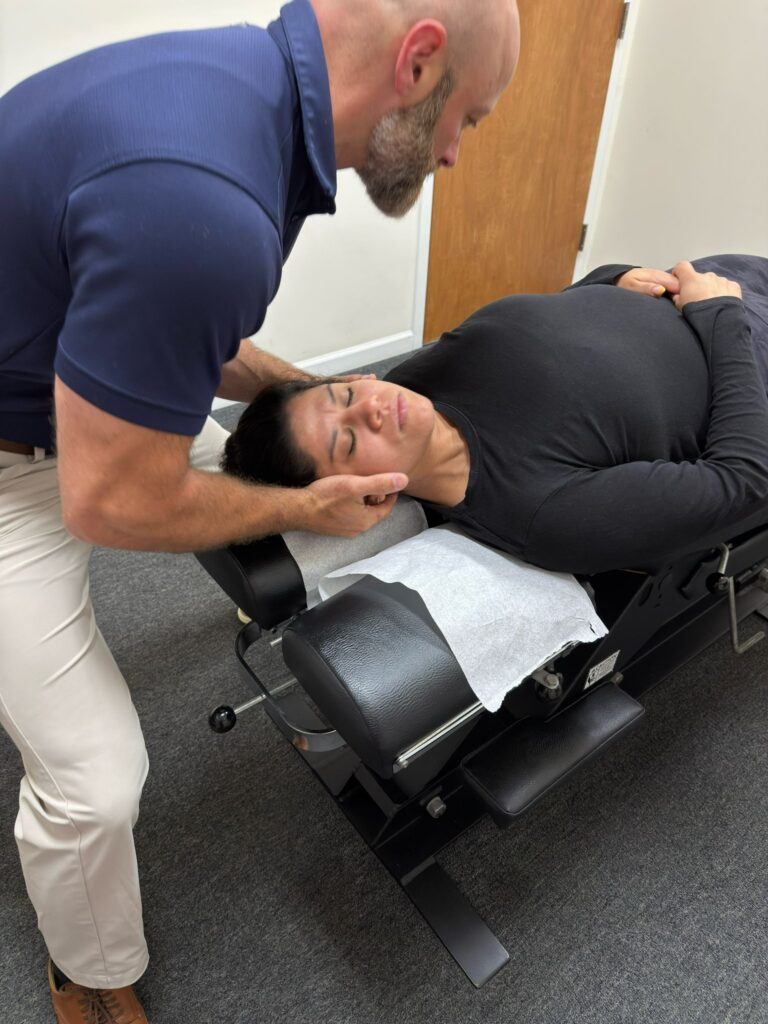

If you experience migraines, you’re likely familiar with how they can disrupt your daily life. Fortunately, there are natural treatments that can help ease your pain and even lessen the frequency of your migraines. As a chiropractor, I believe in a holistic approach to health, and chiropractic care can play a crucial role in managing migraines by aligning the spine and improving nervous system function.
In addition to chiropractic adjustments, there are other effective natural remedies you can explore. Here are seven treatments that may enhance your well-being and help you find relief:
- Chiropractic Care: Regular adjustments can help correct misalignments in your spine that may contribute to migraine triggers. By ensuring proper spinal alignment, you can alleviate tension and improve overall nervous system function.
- Essential Oils: Aromatherapy can be beneficial. Lavender and peppermint oils, for example, may help reduce headache intensity. Simply inhaling the scent or applying diluted oil to your temples can offer comfort.
- Dietary Adjustments: Paying attention to what you eat can make a difference. Keeping a food diary can help you identify potential triggers. Aim for a balanced diet rich in whole foods, as this can support your overall health and potentially minimize migraine occurrences.
- Hydration: Staying well-hydrated is essential. Dehydration can trigger migraines, so make sure you’re drinking enough water throughout the day.
- Regular Exercise: Physical activity can reduce stress, a common migraine trigger. Incorporating regular exercise into your routine can help improve your mood and overall health, which may lead to fewer migraines.
- Stress Management: Techniques such as meditation, deep breathing exercises, and mindfulness can help manage stress levels. Reducing stress can be a key factor in preventing migraine attacks.
- Sleep Hygiene: Ensure you’re getting enough quality sleep. Establishing a regular sleep schedule and creating a calming bedtime routine can help improve your sleep quality and reduce migraine frequency.
By incorporating these natural treatments into your routine and considering chiropractic care as a foundational approach to your health, you can take proactive steps towards managing migraines effectively. Remember, it’s essential to listen to your body and consult with a healthcare professional to find the best strategies for you. Your journey to wellness starts with small, consistent changes!
Key Takeaways
When it comes to finding relief from migraines, chiropractic care stands out as a natural and effective option. Here are some of the best ways to manage migraines while enhancing your overall wellness:
- Chiropractic Adjustments: Regular chiropractic adjustments can help align your spine, improving blood flow and reducing nerve interference. This not only helps alleviate migraine symptoms but also works to lower the frequency of future attacks. By ensuring your spine is in proper alignment, you’re supporting your entire nervous system, which is crucial for optimal health.
- Essential Oils: While chiropractic care is key, complementary practices like using essential oils can be beneficial. Oils such as lavender and peppermint can promote relaxation and provide a soothing effect when applied to your temples during a migraine. These natural remedies can enhance your chiropractic treatment by promoting a calm and healing environment.
- Herbal Remedies: Incorporating herbal treatments like feverfew and ginger can support your body’s natural healing processes. These herbs have anti-inflammatory properties that may help reduce migraine discomfort. Always discuss any herbal supplements with your chiropractor to ensure they’re right for you.
- Diet and Hydration: Keeping a food diary can help you identify potential triggers for your migraines. A diet rich in whole foods, along with proper hydration, can significantly minimize migraine occurrences. Your chiropractor can offer guidance on dietary choices that promote spinal health and overall wellness.
- Mindfulness and Exercise: Engaging in mindfulness techniques such as meditation and practicing regular exercise can greatly enhance your well-being. These practices promote relaxation, improve circulation, and help manage stress, which can be beneficial in reducing migraine symptoms. Plus, they pair well with the benefits of chiropractic care, creating a comprehensive approach to your health.
By focusing on chiropractic care and integrating these natural techniques, you can take proactive steps towards managing your migraines and enhancing your overall health. Remember, your chiropractor is a valuable resource in your journey to wellness, so don’t hesitate to reach out for personalized advice and support.
Essential Oils for Migraine Relief
When you’re experiencing a migraine, finding relief can be a challenge, but there are natural methods that can help. As a chiropractor, I believe in the power of holistic approaches to health and wellness, and essential oils can play a supportive role in managing your discomfort alongside chiropractic care.
One of the most popular essential oils for migraine relief is lavender oil. Its calming properties can help reduce stress and promote relaxation, which are key factors in alleviating headache pain. You can try inhaling the soothing aroma directly or applying a diluted version to your temples to see if it eases your symptoms.
Peppermint oil is another fantastic option. It contains menthol, which may provide a cooling sensation that revitalizes your senses. By applying a diluted mixture to your forehead, you can potentially create a refreshing feeling that helps ease headache discomfort.
Eucalyptus oil can also be beneficial, especially if you experience sinus pressure with your migraines. Its natural anti-inflammatory properties might aid in clearing sinuses and making breathing easier, which can contribute to overall relief.
Incorporating these essential oils into your routine can enhance your wellness journey. You might consider diffusing them in your home or adding a few drops to a warm bath for added relaxation.
Remember, while essential oils can support your well-being, they work best in conjunction with regular chiropractic care, which targets the root causes of pain and promotes overall spinal health.
For optimal migraine relief, I encourage you to explore chiropractic adjustments as a key component in your wellness plan. By addressing any spinal misalignments, you can improve your body’s natural ability to heal itself and reduce the frequency and intensity of migraines.
Taking steps towards a healthier lifestyle, including regular chiropractic visits, can ultimately lead you to a more comfortable, pain-free life.
Herbal Remedies to Consider
When it comes to finding relief from migraines, many people turn to natural remedies, and as a chiropractor, I believe it’s important to explore all options for wellness. One herb that has shown promise in alleviating migraine symptoms is feverfew. This natural remedy has been recognized for its effectiveness in reducing the frequency and intensity of headaches.
In addition to feverfew, peppermint oil may prove beneficial. Applying it to your temples can provide a cooling sensation that helps soothe headache pain. Another great option is ginger, which has anti-inflammatory properties that can help ease discomfort. Incorporating these natural remedies into your routine can be a complementary approach to managing migraines.
However, it’s essential to remember that chiropractic care plays a vital role in overall health and wellness. Misalignments in the spine can often contribute to headache symptoms. By addressing these issues through chiropractic adjustments, you may find not only relief from migraines but also a pathway to improved overall health.
For those seeking holistic approaches to pain management, consider these tips:
- Stay hydrated: Dehydration can trigger headaches, so drink plenty of water throughout the day.
- Practice good posture: Poor posture can lead to tension in your neck and shoulders, which may exacerbate migraines.
- Manage stress: Techniques such as deep breathing, yoga, or regular chiropractic visits can help reduce stress levels, potentially minimizing migraine occurrences.
- Maintain a consistent sleep schedule: Quality sleep is crucial for overall health and can impact headache frequency.
Incorporating these strategies, along with natural remedies and chiropractic care, can significantly enhance your journey toward wellness.
If you’re experiencing persistent migraines, I encourage you to consult with a chiropractor to explore how spinal health can support your overall well-being.
Feverfew’s Efficacy and Use
Have you ever thought about how feverfew might help alleviate your migraines? This herb has been around for centuries, and some studies suggest it may help reduce the frequency and intensity of migraine attacks. Feverfew contains natural compounds that may help calm inflammation and relax blood vessels, which can be beneficial for easing migraine discomfort.
While feverfew can be found in capsules, tablets, or teas, I encourage you to explore natural approaches first—like chiropractic care. Chiropractors focus on aligning the spine and improving overall body function, which can play a crucial role in managing migraines. When your spine is aligned, it helps ensure that your nervous system is functioning optimally, potentially reducing the frequency of migraines.
If you do decide to try feverfew, it’s best to start with a low dose and gradually increase it, paying attention to how your body reacts. Be aware that some individuals might experience mild side effects such as stomach upset or mouth sores.
And remember, it’s always wise to speak with a healthcare professional before introducing any new remedies, especially if you’re pregnant, nursing, or currently taking other medications.
Alongside considering herbs like feverfew, maintaining a healthy lifestyle can go a long way in managing migraines. Regular chiropractic adjustments, staying hydrated, practicing stress-relief techniques, and ensuring you get enough sleep are all essential components of a holistic approach to wellness.
Peppermint Oil Application
Peppermint oil is a natural remedy that some people find helpful for migraine relief. Its menthol content can promote relaxation and enhance blood circulation, which may alleviate headache symptoms. However, while peppermint oil can provide some temporary comfort, it’s essential to remember that addressing the root cause of migraines is crucial for long-term health.
As a chiropractor, I encourage you to consider how spinal health plays a significant role in overall wellness, including headache management. Regular chiropractic adjustments can help align the spine, reduce tension in the nervous system, and may decrease the frequency and intensity of migraines.
If you choose to use peppermint oil, remember to dilute a few drops with a carrier oil, such as coconut or jojoba oil. Gently massaging this mixture onto your temples and the back of your neck may offer some relief. Additionally, inhaling the aroma directly from the bottle or through a diffuser can provide calming effects.
Before applying any essential oil, it’s wise to perform a patch test to avoid skin irritation.
Incorporating peppermint oil into your wellness routine can be beneficial, but don’t forget the importance of regular chiropractic care in achieving and maintaining optimal health. By focusing on spinal health, you can work towards a natural, holistic approach to managing migraines and enhancing your overall well-being.
Ginger’s Anti-Inflammatory Properties
Ginger’s anti-inflammatory properties make it a great natural ally for those seeking relief from migraines. As a chiropractor, I often emphasize the importance of natural healing methods, and ginger can be a beneficial addition to your wellness routine. Consuming ginger—whether in tea, capsules, or fresh slices—can help reduce inflammation in your body. This reduction in inflammation may lead to less intense and less frequent migraines.
Not only can ginger help with migraines, but it may also assist with nausea, which is a common symptom during these episodes. Feeling more comfortable during a migraine can make a significant difference in your overall well-being.
Incorporating ginger into your daily routine is easy! You can add it to smoothies, meals, or brew a soothing ginger tea. These small changes can contribute to a more holistic approach to managing pain and improving your health.
Remember, while ginger and other natural remedies can be helpful, the best way to achieve optimal health and pain relief is through chiropractic care. Chiropractic adjustments can help align your spine, which may improve overall function and reduce the frequency of migraines.
Always consult with your healthcare provider before starting any new treatment to ensure it’s a good fit for you. Prioritize your health and consider a visit to your chiropractor to explore how natural healing can enhance your quality of life.
Acupuncture and Acupressure
If you’re dealing with migraines and looking for effective relief, you might be exploring various options. While acupuncture and acupressure can help, it’s essential to consider chiropractic care as a holistic approach to managing pain and promoting overall wellness.
Chiropractic care focuses on the spine and nervous system, ensuring that your body functions optimally. By addressing misalignments and tension in the spine, chiropractors can help reduce the frequency and severity of migraines. Here’s how chiropractic care can benefit you:
| Technique | Benefits |
|---|---|
| Chiropractic Care | Alleviates nerve interference, enhances blood flow, promotes relaxation and balance. |
| Self-Care Tips | Incorporate stretching exercises, practice good posture, stay hydrated. |
Regular chiropractic adjustments can lead to significant improvements in your migraine symptoms. Many patients find that by maintaining a healthy spine, they not only reduce pain but also enhance their overall well-being.
In addition to chiropractic care, here are some general tips to help manage migraines effectively:
- Stay Hydrated: Dehydration can trigger migraines, so drink plenty of water throughout the day.
- Maintain a Healthy Diet: Eating balanced meals at regular intervals can help keep your energy levels stable.
- Practice Stress Management: Techniques like deep breathing, meditation, or yoga can help reduce stress, which is a common migraine trigger.
- Get Regular Exercise: Physical activity promotes better circulation and can help prevent migraines.
Dietary Adjustments for Prevention
Making dietary adjustments can significantly help reduce the frequency of migraines, particularly when you pinpoint and avoid specific triggers in your diet. A great starting point is to keep a food diary. This will allow you to track what you eat and when migraines occur, helping you identify any patterns. Common food triggers include aged cheeses, processed meats, chocolate, caffeine, and alcohol.
Once you recognize your personal triggers, consider eliminating or limiting them to see if your migraines lessen.
In addition to avoiding triggers, incorporating more whole foods into your diet can be beneficial. Focus on consuming a variety of fruits, vegetables, whole grains, and lean proteins. Staying well-hydrated is also crucial, so remember to drink plenty of water throughout the day. Regular meals can help stabilize blood sugar levels, which may reduce the risk of migraines.
Including omega-3 fatty acids found in fish, flaxseeds, and walnuts in your diet can have anti-inflammatory benefits that may be helpful for migraine sufferers.
While dietary changes are important, don’t forget the incredible benefits of chiropractic care. Regular chiropractic adjustments can help ensure that your nervous system is functioning optimally, which can play a role in overall wellness and may even help alleviate migraine-related pain.
Mindfulness and Stress Reduction Techniques
In addition to making dietary changes, incorporating mindfulness and stress reduction techniques can play a significant role in managing migraines. As a chiropractor, I believe that a holistic approach that includes both physical and mental well-being is essential for optimal health.
Start by practicing techniques such as deep breathing, meditation, or yoga. These methods not only help calm your mind and body but also encourage relaxation, which can reduce the tension often associated with migraines. Just a few minutes a day focusing on your breath or a soothing mantra can make a difference. As you become more comfortable, gradually increase the time you spend on these practices.
Mindfulness is particularly beneficial because it helps you stay present and aware of your surroundings, making it easier to identify stressors before they escalate. You might also consider journaling your thoughts and feelings. This can help you recognize patterns that could lead to migraines and allow you to address them proactively.
Additionally, setting aside time for self-care activities—things you genuinely enjoy—can significantly lower your stress levels. Remember, consistency is key; regularly engaging in mindfulness and relaxation techniques can build resilience against migraine triggers, giving you a better sense of control over your health.
As you explore these practices, don’t forget that chiropractic care can greatly support your journey to wellness. Regular chiropractic adjustments can help alleviate tension in your spine and improve your overall well-being, further aiding in migraine management.
Hydration and Its Impact on Migraines
Staying properly hydrated is essential for managing migraines, as even mild dehydration can lead to those painful symptoms many of us want to avoid. When your body is dehydrated, it can’t perform at its best, which can result in headaches or exacerbate migraine episodes. By ensuring you drink enough water throughout the day, you can significantly improve your overall well-being.
Here’s a simple hydration guide to help you stay on track:
| Time of Day | Recommended Intake | Tips |
|---|---|---|
| Morning | 2 cups | Start your day with a glass of water to kickstart your hydration. |
| Afternoon | 3 cups | Keep a water bottle close by to sip throughout the day. |
| Evening | 2 cups | Wind down with herbal tea, which can also be soothing. |
Listening to your body’s signals is crucial. If you feel thirsty, that’s your cue to drink! Maintaining regular hydration can greatly enhance how you feel and may help in reducing the frequency and intensity of your migraines.
In addition to staying hydrated, incorporating chiropractic care into your routine can provide a holistic approach to managing pain and enhancing your overall health. Chiropractic adjustments help ensure that your spine is aligned, which can improve your nervous system function and potentially reduce migraine triggers.
Regular Exercise and Physical Activity
Regular exercise can be a powerful ally in managing migraines, offering a wealth of benefits for both your body and mind. Activities like walking, yoga, or swimming not only enhance your overall health but can also significantly reduce the frequency and intensity of migraine attacks.
As a chiropractor, I believe incorporating physical activity into your routine can make a remarkable difference in your health journey.
When you engage in regular exercise, you promote better blood circulation and help alleviate muscle tension, which can be key contributors to migraines. Moreover, physical activity releases endorphins, the body’s natural painkillers, providing you with relief and a boost in mood.
Here are a few tips you can take away to maximize the benefits of exercise for migraine management:
- Start Slow: If you’re new to exercising, begin with low-impact activities like walking or gentle yoga. Gradually increase the intensity as your body adapts.
- Stay Hydrated: Dehydration can trigger migraines, so be sure to drink plenty of water before, during, and after your workouts.
- Consistency is Key: Aim for regular physical activity, even if it’s just a short walk each day. Consistent movement can help your body adjust and reduce migraine occurrences.
- Listen to Your Body: Pay attention to how your body responds to different exercises. If something doesn’t feel right or triggers a migraine, it’s best to modify your routine.
- Consider Chiropractic Care: Regular chiropractic adjustments can help align your spine and improve your overall nervous system function, which may further alleviate migraine symptoms.
By integrating these simple practices into your daily life, you can harness the power of exercise and chiropractic care to support your journey towards optimal health and natural wellness.
Benefits of Exercise
While you may not consider exercise as a solution for migraines, regular physical activity can significantly lower the frequency and severity of your headaches. Exercise releases endorphins, which act as natural pain relievers and mood boosters, helping to ease stress—a common migraine trigger. Additionally, it enhances blood circulation and promotes better sleep, both vital for managing migraines effectively.
As a chiropractor, I believe that a holistic approach to health is essential. Regular exercise can also strengthen your body’s resilience to pain and tension, making you less prone to migraine attacks. Establishing a consistent exercise routine provides structure and predictability, which can help reduce anxiety, a known factor in triggering migraines.
Incorporating physical activity into your daily life not only promotes overall health but also actively contributes to alleviating migraine symptoms. Remember, chiropractic care can complement your exercise routine by ensuring your spine and nervous system are functioning optimally, enhancing your body’s natural ability to heal and manage pain.
For those looking to reduce migraine occurrences, consider these simple tips:
- Aim for at least 30 minutes of moderate exercise most days of the week—walking, stretching, or yoga can be great options.
- Stay hydrated before, during, and after your workouts.
- Listen to your body—if you feel pain, adjust your activity level.
- Combine exercise with regular chiropractic adjustments to maintain spinal health and improve overall well-being.
Recommended Activities
Incorporating specific activities into your daily routine can make a world of difference when it comes to managing migraines. As a chiropractor, I believe that maintaining a healthy lifestyle is key to achieving optimal wellness. Regular exercise, such as walking or swimming, not only promotes physical health but also helps reduce the frequency and intensity of migraine attacks. Aim for at least 30 minutes of physical activity most days to keep your body and mind in balance.
Yoga and stretching are excellent ways to promote relaxation, alleviating the stress that often triggers migraines. By focusing on your body and breath, you can create a calming environment that supports your overall well-being.
Here are some recommended activities:
| Activity | Duration | Frequency |
|---|---|---|
| Walking | 30 mins | 5 times/week |
| Swimming | 30 mins | 3 times/week |
| Yoga | 30 mins | 2 times/week |
| Stretching | 15 mins | Daily |
Conclusion
Incorporating natural treatments into your daily routine can significantly help manage migraines, and as a chiropractor, I believe that chiropractic care is one of the most effective ways to achieve optimal health and pain relief. Alongside spinal adjustments, you can explore essential oils, herbal remedies, acupuncture, and mindful practices to support your wellness journey.
Don’t overlook the importance of staying hydrated and engaging in regular exercise, as these can be vital in preventing migraines. By taking proactive steps and tuning into your body’s signals, you can find relief and lessen the frequency of those painful episodes. Remember, consistent chiropractic care not only helps alleviate pain but also promotes overall well-being. Embrace these strategies and take charge of your health for a brighter, migraine-free future!