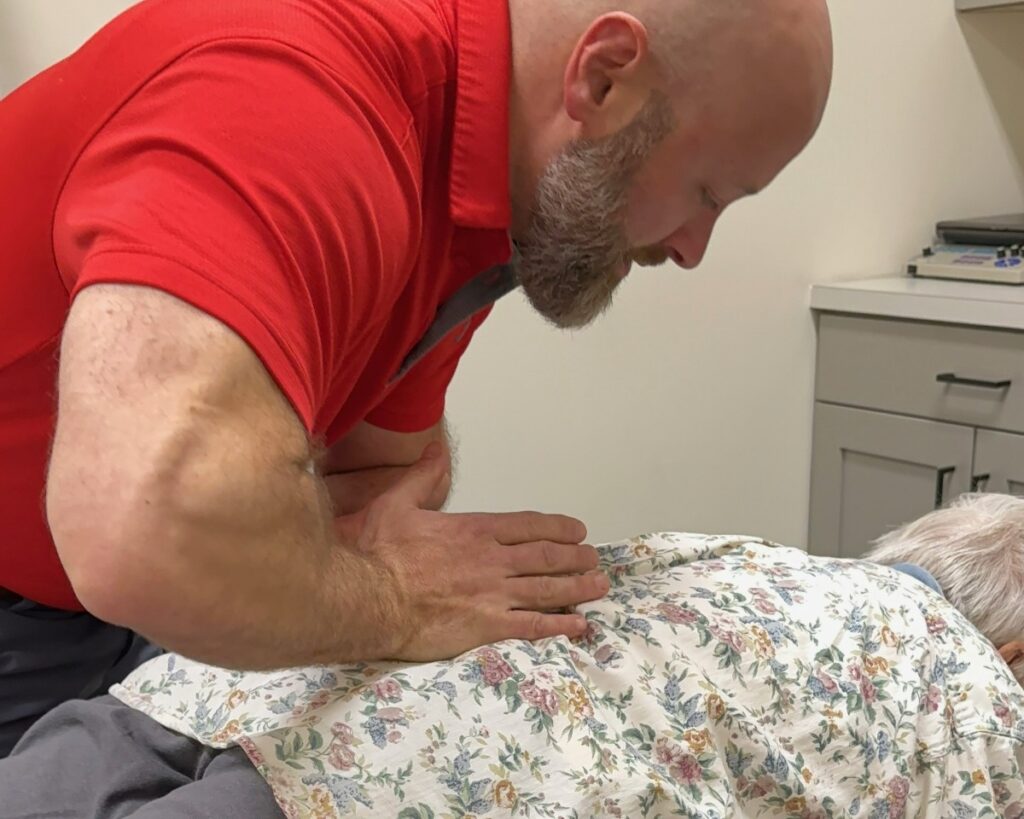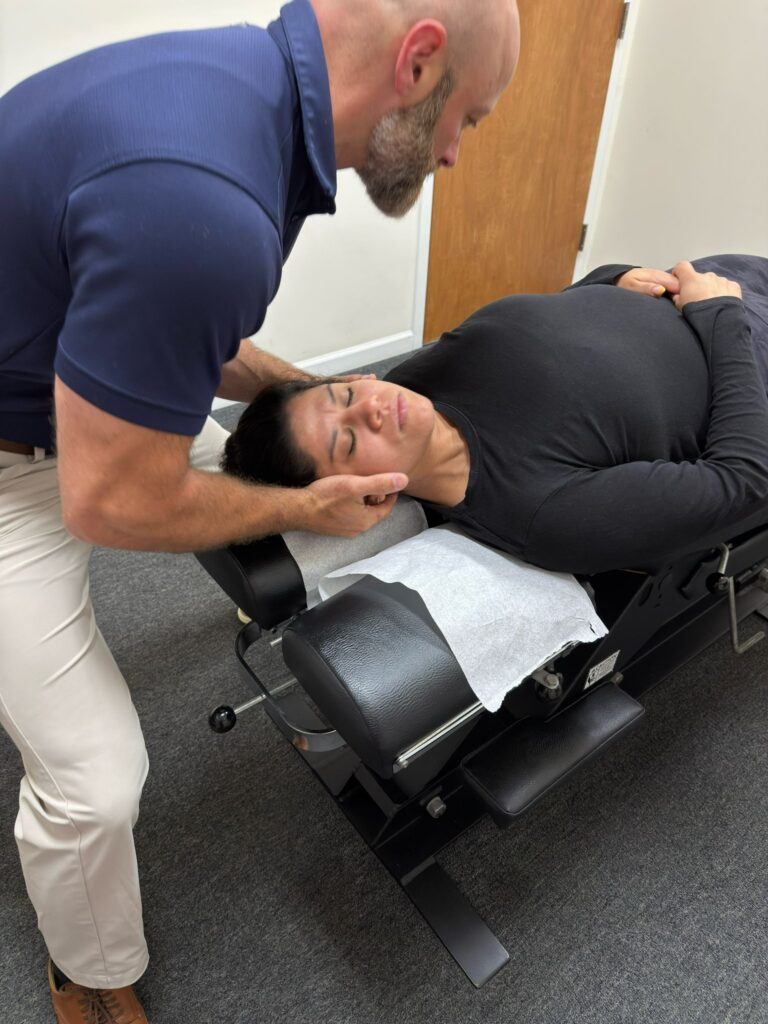

Headaches can be a real nuisance, and as a chiropractor, I want to share some natural ways to find relief that don’t involve medications or invasive procedures. You might be surprised at how simple adjustments to your daily routine can make a significant difference. From ensuring you stay hydrated to the benefits of spinal health, these methods can provide effective solutions for headache relief.
Let’s delve into the top ten strategies that can help alleviate headaches naturally while also promoting overall wellness:
- Stay Hydrated: Dehydration is a common trigger for headaches. Aim to drink plenty of water throughout the day to keep your body and spine healthy.
- Maintain Good Posture: Poor posture can lead to tension in your neck and shoulders, contributing to headaches. Being mindful of your posture—especially when sitting for long periods—can help alleviate discomfort.
- Regular Chiropractic Adjustments: Visiting your chiropractor can help ensure your spine is properly aligned, which may reduce headache frequency and intensity. Regular adjustments can promote better overall health and wellness.
- Incorporate Stretching and Exercise: Gentle stretching and regular physical activity can relieve tension in your muscles and improve circulation, both of which may help reduce headaches.
- Explore Essential Oils: Certain essential oils, like peppermint or lavender, can provide soothing relief when inhaled or applied topically. They can complement your chiropractic care by enhancing relaxation.
- Manage Stress: High-stress levels can contribute to headaches. Techniques such as deep breathing, meditation, or yoga can help you find calm and potentially reduce headache occurrences.
- Get Enough Sleep: Quality sleep is essential for overall health. Ensure you’re getting enough rest each night, as lack of sleep can lead to tension and headaches.
- Limit Screen Time: If you find yourself staring at screens for long periods, take regular breaks to reduce eye strain, which can lead to headaches. Remember to blink often and adjust your screen’s brightness.
- Eat Regularly: Skipping meals can cause blood sugar levels to drop, triggering headaches. Eating balanced meals at regular intervals can help keep your energy levels steady.
- Consider Natural Supplements: Some vitamins and minerals, like magnesium and riboflavin, may help in reducing headache frequency. Consult with your chiropractor or healthcare provider for personalized recommendations.
By integrating these simple strategies into your daily routine, you can work towards alleviating headaches naturally while also promoting your overall well-being. Remember, chiropractic care is a powerful tool in achieving optimal health and can support you in your journey to a headache-free life. If you’re struggling with headaches, don’t hesitate to reach out for a consultation to explore how chiropractic adjustments can benefit you.
Key Takeaways
- Staying well-hydrated is crucial for overall health and can help prevent headaches caused by dehydration. Aim to drink at least eight 8-ounce glasses of water each day to keep your body functioning optimally.
- Incorporating relaxation techniques such as deep breathing and mindfulness meditation can significantly reduce tension in your body. These practices promote calmness and can help alleviate headaches, making them a great complement to your chiropractic care.
- Essential oils like peppermint and lavender can provide natural headache relief. You can inhale these scents or apply them topically to your temples for soothing effects. Remember to consult with your chiropractor about how these oils can fit into your overall wellness plan.
- Using warm or cold compresses can effectively relieve headache pain. Warm compresses help relax tight muscles, while cold compresses can numb painful sensations. Consider discussing these methods with your chiropractor to integrate them into your pain management routine.
- Good posture and regular exercise are vital for maintaining a healthy spine, which can reduce the frequency of headaches. Engaging in chiropractic care can improve your spinal alignment, relieving tension and discomfort. Make sure to ask your chiropractor for specific exercises and tips tailored to your needs.
Stay Hydrated
Staying hydrated is crucial not just for your overall health, but also for preventing headaches, which can be a common issue for many. You might be surprised to learn that even mild dehydration can trigger headaches. Our bodies lose fluids throughout the day, especially when we’re active or during warm weather. If those fluids aren’t replenished, it can lead to discomfort and pain.
As a chiropractor, I recommend aiming to drink at least eight 8-ounce glasses of water daily, although individual needs can vary. It’s important to listen to your body. If you’re feeling thirsty or notice that your urine is darker than usual, these are clear signals that your body needs more hydration.
To encourage regular hydration, keep a water bottle within arm’s reach. This simple habit can lead to more frequent sipping throughout the day. Additionally, incorporating water-rich foods like fruits and vegetables into your diet can help boost your hydration levels and support your overall health.
If you tend to experience headaches, making hydration a priority can be a simple yet effective strategy to reduce their frequency. Remember, optimal hydration is a key part of maintaining your well-being, and when combined with regular chiropractic care, you can achieve a greater sense of balance and health in your life.
Staying well-hydrated, along with seeking chiropractic adjustments for proper spinal alignment, can help you lead a pain-free, healthier lifestyle.
Practice Relaxation Techniques
When you sense a headache coming on, one of the best natural approaches you can take is to practice relaxation techniques. Not only do these methods help reduce tension, but they also promote a sense of calm that can contribute to your overall wellness.
Deep breathing exercises and mindfulness meditation are excellent tools to incorporate into your daily routine. These practices not only help alleviate discomfort but can also enhance your body’s natural healing processes.
However, don’t forget the importance of maintaining a healthy spine! Regular chiropractic care can play a crucial role in preventing headaches by ensuring that your spine is properly aligned. Misalignments can lead to tension and pain, so scheduling regular visits with your chiropractor can help keep your body balanced and functioning optimally.
Here are a few simple tips you can try at home:
- Deep Breathing: Take a moment to sit comfortably, close your eyes, and focus on your breath. Inhale deeply through your nose, allowing your abdomen to expand, and then exhale slowly through your mouth. Repeat this for a few minutes to help release tension.
- Mindfulness Meditation: Find a quiet space, sit or lie down comfortably, and focus on the present moment. Acknowledge any thoughts or feelings that arise without judgment, and gently bring your focus back to your breath.
- Stay Hydrated: Dehydration can contribute to headaches, so make sure you’re drinking enough water throughout the day.
- Posture Awareness: Pay attention to your posture, especially if you spend long hours sitting. Good posture can reduce strain on your spine and help prevent headaches.
Remember, while relaxation techniques can be beneficial, regular chiropractic adjustments are key to maintaining a healthy spine and preventing headaches naturally.
Deep Breathing Exercises
Deep breathing exercises can be an excellent natural remedy for relieving headaches, especially when paired with the benefits of chiropractic care. By concentrating on your breath, you can help ease tension in your body and promote a state of relaxation, which is crucial for overall wellness.
Here’s a simple guide to get started:
- Find a comfortable position: Choose a quiet space where you can sit or lie down without interruptions. This will help you focus on your breathing and your body.
- Inhale deeply: Take a slow, deep breath in through your nose for a count of four. Allow your abdomen to rise as you fill your lungs completely with air.
- Exhale slowly: Gently breathe out through your mouth for a count of six. As you release your breath, visualize letting go of any tension or discomfort.
Repeat this breathing exercise for several minutes. As you focus on your breath, you’ll likely find that your body starts to relax, which can significantly help alleviate headaches.
Incorporating deep breathing exercises into your daily routine is a fantastic way to enhance your wellness journey.
Remember, regular visits to your chiropractor can further support your health by addressing spinal alignment and tension, which are often contributors to headaches.
Mindfulness Meditation Practices
Building on the calming effects of deep breathing, mindfulness meditation practices can be a wonderful complement to chiropractic care in alleviating headaches and promoting overall wellness. By focusing your attention and clearing away distractions, you create a mental space that encourages relaxation. This practice, combined with regular chiropractic adjustments, can enhance your body’s natural healing processes.
Start small with just a few minutes of mindfulness meditation each day, and as you get more comfortable, gradually increase the time. Here’s a simple guide of mindfulness techniques that can help you along your wellness journey:
| Technique | Duration |
|---|---|
| Body Scan | 5-10 min |
| Focused Breathing | 5 min |
| Mindful Observation | 10 min |
| Loving-Kindness Meditation | 15 min |
Incorporating these techniques into your daily routine can be beneficial for managing headache symptoms and enhancing your overall well-being. Remember, regular chiropractic care not only addresses the physical aspects of headache relief but also supports your mental and emotional health. By working together, mindfulness and chiropractic care can help you achieve optimal health and live a more vibrant life.
Use Essential Oils
Essential oils can be a wonderful addition to your wellness routine, especially when it comes to relieving headaches. As a chiropractor, I always emphasize the importance of holistic approaches to health, and essential oils can complement chiropractic care effectively.
When dealing with headaches, it’s essential to explore popular essential oils known for their soothing properties, such as peppermint, lavender, and eucalyptus. These oils not only have calming effects but can also help alleviate tension that may be contributing to your discomfort.
Here are some simple ways to use essential oils for headache relief:
- Inhalation: Add a few drops of your chosen essential oil to a bowl of hot water, lean over it with a towel over your head, and inhale deeply. This can open up your airways and provide immediate relief.
- Topical Application: Dilute essential oils with a carrier oil (like coconut or jojoba oil) and gently massage it onto your temples or the back of your neck. This can help relieve tension and promote relaxation. Always remember to perform a patch test first to avoid any skin irritation.
- Diffusion: Using a diffuser can spread the healing aroma throughout your space, creating a calming environment. This can be particularly helpful if your headaches are triggered by stress or environmental factors.
As with any natural remedy, it’s crucial to consider safety. Always use high-quality essential oils and consult with a healthcare professional if you have any underlying conditions or are pregnant.
In addition to using essential oils, I encourage my patients to focus on their spinal health, as misalignments can contribute to headaches. Regular chiropractic adjustments can help ensure proper alignment and relieve tension in the neck and upper back, potentially reducing headache frequency and severity.
Remember, taking care of your spine is a key component of achieving optimal health and wellness. Combining chiropractic care with essential oils can provide a powerful, natural approach to maintaining your well-being.
If you have any questions about how chiropractic care can support your health journey, feel free to reach out!
Popular Essential Oils
Aromatherapy can be a wonderful natural approach to easing headaches, and incorporating popular essential oils into your wellness routine can provide additional support on your journey to optimal health. Alongside your chiropractic care, consider these essential oils as helpful allies:
- Peppermint Oil: This oil is known for its cooling effect, which can help relax muscles and relieve tension. Applying diluted peppermint oil to your temples can create a soothing sensation that may complement the adjustments you receive in chiropractic care.
- Lavender Oil: Renowned for its calming properties, lavender can help reduce stress and promote relaxation. Since stress can often lead to tension headaches, incorporating lavender into your daily routine—whether through diffusing the oil or adding it to a warm bath—can enhance your overall sense of well-being.
- Eucalyptus Oil: If you experience headaches related to sinus issues, eucalyptus oil can be beneficial. It helps clear nasal passages, making it easier to breathe. This can be particularly useful in conjunction with chiropractic adjustments that aim to alleviate tension in the neck and upper back.
Incorporating these oils into your daily wellness routine can offer soothing relief from headaches. Remember, everyone’s body is unique, so it may take some experimentation to find which oils work best for your specific situation.
Additionally, maintaining a healthy lifestyle, including regular chiropractic care, staying hydrated, and practicing good posture, can further support your efforts in achieving optimal health.
As you explore these natural remedies, keep in mind that chiropractic care is a holistic approach that addresses the root causes of pain and discomfort. By focusing on spinal health and overall wellness, you can enhance your body’s ability to heal and function at its best.
Application Techniques
When it comes to finding relief from headaches, many people seek natural remedies, and essential oils can be a great addition to your wellness routine. As a chiropractor, I believe in supporting the body’s natural healing abilities, and using essential oils can complement your journey towards optimal health.
To start, choose a few drops of essential oil that resonates with you, such as peppermint or lavender. It’s important to dilute these oils with a carrier oil like coconut or jojoba oil to avoid skin irritation. After mixing, gently massage the oil blend into your temples, the back of your neck, and your forehead. This not only helps relieve tension but also promotes relaxation—an essential part of headache relief.
In addition to topical application, inhaling the aroma of essential oils can be beneficial. You can take a few deep breaths directly from the bottle, use a diffuser, or place a few drops on a cotton ball. Remember, everyone is unique, so it may take some experimentation to find the methods that work best for you.
While essential oils can provide relief, it’s also crucial to consider the underlying causes of headaches. Regular chiropractic care can help address spinal misalignments and tension that may contribute to headache pain. By maintaining proper alignment and supporting your nervous system, you can enhance your overall well-being and reduce the frequency of headaches.
Incorporating these natural techniques into your routine, along with chiropractic adjustments, can be a powerful way to achieve lasting relief and promote a healthier lifestyle. Consistency is key, so make self-care a priority, and listen to your body as you explore these holistic approaches.
Safety Considerations
While using essential oils can be a natural way to alleviate headaches, it’s essential to prioritize safety to avoid any adverse reactions. As a chiropractor, I believe in the power of natural healing and wellness, and I want to share some important tips for using essential oils effectively:
- Dilution: It’s crucial to dilute essential oils with a carrier oil before applying them to your skin. This not only helps prevent irritation but also enhances the absorption of the oil, making it more effective for pain relief and relaxation.
- Patch Test: Before fully incorporating an essential oil into your routine, conduct a patch test on a small area of your skin. This simple step can help you identify any allergic reactions. Wait 24 hours to ensure there’s no negative response.
- Quality Matters: Choose high-quality, pure essential oils from reputable sources. Using top-notch oils ensures that you’re getting the full benefits without harmful impurities that could hinder your wellness journey.
Remember, while essential oils can be a wonderful addition to your wellness routine, they work best alongside other natural practices.
Consider incorporating regular chiropractic care to address the root causes of headaches and promote overall health. Chiropractic adjustments can improve spinal alignment and reduce tension, providing you with long-lasting relief.
Embracing a holistic approach to wellness can lead to better health outcomes and a more vibrant life.
Apply Cold or Warm Compresses
Applying cold or warm compresses is a simple yet effective way to relieve headache pain and support overall wellness. If you’re experiencing a tight or tense headache, a warm compress can work wonders. Placing a warm cloth on your forehead or the back of your neck can help relax those tense muscles and improve blood circulation, leading to soothing relief.
To create your own warm compress, just soak a cloth in warm water, wring it out, and gently apply it to the areas where you feel discomfort.
For those headaches that feel more like a throbbing migraine, a cold compress may be your best ally. Wrap ice or a cold pack in a towel and place it on your forehead. The cold helps constrict blood vessels, which can reduce inflammation and numb the pain, allowing you to feel more comfortable.
Alternating between hot and cold compresses can provide a comprehensive approach to managing your headache. Remember to keep the compress on for about 15-20 minutes to maximize its effectiveness.
While these techniques can provide temporary relief, it’s important to consider the root cause of your headaches. Regular chiropractic care can help address underlying issues, such as spinal misalignments, that may contribute to headache pain.
By focusing on natural healing and maintaining a healthy spine, you can achieve long-term wellness and reduce the frequency of headaches. Incorporating these simple practices into your routine can help you take proactive steps towards better health.
If you find that headaches persist, consider visiting your chiropractor for a thorough assessment and personalized care plan. Your path to optimal health and natural wellness starts with understanding your body and making informed choices!
Maintain Good Posture
Maintaining good posture is vital for preventing headaches and enhancing your overall well-being. As a chiropractor, I want to emphasize the importance of proper alignment in your daily life. By ensuring that your body is aligned correctly, setting up an ergonomic workspace, and incorporating gentle stretching exercises, you can significantly alleviate tension in your neck and shoulders, which often contributes to headaches.
Here are some simple tips to help you maintain good posture and promote better spinal health:
- Mind Your Alignment: Whether you’re sitting at a desk or standing, keep your shoulders back, your head aligned over your spine, and your feet flat on the floor. This alignment helps reduce strain on your muscles and joints.
- Create an Ergonomic Workspace: Adjust your chair and computer screen so that they promote good posture. Your screen should be at eye level, and your chair should support your lower back. Investing in an ergonomic chair can be a game changer for your spinal health.
- Incorporate Stretching: Take regular breaks to stretch your neck, shoulders, and back. Simple stretches can help relieve tension and improve blood flow, which is essential for preventing headaches.
- Stay Active: Regular physical activity strengthens your muscles and supports your spine. Consider low-impact exercises like walking, swimming, or yoga to keep your body moving and balanced.
- Visit Your Chiropractor: Regular chiropractic adjustments can help maintain your spine’s alignment and improve your overall health. Chiropractors specialize in natural healing and can provide tailored advice on how to keep your posture in check.
Remember, maintaining good posture isn’t just about looking good; it’s about feeling your best.
Importance of Alignment
Good posture is crucial for preventing headaches, as it directly influences the alignment of your spine and neck. When you maintain proper alignment through chiropractic care, you can significantly reduce tension in your muscles and nerves, making headaches less likely to occur.
Here are some key benefits of good alignment and how chiropractic care can help you achieve it:
- Reduced muscle tension: By keeping your spine aligned, chiropractic adjustments help alleviate strain on your neck and shoulders, leading to less discomfort and tension in your body.
- Improved blood flow: Proper posture, supported by chiropractic techniques, enhances circulation. This ensures that your brain receives the oxygen it needs to function effectively, reducing the likelihood of headaches.
- Enhanced focus: When you’re comfortable and pain-free due to optimal spinal alignment, it’s much easier to concentrate on tasks without distractions. Chiropractic care can help you maintain that comfort.
In addition to regular chiropractic adjustments, here are some simple tips to support good posture in your daily life:
- Be mindful of your sitting position: Ensure your back is straight and your feet are flat on the floor when sitting. Use a chair that supports your lower back.
- Take breaks: If you spend long hours at a desk, take short breaks to stretch and move around. This can help relieve tension and reset your posture.
- Strengthen your core: Engaging in exercises that strengthen your core muscles can support your spine and improve your overall posture.
- Practice proper lifting techniques: When lifting heavy objects, bend at your knees and keep the object close to your body to avoid straining your back.
Ergonomic Workspace Setup
Creating an ergonomic workspace can significantly enhance your posture and help you avoid discomfort, including headaches. As a chiropractor, I want to emphasize that a well-structured workspace is not just about comfort; it’s essential for your overall spinal health. Here are some practical tips to set up your workspace for optimal wellness:
- Chair Height: Adjust your chair so that your feet rest flat on the floor. This simple adjustment can help reduce strain on your back and promote better alignment of your spine.
- Monitor Position: Position your monitor at eye level and about an arm’s length away. This reduces neck tension and encourages you to maintain a natural posture while working.
- Keyboard Height: Keep your keyboard at a height where your elbows are at a 90-degree angle. This prevents wrist discomfort and supports healthy wrist alignment, reducing the risk of repetitive strain injuries.
| Aspect | Ideal Setup | Benefits |
|---|---|---|
| Chair Height | Feet flat on the floor | Reduces strain on back |
| Monitor Position | Eye level, arm’s length | Minimizes neck tension |
| Keyboard Height | Elbow at 90 degrees | Prevents wrist discomfort |
Stretching and Mobility Exercises
As a local chiropractor, I understand that long hours at your desk can lead to discomfort and tension in your body. It’s easy to overlook the importance of movement, but incorporating stretching and mobility exercises into your daily routine can be a game changer for your overall health.
Not only do these exercises help improve your posture, but they can also alleviate headaches and reduce stress on your spine. Regular engagement in stretching promotes better alignment and releases built-up tension in your muscles, which can significantly enhance your wellbeing.
Here are a few simple stretches that you can easily integrate into your workday:
- Neck Stretch: Gently tilt your head to each side, holding for a few seconds on each side. This helps relieve tightness and tension in the neck area, which is crucial for spinal health.
- Shoulder Rolls: Roll your shoulders forward and backward. This simple movement can help reduce stiffness and promote better circulation, which is essential for maintaining a healthy spine.
- Chest Openers: Clasp your hands behind your back and lift your arms slightly. This stretch opens up your chest and counteracts the slouching posture that often comes with long hours at a desk.
Aim to integrate these stretches every hour or so. By doing so, you’ll not only feel physically better, but you may also experience a noticeable reduction in the frequency and intensity of headaches.
Remember, chiropractic care is the best way to achieve and maintain optimal health. Regular chiropractic adjustments can support your body’s natural ability to heal and function properly, making it easier for you to incorporate these stretches into your lifestyle.
Get Regular Exercise
Regular exercise is a fantastic way to help manage headaches naturally. When you engage in physical activity, your body releases endorphins, which act as natural pain relievers and can help alleviate tension and discomfort. Aim for at least 30 minutes of moderate exercise most days of the week. This could be anything from walking and cycling to swimming—whatever you find enjoyable!
Staying active not only boosts your overall fitness but also promotes better sleep and reduces stress, both of which are common headache triggers. Moreover, regular exercise can improve your posture, which is crucial in relieving tension in your neck and shoulders—areas often associated with headache pain.
If you’re new to exercising, it’s important to start slowly and gradually increase your intensity. Listen to your body and choose activities that feel good. Consistency is vital; find a routine that fits your lifestyle, and over time, you may notice a reduction in headache frequency and intensity.
As a chiropractor, I recommend incorporating spinal health into your exercise routine. Proper alignment of your spine can enhance your overall wellness and further reduce tension that leads to headaches.
Consider scheduling regular chiropractic adjustments as part of your wellness plan. These adjustments can help keep your spine aligned, improve your posture, and support your body’s natural ability to heal.
Explore Herbal Remedies
If you’re looking for natural relief from headaches, it’s essential to consider a comprehensive approach to health and wellness, including chiropractic care. Many people have found that regular chiropractic adjustments can help reduce headache frequency and severity by promoting proper spinal alignment and alleviating tension in the neck and upper back.
In addition to chiropractic care, exploring herbal remedies can be a beneficial complement to your wellness routine. Here are a few herbal options to consider that may assist in easing headache symptoms:
- Peppermint: Applying a diluted peppermint oil blend to your temples can enhance blood flow and create a cooling sensation, which may be helpful in soothing tension headaches. The fresh aroma can also help to uplift your mood and relieve stress.
- Ginger: This powerful herb is known for its anti-inflammatory properties. Drinking ginger tea can’t only help reduce the severity of headaches but may also alleviate nausea often associated with migraines. It’s a simple addition to your daily routine that can promote overall wellness.
- Feverfew: Traditionally used for centuries to prevent migraines, feverfew may help to reduce the frequency of headaches. You can find it in tea or supplement form, making it easy to incorporate into your lifestyle.
While herbal remedies can provide relief, it’s important to remember that consulting with a healthcare professional is advisable, especially if you’re pregnant or currently taking medications.
However, integrating chiropractic care into your routine is a proactive step toward achieving optimal health and managing headaches naturally.
Incorporating regular chiropractic visits, staying hydrated, practicing good posture, and using relaxation techniques can all contribute to reducing headache occurrences.
Ensure Adequate Sleep
Getting enough sleep is crucial for managing headaches, as insufficient rest can trigger or worsen pain. When you prioritize sleep, you’re allowing your body to recover and lower stress levels—both of which play significant roles in headache development. Aim for 7-9 hours of quality sleep each night, and consider establishing a consistent bedtime routine to help regulate your sleep cycle.
As a chiropractor, I believe that proper sleep can complement your overall wellness journey, including spinal health. A well-rested body is better equipped to handle the stresses that can lead to headaches. Here’s a quick guide to help you understand the impact of sleep on headaches:
| Sleep Quality | Headache Frequency |
|---|---|
| High | Low |
| Moderate | Moderate |
| Poor | High |
To enhance your sleep quality, try these practical tips:
- Create a relaxing bedtime routine to signal your body that it’s time to wind down.
- Keep your sleep environment comfortable—dark, quiet, and cool can make a big difference.
- Avoid screens at least an hour before bed to help your mind relax.
Limit Caffeine Intake
While caffeine may offer temporary relief for headaches for some individuals, consuming it excessively can actually lead to more frequent and severe headaches. If you notice yourself relying on caffeine to power through your day, it might be a good idea to evaluate your habits.
Reducing your caffeine intake not only can help decrease headache occurrences, but it can also enhance your overall well-being, which is essential for maintaining a healthy spine and body.
As a chiropractor, I believe in natural healing and achieving optimal health through lifestyle choices. Here are some practical tips for limiting caffeine that can contribute to your wellness journey:
- Gradual Reduction: Instead of quitting caffeine all at once, consider gradually reducing your intake. This method helps prevent withdrawal headaches and makes the process more manageable.
- Substitutes: Explore herbal teas or decaffeinated beverages as alternatives. These options can satisfy your cravings without the jitters and are often kinder to your body.
- Stay Hydrated: Keeping your body well-hydrated is crucial. Drink plenty of water throughout the day, as dehydration can trigger headaches and can be exacerbated by caffeine consumption. Proper hydration supports spinal health and overall bodily function.
By making these small changes, you can promote better health and wellness, potentially reduce headaches, and create a balanced lifestyle that aligns with the principles of chiropractic care.
Try Acupressure or Acupuncture
As a local chiropractor, I want to share some effective natural remedies for relieving headaches that can complement your journey towards optimal health.
While acupressure and acupuncture have their benefits, chiropractic care stands out as one of the best choices for natural pain relief and overall wellness.
Chiropractic adjustments focus on aligning the spine and improving nervous system function, which can significantly reduce headache frequency and intensity. Misalignments in the spine can lead to tension and stress, triggering headaches.
By addressing these issues, chiropractic care not only alleviates pain but also promotes overall health.
If you’re interested in self-care techniques, you might try acupressure at home. For instance, you can locate the LI4 point, found between your thumb and index finger, and apply firm pressure for several minutes.
This simple technique can help ease tension and alleviate pain.
However, for a more comprehensive approach tailored to your needs, visiting a chiropractor can provide personalized treatment and adjustments that target the root causes of your headaches.
In addition, incorporating regular chiropractic visits into your routine can help maintain spinal health and prevent future headaches.
Remember, staying hydrated, managing stress through relaxation techniques, and maintaining good posture can also contribute to headache relief.
Conclusion
As a chiropractor, I believe that embracing natural methods can be a powerful way to manage and alleviate headaches. One of the simplest yet most effective steps is staying hydrated; water plays a crucial role in keeping our bodies functioning optimally. Alongside hydration, practicing relaxation techniques, such as deep breathing or gentle yoga, can help ease tension that often contributes to headaches.
Don’t underestimate the importance of good posture. Poor alignment can lead to unnecessary strain on your neck and spine, which may trigger headaches. By maintaining proper posture, you can support your spine and overall health. Additionally, ensuring you get adequate sleep each night is essential for recovery and stress management.
Exploring options like acupressure can also provide relief, as it targets specific points on the body to relieve tension and pain. You might find that limiting caffeine intake can help minimize headache occurrences, as excessive caffeine can lead to withdrawal headaches.
Applying cold or warm compresses can provide immediate relief as well; the warmth soothes tight muscles, while cold can reduce inflammation. However, one of the best things you can do for your headache relief is to seek chiropractic care. Regular adjustments can help realign the spine, reduce tension in the neck and shoulders, and promote better overall health.
By trying these natural approaches, you may find the headache relief you’ve been searching for, all while supporting your body’s natural healing processes without the need for medications or surgeries. Remember, a healthy spine is key to optimal wellness!