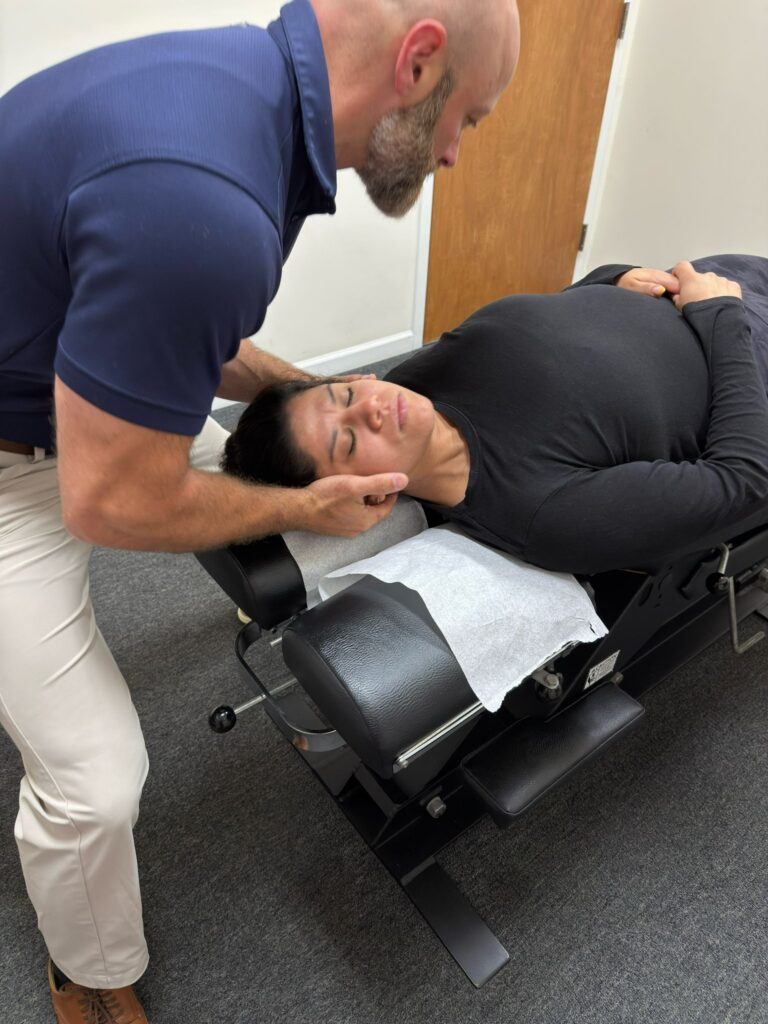

Headaches can be a real nuisance, but managing them doesn’t have to be complicated. As a chiropractor, I believe that understanding your body’s signals and making simple lifestyle adjustments can help you find relief naturally. One of the first steps is identifying your triggers, which can often be linked to stress, posture, or dehydration.
Staying hydrated and maintaining a regular sleep schedule are essential foundational habits. Additionally, consider incorporating regular chiropractic adjustments into your routine. Chiropractic care not only helps align your spine but can also relieve tension in the muscles around your neck and shoulders, which is a common source of headaches.
Practicing good posture, especially if you spend long hours at a desk, can also make a significant difference. Take breaks to stretch and move around, and ensure your workstation is ergonomically friendly.
Explore relaxation techniques like deep breathing, yoga, or meditation to help manage stress levels, which can be a major headache trigger.
If you’re curious about how chiropractic care and these natural approaches can further enhance your wellness and provide more effective headache relief, consider reaching out for a consultation. Your path to better health and fewer headaches could be just an adjustment away!
Key Takeaways
- Keep a headache diary to track triggers such as activities, foods, and emotional stressors. This can help you identify patterns and manage your headaches more effectively, and it’s a great way to share valuable insights with your chiropractor during visits.
- Hydration is key for overall wellness and can help with headaches too. Aim to drink at least eight 8-ounce glasses of water daily, and don’t forget to include high-water-content foods like fruits and vegetables in your diet to keep your body well-hydrated.
- Establishing a consistent sleep routine is crucial. Aim for 7-9 hours of quality sleep each night to help reduce headache frequency and intensity. Good sleep hygiene can work wonders for your overall health and can complement the benefits of chiropractic care.
- Essential oils like lavender and peppermint can provide soothing relief for headache symptoms. Try inhaling them or applying them topically, but remember that chiropractic care can address the root causes of headaches, such as tension in the neck and spine.
- Regular chiropractic care is an excellent choice for addressing spinal alignment issues, which can be a significant factor in headache occurrences. By maintaining proper alignment and overall wellness through chiropractic adjustments, you may find a natural and effective way to reduce headaches and improve your quality of life.
Identify Your Triggers
Have you ever wondered what might be causing your headaches? Identifying your triggers is a crucial step in managing them effectively, and chiropractic care can play a significant role in this process.
Start by keeping a headache diary; note when your headaches occur and any activities, foods, or stressors you experienced beforehand. This practice can help you uncover potential patterns, such as specific foods or inadequate sleep that might be contributing to your discomfort.
Don’t forget to consider environmental factors as well—bright lights, strong smells, or loud noises can trigger headaches too. Additionally, stress is a common culprit, so take note of your emotional state during headache episodes.
Chiropractic care can help address underlying issues that may lead to headaches by promoting spinal health and ensuring proper alignment.
Once you’ve identified your triggers, you can take proactive steps to avoid them. This might include adjusting your diet, changing your daily routine, or creating a more soothing environment at home.
By being mindful of what triggers your headaches and seeking chiropractic care, you can equip yourself with the knowledge and tools to reduce both their frequency and severity.
Stay Hydrated
Staying hydrated is a vital part of managing headaches and overall wellness, especially since dehydration can often be a hidden trigger for discomfort. When you don’t drink enough water, your body can react in ways that include headaches. To help alleviate this, aim to drink at least eight 8-ounce glasses of water a day, or more if you’re active or in a hot climate.
A great tip is to keep a water bottle with you to remind yourself to sip throughout the day. If you’re feeling thirsty, that’s a clear signal that your body needs hydration. Be mindful of other signs of dehydration, such as a dry mouth or fatigue—they’re your body’s way of communicating that it needs water.
In addition to drinking plenty of water, incorporating foods with high water content, like fruits and vegetables, can also support your hydration levels. Keep in mind that caffeine and alcohol can lead to increased fluid loss, so it’s a good idea to balance those drinks with extra water.
By prioritizing hydration, you’re not only taking a significant step toward reducing the frequency and severity of headaches, but you’re also supporting your body’s overall health and wellness.
Maintain a Regular Sleep Schedule
When you establish a regular sleep schedule, you significantly enhance your chances of reducing headaches and promoting overall wellness. Consistent sleep not only helps regulate your body’s internal clock but also supports spinal health, allowing you to wake up refreshed and ready to tackle the day. Aim for 7-9 hours of restorative sleep each night, and try to go to bed and wake up at the same time daily for optimal results.
Here’s a simple sleep schedule to help you get started:
| Day | Bedtime | Wake-Up Time |
|---|---|---|
| Monday | 10:30 PM | 6:30 AM |
| Tuesday | 10:30 PM | 6:30 AM |
| Wednesday | 10:30 PM | 6:30 AM |
| Thursday | 10:30 PM | 6:30 AM |
| Friday | 11:00 PM | 7:00 AM |
If your current bedtime is different, consider adjusting it gradually to give your body the chance to adapt. Prioritizing quality sleep can lead to fewer headaches and support your journey towards a healthier lifestyle.
Practice Relaxation Techniques
As a local chiropractor, I want to share how practicing relaxation techniques can greatly alleviate headache symptoms and contribute to your overall well-being. Incorporating these methods into your daily routine can effectively reduce stress and tension, which are often significant contributors to headaches.
Here are some simple techniques you might find helpful:
- Deep Breathing: This is a powerful technique. Try to take slow, deep breaths. Inhale through your nose for a count of four, hold that breath for four counts, and then exhale slowly through your mouth for another four counts. This helps to calm your nervous system and can reduce headache pain.
- Progressive Muscle Relaxation: This technique involves tensing and then relaxing different muscle groups in your body. Start at your toes and gradually work your way up to your head. By releasing tension in your muscles, you can alleviate the physical stress that may be contributing to your headaches.
- Meditation: Taking just a few minutes each day to clear your mind can be incredibly beneficial. Focus on your breath or a calming phrase. Meditation helps to center your thoughts and reduce stress, making it easier for your body to maintain balance.
- Gentle Yoga: Incorporating gentle stretches or yoga poses can release tension throughout your body. This practice not only promotes relaxation but also improves flexibility and spinal health, which are crucial for overall wellness.
By implementing these relaxation techniques, you can foster a more peaceful mind and potentially experience fewer headaches.
Remember, chiropractic care is also a fantastic avenue for achieving optimal health. Regular adjustments can help improve spinal alignment, relieve tension, and enhance your body’s natural ability to heal itself.
Taking a holistic approach to your health will support you in living a pain-free life.
Use Essential Oils
If you’re looking for a natural way to ease headache symptoms, I want to share how essential oils can complement your overall wellness journey, particularly when combined with chiropractic care. These concentrated plant extracts not only offer soothing scents but also possess therapeutic properties that can enhance your health.
Lavender oil is a fantastic choice for those dealing with headaches. Its calming aroma can help reduce stress and tension, which are common contributors to headaches. You might find relief by inhaling it directly, diffusing it in your living space, or diluting it with a carrier oil and gently applying it to your temples.
While essential oils can be beneficial, remember that chiropractic adjustments can also help address the underlying issues causing your headaches, such as tension in the neck and spine.
Peppermint oil is another excellent option due to its menthol content, which creates a cooling sensation that can soothe headache pain. Just like with lavender, you can apply it topically or inhale its refreshing scent. As always, start with a small amount to gauge your body’s response.
Incorporating essential oils into your routine may provide a natural way to manage headaches, but don’t forget that regular chiropractic care is key to achieving optimal health and wellness. A chiropractor can help ensure your spine is aligned correctly, reducing tension and promoting overall well-being.
In addition to using essential oils, here are some general tips to help alleviate headaches naturally:
- Stay hydrated: Drink plenty of water throughout the day.
- Maintain good posture: Be mindful of your posture while sitting and standing.
- Take breaks: If you’re working for long periods, take short breaks to stretch and move around.
- Manage stress: Incorporate relaxation techniques like deep breathing or meditation into your daily routine.
Apply Cold or Warm Compresses
Applying cold or warm compresses can be a simple yet effective way to ease headache discomfort, and as a local chiropractor, I want to share how these methods can complement your journey towards optimal health and wellness.
Depending on your preferences and the type of headache you’re experiencing, these compresses can provide relief by soothing tension or numbing pain. Here are some helpful tips for using them effectively:
- Cold Compress: A cold compress can be especially beneficial for headaches caused by inflammation. Simply soak a cloth in cold water or use an ice pack wrapped in a towel, and apply it to your forehead for 15-20 minutes. This method can help reduce swelling and numb the pain, providing a refreshing sensation.
- Warm Compress: For those tension headaches that feel like a tight band around your head, a warm compress can work wonders. Use a warm towel or a heating pad and place it on your neck or shoulders for 15-20 minutes. This warmth helps relax tight muscles, promoting better circulation and reducing discomfort.
- Find Your Comfort: Everyone is different, so it’s important to experiment with temperatures to discover what feels best for you. Some people find relief with cold, while others prefer the soothing warmth of a compress.
- Frequency: Feel free to repeat these applications several times a day as needed. Just remember to take breaks in between to avoid skin irritation. Listening to your body is key!
By integrating these natural techniques into your routine and considering chiropractic care, you can address the underlying causes of headaches and promote overall wellness.
Chiropractic adjustments focus on spinal alignment, which can play a crucial role in alleviating headache pain and enhancing your quality of life. Remember, your body has an incredible ability to heal itself, and with the right support, you can achieve lasting relief!
Consider Over-the-Counter Medications
When headaches strike, many people reach for over-the-counter medications for quick relief. While pain relievers like ibuprofen, acetaminophen, and naproxen can sometimes alleviate mild to moderate headaches, it’s important to consider a more holistic approach to managing your pain.
As a chiropractor, I believe that addressing the root causes of your headaches is essential for long-term relief. Many headaches can stem from tension in the neck and spine, which chiropractic care can effectively address. By aligning the spine and relieving tension, chiropractic adjustments can help reduce the frequency and intensity of headaches without the need for medications.
In addition to chiropractic care, there are several natural strategies you can incorporate into your routine. Staying hydrated, maintaining good posture, and practicing stress-reduction techniques such as yoga or deep breathing can be beneficial.
Regular exercise and a balanced diet also play a crucial role in your overall health and can help minimize headache occurrences.
If you find that headaches persist despite trying these strategies, don’t hesitate to seek guidance from your chiropractor. Keeping track of when your headaches occur and any potential triggers can provide valuable information to help tailor your treatment plan.
Explore Dietary Changes
While many factors contribute to headaches, exploring dietary changes can significantly impact their frequency and intensity. You may be surprised at how certain foods and drinks can affect your head. Here are some dietary adjustments you can consider to help reduce headaches and promote overall wellness:
- Stay Hydrated: Make it a habit to drink plenty of water throughout the day. Dehydration is a common headache trigger, so aim for at least eight glasses of water daily. Staying hydrated not only helps with headaches but also supports spinal health and overall bodily function.
- Limit Caffeine: While a small amount of caffeine can sometimes alleviate headaches, consuming too much can lead to withdrawal headaches. Pay attention to how caffeine affects you and find a balance that works for your body.
- Identify Food Triggers: Keeping a food diary can help you identify patterns and pinpoint foods that may trigger your headaches. Common offenders include aged cheeses, processed meats, and artificial sweeteners. By knowing your triggers, you can make more informed choices that support your health and well-being.
- Eat Regularly: Skipping meals can lead to low blood sugar, which may trigger headaches. To maintain steady energy levels and prevent headaches, try to have balanced meals and snacks at regular intervals throughout the day. This not only helps with headaches but can also support optimal spinal health.
In addition to these dietary changes, remember that chiropractic care can play a vital role in managing headaches and promoting overall wellness.
Regular chiropractic adjustments help maintain proper spinal alignment, reduce tension in the body, and support a healthy nervous system, which can all contribute to headache relief.
Seek Professional Help
Even with dietary changes, some headaches may persist or become more severe, which could indicate the need for a deeper approach to wellness. It’s important to recognize when self-management mightn’t be enough.
A chiropractor can help you identify underlying issues contributing to your headaches, such as spinal misalignments or muscle tension. By discussing your symptoms and overall health, your chiropractor can develop a personalized care plan that focuses on natural healing.
Don’t hesitate to seek chiropractic care if headaches are affecting your daily life. Chiropractors often use gentle adjustments and spinal manipulations to alleviate pain and restore proper function in the body. These treatments can help reduce tension, improve circulation, and enhance your overall well-being, making a significant difference in how you feel.
Additionally, consider incorporating some simple lifestyle adjustments to support your health. Staying hydrated, practicing good posture, managing stress through relaxation techniques, and engaging in regular physical activity can all contribute to headache relief.
Conclusion
Managing headaches is essential for your overall health and well-being, and as a chiropractor, I believe natural solutions are the best path to relief. Here are some effective tips to help you take control of your headaches while promoting a healthier lifestyle.
First, it’s important to identify your headache triggers. Common culprits include stress, dehydration, and poor posture. Staying well-hydrated and maintaining a regular sleep schedule can significantly reduce the frequency and intensity of your headaches. Remember, your body needs water to function optimally!
Incorporating relaxation techniques such as deep breathing, meditation, or gentle yoga can help alleviate tension that contributes to headaches. These practices not only soothe your mind but also support your spine and overall alignment, which is crucial for headache relief.
Chiropractic care is a fantastic option for managing headaches naturally. Regular adjustments can help improve spinal alignment, reduce muscle tension, and enhance your body’s ability to heal itself. Many patients find significant relief from tension headaches and migraines through chiropractic treatments.
Using cold or warm compresses on your forehead or neck can also provide immediate relief. Experiment with both to see which feels better for you, as they can help reduce inflammation and soothe pain.
Don’t forget to consider your diet; certain foods can trigger headaches for some individuals. Keeping a food diary may help you identify any dietary patterns that contribute to your discomfort.
If your headaches persist despite trying these tips, I encourage you to seek professional chiropractic care. A chiropractor can work with you to develop a personalized plan that addresses the root causes of your headaches and supports your journey to optimal health.
By embracing these strategies and considering chiropractic care, you can effectively manage your headaches and enhance your overall wellness. Remember, you have the power to take charge of your health!