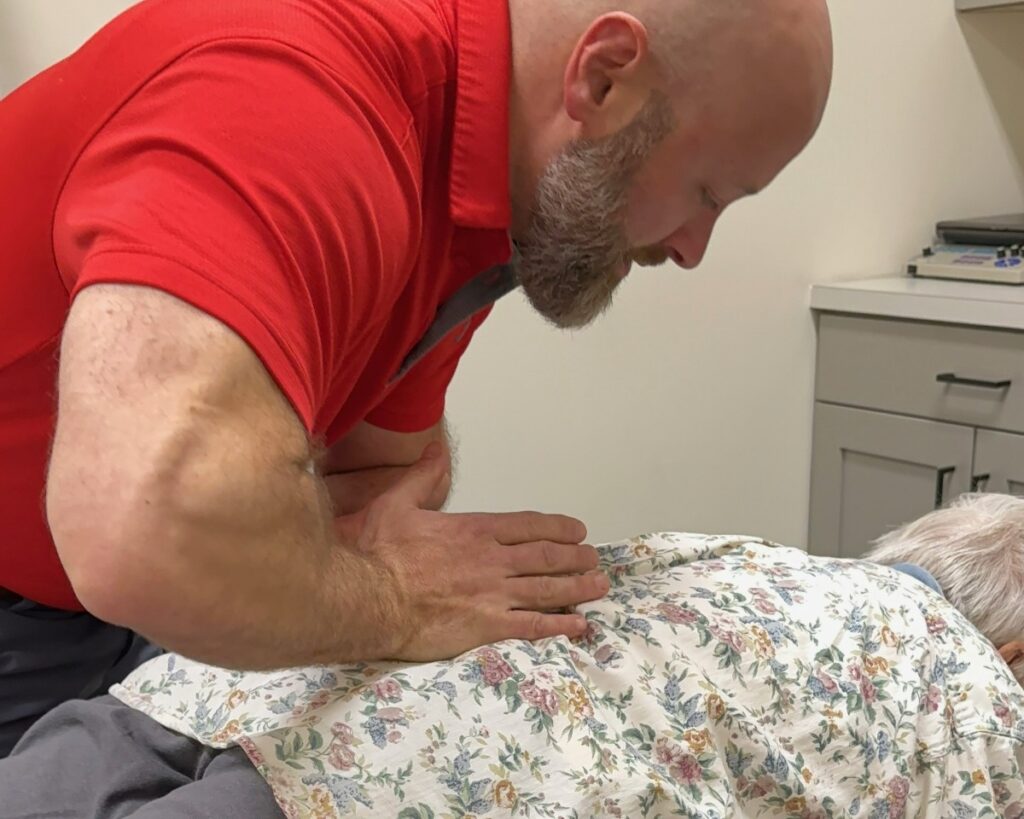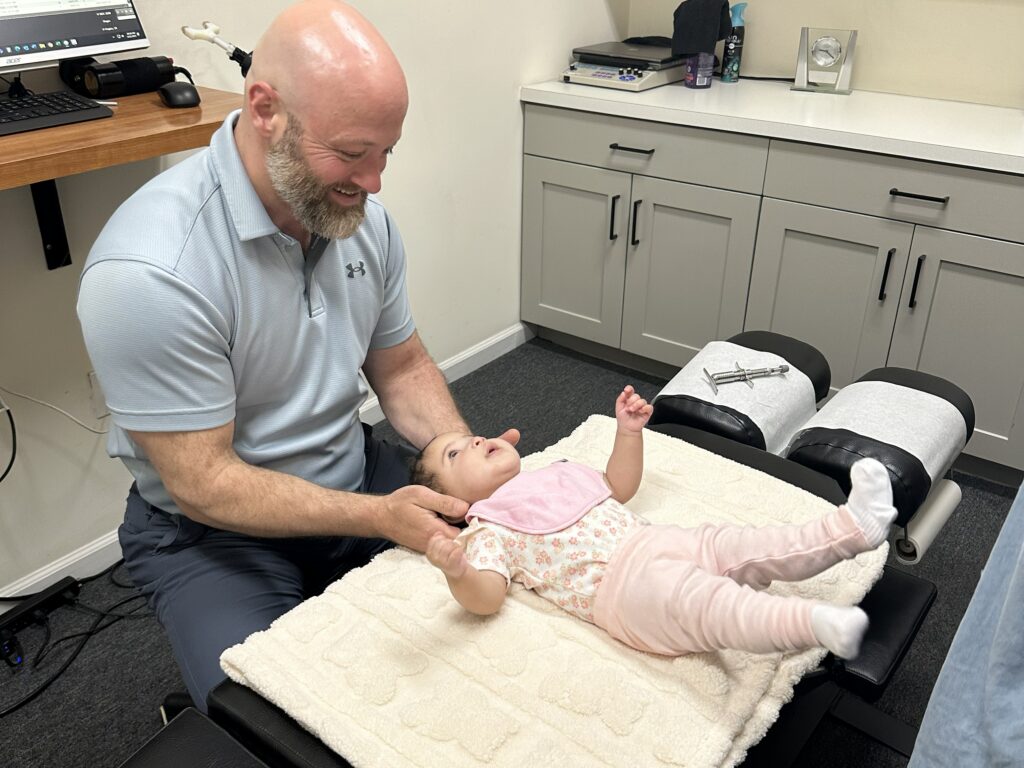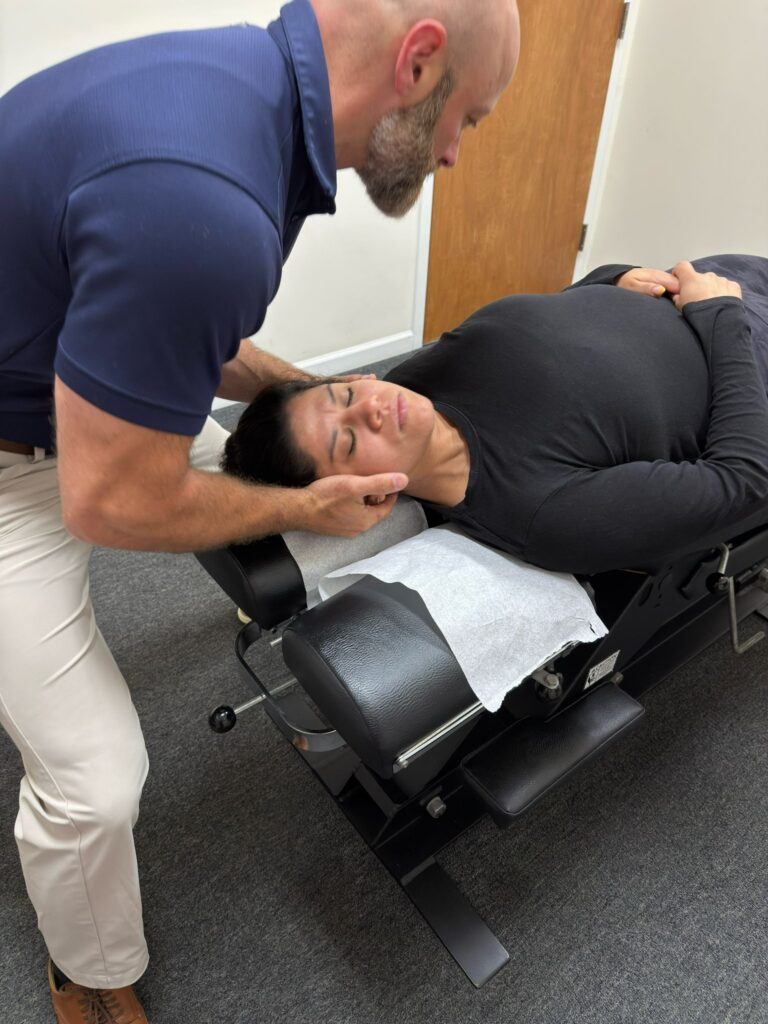

As a local chiropractor, I often encounter patients who are curious about their flexibility and how it impacts their overall health. If you've ever questioned your flexibility or considered whether there's room for improvement, taking our quiz is a great starting point. This quiz is designed to assess your current flexibility and identify specific areas that may require attention.
Whether you're an athlete striving for peak performance or simply someone looking to improve your daily movements, understanding your flexibility is crucial to your well-being. You'd be surprised at what you can achieve with a few targeted adjustments to your routine. The insights you gain from the quiz could lead to significant improvements in your mobility and overall health, setting you on the path to a more agile lifestyle. Embracing natural healing methods, like chiropractic care, can complement your flexibility goals, helping you to move more freely and comfortably.
Understanding Flexibility
Flexibility isn't just a physical characteristic; it's a vital aspect of your overall health and well-being that I often emphasize in my chiropractic practice. Many people picture flexibility as something exclusive to gymnasts or yoga practitioners contorting their bodies into intricate poses. However, it fundamentally pertains to how well your joints and muscles can move through their full range of motion, which is essential for everyone, not just those who are athletic or fitness-oriented.
As we discuss flexibility, it's important to recognize its various forms, particularly static and dynamic flexibility. Static flexibility is your ability to stretch a muscle to its maximum extent and hold that position. In contrast, dynamic flexibility refers to the capacity to move your muscles and joints through their complete range of motion during active movements. Both types are crucial in everyday life, whether you're reaching for something on a high shelf or simply going about your daily tasks.
It's also essential to consider the factors that affect your flexibility. Age, genetics, and your level of physical activity all contribute to your flexibility. As we grow older, our muscles and tendons can lose their elasticity, which is why I advocate for incorporating flexibility training into your routine. Regular stretching can help maintain the length and suppleness of your muscles, thereby reducing the risk of injury and enhancing your overall performance in physical activities.
In my practice, I often encourage patients to understand the importance of maintaining flexibility as part of a holistic approach to health. By addressing flexibility through chiropractic care and natural healing methods, we can work together to improve your mobility, alleviate discomfort, and support your overall well-being.
Importance of Flexibility
As a local chiropractor, I want to emphasize the significance of flexibility in your overall physical performance and well-being.
Improving your flexibility isn't just about being able to touch your toes; it enhances your ability to move more efficiently in everyday activities and reduces the risk of injuries.
Incorporating flexibility training into your routine can lead to more effective workouts and promote a healthier body.
By prioritizing flexibility, you're taking a crucial step towards holistic health and optimal physical function.
Let's work together to ensure your body has the freedom to move and thrive!
Enhances Physical Performance
As a local chiropractor, I want to emphasize the importance of incorporating flexibility training into your overall wellness routine. You may not realize it, but improved flexibility can significantly enhance your physical performance. When your muscles are flexible, they can stretch and contract more effectively, which increases your range of motion. This means that whether you're lifting weights, running, or engaging in sports, you'll be able to move with greater ease and power.
Better flexibility also leads to more efficient movement patterns. When your joints and muscles work together harmoniously, you'll experience heightened coordination and balance—both of which are crucial for any athletic activity. This increased efficiency can translate into better overall performance and more impressive results in your workouts.
Moreover, flexibility plays a key role in generating strength during physical activities. With fully stretched muscles, you can achieve more powerful contractions, giving you an advantage in activities like sprinting or jumping. You may even notice enhanced endurance, allowing you to train harder and longer without feeling fatigued.
Incorporating flexibility exercises into your routine isn't just about short-term gains; it lays the groundwork for long-term improvements in your physical performance. As a chiropractor focused on natural healing, I encourage you not to overlook this essential aspect of your training. Your body will thank you for the investment in your health and well-being!
Reduces Injury Risk
As a local chiropractor, I want to emphasize the importance of incorporating regular flexibility training into your routine. This practice can significantly lower your risk of injury. When your muscles and joints are flexible, they can move more freely, which helps prevent common issues like strains and sprains. This is particularly crucial when you're participating in physical activities, whether it's sports, exercise, or even just daily tasks around the house.
Here are some key benefits of improving your flexibility to help reduce the risk of injuries:
- Improved Range of Motion: When your muscles are flexible, your joints can move through their full range of motion. This reduces the likelihood of injuries during activities.
- Better Posture: Flexibility plays a vital role in maintaining proper alignment of your body. Good posture can help prevent muscle imbalances and overuse injuries, which we often see in the clinic.
- Enhanced Muscle Coordination: With increased flexibility, you gain better control over your movements. This minimizes the risk of falls or missteps, which can lead to injuries.
- Reduced Muscle Tension: Regular stretching can alleviate tightness in your muscles, which is often a precursor to injuries. This relaxation can also enhance your overall comfort.
- Quicker Recovery Times: A flexible body can recover more rapidly from physical activities, which decreases the likelihood of injury during future workouts.
Types of Flexibility
As a local chiropractor committed to your health and wellness, I want to share how understanding the different types of flexibility can improve your overall mobility and enhance your fitness routine.
There are three main types of flexibility: static, dynamic, and ballistic. Each serves an important role and can be easily integrated into your physical activities for optimal benefits.
Static flexibility is the ability to hold a stretch in one position. You might notice this during yoga classes or dedicated stretching sessions, where poses are held for a longer duration.
This type of flexibility is crucial for enhancing your overall range of motion and is most effective when your muscles are warmed up. Incorporating static stretches into your routine can help maintain muscle health and prevent injuries.
Dynamic flexibility focuses on moving your body parts through their full range of motion. This type is particularly beneficial for activities that demand agility, such as dancing or various sports.
By adding dynamic stretches—like leg swings or arm circles—into your warm-up, you can prepare your muscles for more strenuous activity. This not only boosts your performance but also helps reduce the risk of injury during your workouts.
Ballistic flexibility involves using momentum to stretch your muscles. While this method can temporarily increase your range of motion, I typically advise caution, especially for those who are new to exercise.
Ballistic stretching can pose a higher risk of injury if not executed properly. It's important to focus on controlled movements and to listen to your body, ensuring you don't push yourself into positions that may lead to strain.
By incorporating these different types of flexibility into your routine, you can enhance your mobility and overall physical health.
If you have any questions about how to safely implement these stretches or how they relate to your chiropractic care, please don't hesitate to ask!
Signs of Limited Flexibility
As your local chiropractor, it's important to recognize the signs of limited flexibility, which can manifest as difficulty reaching for items or bending down comfortably.
These physical challenges can significantly affect your daily activities, making tasks like tying your shoes or picking up groceries more cumbersome.
By acknowledging these signs, you take the vital first step toward enhancing your flexibility and improving your overall quality of life.
Chiropractic care can play a key role in addressing these issues, helping to restore your body's natural movement and function.
Together, we can work towards a more active, pain-free lifestyle.
Common Physical Limitations
As a local chiropractor, I often see patients struggling with limited flexibility, which can significantly affect their daily lives. When you experience these physical limitations, you may find certain movements not just challenging, but also potentially painful.
It's crucial to recognize these signs as they can guide you toward improving your flexibility and enhancing your overall well-being. Here are some common physical limitations that you might encounter:
- Difficulty reaching down to tie your shoes
- Trouble bending over to lift objects from the floor
- Inability to perform a full squat or lunge
- Stiffness in your joints, particularly in the hips and shoulders
- Limited range of motion in your neck when looking side to side
If you identify with any of these limitations, I encourage you to consider incorporating stretching and flexibility exercises into your daily routine. These exercises can help alleviate stiffness and improve your overall movement, making a noticeable difference in how you feel.
It's important to remember that every body is unique, and it's essential to listen to yours. By being aware of your physical limitations, you can take proactive steps to enhance your flexibility and prevent potential issues in the future.
As your chiropractor, I'm here to support you on this journey toward better health. Keep an open mind and be patient with yourself as you work towards achieving greater flexibility. Together, we can explore natural healing methods that promote a more flexible and pain-free lifestyle.
Impact on Daily Activities
As a local chiropractor, I often see patients who may not realize how much limited flexibility can influence their daily lives. If you find it challenging to bend down to tie your shoes or reach for items on a high shelf, this could be a sign of reduced flexibility impacting your mobility.
Even simple actions like getting in and out of your car or sitting comfortably at your desk can become increasingly difficult. After a workout, you might notice tightness in your muscles that makes walking or engaging in other physical activities feel uncomfortable. This discomfort can lead to a more sedentary lifestyle, as you may start to avoid certain movements that cause pain.
Moreover, limited flexibility can contribute to poor posture, which can result in back pain or fatigue throughout the day. Daily activities, such as gardening or playing with your children, may also be affected if you struggle to move freely. This discomfort can diminish your enjoyment of these activities and make you feel less active overall.
By recognizing these signs, you can take proactive steps to improve your flexibility, which is essential for enhancing not just your physical capabilities, but also your overall quality of life. At my practice, I emphasize the importance of prioritizing flexibility.
Preparing for the Quiz
Preparing for a quiz may seem daunting, much like understanding chiropractic care for the first time. However, approaching the information in a structured way can lead to a comprehensive understanding of how natural healing works. Here are some key strategies to help you gain insight into chiropractic principles:
- Review the Basics: Begin by familiarizing yourself with the fundamental concepts of chiropractic care. Understanding the core principles, such as spinal alignment and its impact on overall health, will provide you with a solid foundation.
- Set Goals: Think about what you hope to achieve through your understanding of chiropractic care. Whether it's improving your posture, alleviating pain, or enhancing your overall well-being, having clear goals can help you focus your learning efforts.
- Practice Regularly: Incorporate simple stretching and mobility exercises into your daily routine. Just like studying for a quiz, the more you practice these techniques, the more comfortable and knowledgeable you'll become about your body and its needs.
- Use Visual Aids: Don't hesitate to use charts or diagrams that explain the spine and nervous system. Visual tools can clarify complex concepts and make it easier to understand how chiropractic adjustments can positively affect your health.
- Take Breaks: Remember to give yourself time to absorb the information. Just as short breaks can improve study retention, allowing your mind to rest while learning about natural healing can enhance your understanding and keep you engaged.
The Flexibility Quiz
As a local chiropractor, I want to help you understand how chiropractic care can play a crucial role in your flexibility journey. It's important to recognize that spinal alignment and overall body mechanics significantly impact your range of motion.
To assist you in this process, we've developed the Flexibility Quiz, which is designed to evaluate your current flexibility levels and highlight areas where you can improve.
Throughout the quiz, you'll encounter a variety of questions that relate to your daily activities, stretching habits, and any discomfort you may feel during movement. Each question will help us assess your flexibility in key muscle groups such as your hamstrings, hips, and shoulders.
This reflection on your ability to reach, bend, and stretch in different situations will provide valuable insights into your body's capabilities.
Don't be discouraged if you find some movements challenging; that's exactly the purpose of this quiz. It's an opportunity for you to discover both your strengths and areas that may need attention.
Once you complete the quiz, you'll gain a clearer understanding of your flexibility status. Remember, it's not just about achieving a high score; it's about gaining knowledge about your body and how it functions.
Identifying your unique flexibility profile will empower you to set realistic goals and develop a personalized stretching routine that aligns with your needs.
As you interact with the quiz, I encourage you to be honest about your experiences. The more accurately you respond, the more beneficial your results will be. This self-assessment is a vital step toward enhancing your flexibility and ensuring that you're on the right path to achieving your physical wellness goals.
Interpreting Your Results
As your chiropractor, I want to help you understand how to make the most of your Flexibility Quiz results. Once you have your scores, it's essential to interpret them in a way that guides you toward enhancing your flexibility and overall well-being. Here's how you can approach your results:
- Identify Your Score Range: Take a moment to see where you stand on the flexibility scale. Are you in the low, moderate, or high range? This can give you a clear picture of your current state.
- Focus on Weaknesses: Look closely at the specific areas of flexibility that may need improvement. Recognizing these weaknesses will help us tailor your chiropractic care and exercises to support your progress.
- Compare with Norms: It can be beneficial to understand how your results measure up against typical benchmarks for your age and fitness level. This comparison can help you see where you might want to focus your efforts.
- Set Realistic Goals: Together, we can set attainable goals based on your results. Instead of aiming for drastic changes, let's focus on making steady, incremental improvements that are more sustainable.
- Track Progress: I encourage you to keep a record of your training sessions and how they relate to your quiz results. Regularly checking in on your flexibility won't only help you stay motivated but also allow us to adjust your chiropractic care as needed.
By following these steps, you'll be better equipped to improve your flexibility and overall health through natural healing methods and chiropractic support.
Let's work together to help you achieve your wellness goals!
Personalized Flexibility Tips
As a chiropractor, I want to help you understand how to enhance your flexibility in a way that supports your overall health and well-being.
First, let's talk about your current routine. Are you allocating enough time to flexibility training? I recommend dedicating at least 10-15 minutes each day to stretching, especially focusing on the areas highlighted in your Flexibility Quiz results.
Incorporating dynamic stretches into your warm-up is another crucial step. These movements, such as arm circles, leg swings, or torso twists, prepare your muscles for activity and significantly improve your range of motion. They help increase blood flow to the muscles, making them more pliable for deeper stretching later on.
It's also important to listen to your body. If you notice tightness in certain areas, spend extra time addressing those muscles. Use your quiz results as a guide to pinpoint your weak spots.
Additionally, I encourage you to consider practices like yoga or Pilates. These disciplines not only enhance flexibility but also promote body awareness, which is essential for maintaining a healthy musculoskeletal system.
Utilizing props such as straps or blocks can also enhance your stretching routine. These tools help you achieve deeper stretches while maintaining proper alignment, making your practice more effective.
Lastly, consistency is key. Developing flexibility takes time, so stick with your personalized plan and track your progress. Celebrate small milestones along the way, and don't hesitate to adjust your routine as you improve.
Stretching Techniques to Try
As your local chiropractor, I want to help you understand the importance of flexibility and how incorporating different stretching techniques into your routine can significantly benefit your overall health.
One effective method is dynamic stretching, which is excellent for warming up your body and enhancing your range of motion before physical activities. On the other hand, static stretching is beneficial for lengthening your muscles post-exercise and improving flexibility over time.
I encourage you to explore these techniques and consider how they can complement your chiropractic care and natural healing journey.
Let's discuss how to integrate both dynamic and static stretching into your daily routine for optimal results.
Dynamic Stretching Benefits
As a local chiropractor, I want to share the incredible benefits of dynamic stretching and how it can play a crucial role in your overall well-being and physical performance. Many of my patients aren't familiar with chiropractic care and natural healing, so let me explain why incorporating dynamic stretches into your routine is vital:
- Enhances Blood Circulation: Dynamic stretching helps elevate your heart rate, promoting better blood flow to your muscles. This increased circulation delivers essential oxygen and nutrients, which are fundamental for optimal muscle function and recovery.
- Improves Flexibility: Engaging in regular dynamic stretching can help lengthen and loosen your muscles. This increased flexibility not only makes your workouts more effective but also contributes to better posture and alignment, which are key components of chiropractic health.
- Boosts Athletic Performance: These stretches simulate the movements you'll be using in your favorite sports or activities, effectively priming your body for action. By reducing the risk of injury, dynamic stretching supports the chiropractic goal of maintaining a healthy, resilient musculoskeletal system.
- Activates Core Stability: Many dynamic stretches involve engaging your core muscles. A strong core is essential for maintaining proper spinal alignment and stability, which is a focus of chiropractic care.
- Mental Preparation: The rhythmic nature of dynamic stretching encourages mental focus and sets a positive tone for your workout. This mind-body connection is crucial in chiropractic practice, as it enhances your overall awareness of your body and its movements.
I encourage you to incorporate dynamic stretches before your workouts to maximize your flexibility and performance. By doing so, you'll not only be taking proactive steps towards achieving your fitness goals but also supporting your body's natural healing processes.
Always remember, a healthy body is a happy body!
Static Stretching Techniques
As a chiropractor committed to your overall well-being, I want to emphasize the importance of static stretching in enhancing flexibility and aiding muscle recovery, particularly after your workouts. By holding stretches for durations ranging from 15 to 60 seconds, you create an opportunity for your muscles to lengthen and relax, which can significantly alleviate stiffness and soreness.
Let's explore some effective static stretching techniques that you can easily incorporate into your routine. One beneficial stretch is the seated hamstring stretch. To perform this, sit on the floor with one leg extended straight in front of you and the other bent. Gently reach towards your toes on the extended leg and feel the stretching sensation in your hamstring. Once you've held this position, switch legs and repeat the process.
Another excellent stretch is the standing quadriceps stretch. Stand up straight, grasp your ankle from behind, and pull your heel gently towards your glutes. Be sure to keep your knees close together to maintain balance as you hold this position.
Don't overlook the butterfly stretch! For this, sit on the floor and bring the soles of your feet together. Then, gently press your knees down towards the ground. This stretch effectively targets your inner thighs and hips, which can be particularly beneficial for overall mobility.
I encourage you to incorporate these static stretches into your post-workout routine or dedicate specific time to them on your rest days. With consistent practice, you'll not only enhance your flexibility but also improve your overall performance and recovery, aligning with the natural healing principles we advocate in chiropractic care.
Setting Flexibility Goals
Setting flexibility goals is a vital component for anyone looking to enhance their mobility and overall physical performance. As your chiropractor, I want to help you understand how to set clear and achievable flexibility objectives, which can lead to better health outcomes and improved well-being.
Here's how to approach your flexibility goals effectively:
- Assess Your Current Flexibility: Start by evaluating your flexibility levels. Perform some basic stretches and pay attention to areas that feel tight or uncomfortable. This self-assessment can give us valuable insight into your range of motion and any potential issues we can address together.
- Be Specific: Rather than just aiming to "be more flexible," set clear and specific goals. For example, you might say, "I want to touch my toes in three months," or "I want to achieve a full split by summer." Specific goals will give us a target to work towards and help track your progress effectively.
- Set Realistic Timeframes: Flexibility is something that improves gradually; therefore, it's crucial to establish realistic timeframes. Let's break your goals down into smaller, manageable milestones that will allow for consistent progress without overwhelming you.
- Incorporate Variety: Different stretches target various muscle groups, so it's essential to have a diverse routine. We can work together to include a mix of static and dynamic stretches that suit your needs and help improve your overall flexibility.
- Track Your Progress: Keeping a record of your stretches, durations, and any improvements you notice can be incredibly motivating. Consider using a journal or an app to track your journey. This accountability won't only keep you motivated but also allow us to adjust your plan as needed.
As your chiropractor, I'm here to support you on this journey to improved flexibility and mobility. Let's work together to set goals that promote your health and enhance your quality of life!
Conclusion
As your local chiropractor, I want to emphasize how crucial flexibility is for your overall health. Now that you're aware of its significance, it's time to take the next step in your flexibility journey with our quiz. By assessing your current flexibility levels and establishing personalized goals, you can greatly enhance your well-being and minimize your risk of injury. Remember, the focus here is on making progress rather than achieving perfection. By embracing the techniques and tips I provide, you will start to see improvements in your flexibility. Trust me, your body will express its gratitude for the time and effort you invest in your health!