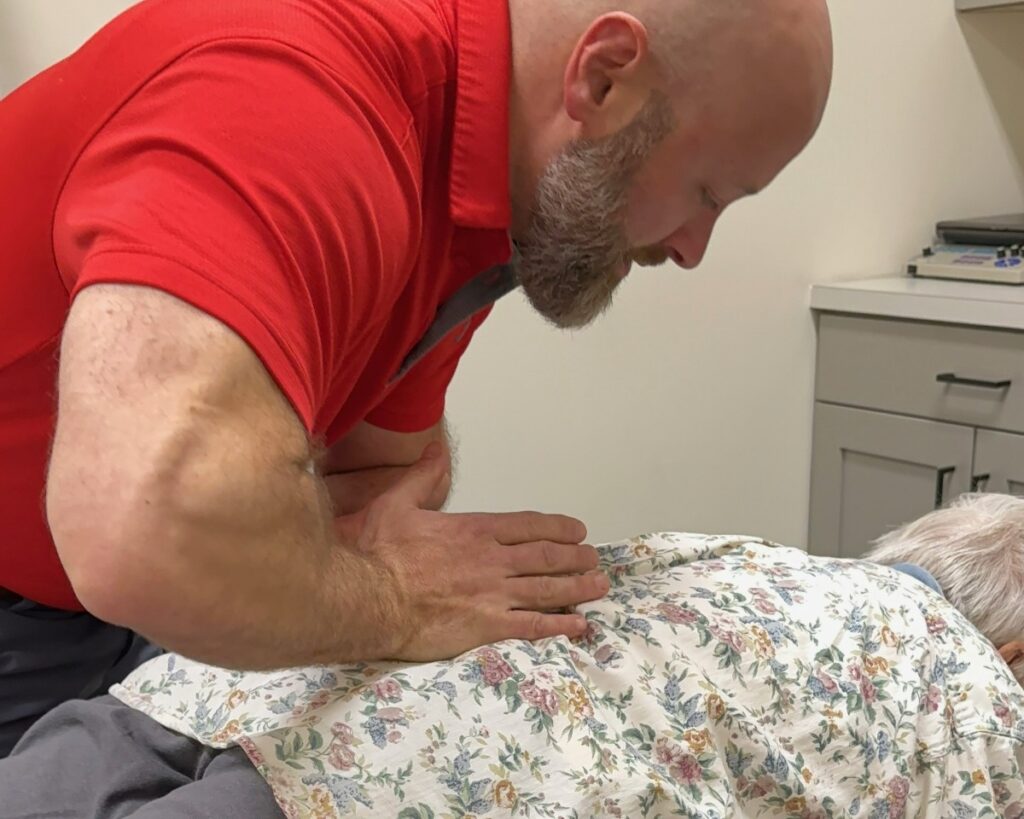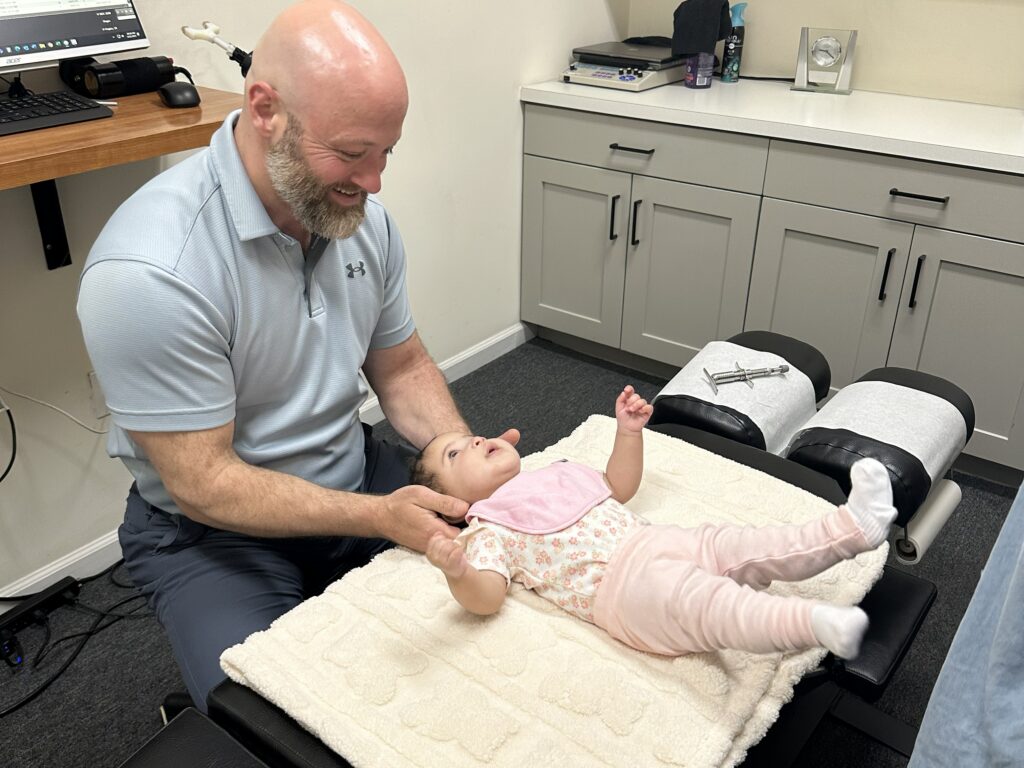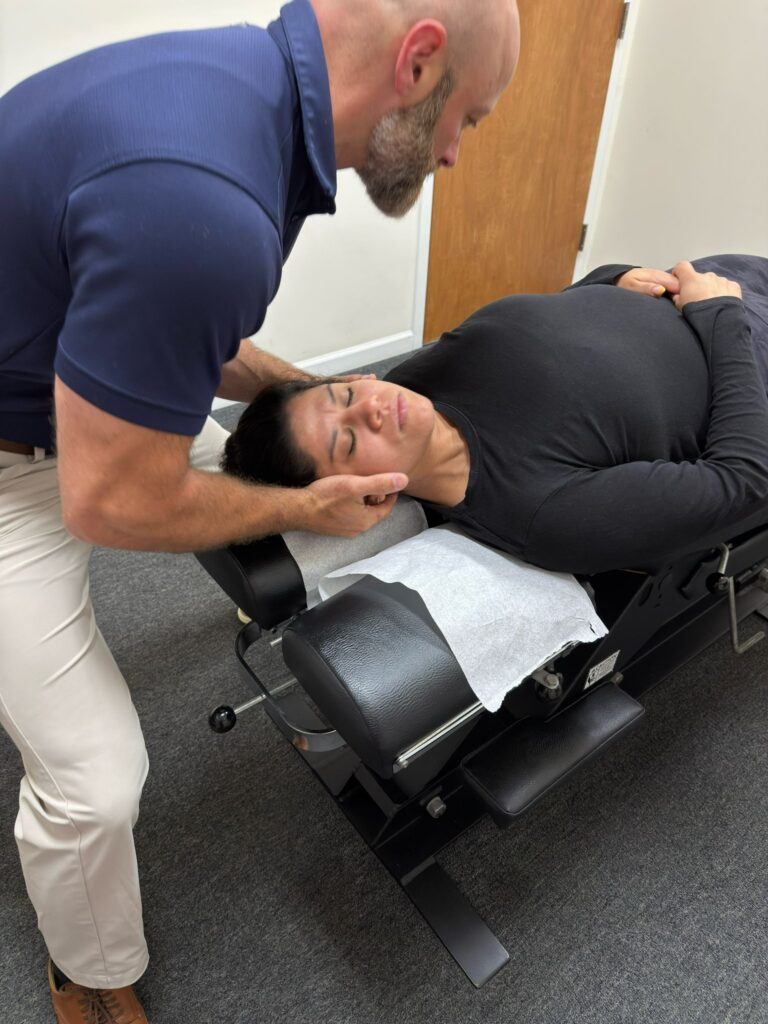

As a local chiropractor, I want to emphasize the crucial role flexibility plays in your overall health and performance. Many people overlook how vital it is to maintain a good range of motion, but incorporating effective care solutions into your daily routine can make a world of difference. Techniques such as targeted stretching, chiropractic adjustments, and therapeutic massage work hand-in-hand to enhance both your physical and mental well-being.
Moreover, flexibility is not just about the methods you might be familiar with; there are many dimensions to it. By exploring different approaches to flexibility and understanding how they interconnect, you may uncover surprising insights that can significantly improve your wellness journey. Let's work together to unlock your body's potential and reduce the risk of injury through a holistic approach to care.
Understanding Flexibility
Flexibility is much more than just the ability to touch your toes; it's a fundamental aspect of your overall health that influences your daily activities. As a local chiropractor, I want to emphasize that flexibility is important for everyone, not just athletes or dancers.
Understanding flexibility involves recognizing how it affects your body's range of motion, which is crucial for maintaining joint health and preventing injuries.
Think about your daily routines—whether you're bending down to pick something up or reaching for an item on a high shelf. Flexibility significantly impacts how easily and comfortably you can perform these tasks. Many people don't realize that tight muscles can restrict movement and lead to discomfort. By improving your flexibility, you can make these everyday actions easier and reduce strain on your body.
Flexibility isn't solely about your muscles; it also includes your tendons and ligaments, which play a vital role in supporting your joints. When these structures are flexible, they can better absorb shocks and lower the risk of injury. Improved flexibility can also enhance your posture, which is beneficial for alleviating back pain and boosting your overall well-being.
Furthermore, better flexibility can enhance athletic performance. Whether you enjoy running, swimming, or participating in team sports, maintaining flexibility can improve your efficiency, speed, and overall effectiveness in physical activities.
I encourage you to take some time to learn about how flexibility works in your body. The more informed you are, the better you can implement strategies to increase your flexibility and enjoy the numerous benefits it brings to your everyday life and health.
Importance of Stretching
As a local chiropractor, I want to emphasize the vital role stretching plays in your health and well-being. Incorporating regular stretching into your routine can significantly enhance your flexibility and improve your overall physical performance.
Not only does it help prevent injuries, but it also boosts circulation and alleviates muscle tension, which is crucial for maintaining a healthy body.
In my practice, I often see patients who underestimate the power of simple stretching techniques. By integrating these into your daily life, you can support your body's natural healing processes and improve your posture.
Let's look at some effective stretching methods that are easy to include in your routine and can lead to a healthier, more active lifestyle.
Benefits of Regular Stretching
As a local chiropractor, I want to emphasize the importance of incorporating regular stretching into your daily routine for enhancing your overall well-being. Stretching is a fundamental practice that can significantly improve your flexibility, allowing your muscles and joints to function more efficiently. When your body becomes more flexible, you can carry out everyday activities with greater ease, which also reduces your risk of injuries.
Furthermore, regular stretching plays a crucial role in promoting better blood circulation. As you engage in stretching exercises, you stimulate increased blood flow to your muscles, which delivers vital nutrients and oxygen. This not only aids in reducing muscle soreness after workouts, but it also supports faster recovery.
Additionally, improved circulation can elevate your energy levels and enhance your mood, leading to a more vibrant lifestyle. Stretching also serves as an effective method for relieving stress and tension. Taking a moment to stretch allows you to benefit not only physically but also mentally, providing your mind with a chance to relax.
This mental break can lead to improved focus and productivity throughout your day, making it easier to tackle various tasks. Lastly, I want to highlight that stretching can greatly improve your posture. By lengthening tight muscles, you can better align your body, making it easier to maintain good posture whether you're sitting at a desk or standing.
I encourage you to make stretching a regular part of your routine. By doing so, you can enjoy these invaluable benefits for both your body and mind. You'll feel more energized, relaxed, and prepared to face the challenges of your day. Remember, taking care of your body is essential for your overall health, and stretching is a simple yet effective way to support that care.
Stretching Techniques to Try
As a local chiropractor, I want to share how incorporating various stretching techniques into your routine can greatly enhance your flexibility and overall well-being. Many of my patients are surprised to learn how effective stretching can be in supporting natural healing and improving physical performance.
To begin, static stretching is an excellent choice for increasing flexibility, particularly after a workout. I recommend holding each stretch for 15-30 seconds, with a focus on key areas such as your hamstrings, quadriceps, and shoulders. This helps to relax the muscles and promote recovery.
Next, you might want to explore dynamic stretching. This technique involves controlled movements that warm up your muscles, preparing your body for physical activity. Examples include leg swings, arm circles, and walking lunges. These dynamic stretches can enhance your range of motion and prevent injury.
Don't forget about PNF (Proprioceptive Neuromuscular Facilitation) stretching. This advanced technique combines stretching and contracting your muscles, often requiring a partner to provide resistance. It can lead to significant gains in flexibility and strength.
Additionally, I highly recommend incorporating yoga into your routine. Yoga not only improves flexibility but also encourages relaxation and mental clarity, which are essential for holistic health.
I encourage you to experiment with these techniques and, importantly, to listen to your body. Regular practice can lead to significant improvements in your mobility and overall well-being.
By making stretching a priority in your daily life, you may find yourself feeling more agile, reducing the risk of injury, and enjoying a greater range of motion.
Yoga for Enhanced Flexibility
As a chiropractor, I want to emphasize the incredible benefits of yoga for enhancing flexibility, which can play a vital role in your overall health and wellness. Many of my patients have experienced improved range of motion and reduced discomfort through regular yoga practice.
By incorporating yoga into your routine, you can't only stretch and strengthen your muscles but also promote better posture and relieve tension in your body.
To get started, I recommend trying poses such as Downward Dog, Forward Bend, and Pigeon Pose. Each of these poses targets specific muscle groups, allowing you to address areas that may not receive much attention in your daily activities.
While practicing these poses, focus on your breathing; deep, steady breaths can help you ease into each stretch, enhancing your flexibility.
Consistency is key when it comes to seeing progress. I suggest aiming for at least two to three yoga sessions each week, gradually increasing the duration and intensity of your practice. Many patients notice improvements in just a few weeks, but remember, everyone's body is unique.
It's important to be patient and attentive to what your body is telling you.
To maximize your results and minimize the risk of injury, consider joining a local yoga class or following reputable online tutorials. This ensures you're practicing with proper form, which is crucial for getting the most out of your yoga sessions.
By committing to yoga as part of your wellness journey, you'll not only enhance your flexibility but also cultivate mindfulness and a deeper connection to your body.
Benefits of Massage Therapy
As a local chiropractor, I want to share how massage therapy can significantly enhance your overall flexibility and well-being.
By alleviating pain and tension in your muscles, massage therapy can greatly improve your range of motion.
Many of my patients have found that regular massage sessions not only help relieve discomfort but also allow them to move more freely in their daily activities.
Incorporating massage therapy into your wellness routine can be a valuable step towards a healthier, more active lifestyle.
Pain Relief Enhancement
As a local chiropractor, I understand that finding relief from pain can often feel overwhelming. That's why I want to introduce you to the benefits of chiropractic care, a powerful solution for managing discomfort and enhancing your overall well-being.
Imagine visiting a welcoming clinic where skilled practitioners focus on your specific needs, helping to alleviate tension and chronic pain. Here are four key benefits of chiropractic care for pain relief:
- Reduced Muscle Tension: Our techniques aim to gently realign your spine and relieve stress on surrounding muscles, promoting relaxation and comfort as you feel the tension melt away.
- Improved Circulation: By ensuring proper alignment and function of your spine, chiropractic adjustments facilitate better blood flow, delivering essential oxygen and nutrients to your muscles, which aids in recovery.
- Release of Endorphins: Chiropractic care stimulates your body's natural pain-relieving hormones, known as endorphins. This not only helps minimize discomfort but also elevates your mood, making you feel better overall.
- Decreased Stress Levels: As we work together to improve your spinal health, you'll notice a significant reduction in stress. A well-aligned spine allows your body to function more efficiently, supporting better healing and recovery.
Incorporating chiropractic care into your wellness routine can transform the way you manage pain.
You'll likely find yourself moving more freely and comfortably, paving the way for a more active and fulfilling lifestyle.
If you're curious about how natural healing can benefit you, I invite you to explore chiropractic care as a vital part of your journey to wellness.
Improved Range of Motion
At our chiropractic practice, we believe that experiencing pain relief is just the first step on your journey to improved overall health and wellness. One of the most notable benefits you may encounter when incorporating chiropractic care into your routine is an enhanced range of motion.
By addressing tight muscles and connective tissues, our treatments help to alleviate tension and boost flexibility, enabling you to move with greater ease.
As we work to relax your muscles and enhance blood circulation, you'll likely find that everyday movements—like bending, stretching, and walking—become significantly easier.
Whether you're an athlete aiming to optimize your performance or simply someone wanting to engage in daily activities without discomfort, this newfound flexibility can truly transform your experience.
Regular chiropractic sessions can also play a crucial role in injury prevention. By keeping your muscles pliable and prepared for physical activity, you lower your risk of strains and sprains.
Additionally, an improved range of motion contributes to better posture, which is essential for your overall health and well-being.
We invite you to explore the benefits of chiropractic care and discover how it can help you live a more active and fulfilling life.
Incorporating Mobility Exercises
As a local chiropractor, I want to share how mobility exercises can significantly enhance your flexibility and overall movement quality. By incorporating these exercises into your daily routine, you can improve your range of motion, minimize the risk of injury, and enhance your performance in everyday activities.
Here's how to seamlessly integrate mobility exercises into your life:
- Dynamic Stretching: Begin your day with dynamic stretches to warm up your muscles and joints. Simple movements like arm circles, leg swings, and torso twists can get your blood flowing and prepare your body for the day ahead.
- Foam Rolling: Consider using a foam roller to release tight muscles and fascia. Spending a few minutes rolling out areas like your calves, quads, and back can provide relief similar to a mini-massage, helping to alleviate tension.
- Yoga or Pilates: I encourage you to incorporate yoga or Pilates into your weekly routine. These practices emphasize controlled movements and stretching, which can greatly enhance your flexibility and core strength—a key aspect of maintaining spinal health.
- Joint Mobility Drills: Dedicate a few minutes each day to joint mobility exercises, focusing on critical areas like your hips, shoulders, and ankles. Simple movements such as hip circles, shoulder shrugs, and ankle rolls can make a remarkable difference in how your body functions.
By embracing these mobility exercises, you take an important step towards improving your overall health and well-being.
If you have any questions or would like personalized guidance, please feel free to reach out during your next visit!
Nutrition for Flexibility
As a local chiropractor, I want to emphasize the crucial role nutrition plays in enhancing your flexibility and overall musculoskeletal health. The foods you consume significantly impact your muscles, joints, and connective tissues, which are essential for maintaining a flexible and mobile body.
First and foremost, let's talk about protein. This macronutrient is vital for muscle repair and growth, especially after stretching or intense physical activity. Incorporating sources of lean protein such as chicken, fish, eggs, and plant-based options like beans and lentils can support your muscles in recovering effectively and staying pliable.
Next, we can't overlook the importance of healthy fats. Omega-3 fatty acids, which are abundant in fatty fish, walnuts, and flaxseeds, are known for their anti-inflammatory properties and their ability to promote joint health. These healthy fats can enhance the mobility of your joints, which is essential for improving flexibility.
Hydration is another critical aspect to consider. Staying well-hydrated ensures that your muscles and joints remain lubricated, facilitating smoother and easier movement. I recommend aiming for at least eight glasses of water a day, but you may need more depending on your activity level.
In addition to macronutrients, vitamins and minerals play a vital role in your flexibility journey. For instance, vitamin C, found in citrus fruits and bell peppers, is important for collagen production, which is key for joint health. Likewise, calcium and magnesium, present in dairy products, leafy greens, and nuts, are necessary for optimal muscle function and recovery.
Lastly, I encourage you to include antioxidants in your diet. Foods like berries, dark chocolate, and green tea can help combat oxidative stress, contributing to better muscle and joint health.
By focusing on these nutritional elements, you can build a strong foundation for improved flexibility and overall well-being.
Mindfulness and Emotional Resilience
As a local chiropractor, I want to emphasize how nutrition and holistic practices not only fuel your body but also enhance your mental clarity and emotional well-being.
These elements are vital for maintaining flexibility in both your mind and body, which can significantly improve your overall health. To cultivate mindfulness and emotional resilience, consider incorporating these four effective strategies into your routine:
- Deep Breathing: When you feel stressed, take a moment to focus on your breath. Inhale deeply through your nose, allowing your abdomen to expand, and then exhale slowly through your mouth. This simple practice can help ground you and bring clarity during challenging moments, supporting your overall nervous system health.
- Mindful Meditation: Set aside time to sit quietly, observing your thoughts without judgment. This practice not only helps you develop a deeper understanding of your emotions but also fosters a sense of calm, which can be beneficial for your nervous system and promote healing.
- Gratitude Journaling: Each day, write down three things you're grateful for. This practice shifts your focus from negative thoughts to positive ones, enhancing your emotional resilience over time. It can also positively impact your physical health by reducing stress levels.
- Engage with Nature: Spend time outdoors, whether it's taking a walk in the park or simply sitting under a tree. Nature has a remarkable ability to soothe your mind and elevate your mood, which can complement the benefits of chiropractic care by promoting relaxation and reducing tension in your body.
Creating a Daily Routine
As a local chiropractor dedicated to promoting holistic health, I want to emphasize how establishing a daily routine can significantly enhance your physical and mental flexibility. By creating a structured schedule, you can allocate specific times for activities that support flexibility, such as stretching, yoga, or even meditation. I recommend starting by identifying the best times in your day to dedicate at least 15-30 minutes to these practices.
Consistency is essential; engaging regularly in these activities will make it easier to incorporate them into your daily life. For instance, consider integrating flexibility exercises into your warm-up or cool-down sessions. Whether you're preparing for a workout at the gym or heading out for a run, just a few minutes of dynamic stretching can improve your range of motion and help prevent injuries.
On days when you mightn't be exercising, focus on gentle stretches or yoga practices that allow you to unwind and reconnect with your body. Remember, flexibility isn't just physical; mental flexibility is equally important. I encourage you to set aside moments during your day for mindfulness or reflection. This could be as simple as taking deep breaths or journaling your thoughts. Such practices can enhance your ability to adapt to changes and challenges.
Lastly, I suggest evaluating your routine on a weekly basis. Adjust your activities as needed to keep things engaging and enjoyable. Your routine should serve you and support your wellness journey.
Conclusion
As your local chiropractor, I want to help you boost your flexibility through a holistic approach that incorporates stretching, massage therapy, and mobility exercises. It's important to remember that caring for your body doesn't stop there; nourishing yourself with a balanced diet and practicing mindfulness can significantly enhance your emotional resilience, too.
By integrating these effective care solutions into your daily routine, you'll not only improve your flexibility but also enhance your overall physical performance and well-being. Start with small, manageable steps, and stay consistent in your efforts. Over time, you'll notice significant improvements in your flexibility and mobility. Remember, you're not alone on this journey—I'm here to support you every step of the way! You've got this!