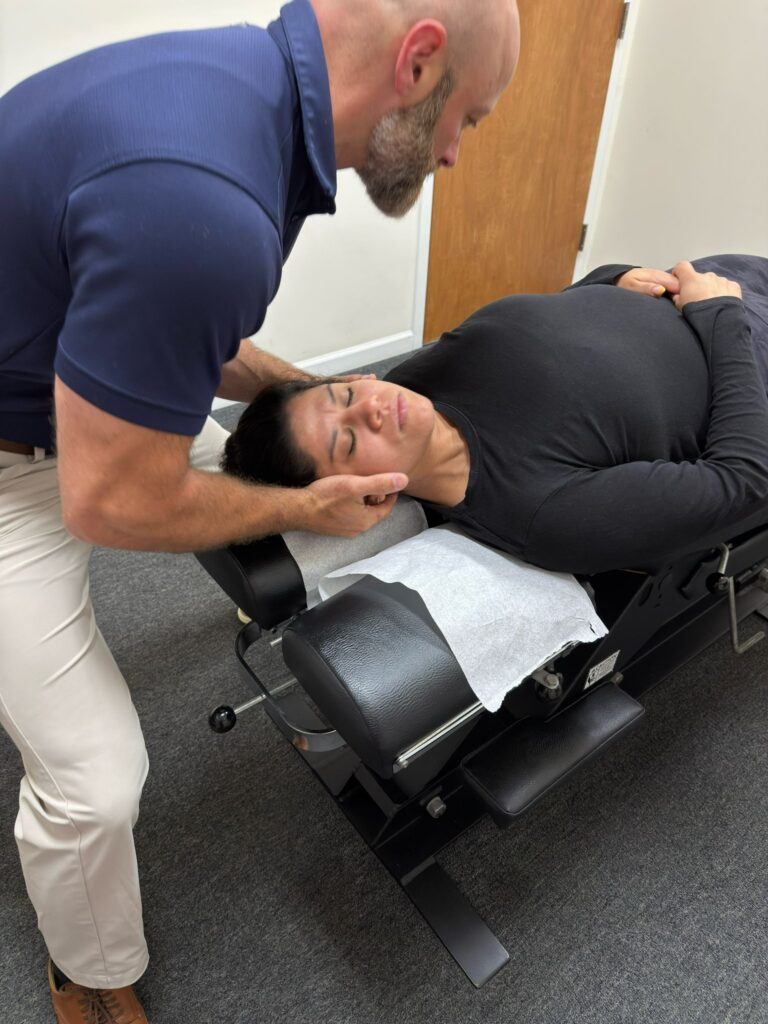
If you’re dealing with tension headaches, chiropractic care may be the natural solution you’ve been searching for. By concentrating on spinal alignment and promoting muscle relaxation, chiropractic adjustments can effectively reduce your headache symptoms. A key aspect of recovery is posture correction, which helps in maintaining a healthy spine. Simple stretching exercises can also play a vital role in relieving tension and improving your overall well-being.
Incorporating good posture habits into your daily routine is essential. Be mindful of how you sit, stand, and move throughout the day. Additionally, gentle stretches can help release built-up tension in your neck and shoulders. I recommend taking breaks to stretch if you spend long hours at a desk.
Nutrition also plays an important role in supporting your health. Staying hydrated and consuming a balanced diet rich in vitamins and minerals can enhance your body’s natural healing processes. Consider foods that are anti-inflammatory, such as leafy greens, fatty fish, and nuts, to help reduce tension and promote wellness.
So, if you’re looking for effective techniques to integrate into your routine, remember to prioritize chiropractic care for pain relief and natural wellness. With a focus on spinal health, posture correction, and holistic lifestyle choices, you can pave the way toward a headache-free life and optimal health.
Key Takeaways
Chiropractic care is an excellent way to help alleviate tension headaches naturally. Regular chiropractic adjustments can work wonders by realigning your spine and reducing muscle tension, which can significantly decrease the frequency and intensity of those pesky headaches.
One simple yet effective tip is to maintain proper posture throughout your daily activities. Good posture not only helps prevent muscle strain but also promotes spinal health, which can lead to fewer headaches. Being mindful of how you sit, stand, and move can make a big difference in your overall well-being.
Incorporating stretching exercises into your routine, along with deep breathing techniques, can also help relieve muscle tension. These practices not only enhance relaxation but complement the benefits you receive from chiropractic care, leading to a more holistic approach to your health.
Don’t forget the importance of hydration and nutrition! Drinking enough water and eating magnesium-rich foods can support your overall health and help your body heal naturally. Foods like leafy greens, nuts, and seeds can be great additions to your diet.
If you find that your headaches persist or start affecting your daily life, it’s important to seek the expertise of a chiropractor. Professional guidance can greatly enhance the effectiveness of your treatment and help you achieve optimal health.
Remember, chiropractic care offers a natural, effective way to relieve pain and promote wellness. By following these tips and prioritizing your spinal health, you can take proactive steps towards a headache-free life!
Understanding Tension Headaches
Tension headaches, commonly triggered by stress or muscle tension, can leave you feeling exhausted and irritable. These headaches typically present as a dull, aching pain around your forehead, temples, or the back of your head. You may notice that they often occur after long hours at your desk or during particularly stressful days.
When experiencing a tension headache, you might find yourself sensitive to light or sound, and your neck or shoulder muscles may feel tight. It’s essential to understand that tension headaches can affect anyone—no matter your age or lifestyle. By identifying your personal triggers—such as poor posture, lack of sleep, or anxiety—you can take steps to manage and even prevent future episodes.
As a chiropractor, I want to emphasize that chiropractic care can be a powerful tool in alleviating tension headaches. Regular chiropractic adjustments can help realign your spine, reduce muscle tension, and improve your overall posture, which may significantly decrease the frequency and intensity of these headaches.
In addition to chiropractic care, here are some helpful tips for managing tension headaches:
- Practice Good Posture: Ensure your workspace is ergonomically designed to support a healthy spine. Sit up straight and make sure your computer screen is at eye level.
- Stay Hydrated: Drinking ample water throughout the day can help prevent dehydration, which is a common headache trigger.
- Incorporate Relaxation Techniques: Techniques such as deep breathing, yoga, or meditation can help you manage stress and reduce muscle tension.
- Take Regular Breaks: If you’re working at a desk for long periods, take short breaks to stretch and move around. This can help relieve tension in your neck and shoulders.
- Get Quality Sleep: Aim for a consistent sleep schedule and create a calming bedtime routine to improve your sleep quality.
- Consider Regular Chiropractic Visits: Routine chiropractic care can help maintain spinal alignment, reduce muscle tension, and promote overall wellness, making it a great choice for those prone to tension headaches.
By focusing on these strategies and incorporating chiropractic care into your wellness routine, you can take control of your health and minimize the impact of tension headaches on your daily life.
The Role of Chiropractic Care
When it comes to managing tension headaches, chiropractic care is a vital component of your overall wellness journey. By focusing on your spine and musculoskeletal system, chiropractors can pinpoint and correct misalignments that may be contributing to your headaches.
Using gentle, hands-on techniques, we work to relieve tension in your neck and shoulders—often key sources of discomfort.
Regular chiropractic adjustments not only help improve your posture but also enhance blood flow, which can lead to a reduction in the frequency and intensity of tension headaches. Many of my patients share that after their visits, they feel more relaxed and less stressed, resulting in fewer headache occurrences.
In addition to adjustments, I often provide valuable lifestyle advice, including simple ergonomic tips and exercises that you can easily incorporate into your daily routine. These practical strategies support your long-term health and well-being.
By making chiropractic care a part of your wellness routine, you’re taking proactive steps to effectively manage your tension headaches and promote a healthier, more balanced life.
Benefits of Spinal Manipulation
Spinal manipulation is a powerful tool for enhancing your spinal alignment, which is crucial for your overall health and well-being. When your spine is aligned correctly, it can lead to improved function of your nervous system, allowing your body to communicate more effectively. This can be particularly helpful in alleviating tension headaches and encouraging a healthier lifestyle.
Chiropractic care focuses on restoring your spine’s natural alignment, which not only helps with pain relief but also promotes natural healing throughout your body. By choosing chiropractic adjustments, you’re opting for a holistic approach that supports your body’s innate ability to heal itself, without relying on medications or surgeries.
Here are a few simple tips to help you maintain a healthy spine and overall wellness:
- Stay Active: Regular physical activity strengthens the muscles that support your spine. Aim for at least 30 minutes of moderate exercise most days of the week.
- Practice Good Posture: Be mindful of your posture while sitting, standing, and lifting. Keeping your spine aligned can prevent discomfort and long-term issues.
- Ergonomic Workspace: If you work at a desk, ensure your chair and computer setup promote good posture. Use a chair that supports your lower back and position your screen at eye level.
- Stay Hydrated: Drinking plenty of water helps maintain the elasticity of your spinal discs and overall health.
- Get Regular Chiropractic Check-ups: Regular visits to your chiropractor can help ensure your spine remains aligned and functioning optimally.
By integrating these practices into your daily routine and choosing chiropractic care for your health needs, you’re taking proactive steps towards achieving and maintaining optimal health.
Enhanced Spinal Alignment
Enhancing Spinal Alignment for Headache Relief
As a chiropractor, I understand how debilitating tension headaches can be. One of the most effective ways to combat these headaches is through enhanced spinal alignment. By prioritizing your spinal health, you can significantly reduce both the frequency and intensity of headaches. Proper alignment alleviates tension in the neck and upper back, which are often key contributors to headache pain. Regular chiropractic adjustments not only improve your posture but also help relieve muscle strain, leading to a noticeable decrease in headaches.
Here’s a simple overview of the benefits of enhancing spinal alignment:
| Benefit | Description |
|---|---|
| Reduced Pain | Eases pressure on nerves and muscles, providing relief |
| Improved Mobility | Boosts your range of motion, making daily activities easier |
| Enhanced Posture | Supports better body alignment, reducing strain on muscles |
| Fewer Headaches | Lowers headache triggers by addressing underlying issues |
Incorporating chiropractic adjustments into your daily routine can be a game changer for managing headaches. Here are some additional tips to support your spinal health and overall well-being:
- Stay Active: Regular physical activity strengthens your muscles and improves flexibility, which can support better spinal alignment.
- Practice Good Posture: Be mindful of your posture, especially when sitting for long periods. Use ergonomic furniture and take breaks to stretch.
- Hydrate: Drinking plenty of water can help keep your muscles hydrated and reduce tension.
- Manage Stress: Incorporate relaxation techniques such as deep breathing, yoga, or meditation to help alleviate tension that may lead to headaches.
Improved Nervous System Function
Maintaining proper spinal alignment is essential not just for relieving tension headaches, but it significantly enhances the function of your nervous system. When your spine is aligned, it ensures that the signals between your brain and body can flow freely. This leads to a range of benefits that can improve your overall health and wellness, including:
- Better Communication Between Nerves: When your spine is in alignment, the nervous system can send and receive messages more efficiently. This means quicker responses to your body’s needs.
- Enhanced Coordination and Reflexes: Proper spinal alignment allows your body to work in harmony, improving your coordination and reflexes. This can help you feel more agile in your daily activities.
- Stronger Immune System Response: A well-aligned spine can boost your immune system, making it easier for your body to fend off illness and maintain good health.
- Lower Stress Levels: When your body is aligned, you’re likely to feel more relaxed and less stressed. Chiropractic care helps reduce tension in your muscles and promotes a sense of well-being.
As your local chiropractor, I encourage you to consider regular chiropractic adjustments as a natural and effective way to maintain spinal health and overall wellness.
Here are a few simple tips you can incorporate into your daily routine:
- Practice Good Posture: Pay attention to your posture whether you’re sitting at a desk or standing. Keeping your back straight and shoulders back can make a big difference.
- Stay Active: Regular exercise can help strengthen your back muscles and keep your spine aligned. Even simple activities like walking or stretching can be beneficial.
- Be Mindful of Your Sleep Position: Ensure you’re sleeping in a position that supports your spine. Consider using a supportive pillow and mattress to maintain proper alignment while you rest.
- Stay Hydrated: Drinking plenty of water can help keep your discs hydrated, which is important for maintaining spinal health.
By prioritizing your spinal health through chiropractic care, you can unlock the full potential of your nervous system and enjoy a healthier, more vibrant life without the need for medications or surgeries.
Posture Correction Techniques
When you focus on improving your posture, you can significantly decrease the frequency and intensity of tension headaches. As your local chiropractor, I want to share some simple yet effective strategies to help you achieve better alignment and overall wellness.
Begin by being mindful of how you sit, stand, and move during your daily activities. Remember to keep your shoulders back and down, ensuring your ears are aligned over your shoulders.
When sitting, it’s vital to have your feet flat on the ground and your knees bent at a 90-degree angle. This small adjustment can make a big difference in how your body feels.
Using a chair that offers proper lumbar support is another key factor. It helps maintain the natural curve of your spine, keeping it healthy and aligned.
If you spend a lot of time at a desk, make sure your computer screen is at eye level. This can prevent unnecessary strain on your neck and shoulders.
Regular breaks are essential too. Stand up, stretch, and change positions every so often to relieve muscle tension. Incorporating stretches into your routine can promote better posture and enhance your overall well-being.
Additionally, consider practicing core-strengthening exercises. A strong core supports your spine and helps maintain good posture. These exercises can be easily integrated into your daily routine and are a natural way to promote health.
By incorporating these posture correction techniques, you’ll not only feel more comfortable but also reduce the chances of experiencing those bothersome tension headaches.
Muscle Relaxation Strategies
To ease tension headaches, incorporating muscle relaxation strategies into your daily routine is vital. As a chiropractor, I believe that optimal health starts with a healthy spine and relaxed muscles. Stretching exercises are incredibly effective in releasing tight muscles that may contribute to headaches. Simple neck and shoulder stretches can alleviate tension and improve your overall comfort.
Breathing techniques are another excellent way to promote relaxation and reduce stress. Deep, mindful breathing helps to calm the nervous system, allowing your body to release built-up tension. I recommend taking a few moments each day to practice deep breathing, focusing on inhaling deeply through your nose and exhaling slowly through your mouth.
Additionally, regular chiropractic care can play a significant role in preventing tension headaches. By addressing any spinal misalignments and ensuring your nervous system functions optimally, chiropractic adjustments can help reduce the frequency and intensity of headaches.
Stretching Exercises for Relief
Stretching exercises can be a wonderful addition to your wellness routine, especially for relieving tension headaches and promoting overall muscle relaxation.
As a chiropractor, I often see how tight muscles can contribute to discomfort and headaches. Incorporating simple stretches into your daily life can help alleviate tightness, reduce headache frequency, and enhance your overall health.
Here are some effective stretches you can easily try:
- Neck stretch: Start by gently tilting your head to one side, bringing your ear toward your shoulder. Hold this position for about 15 seconds, then switch sides. This stretch helps relieve tension in the neck, which is often a culprit in tension headaches.
- Shoulder rolls: Roll your shoulders in a circular motion, first forward and then backward. Aim for 10 repetitions in each direction. This simple exercise can help loosen tight shoulder muscles and improve mobility.
- Upper back stretch: Clasp your hands together and extend your arms forward while rounding your upper back. Hold this stretch for 15 seconds to help relieve tension accumulated in the upper spine.
- Chest opener: Interlace your fingers behind your back and gently pull your arms away from your body while opening up your chest. Hold this position for 15 seconds. This stretch counteracts the forward hunch many of us develop from sitting and can help improve posture.
Incorporating these stretches regularly into your routine can provide significant relief and support your overall health.
Remember, chiropractic care is also an excellent way to address the root causes of headaches and tension in the body. Regular adjustments can help maintain spinal health, improve nervous system function, and enhance your overall well-being.
Be sure to consult with your chiropractor about adding these stretches to your care plan for optimal results!
Breathing Techniques for Relaxation
Breathing techniques can significantly enhance your relaxation and reduce tension, complementing the benefits of chiropractic care for a holistic approach to wellness. By turning your attention to your breath, you can activate your body’s natural relaxation response, which is crucial for spinal health and overall well-being. Deep, slow breaths not only help decrease your heart rate but also lower stress levels, which can lead to reduced tension in your muscles and joints.
Here are some effective breathing techniques that you can easily incorporate into your daily routine for optimal relaxation:
| Technique | Description | Benefits |
|---|---|---|
| Diaphragmatic | Breathe deeply using your diaphragm | Reduces anxiety, improves focus, supports spinal alignment |
| 4-7-8 Breathing | Inhale for 4, hold for 7, exhale for 8 | Promotes calmness and better sleep, aiding recovery from adjustments |
| Box Breathing | Inhale for 4, hold for 4, exhale for 4, hold for 4 | Balances emotions and reduces stress, fostering a healthier mind-body connection |
| Alternate Nostril | Breathe through one nostril at a time | Enhances mental clarity and relaxation, supporting nervous system function |
Incorporating these techniques into your routine can greatly enhance the relief you experience from chiropractic care. Remember, managing stress and tension is essential for maintaining a healthy spine and overall health. By using these natural methods, you’re taking proactive steps towards a healthier, more balanced life. Always consult with your chiropractor about how these techniques can best complement your treatment plan for optimal results.
Stretching Exercises for Relief
Tension headaches can be quite debilitating, but there are natural ways to find relief that don’t involve medications or surgeries. As a chiropractor, I recommend that you incorporate specific stretching exercises into your daily routine to ease tension and improve your overall well-being.
These stretches focus on the neck and shoulder areas, which are often at the root of headache discomfort. Here are some simple yet effective stretches you can try:
- Neck Rolls: Gently roll your head in a circular motion, moving clockwise and then counterclockwise. This helps to release built-up tension in your neck and promotes relaxation.
- Shoulder Shrugs: Raise your shoulders up towards your ears, hold for a few seconds, and then relax them down. This simple motion can help relieve tightness in the shoulder area.
- Chin Tucks: While sitting or standing tall, gently pull your chin back towards your neck and hold for about five seconds. This stretch is great for the upper neck muscles, helping to improve posture and alleviate strain.
- Upper Back Stretch: Clasp your hands together and reach forward, rounding your upper back. Feel the stretch between your shoulder blades. This helps to open up the upper back and relieve tension.
In addition to these stretches, regular chiropractic care can significantly enhance your relief from tension headaches. Chiropractors focus on aligning the spine and improving overall bodily function, which can lead to fewer headaches and a better quality of life.
If you’re experiencing frequent tension headaches, consider consulting with a chiropractor for personalized care and treatment options.
Incorporating these stretches and seeking chiropractic adjustments can help reduce the frequency and intensity of your tension headaches, allowing you to enjoy a healthier, more vibrant life.
Stress Management Approaches
Managing stress is crucial for alleviating tension headaches and enhancing your overall well-being. As a chiropractor, I understand the significance of maintaining a healthy spine and nervous system, which can greatly influence your body’s stress response. By incorporating effective stress management techniques into your daily routine, you can not only regain control over your mind and body but also support your journey towards optimal health. Here are some simple approaches that can help:
| Technique | Description | Benefits |
|---|---|---|
| Deep Breathing | Practice slow, deep breaths | Reduces anxiety and tension, promoting relaxation throughout your body. |
| Mindfulness Meditation | Focus on the present moment | Enhances emotional well-being and encourages a healthier mind-body connection, which is vital for spinal health. |
| Regular Exercise | Engage in physical activity | Boosts mood, relieves stress, and strengthens your body, supporting a healthy spine and nervous system. |
| Time Management | Prioritize tasks and set boundaries | Decreases feelings of overwhelm, allowing more time for self-care and chiropractic visits. |
Nutritional Considerations
Nutrition plays a vital role in managing tension headaches, and the foods you choose can significantly influence your overall health and well-being. As a chiropractor, I believe that supporting your body naturally through diet can complement the care you receive in my office.
Here are some simple nutritional tips to help alleviate headache symptoms and enhance your wellness journey:
- Stay Hydrated: Dehydration can often trigger headaches, so it’s important to drink plenty of water throughout the day. Carry a water bottle with you to make it easier to remember.
- Magnesium-Rich Foods: Incorporating foods like spinach, nuts, and whole grains into your meals can be beneficial. Magnesium is known to help reduce the frequency of headaches, so try adding a handful of nuts to your snack routine or a side of spinach to your lunch.
- Omega-3 Fatty Acids: Foods such as fatty fish, flaxseeds, and walnuts are great options that can help lower inflammation. Consider grilling some salmon for dinner or adding flaxseeds to your morning smoothie for a tasty boost.
- Limit Processed Foods: It’s wise to be mindful of high-sugar and high-sodium foods, as these can worsen headaches. Instead, focus on whole, nutrient-dense options. Fresh fruits, vegetables, and whole grains are excellent choices to nourish your body.
By making these small dietary changes, you can support your body’s natural healing processes and enhance the benefits of chiropractic care.
When to Seek Professional Help
When should you consider seeking professional help for tension headaches? If your headaches persist despite trying self-care methods like relaxation exercises or hot/cold compresses, it’s important to consult a chiropractor. Ignoring symptoms that worsen over time or become more frequent can lead to more discomfort.
If headaches start to interfere with your daily activities or diminish your quality of life, getting a professional assessment is crucial. You should also reach out for help if you experience severe pain, nausea, or visual disturbances, as these symptoms may signify a more serious issue.
If over-the-counter pain relievers aren’t providing relief, or if you find yourself relying on them too often, it’s a good idea to speak with a chiropractor who can offer natural, non-invasive solutions. A chiropractor can evaluate your posture, muscle tension, and spinal alignment.
By addressing these underlying issues, you can find tailored treatment options that promote healing and alleviate your tension headaches. Remember, early intervention can lead to better outcomes and improved overall well-being. You deserve to live without the burden of chronic pain, and chiropractic care can help you achieve that.
In the meantime, consider practicing good posture, staying hydrated, and incorporating regular physical activity into your routine. These simple lifestyle changes can make a significant difference in reducing tension and preventing headaches.
Your journey to a pain-free life starts with a call to your local chiropractor!
Conclusion
Incorporating chiropractic care into your everyday routine can be a game-changer for relieving tension headaches. By focusing on spinal health, correcting misalignments, and enhancing your posture, we can help reduce the muscle tension that often contributes to headaches. Additionally, learning stress management techniques can empower you to take charge of your wellness.
Staying hydrated is key, so make sure you’re drinking plenty of water throughout the day. Also, consider adding magnesium-rich foods—like leafy greens, nuts, and seeds—to your diet, as they can help support muscle relaxation and overall health.
If your headaches continue even after making these adjustments, it’s vital to consult with a chiropractic professional who can provide tailored care and strategies specifically for you. Remember, taking a proactive approach through chiropractic care not only helps in finding relief but also improves your overall quality of life. Embrace this natural path to wellness, and experience the benefits of a healthier, headache-free lifestyle!