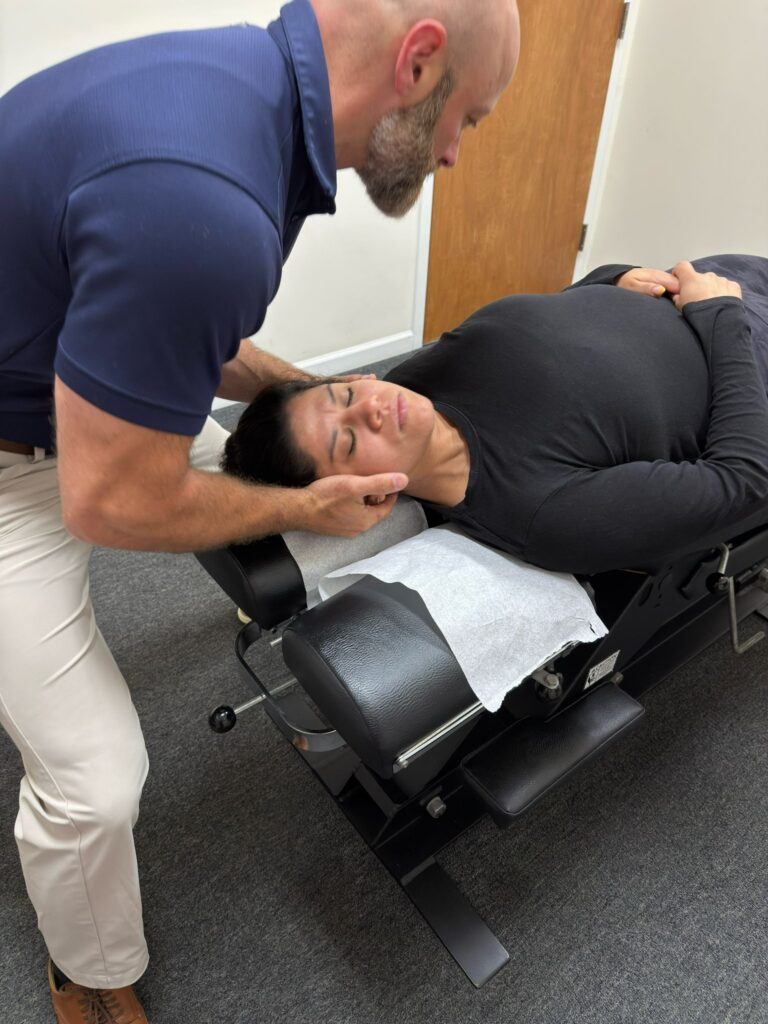

If you’re experiencing tension headaches, you understand just how disruptive they can be to your daily life. Finding effective relief can sometimes feel overwhelming, but chiropractic care stands out as a natural and holistic solution. Instead of merely masking the symptoms, chiropractors focus on addressing the underlying issues that contribute to your discomfort, such as spinal misalignments and muscle tension.
Chiropractic adjustments are a key technique used to restore proper alignment in your spine, which can alleviate pressure on nerves and reduce tension in surrounding muscles. This not only helps relieve your headache but also promotes overall wellness by ensuring your body functions at its best.
In addition to adjustments, chiropractors may employ techniques like massage therapy and stretching exercises to further relieve muscle tightness and improve circulation. These methods can enhance the healing process and help prevent future headaches.
Here are some general tips to help manage tension headaches:
- Stay Hydrated: Dehydration can trigger headaches, so make sure you drink plenty of water throughout the day.
- Practice Good Posture: Maintain proper posture while sitting and standing to reduce strain on your neck and back.
- Regular Exercise: Engaging in regular physical activity can help reduce muscle tension and stress, both of which are common headache triggers.
- Mindfulness and Relaxation Techniques: Incorporating practices like deep breathing, meditation, or yoga can help reduce stress and promote relaxation.
- Sleep Hygiene: Ensure you’re getting enough restful sleep, as fatigue can contribute to headaches.
By choosing chiropractic care, you’re opting for a natural approach that supports your body’s ability to heal itself. With the right care, you can regain control over your tension headaches and enhance your overall health. If you’re ready to explore how chiropractic care can benefit you, don’t hesitate to reach out for a consultation. Your journey to better health starts here!
Key Takeaways
Chiropractic care is a powerful tool for relieving tension headaches, primarily by focusing on the alignment of the spine. When your spine is properly aligned, it helps to reduce muscle tightness and nerve pressure, which are common triggers for headaches.
Through gentle techniques like spinal manipulation and soft tissue therapy, we can address muscle imbalances that often contribute to pain. These methods not only provide immediate relief but also improve your overall mobility, making it easier for you to go about your daily life without discomfort.
Regular chiropractic adjustments play a vital role in enhancing your posture. By maintaining good posture, you can significantly decrease the frequency and intensity of your headaches while also supporting your spinal health. This is a natural approach that encourages your body to heal itself without the need for medications or invasive procedures.
In addition to chiropractic care, complementary therapies such as massage and acupuncture can further reduce tension and enhance the benefits of your treatment. These holistic practices work hand-in-hand with chiropractic adjustments to promote relaxation and well-being.
To help prevent tension headaches from recurring, it’s essential to adopt some healthy habits. Maintaining good posture throughout the day, staying well-hydrated, and practicing relaxation techniques such as deep breathing or meditation can all contribute to your overall wellness. Remember, taking small steps towards a healthier lifestyle can make a big difference in how you feel.
Choosing chiropractic care means opting for a natural, effective solution for tension headaches and overall health. We’re here to guide you on your journey to wellness and help you achieve optimal health naturally.
Understanding Tension Headaches
Tension headaches can feel like a tight band around your head, causing discomfort and distraction throughout your day. You may notice a dull, aching pain that often comes with tightness in your neck and shoulders. These headaches can last anywhere from half an hour to several days, making it difficult to focus on your daily activities. They often arise after long hours of work, especially if you’ve been sitting in front of a screen or feeling stressed.
Unlike migraines, tension headaches typically don’t involve nausea or sensitivity to light and sound. The pain is generally mild to moderate, which can make it easy to overlook. However, recognizing the signs early can help you take action before the headache escalates, leading to a more comfortable day.
As a chiropractor, I believe that understanding the root causes of tension headaches can empower you to seek natural relief. Poor posture, muscle tension, and stress are common contributors to tension headaches. Here are some helpful tips to manage and prevent these headaches:
- Practice Good Posture: Ensure that your workstation is ergonomically set up. Keep your computer screen at eye level and your chair supportive to minimize strain on your neck and shoulders.
- Take Regular Breaks: If you’re working at a desk, take short breaks every hour to stand up, stretch, and move around. This can help release tension building in your muscles.
- Stay Hydrated: Dehydration can contribute to headaches. Make sure to drink plenty of water throughout the day.
- Incorporate Stretching and Strengthening Exercises: Gentle neck and shoulder stretches can relieve tightness. Incorporating exercises that strengthen your back and neck muscles can also help.
- Consider Chiropractic Care: Regular chiropractic adjustments can help align your spine, reduce muscle tension, and improve your overall well-being. This natural approach focuses on supporting your body’s ability to heal itself, making it a great option for managing tension headaches.
Common Triggers and Causes
Understanding the common triggers and causes of headaches can empower you to manage and prevent them effectively. One of the most prevalent culprits is stress. When under pressure, your muscles can tighten, leading to discomfort and tension headaches. This is where chiropractic care can play a vital role; by addressing muscle tension and spinal alignment, we can help alleviate stress and promote relaxation.
Another significant factor is poor posture, especially during long hours of sitting or working. Slouching can strain your neck and shoulders, contributing to headache pain. Regular chiropractic adjustments can help improve your posture and relieve the associated tension.
Don’t forget the importance of hydration! Dehydration is a common yet often overlooked cause of headaches. Make it a habit to drink plenty of water throughout the day to keep your body well-hydrated and functioning optimally.
Skipping meals can also lead to headaches due to fluctuations in blood sugar levels. To maintain steady energy and prevent headache triggers, try to eat balanced meals at regular intervals.
Environmental factors like bright lights, loud noises, and strong smells can also spark headaches. Creating a calm and soothing environment can be beneficial. If you’re sensitive to these triggers, consider incorporating relaxation techniques or mindfulness practices into your routine.
Lack of sleep or irregular sleep patterns can worsen tension headaches, making it crucial to prioritize a good night’s rest. Chiropractic care can also assist in promoting better sleep quality by addressing any discomfort that may interfere with restful sleep.
Lastly, be mindful of your daily habits, such as caffeine intake and screen time. While caffeine can offer temporary relief for some, too much can lead to rebound headaches. Limiting screen time and taking regular breaks can help reduce eye strain and tension.
The Role of Chiropractic Care
When it comes to managing headaches, chiropractic care provides a powerful, natural solution that can help alleviate pain and discomfort effectively. By concentrating on spinal alignment and improving your overall body mechanics, chiropractors can significantly reduce muscle tension and enhance blood circulation—two crucial factors that contribute to tension headaches.
Here’s a simple breakdown of how chiropractic care can benefit you if you’re suffering from headaches:
| Benefit | Description |
|---|---|
| Pain Relief | Decreases the intensity and frequency of headaches |
| Improved Mobility | Boosts neck and shoulder movement for better function |
| Stress Reduction | Encourages relaxation and helps to lower tension |
| Holistic Approach | Targets the root causes of headaches, not just the symptoms |
Choosing chiropractic care means opting for a natural and non-invasive approach to tackle your tension headaches. Regular adjustments can lead to lasting relief and promote your overall well-being. Here are a few tips you can incorporate into your routine to complement your chiropractic visits:
- Stay Hydrated: Drink plenty of water throughout the day to help keep your body functioning optimally.
- Practice Good Posture: Whether you’re sitting at a desk or using your phone, maintaining good posture can help prevent headaches.
- Take Breaks: If you’re working for long periods, take regular breaks to stretch and relax your neck and shoulders.
- Manage Stress: Incorporate relaxation techniques such as deep breathing, meditation, or yoga to reduce stress levels.
Techniques Used by Chiropractors
Chiropractors are dedicated to helping you find relief from tension headaches using a variety of natural techniques that promote overall wellness. One of the most effective methods we utilize is spinal manipulation, which gently realigns your spine. This not only alleviates pressure on your nerves but also reduces muscle tension and enhances your body’s function.
In addition to spinal adjustments, you may benefit from soft tissue therapy. During this treatment, we apply targeted pressure to specific muscles, helping to release tightness and improve blood circulation. This can be particularly helpful in relieving the discomfort associated with tension headaches.
We also focus on ergonomic advice, where we assess your posture and work environment. Simple changes to how you sit or stand can play a significant role in preventing tension headaches from coming back.
Remember, maintaining good posture is key to keeping your spine healthy and your headaches at bay.
Incorporating stretching and strengthening exercises into your routine can further enhance muscle balance, which is vital for your overall health. These exercises can be easily done at home and are tailored specifically to your needs, ensuring you’re on the right path to recovery.
Additionally, we might suggest using heat or cold therapy to ease pain and reduce inflammation. These simple techniques can be easily integrated into your daily life and can offer immediate relief.
By combining these natural chiropractic techniques, we create a personalized treatment plan that addresses the root causes of your tension headaches. Our goal is to help you not only find relief but also improve your quality of life.
Benefits of Chiropractic Treatment
Chiropractic treatment is an excellent way to relieve muscle tension, helping you to feel more relaxed and comfortable in your daily life. By focusing on proper spinal alignment, chiropractic care not only improves your posture but can also contribute to better overall health and a reduction in headaches.
When we address muscle tension and misalignments in the spine, we take a holistic approach to your well-being, particularly when it comes to tension headaches. This natural method of healing allows your body to function optimally without the need for medications or surgeries.
To enhance the benefits of chiropractic care, here are a few simple tips you can incorporate into your daily routine:
- Stay Active: Regular physical activity can help maintain muscle strength and flexibility, which supports your spine.
- Mind Your Posture: Whether sitting or standing, being conscious of your posture can make a significant difference in how your body feels. Try to keep your shoulders back and your spine straight.
- Hydrate: Drinking plenty of water is essential for keeping your muscles hydrated and functioning well.
- Stretch: Incorporate gentle stretches into your day to relieve tension and improve your range of motion.
- Stress Management: Practice relaxation techniques such as deep breathing or meditation to help reduce stress, which can contribute to muscle tension.
Alleviates Muscle Tension
If you’re experiencing tension headaches, it’s crucial to address muscle tension for effective relief. As a local chiropractor, I want to emphasize how chiropractic care can specifically target the areas where stress builds up, particularly in your neck and shoulders. By focusing on these tight spots, we can help alleviate discomfort and promote your overall well-being.
Chiropractic adjustments not only reduce pain but also encourage better spinal alignment, which can lead to improved health in various aspects of your life. Here are some common symptoms of muscle tension and how chiropractic care can help:
| Symptoms of Muscle Tension | Relief After Chiropractic Care |
|---|---|
| Persistent headaches | Noticeable reduction in pain |
| Stiff neck | Increased range of motion |
| Shoulder tightness | Enhanced relaxation |
In addition to chiropractic adjustments, here are a few tips you can incorporate into your daily routine to further support your muscle health:
- Stay Hydrated: Drinking plenty of water can help keep your muscles hydrated and reduce tension.
- Practice Good Posture: Maintaining proper posture while sitting or standing can prevent muscle strain.
- Incorporate Stretching: Regular stretching can improve flexibility and relieve tightness in your muscles.
- Manage Stress: Engage in relaxation techniques such as deep breathing, meditation, or yoga to lower stress levels.
- Take Breaks: If you work at a desk, make sure to take regular breaks to move around and stretch.
Improves Posture Alignment
Muscle tension can often lead to poor posture, which may contribute to tension headaches. When we slump or hunch over, the muscles in our neck and shoulders can become overworked, leading to discomfort.
As a chiropractor, I focus on realigning the spine and correcting these postural imbalances. By tackling the root causes of poor posture, I can help restore proper alignment, which in turn alleviates pressure on your muscles and nerves.
When your posture improves, you might notice a significant change in how you carry yourself throughout the day, which can lead to a decrease in headache frequency and intensity. It’s important to stay mindful of your posture, as good alignment not only helps with headaches but enhances your overall well-being.
Here are a few simple tips to help maintain good posture throughout your day:
- Sit Up Straight: When sitting, keep your back straight and shoulders relaxed. Use a chair that supports your lower back.
- Take Breaks: If you spend long hours at a desk, remember to take regular breaks to stand, stretch, and move around.
- Strengthen Core Muscles: Doing exercises that strengthen your core can help support your spine and improve your posture.
- Mind Your Phone: When looking at your phone, bring it to eye level instead of bending your neck down, which can strain your muscles.
With regular chiropractic adjustments, you’re not just finding relief from headaches; you’re making an investment in better posture and a healthier lifestyle.
Embrace the journey towards optimal health through natural healing and chiropractic care!
How Chiropractic Adjustments Work
Chiropractic adjustments are a powerful way to restore your spinal alignment, which is crucial for your overall health and well-being. When your spine is aligned properly, it not only improves the functioning of your nervous system but also helps to alleviate muscle tension. This is especially beneficial for those who suffer from tension headaches, as a well-aligned spine can significantly reduce the frequency and intensity of these discomforts.
By choosing chiropractic care, you’re opting for a natural approach to health that emphasizes healing without the need for medications or surgeries. Regular adjustments can enhance your body’s ability to heal itself, promoting a healthier lifestyle overall.
Here are some simple tips to complement your chiropractic care and enhance your wellness journey:
- Stay Active: Incorporate gentle exercises like walking or stretching into your daily routine to support your spinal health.
- Maintain Good Posture: Pay attention to your posture while sitting and standing. Keeping your spine aligned can prevent unnecessary strain.
- Stay Hydrated: Drinking plenty of water helps keep your muscles and joints healthy, which is important for your overall spinal health.
- Practice Stress Management: Techniques such as meditation or deep breathing can help reduce muscle tension, which is beneficial for both your spine and overall health.
- Regular Check-ups: Make regular visits to your chiropractor a part of your health routine. This ensures that any misalignments are addressed promptly, preventing future discomfort.
By embracing chiropractic care and these wellness tips, you can take significant steps toward achieving optimal health and living a pain-free life.
Spinal Alignment Importance
When your spine is out of alignment, it can lead to all sorts of problems, including tension headaches. That’s where chiropractic adjustments come in. These gentle, targeted treatments aim to realign your spine, relieving pressure on nerves and surrounding muscles.
By restoring proper alignment, you can enhance your body’s ability to function effectively. This realignment helps reduce strain and tension in your neck and shoulders, which are often the main culprits behind headaches.
Additionally, when your spine is aligned correctly, it improves blood flow and oxygen delivery to your brain, which can help alleviate headache symptoms. Regular chiropractic care is a fantastic way to maintain that alignment, helping to prevent future headaches and promoting overall wellness.
Here are some simple tips you can incorporate into your daily routine to support your spinal health:
- Practice Good Posture: Whether sitting at a desk or standing, keep your back straight and shoulders back to avoid unnecessary strain on your spine.
- Stay Active: Regular physical activity strengthens your muscles and supports good spinal alignment. Aim for a mix of strength training and flexibility exercises.
- Take Breaks: If you work at a desk, make sure to take regular breaks to stretch and change positions. This can help reduce tension buildup.
- Use Ergonomic Furniture: Invest in a chair that supports your lower back and consider a desk setup that promotes good posture.
- Stay Hydrated: Drinking plenty of water helps keep your spinal discs hydrated, which is essential for maintaining their health.
By prioritizing your spinal health through chiropractic care and these simple lifestyle changes, you’re taking proactive steps toward reducing tension headaches and enhancing your overall well-being.
Nervous System Functionality
Understanding how your nervous system works is key to realizing the incredible benefits of chiropractic adjustments. Your nervous system is like the control center for your entire body, managing everything from how you move to how you feel sensations.
When your spine is out of alignment, it can disrupt the signals that flow between your brain and body, leading to discomfort and various health issues. Chiropractic adjustments play a vital role in restoring proper spinal alignment, which helps your nervous system function more effectively.
By realigning your spine, we can reduce interference on your nerves, allowing for better communication throughout your body. This means your brain can send and receive clearer signals, which can lead to relief from issues like tension headaches and stress.
Here are a few simple tips to enhance your nervous system health:
- Stay Active: Regular physical activity helps keep your spine and nervous system functioning well. Aim for at least 30 minutes of movement most days of the week.
- Practice Good Posture: Being mindful of your posture, especially if you sit for long periods, can prevent spinal misalignments. Make sure your chairs support your lower back, and take breaks to stretch.
- Manage Stress: Stress can impact your nervous system. Incorporate relaxation techniques such as deep breathing, meditation, or yoga into your routine.
- Stay Hydrated: Drinking plenty of water supports overall bodily functions, including the health of your nervous system.
- Regular Chiropractic Care: Committing to routine chiropractic adjustments not only helps keep your spine aligned but also supports your overall wellness journey.
Muscle Tension Reduction
Your nervous system and muscle tension are closely linked, and when your spine isn’t aligned properly, it can lead to tightness in your muscles. That’s where chiropractic care comes in! Chiropractic adjustments focus on correcting these spinal misalignments, which can disrupt the signals your nerves send throughout your body. By ensuring your spine is aligned, you can help reduce muscle tension, leading to less pain and discomfort.
Here are a few simple tips to help you maintain a healthy spine and reduce muscle tension:
- Practice Good Posture: Whether you’re sitting at a desk or standing, make sure your back is straight and your shoulders are relaxed. Good posture can prevent misalignments that lead to tension.
- Stay Active: Regular physical activity helps keep your muscles flexible and strong, which can support your spine. Aim for daily movement, whether it’s walking, stretching, or yoga.
- Mind Your Sleep Position: The way you sleep can affect your spine. Use a supportive pillow and mattress, and try to sleep on your back or side to maintain natural spinal curves.
- Manage Stress: High stress can lead to muscle tension. Incorporate relaxation techniques like deep breathing, meditation, or gentle stretching into your daily routine.
- Regular Chiropractic Visits: Making chiropractic care a part of your wellness routine can help keep your spine aligned and your body functioning optimally. Regular adjustments can help prevent muscle tension before it starts.
By prioritizing your spinal health through these simple practices and regular chiropractic care, you can achieve a more comfortable and healthier life.
Complementary Therapies in Chiropractic Care
Chiropractic care is widely recognized for its effective spinal adjustments, but it can be even more powerful when combined with complementary therapies that specifically target tension headaches. By taking a holistic approach, you can achieve greater relief and support your overall well-being.
One of the best complementary therapies is massage therapy. This technique can significantly reduce muscle tension and enhance circulation, which may lead to relief from headache symptoms. Regular massage can help relax tight muscles in your neck and shoulders, areas often responsible for tension headaches.
Another beneficial option is acupuncture. This ancient practice involves stimulating specific points on your body to help restore balance and alleviate pain. Many patients report positive results from acupuncture, finding it a valuable addition to their chiropractic care.
Incorporating relaxation techniques into your daily routine can also be highly effective. Guided meditation and deep breathing exercises are excellent ways to manage stress, which is a common trigger for tension headaches. Taking just a few minutes each day to focus on your breath or engage in mindfulness can make a significant difference.
Additionally, it’s important to consider lifestyle changes that support your health. Your chiropractor may recommend ergonomic assessments to improve your posture, especially if you spend long hours at a desk. Simple adjustments to your workspace can prevent strain on your body and reduce the likelihood of headaches.
Regular exercise is also vital; staying active helps keep your muscles strong and can reduce stress levels.
By combining these complementary therapies with your chiropractic adjustments, you’ll be taking a proactive approach to not only relieving tension headaches but also enhancing your overall health and wellness.
Patient Success Stories
Many patients have found significant relief from tension headaches through chiropractic care and complementary therapies. Take, for example, Sarah, who battled daily headaches for years. After just a few chiropractic sessions, she experienced a remarkable decrease in both the intensity and frequency of her headaches. This is a testament to the power of spinal adjustments in alleviating discomfort and promoting overall wellness.
Mark is another success story. He discovered that when he paired chiropractic adjustments with massage therapy, he experienced even greater relief from his symptoms. Each visit left him feeling more relaxed and less stressed, enhancing his overall well-being. This combination of therapies can be a game changer for many.
Then there’s Lisa, who found that chiropractic care not only relieved her headaches but also improved her posture. Better posture can lead to decreased muscle tension, which is often a trigger for headaches. With consistent chiropractic treatment, she regained her energy and focus, showing how interconnected our body’s systems are and how natural healing can lead to a healthier life.
These stories highlight the effectiveness of chiropractic care in addressing tension headaches and promoting natural wellness. If you’re tired of battling these persistent headaches, remember that relief is achievable. Chiropractic care focuses on the root cause of your discomfort and offers a holistic path to healing.
Here are some general tips to help you manage tension headaches:
- Stay Hydrated: Dehydration can trigger headaches, so ensure you’re drinking enough water throughout the day.
- Practice Good Posture: Maintain proper alignment while sitting and standing to reduce muscle strain and tension.
- Incorporate Relaxation Techniques: Activities like deep breathing, yoga, or meditation can help alleviate stress, which is often a contributor to headaches.
- Regular Chiropractic Visits: Consistent chiropractic care can help maintain spinal health and prevent the recurrence of headaches.
If you’re looking for a natural, effective way to manage your tension headaches and enhance your overall health, consider chiropractic care as your go-to solution. You don’t have to face this challenge alone; we’re here to help you find relief and improve your quality of life.
Tips for Maintaining Headache Relief
To keep tension headaches at bay, it’s essential to focus on your posture. Sitting and standing correctly can make a significant difference in how your body feels.
Incorporating regular stretching exercises into your daily routine can help relieve built-up tension in your neck and shoulders, which are common culprits of headaches.
As a chiropractor, I encourage you to consider the benefits of chiropractic care for headache relief. By addressing misalignments in your spine and improving your overall posture, chiropractic adjustments can help alleviate the source of your tension headaches.
Additionally, make it a habit to take breaks throughout your day to stretch and move your body. Simple neck rolls or shoulder shrugs can relieve tension and promote better circulation.
Staying hydrated and practicing relaxation techniques, such as deep breathing or meditation, can also contribute to reducing headache frequency and intensity.
By incorporating these practices into your daily life, you can naturally maintain your headache relief and promote overall wellness with the support of chiropractic care.
Proper Posture Practices
Maintaining proper posture is crucial for relieving and preventing tension headaches, and as a chiropractor, I can tell you that good alignment can have a profound impact on your overall health. When you sit or stand correctly, you alleviate strain on your neck and shoulders, which are common triggers for headaches. Here are some easy tips to help you maintain proper posture throughout your day:
| Position | Tips | Benefits |
|---|---|---|
| Sitting | Keep your feet flat on the floor and your knees at a right angle. | This reduces pressure on your lower back and promotes better alignment. |
| Standing | Distribute your weight evenly on both feet and engage your core. | This enhances your balance and stability, making it easier to maintain a strong posture. |
| Working (Desk) | Ensure your computer screen is at eye level and your chair provides proper support. | This minimizes neck and back strain, allowing you to work comfortably. |
| Sleeping | Choose a supportive pillow that keeps your neck aligned with your spine. | A good pillow helps maintain proper spinal alignment while you rest, contributing to overall wellness. |
Regular Stretching Exercises
Incorporating regular stretching exercises into your daily routine can significantly enhance headache relief and overall wellness. Stretching is a natural way to release tension in your neck, shoulders, and upper back—areas that often harbor tightness contributing to headaches. Simple stretches such as neck tilts, shoulder rolls, and upper back extensions can work wonders. Aim for at least 5 to 10 minutes of stretching each day, especially during breaks from prolonged sitting.
As you engage in these stretches, be mindful of your body; if something feels uncomfortable, ease into it gently. Pairing your stretching routine with deep breathing can further promote relaxation and enhance the benefits. By making stretching a consistent part of your day, you’ll not only alleviate existing headaches but also help prevent future ones.
Chiropractic care is an excellent complement to your stretching routine. Regular visits to a chiropractor can help maintain proper spinal alignment, which is crucial for reducing tension and promoting overall health. Your chiropractor can provide tailored advice and techniques that support your specific needs.
When to Seek Chiropractic Help
Are you experiencing tension headaches and wondering if it’s time to seek chiropractic help? If you’re dealing with ongoing discomfort or if over-the-counter medications just aren’t doing the trick, it may be the perfect moment to consult a chiropractor.
Here are some important signs that indicate you could benefit from chiropractic care:
- Frequent Headaches: If you’re suffering from headaches more than twice a week, it’s a clear signal that professional help could make a difference in your life. Regular chiropractic adjustments can help reduce the frequency and intensity of your headaches.
- Severe Pain: When headaches become so intense that they interrupt your daily activities, it’s essential to take action. Chiropractic care focuses on identifying the root causes of your pain and providing gentle, effective treatments to relieve it.
- Neck and Shoulder Tension: Persistent tightness in your neck or shoulders often contributes to tension headaches. Chiropractic adjustments can alleviate this tension, promoting better alignment and reducing headache triggers.
- Changes in Symptoms: Noticing any shifts in the pattern or intensity of your headaches is a good reason to reach out for a chiropractic evaluation. A thorough examination can help determine the underlying issues and guide your path to relief.
Remember, you don’t have to let tension headaches control your life! Chiropractic care offers a natural, non-invasive approach to achieve optimal health and wellness.
In addition to seeking professional help, consider incorporating simple habits into your daily routine, such as regular stretching, staying hydrated, and practicing good posture. These small changes can support your overall well-being and reduce the likelihood of future headaches.
Don’t hesitate to reach out for specialized care today!
Conclusion
Incorporating chiropractic care into your daily life can significantly reduce both the frequency and intensity of tension headaches. By focusing on spinal alignment and relieving muscle tension, chiropractors directly address the underlying causes of your discomfort.
Here are a few simple tips to enhance your wellness journey:
- Maintain Good Posture: Whether you’re sitting at a desk or using your phone, be mindful of your posture. Keeping your spine aligned reduces strain on your neck and shoulders, which can help prevent headaches.
- Manage Stress: Stress is a common trigger for tension headaches. Techniques such as deep breathing exercises, yoga, or meditation can help you relax and reduce stress levels.
- Stay Hydrated: Drinking plenty of water throughout the day is essential for overall health and can help prevent headaches caused by dehydration.
- Regular Chiropractic Visits: Consistent chiropractic adjustments can help keep your spine in alignment and alleviate tension in your muscles. This proactive approach is key to achieving lasting relief from headaches.
If you find yourself struggling with ongoing pain, don’t hesitate to reach out for chiropractic care. We offer a personalized approach that focuses on your individual needs, promoting not only pain relief but also a pathway to optimal health. Embrace the natural healing power of chiropractic and take the first step toward a healthier, headache-free life!