
Curious about preventing low back pain? You’re not alone—many individuals experience discomfort that can disrupt everyday activities. As a local chiropractor, I want to share some effective and natural strategies to help you maintain a healthy back and live your life to the fullest.
First and foremost, core strengthening exercises are vital. A strong core provides support for your spine and can significantly reduce the risk of back pain. Simple exercises like planks, bridges, and pelvic tilts can be easily incorporated into your routine.
Additionally, consider the ergonomics of your workspace. Whether you’re working from home or in an office, ensure that your desk and chair promote good posture. A chair that supports your lower back and a desk that keeps your computer screen at eye level can make a world of difference.
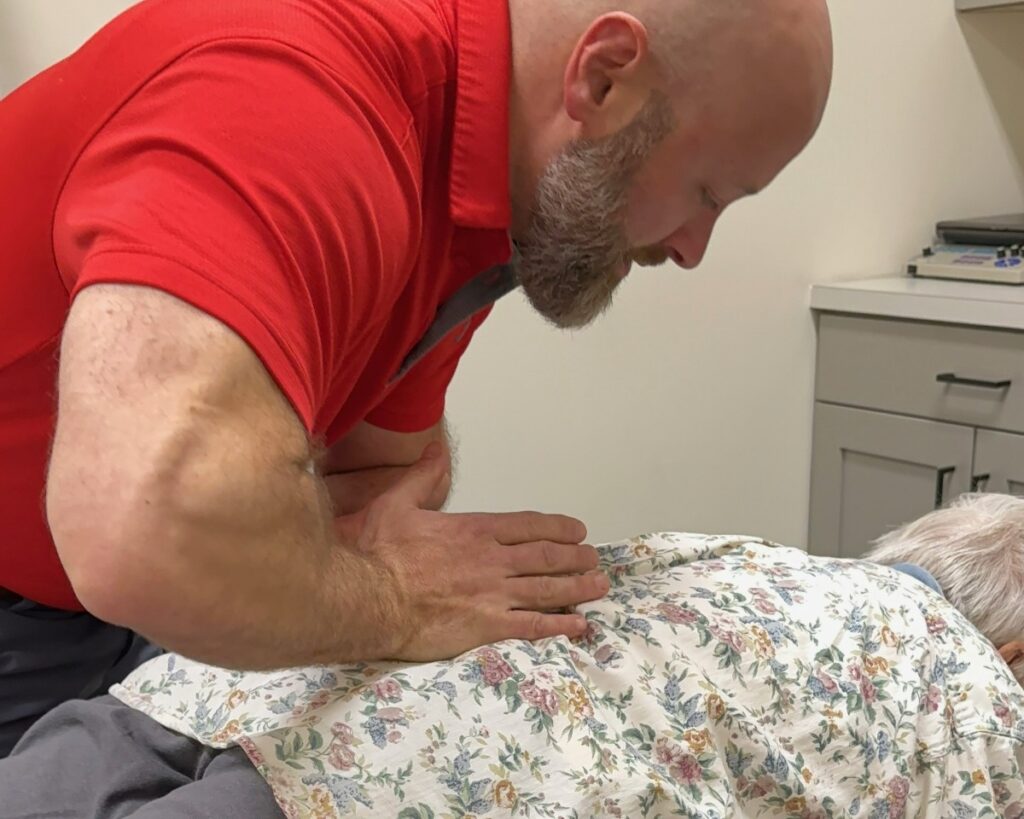
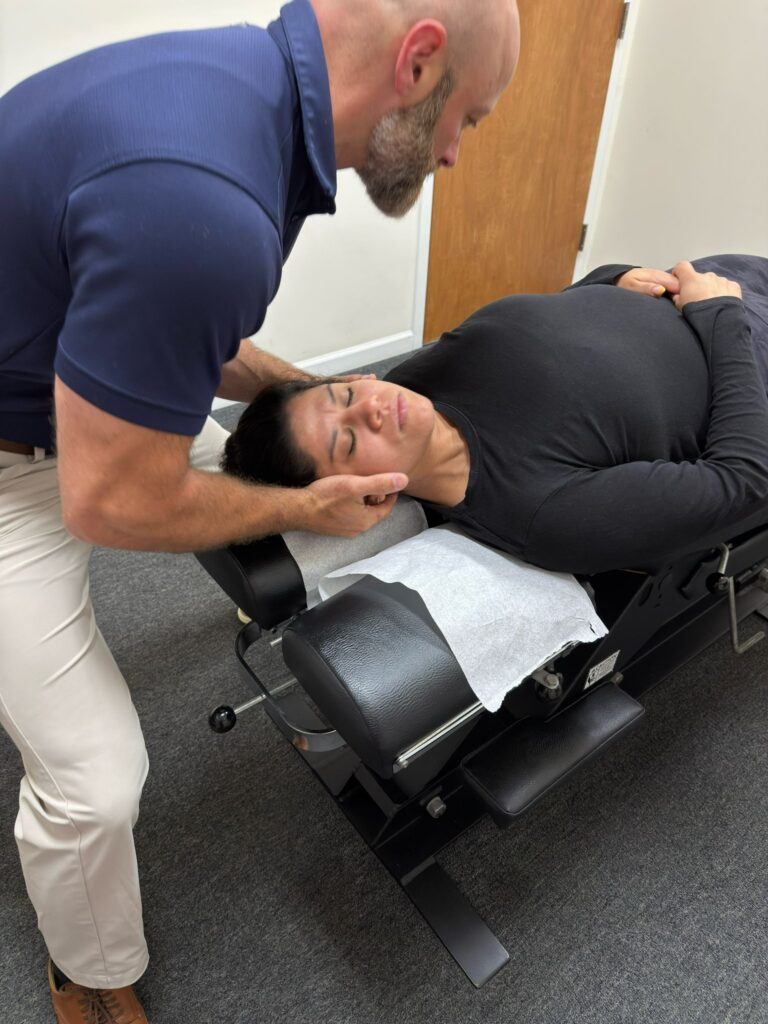
Don’t forget the importance of regular chiropractic care. Chiropractic adjustments not only relieve pain but also help maintain proper alignment, which is crucial for spinal health. A chiropractor can provide personalized care tailored to your unique needs, helping you achieve optimal health naturally.
Other general tips include practicing good lifting techniques—bend at your knees, not your waist—and staying active with low-impact activities like walking, swimming, or yoga. Stretching regularly can also keep your muscles flexible and reduce tension in your back.
By incorporating these strategies into your daily life, you can protect your back and enhance your overall well-being. Remember, chiropractic care is a key component in achieving a pain-free life, so consider making it a part of your wellness journey. Let’s work together toward a healthier, happier you!
Key Takeaways
- Maintain proper posture by keeping your shoulders back and your feet flat on the ground. This simple adjustment can significantly reduce strain on your back, helping you feel more comfortable throughout the day.
- Stay active with regular exercise like walking or yoga. These activities not only strengthen your back muscles but also improve your overall well-being, making it easier for your body to handle daily stresses.
- Incorporate core-strengthening exercises, such as planks and bridges, into your routine. A strong core supports spinal stability, helping to prevent injuries and alleviate back pain. Remember, a healthy spine is the foundation of a healthy life!
- Adjust your workspace to be ergonomic. This means setting up your desk and chair to promote good alignment while you work, which can significantly reduce discomfort during prolonged sitting. Don’t hesitate to ask a chiropractor for advice on the best setup for your needs!
- Practice stress management techniques, such as deep breathing or mindfulness. Stress can lead to muscle tension and exacerbate back pain, so finding ways to relax is essential for your overall health. Remember, taking care of your mind is just as important as taking care of your body!
Chiropractic care is an excellent option for achieving optimal health and wellness, helping you maintain a pain-free and active lifestyle. If you’re experiencing discomfort or want to enhance your well-being, consider visiting your local chiropractor for personalized care and guidance. Your spine will thank you!
Understanding Low Back Pain: Causes and Risk Factors
Understanding low back pain can empower you to recognize its causes and risk factors, paving the way for effective management and prevention. As a chiropractor, I want to share insights that not only inform you but also encourage natural healing and wellness.
Low back pain frequently arises from muscle or ligament strain, often caused by heavy lifting, awkward movements, or prolonged periods of sitting. If your job involves physical labor or if you find yourself sitting at a desk for long hours, you may be at an increased risk for experiencing discomfort.
Other contributing factors can include obesity, which adds extra pressure on your spine, and age, as the natural wear and tear on your body can lead to conditions like degenerative disc disease.
Moreover, a sedentary lifestyle can weaken your core muscles, making you more vulnerable to injuries. Stress can also play a significant role, as it often leads to muscle tension in your back.
Additional risk factors include improper lifting techniques and lack of flexibility. By identifying these causes, you can take proactive measures to protect your back and overall health.
Here are some simple tips to help you manage and reduce your risk of low back pain:
- Practice Good Posture: Whether sitting or standing, maintaining proper alignment can help reduce strain on your back.
- Strengthen Your Core: Engage in exercises that target your abdominal and back muscles. A strong core supports your spine and reduces the likelihood of injury.
- Stay Active: Incorporate regular physical activity into your routine. Simple activities like walking or stretching can enhance flexibility and strength.
- Use Proper Lifting Techniques: Always bend at your knees and keep your back straight when lifting heavy objects. Avoid twisting your body during the lift.
- Manage Stress: Explore relaxation techniques such as deep breathing or yoga, which can help alleviate muscle tension.
By understanding the underlying causes of low back pain and implementing these tips, you can take control of your health. Chiropractic care focuses on natural healing and wellness, providing a holistic approach to managing pain and enhancing your quality of life.
The Importance of Good Posture
Good posture is crucial not only for exuding confidence but also for promoting a healthy spine and preventing low back pain. When you sit, stand, or move with proper alignment, you distribute your body weight evenly, which helps reduce strain on your muscles and ligaments. This proper alignment supports the natural curve of your spine, minimizing pressure on your discs and nerves.
As a chiropractor, I often see how poor posture can lead to muscle fatigue, tension, and discomfort over time. By consciously working on your posture, you can significantly enhance your overall well-being. Simple changes, like keeping your shoulders back, aligning your head with your spine, and ensuring your feet are flat on the ground when seated, can lead to substantial improvements in how you feel day-to-day.
Remember, good posture isn’t just about looking good; it’s about feeling good too. Incorporating regular chiropractic adjustments into your routine can help you maintain that alignment, relieve pain, and promote natural healing throughout your body. So, take a moment to check in with your posture; your back will definitely thank you for it!
Prioritize your spinal health today, and consider chiropractic care as your go-to option for achieving optimal health and wellness.
Ergonomic Workspaces: Tips for Desk Workers
Creating an ergonomic workspace is crucial for desk workers who spend long hours sitting, as it can significantly impact your spinal health and overall well-being. As a chiropractor, I want to share some important tips to help you set up a workspace that supports your body and promotes natural healing.
Start with your chair: Adjust it to properly support your lower back, which is vital for maintaining good spinal alignment. Keep your feet flat on the floor, and ensure your knees are at or slightly below hip level to prevent strain on your back.
Next, position your computer monitor at eye level, about an arm’s length away. This will help reduce neck strain and maintain a healthy posture. It’s also beneficial to use a keyboard and mouse that allow your wrists to stay straight, and consider adding a wrist rest to enhance comfort and support.
Lighting is another key factor: Ensure your workspace is well-lit to minimize eye strain, which can lead to discomfort throughout your body. Remember to take short breaks every hour to stretch and move around; this not only helps maintain circulation but also rejuvenates your muscles and joints.
Organizing your desk can also make a big difference. Keep frequently used items within easy reach to minimize awkward movements that could lead to discomfort or injury.
Strengthening Your Core: Exercises for a Healthy Back
Having a strong core is essential for maintaining a healthy back, and it plays a significant role in reducing your risk of low back pain. Strengthening your core not only builds muscle but also enhances your overall stability, which is crucial for your daily activities. As a chiropractor, I emphasize the importance of core strength in supporting your spine and promoting natural healing.
To incorporate effective core exercises into your routine, consistency is key. Here are some simple tips to help you stay on track and support your journey toward optimal health:
- Start Slow: If you’re new to core exercises, begin with basic movements that are easy to perform. Gradually increase the intensity and duration as you become more comfortable.
- Focus on Form: Proper technique is vital to avoid injury and maximize benefits. If you’re unsure, consider seeking guidance from a chiropractor who can provide personalized advice.
- Mix It Up: Incorporate a variety of exercises to keep your routine engaging. Planks, bridges, and bird-dogs are excellent options that target different core muscles.
- Stay Consistent: Aim to include core workouts in your weekly routine. Even short sessions can be effective when done regularly.
- Listen to Your Body: If you experience pain during any exercise, stop and consult with your chiropractor. They can help you modify exercises to suit your needs and ensure you’re not exacerbating any existing issues.
- Combine with Chiropractic Care: Regular chiropractic adjustments can enhance your core strength and overall spinal health. By keeping your spine aligned, you’ll support your core exercises and reduce the risk of injury.
Importance of Core Strength
Strengthening your core isn’t just about looking good; it’s a fundamental aspect of maintaining a healthy spine and preventing low back pain.
As a chiropractor, I can tell you that your core plays a crucial role in supporting your spine and stabilizing your body during everyday activities. When your core muscles are strong, they help evenly distribute weight, which reduces strain on your lower back. This balance is particularly important when you’re lifting or bending.
Weak core muscles can lead to poor posture and increase the risk of injury. By prioritizing core strength, you not only enhance your physical performance but also protect your back from unnecessary stress. Incorporating core exercises into your routine is a simple yet effective way to promote overall wellness.
Here are some easy tips to strengthen your core and support your spine:
- Practice Good Posture: Be mindful of how you sit and stand. Keeping your back straight and shoulders back can help engage your core throughout the day.
- Incorporate Core Exercises: Simple exercises like planks, bridges, and abdominal crunches can effectively strengthen your core. Start with a few repetitions and gradually increase as you feel stronger.
- Stay Active: Regular physical activity, such as walking, swimming, or cycling, can help maintain a strong core and support your overall health.
- Focus on Breathing: Deep, diaphragmatic breathing can engage your core muscles. Try incorporating this into your daily routine.
- Consult a Chiropractor: If you’re experiencing back pain or want personalized advice on strengthening your core, consider visiting your local chiropractor. They can provide tailored exercises and adjustments to help you achieve optimal health.
Remember, a strong core is key to a healthy back, so make it a priority in your wellness journey!
Your spine will thank you in the long run.
Effective Core Exercises
To cultivate a strong core and support your overall spine health, it’s essential to engage in exercises that not only target multiple muscle groups but also promote stability in your spine. As a chiropractor, I emphasize the importance of a resilient core for pain relief and optimal wellness.
Start with planks, which are excellent for enhancing core strength. To perform a plank, hold your body in a straight line from head to heels for 30 seconds to a minute. This exercise helps stabilize your spine, reducing the risk of back pain.
Next, incorporate bridge lifts into your routine. Lie on your back with your knees bent and lift your hips toward the ceiling while squeezing your glutes. This movement not only strengthens your core but also supports your lower back, making it a great choice for those seeking relief from discomfort.
Russian twists are another fantastic exercise to engage your obliques. Sit on the floor, lean back slightly, and twist your torso from side to side. This exercise promotes flexibility in your spine while building core strength.
Finally, consider adding bird-dogs to your regimen. Start on all fours, then extend one arm and the opposite leg while maintaining your balance. This exercise helps improve coordination and strengthens the muscles that support your spine.
Incorporating these core exercises into your daily routine can go a long way in supporting your back health. Remember, a strong core not only enhances your physical performance but also plays a crucial role in preventing pain and promoting overall well-being.
As always, if you’re experiencing back pain or discomfort, I encourage you to seek chiropractic care for personalized guidance and support on your journey to health.
Tips for Consistency
Maintaining a consistent exercise routine is essential for strengthening your core and supporting a healthy back. As a chiropractor, I emphasize the importance of natural methods to achieve optimal health. Start by setting realistic goals that align with your lifestyle. Pick a specific time each day to exercise, making it a non-negotiable part of your daily routine.
To keep your workouts enjoyable and engaging, vary your exercises. For example, alternate between planks, bridges, and bird-dogs to challenge your body and prevent boredom. Consider finding a workout partner who can help keep you accountable and make exercising a social activity.
Tracking your progress can also be beneficial; jot down your achievements in a journal or use an app to celebrate your milestones. Remember, it’s important to listen to your body. If you experience pain, don’t hesitate to adjust your routine accordingly.
Consistency in your exercise routine, combined with regular chiropractic care, can lead to long-term results. By focusing on strengthening your core and maintaining spinal health, you can enjoy a strong, pain-free back and overall wellness. Embrace these natural methods as part of your journey to optimal health!
Flexibility and Stretching: Key to Preventing Injury
While many individuals concentrate on strength training to combat low back pain, it’s essential to recognize that flexibility and stretching are equally vital for maintaining a healthy spine. When your muscles are flexible, they provide better support to your spine, ultimately reducing the risk of injury and discomfort. Incorporating regular stretching into your daily routine can significantly enhance your range of motion and alleviate tension in your back muscles.
You don’t need to dedicate hours to stretching; just a few minutes each day can yield positive results. Focus on stretches that specifically target your lower back, hamstrings, and hip flexors, as these areas often become tight and contribute to discomfort.
Additionally, consider complementing your stretching routine with chiropractic care. A visit to your chiropractor can help ensure your spine is properly aligned, which enhances the effectiveness of your flexibility exercises. Chiropractic adjustments can relieve tension, improve mobility, and promote overall wellness, making it a natural and effective choice for pain relief.
Proper Lifting Techniques: Protecting Your Spine
Lifting objects correctly is crucial for maintaining a healthy spine and preventing unnecessary strain or injury. As a chiropractor, I want to share some simple yet effective techniques that can help you protect your back and promote overall wellness. Remember, your spine is the foundation of your health, and by using proper lifting methods, you can significantly reduce your risk of pain and discomfort.
Here are some essential tips for safe lifting:
- Bend at Your Knees: Always bend your knees rather than your waist. This technique allows your strong leg muscles to do the heavy lifting, reducing the strain on your back.
- Keep the Load Close: When lifting, hold the object close to your body. This position helps maintain your balance and minimizes stress on your spine.
- Use Both Hands: Whenever possible, use both hands to lift. This approach distributes the weight evenly and provides better control.
- Check Your Path: Before lifting, take a moment to look around and ensure your path is clear of obstacles. This awareness can help you avoid trips or falls.
- Ask for Help: If you’re dealing with heavy or awkward items, don’t hesitate to ask for assistance. It’s always better to work together to prevent injury.
Here’s a handy reference guide to keep in mind:
| Do’s | Don’ts |
|---|---|
| Bend your knees | Bend at the waist |
| Keep the load close | Extend your arms fully |
| Use both hands | Lift with one hand |
Staying Active: The Role of Regular Exercise
Your spine’s health is influenced by more than just proper lifting techniques; staying active is crucial too. Regular exercise not only strengthens the muscles that support your spine, but it also helps maintain good posture and flexibility. Engaging in activities like walking, swimming, or yoga can enhance your core strength and improve blood flow to your spine, promoting healing and reducing stiffness.
As your local chiropractor, I recommend aiming for at least 150 minutes of moderate aerobic activity each week. Incorporating muscle-strengthening exercises on two or more days will further support your spine’s health. To keep your routine enjoyable and effective, try a variety of exercises that target different muscle groups.
Remember to listen to your body. If something feels off, it’s important not to push through the pain. Staying active is a proactive way to prevent low back pain and boost your overall well-being. Consider regular chiropractic adjustments as part of your wellness routine, as they can help align your spine, relieve tension, and enhance your body’s natural healing processes.
Weight Management: How It Affects Your Back
Excess weight can place significant strain on your lower back, leading to discomfort and potential injury. When you carry extra pounds, the muscles and ligaments in your back must work harder to support your body, which can result in fatigue and pain over time. You might notice that even simple activities become more challenging as the added weight affects your posture and alignment.
Managing your weight isn’t just about aesthetics; it’s crucial for maintaining a healthy spine and overall wellness. By embracing a balanced diet and incorporating regular physical activity, you can alleviate some of that pressure on your back. Losing even a few pounds can lead to a noticeable improvement in how you feel.
Chiropractic care is an excellent way to support your weight management journey. Regular adjustments can improve your posture, enhance your mobility, and help your body function at its best. When your spine is aligned, it can help you move more freely, making it easier to engage in physical activities that promote weight loss.
Here are some practical tips to help you manage your weight and support your spine health:
- Stay Active: Aim to include movement in your daily routine. Whether it’s a brisk walk, yoga, or any activity you enjoy, staying active can help you shed excess pounds and strengthen your back muscles.
- Mind Your Posture: Maintaining good posture, whether sitting or standing, can reduce strain on your back. Be mindful of your alignment, especially when working at a desk or using your phone.
- Eat Mindfully: Focus on a balanced diet rich in whole foods like fruits, vegetables, lean proteins, and whole grains. These foods not only support weight loss but also provide essential nutrients for spinal health.
- Stay Hydrated: Drinking plenty of water can help your body function optimally and support your weight management efforts.
- Consider Chiropractic Care: Regular visits to your chiropractor can enhance your overall wellness, ensuring that your spine is in alignment and functioning properly. This can lead to improved mobility and a greater ability to engage in physical activities.
The Impact of Stress on Back Pain
Stress can be a hidden factor that significantly worsens back pain. When you’re feeling stressed, your body naturally tenses up, leading to muscle stiffness and discomfort. This tension not only intensifies any existing pain but can also create new issues. By understanding the connection between stress and back pain, you can take effective steps to manage your discomfort.
| Stress Factors | Effects on Back Pain |
|---|---|
| Muscle Tension | Increases stiffness and pain |
| Poor Posture | Contributes to back strain |
| Sleep Disruption | Delays recovery and healing |
Recognizing how these factors work together empowers you to take control of your health. Incorporating relaxation techniques such as deep breathing, yoga, or meditation can help reduce stress and, as a result, ease back pain. Regular physical activity is also beneficial, as it helps release tension and improves your overall well-being.
As a chiropractor, I encourage you to consider chiropractic care as a natural and effective way to manage pain and promote healing. Chiropractic adjustments can help alleviate muscle tension, improve posture, and enhance your body’s ability to recover.
Here are some simple tips you can implement today:
- Practice Deep Breathing: Take a few moments each day to focus on your breath. Inhale deeply, hold for a few seconds, and then exhale slowly.
- Maintain Good Posture: Be mindful of your posture while sitting, standing, and moving. Good posture can help reduce strain on your back.
- Stay Active: Engage in regular physical activity that you enjoy. This can include walking, swimming, or gentle yoga.
- Get Quality Sleep: Establish a relaxing bedtime routine and aim for 7-9 hours of sleep each night to support recovery.
Taking proactive steps to manage stress and seeking chiropractic care can be game-changers for your back health. Remember, your health is in your hands!
When to Seek Professional Help: Recognizing Serious Issues
While managing stress can significantly enhance your back health, it’s essential to recognize when pain may indicate a more serious issue. If your discomfort lingers for more than a few weeks, intensifies over time, or comes with other symptoms like fever, unexplained weight loss, or numbness, it’s a good idea to consult a healthcare professional. These signs could suggest underlying conditions that need attention, and it’s important to address them early.
If you experience pain after a fall or injury, don’t hesitate to seek help. Timely consultation can make a world of difference. Additionally, if you find yourself struggling with weakness in your legs or have difficulty controlling your bladder or bowels, reach out to a healthcare provider right away. Ignoring these symptoms can lead to long-term issues.
As a chiropractor, I believe in the power of natural healing and the body’s ability to recover when given the right support. Regular chiropractic care can help alleviate pain and promote overall wellness. Here are some general tips for maintaining a healthy spine:
- Stay Active: Regular exercise strengthens the muscles that support your spine. Activities like walking, swimming, or yoga can be beneficial.
- Practice Good Posture: Whether sitting, standing, or lifting, maintaining proper posture can help prevent unnecessary strain on your back.
- Listen to Your Body: If something doesn’t feel right, don’t ignore it. Early intervention can often prevent more significant issues down the line.
- Stay Hydrated: Drinking plenty of water helps keep your spinal discs healthy and well-hydrated.
- Consider Regular Chiropractic Visits: Routine adjustments can help keep your spine aligned and functioning optimally.
Your health is invaluable, and taking proactive steps towards wellness can lead to a more vibrant life. Remember, it’s always better to be safe and seek help sooner rather than later. Embrace the journey to better health with chiropractic care!
Conclusion
As a local chiropractor, I want to share some valuable tips on preventing low back pain and promoting overall wellness. By focusing on core strengthening, flexibility exercises, and maintaining good posture, you can significantly lower your risk of discomfort in your lower back.
It’s also important to take regular breaks if you spend long hours at a desk. Standing up, stretching, and moving around can work wonders for your spine! Managing your weight and incorporating stress relief techniques into your daily routine can further enhance your spinal health. Remember, staying active is key to a healthy back!
If you do experience persistent pain or if your discomfort worsens, I encourage you to seek chiropractic care. Chiropractic adjustments can provide natural pain relief and help restore proper function to your spine. Prioritizing your back health today can lead to a more comfortable and active life in the future. Let’s work together towards a healthier, pain-free you!