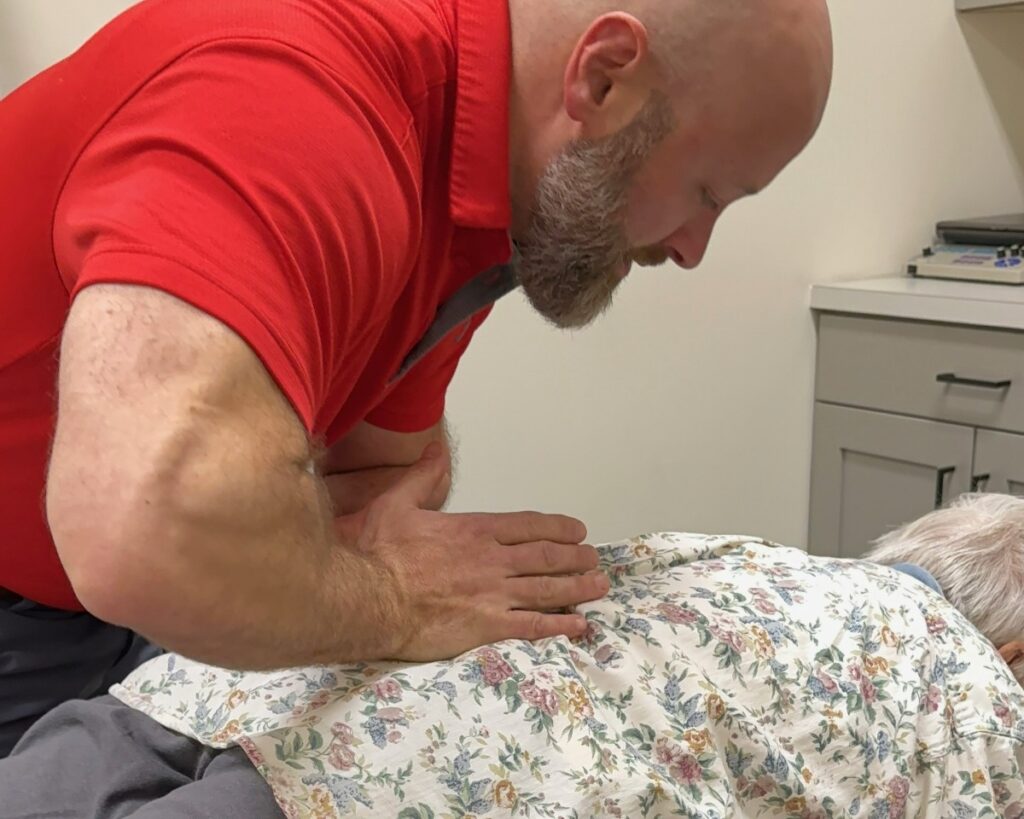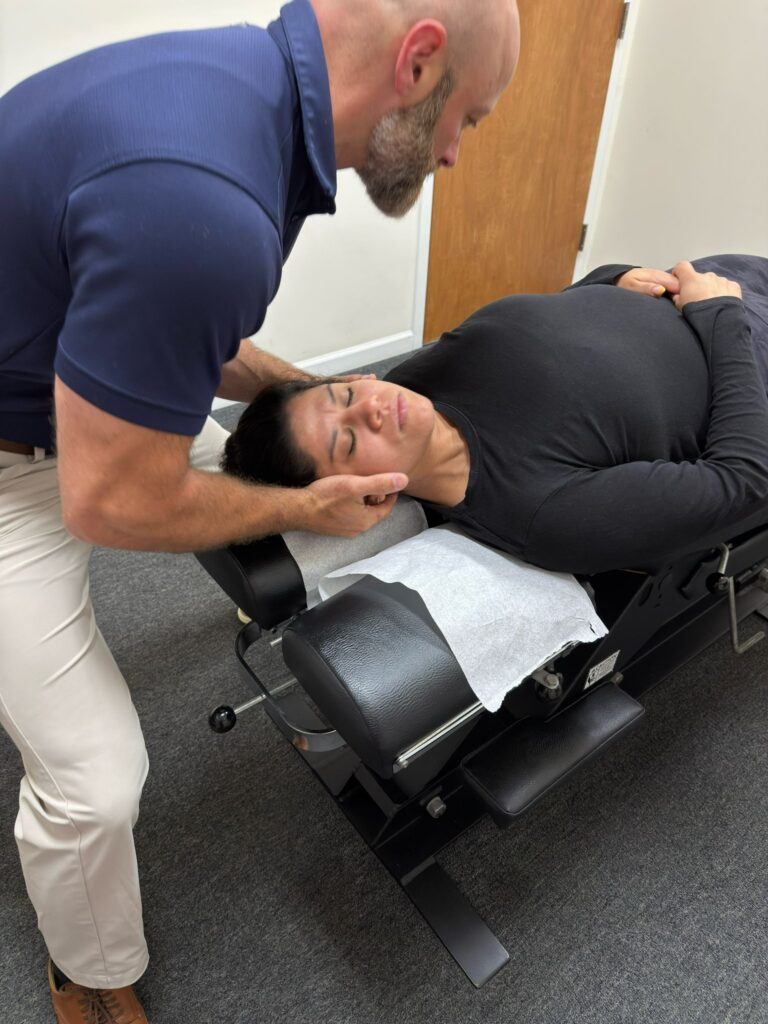

When headaches strike, finding relief can feel like a personal quest, but there is a natural and effective solution: chiropractic care. Many people turn to over-the-counter medications or herbal teas, but these often only mask the symptoms rather than addressing the root cause. Chiropractic adjustments, on the other hand, focus on restoring proper alignment to the spine, which can relieve tension and pressure that contribute to headaches.
It’s also important to consider how hydration and diet influence your headaches. Staying well-hydrated and maintaining a balanced diet can significantly impact your overall well-being and headache frequency. Regular chiropractic adjustments not only help alleviate headaches but also promote better hydration and nutritional absorption by ensuring your nervous system is functioning optimally.
Additionally, techniques such as gentle stretching and relaxation exercises can complement chiropractic care, helping to reduce stress and tension in your body. Many of my patients have found that incorporating these practices into their routines enhances their overall health and wellness.
So, as you explore options for headache relief, consider chiropractic care as a powerful ally. It not only addresses headaches effectively but also promotes a healthier lifestyle. What strategies have you found helpful in managing your headaches?
Key Takeaways
- Chiropractic Care: As a local chiropractor, I can confidently say that chiropractic adjustments are one of the best ways to find relief from headaches. By addressing spinal misalignments, we can alleviate tension and improve your overall body function, allowing your body to heal naturally.
- Natural Remedies: While chiropractic care should be your primary choice for headache relief, many people also find comfort in natural remedies. Herbal teas like chamomile, peppermint, and ginger are excellent options that can soothe headaches without the use of medications.
- Essential Oils: Aromatherapy can be a wonderful addition to your wellness routine. Oils such as lavender, peppermint, and eucalyptus can be used to create a calming environment and help ease headache pain.
- Acupressure Techniques: You can also try acupressure at home. By applying gentle pressure to specific points, like Yintang (the area between your eyebrows) and LI4 (the web between your thumb and index finger), you can enhance relaxation and potentially find relief from headaches.
- Lifestyle Tips: Finally, remember that maintaining a healthy lifestyle can significantly impact your headache frequency and intensity. Staying hydrated, practicing good posture, managing stress through relaxation techniques, and getting regular chiropractic care can all contribute to a headache-free life.
By choosing chiropractic care and these natural methods, you are taking a proactive step towards optimal health and wellness.
Common Over-the-Counter Medications
When a headache strikes, it’s common to want quick relief, but instead of reaching for over-the-counter medications like ibuprofen, acetaminophen, or aspirin, consider exploring natural alternatives that promote overall wellness.
Chiropractic care can be an excellent option for addressing headaches, particularly tension and migraine types. By focusing on spinal alignment and nervous system function, chiropractic adjustments can help alleviate the root causes of your pain rather than just masking the symptoms.
Many headaches can stem from tension in the neck and upper back due to poor posture, stress, or muscle strain. A chiropractor can assess your spinal health and provide tailored adjustments that may relieve this tension and improve overall function. This natural approach not only helps with pain relief but also supports your body’s ability to heal itself.
In addition to chiropractic care, here are some general tips to help manage headaches naturally:
- Stay Hydrated: Dehydration can contribute to headaches, so make sure you’re drinking enough water throughout the day.
- Practice Good Posture: Pay attention to how you sit and stand. Keeping a straight spine can reduce strain on your neck and back.
- Manage Stress: Engage in relaxation techniques such as deep breathing, meditation, or yoga to help reduce stress-related tension.
- Get Regular Exercise: Physical activity promotes overall health and can help reduce the frequency and intensity of headaches.
- Limit Screen Time: Take breaks from screens to prevent eye strain and tension headaches.
If headaches persist or worsen, don’t hesitate to consult with a chiropractor. They can provide guidance on lifestyle changes and treatments that support your journey to optimal health.
Natural Remedies and Home Treatments
If you’re seeking a natural way to relieve headaches, chiropractic care might be your best option. By focusing on spinal health and alignment, chiropractors can help address the root causes of headaches, such as tension and misalignment.
In addition to chiropractic adjustments, there are several natural remedies that can complement your overall wellness journey. Herbal teas, like peppermint or ginger, can provide soothing effects and help reduce headache symptoms.
Essential oils, particularly lavender or eucalyptus, are also popular choices for their calming properties. You can use them in a diffuser or apply them topically (with a carrier oil) to your temples for relief.
Acupressure techniques can be another effective way to alleviate headaches. Applying pressure to specific points on your body can help release tension and promote relaxation.
Remember, maintaining good posture, staying hydrated, and managing stress are also key factors in preventing headaches. Incorporating regular chiropractic care into your routine can enhance your overall health and help you achieve optimal wellness.
Consider visiting your chiropractor to discuss your headaches and explore how spinal adjustments can improve your quality of life.
Herbal Tea Benefits
Herbal teas can play a supportive role in your journey toward natural relief from headaches, but it’s essential to remember that chiropractic care is a holistic approach that addresses the underlying causes of pain, including tension in the spine and muscles.
Incorporating herbal teas into your routine can be a soothing complement to chiropractic treatments. For instance, chamomile tea is known for its calming effects, which can help reduce stress and tension—two common headache triggers.
However, addressing spinal alignment through chiropractic adjustments can further help alleviate these triggers by reducing nerve irritation and improving overall function.
Peppermint tea, with its menthol content, can relax muscles and enhance circulation, providing temporary relief from discomfort.
Yet, regular chiropractic care can promote better posture and spinal health, leading to long-term relief from muscle tension that may cause headaches.
Ginger tea is another excellent option; its anti-inflammatory properties can assist in relieving headaches linked to nausea.
Just like ginger, chiropractic care focuses on reducing inflammation and improving the body’s natural healing processes.
For those who enjoy a warm, comforting drink, a blend of lavender and lemon balm can promote relaxation.
While sipping these teas can help ease your mind, remember that a well-aligned spine can significantly contribute to overall wellness and reduce the frequency and intensity of headaches.
Incorporating these herbal teas into your wellness routine can be beneficial, but don’t forget to prioritize chiropractic care for optimal health.
Regular adjustments can help maintain spinal alignment, reduce stress, and support your body’s natural healing abilities.
Essential Oils Usage
Essential oils can be a great addition to your wellness routine, especially when you’re dealing with headaches. While chiropractic care is the best approach for addressing the root causes of pain and promoting overall health, incorporating natural remedies like essential oils can enhance your comfort and relaxation.
When headaches strike, consider using essential oils as a complementary method to support your wellness journey. You can simply inhale their soothing aromas or mix a few drops with a carrier oil for a gentle massage. Here’s a handy guide to help you choose the right essential oil for your headaches:
| Essential Oil | Benefits | How to Use |
|---|---|---|
| Lavender | Calming, relaxes mind | Diffuse in your space or apply directly to your temples |
| Peppermint | Cooling, invigorating | Inhale deeply or use on your temples for relief |
| Eucalyptus | Decongestant | Use in steam inhalation for a refreshing effect |
| Rosemary | Stimulating | Massage into the shoulders for tension relief |
| Chamomile | Soothing | Brew as tea or diffuse for a calming atmosphere |
Remember, while these oils can provide relief, they work best alongside regular chiropractic care, which addresses the underlying issues that may be contributing to your headaches.
In addition to using essential oils, here are some general tips to help manage headaches:
- Stay Hydrated: Dehydration can trigger headaches, so make sure you’re drinking enough water throughout the day.
- Maintain Good Posture: Poor posture can lead to tension in your neck and shoulders. Be conscious of your body alignment, especially while sitting for long periods.
- Practice Relaxation Techniques: Stress can exacerbate headaches, so try deep breathing exercises, meditation, or gentle stretching to help manage stress levels.
- Regular Chiropractic Visits: Consistent adjustments can help keep your spine aligned and reduce headache frequency and intensity.
Acupressure Techniques Explained
Acupressure techniques can be a wonderful complement to chiropractic care, offering a natural way to alleviate headaches and promote overall wellness through your body’s pressure points.
By applying pressure to specific areas, you can help release tension and enhance relaxation. Here are four key points to consider:
- Yintang Point: This point is found between your eyebrows. Gently pressing here can help soothe stress, providing a calming effect that supports your chiropractic treatments.
- LI4 Point: Located between your thumb and index finger, this area is known for its ability to relieve pain and tension. Incorporating pressure here can enhance your body’s natural healing response.
- PC6 Point: Situated on your inner forearm, about two inches from your wrist, applying pressure to this point can help ease nausea and headaches. It’s a simple technique that can be easily integrated into your daily routine.
- Temples: Gently massaging your temples can help alleviate throbbing sensations, promoting relaxation and a sense of calm that complements the adjustments you receive in chiropractic care.
Incorporating these acupressure techniques into your wellness routine can provide quick relief and support your journey toward optimal health.
Remember, while acupressure can be beneficial, regular chiropractic adjustments are essential for maintaining spinal alignment and overall health.
Together, they can help you regain focus and peace in your daily life.
The Role of Hydration in Headache Relief
While various factors can lead to headaches, maintaining proper hydration is crucial for relief. When your body doesn’t get enough water, dehydration can set in, often resulting in headaches and migraines. To help prevent these discomforts, it’s beneficial to make drinking water a regular part of your daily routine.
Strive for at least eight glasses of water each day, but remember to listen to your body; you might need more if you’re physically active or in a warm environment. If you find it challenging to remember to stay hydrated, consider setting reminders on your phone or keeping a water bottle close by as a visual cue.
It’s important to be aware of signs of dehydration, such as a dry mouth or feelings of fatigue, as these can indicate that a headache may be on the horizon. Additionally, incorporating hydrating foods like fruits and vegetables into your diet can also contribute to your overall hydration levels.
While hydration is a vital aspect of headache prevention, it’s also essential to recognize that chiropractic care can play a significant role in achieving optimal health. Regular chiropractic adjustments can help ensure that your spine is aligned correctly, which can improve your overall well-being and reduce the frequency and intensity of headaches.
Remember, your body flourishes with proper hydration, and when combined with the benefits of chiropractic care, you may find a natural pathway to keeping those headaches at bay.
Prioritize hydration and consider regular visits to your chiropractor to support your journey toward a healthier, pain-free life.
Alternative Therapies: Acupuncture and More
If you’re experiencing headaches and are looking for relief beyond traditional methods, consider the benefits of chiropractic care. As a local chiropractor, I can confidently say that chiropractic adjustments are a natural and effective way to alleviate pain and promote overall health.
Here’s how chiropractic care can help, along with some additional tips for managing headaches:
1. Chiropractic Adjustments: By realigning the spine and improving your body’s function, chiropractic care can directly address the root causes of headaches. Many patients find significant relief from tension headaches and migraines through regular adjustments.
2. Posture Awareness: Poor posture can contribute to headaches. Being mindful of your posture while sitting, standing, or working can help reduce strain on your neck and spine.
Consider ergonomically arranging your workspace to support a healthy posture.
3. Hydration and Nutrition: Staying well-hydrated and maintaining a balanced diet can play a crucial role in headache prevention. Dehydration and certain food triggers can lead to headaches, so make sure you’re drinking enough water and eating a variety of nutritious foods.
4. Stress Management: Stress is a common headache trigger. Incorporating relaxation techniques such as deep breathing, yoga, or meditation can help you manage stress levels.
These practices complement chiropractic care and enhance your overall well-being.
5. Regular Exercise: Engaging in regular physical activity can improve circulation and reduce muscle tension, both of which can help minimize headaches.
Simple activities like walking, stretching, or yoga can make a big difference.
The Impact of Diet on Headaches
Many people overlook how important diet is in managing headaches, and as a chiropractor, I want to emphasize this connection. What you eat can significantly influence how frequently and intensely you experience headaches. Certain foods, such as aged cheeses, chocolate, and processed meats, can trigger headaches for some individuals. Keeping a food diary is a great way to identify these potential triggers and make informed choices about your diet.
Staying properly hydrated is also critical for headache prevention. Dehydration can lead to headaches, so it’s essential to drink enough water throughout the day. Additionally, regular meals can help maintain stable blood sugar levels, which reduces the chances of headaches caused by hunger or low energy.
On the other hand, incorporating anti-inflammatory foods—like leafy greens, nuts, and fatty fish—may help decrease the frequency and severity of headaches. These foods nourish your body and support overall wellness, which aligns perfectly with chiropractic care’s holistic approach to health.
Remember, paying attention to your diet can be an effective way to manage headaches naturally. By making some small adjustments, you might discover relief in unexpected ways.
And, as always, consider incorporating chiropractic care into your wellness routine. It can help address underlying issues and support your body’s natural ability to heal, leading to a healthier, headache-free life.
Lifestyle Changes for Prevention
Making simple lifestyle changes can significantly enhance your overall well-being and reduce the frequency of headaches. As a chiropractor, I believe in the power of natural healing and the importance of maintaining a healthy spine for optimal health. By incorporating these proactive steps into your daily routine, you can experience relief and prevent future headaches:
1. Stay Hydrated: Drinking enough water is crucial. Dehydration is a common headache trigger, and keeping your body well-hydrated can support proper spinal function and overall health.
2. Maintain a Regular Sleep Schedule: Consistent sleeping patterns are vital for your health. Irregular sleep can lead to tension in the neck and shoulders, contributing to headaches. Aim for 7-9 hours of quality sleep each night to help your body recover and rejuvenate.
3. Manage Stress: Stress can manifest physically, often resulting in tension headaches. Techniques such as yoga, meditation, or deep-breathing exercises can help alleviate stress.
Additionally, regular chiropractic adjustments can assist in reducing stress and promoting relaxation by ensuring a well-aligned spine.
4. Limit Caffeine and Alcohol: Both of these substances can be headache triggers for many individuals. Reducing your intake can lead to fewer headaches and a more stable mood.
Instead, focus on nourishing your body with wholesome foods and plenty of water.
By making these lifestyle adjustments and prioritizing your spinal health through chiropractic care, you can pave the way for a healthier, headache-free life.
When to Seek Professional Help
If your headaches persist for an extended period, it’s important to consider seeking professional help, specifically from a chiropractor. Chiropractors specialize in understanding how the spine and nervous system work together, and they can provide natural solutions for headache relief.
Pay attention to any unusual symptoms that may accompany your headaches, such as vision changes or difficulty speaking. These could indicate a need for further evaluation.
Remember, early intervention is key to maintaining your health and preventing more serious issues.
In addition to chiropractic care, consider incorporating some simple lifestyle changes. Staying hydrated, practicing good posture, and managing stress through relaxation techniques can all help reduce headache frequency and intensity.
Persistent Symptoms Duration
When should you consider seeking professional help for persistent headache symptoms? If your headaches last longer than usual or disrupt your daily activities, it may be time to consult a healthcare professional.
However, as a chiropractor, I encourage you to explore natural healing options that prioritize your body’s ability to heal itself. Here are four signs that shouldn’t be ignored and why chiropractic care can be a beneficial approach:
- Duration: If your headaches last longer than 72 hours, it’s crucial to address the underlying causes. Chiropractic adjustments can help relieve tension in the spine and improve overall nervous system function, potentially alleviating persistent headaches.
- Frequency: Experiencing headaches more than twice a week? This can be a signal that something isn’t right. Regular chiropractic care can help identify and correct misalignments in the spine, which may be contributing to the frequency of your headaches.
- Intensity: Severe headaches that worsen over time require immediate attention. Rather than turning to medications, consider how chiropractic adjustments can help reduce muscle tension and improve circulation, providing a natural pathway to relief.
- Changes in Pattern: Any sudden change in your headache pattern could signal a need for evaluation. A chiropractor can assess your posture, spinal alignment, and lifestyle factors that may be affecting your headaches, guiding you towards a personalized wellness plan.
Don’t wait for the pain to become unbearable. Trust your instincts—your health is a priority.
Chiropractic care is a safe and effective option for managing headaches and promoting overall wellness. By addressing the root causes of your discomfort, you can find lasting relief and improve your quality of life.
Neurological Changes Observed
While headaches can certainly be uncomfortable, it’s important to pay attention to any neurological changes you might experience alongside them, such as vision disturbances, speech difficulties, or sudden weakness.
These signs could indicate a more serious issue that needs immediate care. If you notice any of these symptoms with your headache, it’s wise to consult with a healthcare professional.
However, before reaching that point, consider the benefits of chiropractic care for managing headaches and promoting overall wellness. Many people find that spinal adjustments can help alleviate headache pain by improving spinal alignment and reducing tension in the neck and upper back.
Additionally, if your headache suddenly feels different or more intense than usual, that’s a signal to take action. Remember, early intervention is key in preventing further complications.
Here are some general tips to help you manage headaches naturally:
- Stay Hydrated: Dehydration can contribute to headaches, so make sure you’re drinking plenty of water throughout the day.
- Practice Good Posture: Maintaining proper posture, especially while sitting at a desk, can reduce strain on your neck and spine, potentially preventing headaches.
- Get Regular Adjustments: Regular visits to a chiropractor can help keep your spine aligned and relieve tension that may lead to headaches.
- Manage Stress: Incorporate relaxation techniques such as deep breathing, yoga, or meditation to help reduce stress, which is a common headache trigger.
- Limit Screen Time: Take breaks from screens to reduce eye strain, which can contribute to headaches.
By prioritizing your health and incorporating these natural strategies, you can enhance your overall wellness and potentially reduce the frequency and intensity of headaches.
Always listen to your body, and when in doubt, consult with a chiropractor who can provide personalized care tailored to your needs. Remember, taking proactive steps towards your health is always a wise choice!
Conclusion
In your journey toward headache relief, it’s essential to recognize that each person’s experience is unique. One of the most effective ways to manage headaches is through chiropractic care, which focuses on aligning the spine and enhancing overall wellness. By addressing spinal misalignments, chiropractors can help alleviate tension that often contributes to headaches.
In addition to chiropractic adjustments, there are several natural strategies you can incorporate into your daily routine. Staying hydrated is crucial, as dehydration can trigger headaches. Consider incorporating regular physical activity, as movement can reduce tension and improve circulation.
Pay attention to your diet; certain foods may trigger headaches for some individuals. Keeping a food diary can help identify any potential culprits. You might also explore relaxation techniques like deep breathing, yoga, or meditation, which can help reduce stress and tension in the body.
Don’t underestimate the power of rest and proper sleep in maintaining your overall health. If you’re dealing with frequent headaches, seeking chiropractic care can provide personalized guidance tailored to your specific needs. A chiropractor can help you understand the underlying causes of your headaches and develop a treatment plan to promote long-term relief.
Remember, by being proactive and exploring these natural approaches, you can effectively reduce the frequency and intensity of headaches while enhancing your overall well-being.