
If you experience migraines, you understand how they can disrupt your daily life. While traditional treatments may offer some relief, there are alternative options that can complement your journey toward wellness. As a chiropractor, I believe that focusing on natural healing methods can be incredibly effective.
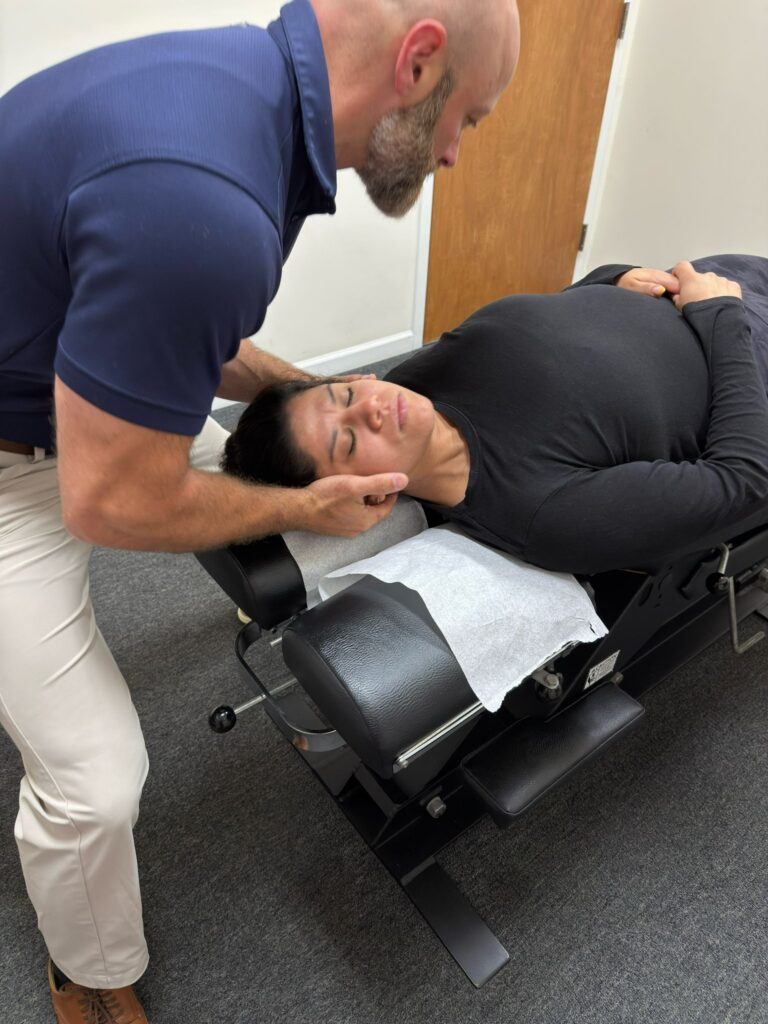
Chiropractic care is a powerful approach to managing migraines. By addressing misalignments in the spine, we can help reduce tension and improve nervous system function, potentially leading to fewer headaches. Regular chiropractic adjustments can enhance blood flow and alleviate muscle tension, which are key factors in migraine relief.
In addition to chiropractic care, consider integrating some simple lifestyle changes. For instance, practicing mindfulness techniques such as deep breathing or meditation can help reduce stress, a common trigger for migraines. Staying hydrated and consuming a balanced diet rich in magnesium and omega-3 fatty acids can also support overall health and potentially lessen migraine frequency.
You might also find that acupressure techniques, where you apply pressure to specific points on the body, can provide relief. Using essential oils like peppermint or lavender can offer soothing effects that enhance relaxation.
By exploring these natural methods alongside chiropractic care, you may discover the relief you’ve been searching for. Remember, achieving optimal health is a journey, and every small step counts. If you’re ready to take charge of your health, consider scheduling a visit to discuss how chiropractic care can help you manage your migraines effectively.
Key Takeaways
Migraines can be incredibly debilitating, but there are natural relief options that may help alleviate your pain and improve your overall well-being. As a local chiropractor, I believe that addressing the root causes of pain through natural methods is essential for achieving optimal health. Here are some effective strategies for managing migraines:
- Acupressure: Applying pressure to specific points, such as LI4 and GB20, can provide significant relief from migraine pain. You don’t need any special tools; simply use your fingers to apply gentle pressure in these areas.
- Essential Oils: Consider using peppermint and lavender essential oils. These aromatic oils can be inhaled or applied topically to promote relaxation and ease headache symptoms. Their soothing properties can be a natural way to find quick relief.
- Nutrition: Incorporating anti-inflammatory foods into your diet can help reduce the intensity of migraines. Foods rich in omega-3 fatty acids, like fatty fish (salmon, mackerel) and leafy greens (spinach, kale), can support overall health and may lessen migraine frequency.
- Biofeedback: This technique involves learning to control physiological functions, which can help you identify migraine triggers and promote relaxation. By becoming more aware of your body’s responses, you can work towards reducing the number and severity of migraine episodes.
- Cold and Heat Therapy: Using cold packs or warm compresses can provide effective pain relief. Cold therapy can numb the pain, while heat can help relax tense muscles. Experiment with both to see which works best for you.
Remember, chiropractic care focuses on the alignment of your spine and nervous system, which can play a significant role in your overall health and wellness. Regular chiropractic adjustments may help reduce the frequency and intensity of migraines by improving spinal function and reducing tension in the body.
If you’re struggling with migraines, consider these natural approaches and discuss them with your chiropractor. Together, you can develop a personalized plan to manage your pain and enhance your quality of life.
Acupressure: Natural Pain Relief at Your Fingertips
Acupressure provides a natural method for relieving migraines, allowing you to harness your body’s own healing capabilities. By applying pressure to specific points on your body, you can enhance energy flow and ease pain. The best part? You don’t need any special tools—just your hands and a little concentration.
To get started, locate the LI4 point, which is situated between your thumb and index finger. Gently press on this point for several minutes. Additionally, you can find relief by applying pressure to the GB20 points at the base of your skull, which can help reduce tension.
While acupressure can be beneficial, consider integrating chiropractic care into your wellness routine for long-lasting relief. Chiropractors focus on spinal health and alignment, which can significantly impact your overall well-being and help reduce the frequency and intensity of migraines.
Regular chiropractic adjustments can support your body’s natural ability to heal and function optimally.
Incorporating acupressure and chiropractic care into your daily routine can empower you to manage migraines more effectively. Remember, consistency is crucial. By prioritizing your health and wellness through these natural methods, you can take control of your migraine relief journey. You have the tools to foster a healthier, pain-free life!
Essential Oils: Aromatherapy for Headache Relief
Essential oils can be a wonderful natural option to complement your journey toward headache relief, especially when combined with chiropractic care. As a chiropractor, I believe in a holistic approach to wellness that focuses on the body’s innate ability to heal itself. By addressing spinal alignment and overall health, we can often reduce the frequency and intensity of headaches.
You may be wondering which essential oils can help with your discomfort, how to use them effectively, and any safety tips to bear in mind. Let’s dive into how these aromatic remedies, alongside chiropractic adjustments, can support your path to feeling better.
Some essential oils, like peppermint and lavender, are known for their calming and soothing properties. When you inhale these oils or apply them topically (diluted with a carrier oil) to your temples, they can help ease tension and promote relaxation.
However, it’s essential to remember that while essential oils can aid in relieving symptoms, they work best when integrated into a comprehensive wellness plan that includes regular chiropractic care.
Here are a few tips to enhance your headache relief naturally:
- Stay Hydrated: Dehydration can often trigger headaches, so make sure you’re drinking enough water throughout the day.
- Regular Chiropractic Adjustments: Maintaining proper spinal alignment can help reduce nerve irritation that may lead to headaches. Regular visits to your chiropractor can keep your body functioning optimally.
- Practice Relaxation Techniques: Incorporate practices like deep breathing, yoga, or meditation into your daily routine. These can help alleviate stress, a common headache trigger.
- Maintain Good Posture: Poor posture can lead to tension in your neck and shoulders, contributing to headaches. Be mindful of your posture, especially when working at a desk.
- Sleep Well: Ensure you’re getting enough restful sleep each night, as lack of sleep can be a significant headache trigger.
By combining the use of essential oils with chiropractic care, you can create a powerful strategy for managing headaches naturally.
Popular Essential Oils
Many people seek natural remedies for migraine relief, and essential oils can be a great addition to a holistic approach to health and wellness.
However, it’s important to remember that addressing the root cause of migraines through chiropractic care can lead to long-lasting relief. Chiropractic adjustments can help improve spinal function, reduce nerve interference, and promote overall well-being, which can significantly decrease the frequency and intensity of migraines.
That said, if you’re interested in exploring essential oils as a complementary option, here are four that may help ease your symptoms and promote relaxation:
- Peppermint Oil: This oil is known for its cooling effect, which can help relieve tension and headaches. Applying diluted peppermint oil to your temples may provide instant relief while you focus on maintaining a healthy spine.
- Lavender Oil: Renowned for its calming scent, lavender oil can help reduce stress and improve sleep quality. Better sleep and reduced stress can contribute to fewer migraine episodes, especially when paired with regular chiropractic care.
- Eucalyptus Oil: This oil is excellent for clearing sinuses and promoting better breathing, which may alleviate headache pressure. Remember, proper spinal alignment can also support respiratory function, making chiropractic care an essential part of your wellness routine.
- Rosemary Oil: Known for its anti-inflammatory properties, rosemary oil may help reduce pain and discomfort. Incorporating this oil with regular chiropractic adjustments can enhance your body’s natural healing capabilities.
As you explore these essential oils, it’s important to focus on maintaining good posture, staying hydrated, and managing stress—key components of a healthy lifestyle that can help prevent migraines.
Application Techniques
When it comes to relieving headaches naturally, incorporating aromatherapy can be a wonderful addition to your wellness routine. While chiropractic care is a fantastic way to address the root causes of headaches—like spinal misalignments and tension—using essential oils can also be beneficial for immediate relief.
Here are some effective application techniques you can try alongside your chiropractic treatments.
First, consider inhalation. Simply place a few drops of your preferred essential oil on a cotton ball or use a diffuser at home. Inhale deeply to allow the soothing scents to reach your senses. This method can enhance your relaxation and may complement the benefits of your chiropractic adjustments.
Next, applying essential oils topically can work wonders. Dilute a few drops of essential oil with a carrier oil, such as coconut or jojoba oil, and gently massage it onto your temples, neck, or wrists. This not only helps alleviate headache pain but also encourages overall relaxation, which is crucial for maintaining a healthy spine.
Lastly, creating a warm compress with diluted essential oils can provide comforting relief. Soak a cloth in your oil mixture, apply it to your forehead, and let the soothing aroma and warmth help ease tension. This technique pairs nicely with the care you receive from your chiropractor, promoting a holistic approach to wellness.
Remember, while these aromatherapy methods can offer temporary relief, regular chiropractic care is key to addressing the underlying factors contributing to headaches.
Safety Considerations
While aromatherapy can be a helpful addition to your wellness routine, especially for headache relief, it’s important to prioritize safety when using essential oils. As a chiropractor, I believe in natural healing methods that complement spinal health and overall well-being.
Here are some key safety considerations to keep in mind:
- Dilution: To avoid skin irritation, always mix essential oils with a carrier oil. This not only ensures safety but also enhances absorption for better results.
- Patch Test: Before trying a new essential oil, conduct a patch test on a small area of your skin to check for any allergic reactions. This simple step can save you discomfort later on.
- Quality Matters: Opt for high-quality, pure essential oils from reputable sources. This helps you avoid harmful additives and ensures you’re getting the most benefit from your oils.
- Consultation: If you’re pregnant, nursing, or have existing health conditions, it’s wise to consult with a healthcare professional before using essential oils. They can help guide you on the best practices for your situation.
Incorporating aromatherapy into your routine can be a great way to promote relaxation and relieve headaches, but remember that chiropractic care is a fantastic option for long-term pain relief and overall wellness.
Regular chiropractic adjustments can help keep your spine aligned, reduce tension, and enhance your body’s natural healing abilities. Always prioritize holistic methods in your journey to optimal health!
Dietary Changes: Foods That Fight Migraines
When it comes to managing your migraines, the food you consume plays a crucial role in your overall health and wellness. Incorporating anti-inflammatory foods into your diet can support your body’s natural healing processes and potentially reduce the frequency of your headaches. Staying well-hydrated is also key, as dehydration can often trigger migraines.
Additionally, it’s important to be aware of any trigger foods that may be contributing to your migraines. By identifying these foods and avoiding them, you can take proactive steps towards reducing your headache occurrences.
As a chiropractor, I believe that achieving optimal health is a holistic journey. While dietary choices are important, regular chiropractic care can complement your efforts by addressing spinal health and ensuring your nervous system functions optimally. A well-aligned spine can help alleviate tension in your body, which may contribute to migraine pain.
Here are some simple tips to integrate into your lifestyle:
- Focus on foods rich in omega-3 fatty acids, such as salmon and walnuts, which can help reduce inflammation.
- Incorporate plenty of fruits and vegetables, particularly leafy greens and berries, into your meals for their antioxidant properties.
- Stay hydrated by drinking adequate water throughout the day, aiming for at least 8 glasses.
- Keep a food diary to track what you eat and any migraine occurrences, helping you identify potential trigger foods.
Anti-Inflammatory Foods
Incorporating anti-inflammatory foods into your diet can be a natural way to help reduce the frequency and intensity of migraines, which many of my patients experience. These foods can play a significant role in fighting inflammation, a common factor linked to migraine triggers.
As your chiropractor, I believe that a holistic approach to wellness, including nutrition, can complement the benefits of chiropractic care. Here are some powerful anti-inflammatory foods you can easily add to your meals:
- Fatty Fish – Options like salmon, mackerel, and sardines are excellent sources of omega-3 fatty acids. These healthy fats are known to lower inflammation and can help ease discomfort associated with migraines.
- Leafy Greens – Incorporating spinach, kale, and Swiss chard into your diet not only boosts your nutrient intake but also provides antioxidants that combat inflammation. Consider adding these greens to smoothies or salads for a nutritious boost.
- Berries – Blueberries, strawberries, and raspberries are delicious and packed with antioxidants. These fruits can help protect your body from inflammatory responses, making them a sweet and healthy snack option.
- Nuts and Seeds – Almonds, walnuts, and flaxseeds are great sources of healthy fats and nutrients that can help reduce inflammation. A small handful of nuts can make a satisfying snack or a crunchy addition to your meals.
Beyond incorporating these foods, it’s essential to maintain a balanced diet, stay hydrated, and practice stress-relief techniques, such as regular chiropractic adjustments.
Chiropractic care can help alleviate tension and improve alignment, which may further support your overall health and reduce migraine occurrences.
Hydration Importance
Hydration is a crucial factor in managing migraines and enhancing your overall well-being. When your body is dehydrated, it can signal pain, which may increase the likelihood of experiencing migraines.
As a chiropractor, I encourage you to make hydration a priority in your daily routine. Aim to drink plenty of water throughout the day, particularly if you’re active or spending time in hot weather.
In addition to drinking water, you can further boost your hydration by consuming water-rich foods such as cucumbers, watermelon, and oranges. Herbal teas are also an excellent choice; they provide hydration while offering soothing effects that can help ease tension.
Keeping track of your fluid intake can be beneficial in identifying any patterns that may contribute to your migraines. Remember, even slight dehydration can negatively impact your health and spinal function, so staying hydrated is essential for overall wellness.
By prioritizing hydration, you may notice a reduction in both the frequency and intensity of your migraines.
Trigger Foods to Avoid
Staying hydrated plays a significant role in managing migraines, but what you eat can be just as important. Certain foods can trigger headaches, so it’s wise to identify and avoid them. Here are four common trigger foods to consider eliminating from your diet to help support your overall health and wellness:
- Aged cheeses – These often contain tyramine, which can provoke migraines. Opt for fresher cheese options to avoid this trigger while still enjoying your favorite flavors.
- Processed meats – Foods like hot dogs and deli meats may contain preservatives that trigger headaches. Choosing fresh, whole foods can’t only help you avoid these triggers but also support your spinal health and overall wellness.
- Alcohol – Red wine and other alcoholic beverages are notorious for causing migraines in many individuals. Staying mindful of your alcohol intake can make a significant difference in preventing headaches.
- Caffeinated beverages – While moderate caffeine can help some individuals, excessive consumption can lead to withdrawal headaches. If you enjoy coffee or tea, try limiting your intake and exploring herbal alternatives that provide hydration without the caffeine.
By focusing on a balanced diet rich in whole, natural foods, you can support your body’s healing processes.
Remember, chiropractic care is also a fantastic way to promote optimal health and relieve pain naturally. Regular adjustments can help improve your body’s function and enhance your overall well-being, making it easier to manage triggers and maintain a healthy lifestyle.
Prioritize your spinal health, stay hydrated, and consider these dietary tips to help keep those migraines at bay.
Mindfulness and Meditation: Reducing Stress-Induced Migraines
Stress is a common trigger for migraines, and as a chiropractor, I want to share how mindfulness and meditation can be effective tools for relief, alongside the benefits of chiropractic care. By focusing on the present moment, you can alleviate anxiety and tension that often lead to those painful episodes.
Start by dedicating just a few minutes each day to cultivate this habit. Find a quiet space, close your eyes, and take deep, slow breaths. As you breathe, pay attention to your thoughts without judgment and let them drift away.
Once you feel comfortable with basic mindfulness, consider exploring guided meditations specifically aimed at migraine relief. These techniques can complement chiropractic care by teaching you how to manage pain and prevent stress from escalating.
In addition to meditation, you might want to incorporate mindful activities like yoga or tai chi, which blend movement with breath awareness. These practices not only enhance relaxation but also promote spinal health—an essential aspect of overall well-being.
By integrating mindfulness into your daily routine along with regular chiropractic adjustments, you’re likely to notice a reduction in the frequency of stress-induced migraines and an improvement in your overall health.
Embrace these practices, and you’ll discover a greater sense of calm and balance in your life. Remember, chiropractic care is a natural, effective way to support your journey toward optimal health and wellness.
Herbal Remedies: Nature’s Approach to Pain Management
If you’re seeking natural ways to manage migraine pain, chiropractic care can be an excellent choice. By focusing on spinal health, chiropractic adjustments can help alleviate tension and improve overall wellness, which may reduce the frequency and severity of migraines.
In addition to chiropractic care, certain herbal remedies can complement your journey towards better health. Here are four options to consider:
- Feverfew: This herb has been used for centuries and may help decrease the frequency and intensity of migraines. It’s a great natural option to explore alongside chiropractic treatments.
- Peppermint: Known for its calming effects, applying diluted peppermint oil to your temples can provide quick relief. The cooling sensation can help ease tension, which is essential for overall spinal health.
- Ginger: Often recognized for its ability to combat nausea, ginger may also help reduce the severity of migraines. Incorporating ginger into your diet can support your body’s natural healing processes.
- Butterbur: This plant extract has shown potential in preventing migraines. It’s worth discussing with your chiropractor as part of a holistic approach to your health.
Always consult with a healthcare professional, such as your chiropractor, before trying new remedies. Chiropractic care is a natural and effective way to manage pain and promote overall wellness, making it an essential part of your migraine management toolkit.
Biofeedback: Gaining Control Over Your Pain
How can biofeedback empower you to manage your migraine pain more effectively? As a chiropractor, I believe in the power of natural healing techniques like biofeedback, which can help you gain control over your body’s responses to stress and tension—key triggers for migraines. This method uses sensors to measure physiological functions, such as heart rate and muscle tension, providing you with real-time feedback. This not only encourages relaxation but also helps you identify patterns that may lead to your pain.
Here’s a quick comparison of the benefits of biofeedback and how it complements chiropractic care:
| Aspect | Biofeedback |
|---|---|
| Control | Enhances awareness of triggers |
| Relaxation | Promotes muscle relaxation |
| Customization | Tailors techniques to you |
| Long-term Benefits | Reduces frequency and severity |
| Non-invasive | Safe and drug-free approach |
As you explore biofeedback, remember that chiropractic care can also play a crucial role in your journey toward pain relief and overall wellness. Regular spinal adjustments can help improve your body’s function, reduce stress, and promote relaxation, which can further complement the benefits of biofeedback.
Here are some general tips to enhance your migraine management:
- Stay Hydrated: Dehydration can trigger migraines, so make sure you’re drinking enough water throughout the day.
- Practice Relaxation Techniques: Incorporate deep breathing, meditation, or gentle yoga into your routine to help reduce stress levels.
- Maintain a Consistent Sleep Schedule: Aim for 7-9 hours of quality sleep each night, as irregular sleep patterns can contribute to migraines.
- Keep a Migraine Diary: Track your headaches, noting potential triggers, which can help you understand and avoid them.
- Stay Active: Regular chiropractic care and gentle exercise can enhance spinal health and reduce tension in your body.
Physical Therapy: Strengthening Your Body Against Migraines
When you visit a chiropractor, you’re not just getting an adjustment; you’re taking a proactive step towards strengthening your body against the factors that can trigger migraines.
By working closely with a chiropractor, you can learn techniques to relieve tension, improve your posture, and enhance your overall flexibility. This holistic approach can lead to fewer migraines and a significant improvement in your quality of life.
Here are four key benefits of chiropractic care for managing migraines:
- Posture Correction: A chiropractor can help you correct your posture, which can significantly reduce strain on your neck and shoulders—common triggers for migraines.
- Muscle Support: By aligning your spine, chiropractic adjustments can help strengthen the muscles around your neck and core, providing better support for your head and reducing tension that can lead to headaches.
- Enhanced Flexibility: Regular chiropractic care can improve flexibility in your neck and shoulders, alleviating tightness that often contributes to headache pain.
- Stress Management: Chiropractic care often includes techniques for relaxation and stress reduction, essential for managing the stress that can provoke migraines.
Take control of your health through chiropractic care and empower your body against migraines!
Cognitive Behavioral Therapy: Changing Your Pain Perception
Cognitive Behavioral Therapy (CBT) can be a helpful tool for those managing migraines, but as a chiropractor, I want to emphasize the importance of a holistic approach to health and wellness, particularly through chiropractic care.
While CBT aims to help you change how you perceive and react to pain, chiropractic adjustments target the root causes of discomfort in the body, promoting natural healing and overall well-being.
Instead of viewing migraines as an insurmountable challenge, chiropractic care can help you understand how spinal health influences your pain. Misalignments in the spine can lead to nerve irritation, which may contribute to headaches and migraines. By ensuring your spine is aligned, you can reduce tension and improve your body’s ability to manage pain.
In addition to chiropractic adjustments, incorporating mindfulness and relaxation techniques can enhance your healing journey. Simple practices such as deep breathing exercises, gentle stretches, and maintaining good posture throughout the day can significantly contribute to your overall comfort and stress levels.
As you integrate chiropractic care into your routine, you may notice fewer migraine episodes and less intensity when they do occur. This natural approach not only addresses pain but also supports your emotional well-being, allowing you to live a more vibrant life.
Cold and Heat Therapy: Simple Yet Effective Relief Techniques
Managing migraines can often be a challenge, but incorporating cold and heat therapy into your routine can provide simple yet effective relief. These natural methods can ease pain and enhance your comfort level.
As a chiropractor, I believe in the power of natural healing and want to share some techniques that complement chiropractic care and promote overall wellness. Consider trying the following options:
- Cold packs: Applying a cold pack or ice wrapped in a cloth to your forehead or the back of your neck for 15-20 minutes can help numb the pain and reduce inflammation. This method works well after a chiropractic adjustment to soothe any discomfort.
- Warm compresses: A warm compress on your neck or shoulders can help relax tense muscles, often contributing to headache relief. This is particularly beneficial if you’ve been sitting for long periods, as it complements the benefits of spinal adjustments.
- Warm showers: Taking a warm shower can be a soothing way to relieve migraine tension in your body. The warmth can help relax muscles and improve circulation, which is essential for overall spinal health.
- Heating pads: Using a heating pad on your neck or lower back can promote blood flow and alleviate discomfort. This can enhance the benefits of chiropractic care by keeping your muscles relaxed and supple.
These techniques are simple to implement and can significantly improve your comfort levels.
Remember, chiropractic care is a comprehensive approach to health that focuses on the spine and nervous system, promoting natural healing and optimal wellness.
Experiment with these techniques and see what works best for you as part of your holistic health journey!
Conclusion
By exploring these surprising relief options, you can take control of your migraine management and prioritize your health naturally. Chiropractic care stands out as a powerful approach to not only alleviate pain but also promote overall wellness. Regular adjustments can help align your spine, which may reduce tension and improve your body’s ability to cope with triggers that lead to migraines.
Beyond chiropractic, techniques like acupressure and essential oils can provide natural pain relief. Consider incorporating dietary changes that support a healthier lifestyle, as certain foods can either trigger or alleviate migraine symptoms. Mindfulness practices, such as deep breathing and meditation, can also play a key role in managing stress, another common trigger for migraines.
Don’t overlook the benefits of herbal remedies and biofeedback, which can help you understand your body’s responses and improve your coping strategies. Therapy options, like cognitive behavioral therapy, can also be beneficial in addressing the emotional aspects of pain.
With a bit of experimentation and the guidance of your chiropractor, you can discover what works best for you. Empower yourself with effective strategies to manage migraines and regain a sense of normalcy in your life. Remember, chiropractic care is not just about relieving pain—it’s about achieving optimal health and wellness.