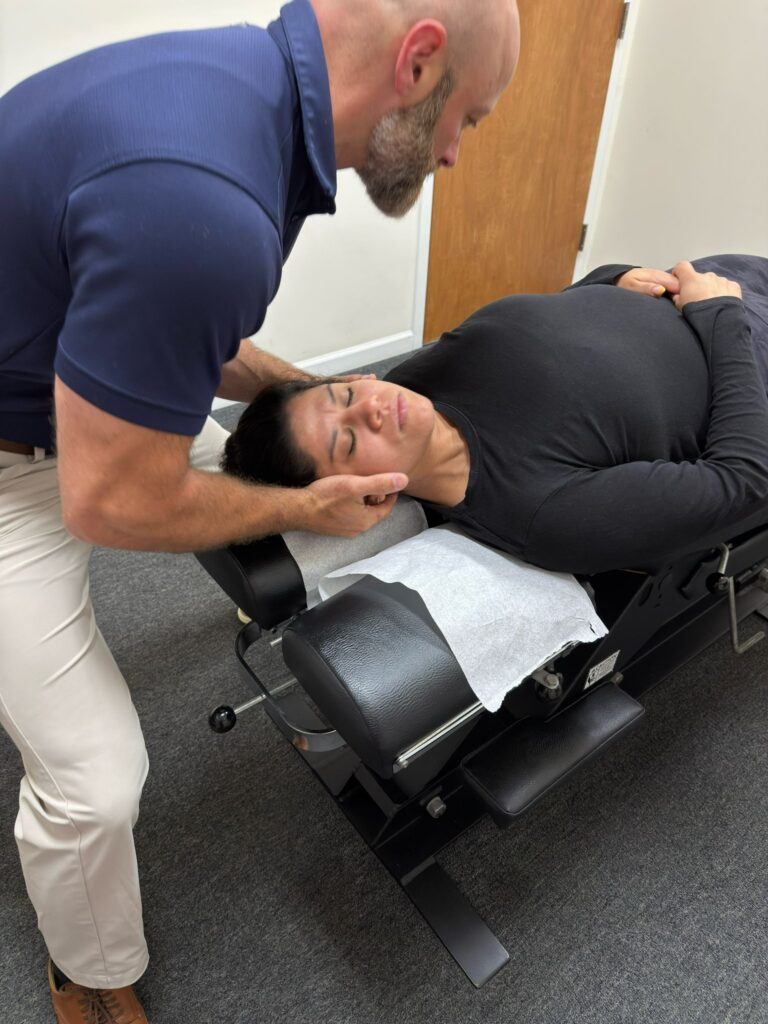

As a local chiropractor, I understand that many of you may experience tension headaches, which can be quite disruptive to your daily life. It’s important to know that there are effective, natural ways to alleviate this discomfort that you might not be familiar with. Beyond traditional treatments, simple breathing exercises and mindfulness practices can play a significant role in reducing headache frequency and intensity.
These holistic strategies not only help relieve tension headaches but also contribute to your overall well-being. Are you curious about how chiropractic care and natural healing techniques can offer real relief? Let’s delve into some practical solutions that could make a difference in your life.
Practice Deep Breathing Techniques
When you start to feel a tension headache coming on, I want you to consider using deep breathing techniques as an effective way to manage that discomfort. As a chiropractic practitioner, I often recommend this practice to my patients as a natural approach to reduce stress and tension in the body.
First, find a quiet space where you can sit comfortably without distractions. Close your eyes and take a slow, deep breath in through your nose, allowing your abdomen to expand fully. Hold that breath for just a moment, and then gently exhale through your mouth.
Repeat this process for several minutes while concentrating on the rhythm of your breathing. As you engage in this deep breathing, visualize the tension in your body melting away with each exhale. This simple yet powerful practice not only helps to calm your mind but also relaxes your muscles, which can be particularly beneficial in alleviating headache discomfort.
To enhance your focus, consider counting your breaths. Inhale for a count of four, hold for another count of four, and then exhale for a count of four. By incorporating deep breathing into your daily routine, you can take charge of your body and alleviate the intensity of those bothersome tension headaches.
Stay Hydrated Throughout the Day
As a chiropractor, I want to emphasize the importance of staying hydrated throughout the day for your overall health and wellness. Proper hydration plays a crucial role in preventing discomfort, including tension headaches, which can be a common issue for many of my patients.
When you’re dehydrated, your body can respond with tension, particularly in the head and neck areas, leading to discomfort.
I recommend making it a habit to drink water regularly, even if you don’t feel thirsty. A great way to remember is by carrying a reusable water bottle with you—this serves as a gentle reminder to take sips throughout the day.
Setting specific hydration goals can also be beneficial. For instance, you might aim to drink a glass of water every hour, or you could track your daily intake using an app.
Additionally, incorporating water-rich foods into your diet, such as cucumbers, oranges, and watermelon, can further enhance your hydration.
If plain water doesn’t appeal to you, try infusing it with fruits or herbs for a refreshing twist.
It’s also important to listen to your body. If you notice feelings of sluggishness or the onset of a headache, it’s a good idea to check your hydration levels.
By making a conscious effort to stay hydrated, you can significantly improve how you feel and help prevent those pesky tension headaches.
Incorporate Regular Stretching Exercises
As a local chiropractor, I want to emphasize the importance of incorporating regular stretching exercises into your daily routine. Many people are unaware that stretching can significantly reduce tension and help prevent headaches.
When we experience tightness in our neck, shoulders, and upper back—common culprits of tension headaches—stretching can be a powerful tool to help alleviate discomfort.
Even just a few minutes of stretching each day can make a world of difference. I encourage you to try some simple stretches such as neck rotations, shoulder shrugs, and upper back stretches. These can easily be performed at your desk or during short breaks throughout your day.
To make it a habit, consider setting reminders to stretch every hour, especially if you find yourself sitting for extended periods.
In addition to these quick stretches, think about incorporating yoga or Pilates into your weekly routine. Both practices focus on enhancing flexibility and promoting muscle relaxation, which can further aid in reducing tension and improving your overall well-being.
Utilize Essential Oils for Relief
As a local chiropractor, I often encounter patients seeking natural remedies for tension headaches, and I’m excited to share how essential oils can play a significant role in your relief journey. These concentrated plant extracts possess remarkable soothing properties that can help ease discomfort and foster a sense of relaxation.
One of the standout options is peppermint oil. Its menthol content creates a refreshing cooling sensation that can effectively alleviate pressure in your head. To use it, simply apply a few drops to your temples and massage gently. Not only does it provide immediate relief, but it also enhances circulation in the area.
Another excellent choice is lavender oil, renowned for its calming effects. You can inhale its soothing aroma directly or diffuse it in your home to cultivate a serene environment. This can be especially beneficial if stress and anxiety contribute to your tension headaches.
Eucalyptus oil is worth considering as well, particularly for those headaches linked to sinus pressure. It can help open up your sinuses, allowing for better airflow and relief from discomfort.
When using these oils, I recommend mixing them with a carrier oil, such as coconut or jojoba oil, to ensure safe application on your skin.
Incorporating essential oils into your wellness routine not only provides a natural, effective way to ease tension but also complements the chiropractic care I provide, aiming for holistic health and well-being. By exploring these options, you can take proactive steps toward managing your headaches and enhancing your overall quality of life.
Apply Cold or Warm Compresses
As a chiropractor, I often emphasize the importance of natural remedies for managing tension headaches, and one of the simplest yet effective methods is the use of cold or warm compresses.
Cold compresses are particularly beneficial as they can numb pain and help reduce inflammation. To apply a cold compress, simply wrap ice or a cold pack in a cloth and place it on your forehead or the back of your neck for about 15-20 minutes. This can help constrict blood vessels, alleviating that throbbing sensation commonly associated with headaches.
On the other hand, warm compresses can be incredibly effective for relaxing tense muscles and improving blood circulation. You can achieve this by using a warm towel, heating pad, or even a bag of warm rice. Apply it to your neck or across your forehead for a similar duration to experience relief.
I encourage you to experiment with both cold and warm compresses to determine which method works best for you. Regardless of your choice, these compresses are an accessible and straightforward way to relieve tension headaches, allowing you to feel more comfortable and at ease.
Maintain a Consistent Sleep Schedule
As a local chiropractor, I want to emphasize the importance of maintaining a consistent sleep schedule for your overall health, particularly in managing tension headaches.
Many patients may not realize how crucial good sleep hygiene is. By going to bed and waking up at the same time every day, you can significantly reduce the frequency and intensity of headaches.
Prioritizing quality sleep not only helps with headache relief, but it also supports your body’s natural healing processes.
Remember, sleep isn’t just about rest—it’s a vital component of your overall well-being.
Sleep Hygiene Practices
As a local chiropractor, I want to share some important insights about the connection between sleep hygiene and your overall health, especially in relation to tension headaches.
One of the key practices for maintaining wellness is adhering to a consistent sleep schedule. I recommend going to bed and waking up at the same time every day, even on weekends. This routine helps regulate your body’s internal clock, making it easier for you to fall asleep and wake up feeling refreshed and ready for the day.
Establishing a calming bedtime routine is also beneficial. This signals to your body that it’s time to wind down and prepare for restful sleep.
It’s important to limit screen time before bed, as the blue light emitted from devices can disrupt your sleep quality.
Additionally, ensure that your sleeping environment is conducive to rest. A dark, quiet, and cool room can significantly enhance your ability to fall asleep and stay asleep.
Be mindful of your diet too—avoiding large meals, caffeine, and alcohol close to bedtime can prevent disturbances during the night.
By prioritizing these sleep hygiene practices, you not only improve your sleep quality but also contribute to the reduction of tension headaches and enhance your overall well-being.
Impact on Headaches
As a local chiropractor, I want to share with you how a consistent sleep schedule can significantly influence your experience with tension headaches.
When you establish a routine of going to bed and waking up at the same time each day, you help regulate your body’s internal clock. This consistency not only improves the quality of your sleep but also aids your body in recovering and managing stress effectively.
Inconsistent sleep patterns can lead to fatigue and increased tension, both of which are common triggers for headaches. I encourage you to aim for seven to nine hours of restful sleep each night.
Creating a calming bedtime routine can also be beneficial, as it signals to your body that it’s time to relax and unwind.
By prioritizing a regular sleep schedule, you enhance your overall well-being and can significantly reduce the frequency and intensity of those troublesome tension headaches.
As a chiropractor, I believe in the power of natural healing, and simple lifestyle changes like this can make a world of difference in your health.
Limit Screen Time and Blue Light Exposure
As a local chiropractor, I want to share some important insights with you about managing tension headaches, which many of my patients experience.
One effective strategy is to limit your screen time and reduce exposure to blue light. Many people don’t realize how prolonged screen usage can contribute to headaches and eye strain.
To help alleviate discomfort, I encourage you to implement simple screen time management tips. This might include setting specific times for using devices or using apps that remind you to take breaks.
Additionally, consider exploring blue light blocking options, such as special glasses or screen filters, to protect your eyes from the strain that screens can cause.
Remember, taking regular breaks is essential. Step away from your screens every so often to rest your eyes and give your mind a moment to unwind.
Your body and mind will truly thank you for these small, yet significant, changes!
Screen Time Management Tips
As a local chiropractor, I want to emphasize the importance of managing your screen time for both your physical and mental well-being. While technology plays a vital role in our daily lives, excessive screen time can lead to tension headaches, neck pain, and eye strain. To help alleviate these issues, I recommend setting specific limits on your daily screen use.
One helpful technique is the 20-20-20 rule: every 20 minutes, take a moment to look at something 20 feet away for 20 seconds. This practice not only helps reduce eye strain but also encourages your body to relax, which can be beneficial for your spine and overall posture.
Creating tech-free zones in your home, such as the dining area or bedroom, can also promote healthier habits. These spaces allow for breaks from screens, giving your body a chance to recharge.
Additionally, consider using apps or built-in features that track your screen time, reminding you to step away when you reach your limit.
Lastly, it’s crucial to schedule regular breaks during work. Stand up, stretch, and reset your focus. These small actions can significantly alleviate tension and discomfort, contributing to your overall wellness.
Blue Light Blocking Options
As your local chiropractor, I want to highlight the importance of protecting your eyes from excessive screen time. Many people are unaware that prolonged exposure to screens can’t only strain your eyes but also disrupt your sleep cycle and lead to headaches.
One effective way to minimize these issues is by using blue light blocking glasses. These specialized glasses filter out harmful blue light rays while you work or browse, which can significantly reduce eye strain and help maintain your natural circadian rhythm.
In addition to wearing blue light blocking glasses, I encourage you to explore the settings on your devices. Most smartphones and computers have built-in blue light filters that can be activated, especially during the evening when you’re winding down.
There are also convenient apps available that automatically adjust your screen’s blue light emissions based on the time of day, making it easier for you to protect your eyesight.
As part of your overall wellness, it’s essential to limit screen time and incorporate these protective measures. Taking proactive steps like these can’t only safeguard your eyes but also minimize headache triggers, contributing to your overall comfort and well-being.
Importance of Breaks
As a local chiropractor, I want to emphasize the importance of taking regular breaks from screens for your overall well-being and for preventing those pesky tension headaches. Many people don’t realize that prolonged screen time can lead to significant eye strain and poor posture, both of which can contribute to discomfort and tension in your body.
I recommend setting a timer to remind yourself to step away from your devices every 30 minutes. This brief pause allows your mind and body to recharge. During these breaks, try stretching, taking a short walk, or simply allowing your eyes to relax.
Additionally, reducing exposure to blue light, especially in the evening, can greatly enhance your sleep quality, which in turn can help reduce the likelihood of headaches.
Remember, it’s not just about the work you do—it’s equally important to take care of your body while doing it. By prioritizing these breaks, you can foster a healthier lifestyle and enjoy a life free from headaches.
As your chiropractor, I’m here to support you in this journey toward better health and natural healing.
Explore Acupressure Points
As a local chiropractor, I want to introduce you to the beneficial practice of acupressure, especially if you suffer from tension headaches. This ancient technique involves applying pressure to specific points on your body, which can promote relaxation and alleviate pain naturally.
One effective acupressure point I often recommend is LI4, located between your thumb and index finger. By gently squeezing this area for about 30 seconds, you may experience significant relief from headache discomfort.
Another key point to consider is GB20, found at the base of your skull where the neck muscles connect to your skull. Applying pressure here can help release tension in the neck and head, contributing to headache relief.
Don’t forget to try the Yintang point, located between your eyebrows. Gentle pressure applied here can calm your mind and ease headache symptoms.
Incorporating these acupressure techniques into your daily routine can provide quick relief and enhance your overall well-being.
Engage in Mindfulness and Meditation
As a local chiropractor, I understand that tension headaches can be a significant source of discomfort for many. One effective way to alleviate these headaches is through the practice of mindfulness and meditation. These techniques can serve as powerful tools in managing pain and stress, which are often underlying factors contributing to tension headaches.
I encourage you to take a few moments each day to engage in mindfulness. This practice allows you to focus your mind and release any built-up stress that may be contributing to your headaches. Start by finding a quiet space where you feel comfortable and won’t be disturbed. Sit down, close your eyes, and take deep, intentional breaths. As you inhale, visualize the tension melting away from your body, and as you exhale, consciously let go of any lingering stress.
If you’re new to meditation, consider using guided meditation apps that can provide structured sessions aimed at relaxation and tension relief. These resources can be especially helpful if you’re just starting out.
Incorporating mindfulness into your daily routine can truly make a difference in how you experience headaches. Simple techniques such as being aware of your breathing or taking a moment to notice your surroundings can help you feel more grounded and less reactive to stressors that may trigger headaches.
With regular practice, these mindfulness tools can empower you to manage tension more effectively and enhance your overall well-being.
Adjust Your Workspace Ergonomics
As a local chiropractor, I want to share some valuable tips for reducing tension headaches through proper workspace ergonomics.
It’s essential to start by adjusting your chair height and screen position. Ensure that your feet are resting flat on the floor, as this supports your overall posture.
Additionally, the top edge of your computer screen should align with your eye level. By making these adjustments, you can significantly enhance your comfort and focus throughout the day, promoting better spinal health and reducing the risk of tension headaches.
Optimize Chair Height
As a local chiropractor, I want to emphasize the importance of adjusting your chair height in order to create a comfortable workspace that can significantly reduce the likelihood of tension headaches.
When your chair is positioned correctly, your feet should rest flat on the floor, which helps promote better circulation and minimizes strain on your body. Ideally, your knees should be at or just below hip level—this alignment supports optimal posture.
If your chair is too high, it can lead you to hunch your shoulders, creating muscle tension and discomfort in your upper body. On the other hand, a chair that’s too low can cause you to slouch, which puts additional stress on your neck and back.
Taking the time to find that perfect chair height can lead to a remarkable improvement in your overall comfort and can decrease the frequency of headaches.
Screen Position Alignment
As a chiropractor, I want to emphasize the importance of proper screen position alignment for your overall health and comfort, especially when working long hours at a computer. Many people experience tension headaches and neck pain due to poor posture and screen placement.
To start, position your computer screen at eye level. Ideally, your eyes should naturally align about a third of the way down the screen. This positioning helps keep your neck in a neutral posture, reducing strain and discomfort over time.
Make sure you’re seated about an arm’s length away from the screen. This distance allows you to read text clearly without squinting, which can further contribute to tension in your neck and shoulders.
Additionally, I recommend tilting the top of your monitor slightly back. This simple adjustment can help minimize glare and promote a more comfortable viewing angle.
It’s also important to regularly reassess and adjust your screen setup as needed. Don’t forget to take frequent breaks to stretch your neck and shoulders; this can be incredibly beneficial in alleviating tension and enhancing your work experience.
Conclusion
As a local chiropractor, I want to share some surprising techniques that can help you alleviate tension headaches and enhance your overall well-being. Many of my patients are unaware of how simple changes in their daily routine can make a significant difference. Start practicing deep breathing exercises, as they can help reduce stress and tension in your body. Staying well-hydrated is crucial, so be sure to drink plenty of water throughout the day. Additionally, maintaining good posture in your workspace is essential—poor posture can contribute to headache pain.
Don’t overlook the benefits of incorporating essential oils into your routine; they can provide soothing relief. Using compresses can also be an effective way to ease tension. Lastly, consider incorporating mindfulness practices into your day; this can help calm your mind and reduce headache frequency.
With a little dedication to these natural methods, you can transform how you manage headaches. By prioritizing your health in these ways, you can enjoy a more relaxed, pain-free life. I encourage you to take these steps today and discover the relief that chiropractic care and natural healing can offer you!