
If you’re dealing with low back pain, it’s important to know that there are effective exercises that can help ease your discomfort. As a chiropractor, I believe in the power of natural healing through movement and proper spinal alignment. By incorporating gentle stretches, core-strengthening exercises, and mobility routines into your daily life, you can relieve strain on your back and enhance your overall well-being.
So, what exercises should you consider adding to your routine? Here are some effective techniques that not only provide relief but also promote better spinal health:
- Gentle Stretches: Start with simple stretches like the cat-cow stretch or child’s pose. These movements help to loosen tight muscles and improve flexibility in your spine.
- Core Strengthening: Building a strong core is vital for supporting your lower back. Exercises such as pelvic tilts, bridges, and planks can help strengthen the muscles that support your spine.
- Mobility Routines: Incorporating mobility exercises, like hip circles or seated forward bends, can enhance the range of motion in your hips and lower back, reducing stiffness and discomfort.
Remember, it’s crucial to listen to your body and not push yourself too hard. If you’re unsure about any exercises or how to start, consider visiting your local chiropractor. We can guide you in creating a personalized exercise plan tailored to your specific needs, ensuring you’re on the path to recovery without the need for medications or surgeries.
In addition to these exercises, here are some general tips for healthier living that can support your spinal health:
- Maintain Good Posture: Be mindful of your posture when sitting, standing, or lifting heavy objects. Good alignment reduces strain on your back.
- Stay Active: Regular physical activity, even light walking, can help keep your back muscles strong and flexible.
- Use Supportive Furniture: Invest in a good chair and mattress that provide proper support for your spine.
- Stay Hydrated: Drinking plenty of water helps to keep your discs hydrated, promoting better spinal health.
By embracing chiropractic care and incorporating these exercises and tips into your routine, you can take significant steps towards achieving optimal health and lasting relief from low back pain. Remember, your spine is the foundation of your overall health—let’s take care of it together!
Key Takeaways
- Engaging in core-strengthening exercises like planks and bridges is a great way to support your lower back. By building strength in your core, you can reduce the strain on your back, helping to alleviate pain and improve stability without the need for medications or invasive procedures.
- Incorporating stretching exercises such as the cat-cow stretch and seated forward fold can do wonders for your flexibility and help relieve stiffness in the lower back. These gentle movements are easy to incorporate into your daily routine and can offer immediate relief and comfort.
- Child’s pose is another excellent stretch that effectively releases tightness in the lower back while promoting relaxation. This simple pose can be a soothing addition to your self-care routine, helping to ease discomfort and encourage a sense of calm.
- Maintaining good posture throughout your daily activities is key to preventing stiffness and minimizing low back pain. Pairing this with gentle exercises like walking can significantly enhance your overall well-being and keep your back healthy.
- Regular chiropractic care is one of the best ways to improve your mobility and alleviate pain naturally. By opting for chiropractic adjustments, you support your body’s innate healing abilities, promoting overall spinal health and wellness without the risks associated with medications or surgeries.
Incorporate these tips into your routine for a healthier, more pain-free life! Remember, your journey to optimal health can start with simple, effective changes and the support of chiropractic care.
Understanding Low Back Pain: Causes and Symptoms
Understanding Low Back Pain: Causes and Symptoms
Low back pain is a common issue that many people face, and it can arise from a variety of causes. As a chiropractor, I believe that understanding the origins and symptoms of this pain is key to finding effective relief through natural methods.
You may find that your discomfort comes from muscle strain, herniated discs, or even arthritis. Pay attention to how your pain feels—whether it’s sharp, dull, or achy—and notice if it started suddenly after lifting something heavy or developed gradually over time.
It’s also important to watch for accompanying symptoms, such as stiffness, tingling, or weakness in your legs. These could provide valuable clues about the underlying issue. Additionally, factors like stress and poor posture can significantly contribute to your discomfort, so be mindful of these aspects in your daily life.
Understanding whether your pain is acute or chronic can also guide you in seeking appropriate care. Acute pain typically lasts a few days to weeks, while chronic pain persists for three months or longer. By recognizing these signs, you’ll be better prepared to explore chiropractic care as a natural solution.
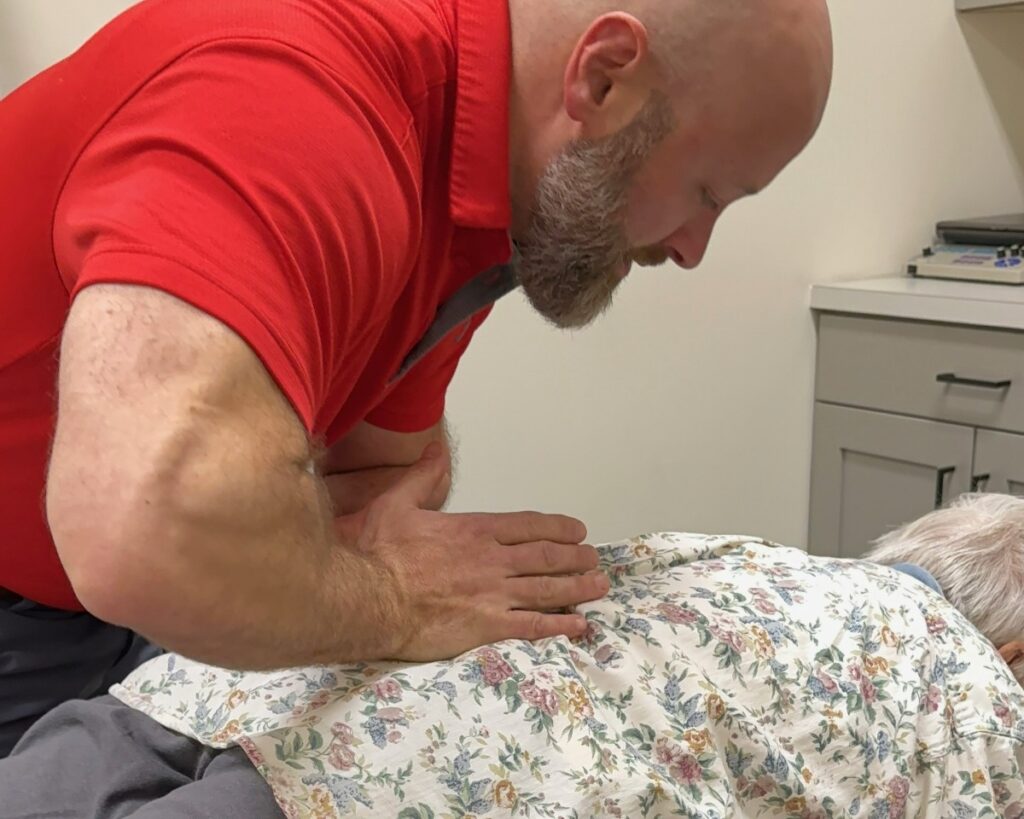
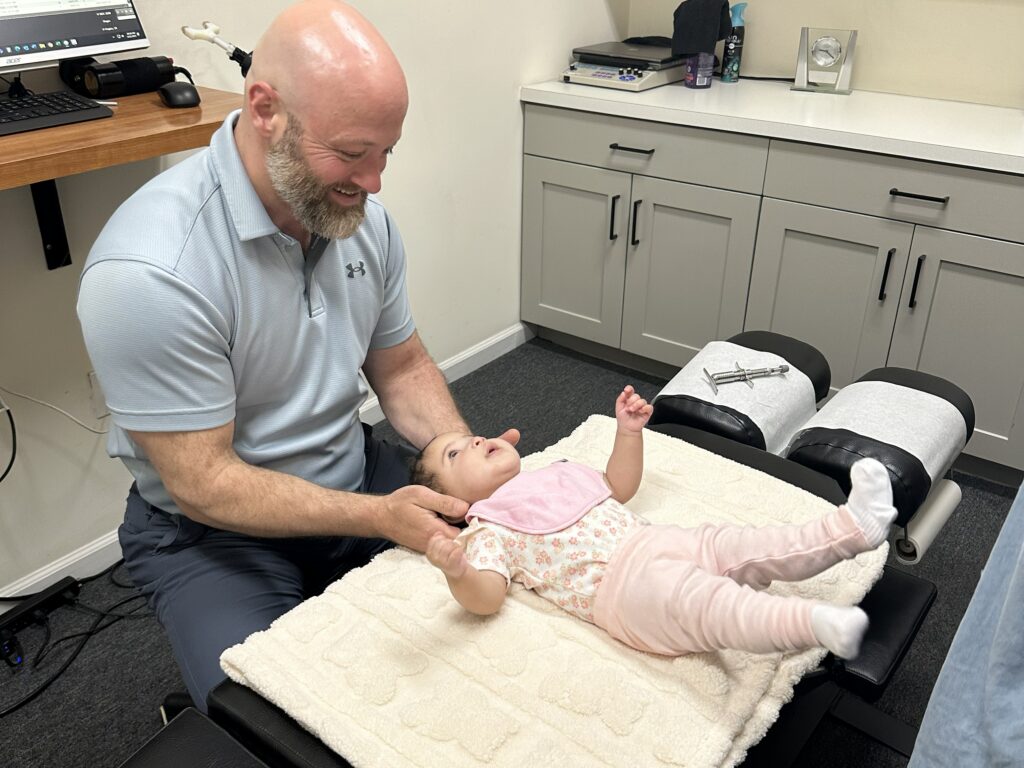
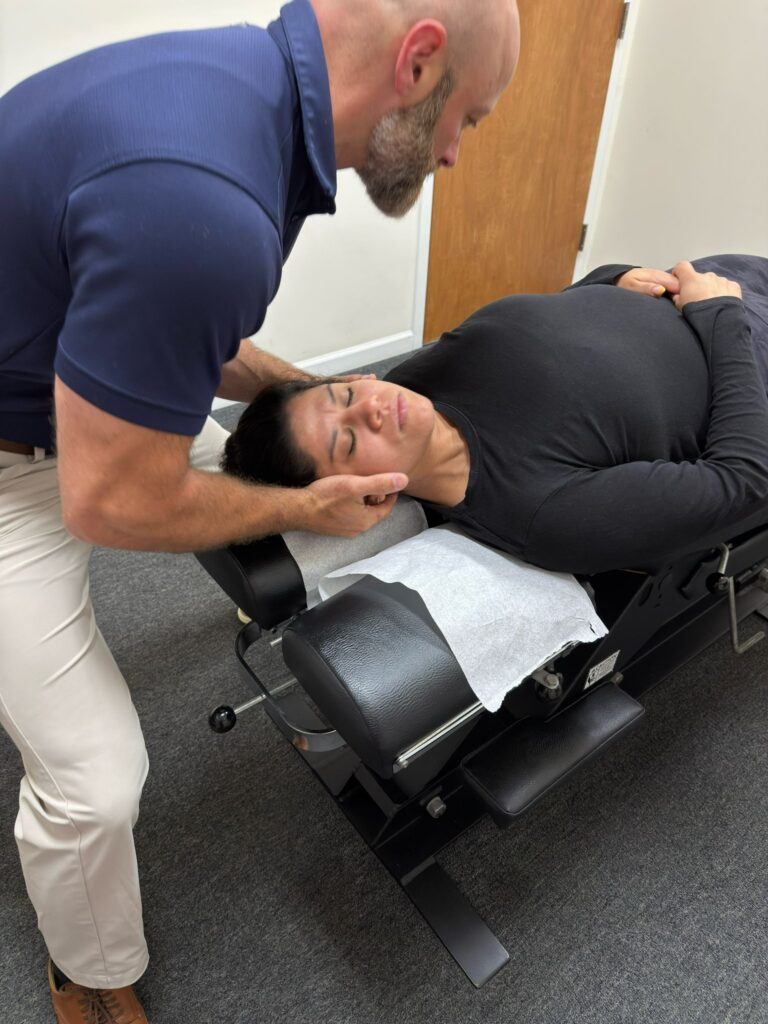
Chiropractic care focuses on restoring proper alignment and function to the spine, which can greatly alleviate low back pain. Regular chiropractic adjustments can help reduce muscle tension, improve mobility, and enhance overall wellness.
Here are some general tips to help you manage low back pain:
- Maintain good posture: Be conscious of how you sit, stand, and lift. Proper alignment can reduce strain on your back.
- Stay active: Gentle exercises, like walking or stretching, can promote healing and prevent stiffness.
- Practice stress relief: Techniques such as deep breathing, meditation, or yoga can help reduce tension that may be contributing to your pain.
- Listen to your body: If you’re experiencing discomfort, don’t push through it. Rest and seek appropriate care when needed.
The Importance of Core Strengthening
Building a strong core is essential not only for managing and preventing low back pain but also for achieving overall wellness. Your core comprises more than just your abdominal muscles; it includes important muscles in your back, pelvis, and hips. When these muscles are strong, they provide stability and support to your spine, which is crucial for maintaining a healthy posture and reducing the risk of injury.
When your core is weak, your lower back often has to work harder, leading to strain and discomfort. This is where chiropractic care can make a significant difference. A chiropractor can help assess your core strength and provide personalized recommendations and adjustments to enhance your spinal alignment and overall health.
Incorporating core-strengthening exercises like planks, bridges, and pelvic tilts into your routine can be incredibly beneficial. These exercises not only build strength but also improve your balance and posture, making everyday tasks easier—whether you’re lifting objects or sitting for extended periods. Remember, consistency is key to seeing results.
It’s also important to listen to your body. If you experience any discomfort while exercising, consult with your chiropractor for guidance. They can help you modify exercises and ensure that you’re performing them safely and effectively.
Key Flexibility Exercises for Relief
Incorporating flexibility exercises into your routine is essential for relieving low back pain and enhancing your overall mobility, which is a key aspect of maintaining a healthy spine. These exercises can help stretch tight muscles, increase your range of motion, and alleviate tension in your back. As a chiropractor, I emphasize the importance of natural methods for achieving wellness, and these exercises can complement your chiropractic care beautifully.
Start with the cat-cow stretch. This gentle movement involves alternating between arching and rounding your back while on all fours. It warms up your spine and helps relieve stiffness, preparing your body for more movement.
Next, try the seated forward fold. This stretch targets your hamstrings and lower back. Simply sit with your legs extended in front of you, reach forward, and aim to touch your toes. It’s a great way to encourage flexibility and ease tension.
Another beneficial stretch is the child’s pose. Begin by kneeling on the floor and sitting back on your heels. From there, stretch your arms forward while lowering your torso. This position isn’t only calming but also effective in releasing back tightness.
Don’t overlook the standing quadriceps stretch either. By gently grabbing your ankle and pulling it toward your glutes, you’ll stretch the front of your thighs, which helps counteract the tightness that can lead to back pain.
Incorporating these exercises into your daily routine can lead to lasting relief from discomfort. Remember, chiropractic care is an excellent choice for addressing the root causes of your pain and enhancing your overall well-being. Pair these stretches with regular chiropractic adjustments for optimal results.
Your body will thank you!
Effective Stretches to Alleviate Tension
After you’ve warmed up with some flexibility exercises, it’s important to focus on effective stretches that can help alleviate tension in your back and surrounding muscles. While these stretches can be beneficial, remember that regular chiropractic care can play a pivotal role in achieving optimal spinal health and overall wellness.
Here are three easy stretches you can incorporate into your daily routine:
- Child’s Pose: Start by kneeling on the floor and sitting back on your heels. Stretch your arms forward on the ground, allowing your lower back to relax. This gentle stretch not only eases tension but also promotes relaxation throughout your body.
- Seated Forward Bend: Sit down with your legs extended straight in front of you. Take a deep breath in, and as you exhale, gently reach forward toward your toes. This stretch is fantastic for targeting your hamstrings and lower back, helping to release tightness and improve flexibility.
- Cat-Cow Stretch: Get into a tabletop position on all fours. Alternate between arching your back (like a cat) and dipping your spine (like a cow). This dynamic movement is great for mobilizing your spine and relieving tension. It encourages fluid movement in your back, which is essential for maintaining a healthy spine.
Incorporating these stretches into your daily routine can make a significant difference in how your back feels. However, remember that these are complementary to regular chiropractic care, which is designed to address the root causes of discomfort and promote natural healing.
Tips for Maintaining a Healthy Spine
To maintain a healthy spine, it’s essential to adopt habits that promote proper alignment and function. Good posture is key—whether you’re sitting, standing, or walking, aim to keep your shoulders back and your head level. This simple adjustment can significantly reduce strain on your spine.
When lifting heavy objects, remember to bend your knees and keep the load close to your body; this protects your back and reduces the risk of injury.
Incorporating regular physical activity into your routine can be incredibly beneficial. Focus on exercises that strengthen your core muscles, as they provide vital support for your spine.
Simple activities like yoga or Pilates not only strengthen your core but also enhance flexibility and relieve tension.
Don’t underestimate the importance of sleep for your spinal health. Ensure you have a supportive mattress and pillow that keep your spine aligned during the night. This can make a significant difference in how you feel each day.
Staying hydrated and enjoying a balanced diet also contribute to overall health, supporting your spine and body. By following these tips, you’ll be taking proactive steps towards ensuring your spine remains strong and pain-free.
As a chiropractor, I encourage you to consider regular chiropractic care as a natural and effective way to maintain spinal health and achieve optimal wellness. Chiropractic adjustments can help alleviate pain, improve mobility, and ensure your body functions at its best.
Conclusion
Incorporating these exercises into your daily routine can greatly aid in managing low back pain and promoting spinal health. By focusing on building core strength, improving flexibility, and maintaining proper posture, you can significantly reduce tension in your back. These practices not only support your spine but also enhance your overall well-being.
As a chiropractor, I emphasize the importance of consistency in your exercise routine. Make sure to listen to your body; if something doesn’t feel right, it’s essential to adjust or stop. While these exercises can be beneficial, seeking chiropractic care is one of the best ways to address the root causes of your pain naturally. A chiropractor can provide personalized advice and treatment that aligns with your body’s needs, ensuring that you are on the path to optimal health.
Here are some general tips to keep in mind:
- Stay Active: Engage in low-impact activities like walking or swimming to keep your body moving without straining your back.
- Practice Good Posture: Be mindful of how you sit, stand, and lift. Keeping your spine aligned can prevent further discomfort.
- Warm-Up and Cool Down: Always take the time to warm up before exercising and cool down afterward to protect your muscles and joints.
- Hydrate: Drink plenty of water to keep your muscles and joints lubricated.
- Consult a Professional: If your pain continues, consider visiting a chiropractor. They can offer tailored care that promotes healing and aligns your spine, setting you up for long-term health.
With commitment to these exercises and the guidance of chiropractic care, you can find the relief you seek and enhance your quality of life. Remember, a healthy spine is the foundation of a healthy body!