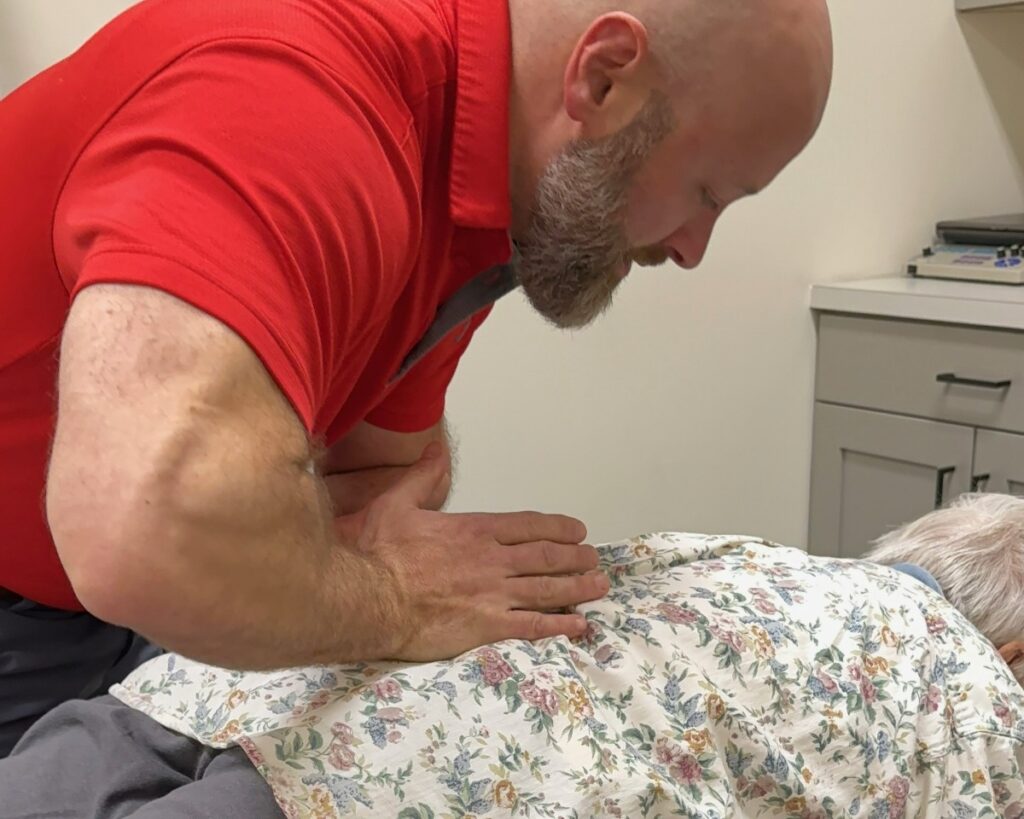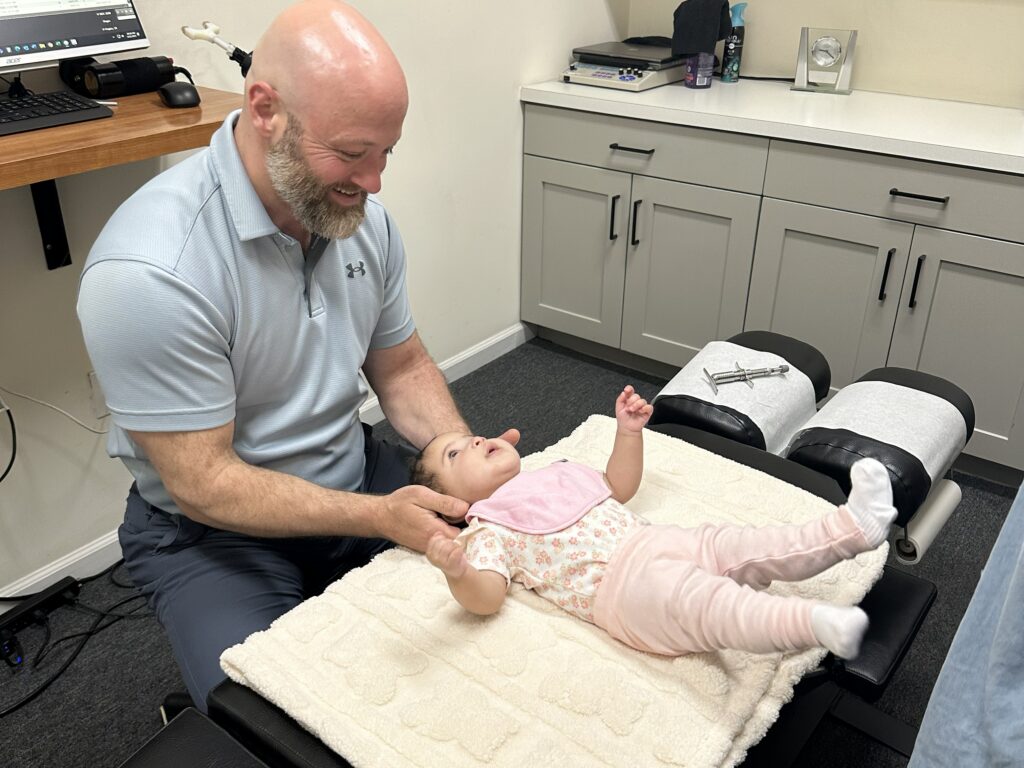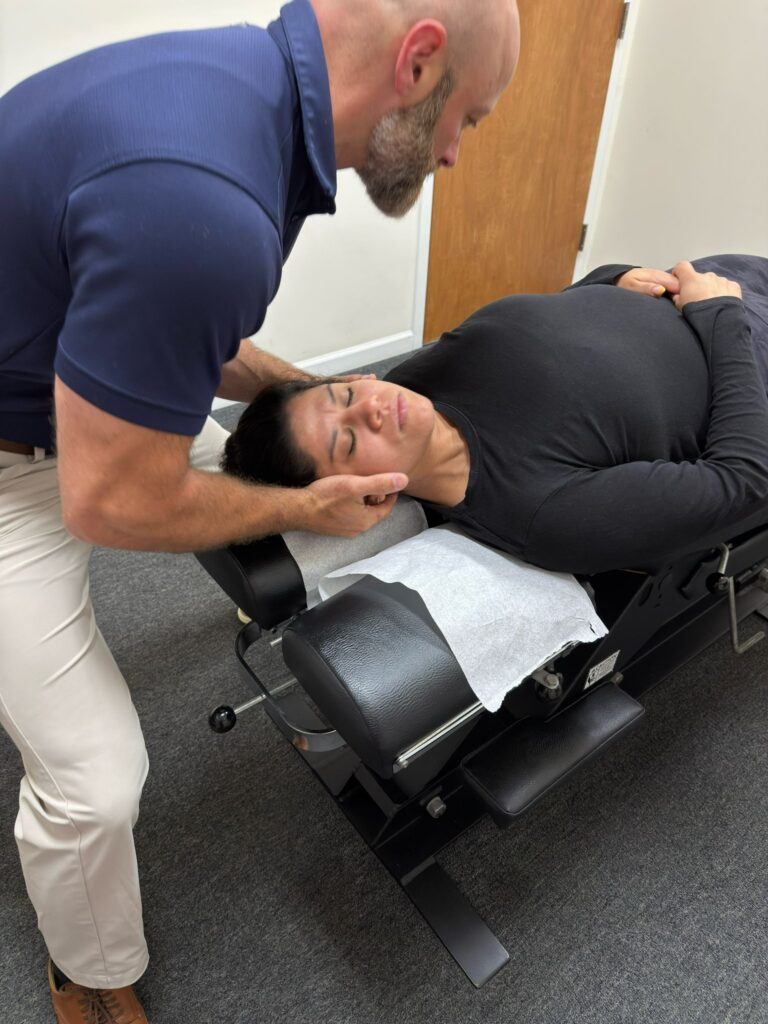

If you’re dealing with low back pain, chiropractic care could be your key to finding relief. Our effective techniques, which include spinal manipulation, soft-tissue work, and personalized rehabilitation exercises, are designed to address your unique needs. Each method targets specific issues in your body, helping to reduce discomfort and enhance your mobility.
Curious about how these techniques work together? Let’s break it down. Spinal manipulation helps realign your spine, which can alleviate pressure on nerves and improve overall function. Soft-tissue work focuses on releasing tension in muscles and ligaments, promoting better circulation and healing. Lastly, rehabilitation exercises strengthen your core and back muscles, providing the support your spine needs.
Chiropractic care not only aims to relieve pain but also promotes natural healing and wellness. By choosing chiropractic, you’re opting for a holistic approach to health—one that empowers your body to heal itself without the need for medications or invasive procedures.
Here are a few tips to support your back health in everyday life:
- Practice Good Posture: Whether sitting or standing, maintaining proper posture can significantly reduce strain on your back.
- Stay Active: Regular physical activity, such as walking or stretching, can keep your back muscles strong and flexible.
- Use Ergonomic Furniture: Invest in chairs and desks that support your spine while you work or relax.
- Listen to Your Body: If you start to feel discomfort, don’t ignore it. Consult with your chiropractor to address the issue early on.
By incorporating these strategies into your daily routine and choosing chiropractic care, you can take an active role in achieving optimal health and wellness. Remember, your journey to a pain-free life begins with understanding and caring for your spine!
Key Takeaways
- Spinal Manipulation Techniques, such as the diversified technique and activator method, are excellent chiropractic approaches that help realign your spine, improve your mobility, and provide much-needed relief from low back pain. By gently adjusting your spine, these techniques can enhance your overall well-being.
- The Flexion-Distraction Technique is another valuable tool in our chiropractic toolbox. It works by gently creating space between your vertebrae, which reduces pressure on discs and nerves. This technique is particularly beneficial for conditions like herniated discs and sciatica, promoting natural healing and comfort.
- Active Release Therapy (ART) focuses on your soft tissues, helping to release muscle knots and trigger points that could be causing chronic low back pain. By addressing these soft tissue issues, ART enhances your body’s ability to heal and function properly.
- Incorporating core strengthening exercises into your routine, like planks and bridges, can significantly stabilize your lower back and improve your posture. Strong core muscles reduce strain on your back, helping you feel more comfortable and balanced throughout your day.
- Don’t forget about the importance of regular flexibility and stretching routines! These practices improve your range of motion and relieve tension in the muscles that support your back. By stretching regularly, you can manage pain and enhance your overall mobility.
Remember, chiropractic care is a natural and effective way to achieve optimal health and wellness. By focusing on spinal health and incorporating these techniques and exercises into your daily routine, you can take control of your low back pain and live a healthier, more active life.
Spinal Manipulation Techniques
Spinal manipulation techniques are central to chiropractic care for low back pain and can be a game changer for your health and well-being. These hands-on adjustments aim to realign your spine, enhancing your mobility and easing discomfort naturally. By applying gentle, controlled pressure to specific joints, chiropractors work to restore proper function and alleviate tension in the surrounding muscles. Many patients report feeling immediate relief after a session, as these techniques address the root causes of pain.
When you visit a chiropractor, they’ll take the time to evaluate your condition and create a personalized plan tailored to your needs. Depending on your unique situation, techniques such as the diversified technique or the activator method may be utilized. You might also benefit from soft tissue work alongside adjustments, which can boost the overall effectiveness of your treatment. Regular chiropractic sessions not only help relieve pain but also support ongoing spinal health, reducing the risk of future discomfort.
To complement your chiropractic care, consider incorporating some simple tips into your daily routine: maintain good posture, stay active with gentle exercises, and practice relaxation techniques to reduce stress. These small changes can make a significant difference in your overall wellness. Embracing chiropractic care as a natural and holistic approach to health can lead to substantial improvements in your low back pain and help you enjoy daily activities with greater ease and comfort. Remember, your journey to optimal health starts with taking care of your spine!
Active Release Therapy
Active Release Therapy (ART) is an effective chiropractic technique specifically designed to address soft tissue issues that can lead to low back pain. This innovative approach focuses on uncovering and treating the root causes within your muscles, tendons, fascia, and nerves. During an ART session, I’ll use my hands to apply pressure while guiding your body through targeted movements. This technique not only helps to release tension but also improves mobility and reduces pain.
While you may experience some discomfort during the treatment, it’s important to keep in mind that the ultimate goal is to relieve your low back pain over time. ART is particularly effective in treating muscle knots, trigger points, and scar tissue, which can all contribute to chronic pain if not addressed.
To maximize your recovery, many patients find that combining ART with other chiropractic techniques enhances their results. If you’re facing challenges with low back pain, I encourage you to explore Active Release Therapy as a natural and holistic option. It’s a fantastic way to get back to your daily activities without persistent discomfort.
In addition to ART, there are several simple tips you can incorporate into your daily routine to promote a healthier back and overall wellness:
- Stay Active: Regular, gentle exercise can strengthen your back muscles and improve flexibility. Consider activities like walking, swimming, or yoga.
- Posture Awareness: Be mindful of your posture throughout the day, especially when sitting. Use supportive chairs and maintain a straight back to minimize strain on your spine.
- Stretch Regularly: Incorporate daily stretches to keep your muscles flexible and reduce tension. Focus on your back, hips, and legs.
- Hydration Matters: Drinking plenty of water helps maintain the elasticity of your spinal discs and overall joint health.
- Listen to Your Body: If you feel discomfort or pain, don’t ignore it. Seek out chiropractic care to address the issue early on.
Flexion-Distraction Technique
When it comes to easing low back pain, the Flexion-Distraction Technique stands out as a gentle and effective solution that prioritizes your body’s natural healing abilities. This innovative approach utilizes a specialized chiropractic table that gently flexes and distracts the spine, creating space between your vertebrae. This process helps to relieve pressure on your spinal discs and nerves, allowing your body to heal itself.
During a session, you’ll lie comfortably face down while your chiropractor skillfully adjusts the table. With a rhythmic motion, they’ll gently stretch your lower back, helping to reduce pain and improve your mobility. Many patients report feeling immediate relief as tension dissipates and blood flow increases to the affected areas.
Flexion-Distraction is particularly helpful for conditions such as herniated discs, sciatica, and muscle spasms. It’s a non-invasive method that avoids harsh manipulations, making it an excellent choice for those looking for a natural alternative to medications or surgeries. After just a few sessions, you might notice a significant improvement in your low back pain, allowing you to return to the activities you love.
Aside from this technique, here are some general tips to help manage low back pain and promote a healthier lifestyle:
- Stay Active: Regular, low-impact exercise can strengthen your back muscles and improve flexibility.
- Maintain Good Posture: Pay attention to your posture while sitting, standing, and lifting to avoid unnecessary strain on your back.
- Use Heat and Ice: Applying heat or ice to the affected area can help reduce pain and inflammation.
- Stay Hydrated: Proper hydration supports the health of your spinal discs.
- Practice Relaxation Techniques: Stress can contribute to muscle tension, so practices like deep breathing or yoga can be beneficial.
Myofascial Release
Myofascial release is an effective chiropractic technique designed to help you relieve muscle tension and enhance your range of motion. By focusing on the fascia, the connective tissue that surrounds your muscles, this method can provide significant relief from low back pain. Not only does it alleviate discomfort, but it also improves your overall mobility, making daily activities easier and more enjoyable.
As a chiropractor, I believe that myofascial release, combined with spinal adjustments, can lead to optimal health and wellness. This natural approach avoids the need for medications or invasive procedures, allowing your body to heal itself in a safe and effective manner.
Here are some general tips to help you maintain your health and well-being:
- Stay Active: Regular physical activity can help keep your muscles and fascia functioning properly. Aim for a mix of strength training, stretching, and aerobic exercises.
- Practice Good Posture: Being mindful of your posture can significantly reduce strain on your back and surrounding tissues. Whether sitting at a desk or standing, make sure to align your body correctly.
- Stay Hydrated: Drinking plenty of water helps keep your fascia hydrated and pliable, which can reduce tension in your muscles.
- Incorporate Stretching: Simple stretching exercises can help alleviate tightness and improve flexibility. Consider incorporating gentle stretches into your daily routine.
- Listen to Your Body: If you feel discomfort or tension, take the time to understand its source. Addressing these issues early with chiropractic care can prevent them from becoming larger problems.
Release Muscle Tension
Releasing muscle tension is essential for alleviating low back pain, and chiropractic care offers effective natural solutions. By focusing on the fascia—the connective tissue that surrounds and supports our muscles—we can significantly reduce tightness and enhance overall comfort. Here’s a simple guide to some effective techniques that can complement your chiropractic care:
| Technique | Benefits | Recommended Frequency |
|---|---|---|
| Trigger Point Therapy | Helps relieve localized pain | 1-3 times weekly |
| Foam Rolling | Boosts blood circulation | Daily or as needed |
| Stretching | Improves flexibility | 3-5 times weekly |
| Deep Tissue Massage | Eases chronic tension | 1-2 times monthly |
| Positional Release | Encourages relaxation | As needed |
Integrating these techniques into your routine can lead to remarkable improvements in your low back pain, enhancing the benefits you receive from chiropractic adjustments.
General Tips for Muscle Tension Relief:
- Stay Active: Regular movement helps keep your muscles loose and flexible.
- Hydrate: Drinking plenty of water supports muscle health and reduces cramping.
- Listen to Your Body: If you feel tightness, take a moment to stretch or use a foam roller.
- Practice Good Posture: Maintaining proper alignment can prevent unnecessary strain on your back.
Improve Range of Motion
Improving your range of motion is vital for alleviating low back pain and enhancing your overall mobility. One of the best ways to achieve this naturally is through chiropractic care, which focuses on spinal alignment and holistic healing. Here’s how chiropractic adjustments can help improve your range of motion:
- Reduces Muscle Tightness: Chiropractic adjustments correct misalignments in your spine, which can relieve tension in the muscles surrounding it. This allows your muscles to relax and function more effectively.
- Increases Flexibility: Regular chiropractic care promotes flexibility by ensuring that your joints are moving freely and efficiently. This greater flexibility can lead to a wider range of motion in your daily activities, making tasks easier and more enjoyable.
- Enhances Blood Circulation: By improving spinal alignment, chiropractic adjustments enhance blood flow throughout your body. Better circulation can speed up recovery from injuries and reduce pain in the long run.
- Promotes Relaxation: Chiropractic care not only alleviates physical discomfort but also encourages mental calmness. By addressing both the body and mind, you can experience a holistic sense of well-being.
To further improve your range of motion at home, consider incorporating gentle stretching and strengthening exercises into your routine. Focus on movements that target the lower back and hips, and always listen to your body.
Regular visits to a chiropractor can greatly enhance your progress, providing tailored adjustments that support your individual needs.
Rehabilitation Exercises
When managing low back pain, incorporating chiropractic care and rehabilitation exercises can truly transform your recovery journey. Focusing on core strengthening exercises and flexibility techniques not only supports your spine but also enhances your overall mobility and well-being.
Chiropractic care is a natural and effective way to alleviate pain without the need for medications or surgeries. By working with a chiropractor, you can learn targeted exercises that strengthen your core, which plays a crucial role in supporting your lower back. Exercises like pelvic tilts, bridges, and gentle stretches can help stabilize and protect your spine.
Additionally, improving flexibility through simple stretching routines can relieve tension in your muscles, allowing for greater range of motion. Consistency is key—try to incorporate these exercises into your daily routine for best results.
Core Strengthening Exercises
Strengthening your core is crucial not only for alleviating low back pain but also for enhancing overall stability and health. A robust core supports your spine, reduces strain, and promotes better posture, which is vital for overall well-being. As a chiropractor, I believe that incorporating core strengthening exercises into your routine can significantly aid in achieving optimal health and wellness. Here are four effective exercises that can be easily added to your daily regimen:
- Planks: Start by holding a plank position on your forearms and toes. Keep your body straight and hold this position for about 30 seconds. This exercise strengthens not just your core, but also your shoulders and back, helping to support your spine effectively.
- Dead Bugs: Lie on your back and extend your arms and legs towards the ceiling. Gradually lower one arm and the opposite leg while keeping your back flat against the floor. This exercise helps improve coordination and engages deep core muscles that stabilize your spine.
- Bird-Dogs: Position yourself on all fours, then extend one arm forward and the opposite leg backward simultaneously. Hold this position for a few seconds. This exercise promotes balance and strengthens your core, which can help prevent strain on your back.
- Bridges: Lie on your back with your knees bent. Lift your hips towards the ceiling while squeezing your glutes. This not only strengthens your core but also engages the muscles in your lower back and hips, further supporting your spine.
Incorporating these exercises into your daily routine can help you build a stronger core, which is essential for reducing low back pain and improving your overall health. Remember, regular chiropractic care can also complement these exercises by ensuring your spine is aligned and functioning optimally. Always listen to your body, and if you experience pain, consult with a chiropractor for personalized guidance.
Flexibility and Stretching Techniques
Incorporating flexibility and stretching techniques into your daily routine can be a game-changer for alleviating low back pain and enhancing your overall wellness. These gentle exercises not only improve your range of motion but also help reduce stiffness and promote better posture—key elements in maintaining a healthy spine.
Start with simple stretches such as the cat-cow, child’s pose, or knee-to-chest. These can be done easily in the comfort of your home. Hold each stretch for about 20-30 seconds, and remember to breathe deeply throughout to enhance your relaxation.
You might also find relief with the piriformis stretch and hamstring stretch, which focus on important muscle groups that support your back. Consistency is essential; aim to stretch daily or at least every other day for the best results. Always listen to your body—never push into pain, as this can lead to further discomfort.
Chiropractic care complements these stretching techniques beautifully, as it addresses spinal alignment and overall health. By visiting your chiropractor regularly, you can ensure that your spine is functioning optimally, making your stretching more effective.
With a commitment to these practices, you can significantly alleviate discomfort and support your journey toward natural healing and a healthier lifestyle. Remember, the path to wellness is a journey, and incorporating flexibility techniques is a fantastic step along the way!
Patient Education and Self-Management Strategies
Managing low back pain might seem daunting, but with the right knowledge and self-care strategies, you can take charge of your healing journey. Understanding your condition and actively participating in your recovery can lead to significant improvements. Here are four essential strategies to consider for better health and wellness:
1. Understand Your Low Back Pain: Take the time to learn about what might be causing your discomfort. Knowledge about your condition not only helps you feel more in control but also highlights how chiropractic care can effectively support your recovery.
2. Maintain Good Posture: Being mindful of your posture during daily activities is crucial. Proper alignment helps reduce strain on your back and can prevent further pain.
Simple adjustments, like sitting up straight and keeping your feet flat on the floor, can make a big difference.
3. Stay Active with Gentle Exercise: Incorporating low-impact exercises such as walking or swimming into your routine strengthens your core muscles and enhances flexibility. These activities can aid in your recovery and are a natural way to alleviate pain.
4. Explore Natural Pain Relief: Instead of turning to medications, consider natural methods like applying heat or ice to the affected area. These techniques can provide relief between chiropractic sessions and are easy to implement at home.
Conclusion
Incorporating these 85% effective chiropractic techniques can significantly enhance your journey toward relieving low back pain. By utilizing spinal manipulation, Active Release Therapy, flexion-distraction, and myofascial release, we can effectively ease tension and restore your body’s natural function. It’s also essential to include rehabilitation exercises and patient education as part of your healing process. These practices empower you to take an active role in your recovery, which is crucial for managing pain and improving your overall well-being.
Chiropractic care stands out as a natural and holistic approach to achieving optimal health. It not only addresses the source of your pain but also promotes long-term wellness without the need for surgeries or medications. Remember to maintain good posture, incorporate gentle stretching into your daily routine, and stay active with low-impact exercises. These simple lifestyle changes can make a significant difference in your recovery and help prevent future issues.
By choosing chiropractic care, you’re investing in a healthier, pain-free life. Let’s work together to help you feel your best!