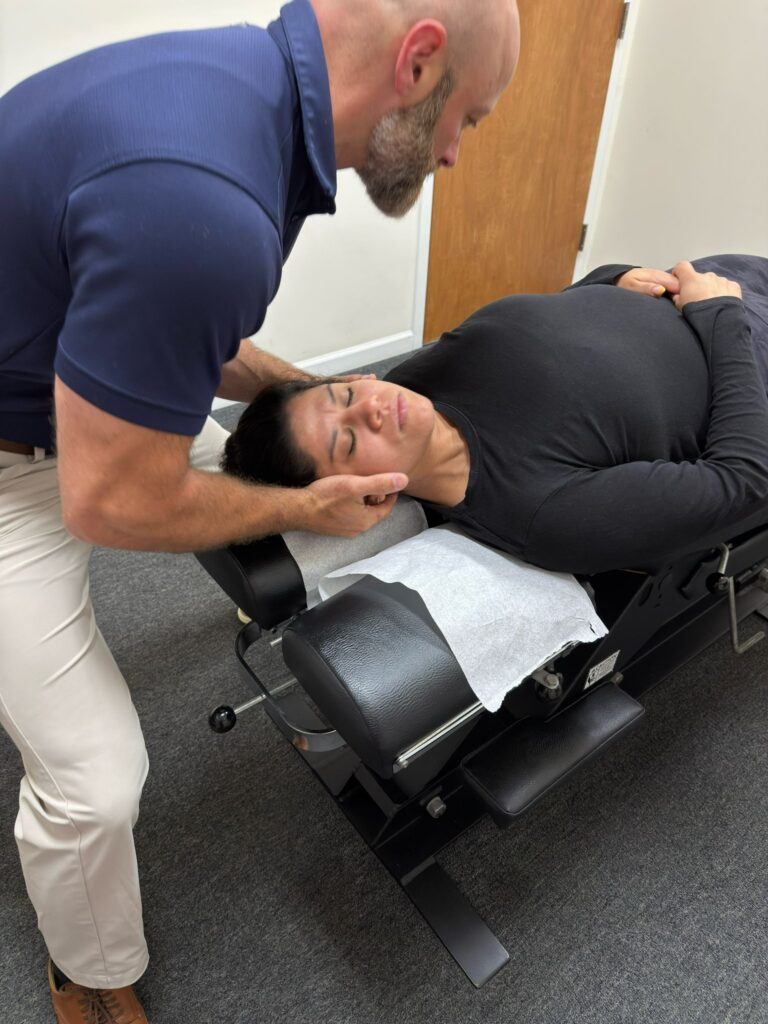

Managing headaches effectively doesn’t always require medication. In fact, many people find relief through simple lifestyle changes and holistic practices that promote overall well-being. As a chiropractor, I believe that focusing on spinal health, hydration, diet, and stress management can lead to a significant reduction in headache frequency. Let’s explore some practical, drug-free solutions that not only help with headache relief but also support your journey towards optimal health.
- Stay Hydrated: Dehydration is a common trigger for headaches. Make it a habit to drink plenty of water throughout the day. Keeping your body well-hydrated can help reduce the intensity and frequency of headaches.
- Maintain a Balanced Diet: Eating a nutritious diet rich in whole foods can have a profound impact on how you feel. Focus on incorporating fruits, vegetables, whole grains, and lean proteins into your meals. Avoiding processed foods and excessive sugar can also help keep headaches at bay.
- Practice Stress Management: Stress is a significant contributor to headaches. Techniques such as deep breathing exercises, meditation, and gentle yoga can help alleviate tension. These practices not only promote relaxation but also enhance your overall spinal health.
- Spinal Health Matters: Regular chiropractic care can be a game-changer for headache sufferers. Misalignments in the spine can contribute to tension and pain. A chiropractor can help identify and correct these issues, leading to improved alignment and relief from headaches.
- Posture Awareness: Poor posture, especially when sitting for long periods, can lead to tension headaches. Make a conscious effort to maintain good posture, whether you’re at your desk or on the go. Consider ergonomic furniture to support your spine.
- Get Enough Sleep: Quality sleep is crucial for overall health and can help prevent headaches. Aim for 7-9 hours of restorative sleep each night, and establish a calming bedtime routine to improve your sleep quality.
- Incorporate Regular Exercise: Physical activity is important for reducing stress and improving circulation, both of which can help prevent headaches. Aim for at least 30 minutes of moderate exercise most days of the week – this could be walking, swimming, or any activity that you enjoy.
By incorporating these drug-free strategies into your daily routine, you can take an active role in managing headaches and supporting your overall health. Remember, chiropractic care is an excellent choice for those seeking natural relief and wellness, as it addresses the root causes of pain while promoting a healthier lifestyle. If you’re struggling with headaches, consider scheduling a consultation with your chiropractor to explore a personalized plan that works for you. Your path to relief and optimal health starts here!
Key Takeaways
- Stay well-hydrated by drinking at least eight 8-ounce glasses of water daily. This simple habit can help prevent dehydration-related headaches and supports your overall health. Remember, hydration is key!
- Pay attention to your diet by avoiding trigger foods like aged cheeses and processed meats. Instead, focus on whole, natural foods that can help reduce inflammation and keep your body feeling great.
- Incorporate stress management techniques into your daily routine. Simple practices like deep breathing, mindfulness meditation, and journaling can make a big difference in alleviating headache triggers. These techniques not only help calm your mind but also promote overall wellness.
- Regular physical activity is essential for your health. Engaging in exercises you enjoy can release endorphins, improve circulation, and enhance your sleep quality, which are all vital for headache prevention. Moving your body is a great way to take care of yourself!
- Consider chiropractic care as a natural and effective way to address headaches. By correcting spinal misalignments and relieving nerve pressure, chiropractic adjustments can target the root causes of headaches, providing you with lasting relief and promoting optimal health. Your spine is central to your overall well-being, and taking care of it can lead to a healthier, pain-free life.
Understanding Different Types of Headaches
When you experience a headache, understanding its type can guide you toward natural relief methods that align with a holistic approach to health. Common types of headaches include tension headaches, migraines, and cluster headaches, each with unique characteristics.
Tension headaches often feel like a tight band around your head and are commonly triggered by stress or poor posture. These headaches can often be alleviated through relaxation techniques, gentle stretching, and adjustments to your spinal alignment, all of which are key components of chiropractic care.
Migraines, on the other hand, can cause intense, throbbing pain and may come with symptoms like nausea, light sensitivity, or visual disturbances. Many people find that lifestyle changes, such as maintaining a regular sleep schedule, staying hydrated, and managing stress through chiropractic adjustments, can help reduce the frequency and intensity of migraines.
Cluster headaches are less common but can be extremely painful, often occurring in cyclical patterns. While they may require specific attention, working with a chiropractor can help improve overall spinal health and may assist in minimizing episodes.
Recognizing the symptoms of your headaches is essential for effective management. By focusing on natural methods such as stress-relief techniques, spinal care, and healthy living habits, you can support your body in healing itself.
Always remember that chiropractic care is designed to optimize your body’s function and promote wellness without the need for medications or invasive procedures. Taking proactive steps towards your health can make a significant difference in how you feel.
The Role of Hydration in Headache Prevention
Many people overlook the vital role hydration plays in preventing headaches. Dehydration can cause your brain to temporarily shrink due to fluid loss, leading to discomfort and pain. To combat this, it’s beneficial to make drinking water a regular habit throughout your day. Aim for at least eight 8-ounce glasses daily, but remember to adjust this based on your activity level and the climate you live in.
Even mild dehydration can result in that nagging sensation at the base of your skull. The next time you feel that first hint of a headache, take a moment to consider if you’ve been drinking enough water. It may seem simple, but a refreshing glass of water can often provide the relief you need.
Incorporating hydrating foods, such as fruits and vegetables, into your diet is another great way to boost your hydration levels. Keeping a water bottle nearby serves as a friendly reminder to sip frequently throughout your day.
By prioritizing hydration, not only can you reduce your chances of experiencing headaches, but you also enhance your overall well-being.
As a chiropractor, I always emphasize that taking care of your body also means staying hydrated. Proper hydration supports spinal health and helps maintain flexibility and function in your body.
Through chiropractic care, we can address any underlying issues that contribute to headaches while promoting natural healing methods. Remember, your journey to optimal health starts with simple steps like staying hydrated!
Dietary Adjustments for Headache Relief
Staying hydrated is just one piece of the puzzle when it comes to managing headaches, and your diet plays a significant role in how you feel. As a chiropractor, I believe in a holistic approach to wellness, which includes understanding how what you eat can impact your health.
Start by identifying potential trigger foods that might be contributing to your headaches. Common culprits include aged cheeses, processed meats, and foods high in sugar or caffeine. Keeping a food diary can be a helpful tool to figure out what might be causing your discomfort.
Incorporate more whole foods into your meals. Fresh fruits, vegetables, and whole grains not only nourish your body but also have the potential to reduce inflammation, which can ease headache symptoms. Omega-3 fatty acids, found in fish like salmon and walnuts, are particularly beneficial due to their anti-inflammatory properties.
Don’t skip meals! Low blood sugar can easily trigger headaches, so aim to eat regular, balanced meals to keep your energy levels steady. Also, consider adding magnesium-rich foods like spinach and almonds to your diet, as magnesium deficiencies have been linked to headaches.
Remember, while dietary adjustments can be a step toward relief, chiropractic care is a powerful ally in achieving optimal health. By addressing spinal alignment and overall wellness, chiropractic adjustments can help your body function at its best, reducing tension and discomfort that may contribute to headaches.
Stress Management Techniques
Managing stress is crucial for overall well-being, especially when it comes to reducing headache frequency and intensity. As a chiropractor, I understand the connection between stress and physical health, including spinal health. Here are some simple and effective techniques to help you manage stress naturally, without the need for medications or invasive procedures.
One of the easiest ways to start is through deep breathing exercises. Take a few moments each day to inhale deeply and exhale slowly. This practice calms your nervous system and can help alleviate tension in your body, including the muscles around your neck and spine, which may contribute to headaches.
Mindfulness meditation is another beneficial technique. Just a few minutes each day spent focusing on the present can help lower your stress levels. It encourages a peaceful mind, which is essential for maintaining a healthy spine and reducing discomfort.
Progressive muscle relaxation is also an excellent tool. By tensing and then relaxing each muscle group, you can release built-up tension throughout your body. This relaxation can promote better spinal alignment and overall comfort.
Setting boundaries in your personal and professional life is vital for managing stress. Learning to say no can help you free up time and energy for activities you genuinely enjoy, allowing you to prioritize your health and wellness.
Lastly, consider journaling. Writing down your thoughts and feelings can provide clarity and help you process emotions. This practice can also serve as a great outlet for stress, contributing to a healthier mindset.
Remember, incorporating these stress management techniques into your daily routine can empower you to take control of your mental and physical well-being.
And don’t forget, regular chiropractic care can further enhance your stress management efforts by promoting spinal health and overall wellness. By prioritizing these natural approaches, you can work towards reducing headache occurrences and achieving optimal health.
The Benefits of Regular Exercise
While many people view exercise mainly as a way to stay fit, its advantages go well beyond just physical health, especially when it comes to managing headaches. Regular physical activity can significantly decrease both the frequency and intensity of headaches. When you engage in exercise, your body releases endorphins, which serve as natural pain relievers and mood enhancers. This can help reduce tension and stress, two common causes of headaches.
Incorporating activities like walking or cycling not only gets your heart pumping but also improves blood circulation and oxygen flow to your brain, which may help lessen headache symptoms. Additionally, exercise is a wonderful way to enhance your sleep quality. Good sleep is crucial since poor sleep can trigger more headaches.
As a chiropractor, I often see the benefits of a holistic approach to health, which includes regular movement. Aim for at least 30 minutes of moderate exercise most days of the week. This won’t only strengthen your body but also provide an effective way to manage headaches naturally.
Remember, combining regular exercise with chiropractic care can lead to optimal spinal health, which is key in promoting overall wellness.
So, put on those sneakers and get moving! You’re taking a big step toward a healthier, headache-free life.
And don’t forget, chiropractic adjustments can further enhance your well-being by ensuring your spine is aligned, which can help alleviate pain and improve your overall health.
Mindfulness and Meditation Practices
Incorporating mindfulness and meditation practices into your daily routine can greatly enhance your approach to managing headaches, alongside the benefits of chiropractic care. These techniques help you become more aware of your thoughts and feelings, making it easier to spot what might be triggering your headaches. By dedicating just a few moments each day to focus on your breath or engage in a simple guided meditation, you can significantly reduce stress, which is a common catalyst for headaches.
Start with easy mindfulness exercises, like noticing the sounds and sights around you or taking a moment to express gratitude for something in your life. As you become more comfortable, you might want to explore various meditation styles, such as body scans or loving-kindness meditation. These practices not only promote relaxation but also support your overall emotional well-being.
Remember, while mindfulness and meditation are excellent tools for managing headaches, regular chiropractic adjustments can also play a crucial role in relieving pain and maintaining your overall health. By aligning your spine and addressing any tension or misalignments, chiropractic care helps your body function at its best, which can contribute to fewer headaches over time.
Alternative Therapies: Acupuncture and Chiropractic Care
When it comes to managing headaches, chiropractic care is a top choice that can significantly enhance your overall health and well-being. As a chiropractor, I understand the importance of spinal alignment and how it directly affects your nervous system, which plays a crucial role in headache relief.
Chiropractic care focuses on correcting misalignments in your spine, which can relieve nerve pressure and tension that often contribute to headaches. By ensuring that your spine is properly aligned, we can help improve blood flow and reduce muscle tension, leading to fewer headaches and a better quality of life.
While acupuncture is a popular alternative therapy that some people find beneficial, chiropractic care stands out as a comprehensive solution. It addresses the root causes of headaches rather than just masking the symptoms. Through gentle adjustments and spinal manipulation, we work to restore balance to your body, allowing for natural healing and pain relief.
Here are some helpful tips to consider for headache management:
- Stay Hydrated: Dehydration can be a common trigger for headaches. Make sure to drink plenty of water throughout the day.
- Maintain Proper Posture: Poor posture can lead to tension in your neck and shoulders. Be mindful of your posture when sitting or standing, and take breaks to stretch if you spend long hours at a desk.
- Regular Chiropractic Visits: Regular adjustments can help keep your spine aligned and prevent headaches from occurring. Consider scheduling routine visits to maintain your spinal health.
- Manage Stress: Stress can lead to muscle tension and headaches. Incorporate stress-reducing activities into your routine, such as yoga, meditation, or deep-breathing exercises.
By prioritizing chiropractic care and adopting these healthy habits, you can take significant steps toward achieving optimal health and reducing the frequency and intensity of headaches.
Always remember to consult with a qualified chiropractor who can tailor a treatment plan to meet your specific needs. Embrace chiropractic care as your go-to solution for a healthier, pain-free life!
Importance of Sleep Hygiene
Sleep hygiene plays a crucial role in achieving overall health, particularly when it comes to managing headaches. Quality sleep allows your body to recover and helps reduce stress, both of which are key factors in headache prevention. One of the simplest yet most effective ways to enhance your sleep is by establishing a consistent sleep schedule. Try to go to bed and wake up at the same time every day—this helps regulate your body’s internal clock.
Creating a calming bedtime routine can also signal to your body that it’s time to wind down. This could include activities like reading a book, practicing gentle stretches, or engaging in relaxation techniques.
Your sleep environment is just as important. Make your bedroom a sanctuary for rest: keep the room dark, quiet, and at a comfortable temperature. Consider using blackout curtains or a white noise machine if necessary.
It’s advisable to avoid screens for at least an hour before bed, as the blue light emitted can disturb your sleep cycle. Instead, focus on relaxing activities that prepare your mind for sleep. Additionally, limiting caffeine and heavy meals in the evening can help promote better rest.
As a chiropractor, I encourage you to consider how your spinal health can impact your sleep quality. Misalignments in the spine can lead to discomfort and restlessness, which may contribute to headaches. Regular chiropractic adjustments can help ensure your spine is in alignment, allowing for improved sleep and overall wellness.
By prioritizing sleep hygiene and considering the benefits of chiropractic care, you can take significant steps toward reducing headaches and enhancing your overall health naturally.
Essential Oils and Aromatherapy for Headaches
Essential oils can be a wonderful addition to your natural approach to managing headaches, complementing the benefits of chiropractic care. By using just a few drops of essential oils like peppermint and lavender, you can provide yourself with soothing relief. These oils can enhance your comfort when applied correctly, but it’s important to remember that they work best in conjunction with a holistic wellness plan, including regular chiropractic adjustments.
Chiropractic care focuses on aligning the spine and improving overall nervous system function, which can significantly reduce the frequency and intensity of headaches. By addressing any misalignments in your spine, you’re not only promoting better posture and reducing tension, but you’re also allowing your body to heal naturally.
When using essential oils, here are some practical tips to keep in mind:
- Application Techniques: Dilute your chosen essential oil with a carrier oil, such as coconut or jojoba oil, before applying it to your temples or the back of your neck. This helps prevent skin irritation and allows for a soothing massage, which can also relieve tension.
- Inhalation: Add a few drops of essential oil to a diffuser or a bowl of hot water, and inhale deeply. This method can help calm your mind and reduce headache symptoms.
- Combination with Chiropractic Care: Regular visits to your chiropractor not only help with spinal alignment but can also enhance the effectiveness of essential oils. Discuss your headaches with your chiropractor to create a tailored plan that includes both adjustments and natural remedies.
- Lifestyle Adjustments: Incorporate regular exercise, stay hydrated, and practice stress-reducing techniques like yoga or meditation. These habits can work synergistically with chiropractic care and essential oils to provide a comprehensive approach to headache relief.
Popular Essential Oils
Aromatherapy can be a wonderful natural approach to alleviating headaches, and while there are several essential oils that may help, it’s important to remember that the foundation of optimal health starts with proper spinal alignment and chiropractic care.
By addressing the root cause of headaches through spinal adjustments, you can often find long-lasting relief.
However, if you’re looking for additional support, here are some essential oils that can complement your wellness routine:
- Peppermint Oil: This oil is known for its cooling sensation and can promote better circulation, which may help reduce tension. Massaging a diluted form onto your temples can provide a refreshing relief.
- Lavender Oil: With its calming properties, lavender can help ease stress and promote relaxation. Stress is a common trigger for tension headaches, so incorporating lavender into your relaxation routine may be beneficial.
- Eucalyptus Oil: Known for its anti-inflammatory properties, eucalyptus can help clear nasal passages, which is particularly helpful for sinus headaches. Breathing in eucalyptus oil can support overall respiratory health.
- Rosemary Oil: This oil can stimulate blood flow and may help alleviate pain when gently massaged onto the temples.
While these essential oils can offer soothing relief, remember that regular chiropractic care is key for maintaining spinal health and preventing headaches from recurring.
Keeping your spine aligned allows for optimal nerve function, which can significantly reduce headache occurrences.
In addition to using essential oils, here are some general tips for managing headaches:
- Stay Hydrated: Drink plenty of water throughout the day to prevent dehydration, a common headache trigger.
- Practice Good Posture: Ensure your workspace is ergonomically friendly to avoid tension in your neck and shoulders.
- Manage Stress: Incorporate relaxation techniques such as deep breathing, meditation, or yoga into your daily routine.
- Regular Chiropractic Visits: Schedule routine adjustments to keep your spine in alignment and address any underlying issues that may contribute to headaches.
Application Techniques
To effectively use essential oils for headache relief, it’s important to understand the various application techniques that can enhance their benefits, especially as part of a natural approach to health and wellness. Here are some methods you can try that align well with chiropractic care principles:
| Technique | Description | Tips |
|---|---|---|
| Inhalation | Inhale directly from the bottle or use a diffuser to disperse the aroma. | Start with a few drops of oil for maximum effect without overwhelming your senses. |
| Topical Application | Dilute essential oils with a carrier oil and gently apply to your temples or neck. | Always test a small area of skin first to ensure there’s no sensitivity. |
| Compress | Soak a clean cloth in a diluted oil solution and place it on your forehead for soothing relief. | Ensure the cloth is warm but not too hot, as comfort is key to relaxation. |
| Bath | Add a few drops of oils to a warm bath for a full-body relaxation experience. | Mixing oils with Epsom salts can enhance the soothing effects and promote muscle relaxation. |
| Massage | Incorporate essential oils into a gentle head or neck massage, which can also help relieve tension. | Focus on areas where you feel tightness, working slowly to promote relaxation and alleviate discomfort. |
Chiropractic care plays a vital role in maintaining spinal health, which can often contribute to headaches and overall wellness. By combining these essential oil techniques with regular chiropractic adjustments, you can find a holistic approach to pain relief and promote a healthier lifestyle. Experiment with these methods to discover what works best for you, and always prioritize natural healing techniques that support your body’s innate ability to thrive!
Benefits of Aromatherapy
When it comes to finding relief from headaches, many people overlook the powerful benefits of chiropractic care. While aromatherapy can provide some soothing effects, it’s important to understand how proper spinal alignment and overall wellness can truly transform your health.
Here are some insights into how chiropractic care can help with headache relief and promote a healthier lifestyle:
- Spinal Alignment: Misalignments in the spine can lead to tension and pain, contributing to headaches. Regular chiropractic adjustments can help realign your spine, reducing tension and alleviating headache symptoms.
- Stress Reduction: Stress is a common trigger for headaches. Chiropractic care can help lower stress levels by promoting relaxation and enhancing your overall sense of well-being. Techniques like spinal manipulation and soft tissue therapy can help release built-up tension.
- Improved Blood Flow: Chiropractic adjustments can improve circulation, which is crucial for delivering oxygen and nutrients throughout your body. Better blood flow can help reduce headache intensity and frequency.
- Holistic Approach: Chiropractic care emphasizes a natural approach to health. By addressing the root causes of headaches rather than just masking the symptoms, you can achieve long-term relief and improved wellness.
Incorporating chiropractic care into your routine can make a significant difference in your overall health and well-being.
Don’t hesitate to reach out to your local chiropractor for personalized advice and treatment options tailored to your needs. Remember, a healthy spine is key to a healthy life!
Conclusion
Incorporating drug-free solutions into your daily routine can significantly help in managing headaches, and chiropractic care is one of the most effective options available. By ensuring your spine is aligned and your nervous system is functioning optimally, you can experience a reduction in headache frequency and intensity. Staying hydrated, eating a balanced diet, and practicing stress-relief techniques are also essential in enhancing your overall well-being.
Don’t overlook the benefits of mindfulness and regular exercise, which can further support your health. Additionally, alternative therapies such as chiropractic adjustments can play a key role in alleviating headache pain by addressing the root causes related to spinal misalignments and tension. Complementing these treatments with natural remedies like essential oils can also provide a soothing effect.
By prioritizing chiropractic care and adopting these holistic strategies, you can take control of your health and find the relief you deserve. Remember, a well-aligned spine is crucial for optimal health, and making chiropractic visits a part of your routine could be the best choice you make for pain relief and natural wellness.