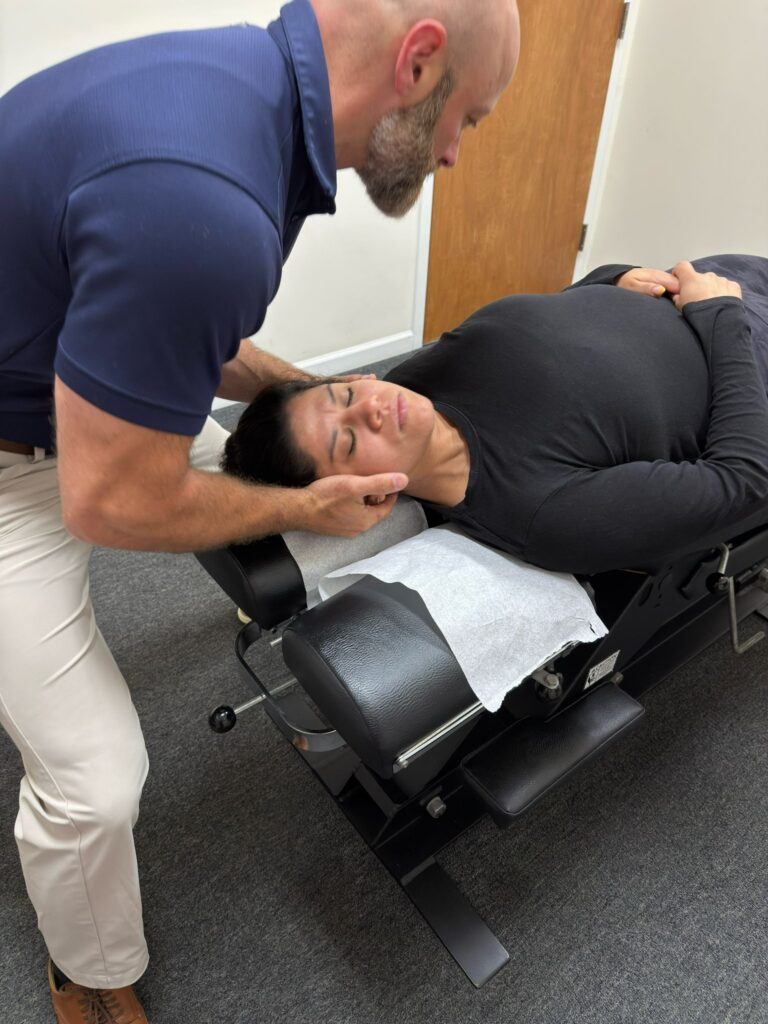
When headaches strike, finding relief can often feel overwhelming. As a local chiropractor, I want to share some effective natural techniques that can ease your pain without relying on medication. By incorporating chiropractic care into your wellness routine, you can address the underlying issues that may be contributing to your headaches.
Chiropractic adjustments can help realign your spine, relieving tension and pressure that may lead to headaches. Additionally, understanding the connection between your posture and headaches is crucial. Poor posture can strain the muscles in your neck and back, leading to discomfort. Focus on maintaining a straight back and proper alignment while sitting or standing to help prevent headaches.
Incorporating dietary changes can also make a significant difference. Staying hydrated is key, as dehydration can be a common headache trigger. Make sure you’re drinking enough water throughout the day. Certain foods may also help; consider adding more fruits and vegetables to your diet, which can provide essential nutrients and support overall health.
Herbal remedies, such as peppermint or ginger tea, can offer natural relief. These can be soothing and may help reduce headache symptoms. However, always consult with your chiropractor about any new supplements or herbs you’re considering.
Remember, stress management plays a crucial role in headache relief. Techniques like deep breathing, meditation, or gentle yoga can help relax your mind and body. Regular chiropractic care can also help reduce stress and promote relaxation by improving your spinal health.
Ultimately, understanding these natural methods and how they relate to chiropractic care can empower you to take control of your headache relief. By prioritizing your spinal health and overall wellness, you can enjoy a healthier, pain-free life. If you’re struggling with persistent headaches, don’t hesitate to reach out to your chiropractor for personalized care and guidance.
Key Takeaways
- Staying hydrated is crucial for overall health, and it can significantly help prevent dehydration-related headaches. Make a habit of drinking enough water throughout the day to keep your body functioning at its best.
- Incorporating magnesium-rich foods into your diet is another natural way to support your health and potentially reduce the frequency of headaches. Foods like nuts and leafy greens are excellent choices that not only nourish your body but can also contribute to a balanced system.
- Consider using essential oils like peppermint or lavender. These can be applied topically or used in aromatherapy to help promote relaxation and alleviate tension. A little self-care can go a long way in managing headache symptoms.
- Acupressure is a simple technique you can practice at home. By applying pressure to specific points on your body, you can effectively relieve headache symptoms. This natural method complements the benefits of chiropractic care, enhancing your overall wellness.
- Regular chiropractic care is one of the best ways to maintain optimal health. It helps improve spinal alignment, reducing tension and stress that can lead to headaches. By supporting your spine, you promote better overall body function, which can lead to fewer headaches and a more vibrant life.
By integrating these tips into your daily routine, you can take proactive steps towards better health and wellness while enjoying the natural benefits of chiropractic care.
Understanding the Causes of Headaches
Headaches can be a frustrating part of life, but understanding what causes them can help you manage and even prevent them effectively. As a chiropractor, I want to share some insights on how spinal health and lifestyle choices can play a key role in your overall well-being.
Tension headaches, often caused by stress, poor posture, or muscle strain, can feel like a tight band around your head. These types of headaches may be linked to how we hold our bodies throughout the day. Simple adjustments, like maintaining good posture while sitting at your desk or taking breaks to stretch, can significantly reduce the frequency of these headaches.
Migraines can be more complex and may be triggered by specific foods, hormonal changes, or strong smells. It’s important to pay attention to your body and notice if there are certain patterns—like headaches appearing after a long workweek or a night of poor sleep. Keeping a headache diary can be a helpful tool in identifying these triggers.
Cluster headaches, though less common, can be very intense and often occur in cycles. While these can be challenging, understanding your body and its signals is crucial. Chiropractic care focuses on spinal alignment and overall health, which can help in reducing the frequency and intensity of headaches.
Here are some general tips you can incorporate into your routine:
- Stay Hydrated: Drink plenty of water throughout the day to keep your body well-hydrated.
- Practice Good Posture: Be mindful of your posture both at work and at home. Consider ergonomic furniture to support your spine.
- Manage Stress: Incorporate relaxation techniques such as deep breathing, yoga, or meditation to help alleviate stress.
- Regular Chiropractic Care: Routine adjustments can help keep your spine aligned and reduce tension in your muscles, potentially decreasing the occurrence of headaches.
Hydration: The Key to Relief
Staying properly hydrated is crucial for maintaining overall wellness and can play a significant role in preventing headaches. Even mild dehydration can lead to discomfort and pain, which is why it’s vital to recognize the signs that your body may be lacking fluids. By paying attention to these signals, you can take proactive steps toward relief.
As a chiropractor, I emphasize the importance of a holistic approach to health. Hydration is just one piece of the puzzle, but it can have a profound impact on your spinal health and overall well-being. When your body is well-hydrated, your muscles and joints function better, which can help reduce tension and discomfort.
Here are some effective hydration strategies to help you stay at your best:
- Drink Water Regularly: Aim to drink water throughout the day, not just when you’re thirsty. Keeping a water bottle handy can serve as a reminder to sip consistently.
- Eat Hydrating Foods: Incorporate fruits and vegetables with high water content, such as cucumbers, watermelon, and oranges, into your diet. They not only provide hydration but also essential nutrients that support spinal health.
- Set Goals: Consider setting daily hydration goals to keep track of your intake. This can help you stay accountable and ensure you’re drinking enough fluids.
- Listen to Your Body: Pay attention to how you feel. If you start experiencing headaches, fatigue, or dry skin, it may be time to increase your water consumption.
- Adjust for Activity Levels: If you’re active or live in a hot climate, you may need to increase your fluid intake to compensate for sweat loss.
By integrating these hydration tips into your daily routine, you can enhance your body’s natural ability to heal and maintain optimal health.
Importance of Water Intake
When you’re experiencing the nagging pain of a headache, one of the simplest and most effective solutions is often overlooked: staying hydrated. Our bodies depend on water to function at their best, and dehydration can’t only trigger headaches but also make them worse.
When you’re well-hydrated, your blood vessels remain flexible, which promotes better blood flow and oxygen delivery to your brain. This is essential for maintaining your comfort and overall health.
In addition to keeping your blood flow optimal, drinking water helps flush out toxins that may contribute to your discomfort. To help prevent headaches, try to drink water regularly throughout the day, not just when you’re feeling thirsty. Carrying a water bottle with you can be a great reminder to sip on water consistently.
As a chiropractor, I encourage you to prioritize hydration as part of your wellness routine. Proper hydration complements the benefits of chiropractic care, which focuses on aligning your spine and nervous system to enhance your overall health.
By integrating good hydration practices with regular chiropractic adjustments, you can take proactive steps towards reducing headache pain and improving your well-being.
Signs of Dehydration
Hydration is vital for your overall well-being, and as a chiropractor, I want to emphasize how essential it’s to recognize the signs of dehydration. Staying properly hydrated can help you avoid discomforts such as headaches and fatigue, which can impact your spinal health and overall quality of life.
When your body doesn’t have enough water, it communicates this through various signals that you should pay attention to.
Here are some common signs that you might be dehydrated:
- Dry mouth: If you notice that your lips and tongue feel parched, this might be your body’s way of telling you to drink more water.
- Fatigue: A sudden drop in energy can leave you feeling sluggish, which could affect your daily activities and even your posture.
- Dizziness: Light-headedness or a feeling of unbalance can occur when your body is lacking fluids, which may also impact your spinal alignment.
- Dark urine: If your urine appears a deep yellow, this is a clear indicator that you need to increase your fluid intake.
To support your hydration and overall health, consider these simple tips:
- Drink Water Regularly: Aim to drink water throughout the day, not just when you feel thirsty. Keeping a water bottle with you can serve as a reminder.
- Eat Hydrating Foods: Incorporate fruits and vegetables with high water content, such as cucumbers, watermelon, and oranges, into your diet.
- Limit Caffeine and Alcohol: Both can dehydrate you, so try to balance these with plenty of water.
- Listen to Your Body: Pay attention to how you’re feeling. If you notice any signs of dehydration, take action and hydrate.
Remember, proper hydration supports not just your overall health but also your spinal wellness.
Hydration Strategies to Implement
To effectively combat dehydration and its related discomforts, it’s important to incorporate strategies that support not only hydration but also overall wellness, which aligns with the principles of chiropractic care.
Start your day with a refreshing glass of water; this simple habit can set a positive tone for the hours ahead and support your body’s natural balance.
Carrying a reusable water bottle can be a great reminder to sip throughout the day, keeping your joints and muscles well-hydrated, which is essential for spinal health.
Including hydrating foods, such as cucumbers, oranges, and watermelon, in your meals can also contribute to your fluid intake while providing vital nutrients that promote healing.
Consider setting reminders on your phone to drink water regularly, especially during busy times when it’s easy to forget.
If plain water doesn’t excite you, feel free to infuse it with fresh herbs or citrus for a burst of flavor.
Listen to your body; if you feel thirsty, it’s a sign that your body needs hydration.
Staying well-hydrated isn’t just about preventing headaches; it also supports your overall well-being and enhances the benefits of chiropractic care by ensuring your body functions optimally.
Dietary Adjustments for Headache Prevention
While there are many factors that contribute to headaches, making some dietary adjustments can significantly aid in prevention. As a chiropractor, I often emphasize the connection between nutrition and overall wellness, including headache management. By being mindful of what you eat, you can help reduce the frequency of headaches and support your overall health.
Here are some simple dietary changes to consider:
- Stay Hydrated: Ensure you’re drinking plenty of water throughout the day. Foods that are high in water content, like cucumbers and watermelon, can also help keep you hydrated, which is crucial for preventing headaches.
- Limit Processed Foods: Try to cut back on snacks that are filled with preservatives and artificial ingredients. These can sometimes trigger headaches. Instead, opt for whole, natural foods that nourish your body.
- Incorporate Magnesium-Rich Foods: Foods such as spinach, almonds, and black beans are great sources of magnesium, which has been shown to help ease headache symptoms. Including these in your diet can support your body’s natural healing processes.
- Monitor Your Caffeine Intake: While some caffeine can be beneficial, it’s important to strike a balance. Too much can lead to withdrawal headaches, so find what works best for you. Enjoying coffee in moderation can help you reap its benefits without the headaches.
These dietary adjustments not only contribute to headache prevention but also promote overall wellness.
Remember, listening to your body is crucial. If you notice certain foods trigger your headaches, take note and adjust accordingly.
Alongside these dietary changes, consider incorporating regular chiropractic care into your wellness routine. Chiropractic adjustments can help alleviate tension, improve spinal health, and enhance your body’s ability to heal naturally.
Herbal Remedies and Supplements
When headaches strike, many individuals seek relief from various sources, including herbal remedies and supplements. However, as a local chiropractor, I want to emphasize that while these natural options can be beneficial, addressing the root cause of headaches through chiropractic care is often the most effective approach. Chiropractic adjustments can help alleviate tension in the spine and neck, which are common contributors to headaches.
Let’s explore how chiropractic care, along with some popular herbs and supplements, can support your journey to wellness.
Understanding Headaches
Headaches can arise from a variety of factors, including tension, poor posture, and misalignments in the spine. By visiting a chiropractor, you can receive personalized care that focuses on correcting these issues, promoting better alignment, and ultimately reducing headache frequency and intensity.
Chiropractic Care for Headache Relief
Chiropractic adjustments can relieve tension in the upper neck and spine, which helps reduce the occurrence of tension headaches and migraines. Regular chiropractic care not only addresses existing pain but also helps prevent future headaches by improving posture and spinal health.
Herbal Remedies and Supplements
While chiropractic care is at the forefront of headache relief, some people may find additional benefit from gentle, natural supplements. Here are a few options to consider:
- Peppermint Oil: Applying diluted peppermint oil to the temples may provide a cooling sensation that can help relieve tension headaches.
- Feverfew: This herb has been used traditionally to prevent migraines. Consult with a healthcare professional to see if it’s right for you.
- Magnesium: This supplement can help reduce the frequency of migraines for some individuals. Foods rich in magnesium, like spinach and nuts, can also be beneficial.
Safety Tips
Always consult your chiropractor or a healthcare professional before trying new herbs or supplements, especially if you’re already receiving treatment. It’s important to ensure that everything you incorporate into your wellness routine works in harmony with your chiropractic care.
General Tips for Healthier Living
- Stay Hydrated: Dehydration can trigger headaches, so make sure you’re drinking enough water throughout the day.
- Maintain Good Posture: This can significantly reduce tension in your neck and upper back, minimizing headache triggers.
- Practice Stress Management: Techniques such as deep breathing, yoga, or meditation can help alleviate stress, which is a common headache trigger.
Remember, while herbal remedies can play a role in your wellness, chiropractic care offers a holistic approach that targets the underlying causes of headaches. By prioritizing spinal health and alignment, you can achieve optimal well-being and reduce the frequency of headaches naturally.
Don’t hesitate to reach out to your local chiropractor for a consultation to discuss how you can take control of your health and find relief.
Popular Herbal Remedies
If you’re looking to manage headaches naturally, it’s important to consider how chiropractic care can play a vital role in your overall wellness. While herbal remedies can provide some relief, nothing compares to the holistic benefits of chiropractic adjustments, which can address the underlying issues causing your headaches.
However, if you’re interested in incorporating some natural options into your routine, here are a few herbs that may complement your chiropractic care:
- Peppermint: This herb has a cooling effect that may help soothe tension headaches. You can apply peppermint essential oil to your temples for added relief, but remember, addressing spinal alignment through chiropractic care is essential for long-term solutions.
- Ginger: Known for its anti-inflammatory properties, drinking ginger tea might help lessen headache severity. However, aligning your spine with a chiropractor can reduce the frequency of headaches by improving nerve function and blood flow.
- Feverfew: Commonly used for migraine prevention, feverfew may help decrease the frequency of headaches. Still, it’s important to remember that regular chiropractic adjustments can help prevent headaches by ensuring proper alignment and reducing tension in the neck and shoulders.
- Lavender: The calming aroma of lavender can promote relaxation. Inhaling lavender essential oil may help relieve headache symptoms, but incorporating relaxation techniques and stress management strategies—such as regular chiropractic visits—can provide more comprehensive support.
Incorporating these herbal remedies may offer some temporary relief, but prioritizing chiropractic care is the best approach for long-term health and wellness.
Regular adjustments not only help alleviate headaches but also enhance your overall quality of life by ensuring your body functions optimally. Always consult with a healthcare professional, like your chiropractor, before starting any new treatment or remedy.
Effective Supplements Overview
Effective supplements can be a helpful addition to your wellness routine, especially when managing headaches, but they should complement the foundational benefits of chiropractic care. As your local chiropractor, I believe that aligning your spine and improving your overall health are key steps to achieving optimal wellness.
For those experiencing headaches, there are several natural supplements worth considering. Magnesium is one option that may help reduce the frequency of migraines. Coenzyme Q10 is another that can potentially lessen headache intensity. Riboflavin, or vitamin B2, is known to support energy production in brain cells, which may contribute to alleviating headache symptoms. Additionally, omega-3 fatty acids from fish oil can promote brain health and help reduce inflammation.
While these supplements can be beneficial, remember that they work best when combined with chiropractic care. Regular adjustments can help relieve tension in your spine and improve your body’s overall function, which is essential for effective pain relief.
In addition to chiropractic treatments and supplements, adopting a few lifestyle changes can enhance your results. Here are some simple tips to consider:
- Stay Hydrated: Dehydration can trigger headaches, so make sure to drink plenty of water throughout the day.
- Maintain Good Posture: Poor posture can strain your neck and back, leading to headaches. Be mindful of your posture, especially if you spend long hours at a desk.
- Get Regular Exercise: Physical activity can improve circulation and reduce stress, which may help prevent headaches.
- Manage Stress: Techniques such as mindfulness, yoga, and deep breathing can help lower stress levels and reduce headache occurrences.
Safety and Dosage Tips
Understanding the safety and appropriate use of herbal remedies and supplements can complement your journey toward effective headache relief, but remember that chiropractic care is one of the best natural approaches to alleviate pain and promote overall wellness.
Always consult with a healthcare professional, like your chiropractor, before trying new remedies. Here are some important tips to keep in mind:
- Start Low and Go Slow: If you choose to try herbal remedies, begin with the lowest recommended dose. This allows your body to adjust and helps you gauge its effects.
- Mind Your Medications: Be aware of any potential interactions between herbal remedies and other medications or supplements you’re taking. Your chiropractor can help navigate these interactions.
- Watch for Side Effects: Keep an eye out for any unusual reactions, such as digestive issues or allergies. If you notice anything concerning, consult your chiropractor for guidance.
- Quality Matters: Ensure that the herbal products you choose are from reputable sources. Your chiropractor can often recommend trusted brands or provide insights on safe options.
While exploring natural remedies, don’t forget the importance of chiropractic care in addressing the root causes of headaches and promoting wellness.
Regular chiropractic adjustments can help improve spinal alignment, reduce tension, and enhance overall health.
Mindfulness and Relaxation Techniques
While headaches can be quite distressing, incorporating mindfulness and relaxation techniques into your daily routine can significantly ease discomfort. As a chiropractor, I believe in the power of natural healing and the body’s ability to recover when supported properly.
One effective method to start with is deep breathing exercises. Inhale slowly through your nose for a count of four, hold for four, and exhale through your mouth for another four. This simple practice not only helps to reduce tension in your body but also promotes a sense of relaxation that can alleviate headache symptoms.
Another technique worth exploring is guided imagery. Imagine yourself in a tranquil environment, such as a serene beach or a quiet forest. Allow your mind to escape from the pain and immerse yourself in this peaceful scene. Visualizing calmness can often help shift your focus away from discomfort.
You may also want to try progressive muscle relaxation. This involves tensing and then relaxing each muscle group, starting from your toes and working your way up to your head. This practice encourages your body to release accumulated tension and stress, which can contribute to headache relief.
Lastly, consider incorporating regular meditation sessions into your routine. Even dedicating just a few minutes each day can help center your thoughts and promote a sense of well-being. By prioritizing these mindfulness practices, you may find significant relief from headaches without the need for medications or invasive procedures.
Remember, chiropractic care plays a vital role in achieving optimal health and wellness. By aligning your spine and addressing any underlying issues, you can enhance your body’s natural ability to heal.
If you’re experiencing frequent headaches, I encourage you to schedule an appointment to explore how chiropractic adjustments can provide you with relief and support your journey to a healthier, pain-free life.
The Power of Essential Oils
As a local chiropractor, I’m passionate about helping you find natural solutions for your well-being, including effective ways to relieve headaches. While chiropractic care is the best approach to address the root causes of pain through spinal adjustments and overall body alignment, essential oils can complement your journey to optimal health.
Many people have found these oils beneficial for headache relief, and they can be a soothing addition to your self-care routine. Here’s a closer look at some essential oils that might help:
- Peppermint: Known for its refreshing and cooling properties, peppermint oil can invigorate your senses and may help reduce muscle tension that contributes to headaches.
- Lavender: This oil is celebrated for its calming effects. By promoting relaxation, lavender may assist in alleviating stress-related headaches, which are often linked to tension in the neck and spine.
- Eucalyptus: If your headaches stem from sinus pressure, eucalyptus oil can help open up your sinuses, potentially providing relief and making breathing easier.
- Rosemary: With its uplifting fragrance, rosemary can stimulate circulation and enhance mental clarity, which might help alleviate headache symptoms.
To incorporate these oils into your wellness routine, consider diffusing them in your home to create a calming environment, adding a few drops to a warm bath for relaxation, or mixing them with a carrier oil for gentle massage on your temples.
Remember, while essential oils can provide comfort, regular chiropractic adjustments are key to maintaining proper spinal alignment and overall health.
They address the underlying issues that may be causing your headaches, ensuring that your body functions optimally. By combining chiropractic care with natural remedies like essential oils, you can take proactive steps towards a healthier, pain-free life.
Embrace these holistic approaches and empower yourself on your journey to wellness!
Acupressure and Massage Therapy
If you’re seeking immediate relief from headaches, consider incorporating chiropractic care along with acupressure and massage therapy into your wellness routine.
While acupressure involves applying pressure to specific points on your body—which can indeed help alleviate tension—it’s essential to understand that chiropractic adjustments focus on aligning your spine, which can address the root causes of headaches by improving nervous system function.
For instance, gentle adjustments to your cervical spine can relieve pressure and tension that may be contributing to your headaches. Alongside this, you can apply acupressure techniques, such as pressing the space between your thumb and index finger, which can provide additional relief and is something you can easily do yourself.
Massage therapy is another complementary approach that helps alleviate muscle tension, especially in the neck and shoulders. While self-massage can be helpful, visiting a licensed massage therapist who understands the interplay between muscle tension and spinal health can enhance your overall well-being.
They can work in conjunction with your chiropractor to provide a holistic approach to pain relief. Both chiropractic care and these techniques promote relaxation and help you connect with your body, which is crucial for overall wellness.
So, the next time a headache strikes, remember that chiropractic adjustments, combined with acupressure and massage, can be powerful allies in your journey toward optimal health.
Prioritizing spinal health not only aids in headache relief but also creates a foundation for a healthier, pain-free life.
Maintaining a Healthy Lifestyle
Incorporating chiropractic care, acupressure, and massage therapy into your daily routine can significantly enhance your path to a healthy lifestyle. These natural therapies not only help alleviate headaches but also contribute to your overall well-being and vitality.
Here are some essential habits to consider alongside your chiropractic care:
- Stay hydrated: Drinking plenty of water throughout the day is crucial. Hydration helps maintain proper bodily functions and supports spinal health, ensuring your nervous system operates smoothly.
- Eat balanced meals: Focus on filling your plate with a variety of whole foods. Incorporate plenty of fruits, vegetables, lean proteins, and whole grains. A well-nourished body supports optimal spinal function and helps you recover faster.
- Exercise regularly: Aim for at least 30 minutes of physical activity each day. Whether it’s walking, cycling, or practicing yoga, movement keeps your spine healthy and flexible. Regular exercise also helps reduce stress, which is beneficial for your overall well-being.
- Prioritize sleep: Establishing a consistent sleep schedule is vital for your body’s recovery and rejuvenation. Quality sleep aids in healing and helps your body function at its best. A well-rested body can better support your spine and overall health.
Remember, chiropractic care is a safe and effective way to achieve pain relief and promote natural wellness.
Conclusion
Incorporating these natural headache relief techniques into your daily routine can significantly enhance your overall well-being. Understanding the underlying causes of your headaches is essential, and making adjustments to your hydration, diet, and lifestyle can empower you to take control of your health.
As a chiropractor, I encourage you to explore the benefits of chiropractic care in managing headaches. Regular chiropractic adjustments can help align your spine and relieve tension, which often contributes to headache pain. Additionally, consider incorporating herbal remedies and essential oils, which can provide soothing relief when used alongside your chiropractic treatments.
Mindfulness practices such as deep breathing and meditation can also help reduce stress, a common trigger for headaches. Remember, techniques like acupressure and gentle massage can complement your chiropractic care, offering further relief and relaxation.
By embracing these strategies and prioritizing chiropractic care, you’ll be better equipped to manage and prevent headaches effectively, leading to a healthier and more vibrant life.