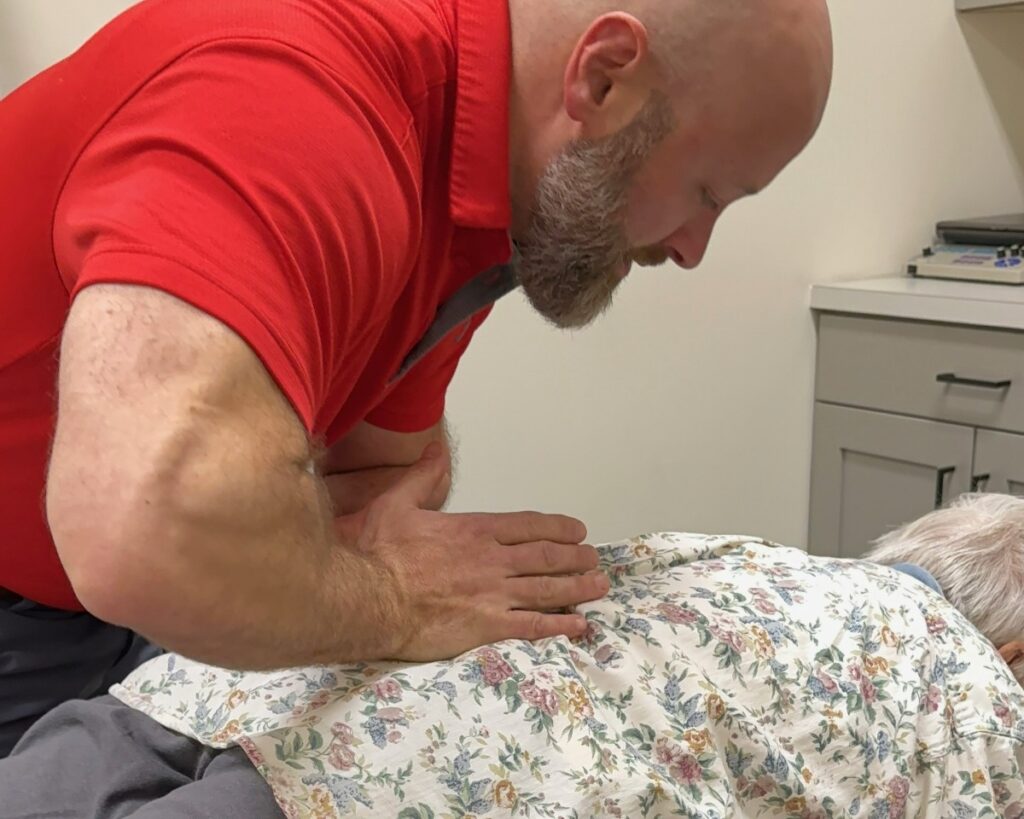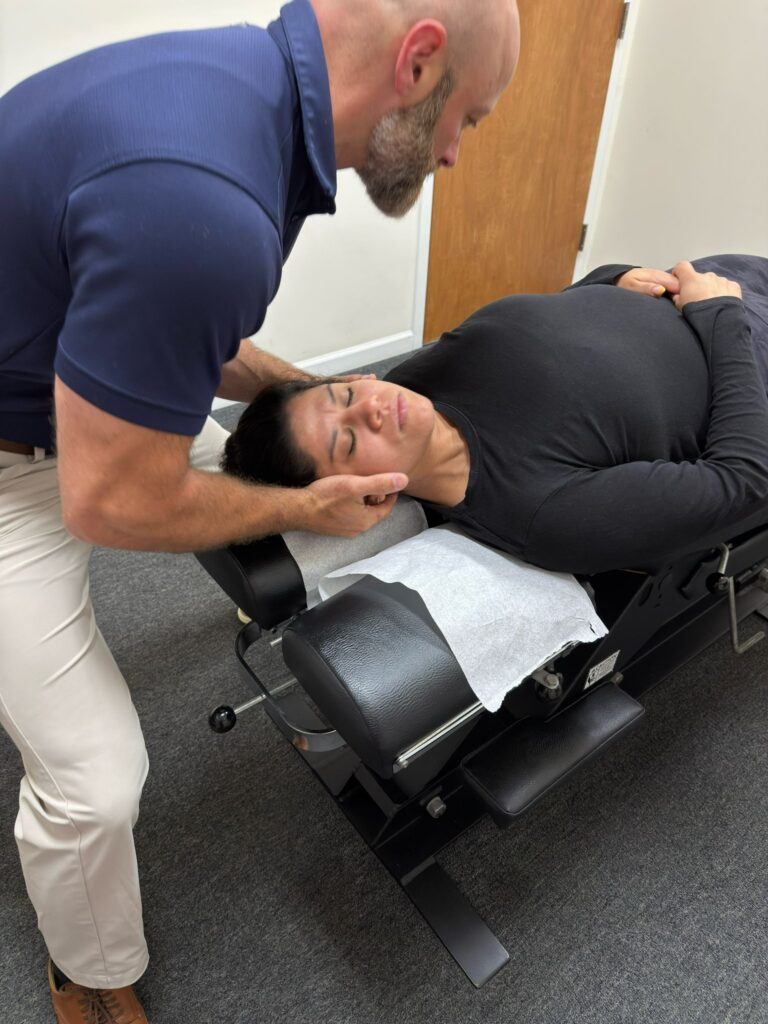

As a local chiropractor, I often see patients who are tired of relying on over-the-counter pain relievers for their headaches and migraines. If that sounds familiar, I want to introduce you to some effective natural remedies that can help alleviate your discomfort.
One of the simplest adjustments you can make is to ensure you stay hydrated, as dehydration can be a common trigger for headaches. Incorporating herbal teas into your daily routine can also offer soothing benefits. Additionally, essential oils, such as peppermint or lavender, can provide relief when applied topically or diffused into the air.
Another technique worth exploring is acupressure, which involves applying gentle pressure to specific points on your body to relieve tension and pain. These natural approaches can be easily integrated into your lifestyle and may complement the chiropractic care I provide.
If you’re curious about how these remedies can fit into your routine, or if you’re interested in learning more about other strategies to manage your headaches and migraines, I’d be happy to discuss them with you during your next visit. Together, we can uncover effective options tailored to your needs.
Understanding Headaches and Migraines
As a local chiropractor, I want to help you understand headaches and migraines, so you can manage your discomfort more effectively and explore natural healing solutions.
Many headaches arise from various triggers, such as stress, tension, or environmental factors. You may notice tension headaches manifesting as a tight band of pressure around your head, while migraines can present with intense, throbbing pain, often accompanied by nausea or heightened sensitivity to light and sound.
Recognizing the type of headache you experience is crucial in selecting the right approach to relief. For example, tension headaches often respond favorably to relaxation techniques and gentle adjustments, while migraines may benefit from a comprehensive treatment plan that includes spinal alignment and lifestyle changes.
I encourage you to keep a record of when your headaches occur and any potential triggers you identify. This awareness will help you understand your patterns better and allow us to tailor a chiropractic approach that addresses the root causes of your discomfort.
The Power of Hydration
As a local chiropractor, I want to emphasize the critical role hydration plays in your overall health and wellness, particularly in preventing headaches. Many of my patients may not realize that even mild dehydration can lead to discomfort and worsen any existing pain you might be experiencing.
When your body lacks sufficient fluids, your brain can actually shrink temporarily due to fluid loss, which can trigger headaches.
To help mitigate this issue, I encourage you to develop a habit of drinking water consistently throughout the day. This is particularly important if you lead an active lifestyle or are exposed to hot environments.
In addition to drinking water, consider enhancing your diet with hydrating foods such as cucumbers, oranges, and watermelon. These foods not only provide hydration but also contribute to your overall fluid intake.
For those of you who are prone to headaches, I recommend keeping a water bottle within reach as a reminder to sip regularly. It’s essential to listen to your body; if you begin to feel thirsty or notice a dry mouth, take that as a sign to hydrate.
Herbal Remedies for Relief
As a local chiropractor, I want to emphasize the importance of holistic approaches to health, especially when it comes to managing headaches. While staying hydrated is crucial, exploring herbal remedies can also provide effective relief. One herbal option that many find beneficial is peppermint tea. Its menthol content can help relax the muscles and improve blood flow, which is particularly useful for easing tension headaches.
Ginger tea is another excellent choice due to its well-known anti-inflammatory properties. This can be especially helpful in alleviating migraine symptoms. Additionally, feverfew is a herb that has been traditionally used to prevent migraines. You can find it in capsule form or enjoy it as a tea for its potential benefits.
Chamomile is also worth considering; its calming effects can help reduce stress, which is a common trigger for headaches. Moreover, don’t underestimate the power of turmeric! This vibrant spice contains curcumin, which boasts anti-inflammatory benefits that may help decrease the frequency of headaches.
Lastly, incorporating rosemary into your meals or teas can be beneficial. Its aroma and natural compounds can support circulation and relieve pain.
Essential Oils and Their Benefits
As a local chiropractor, I want to share how essential oils can be a valuable resource in managing headaches, providing both relief and relaxation.
Many of my patients find great benefit in using popular essential oils like lavender and peppermint. These oils can be easily applied through various methods, such as diffusing or topical application.
However, it’s crucial to approach their use with caution. Understanding the proper application techniques and potential sensitivities ensures that you can enjoy the benefits of essential oils safely and effectively.
Popular Essential Oils
As a local chiropractor dedicated to your well-being, I want to introduce you to some popular essential oils that can complement our chiropractic care and provide natural relief from headaches.
Lavender oil is well-known for its calming effects, which can help alleviate stress—often a key trigger for headaches. When you apply peppermint oil to your temples, you may experience its refreshing cooling effect, providing quick relief from discomfort.
Eucalyptus oil is another excellent option; its anti-inflammatory properties can be particularly beneficial for headaches related to sinus issues.
Additionally, rosemary oil has the potential to enhance circulation, promoting better oxygen flow to your brain, which is essential for overall health.
Lastly, chamomile oil is fantastic for relaxation and can assist in reducing tension that may contribute to headaches.
By incorporating these essential oils into your daily routine, you can create a serene environment that supports your healing process.
Remember to select high-quality oils to maximize the benefits. Together with chiropractic adjustments, these natural remedies can help you manage headaches more effectively and improve your overall wellness.
Application Techniques
As a local chiropractor, I often emphasize the importance of natural healing methods for common ailments like headaches. Now that you’re aware of some popular essential oils that can provide relief, let’s discuss how to apply them effectively to maximize their benefits.
First and foremost, it’s crucial to dilute your chosen essential oil with a carrier oil, such as coconut or jojoba, to prevent any skin irritation. Once diluted, apply a few drops to your temples and gently massage in circular motions. This not only helps the oil absorb better but also promotes relaxation.
Inhalation is another effective technique. You can add a few drops of the essential oil to a diffuser, allowing the soothing aromas to fill your space. Alternatively, you can place a few drops on a cotton ball and take deep breaths, which can help alleviate headache symptoms.
Another method I recommend is creating a soothing compress. Simply mix the essential oils with water, soak a cloth in the mixture, and place it on your forehead. This can provide immediate relief and enhance your overall relaxation.
Incorporating these natural remedies into your routine can support your well-being and help alleviate headache symptoms without relying solely on medications.
Safety Considerations
As a local chiropractor, I want to emphasize the importance of safety when exploring natural remedies, particularly essential oils. While these oils can provide significant benefits for wellness, it’s crucial to use them responsibly.
Always dilute essential oils with a carrier oil before applying them to your skin to minimize the risk of irritation. I recommend performing a patch test on a small area first to check for any allergic reactions.
It’s essential to exercise caution with essential oils, especially around children, pregnant women, or individuals with specific health conditions. Consulting with a healthcare professional before use is always a wise choice.
Some oils, like peppermint and eucalyptus, can be quite potent, so it’s best to handle them with care.
When storing your essential oils, keep them in a cool, dark place, and ensure they’re out of reach of children.
Lastly, while essential oils can be a wonderful addition to your wellness routine, if you experience persistent headaches or migraines, please seek medical advice.
Acupressure Techniques
As a local chiropractor, I want to share with you some effective acupressure techniques that can help alleviate headaches naturally. Many of my patients have found these methods to be beneficial in managing pain and tension without medication. By applying pressure to specific points on your body, you can stimulate energy flow and reduce discomfort.
One key point to focus on is LI4, which is located between your thumb and index finger. To relieve tension, simply pinch this area and apply firm pressure for about 30 seconds to a minute.
Another helpful point is GB20, situated at the base of your skull, where your neck meets your skull. Pressing here with your thumbs can effectively alleviate tension headaches.
Additionally, I recommend trying the Yintang point, located between your eyebrows. This point is known to calm the mind and help with stress-related headaches.
Remember, while applying pressure, it’s important to breathe deeply. This can enhance your relaxation response and further assist in relieving headache symptoms.
With a little practice, these acupressure techniques can be a simple yet powerful tool in managing your headaches naturally. If you’re curious about incorporating these methods into your wellness routine, feel free to ask me during your next visit!
The Role of Diet in Headache Management
As a local chiropractor, I want to share with you how your diet can play a significant role in managing and preventing headaches. Many patients are surprised to learn that certain foods can act as triggers for headaches, particularly migraines. For instance, items like aged cheeses, processed meats, and artificial sweeteners might provoke these painful episodes for some individuals. By identifying and steering clear of these triggers, you can help reduce the frequency of your headaches.
In contrast, embracing a diet that’s abundant in fruits, vegetables, whole grains, and healthy fats can be beneficial in alleviating headache symptoms. Staying hydrated is crucial as well; dehydration is a common contributor to headaches. I encourage you to drink plenty of water throughout the day to ensure your body remains well-hydrated.
Moreover, maintaining a consistent meal schedule can stabilize your blood sugar levels, which is important for minimizing the risk of headaches. It’s best to avoid skipping meals, and you might want to include magnesium-rich foods, such as nuts and leafy greens, in your diet, as they’ve been shown to help prevent migraines.
By being mindful of your dietary choices, you can take proactive steps toward reducing headache occurrences and improving your overall health and well-being.
Stress Reduction Strategies
As a chiropractor, I want to help you understand that managing headaches goes beyond just watching what you eat; stress plays a pivotal role in triggering or worsening these painful episodes.
To effectively combat stress, I recommend integrating regular physical activity into your daily routine. Even a brief walk can work wonders by clearing your mind and alleviating tension in your body.
It’s also crucial to prioritize quality sleep; aim for seven to nine hours each night. Adequate rest aids your body’s recovery processes and enhances your ability to manage stress effectively.
Another essential strategy is to establish healthy boundaries in your life. It’s okay to say no when you feel overwhelmed, and don’t hesitate to delegate tasks to lighten your load.
Make sure to carve out time for hobbies or activities that bring you joy, as these can be wonderful stress relievers. Incorporating deep breathing exercises or taking short breaks throughout your day can also help you reset and diminish anxiety levels.
By taking a proactive approach to managing your stress, you’re not only likely to experience fewer headaches but also improve your overall well-being.
Embrace these natural strategies to find relief and reclaim your sense of peace. Remember, as your chiropractor, I’m here to support you on this journey to better health!
Mindfulness and Meditation Practices
As a local chiropractor, I want to share the benefits of incorporating mindfulness and meditation practices alongside your chiropractic care for managing headaches. Many patients come to me seeking relief from headaches, and I’ve found that these techniques can significantly enhance your overall stress management and healing journey.
Mindfulness and meditation help you stay anchored in the present moment, which can effectively reduce the anxiety and tension that often contribute to headaches. Start by practicing simple breathing exercises—deep, slow breaths that involve inhaling through your nose and exhaling through your mouth. This process not only calms your mind but also alleviates physical discomfort, complementing the adjustments you receive in my office.
You may also benefit from guided meditation apps or videos. These can provide structured sessions designed for relaxation. Even dedicating just 10 to 15 minutes a day can lead to noticeable improvements. During these moments, you can visualize a serene landscape or focus on a calming mantra, allowing your worries to drift away.
Incorporating regular mindfulness and meditation into your routine can empower you to identify stressors and respond to them more effectively. This proactive approach may lead to a reduction in both the frequency and intensity of your headaches.
I encourage you to embrace these practices, as they can work synergistically with chiropractic care, fostering a greater sense of relief and well-being.
The Importance of Sleep and Rest
As a local chiropractor, I want to emphasize the vital connection between sleep quality and your overall health, especially when it comes to managing headaches. Many people overlook the power of a good night’s sleep, but it can be one of the most effective tools for rejuvenating both your mind and body.
Incorporating short naps into your day can help recharge your energy and alleviate tension. Additionally, establishing a consistent sleep routine is crucial; it ensures that you receive the restorative rest your body needs to function optimally.
By prioritizing sleep and rest, you can significantly improve your daily well-being. Remember, your body’s ability to heal naturally is enhanced when you give it the rest it deserves.
Let’s work together to create a holistic approach that includes proper sleep hygiene for better health outcomes.
Sleep Quality Matters
As a local chiropractor, I want to emphasize the significant impact that sleep quality has on your overall health, particularly when it comes to headaches. Many people may not realize that inadequate restorative sleep can hinder your body’s ability to manage stress and inflammation, both of which are common headache triggers.
When you don’t get enough quality sleep, it can lead to increased muscle tension and sensitivity, making you more prone to experiencing pain.
To enhance your sleep quality, I recommend establishing a consistent sleep schedule and creating a calming bedtime routine. It’s important to limit screen time before bed, as the blue light emitted from devices can disrupt your natural sleep cycle.
Additionally, pay attention to your sleep environment; a dark, quiet, and cool room can significantly improve your rest.
By prioritizing your sleep, you can help reduce the frequency and intensity of your headaches. This, in turn, contributes to a healthier and more balanced life.
As your chiropractor, I’m here to support you in exploring natural healing methods that can complement your sleep habits and overall wellness.
Power of Naps
As a local chiropractor, I often see patients who feel drained by midday, and I want to share how incorporating short naps into your daily routine can significantly enhance your overall well-being.
A quick nap, even just for 20 minutes, can boost your alertness and uplift your mood. Think of it as a natural way to recharge your brain, enabling you to tackle your tasks with a fresh perspective.
Research supports the benefits of napping, showing that it can reduce the frequency of headaches and migraines by alleviating stress and promoting relaxation. This is particularly important for those of you who may experience tension-related headaches, as a brief rest can help your body recover.
To reap the maximum benefits, I recommend finding a quiet and comfortable space free from distractions.
Pay attention to your body’s signals and take a nap when needed; it can be a powerful technique in managing headache symptoms and enhancing your overall health.
Establishing a Routine
As a local chiropractor, I want to share the importance of establishing a consistent routine for your overall health and well-being, particularly in managing headaches. One of the foundational aspects of this routine is maintaining regular sleep patterns. When you align your sleep schedule, you help regulate your body’s internal clock, making it easier to fall asleep and wake up feeling rejuvenated. Aim for 7 to 9 hours of quality sleep each night.
I recommend avoiding screens and stimulating activities before bedtime to create a more restful environment.
In addition to sleep, it’s crucial to incorporate regular breaks into your day. This practice can significantly reduce tension and stress, which are common triggers for headaches. Consider taking time for relaxation techniques such as deep breathing or meditation.
By prioritizing these habits, you’re not only addressing headaches but also enhancing your overall health.
When to Seek Professional Help
When should you consider seeking professional help for your headaches? As a local chiropractor, I want to emphasize that while natural remedies can often provide relief, there are specific signs that indicate it’s time to consult a healthcare professional like myself.
If you encounter any of the following situations, don’t hesitate to reach out for assistance:
- Severe Pain: If your headache is so intense that it hinders your daily activities, it’s crucial to seek professional help. Chronic pain can be a sign of underlying issues that need to be addressed.
- Change in Pattern: If you notice changes in how often or how intensely your headaches occur, it may signal an underlying problem that warrants investigation.
- Accompanied Symptoms: Headaches that come with symptoms such as vision changes, confusion, or weakness require immediate medical attention. These could be signs of more serious conditions.
- Persistent Headaches: If your headaches last longer than a few days despite your attempts to manage them, it’s wise to consult a professional. Understanding the root cause of your pain is essential for effective treatment.
Listening to your body is vital. Don’t overlook these signals—it’s always better to be proactive about your health.
As a chiropractor, I can help you explore natural healing options to improve your overall well-being and address the underlying causes of your headaches. Your health is worth it!
Conclusion
As a local chiropractor dedicated to your well-being, I want to share some effective natural remedies for headaches and migraines that can significantly enhance your daily comfort. Staying well-hydrated is crucial, as dehydration can often trigger headaches. I encourage you to explore herbal teas, which can provide soothing relief and support relaxation.
Additionally, essential oils can be a powerful tool in managing pain naturally. For instance, peppermint or lavender oil may help alleviate headache symptoms when applied appropriately.
Incorporating acupressure techniques can also be beneficial. By applying pressure to specific points on your body, you might find relief from tension and discomfort. Alongside these remedies, practicing stress reduction techniques and mindfulness can enhance your overall well-being and help prevent future headaches.
Remember, if your headaches persist or worsen, it’s important to seek professional help. Chiropractic care focuses on the alignment of your spine and can play a significant role in addressing underlying issues contributing to your headaches. Prioritizing your health is essential, and you deserve to feel your best. Let’s work together to find the most effective natural solutions for you.