
If you suffer from migraines, you understand just how debilitating they can be. While many people look to medication for relief, it’s worth exploring natural remedies that can help alleviate pain without side effects. As a chiropractor, I believe in the body’s innate ability to heal itself, and there are several strategies that can support your overall well-being and potentially reduce the frequency and intensity of migraines.
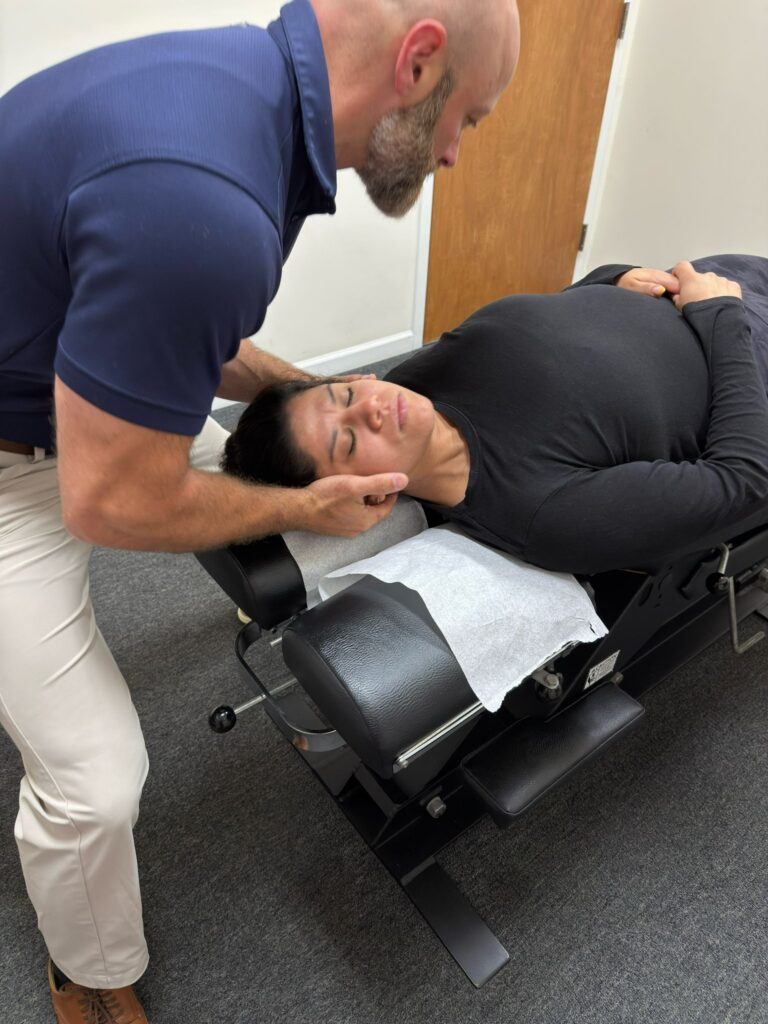
One effective approach is chiropractic care. By aligning the spine and ensuring that your nervous system is functioning optimally, chiropractic adjustments can help reduce tension in the muscles and improve blood flow, which may alleviate migraine symptoms. Regular visits to a chiropractor can also help you identify and address any underlying issues contributing to your migraines.
In addition to chiropractic adjustments, consider incorporating essential oils into your routine. Peppermint and lavender oils are known for their soothing properties. You can diffuse these oils in your home or apply them topically (diluted with a carrier oil) to help ease tension and promote relaxation.
Dietary adjustments can also play a significant role in managing migraines. Keeping a food diary can help you identify any triggers in your diet. Common culprits include caffeine, aged cheeses, and processed foods. Focusing on a balanced diet rich in whole foods, like fruits, vegetables, and lean proteins, can improve your overall health and potentially reduce migraine occurrences.
Staying hydrated is another simple but effective strategy. Dehydration can often trigger migraines, so make sure you’re drinking enough water throughout the day. Aim for at least eight glasses a day, and consider incorporating hydrating foods like cucumbers and watermelon into your meals.
Lastly, don’t underestimate the power of stress management. Techniques such as deep breathing, meditation, and gentle yoga can help reduce stress levels, which may, in turn, help manage migraine symptoms.
Remember, while these natural remedies can provide relief, working with a chiropractor can be a pivotal part of your journey to better health. By focusing on spinal health and overall wellness, you can create a strong foundation to fend off migraines and enhance your quality of life. If you’re struggling with migraines, consider scheduling a consultation with your local chiropractor to explore how you can achieve optimal health naturally.
Key Takeaways
As a local chiropractor, I aim to share valuable health and wellness insights, particularly about how you can achieve optimal health and relieve migraines naturally through chiropractic care.
One effective way to find relief from migraines is through the use of essential oils, such as lavender and peppermint. These oils can promote relaxation and enhance blood circulation, which are crucial for reducing migraine symptoms. When combined with chiropractic adjustments, these natural remedies can be even more effective.
In addition to essential oils, herbal supplements like butterbur and feverfew are known to help reduce the frequency and intensity of migraine attacks. However, it’s important to remember that the root cause of many migraines often lies in spinal misalignments. Regular chiropractic adjustments can help address these underlying issues, leading to fewer migraines over time.
Acupressure techniques can also provide relief by targeting specific points in your body. While I recommend exploring these techniques, I want to emphasize that chiropractic care is designed to support your entire body, helping to alleviate pain and tension associated with migraines at their source.
Staying hydrated is another key factor in preventing migraine-related headaches. Aim for at least eight glasses of water daily to keep your body functioning optimally. Proper hydration, combined with chiropractic care, can significantly reduce the likelihood of headaches.
Lastly, regular chiropractic visits can improve your spinal alignment, which in turn can reduce the occurrence of migraines. By addressing any misalignments, we can work together to create a personalized plan for your health and wellness.
In summary, chiropractic care is a powerful tool for managing migraines and promoting overall health. By incorporating natural remedies and maintaining a healthy lifestyle, you can take control of your wellness journey and find relief from migraines without resorting to medications or surgeries. Remember, I’m here to support you every step of the way!
Understanding Migraines and Their Triggers
Have you ever wondered what really causes those debilitating migraine attacks? Migraines are complex, and their triggers can vary widely from person to person. Stress is a common culprit, often leading to tension that manifests as a migraine. This is where chiropractic care can make a significant difference by helping to relieve tension in your spine and neck, promoting relaxation and reducing the frequency of migraines.
You might also notice that certain foods, like aged cheese or chocolate, can spark an attack. While it’s important to be mindful of your diet, chiropractic adjustments can enhance your overall digestive health, potentially making your body less reactive to certain triggers.
Additionally, hormonal fluctuations, particularly in women, can play a significant role too, and chiropractic care can help balance your body’s overall systems.
If you’re sensitive to changes in weather or strong smells, those can also trigger migraines. Chiropractic adjustments not only alleviate pain but also improve your body’s resilience to environmental changes by optimizing your nervous system function.
Sleep patterns matter as well; both lack of sleep and oversleeping can contribute to your discomfort. Chiropractic care can help you achieve better sleep by addressing any underlying spinal issues that might be affecting your sleep quality.
By paying attention to your body and your environment, you can identify potential triggers. Keeping a migraine diary can help you track patterns and pinpoint what might be setting off your attacks. Understanding these triggers is the first step toward managing and reducing the frequency of your migraines effectively.
Remember, chiropractic care focuses on natural healing and wellness, providing you with a holistic approach to pain relief. If you’re experiencing migraines, consider visiting a chiropractor who can assist in creating a personalized care plan tailored to your needs.
Taking charge of your health through chiropractic adjustments can lead you toward a life with fewer migraines and enhanced overall well-being.
Essential Oils for Migraine Relief
How can essential oils provide relief from the throbbing pain of migraines? These potent plant extracts can be a soothing addition to your wellness routine, but it’s important to remember that they work best in conjunction with holistic practices like chiropractic care.
By addressing the underlying causes of migraines through spinal adjustments and overall body alignment, chiropractic care can help reduce the frequency and intensity of your headaches.
Lavender oil is a popular choice for its calming properties. Inhaling its soothing aroma or applying a diluted version to your temples may help create a sense of relaxation.
Similarly, peppermint oil, with its menthol content, can enhance blood circulation and provide a cooling effect on the skin, which may temporarily relieve pain.
Eucalyptus oil is another option to consider, particularly for its ability to clear nasal passages and reduce tension.
While these essential oils can offer some relief, integrating them into a broader wellness strategy that includes regular chiropractic adjustments can lead to more significant improvements in your overall health.
To use these oils effectively, you can try a diffuser to disperse the aroma throughout your space, or mix a few drops with a carrier oil and gently massage it into your temples and neck.
Just be sure to perform a patch test first to avoid any skin irritation.
Remember, while essential oils can be a natural and soothing part of your self-care routine, they should complement your primary focus on chiropractic care.
Herbal Supplements to Consider
While essential oils can offer some temporary relief from migraine symptoms, exploring holistic approaches like chiropractic care may provide more profound and lasting benefits.
Chiropractic care focuses on spinal health and overall wellness, which can play a significant role in managing migraine frequency and intensity. Additionally, incorporating certain herbal supplements into your routine can complement your chiropractic treatments.
Here are four natural options you might consider:
- Butterbur: This herb has shown promise in reducing the frequency of migraine attacks. It may work well alongside your chiropractic adjustments to support overall health.
- Feverfew: Traditionally used for headaches, feverfew may help alleviate migraine pain and reduce their occurrence. It can be a great addition to your wellness routine.
- Ginger: Known for its anti-inflammatory properties, ginger can ease nausea and discomfort associated with migraines. Including ginger in your diet may enhance your body’s natural healing processes.
- Magnesium: While not an herb, magnesium supplements can be beneficial in preventing migraine attacks. It’s often found in various herbal formulations and can support muscle and nerve function.
Before adding any new supplements, it’s always best to consult with a healthcare professional to ensure they align with your unique health needs.
Additionally, maintaining a healthy lifestyle, staying hydrated, managing stress through regular chiropractic adjustments, and practicing good posture can significantly contribute to migraine management.
With the right combination of chiropractic care and natural remedies, you could find a more effective way to manage your migraines and enhance your overall well-being.
Dietary Changes to Combat Migraines
Making dietary changes can have a significant impact on your migraine experience, especially if you can identify specific food triggers. One effective way to start is by keeping a food diary. This will help you track what you eat and when migraines occur, allowing you to pinpoint any problematic foods. Common triggers include aged cheeses, processed meats, alcohol, and artificial sweeteners. By eliminating these items from your diet, you may notice a decrease in the frequency and intensity of your migraines.
In addition to avoiding triggers, consider incorporating magnesium-rich foods into your meals. Foods like nuts, seeds, and leafy greens are excellent sources of magnesium, which studies suggest can help ease migraine attacks. Omega-3 fatty acids found in fatty fish can also offer relief.
It’s also important to aim for regular meals to keep your blood sugar levels stable, as fluctuations can often lead to migraines.
Remember, focusing on a balanced diet filled with whole foods, fruits, and vegetables not only aids in managing migraines but also supports your overall health. Additionally, maintaining a healthy spine through regular chiropractic care can enhance your body’s natural healing abilities and promote better overall wellness.
By making these dietary changes and seeking chiropractic adjustments, you’re taking proactive steps towards finding relief from your migraine symptoms. Chiropractic care can help align your spine, improve your posture, and enhance your nervous system’s function, all of which can contribute to a healthier, pain-free life.
Embrace these lifestyle adjustments, and you may find that your migraines become more manageable, allowing you to enjoy life to the fullest.
Hydration and Its Importance
Staying properly hydrated is crucial for managing migraines and maintaining overall health, as even mild dehydration can trigger headaches and exacerbate symptoms. Here are some simple strategies to help you stay hydrated and support your well-being:
- Drink Water Regularly: Aim for at least eight 8-ounce glasses of water each day. If you’re active or live in a warmer climate, you may need to increase your intake. Keeping a water bottle handy can make this easier!
- Be Mindful of Caffeine: While moderate amounts of caffeine can be beneficial for some individuals, excessive consumption can lead to dehydration. It’s important to find a balance that works for you.
- Incorporate Hydrating Foods: Include fruits and vegetables with high water content in your diet, such as cucumbers, watermelon, and oranges. These not only help with hydration but also provide essential nutrients that support your overall health.
- Track Your Water Intake: Consider using a water-tracking app or a simple journal to monitor your daily hydration goals. Staying aware of your intake can motivate you to drink more water throughout the day.
- Chiropractic Care for Optimal Wellness: Remember, regular chiropractic adjustments can enhance your body’s ability to function properly, including its hydration needs.
By maintaining a healthy spine and nervous system, you can help your body manage stress and tension that might lead to headaches.
Relaxation Techniques and Stress Management
As a chiropractor, I understand that stress is often a significant trigger for migraines. Incorporating relaxation techniques into your daily routine can be an excellent way to manage both stress and headache symptoms naturally. Here are some effective methods to consider:
| Technique | Description |
|---|---|
| Deep Breathing | Take a moment to inhale deeply through your nose, hold your breath for a few seconds, and then exhale slowly through your mouth. Repeat this for several minutes to promote relaxation and reduce tension. |
| Progressive Muscle Relaxation | Begin at your toes and gradually work your way up, tensing each muscle group for a few seconds before releasing. This method helps to relieve built-up tension in the body, which can be beneficial for overall wellness. |
| Guided Imagery | Picture yourself in a peaceful setting, such as a serene beach or a tranquil forest. Focus on the sights, sounds, and sensations of this calming scene, allowing your mind and body to relax fully. |
In addition to these techniques, I encourage you to consider regular chiropractic care. Chiropractic adjustments can help alleviate tension in the spine and surrounding muscles, which can contribute to stress and headaches. By maintaining proper spinal alignment, you may experience improved overall health and wellness, making it easier to manage stress and reduce the frequency of migraines.
Acupressure and Acupuncture for Pain Relief
As a local chiropractor, I want to share how acupressure and acupuncture can be beneficial for those suffering from migraines, while also emphasizing the importance of chiropractic care for achieving optimal health and wellness.
These techniques can help alleviate pain by stimulating specific points on the body, promoting better energy flow, and reducing tension.
While acupressure and acupuncture can provide relief, it’s essential to recognize that chiropractic care addresses the root causes of migraines by focusing on spinal health. Misalignments in the spine can contribute to tension and pain, so a thorough spinal assessment and adjustment can be incredibly effective for migraine relief.
Here are a few key acupressure points that may help with migraine pain:
- LI4 (Hegu): Located between the thumb and index finger, applying pressure here can help relieve headache symptoms.
- GB20 (Fengchi): Found at the base of the skull, applying pressure to this point can help reduce tension in the neck and head.
- Yintang: This point is located between the eyebrows and can promote relaxation and relieve stress.
Incorporating these techniques into your wellness routine can be beneficial, but remember that regular chiropractic adjustments can help maintain spinal alignment, enhance overall well-being, and prevent future migraines.
For additional relief, consider these general tips:
- Stay hydrated and maintain a balanced diet to support your overall health.
- Practice relaxation techniques, such as deep breathing or yoga, to reduce stress.
- Ensure you have a good sleep routine, as restful sleep is crucial for preventing migraines.
Remember, choosing chiropractic care not only helps with immediate pain relief but also supports your long-term health and wellness.
If you’re experiencing migraines or other discomfort, don’t hesitate to reach out to your local chiropractor for a comprehensive approach to your health.
Mechanism of Action
While many individuals seek conventional treatments for migraines, exploring natural options like chiropractic care can provide effective relief and promote overall wellness. Chiropractic adjustments focus on aligning the spine and enhancing the body’s natural ability to heal itself.
Here’s how chiropractic care and techniques like acupressure and acupuncture can work together to alleviate migraine pain:
- Endorphin Release: Chiropractic adjustments can stimulate the release of endorphins, the body’s natural painkillers, which can help reduce headache intensity and improve your mood.
- Blood Flow Improvement: By ensuring proper spinal alignment, chiropractic care enhances circulation throughout the body. This increased blood flow helps deliver oxygen and nutrients to the areas in pain, which can aid in relieving tension.
- Muscle Relaxation: Chiropractic techniques target tight muscles and joints, promoting relaxation and reducing the muscle tension that often contributes to migraine pain.
- Nervous System Regulation: Chiropractic care helps regulate the nervous system by ensuring proper communication between the brain and the body. This can lead to fewer migraine attacks and a reduction in their severity.
Incorporating chiropractic care into your wellness routine not only addresses migraine pain effectively but also promotes a healthier lifestyle.
Here are some general tips you can take away:
- Stay Hydrated: Drinking enough water can prevent dehydration, a common trigger for migraines.
- Maintain Good Posture: Proper posture can reduce strain on your spine and neck, helping to prevent tension headaches.
- Regular Exercise: Engaging in regular physical activity can improve circulation and reduce stress, both of which may help alleviate migraines.
- Practice Stress Management: Techniques such as deep breathing, meditation, or yoga can help manage stress, a common migraine trigger.
By focusing on natural healing and spinal health, chiropractic care can be a valuable tool in managing migraines and achieving optimal health.
Key Acupressure Points
Migraines can be debilitating, but many people find that natural therapies offer significant relief. As a chiropractor, I believe in the power of holistic approaches to health and wellness, and acupressure is a great technique that can complement your chiropractic care. By applying pressure to specific points on your body, you can potentially ease migraine symptoms and promote overall well-being. Here are three key acupressure points to consider:
| Acupressure Point | Location | Benefits |
|---|---|---|
| LI4 | Between thumb and index finger | Reduces pain and tension |
| PC6 | Inner forearm, three fingers down | Alleviates nausea and anxiety |
| GB20 | Base of the skull, behind ears | Relieves headaches and neck tension |
Incorporating acupressure into your routine may enhance the benefits of your chiropractic adjustments. To apply these techniques, use firm but gentle pressure on each point, holding for a few seconds while taking deep, calming breaths.
In addition to acupressure, remember to prioritize good posture, stay hydrated, and engage in regular physical activity, as these practices can also contribute to reducing migraine frequency and intensity. Your journey to optimal health is a combination of many natural methods, and chiropractic care is a powerful ally in that process. Always consult with your chiropractor to tailor your wellness plan to your specific needs.
Benefits of Acupuncture
When searching for natural remedies to relieve migraines, chiropractic care is a highly effective option that promotes overall wellness and pain management. While acupuncture is often discussed, let’s focus on the benefits of chiropractic adjustments and how they can help with migraines:
- Pain Reduction: Regular chiropractic adjustments can significantly decrease the frequency and intensity of migraines by improving spinal alignment and reducing tension in the neck and back.
- Stress Relief: Chiropractic care aids in relieving physical stress on the body, which can be a major trigger for migraines. By promoting relaxation and better posture, you can reduce the likelihood of stress-induced headaches.
- Enhanced Blood Flow: Chiropractic adjustments can improve blood circulation, which is essential for delivering nutrients to your body and removing toxins. This can help your body function better and may alleviate migraine symptoms.
- Holistic Approach: Chiropractic care focuses on treating the whole person, not just the symptoms. By addressing the underlying issues related to spinal health and nervous system function, you can achieve long-term relief from migraines.
General Tips for Migraine Relief:
- Maintain good posture throughout the day to reduce strain on your spine.
- Stay hydrated and nourish your body with a balanced diet to support overall health.
- Incorporate regular exercise into your routine to keep your body strong and reduce tension.
- Consider stress management techniques such as yoga or meditation to help keep migraines at bay.
By prioritizing chiropractic care and these healthy lifestyle choices, you can work towards better overall wellness and find relief from migraines naturally.
Lifestyle Modifications for Long-term Management
To manage migraines effectively over the long term, embracing certain lifestyle modifications can make a significant difference. As a chiropractor, I believe that caring for your spine and overall wellness is key to achieving optimal health.
Incorporating stress management techniques, such as deep breathing exercises, yoga, or gentle stretching, can help alleviate tension in your body and mind, which may reduce the frequency and intensity of headaches.
Dietary adjustments can also play a vital role. Keeping a food diary to identify potential triggers, such as certain foods or beverages, can be beneficial. Focus on a balanced diet rich in whole foods, including plenty of fruits and vegetables, lean proteins, and healthy fats.
Staying hydrated is equally important, so don’t forget to drink enough water throughout the day.
In addition, regular chiropractic care can enhance your overall well-being and help prevent migraines. By maintaining proper spinal alignment, you can improve your body’s function and reduce nerve irritability, which may be contributing to your headaches.
Remember, taking care of your body is a journey. By focusing on these lifestyle changes and incorporating chiropractic care into your routine, you can create a more balanced life and minimize migraine triggers.
Prioritize your health and embrace natural methods for relief and wellness!
Stress Management Techniques
Although stress is a common trigger for migraines, incorporating effective stress management techniques can significantly decrease their frequency and intensity.
As a chiropractor, I believe that maintaining a balanced lifestyle is crucial for your overall well-being, and chiropractic care plays a vital role in achieving that.
Here are four strategies to help you manage stress effectively while supporting your spinal health:
1. Practice Mindfulness: Take a few minutes each day to engage in mindfulness meditation. This practice helps center your thoughts and alleviate anxiety, which is essential for maintaining a healthy spine and overall wellness.
2. Exercise Regularly: Regular physical activity, such as walking or gentle yoga, is beneficial not just for your body but also for your mind. Exercise releases endorphins, which are natural stress relievers.
Plus, it promotes better spinal alignment and health.
3. Establish a Routine: Creating a consistent daily schedule can bring structure to your life, helping to minimize stressors. A well-structured routine can improve your posture and spinal health, contributing to a more relaxed state.
4. Connect with Nature: Spending time outdoors can work wonders for reducing stress and enhancing your mood. Nature has a calming effect, and it encourages you to engage in physical activities that are beneficial for your spine.
By integrating these techniques into your daily life and considering chiropractic care, you can pave the way for a healthier, more balanced lifestyle, ultimately leading to relief from stress and migraines.
Dietary Adjustments for Prevention
Making dietary adjustments can significantly contribute to preventing migraines and managing them effectively over time. As a chiropractor, I understand the importance of a holistic approach to health and wellness, including how what we eat can impact our overall well-being.
First, it’s essential to identify potential trigger foods that may lead to migraine attacks. Common culprits can include aged cheeses, processed meats, and artificial sweeteners. Keeping a food diary can be a helpful tool for spotting these patterns, allowing you to eliminate these triggers from your diet.
Incorporating magnesium-rich foods into your meals can be beneficial as well. Foods like spinach, nuts, and whole grains are excellent sources of magnesium, which may help reduce the frequency of migraines.
Staying hydrated is another key factor; aim for at least eight glasses of water daily to keep your body functioning optimally.
Additionally, regular, balanced meals can help stabilize your blood sugar levels, which is essential for preventing migraines. Try not to skip meals, and consider having smaller, more frequent snacks throughout the day to maintain energy levels.
By practicing mindful eating and making these dietary changes, you can significantly lower your chances of experiencing migraines.
Conclusion
Incorporating effective natural remedies into your migraine management can greatly enhance your overall quality of life. As a chiropractor, I emphasize the importance of a holistic approach to health, and there are many ways you can find relief from migraines without turning to medications or surgeries.
One key area to explore is relaxation techniques. Stress can often trigger migraines, so practices like deep breathing exercises, meditation, or gentle yoga can help to calm your mind and body. Additionally, staying well-hydrated is crucial; dehydration can exacerbate headaches, so make sure you’re drinking plenty of water throughout the day.
Another effective method is to consider the benefits of chiropractic care. Regular spinal adjustments can help alleviate tension in your neck and back, which may contribute to migraine pain. By addressing any misalignments in your spine, you can promote better nervous system function and enhance your body’s natural ability to heal itself.
In addition to chiropractic care, you might find relief through natural remedies like essential oils. For example, peppermint or lavender oil can be soothing when applied to the temples or inhaled. You can also experiment with herbal supplements, but it’s always best to consult with a qualified practitioner before starting any new regimen.
Acupressure is another technique that may provide quick relief. By applying pressure to specific points on the body, you can help to reduce tension and alleviate pain.
Ultimately, by embracing these natural approaches and prioritizing your spinal health through chiropractic care, you can take control of your migraines and work towards a more migraine-free life. Remember, the journey to wellness is a holistic one, and every small step counts towards achieving optimal health.