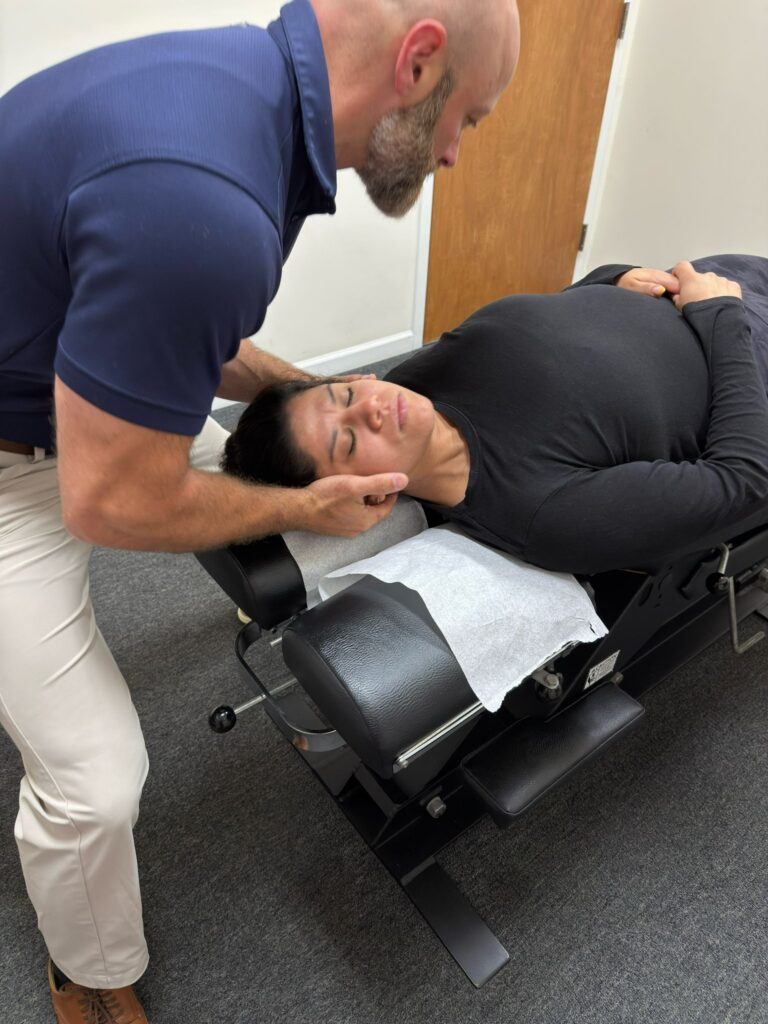

Tension headaches can be a frustrating experience, often sneaking up on you when you least expect it. You might feel tightness in your neck and shoulders, making it difficult to concentrate on daily tasks. The good news is that effective relief is closer than you think, and chiropractic care is one of the best ways to help manage and alleviate tension headaches naturally.
As a chiropractor, I emphasize the importance of understanding your triggers, which could be related to stress, poor posture, or even prolonged screen time. By identifying these factors, you can make simple lifestyle adjustments that can lead to significant relief. Regular chiropractic adjustments can help realign your spine, reduce muscle tension, and improve overall function, which can greatly decrease the frequency and intensity of your headaches.
In addition to chiropractic care, there are several strategies you can incorporate into your daily routine to support your well-being. Here are some tips to consider:
- Maintain Good Posture: Be mindful of your posture, especially if you spend long hours at a desk. Keep your shoulders relaxed and your head aligned with your spine to reduce strain on your neck and shoulders.
- Stay Hydrated: Dehydration can contribute to headaches, so make sure you’re drinking plenty of water throughout the day.
- Practice Relaxation Techniques: Incorporating stress-reducing activities such as deep breathing, yoga, or meditation can help calm your mind and relieve tension in your body.
- Take Breaks from Screens: If you’re working on a computer, remember to take regular breaks to rest your eyes and stretch your body.
- Get Regular Chiropractic Care: Consistent visits to your chiropractor can help keep your spine aligned, reduce muscle tension, and promote overall wellness.
By integrating these tips into your lifestyle and seeking chiropractic care, you can take proactive steps towards achieving optimal health and reducing the impact of tension headaches. Remember, you don’t have to live with pain—natural relief is possible!
Key Takeaways
- Begin by identifying and managing common triggers for tension headaches, such as stress, poor posture, and dehydration. Keeping a headache diary can help you recognize patterns and make adjustments to your daily routine.
- Consider using natural remedies to alleviate headache pain. Simple methods like applying a cold compress, using essential oils, or practicing deep breathing exercises can provide immediate relief and are easy to incorporate into your day.
- Regular chiropractic care is an excellent way to address spinal alignment issues that may contribute to tension headaches. By correcting misalignments, chiropractic adjustments can reduce nerve pressure and muscle tension, helping you feel better overall.
- Prioritize good sleep hygiene and stay well-hydrated. Quality sleep and adequate fluid intake are essential for preventing headaches and maintaining optimal health.
- Incorporate stress management techniques into your daily life. Mindfulness practices, yoga, and regular physical activity can significantly lower stress levels, which in turn can reduce the frequency of tension headaches.
By focusing on these natural approaches and considering chiropractic care as a primary option for relief, you can take proactive steps towards a healthier, headache-free life.
Understanding Tension Headaches
Tension headaches can strike unexpectedly, leaving you feeling fatigued and irritable. These headaches typically present as a dull, aching pain around your forehead or the back of your head and neck. Unlike migraines, they usually don’t come with nausea or light sensitivity, which might make them seem more manageable, yet they can still be quite disruptive to your daily life.
Understanding tension headaches is essential for effective relief. They often arise from muscle tension, stress, or poor posture, especially after long hours at your desk or during stressful situations. One of the best ways to alleviate tension headaches is through chiropractic care. By addressing spinal alignment and muscle tension, chiropractors can help relieve the underlying causes of your headaches.
The duration of these headaches can vary, lasting anywhere from 30 minutes to several days. While they can be bothersome, knowing what you’re dealing with empowers you to take action.
Here are some tips to help you manage tension headaches and promote overall wellness:
- Practice Good Posture: Ensure your workstation is ergonomically set up to reduce strain on your neck and shoulders.
- Take Regular Breaks: Stand up, stretch, and move around every hour. This can help alleviate muscle tension.
- Stay Hydrated: Dehydration can contribute to headaches, so make sure you’re drinking enough water throughout the day.
- Manage Stress: Incorporate relaxation techniques such as deep breathing, meditation, or yoga into your daily routine to help reduce stress levels.
- Visit Your Chiropractor: Regular chiropractic adjustments can help keep your spine aligned and your muscles relaxed, reducing the frequency and intensity of tension headaches.
Identifying Triggers and Symptoms
To effectively manage tension headaches, it’s essential to identify common triggers and symptoms. By recognizing these early signs, you can take proactive steps to alleviate pain before it intensifies. Simple lifestyle adjustments can make a big difference in your overall well-being.
For instance, maintaining good posture, staying hydrated, and practicing relaxation techniques can help reduce the frequency of headaches.
Incorporating chiropractic care into your routine is a natural and effective way to address tension headaches. Chiropractic adjustments can help align your spine, relieve tension, and promote better overall function of your nervous system. These adjustments may also reduce the stress that contributes to headaches, helping you achieve a more balanced state of health.
Additionally, consider integrating stress management techniques such as deep breathing exercises, yoga, or meditation into your daily life. These practices not only promote relaxation but also complement the benefits of chiropractic care in preventing future headaches.
Common Triggers Identified
Many individuals suffer from tension headaches, but by understanding their common triggers, you can effectively manage and even prevent them. One of the primary culprits is stress. Learning to recognize when you’re feeling overwhelmed can encourage you to take necessary breaks and practice relaxation techniques, which can be beneficial for your overall spine health.
Another significant factor is poor posture, especially if you spend long hours working at a desk. Maintaining a proper posture is crucial in reducing muscle tension in your neck and shoulders, which can lead to headaches. A chiropractor can provide guidance on exercises and adjustments that promote better alignment and comfort.
Dehydration is often overlooked as a headache trigger. Ensure you’re drinking plenty of water throughout the day to keep your body and spine well-hydrated.
Sleep is also vital; insufficient rest can lead to an increase in headache frequency. Prioritizing quality sleep not only helps prevent headaches but also supports your overall wellness and spinal health.
Certain foods and caffeine can trigger headaches in some people. It may be useful to keep a food diary to identify specific triggers.
By being aware of these triggers, you can take proactive steps to minimize their impact on your daily life. Additionally, regular chiropractic care can play a pivotal role in maintaining your health, relieving tension, and promoting a balanced lifestyle.
Recognizing Symptoms Early
Recognizing headaches early can significantly improve your ability to manage them effectively. As a chiropractor, I encourage you to pay close attention to the signs your body sends you. You might experience a dull ache in your temples or a tightness around your forehead—these sensations often indicate the onset of a tension headache.
It’s essential to notice any patterns that may arise. Do specific activities or stressors trigger these symptoms for you? For example, spending long hours at your desk, slouching, or even not staying hydrated can contribute to headaches.
One practical tip is to maintain a headache diary; this allows you to track when your headaches occur and what you were doing beforehand. By identifying these early symptoms, you can take proactive steps to mitigate them before they escalate into more severe pain.
Chiropractic care can play a vital role in headache prevention and relief. Regular adjustments help align your spine, reducing nerve irritation and tension that may lead to headaches.
Additionally, practicing good posture and incorporating regular movement into your daily routine can further alleviate the stress on your body that contributes to headaches.
Remember, the sooner you recognize the signs of a headache, the more effectively you can address them. By choosing chiropractic care, you’re investing in a natural and holistic approach to your health and wellness, allowing your body to heal itself and function at its best.
Take charge of your health today and prioritize your well-being!
Stress Management Techniques
Understanding how stress affects your body is essential for managing tension headaches, and chiropractic care can play a significant role in your journey to relief. Start by identifying your personal triggers, such as work deadlines or family pressures. Keeping a journal can be a helpful tool—note when your headaches occur and the stressors surrounding them. This awareness helps you recognize patterns and potential causes.
Once you’ve identified your triggers, you can develop effective coping strategies. Techniques like deep breathing, mindfulness, and yoga can help reduce stress levels and improve your overall well-being. Regular chiropractic adjustments can also be beneficial, as they help align your spine, reduce tension in your muscles, and promote better nervous system function, all of which can alleviate headache symptoms.
Incorporating regular exercise into your routine is another great way to manage stress. Physical activity releases endorphins, which can improve your mood and reduce pain.
Don’t forget to schedule downtime for relaxation—this is crucial for maintaining balance in your life.
Natural Remedies for Relief
When tension headaches strike, it’s important to know that natural remedies can provide effective relief, and chiropractic care can play a vital role in helping you achieve optimal health. One simple method to alleviate headache pain is to apply a cold or warm compress to your forehead or neck. This can help ease discomfort and relax tense muscles, which is essential for overall wellness.
Incorporating deep breathing exercises or meditation into your daily routine can significantly reduce stress and enhance your well-being. These practices, combined with regular chiropractic adjustments, can help maintain proper spinal alignment, which is crucial for preventing headaches and promoting a healthy lifestyle.
Essential oils like lavender or peppermint can be beneficial too. Applying a few drops to your temples or using a diffuser may help ease your discomfort. Additionally, staying hydrated is key; make sure to drink plenty of water throughout the day to prevent dehydration-related headaches.
Don’t underestimate the power of regular physical activity. Even a short walk can boost endorphins and relieve tension. By keeping your spine healthy and active through chiropractic care, you can improve your body’s ability to handle stress, leading to fewer headaches.
Lastly, consider including magnesium-rich foods, such as nuts and leafy greens, in your diet, as they may help reduce headache frequency.
Over-the-Counter Medications
When tension headaches strike, it’s important to address the root cause rather than just masking the pain. While over-the-counter medications like ibuprofen and acetaminophen may provide temporary relief, they don’t tackle the underlying issues that could be contributing to your discomfort.
As a chiropractor, I emphasize the importance of natural healing methods, such as chiropractic care, which can help alleviate tension headaches by addressing spinal alignment and muscular tension.
Regular chiropractic adjustments can help restore proper function to your spine, which may reduce the frequency and intensity of headaches. Additionally, maintaining good posture, staying hydrated, and practicing relaxation techniques like deep breathing or meditation can also support your overall wellness and help prevent headaches.
If your headaches persist, I encourage you to explore chiropractic care as a safe and effective option. Our focus is on restoring balance to your body, promoting natural healing, and helping you achieve optimal health without the need for medications or surgeries.
Common OTC Pain Relievers
Finding relief from tension headaches often begins with understanding the root cause of your discomfort, which is where chiropractic care shines. While many people might reach for over-the-counter (OTC) pain relievers like ibuprofen or acetaminophen, it’s important to consider a more holistic approach to wellness.
Chiropractic care focuses on the alignment of your spine and nervous system, which can significantly reduce the frequency and intensity of headaches. By addressing any misalignments or tension in your body, a chiropractor can help alleviate the underlying issues contributing to your headaches, leading to more sustainable relief without the need for medications.
In addition to regular chiropractic adjustments, there are several natural strategies you can incorporate into your daily routine for headache relief:
- Stay Hydrated: Dehydration can lead to headaches, so make sure you’re drinking plenty of water throughout the day.
- Practice Good Posture: Poor posture can create tension in your neck and shoulders, leading to headaches. Be mindful of your posture, especially if you spend long hours at a desk.
- Incorporate Stretching and Relaxation Techniques: Gentle stretching, yoga, or deep-breathing exercises can help relieve tension and promote relaxation.
- Manage Stress: Stress is a common trigger for tension headaches. Engage in activities that help you unwind, such as meditation, reading, or spending time in nature.
- Get Adequate Sleep: Ensure you’re getting enough restful sleep each night, as fatigue can contribute to headache symptoms.
By focusing on these natural methods and seeking chiropractic care, you can find effective relief from tension headaches and enhance your overall well-being.
Dosage and Safety Guidelines
When dealing with tension headaches, it’s understandable to seek quick relief, but it’s essential to consider natural approaches first. Chiropractic care offers effective methods for managing pain and promoting overall wellness without the need for medications.
Here are three important points to consider:
- Explore Chiropractic Adjustments: Regular chiropractic adjustments can help align your spine, which may alleviate tension and reduce the frequency of headaches. This natural approach focuses on addressing the root cause of your pain rather than just masking symptoms.
- Practice Stress Management Techniques: Incorporating relaxation techniques such as deep breathing, yoga, or meditation can significantly reduce stress and tension, which are common triggers for headaches. These practices complement chiropractic care and promote a healthier lifestyle.
- Stay Hydrated and Maintain Good Posture: Dehydration and poor posture can contribute to headaches. Make it a habit to drink plenty of water throughout the day and be mindful of your posture, especially if you’re sitting for long periods. Chiropractic care can provide guidance on maintaining proper posture to prevent tension buildup.
By focusing on natural healing methods and regular chiropractic care, you can achieve optimal health and find relief from tension headaches in a safe and effective way.
When to Seek Alternatives
Sometimes, despite your best efforts with natural remedies and chiropractic care, tension headaches may continue to be a challenge. If you notice that your headaches are becoming more frequent or intense, it’s important to consider how you can enhance your overall wellness without relying on over-the-counter medications.
While these medications may provide quick relief, they don’t address the root cause of your headaches. Instead, I encourage you to explore some natural alternatives that can help alleviate tension headaches and promote better health. Here are a few tips you can try:
- Stay Hydrated: Dehydration can be a common trigger for headaches. Make sure you’re drinking enough water throughout the day.
- Practice Good Posture: Poor posture can lead to tension in the neck and shoulders, which may contribute to headaches. Be mindful of your posture, especially if you’re sitting for long periods.
- Manage Stress: Incorporate relaxation techniques into your daily routine, such as deep breathing exercises, yoga, or meditation. These can help reduce stress and tension that may lead to headaches.
- Get Regular Chiropractic Adjustments: Regular visits to your chiropractor can help keep your spine aligned, which may reduce tension and improve overall wellness.
- Explore Physical Activity: Gentle exercise, such as walking or stretching, can help relieve tension in your muscles and improve circulation.
If you find that your tension headaches are persistent, I recommend reaching out to a healthcare professional who understands the benefits of chiropractic care.
They can work with you to identify the underlying causes of your headaches and tailor a plan that supports your journey to optimal health and wellness. Remember, taking a holistic approach can lead to lasting relief and improved quality of life.
The Role of Hydration
Staying properly hydrated is essential for overall health and can play a significant role in preventing tension headaches. Even mild dehydration can lead to discomfort, and when your body isn’t getting enough fluids, it can disrupt its natural balance, leading to headaches and other symptoms.
Here are three key reasons to prioritize hydration, along with how chiropractic care can support your wellness journey:
1. Maintains Blood Flow: Staying well-hydrated ensures that your blood can circulate freely, delivering vital nutrients and oxygen to your brain. This optimal blood flow can help reduce the likelihood of headaches.
Additionally, regular chiropractic adjustments can enhance blood circulation by ensuring your spine is aligned, allowing your nervous system to function at its best.
2. Regulates Temperature: Proper hydration helps your body regulate its temperature. When you’re dehydrated, your body struggles to cool down, which can trigger tension headaches.
By drinking enough water throughout the day, you can support your body’s natural cooling processes. Complement this with chiropractic care, which can help relieve physical stress and tension that may exacerbate headaches.
3. Eases Muscle Tension: Proper hydration supports muscle function and helps prevent stiffness. Drinking sufficient water can alleviate tension in the neck and shoulders, common culprits behind tension headaches.
Chiropractic care also focuses on relieving muscle tension through spinal adjustments and soft tissue techniques, promoting relaxation and comfort.
Make it a habit to drink water regularly throughout your day, and consider incorporating routine chiropractic visits into your wellness plan.
Stress Management Techniques
Stress is a significant trigger for tension headaches, making it essential to adopt effective stress management techniques. As a chiropractor, I believe that managing stress can complement your overall health and wellness journey, particularly when combined with chiropractic care.
One effective technique is deep breathing exercises. Simply inhale slowly through your nose, hold for a few seconds, and then exhale through your mouth. This straightforward practice can help calm your mind and alleviate tension in your body, promoting better alignment and function.
Incorporating mindfulness or meditation into your daily routine can also be beneficial. Spend a few minutes each day focusing on the present moment, allowing yourself to release intrusive thoughts. This mental clarity can enhance your body’s natural healing processes and support your spinal health.
Journaling is another great way to manage stress. Writing down your feelings can provide clarity and help release pent-up emotions. This practice not only supports mental wellness but can also lead to a more relaxed state, which is beneficial for spinal alignment.
Progressive muscle relaxation is another technique worth trying. Start by tensing and then relaxing each muscle group, beginning from your toes and moving up to your head. This method can help alleviate physical tension, making you more aware of how stress affects your body.
Lastly, establishing clear boundaries in both your work and personal life is crucial. Learning to say no when necessary can prevent overwhelm and keep stress at bay. Reducing stress in your life can lessen the likelihood of tension headaches, creating a more harmonious environment for your body and spine.
The Benefits of Regular Exercise
Regular exercise isn’t only great for your overall health, but it also plays a crucial role in alleviating muscle tension, which can often be a contributing factor to tension headaches. When you engage in physical activity, your body releases endorphins—natural chemicals that help lift your mood and ease discomfort. This is particularly beneficial for those who suffer from frequent headaches.
Incorporating regular exercise into your daily routine is a proactive way to help manage headache symptoms. However, it’s important to remember that maintaining proper spinal alignment is key to maximizing the benefits of exercise and preventing further discomfort. That’s where chiropractic care comes into play.
Chiropractic adjustments can help ensure that your spine is properly aligned, which can reduce tension in your muscles and contribute to overall wellness. By working with a chiropractor, you can discover personalized exercises that support your spinal health while also addressing your specific headache concerns.
Here are some general tips to help you incorporate exercise and enhance your chiropractic care for headache relief:
- Stay Hydrated: Drink plenty of water before, during, and after exercise to keep your body well-hydrated, as dehydration can trigger headaches.
- Warm Up and Cool Down: Always include a warm-up and cool-down in your exercise routine to help prevent muscle strain and tension.
- Practice Good Posture: Whether you’re exercising or going about your daily activities, maintaining good posture can reduce undue stress on your spine and muscles.
- Stretch Regularly: Incorporate stretching into your routine to improve flexibility and reduce muscle tightness in the neck and shoulders, common areas for tension headaches.
- Consult Your Chiropractor: Before starting any new exercise program, it’s wise to consult your chiropractor. They can provide guidance and adjustments tailored to your individual needs, ensuring you stay safe and effective in your efforts.
Reduces Muscle Tension
Engaging in regular exercise is an excellent way to reduce muscle tension and is a key component of overall wellness. As a chiropractor, I often emphasize how movement not only promotes blood circulation but also helps to relax tight muscles, which can alleviate discomfort and headaches.
Here are three beneficial aspects of incorporating exercise into your routine to reduce muscle tension:
- Improved Flexibility: Including stretching in your workouts keeps your muscles flexible and less prone to tightness that can lead to headaches. Simple stretches can be done at home or as part of your routine to maintain optimal flexibility.
- Enhanced Posture: Regular exercise strengthens your core muscles, which is essential for maintaining good posture. Proper posture can significantly reduce tension in your neck and shoulders, areas commonly associated with headaches.
- Stress Reduction: Exercise is a natural way to relieve stress, which can have a direct positive impact on muscle relaxation. Lower stress levels can lead to fewer headaches and an overall feeling of wellness.
In addition to these benefits, I encourage you to consider chiropractic care as an essential part of your health routine. A chiropractor can help align your spine and improve overall function, which further supports muscle relaxation and tension relief.
Releases Endorphins Naturally
Incorporating exercise into your daily routine is not only beneficial for reducing muscle tension, but it also plays a crucial role in releasing endorphins—the body’s natural mood enhancers. These powerful chemicals can help alleviate pain and enhance your overall well-being, leading to a feeling of relaxation and happiness. Regular physical activity can significantly diminish the frequency and intensity of tension headaches, offering a natural solution that complements chiropractic care.
As a chiropractor, I encourage my patients to engage in various forms of exercise to promote a healthier lifestyle and support spinal health. Here are some effective types of exercise along with their duration and the corresponding endorphin boost they provide:
| Type of Exercise | Duration | Endorphin Boost |
|---|---|---|
| Walking | 30 mins | Moderate |
| Yoga | 45 mins | High |
| Cycling | 30 mins | Moderate |
| Swimming | 30 mins | High |
| Strength Training | 30 mins | Moderate |
In addition to regular chiropractic adjustments, incorporating these exercises into your routine can enhance your healing process. Remember to listen to your body and choose activities that feel good for you. Here are some simple tips to keep in mind:
- Start Slow: If you’re new to exercise, begin with shorter durations and gradually increase as your body adapts.
- Stay Consistent: Aim for at least 30 minutes of physical activity most days of the week for optimal results.
- Mix It Up: Incorporate different types of exercise to avoid boredom and keep your workouts enjoyable.
- Focus on Breathing: Especially in yoga and swimming, proper breathing can enhance relaxation and improve your overall experience.
- Listen to Your Body: If you experience pain that doesn’t feel right, consult your chiropractor for guidance on safe exercises tailored to your needs.
Importance of Sleep Hygiene
Getting enough quality sleep is essential for managing tension headaches and supporting your overall well-being. As a chiropractor, I emphasize the importance of sleep hygiene in creating a restful environment that promotes restorative sleep, which can help reduce headache frequency and intensity.
Here are three key practices to enhance your sleep hygiene and support your natural healing process:
- Maintain a Consistent Schedule: Try to go to bed and wake up at the same time every day, even on weekends. This consistency helps regulate your body’s internal clock, leading to better sleep quality and overall health. A well-rested body can better cope with stress and tension, which are common triggers for headaches.
- Create a Relaxing Bedtime Routine: Incorporate calming activities into your bedtime routine, such as reading or meditating. These practices help signal to your brain that it’s time to unwind and prepare for sleep. A relaxed mind is crucial for quality rest, which in turn supports your spinal health and overall wellness.
- Optimize Your Sleep Environment: Make your bedroom a sanctuary for sleep. Aim for a dark, cool, and quiet space. Using blackout curtains can keep out unwanted light, while white noise machines can mask disruptive sounds. An ideal sleep environment not only enhances the quality of your sleep but also supports your body’s natural healing processes.
By prioritizing these sleep hygiene practices, you can’t only improve your sleep but also complement the benefits of chiropractic care in achieving optimal health and wellness.
Alternative Therapies and Treatments
When it comes to finding relief from tension headaches, chiropractic care is an excellent option that can help you achieve optimal health and wellness. As a chiropractor, I believe that addressing the root causes of tension headaches—often related to spinal alignment and muscle tension—can lead to lasting relief.
One of the most effective methods we use in chiropractic is spinal adjustments. By realigning the spine, we can alleviate pressure on nerves and reduce muscle tightness, which often contributes to tension headaches. Regular chiropractic visits can help maintain proper alignment and prevent headaches from recurring.
In addition to chiropractic care, other natural therapies can complement your treatment. Techniques such as massage therapy can be beneficial for easing muscle tightness and promoting relaxation. Stretching and strengthening exercises, guided by your chiropractor, can also help improve posture and reduce stress on your muscles.
Yoga and meditation are excellent practices for managing stress, which is a common trigger for headaches. Incorporating these practices into your routine can enhance your overall well-being and further support your chiropractic care.
When it comes to natural remedies, you might consider herbal supplements like feverfew or butterbur, known for their potential to support headache relief. Additionally, using essential oils like peppermint or lavender can provide soothing effects. Inhaling these oils or applying them topically can enhance relaxation and help ease head tension.
Biofeedback techniques can also empower you to better manage your body’s response to stress, helping to reduce the frequency and intensity of headaches over time. By learning to control certain physiological functions, you can create a more balanced state of relaxation.
Ultimately, integrating chiropractic care with these natural approaches can give you a comprehensive strategy for managing tension headaches. Remember, the goal is to address the underlying causes and promote a healthier, pain-free lifestyle.
Always consult with your chiropractor to find the best combination of treatments tailored to your individual needs.
When to Seek Professional Help
How can you tell when it’s time to seek professional help for your tension headaches? While occasional headaches are common, there are certain signs that suggest it’s best to consult a healthcare provider, particularly a chiropractor who specializes in natural healing techniques.
- Frequency and Duration: If you find that your tension headaches occur more than 15 days a month or last for several hours, it’s a good idea to explore chiropractic care. Regular adjustments and spinal alignment can help alleviate the frequency and duration of headaches.
- Severity: Experiencing unbearable pain or headaches that disrupt your daily activities is a clear signal to seek assistance. A chiropractor can provide natural pain relief methods that address the root cause of your headaches, rather than just masking the symptoms.
- Accompanying Symptoms: If you experience additional symptoms such as vision changes, nausea, or confusion along with your headaches, it’s crucial to contact a professional immediately. A chiropractor can evaluate your overall health and help identify any underlying issues that may be contributing to your discomfort.
In addition to seeking professional help, here are some general tips to manage tension headaches naturally:
- Stay Hydrated: Often, dehydration can trigger headaches. Make sure you’re drinking enough water throughout the day.
- Practice Relaxation Techniques: Stress is a common contributor to tension headaches. Incorporate deep breathing, yoga, or meditation into your routine to help manage stress levels.
- Maintain Good Posture: Poor posture can lead to spinal misalignment, which can contribute to headache pain. Focus on sitting and standing with your back straight and shoulders relaxed.
- Regular Exercise: Physical activity can help reduce tension and improve overall well-being. Aim for regular movement throughout your week.
Conclusion
To sum up, managing tension headaches effectively requires a proactive approach that emphasizes natural healing and wellness, with chiropractic care at the forefront. By understanding your headache triggers, staying properly hydrated, and integrating regular exercise into your routine, you can significantly lessen both the frequency and intensity of your headaches.
Good sleep hygiene is crucial as well, so aim for a consistent sleep schedule and a calming bedtime routine. Don’t overlook the benefits of chiropractic adjustments; they can help realign the spine, reduce tension, and promote better overall health. Additionally, exploring relaxation techniques such as deep breathing, yoga, or mindfulness can be incredibly beneficial.
If your headaches continue, consider visiting your local chiropractor for personalized care. They can provide targeted adjustments and advice tailored to your specific needs. Remember, you have the tools for relief right at your fingertips, and with chiropractic care, you can enhance your overall well-being and enjoy a healthier, pain-free life!