
Migraines can really take a toll on your daily life and overall well-being. Understanding effective remedies is key to finding relief, and as a chiropractor, I believe that a holistic approach can make a significant difference. By focusing on lifestyle changes, natural treatments, and the benefits of chiropractic care, you can work towards reducing your migraine frequency and intensity.
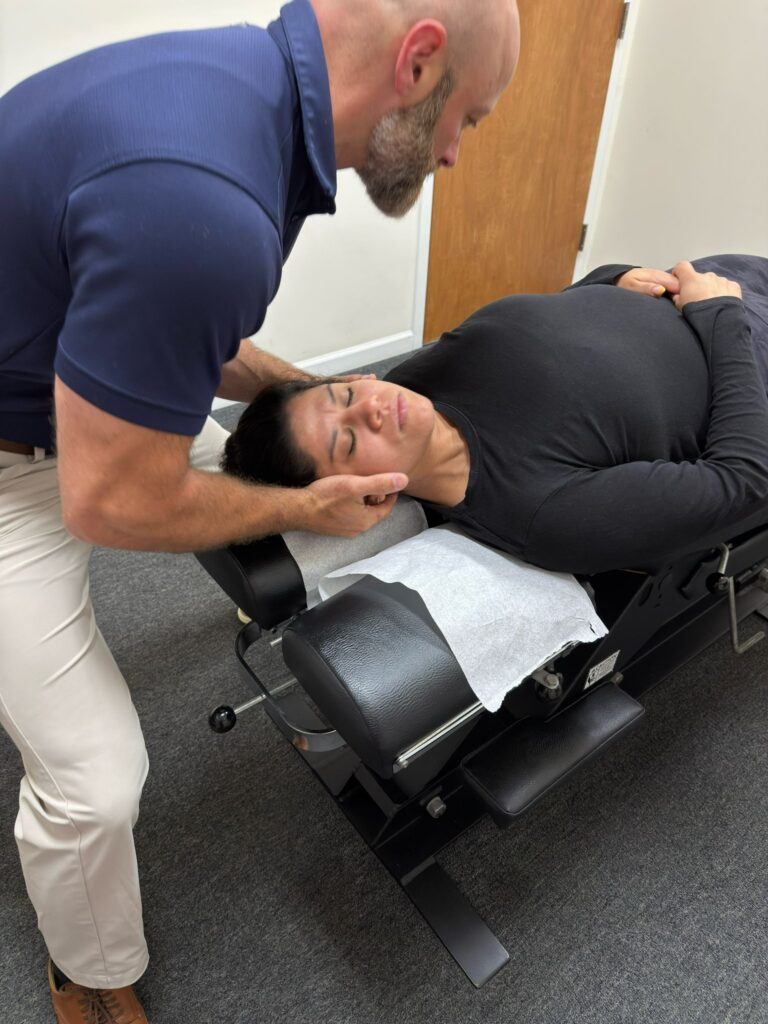
Chiropractic care is a powerful option for those suffering from migraines. It focuses on the alignment of the spine and the overall health of your nervous system, which can help alleviate tension and improve blood flow. Regular chiropractic adjustments can help reduce the frequency and severity of migraine attacks by relieving pressure on nerves and improving spinal function.
In addition to chiropractic care, here are some practical tips to help manage migraines:
- Stay Hydrated: Dehydration can be a major trigger for migraines. Make sure you’re drinking plenty of water throughout the day.
- Maintain a Healthy Diet: Certain foods can trigger migraines for some individuals. Keeping a food diary may help you identify your personal triggers. Opt for a balanced diet rich in fruits, vegetables, whole grains, and lean proteins.
- Manage Stress: Stress is a common migraine trigger. Techniques such as deep breathing, meditation, and gentle yoga can help reduce stress levels.
- Get Regular Sleep: Establishing a consistent sleep schedule can help regulate your body’s internal clock and reduce the likelihood of migraines.
- Exercise Regularly: Engaging in regular physical activity can help manage stress and improve overall health. Just be sure to consult with your chiropractor to find the best exercise routine for you.
- Consider Natural Remedies: Some people find relief with natural supplements like magnesium, riboflavin (vitamin B2), and coenzyme Q10. Always talk to your chiropractor before starting any new supplements.
By combining chiropractic care with these lifestyle changes, you can take significant steps towards managing your migraines naturally and effectively. Remember, the goal is to support your body’s natural healing processes and achieve optimal health. If you’re struggling with migraines, consider visiting a chiropractor to explore how spinal health can play a crucial role in your wellness journey.
Key Takeaways
- For immediate relief during a migraine attack, try applying peppermint oil to your temples. This can provide a soothing sensation. Additionally, using a cold compress can help alleviate pain naturally, allowing your body to relax.
- Drinking ginger tea is another excellent natural remedy. Ginger is known for its anti-inflammatory properties, which can help reduce migraine symptoms without the need for medications.
- While over-the-counter medications like ibuprofen or acetaminophen may provide temporary relief, they should be used sparingly. Frequent use can lead to rebound headaches, which makes it essential to explore natural options like chiropractic care for long-term solutions.
- Managing stress is crucial in preventing migraines. Techniques such as mindfulness, meditation, and deep breathing exercises can help you identify and reduce your migraine triggers. Chiropractic adjustments may also enhance your body’s ability to cope with stress, improving overall wellness.
- Establishing a consistent sleep schedule is vital for migraine prevention. Create a calming bedtime routine to enhance your sleep quality. Proper rest can significantly reduce the frequency of migraines, and regular chiropractic care can support better sleep by aligning your spine and relieving tension.
Remember, chiropractic care focuses on natural healing and wellness, helping you achieve optimal health without the need for drugs or invasive procedures. By incorporating these simple tips into your daily routine, you can take proactive steps toward managing migraines and enhancing your overall well-being.
Understanding Migraines: Triggers and Symptoms
Understanding migraines is crucial for managing them effectively, as they can significantly disrupt your daily activities. Migraines often have a variety of triggers that can differ from one person to another. Common triggers include stress, hormonal changes, certain foods, and environmental factors like bright lights or strong smells. Identifying your specific triggers is vital for prevention and may help reduce the frequency and severity of your migraines.
The symptoms of migraines usually involve intense, throbbing pain, often localized to one side of the head. They may be accompanied by nausea, vomiting, and heightened sensitivity to light and sound. Some individuals may also experience an aura—visual disturbances that can occur before the onset of pain. Keeping a migraine diary can be a useful tool to track your triggers and symptoms, helping you to recognize patterns over time.
As a chiropractor, I want to emphasize that chiropractic care can play a significant role in managing migraine symptoms. Misalignments in the spine can contribute to headaches and migraines, so regular chiropractic adjustments can help restore proper alignment, improve spinal function, and enhance overall well-being.
In addition to chiropractic care, here are some general tips for managing migraines naturally:
- Stay hydrated and maintain a balanced diet to avoid food-related triggers.
- Practice stress-reduction techniques such as deep breathing, yoga, or meditation.
- Ensure you’re getting enough sleep and maintain a consistent sleep schedule.
- Create a calming environment by reducing exposure to bright lights and loud noises when a migraine strikes.
By understanding your triggers and incorporating chiropractic care into your wellness routine, you can take proactive steps to minimize the impact of migraines on your life and enhance your overall health.
Lifestyle Changes for Migraine Prevention
Making simple lifestyle changes can significantly reduce the frequency of your migraines and improve your overall well-being. As a chiropractor, I believe that taking a holistic approach to health is essential for managing pain and promoting wellness. By focusing on your diet, managing stress, and improving your sleep habits, you can create a more migraine-friendly environment while also supporting your spine and nervous system.
Let’s explore some key modifications that can help keep those headaches at bay:
- Dietary Adjustments: Pay attention to the foods you consume. Certain trigger foods can contribute to migraines. Keeping a food diary can help you identify any patterns. Opt for a balanced diet rich in whole foods, such as fruits, vegetables, lean proteins, and whole grains. Staying hydrated is also crucial—make sure you’re drinking plenty of water throughout the day.
- Stress Management: Stress is a common trigger for migraines. Incorporating stress-relief techniques such as yoga, meditation, or deep-breathing exercises can be incredibly beneficial. Regular chiropractic adjustments can also help in reducing stress levels by improving spinal alignment and promoting relaxation.
- Sleep Hygiene: Quality sleep is vital for overall health and can play a significant role in migraine prevention. Establish a regular sleep schedule by going to bed and waking up at the same time each day. Create a relaxing bedtime routine, and make sure your sleep environment is comfortable and free of distractions.
- Chiropractic Care: Regular visits to your chiropractor can help maintain proper spinal alignment, which plays a crucial role in your nervous system’s functionality. Misalignments in the spine can contribute to tension and pain, potentially triggering migraines. Chiropractic adjustments can help alleviate tension, promote relaxation, and improve your overall health.
- Physical Activity: Engaging in regular physical activity can help reduce stress levels and improve sleep quality. Whether it’s a brisk walk, gentle stretching, or a more intense workout, find an activity you enjoy and make it a regular part of your routine.
By implementing these lifestyle changes and incorporating chiropractic care into your wellness plan, you can work towards a healthier, migraine-free life.
Diet Modifications for Relief
While many factors can trigger migraines, making thoughtful diet modifications can significantly enhance your overall health and wellness, particularly when combined with chiropractic care. As a chiropractor, I encourage my patients to pay close attention to their dietary choices as part of their journey toward optimal health.
Start by keeping a food diary to identify any potential triggers, such as aged cheeses, processed meats, or artificial sweeteners. Instead, aim to incorporate more fresh fruits, vegetables, whole grains, and lean proteins into your meals. These nutrient-rich foods not only support your body but can also contribute to reducing the frequency and intensity of migraines.
Staying hydrated is crucial for your overall well-being, so be sure to drink plenty of water throughout the day. Proper hydration helps maintain healthy bodily functions and can also play a role in minimizing migraine occurrences. Additionally, try to establish regular meal times to help keep your blood sugar levels stable, which is another factor that can help prevent migraine attacks.
Consider adding magnesium-rich foods like nuts and leafy greens to your diet, as magnesium has been shown to support overall health and may help in reducing migraine symptoms. Lastly, be aware of your caffeine intake; while some people find relief with it, for others, it might trigger or worsen migraines.
Combining these dietary tips with regular chiropractic care can lead to a more holistic approach to managing migraines. Chiropractic adjustments can help improve spinal alignment and reduce tension in the body, contributing to overall pain relief and enhanced wellness.
Stress Management Techniques
As a chiropractor, I understand that stress can be a significant trigger for migraines, and incorporating effective stress management techniques into your daily routine is vital for prevention. Start by identifying your stressors—whether they stem from work, relationships, or other commitments. Knowing what causes your stress allows you to address it directly.
One great way to manage stress is through mindfulness or meditation. Even dedicating just a few minutes each day to these practices can help clear your mind and promote relaxation. Deep breathing exercises are also incredibly effective; they can quickly soothe your nervous system and help you regain control during stressful moments.
Regular physical activity is another essential component of stress management. Activities such as walking, yoga, or even simple stretching can significantly reduce stress levels. Incorporating these practices into your routine not only boosts your mood but also supports your spinal health, which is vital for overall wellness.
Don’t forget to set boundaries and prioritize self-care in your life. Allow yourself time to engage in hobbies that you love, as these can provide a much-needed break from daily stressors.
Remember, managing stress effectively can contribute to your overall health and can be an important part of your migraine management strategy.
As a chiropractor, I encourage you to consider how spinal health plays a role in your overall well-being. Regular chiropractic adjustments can help reduce tension in the body and promote better stress management.
Sleep Hygiene Practices
Establishing good sleep hygiene is vital for reducing the frequency and intensity of migraines, and it can also enhance your overall wellness. As a chiropractor, I emphasize the connection between quality sleep and spinal health, as poor sleep can exacerbate tension and discomfort in your body.
To start, set a consistent sleep schedule by going to bed and waking up at the same time each day. This routine helps regulate your body’s internal clock and can lead to more restful nights.
Creating a restful environment is equally important; keep your bedroom dark, cool, and quiet to promote better sleep.
Limit exposure to screens at least an hour before bedtime, as the blue light emitted can disrupt your sleep cycle. Instead, consider reading a book or listening to soothing music to help wind down.
It’s also wise to avoid caffeine and heavy meals in the evening, as these can interfere with your ability to fall asleep.
Incorporating relaxation techniques, such as deep breathing or gentle stretching, can further enhance your sleep quality. These practices not only prepare your body for rest but also reduce tension in your muscles, which can alleviate migraine triggers.
If you find it difficult to fall asleep, don’t hesitate to explore natural methods to promote relaxation.
By prioritizing these sleep hygiene practices, you’ll not only improve your sleep but also support your spinal health and overall well-being.
Natural Remedies to Alleviate Migraine Pain
When you’re grappling with the intense pain of a migraine, it’s important to explore natural remedies that can provide relief while also promoting overall wellness. One effective approach is to incorporate peppermint oil into your routine. Applying a small amount to your temples and gently massaging it can create a soothing cooling sensation, which may help alleviate tension and discomfort.
Another excellent natural remedy is ginger tea. Known for its anti-inflammatory properties, ginger can help reduce nausea, often associated with migraines. Simply steep fresh ginger root in hot water for a calming drink that not only hydrates but also supports your body’s healing processes.
Speaking of hydration, remember that drinking plenty of water throughout the day is crucial for overall health and can help prevent migraines from occurring in the first place. Additionally, using a cold compress on your forehead can provide immediate relief; the cold can numb the pain and offer a sense of comfort.
It’s also beneficial to practice relaxation techniques regularly. Deep breathing exercises or meditation can help calm your mind and ease discomfort, contributing to a more relaxed state that may reduce the frequency of migraines.
While these natural remedies can be helpful, it’s essential to consider chiropractic care as a primary option for managing pain and promoting wellness. Chiropractors focus on aligning the spine and improving nervous system function, which can play a significant role in reducing migraine occurrences.
By incorporating chiropractic adjustments into your health routine, you may find not only relief from migraines but also a pathway to improved overall health.
Over-the-Counter Medications for Quick Relief
When it comes to seeking relief from migraine pain, many people turn to over-the-counter (OTC) medications, but it’s important to consider a more holistic approach to health and wellness. As a chiropractor, I believe that addressing the root causes of migraine symptoms can lead to more effective and lasting relief.
While common OTC options like ibuprofen, aspirin, and acetaminophen may provide temporary relief for some, they often come with the risk of overuse and rebound headaches. Instead, focusing on natural healing methods can be a more beneficial path. Chiropractic care, for instance, aims to restore proper spinal alignment and improve nerve function, which can significantly reduce the frequency and intensity of migraines.
In addition to regular chiropractic adjustments, there are several lifestyle tips you can incorporate into your daily routine to help manage migraine symptoms naturally:
- Stay Hydrated: Dehydration can trigger migraines, so make sure to drink plenty of water throughout the day.
- Maintain a Healthy Diet: Eating balanced meals and avoiding known food triggers can help keep migraines at bay.
- Manage Stress: Techniques such as deep breathing, yoga, or meditation can reduce stress, a common migraine trigger.
- Sleep Well: Establishing a regular sleep schedule can promote better rest and reduce the likelihood of migraines.
- Exercise Regularly: Gentle exercise, like walking or stretching, can improve circulation and reduce tension in the body.
If you find that you’re experiencing frequent migraines, it’s essential to consult with your chiropractor. They can work with you to develop a comprehensive plan tailored to your individual needs, helping you achieve optimal health and well-being without the reliance on medications.
Prescription Treatments for Chronic Migraines
If you’re struggling with chronic migraines and haven’t found relief through natural methods or over-the-counter medications, it’s important to consider holistic approaches that prioritize your overall well-being.
While some may turn to prescription medications, I want to emphasize the potential benefits of chiropractic care in managing migraines naturally. Chiropractic care focuses on the relationship between your spine and nervous system, which plays a crucial role in your health. Misalignments or tension in your spine can contribute to headache disorders, including migraines. Regular chiropractic adjustments can help realign your spine, reduce tension, and improve nerve function, potentially leading to fewer migraine episodes.
In addition to chiropractic adjustments, you can incorporate some lifestyle changes to support your health:
- Stay Hydrated: Dehydration can trigger migraines, so make sure you’re drinking plenty of water throughout the day.
- Practice Stress Management: Techniques such as yoga, meditation, or deep breathing exercises can help reduce stress, which is a common migraine trigger.
- Maintain a Consistent Sleep Schedule: Aim for regular sleep patterns to help your body function optimally.
- Keep a Food Diary: Identifying and avoiding potential food triggers can be beneficial. Common culprits include aged cheeses, processed meats, and artificial sweeteners.
- Exercise Regularly: Gentle, regular exercise can improve circulation and reduce tension. Activities like walking or swimming can be especially helpful.
- Consider Nutritional Support: Some patients find relief with magnesium or riboflavin supplements. Always consult with your healthcare provider before starting any new supplements.
Remember, each person’s experience with migraines is unique, and what works for one person mightn’t work for another.
Regular visits to your chiropractor can help tailor a wellness plan specifically for you, ensuring you find the most effective strategies for relief. Embrace a natural approach to health and consider chiropractic care as a primary method for achieving optimal wellness and reducing the frequency of migraines.
Alternative Therapies: Acupuncture and Massage
Exploring alternative therapies like acupuncture and massage can be beneficial for managing migraines, but as a chiropractor, I want to emphasize the importance of spinal health and chiropractic care in achieving optimal wellness.
Misalignments in the spine can contribute to tension and stress, which are common triggers for migraines. Regular chiropractic adjustments can help restore proper alignment, relieve pressure on nerves, and improve overall function of the nervous system.
This not only aids in reducing the frequency and intensity of migraines but also promotes better overall health and well-being. While acupuncture and massage therapy can provide temporary relief, chiropractic care addresses the root cause of migraine pain by focusing on spinal health.
By ensuring that your spine is aligned and functioning properly, you can create a solid foundation for long-lasting pain relief and health. In addition to chiropractic adjustments, consider incorporating some simple self-care tips into your routine.
Staying hydrated, practicing good posture, and managing stress through relaxation techniques can all contribute to fewer migraines. Remember, it’s always a good idea to consult with your chiropractor about any new treatments you’re considering, to ensure they align with your overall health plan.
The Importance of a Support System in Managing Migraines
Having a strong support system can significantly enhance your ability to manage migraines naturally and effectively. When you’re experiencing pain, having friends or family who understand your struggle can make all the difference. They can provide emotional support, help you identify potential triggers, and assist with daily tasks when you’re not feeling your best.
It’s important to communicate openly with your loved ones about your condition. This fosters empathy and understanding, reducing feelings of isolation. Your support network can also encourage you to stay committed to natural healing practices, remind you to take breaks, or even join you in relaxation exercises that promote wellness.
In addition to leaning on family and friends, connecting with others who also experience migraines can be incredibly beneficial. Support groups—whether in-person or online—create a sense of community and shared experience. These connections can offer valuable insights and practical tips for managing migraines without the need for medications or invasive procedures.
Chiropractic care is an excellent option for those seeking natural pain relief and overall wellness. Regular chiropractic adjustments can help alleviate tension in the spine and improve nerve function, which may contribute to a reduction in migraine frequency and intensity.
Additionally, incorporating lifestyle changes such as proper hydration, a balanced diet, regular exercise, and stress management techniques can enhance your overall health and help you manage migraines more effectively.
Conclusion
Incorporating a mix of lifestyle changes, natural remedies, and chiropractic care can greatly enhance your migraine relief efforts. Understanding your triggers and adopting stress management techniques are essential steps in taking control of your health. Chiropractic care focuses on spinal alignment and overall wellness, which can help reduce the frequency and intensity of migraine attacks.
By visiting a chiropractor, you can benefit from specialized adjustments that not only alleviate pain but also improve your nervous system function, which plays a crucial role in managing migraines. Additionally, consider incorporating relaxation techniques such as yoga or meditation into your routine to further support your body’s natural healing processes.
Don’t forget the importance of a strong support system. Sharing your experiences with friends, family, or a wellness community can provide encouragement and practical tips for managing migraines. With the right approach and the holistic benefits of chiropractic care, you can take control of your migraines and enhance your overall quality of life. Embrace healthier living, and remember that natural healing is within your reach!