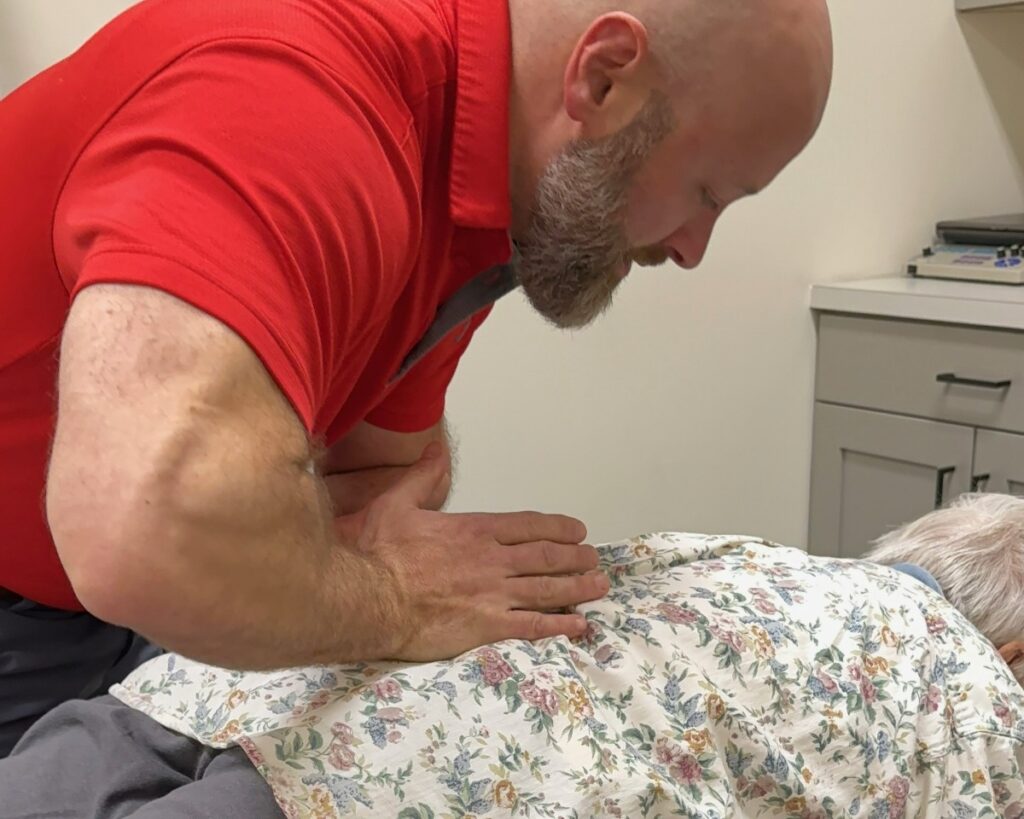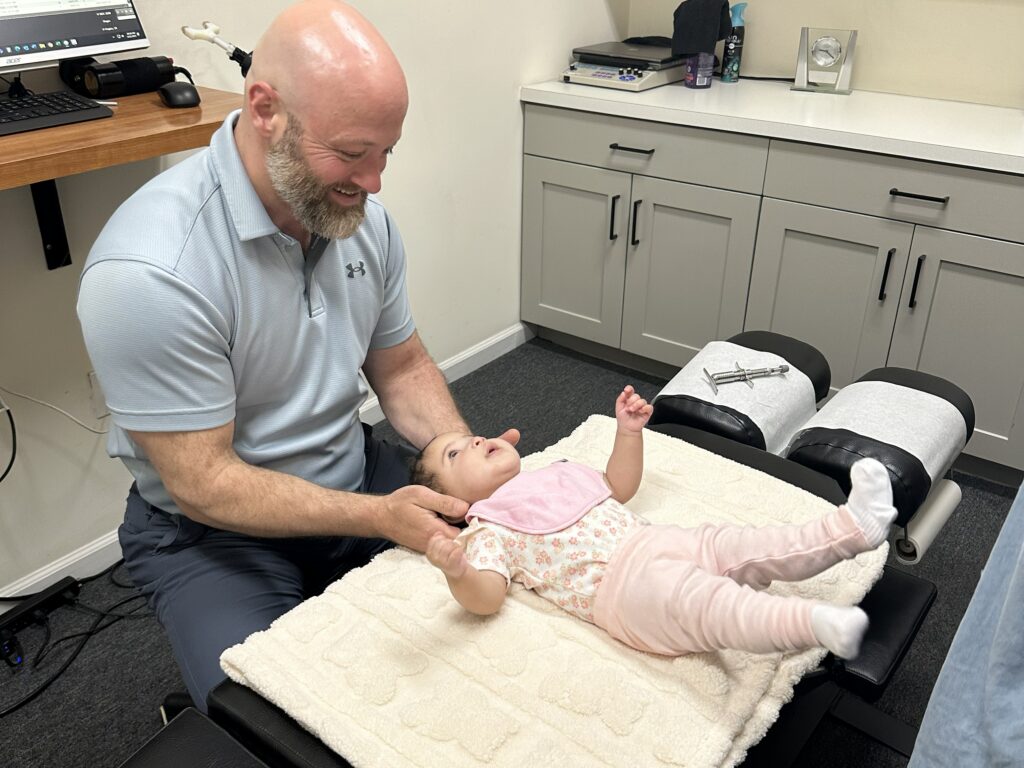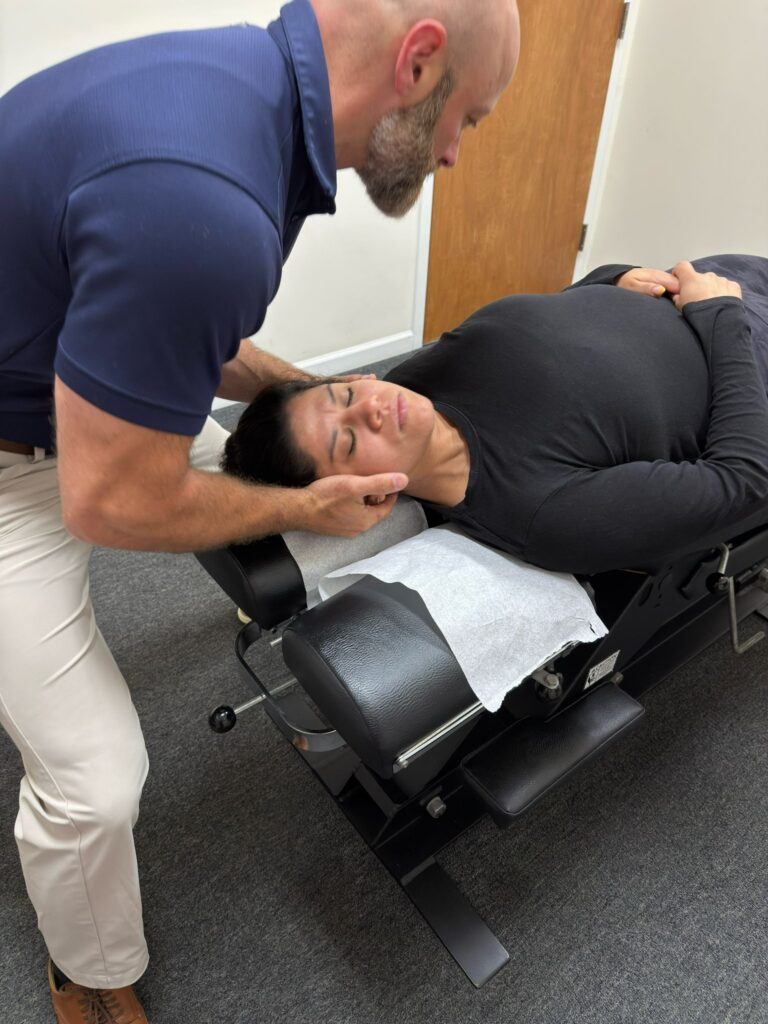

As a local chiropractor, I often see patients who may not fully understand how crucial joint flexibility is to their daily life and overall well-being. It's important to recognize that our joints play a vital role in how we move and function. By gaining insight into the anatomy of your joints and utilizing effective stretching techniques, you can not only enhance your movement but also significantly reduce the risk of injury.
Moreover, nutrition is an essential component of joint health that many overlook. A well-balanced diet can support your joints in ways you might not expect. Additionally, incorporating mindful practices into your routine can help you become more attuned to your body's needs, allowing you to respond proactively to any discomfort you may experience.
Imagine being able to lead a more active lifestyle with just a few simple adjustments! As your chiropractor, I'm here to guide you on this journey toward improved joint health and mobility. Together, we can explore various strategies that can help you feel your best and move freely. Let's work together to unlock the potential of your body!
Importance of Joint Flexibility
As a local chiropractor, I want to emphasize the vital role that joint flexibility plays in maintaining an active and healthy lifestyle. When your joints are flexible, you can move freely, perform daily tasks with ease, and participate in physical activities without discomfort. Improved joint flexibility can lead to significant enhancements in your overall mobility, which can boost your performance in sports and fitness routines.
One of the key benefits of flexible joints is a reduced risk of injury. When your joints are limber, they can better absorb shock during high-impact activities, which helps minimize the likelihood of sprains or strains. Additionally, flexibility is crucial for maintaining balance and coordination—essential elements for preventing falls, particularly as we age.
Moreover, good joint flexibility contributes to better posture. When your joints function efficiently, your body can align itself more effectively, which reduces strain on your muscles and ligaments. This alignment can alleviate discomfort and prevent chronic pain, allowing you to enjoy life without being limited by physical challenges.
In my practice, I often recommend incorporating flexibility exercises like stretching or yoga into your routine. These activities not only help maintain and improve joint flexibility over time but also promote better blood flow and circulation, further supporting joint health.
Ultimately, prioritizing joint flexibility isn't just about enhancing your physical performance; it's about ensuring that you can enjoy all aspects of life with ease and comfort.
Understanding Joint Anatomy
As a local chiropractor, I want to help you understand the important role our joints play in movement and flexibility. Joints are the connections between our bones, and they allow us to perform everyday activities with ease. By learning about joint anatomy, you can better appreciate how to care for your joints and improve their function naturally.
Let's break down the three main components of joint anatomy that are crucial for your joint health:
- Cartilage: Think of cartilage as a protective cushion that covers the ends of your bones at the joints. It helps reduce friction and absorbs shock during movement, which is essential for pain-free mobility. Keeping your cartilage healthy is key to staying active and avoiding discomfort.
- Synovial Fluid: This lubricating fluid is found within the joint capsule and plays a vital role in nourishing the cartilage. It also helps minimize wear and tear on your joints. Ensuring that your synovial fluid is functioning well is important for maintaining joint health and smooth movement.
- Ligaments and Tendons: Ligaments are the connective tissues that link bones to one another, while tendons connect muscles to bones. Both provide essential stability and support, allowing your joints to operate smoothly during various activities.
Effective Stretching Techniques
As a local chiropractor dedicated to helping you achieve optimal joint flexibility, I want to emphasize the importance of effective stretching techniques in your wellness journey. Understanding these methods can significantly enhance your movement and overall health.
First, let's talk about dynamic stretching. This technique involves active movements that help prepare your muscles and joints for activity. Incorporating dynamic stretches into your warm-up routine can increase blood flow, improve range of motion, and reduce the risk of injury.
Next, static stretching is essential for enhancing flexibility and promoting relaxation. It involves holding stretches for a period, allowing your muscles to lengthen and recover. Following specific guidelines for static stretches can maximize their benefits and ensure you perform them safely.
Additionally, mobility exercises are crucial for maintaining joint health. These exercises focus on improving the range of motion in your joints and can be easily integrated into your daily routine.
Each of these methods offers unique advantages that can enhance your overall movement care. As your chiropractor, I encourage you to explore these stretching techniques to support your body's natural healing process and achieve greater flexibility.
Together, we can work towards a healthier, more active lifestyle.
Dynamic Stretching Benefits
As a local chiropractor, I want to share with you the importance of dynamic stretching and how it can play a vital role in your overall health and wellness.
Unlike static stretches, which hold a position, dynamic stretching involves active movements that not only increase your range of motion but also prepare your body for movement. By incorporating dynamic stretching into your routine, you can experience numerous benefits that contribute to natural healing and improved physical performance.
- Improved Mobility: Dynamic stretches engage your joints through a full range of motion, enhancing both joint mobility and flexibility. This is particularly important for activities that require agility and coordination, helping you move more freely and comfortably.
- Increased Blood Flow: When you perform dynamic stretching, your heart rate increases, leading to better circulation. This ensures that your muscles receive the oxygen they need to function optimally. Proper blood flow prepares your body for more intense physical activities and significantly reduces the risk of injury.
- Enhanced Performance: By activating the specific muscles you'll use during your workout or sport, dynamic stretching can help improve your overall performance. This means you can expect better results in various activities, whether you're running, dancing, or engaging in sports.
As you consider your path to wellness, remember that incorporating dynamic stretching into your warm-up routine is an excellent way to keep your joints and muscles in top condition.
It not only promotes flexibility and mobility but also aligns with a natural approach to health that we advocate in chiropractic care.
Static Stretching Guidelines
As a chiropractor dedicated to your overall health and well-being, I want to emphasize the importance of incorporating static stretching into your fitness routine, especially after warming up with dynamic stretches. This practice is crucial for promoting recovery and enhancing flexibility, which ultimately supports your body's natural healing processes.
Static stretching plays a significant role in elongating your muscles and improving your overall range of motion. To begin, identify a specific muscle group you wish to focus on, such as your hamstrings or shoulders. When performing these stretches, aim to hold each position for about 15 to 30 seconds. It's important to feel a gentle pull in your muscles without experiencing any pain.
Remember to breathe deeply and relax into each stretch; this not only enhances flexibility but also helps your muscles release built-up tension. I advise against bouncing or making any jerking movements during your stretches, as these can lead to injuries and counteract the benefits of your efforts. Maintaining proper form is essential; for example, when stretching your hamstrings, it's important to keep your back straight and hinge at the hips to avoid strain.
The best time to perform static stretches is after your workout when your muscles are warm and more pliable. This timing maximizes the effectiveness of the stretches and reduces the risk of strains or injuries.
It's also beneficial to incorporate a variety of stretches to target different muscle groups throughout your body. Always listen to your body—if a stretch doesn't feel right, feel free to adjust your position or skip it altogether.
Regularly practicing static stretching can significantly enhance your flexibility and support your body's recovery process, making it an essential component of your wellness routine. As your chiropractor, I encourage you to make static stretching a consistent part of your health regimen to promote a balanced and well-functioning body.
Incorporating Mobility Exercises
As a local chiropractor dedicated to your health and wellness, I want to share the importance of mobility exercises for enhancing joint flexibility and improving your overall movement quality.
These exercises are vital not only for accessing your body's full potential but also for boosting your performance and minimizing the risk of injury. Here are three effective mobility exercises I recommend incorporating into your routine:
- Hip Circles: Begin by standing on one leg, lifting the opposite knee to hip height. From this position, rotate your knee in a circular motion, which will engage your hip joint. Perform ten circles in each direction before switching legs. This exercise helps maintain hip flexibility, which is crucial for daily activities and overall mobility.
- Thoracic Spine Rotation: Find a comfortable seated position on the ground with your legs crossed. Place one hand on the ground behind you and the other hand on your knee. Gently twist your torso towards the hand on the ground while taking deep breaths. Hold this position for a few seconds, then switch sides. This exercise is excellent for improving spinal mobility and promoting better posture.
- Ankle Dorsiflexion: Stand with one foot flat on the ground. Bend your knee forward while keeping your heel down, feeling a stretch in your calf. Repeat this motion ten times on each foot. This simple exercise can significantly enhance ankle flexibility, which is essential for maintaining balance and stability.
Incorporating these mobility exercises into your daily routine is a great way to ensure that your joints remain flexible and your movements stay fluid.
Remember, consistency is key! By making these exercises a regular part of your regimen, you'll be taking proactive steps toward better health and mobility.
If you have any questions or need guidance on these exercises, don't hesitate to reach out during your next visit!
Strengthening Supporting Muscles
As your local chiropractor, I want to emphasize the importance of strengthening the muscles that support your joints for maintaining their health.
Incorporating specific exercises into your daily routine can significantly enhance the stability and support of your joints. It's crucial to remember that proper nutrition plays a vital role in fueling those muscles, too.
By focusing on both strength training and a balanced diet, you're not just improving your physical strength; you're also paving the way for better movement and flexibility.
Together, we can work towards a holistic approach to your wellness that promotes natural healing and overall joint health.
Importance of Muscle Strength
As a local chiropractor, I want to emphasize the importance of strengthening your supporting muscles for maintaining joint flexibility and overall movement health.
When your muscles are strong, they serve as a protective barrier for your joints, significantly reducing the risk of injury during your daily activities. By prioritizing muscle strength, you can enhance your mobility and improve your quality of life.
Here are three key reasons why muscle strength is vital for your well-being:
- Joint Stability: Strong muscles provide essential stability to your joints, ensuring they remain properly aligned during movement. This proper alignment minimizes wear and tear, promoting long-term joint health and reducing the likelihood of pain or discomfort.
- Enhanced Performance: Whether you're walking, running, or lifting objects, having strong muscles leads to more efficient movement. You'll likely experience increased endurance and less fatigue, making everyday tasks simpler and more enjoyable.
- Injury Prevention: By strengthening your supporting muscles, you can effectively prevent injuries. Strong muscles absorb shock and reduce stress on your joints, helping to counterbalance any weaknesses. This means you can stay active and agile, reducing the risk of common injuries that can disrupt your daily life.
Incorporating strength training into your routine can significantly benefit your overall health and well-being.
As your chiropractor, I'm here to guide you on this journey toward a stronger, healthier you.
Exercises for Joint Support
As a local chiropractor, I want to share with you how specific exercises can significantly enhance your joint support and overall well-being.
It's essential to focus on strengthening the muscles that stabilize and protect your joints, as they play a crucial role in maintaining joint health.
I recommend starting with bodyweight exercises such as squats and lunges. These movements not only engage your leg muscles but also provide support to your knees and hips.
For the upper body, exercises like push-ups or using resistance bands can effectively strengthen your shoulders and arms, which are vital for joint stability.
Don't overlook your core! Engaging in core exercises such as planks and bridges is fundamental, as a strong core helps stabilize your spine, reducing strain on your joints.
Flexibility is another key aspect of joint health. Incorporating stretches like hamstring and quadriceps stretches into your routine can enhance muscle function and improve your range of motion in the joints.
I suggest aiming for at least two to three strength training sessions each week, ensuring you target all major muscle groups.
It's important to listen to your body; if you experience discomfort, consider modifying the movements or consulting with a professional like myself.
By consistently practicing these exercises, you'll build a solid foundation, protect your joints, and improve your overall mobility.
Role of Proper Nutrition
As a local chiropractor, I want to emphasize the vital role that proper nutrition plays in maintaining healthy joints and supporting your overall well-being. Many people may not realize that the right nutrients can significantly enhance your joint health and mobility.
A well-balanced diet not only fuels your body but also aids in muscle repair and growth, which is crucial for providing strong support around your joints.
Let's explore three essential nutritional components that can make a difference:
- Protein: It's important to include lean sources of protein in your diet, such as chicken, fish, beans, and legumes. Protein is key for repairing and building muscles, which helps keep the muscles surrounding your joints strong and resilient.
- Omega-3 Fatty Acids: These beneficial fats, found in fatty fish, flaxseeds, and walnuts, have powerful anti-inflammatory properties. They can help reduce joint pain and stiffness, thereby promoting better movement and comfort in your daily activities.
- Vitamins and Minerals: Ensure you're getting an adequate supply of essential nutrients like calcium, vitamin D, and magnesium. These are vital for maintaining bone health and supporting muscle function, providing the necessary foundation for your joints to thrive.
By focusing on these nutritional components, you can support not only your joints but also your overall health.
Nutritional Support for Joints
As a local chiropractor, I want to share some valuable insights on how the right nutrients can significantly improve your joint health and flexibility.
It's essential to understand that a holistic approach to wellness involves not just chiropractic adjustments but also proper nutrition.
One of the key elements to focus on is omega-3 fatty acids, which you can find in foods like fatty fish such as salmon, walnuts, and flaxseeds.
These healthy fats are known to help reduce inflammation, which can alleviate stiffness and discomfort in your joints. Including these in your diet can complement the adjustments I make during your visits.
Another vital component for joint and bone health is vitamin D and calcium.
Vitamin D can be obtained from fortified foods and, of course, sunlight. Calcium is abundant in dairy products, leafy greens, and almonds. Ensuring you're getting enough of these nutrients is crucial, as strong bones support healthy joints.
Antioxidants also play a key role in maintaining your joint health.
Foods high in vitamin C, such as oranges, strawberries, and bell peppers, help protect your joints from oxidative stress. Additionally, vitamin E, found in nuts and seeds, can further reduce inflammation and improve your joint mobility.
Don't overlook the importance of collagen, a protein that's vital for maintaining the structure of cartilage in your joints.
You can boost your collagen intake by consuming bone broth or considering collagen supplements. Another natural anti-inflammatory ally is turmeric, particularly its active compound curcumin. Adding turmeric to your meals can't only enhance flavor but also offer support to your joints.
Lastly, staying hydrated is crucial.
Drinking plenty of water helps ensure your joints remain lubricated, which is essential for smooth movement. As your chiropractor, I encourage you to make these dietary adjustments alongside your chiropractic care.
Together, we can create a strong foundation for healthier, more flexible joints, leading to an overall improved quality of life.
Incorporating Mindfulness Practices
As a local chiropractor, I often see how the power of mindfulness practices can be overlooked when it comes to enhancing joint flexibility and overall movement care. By incorporating mindfulness into your daily routine, you can develop a deeper awareness of your body and its movements, which can lead to improved flexibility and reduced tension.
Here are three effective mindfulness practices that can significantly benefit your joint care:
- Body Scan Meditation: I recommend taking a few minutes each day to perform a body scan. Find a comfortable position, either sitting or lying down, and close your eyes. Begin by mentally focusing on each part of your body, starting from your toes and moving up to your head. Pay close attention to any sensations or areas of tension you may notice. This practice can help you identify where you might be holding stress, enabling you to release it and promote greater flexibility.
- Mindful Stretching: When it comes to stretching, I encourage you to practice mindfully rather than rushing through your routine. Focus on your breath and the sensations in your joints as you move. Take time to notice how your body feels during each stretch, and adjust your movements to suit your comfort. This mindful approach can enhance your body's responsiveness and help prevent injuries.
- Breath Awareness: Integrating breath awareness into your daily activities is another valuable practice. Whether you're walking, sitting, or stretching, take a moment to focus on your breath. Engaging in deep, intentional breathing can help relax your muscles and increase the range of motion in your joints, contributing to better overall movement quality.
By incorporating these mindfulness practices into your lifestyle, you can support your joint health and enhance your overall well-being.
Lifestyle Changes for Better Mobility
As a local chiropractor, I want to share some important lifestyle changes that can significantly improve your mobility and overall well-being. While many people mightn't be familiar with chiropractic care, I believe that understanding these principles can empower you to take charge of your health.
First and foremost, incorporating regular physical activity into your daily routine is crucial. Aim for at least 150 minutes of moderate exercise each week. Focus on activities that enhance flexibility, strength, and endurance. Simple exercises like walking, swimming, or practicing yoga can work wonders for your joint function and mobility. Remember, movement is medicine!
Nutrition is another key player in maintaining optimal joint health. A balanced diet filled with anti-inflammatory foods—such as fresh fruits, vibrant vegetables, whole grains, and healthy fats—can do wonders for your body. Omega-3 fatty acids, found in foods like fish and flaxseeds, are particularly helpful for reducing inflammation.
And don't forget to stay hydrated! Proper hydration is essential for keeping your joints lubricated and functioning well.
Good posture is vital for avoiding unnecessary strain on your joints and muscles. I encourage you to be mindful of your posture throughout the day. Practice sitting and standing with proper alignment to support your spine and body.
If you spend long hours at a desk, consider investing in ergonomic furniture to help maintain good posture. Taking regular breaks to stretch and move around will also help prevent stiffness and discomfort.
Quality sleep is another pillar of good mobility. Aim for 7-9 hours of uninterrupted sleep each night, allowing your body the necessary time to recover and rejuvenate.
Additionally, managing stress is crucial; chronic stress can lead to muscle tension and exacerbate joint pain. I recommend engaging in relaxation techniques, such as deep breathing exercises or meditation, to keep your stress levels under control.
When to Seek Professional Help
As a local chiropractor, I understand that recognizing when to seek professional help for joint issues can be daunting, especially if you're unfamiliar with chiropractic care and natural healing.
Maintaining your mobility and overall well-being is essential, and knowing the right time to consult a healthcare professional is crucial. While occasional discomfort or stiffness might seem normal, distinguishing between typical aches and more significant concerns is vital.
Here are three key signs that indicate it's time to reach out for professional support:
- Persistent Pain: If you're experiencing joint pain that lingers for more than a few days or seems to be getting worse, don't overlook it. Chronic pain could be a signal of underlying conditions, such as arthritis or tendonitis, which can benefit significantly from chiropractic assessment and treatment.
- Swelling and Inflammation: If you notice swelling or warmth around a joint, this often indicates inflammation. Especially if these symptoms are accompanied by fever or redness, it's important to get a professional evaluation. These signs may suggest infections or autoimmune issues that require attention from a healthcare provider who understands how to address them through natural healing methods.
- Limited Range of Motion: Difficulty performing daily activities due to joint stiffness or a reduced range of motion is a strong indicator that it's time to seek help. Whether stemming from injuries or degenerative diseases, these limitations can often be improved through chiropractic care, which focuses on restoring mobility and function.
If you recognize any of these signs in yourself, don't hesitate to reach out to a chiropractor.
We specialize in holistic approaches that can enhance your quality of life and support your joint health naturally. Early intervention can make all the difference in your healing journey, so take the proactive step towards better health today!
Conclusion
As a local chiropractor, I want to share with you some effective strategies that can significantly improve your joint flexibility and overall movement. It's essential to understand the vital role that joint care plays in your health. By incorporating effective stretching techniques and strengthening exercises into your routine, you can promote better mobility and reduce the risk of injuries.
Nourishing your body with the right nutrients is equally important, as it supports joint health and function. Additionally, I encourage you to practice mindfulness to help you stay connected with your body and its needs. If you ever experience persistent discomfort, please don't hesitate to reach out for professional help. I'm here to guide you on your journey to improved joint health and an active lifestyle through chiropractic care and natural healing methods. Your body deserves the best care, and together we can achieve optimal wellness!