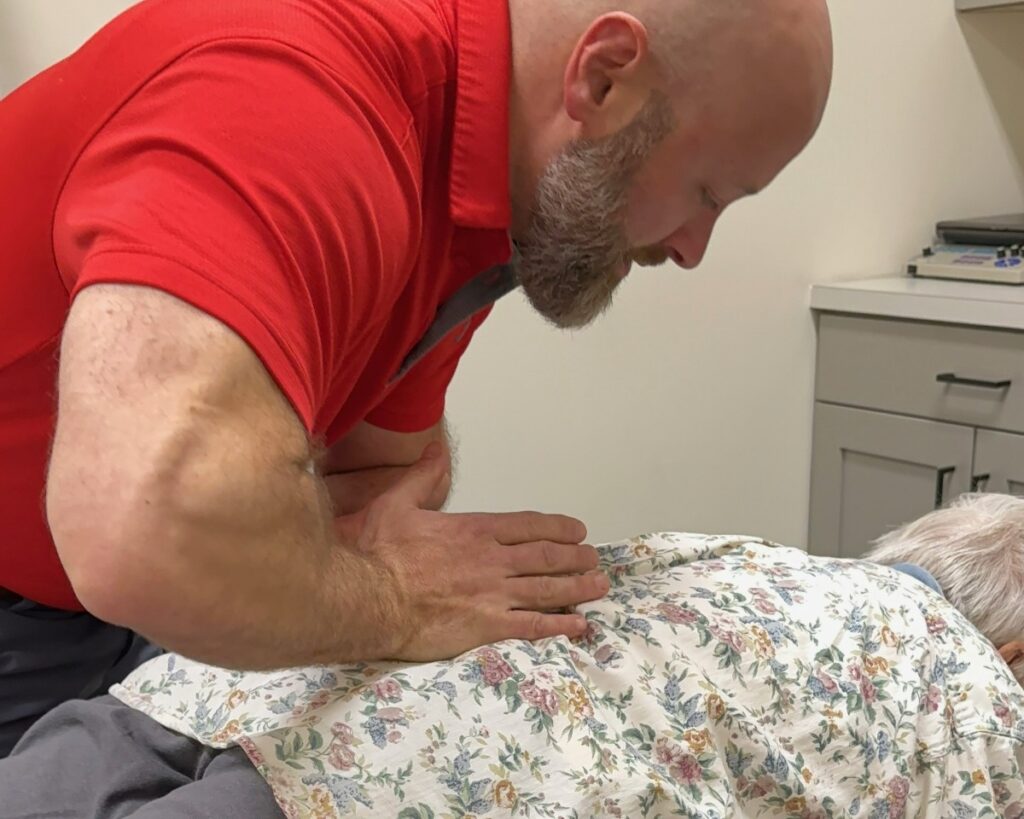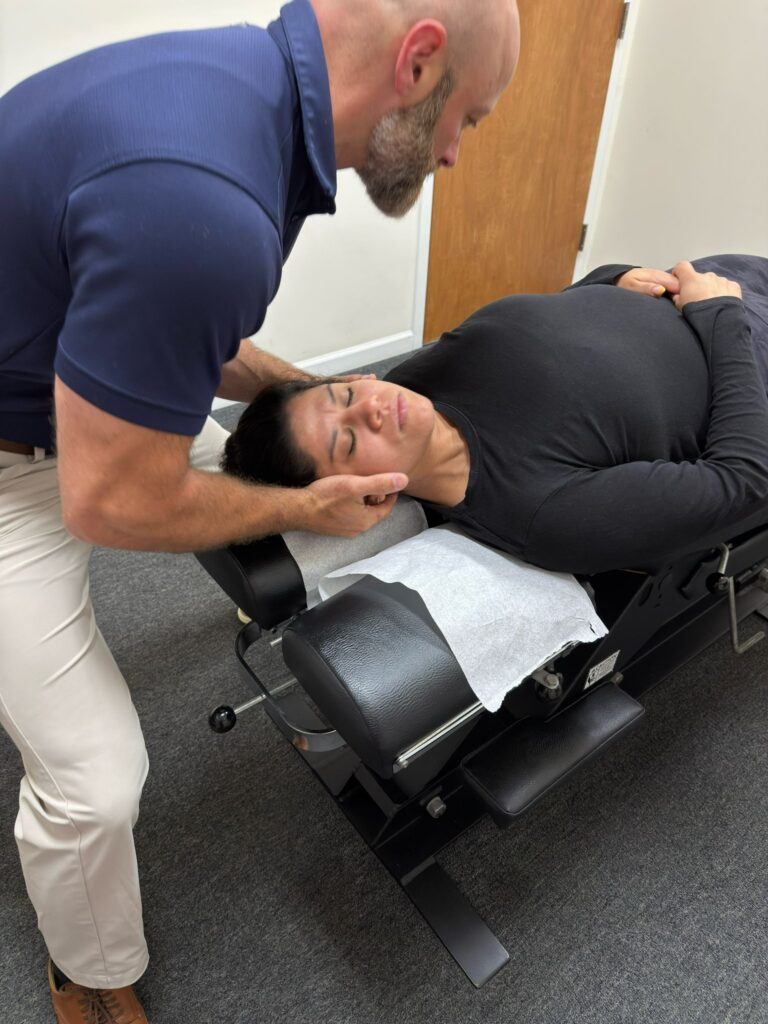

When it comes to maintaining lasting back health, understanding the basics can truly make a significant impact on your spine’s well-being. Many people may not realize how their daily habits directly affect their back health. Incorporating core-strengthening exercises and learning proper lifting techniques are just a couple of the effective strategies you can adopt. It’s crucial to be mindful of your posture and everyday lifestyle choices, as they play a pivotal role in your overall wellness.
As a chiropractor, I want to share some essential tips that can lead to lasting relief and improve your quality of life. Here are some simple adjustments you can make:
- Practice Good Posture: Whether you’re sitting, standing, or lifting, maintaining good posture is vital. Keep your shoulders back and your spine aligned to reduce strain on your back.
- Strengthen Your Core: A strong core supports your spine. Incorporate exercises like planks, bridges, and gentle yoga to build strength and stability in your abdominal muscles.
- Lift Smart: Use your legs, not your back, when lifting heavy objects. Bend at the knees, keep the object close to your body, and avoid twisting your torso.
- Stay Active: Regular physical activity keeps your back muscles strong and flexible. Aim for at least 30 minutes of moderate exercise most days of the week.
- Listen to Your Body: Don’t ignore pain. If something doesn’t feel right, take a break and assess the situation. Early intervention can prevent further issues.
- Seek Chiropractic Care: Regular visits to a chiropractor can help maintain proper alignment, relieve pain, and promote natural healing. Chiropractic care is a safe and effective way to enhance your overall health and well-being.
By implementing these tips and prioritizing your spinal health, you can take proactive steps towards achieving lasting relief. Remember, small changes can lead to significant improvements. Embrace a healthier lifestyle today, and your back will thank you for years to come!
Key Takeaways
Essential Tips for Lasting Back Health
As your local chiropractor, I want to share some simple yet effective tips to help you maintain a healthy spine and overall well-being. By focusing on natural methods, we can achieve optimal health without the need for invasive treatments or medications. Here are some key strategies to keep your back in great shape:
- Practice Good Posture: Whether you’re sitting at a desk or standing, maintaining proper posture is crucial. This helps prevent spinal misalignment and discomfort in the long run. Remember to keep your shoulders back, your head aligned with your spine, and your feet flat on the floor while sitting.
- Engage Your Core: When lifting objects, use your core muscles to support your spine. This reduces strain on your back and helps prevent injuries. Try to bend your knees and lift with your legs rather than your back to protect your spine.
- Stay Active and Stretch: Regular physical activity and stretching are essential for enhancing flexibility and strengthening your back muscles. Simple exercises like walking, yoga, or gentle stretching can make a big difference in how your back feels.
- Invest in Ergonomics: Using ergonomic furniture, such as supportive chairs and properly positioned computer screens, can significantly improve your spinal alignment. Make sure your workspace is set up to encourage good posture and comfort.
- Seek Chiropractic Care: If you’re experiencing persistent pain or discomfort, consider visiting a chiropractor. Chiropractic adjustments focus on restoring proper alignment and function to your spine, promoting natural healing and pain relief without the need for medications or surgeries.
By incorporating these tips into your daily routine, you can take proactive steps toward maintaining a healthy back. Remember, chiropractic care is a fantastic option for achieving lasting wellness and addressing any pain you may be experiencing. Let’s work together to keep your spine healthy and your body feeling great!
Understanding the Anatomy of Your Back
Understanding the Anatomy of Your Back: A Guide to Natural Healing and Wellness
Your back is a remarkable structure made up of bones, muscles, ligaments, and nerves, all working together to support your body and allow for movement. At the core of this system is your spine, which consists of 33 vertebrae. This backbone not only protects your spinal cord but also provides the flexibility needed for daily activities. Intervertebral discs, which sit between each vertebra, act like shock absorbers, cushioning your spine during movements like walking, lifting, and bending.
The muscles in your back, such as the latissimus dorsi and trapezius, are crucial for movement and maintaining good posture. Ligaments play a vital role by connecting the bones and stabilizing the spine, while nerves transmit essential signals between your brain and body, controlling sensations and muscle contractions.
Understanding the anatomy of your back can help you appreciate how vital it’s for your daily life. By prioritizing the health of your back, you can prevent injuries and maintain an active lifestyle. Here are some simple tips to keep your back healthy:
- Stay Active: Engage in regular exercise that strengthens your back muscles. Simple activities like walking, swimming, or yoga can greatly benefit your spinal health.
- Maintain Good Posture: Be mindful of your posture when sitting, standing, or lifting. Keeping your spine aligned will reduce strain and help prevent discomfort.
- Stay Hydrated: Drinking plenty of water helps keep your intervertebral discs hydrated and functioning properly.
- Listen to Your Body: If you feel discomfort, don’t ignore it. Seek chiropractic care to address any issues before they become more serious.
Chiropractic care is an excellent choice for achieving optimal health and natural pain relief. By focusing on spinal alignment and overall wellness, chiropractic can help you maintain a healthy back and improve your quality of life. Remember, your back’s intricate design is essential for your overall well-being and mobility, and with the right care, you can enjoy a pain-free, active lifestyle.
The Importance of Ergonomics in Daily Life
While many people overlook ergonomics, it’s crucial for promoting back health and overall well-being in our daily lives. As a chiropractor, I want to emphasize how proper ergonomic practices can help you achieve optimal health and pain relief naturally. By setting up your workspace and home environment correctly, you can significantly reduce strain on your back and enhance your quality of life.
Start with your chair—ensure it provides adequate support for your lower back. Your feet should rest flat on the floor to maintain a stable base. Position your computer screen at eye level to avoid unnecessary neck strain, which can lead to discomfort over time.
When lifting objects, always remember to use your legs instead of your back. Keep the load close to your body to minimize strain on your spine. Pay attention to your posture, whether you’re sitting or standing; slouching can lead to long-term discomfort and misalignment.
If you spend long hours at a desk, I recommend taking regular breaks to stretch and move around. Simple stretches can relieve tension and prevent stiffness, allowing your body to stay agile.
Incorporating these ergonomic practices into your daily routine can greatly enhance your spinal health and overall wellness. Remember, chiropractic care is an excellent choice for addressing pain and promoting natural healing. By focusing on your posture and ergonomics, you’re taking significant steps toward a healthier lifestyle.
Exercises to Strengthen Your Core
Strengthening your core is a vital step towards maintaining a healthy back and achieving overall stability. A strong core not only supports your spine but also plays a crucial role in reducing the risk of injuries and discomfort. As a chiropractor, I can’t emphasize enough the importance of core strength in promoting natural healing and wellness.
Start your journey with planks; aim to hold a straight position for about 30 seconds. This exercise builds endurance in your core muscles. Don’t forget to add side planks to target your obliques; hold each side for 20-30 seconds to enhance stability.
Incorporating bridges into your routine is another excellent way to activate your glutes and lower back. To perform a bridge, simply lie on your back with your knees bent, and lift your hips while squeezing your glutes. This movement not only strengthens your core but also supports better spinal alignment. Pelvic tilts are also beneficial; they help with mobility and improve your overall stability.
Lastly, consider adding bird-dog exercises to engage both your core and back muscles. Start on your hands and knees, extend one arm and the opposite leg, and then switch sides. Aim for 10-15 repetitions on each side. Consistently practicing these exercises can significantly enhance your core strength and support your back health.
Stretching Techniques for Flexibility
Core strength is essential for flexibility and plays a vital role in maintaining a healthy back. To enhance your flexibility naturally, consider adding dynamic and static stretching to your routine. Begin with dynamic stretches, such as arm circles and leg swings. These movements help warm up your muscles and prepare your body for activity.
Once your muscles are warmed up, transition to static stretches. Focus on key areas such as your hamstrings, quadriceps, and back muscles. Hold each stretch for at least 20-30 seconds, breathing deeply and allowing your body to relax into the stretch. Remember, there’s no need to rush—ease into each position to prevent injury.
Incorporating practices like yoga or Pilates can also significantly improve your flexibility while enhancing balance and core strength. I recommend stretching at least three times a week. Pay attention to your body; if something doesn’t feel right, it’s important to adjust or back off.
Regular stretching can lead to improved flexibility, which is beneficial for better posture and can help reduce back pain. Additionally, chiropractic care can support your journey to optimal health, offering natural pain relief and promoting overall wellness. By combining stretching with regular chiropractic adjustments, you can enhance your flexibility, support your spine, and contribute to a healthier, more vibrant life.
Proper Lifting Techniques to Avoid Injury
When lifting heavy objects, it’s crucial to engage your core muscles. This provides the stability and support your spine needs to stay healthy. Maintaining a neutral spine alignment is key, as it helps prevent unnecessary strain on your back. Instead of just using your back, remember to engage your legs, which are much stronger and can significantly reduce your risk of injury.
Incorporating proper lifting techniques into your daily routine not only helps prevent injury but also promotes better spinal health. If you’re experiencing discomfort or pain, consider seeking chiropractic care. A chiropractor can provide personalized guidance on lifting techniques and help ensure your spine is properly aligned for optimal health.
Here are some general tips to keep in mind:
- Plan Your Move: Before lifting, visualize the process and make sure the path is clear.
- Stand Close to the Object: Position yourself as close as possible to the object to reduce strain.
- Bend at the Hips and Knees: This keeps your back straight while using the power of your legs to lift.
- Keep the Load Close: Holding the object close to your body can help maintain balance and reduce stress on your back.
- Use Smooth Movements: Avoid twisting or jerking motions, which can lead to injury.
Engage Your Core Muscles
Engaging your core muscles is a fundamental aspect of safe lifting and preventing injuries, especially when it comes to protecting your spine. As a chiropractor, I want to emphasize the importance of core strength for overall spinal health. When you lift, your core acts as a stabilizer, helping to keep your spine aligned and reducing the strain on your back.
Before picking up any object, take a moment to tighten your abdominal muscles. This simple action creates a strong foundation for your lift and sets you up for success. Think of your core as the body’s natural support system; when it’s engaged, you’re not only protecting your spine but also enhancing your overall strength.
As you lift, maintain that tension in your core. This will help distribute the weight evenly, significantly reducing your risk of injury. Remember to breathe steadily; holding your breath can increase pressure on your spine, making it more vulnerable to injury. By keeping your core engaged and your breathing in check, you support your body in a way that promotes natural healing and wellness.
Incorporating core engagement into your lifting routine isn’t just a safety measure; it’s a step towards healthier living. Strong core muscles can enhance your daily activities and help alleviate discomfort that might arise from poor posture or improper lifting techniques. So, the next time you prepare to lift something, ensure your core is active and ready to support you.
If you experience persistent back pain or discomfort, consider seeking chiropractic care. A chiropractor can provide personalized guidance on how to strengthen your core, improve your posture, and promote overall spinal health. Remember, your spine is the gateway to your well-being, and taking care of it’s key to living your best life!
Maintain Neutral Spine Alignment
Maintaining neutral spine alignment is crucial for preventing injuries, especially during lifting. When you lift, it’s important to keep your spine’s natural curves intact. This not only helps distribute weight evenly but also reduces strain on your back. Here are some helpful tips to ensure you lift safely and support your spinal health.
First, stand close to the object you plan to lift, keeping your feet shoulder-width apart for a stable base. As you prepare to lift, engage your core muscles. These muscles act like a natural support system for your spine.
Next, remember to bend at your hips and knees rather than at your waist. This keeps your back straight and reduces the risk of injury. Avoid twisting your body while lifting; instead, pivot your feet to turn. This simple adjustment can make a significant difference in maintaining that neutral spine position.
Always keep the object you’re lifting close to your body. This technique helps reduce strain on your back and promotes better posture. By practicing these lifting techniques, you’ll not only lower your risk of back injuries but also promote overall spinal health during your daily activities.
Use Legs for Lifting
Using your legs for lifting is crucial not just for avoiding injury, but also for maintaining a healthy spine. As a chiropractor, I want to emphasize how proper lifting techniques can help you stay pain-free and active in your daily life. When you need to lift a heavy object, always remember to bend at your knees rather than your waist. This method helps keep your back straight and allows you to engage your strong leg muscles, which are designed for lifting.
Here are some simple tips to help you lift safely: Stand close to the object you’re lifting, and keep your feet shoulder-width apart to ensure good balance. Grip the object firmly, and as you lift, push through your heels while straightening your legs. This technique not only protects your back but also utilizes the strength of your legs.
It’s important to lift smoothly and avoid twisting your torso; instead, turn your whole body to reposition yourself. If you find that the object feels too heavy to handle on your own, don’t hesitate to ask for help. Remember, your health and well-being are the top priorities.
The Role of Posture in Back Health
The Importance of Posture for a Healthy Back
Did you know that your posture significantly impacts your back health? It’s true! When you slouch or hunch over, you place extra strain on your spine and muscles, leading to discomfort and pain. By maintaining good posture, you help distribute weight evenly across your spine, which lowers the risk of injury and promotes overall well-being.
Here are some simple tips to improve your posture both when sitting and standing:
- While Sitting: Keep your back straight and shoulders relaxed. Your feet should be flat on the floor. Consider using a chair that supports your lower back to help maintain the natural curve of your spine.
- While Standing: Distribute your weight evenly between your feet and avoid locking your knees. Stand tall, engage your core, and keep your shoulders back to support your spine.
- Stay Mindful: Regularly check in with your body throughout the day. If you catch yourself slouching, take a moment to adjust your posture. Small changes can lead to big improvements!
- Incorporate Movement: Take breaks to stretch and move around. This not only helps with posture but also keeps your muscles engaged and reduces stiffness.
- Chiropractic Care: Regular chiropractic adjustments can help align your spine, improve your posture, and alleviate any discomfort you may be experiencing. A chiropractor can guide you on maintaining proper posture and overall spinal health, ensuring you stay on the path to wellness.
Investing time in practicing good posture can prevent long-term back issues and enhance your quality of life.
Lifestyle Changes for a Healthier Back
Making small lifestyle changes can significantly enhance your back health, and as a chiropractor, I want to help you understand how to achieve optimal wellness naturally. One of the simplest yet most effective ways to support your back is by incorporating regular physical activity into your day. Even a brisk walk can strengthen your back muscles and improve your overall posture. Focus on exercises that target your core, as a strong core is essential for maintaining a healthy spine.
It’s also important to pay attention to your ergonomics at home and at work. Ensure your chair and computer screen are adjusted to promote good posture. This reduces strain on your back and can help prevent discomfort. When lifting heavy objects, remember to bend your knees and keep the load close to your body—this technique protects your back and reduces the risk of injury.
A well-rounded diet plays a crucial role in your back health too. Eating anti-inflammatory foods—such as colorful fruits, vegetables, and omega-3 fatty acids—can enhance your overall wellness and may help alleviate back pain.
Don’t forget about the importance of quality sleep! A comfortable mattress and supportive pillows will help maintain your spinal alignment while you rest. Prioritizing these changes not only creates a healthier environment for your back but also improves your overall well-being.
As a chiropractor, I encourage you to explore how chiropractic care can be an integral part of your journey to natural health and pain relief. Regular adjustments can help keep your spine aligned, promote healing, and enhance your quality of life. By following these tips and considering chiropractic care, you can take meaningful steps toward a healthier back and a happier you.
When to Seek Professional Help for Back Pain
Knowing when to seek professional help for back pain is essential for your overall wellness and recovery. If your discomfort lasts for more than a few weeks, or if it gets worse despite your efforts at home, it’s time to consider visiting a chiropractor. Additionally, if you notice any numbness, tingling, or weakness in your legs, don’t delay—these could be signs that your spine needs special attention.
Here’s a helpful guide to assist you in deciding when to reach out for chiropractic care:
| Symptoms to Watch For | Recommended Action |
|---|---|
| Pain lasting over 3 weeks | Schedule a chiropractic appointment |
| Numbness or tingling | Seek chiropractic evaluation immediately |
| Severe pain following an injury | Visit your chiropractor or urgent care |
| Difficulty standing or walking | Contact your chiropractor for assessment |
| Unexplained weight loss | Make an appointment with a chiropractor soon |
Trust your instincts—if something doesn’t feel right, it’s always wise to seek evaluation.
Chiropractic care focuses on natural healing and restoring your body’s function. Here are some general tips you can incorporate into your daily routine to support a healthier back:
- Practice Good Posture: Maintain upright posture when sitting or standing to lessen strain on your spine.
- Stay Active: Engage in gentle exercises like walking or stretching to keep your back muscles strong and flexible.
- Use Supportive Seating: Choose chairs that support your lower back and encourage a healthy alignment.
- Mind Your Lifting Technique: Always lift with your legs, not your back, to avoid unnecessary strain.
- Stay Hydrated: Drinking water helps keep your discs hydrated and supports overall spinal health.
Conclusion
Taking care of your back is crucial for maintaining a vibrant and active lifestyle. Understanding the structure of your spine and how it functions is the first step toward optimal back health. Chiropractic care is a fantastic way to support your spine and overall well-being naturally.
To keep your back healthy, focus on practicing good ergonomics in your daily life. This means setting up your workspace comfortably, using supportive chairs, and ensuring that your computer screen is at eye level. These simple adjustments can make a world of difference in how your spine feels.
Incorporating core-strengthening exercises into your routine is equally important. A strong core supports your spine and can help prevent pain and injury. Activities like planks, bridges, and gentle yoga can be beneficial. Always remember to stretch regularly to maintain flexibility and keep your muscles relaxed.
Maintaining proper posture is vital. Be mindful of how you sit, stand, and move throughout your day. Good posture not only reduces strain on your back but also promotes better breathing and circulation.
When it comes to lifting objects, always use correct techniques. Bend your knees, keep your back straight, and lift with your legs to avoid unnecessary strain on your spine.
Lifestyle changes can also contribute significantly to your back health. Staying hydrated is essential for keeping your discs healthy, and getting enough restful sleep allows your body to heal and recover.
If you ever experience persistent pain or discomfort, chiropractic care is the best choice for addressing these issues naturally. A chiropractor will work with you to identify the root cause of your pain and provide tailored treatments that promote healing and wellness without the need for medications or surgeries.
Remember, your back plays a vital role in your overall health. By prioritizing its care through chiropractic adjustments and healthy habits, you can enjoy a pain-free, active life. Your back will thank you for it!