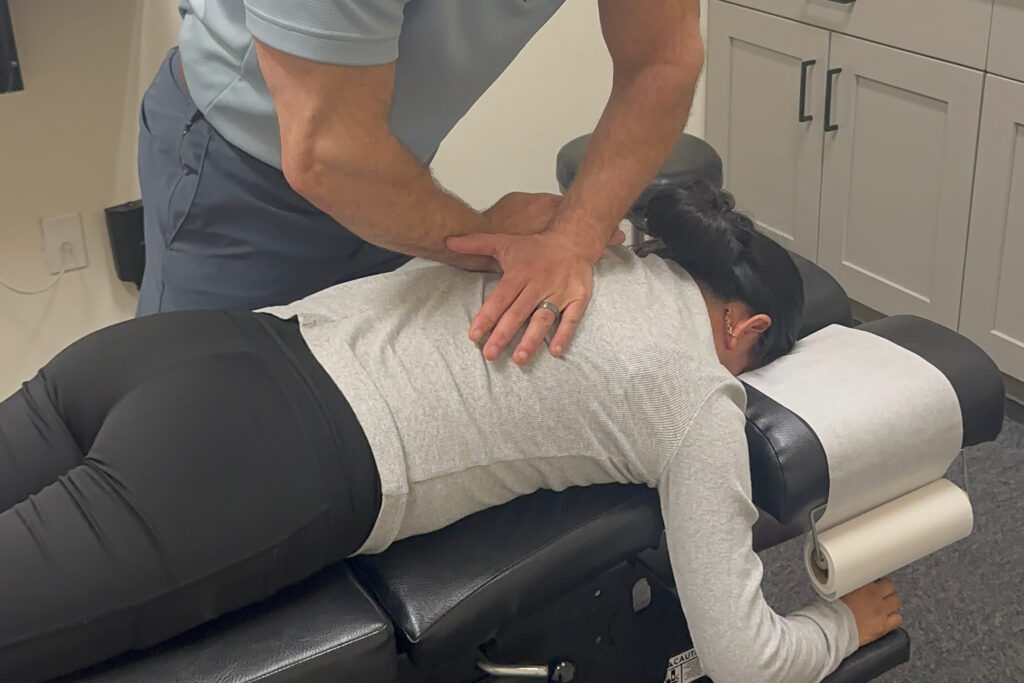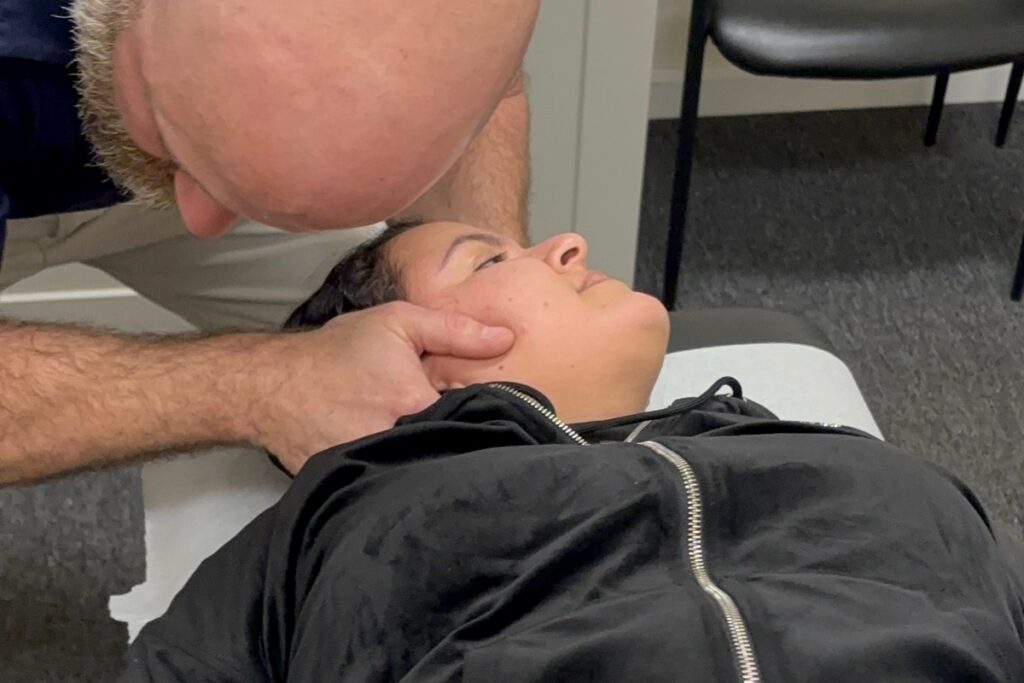

Maintaining long-lasting back health is crucial for your overall well-being, and as your local chiropractor, I want to emphasize just how impactful small changes in your daily routine can be for your spine. By prioritizing chiropractic care, you can achieve natural healing and optimal health without the need for surgeries or medications.
Here are some essential tips to support your spine and enhance your quality of life:
- Practice Good Posture: Whether you’re sitting at a desk or standing in line, being mindful of your posture can make a significant difference. Keep your shoulders back, and your spine aligned. Using ergonomic furniture can also help maintain proper posture throughout your day.
- Incorporate Regular Exercise: Engaging in regular physical activity strengthens the muscles that support your spine. Low-impact exercises such as walking, swimming, or yoga are excellent for maintaining flexibility and reducing tension in your back.
- Stay Hydrated: Drinking plenty of water is vital for spinal health. Proper hydration helps keep the discs in your spine healthy and functioning well.
- Lift with Care: Always bend at your knees and keep your back straight when lifting heavy objects. Avoid twisting your body while lifting, as this can strain your back.
- Listen to Your Body: If you experience discomfort or pain, don’t ignore it. Early intervention through chiropractic care can prevent further issues and promote healing.
- Schedule Regular Chiropractic Check-Ups: Regular visits to your chiropractor can help maintain spinal health, alleviate pain, and prevent future injuries. Your chiropractor can provide personalized advice and adjustments based on your specific needs.
What steps are you ready to take for a healthier back? Remember, prioritizing your spinal health can lead to a happier, more active life. Embrace chiropractic care as your go-to option for natural wellness and pain relief.
Key Takeaways
- Maintain proper posture by sitting with a straight back, making sure your ears align with your shoulders. This simple adjustment can significantly reduce strain on your spine and contribute to better overall health. Remember, good posture is vital for spinal health, and chiropractic care can help you achieve and maintain it.
- Incorporate regular movement into your day, like walking and stretching. These activities promote circulation and prevent muscle tightness, which can lead to discomfort. Chiropractic adjustments can further enhance your mobility, allowing you to move freely and without pain.
- Strengthen your core and glutes with targeted exercises. A strong core supports your spine, enhancing stability during daily activities. Consider consulting your chiropractor for personalized exercises that can help improve your strength and posture.
- Optimize your workspace by making ergonomic adjustments. Position your monitor at eye level and ensure your chair provides proper support. A well-set-up workspace can help reduce neck and back strain, and your chiropractor can offer additional tips on creating a comfortable and supportive work environment.
- Dedicate time each day to stretching, especially focusing on areas like your hamstrings and hip flexors. Improving flexibility can relieve tightness and enhance your overall well-being. Your chiropractor can also guide you through specific stretches that promote spinal health and prevent pain.
By incorporating these practices into your daily routine and seeking chiropractic care, you can take proactive steps toward achieving optimal back health and overall wellness. Remember, a healthy spine is key to a healthier life!
Practice Good Posture
As a chiropractor, I want to emphasize the importance of maintaining good posture for your overall health and wellness. Your posture plays a vital role in keeping your spine healthy and pain-free. When you sit, remember to keep your back straight and shoulders relaxed, making sure your ears are aligned with your shoulders. If you spend long hours at a desk, adjust your chair so that your feet rest flat on the floor. Avoid slouching, as this can put unnecessary strain on your spine and lead to discomfort.
When standing, it’s essential to distribute your weight evenly on both feet. Engaging your core muscles can provide extra support for your back. If you need to lift something, always bend at your knees instead of your waist, and keep the object close to your body. This technique reduces the risk of injury and helps maintain the integrity of your spine.
While walking, strive to maintain an upright position, and try not to hunch over your phone. It’s a good practice to check in with your posture regularly throughout the day and make adjustments when necessary.
Incorporate Regular Exercise
Regular exercise isn’t just important for staying fit; it’s vital for maintaining a healthy back and overall well-being. As a chiropractor, I can tell you that engaging in physical activity helps strengthen your muscles, improve flexibility, and enhance circulation—all of which are essential for a healthy spine. I recommend aiming for a balanced routine that includes aerobic exercises, strength training, and gentle stretching.
Consider activities like walking, swimming, or cycling. These can boost your endurance while being easy on your back. To ensure that exercise becomes a regular part of your life, set a consistent schedule. Even short bursts of activity during the week can lead to significant improvements in your back health.
If you’re just starting out, take it slow and listen to your body. It’s important to pay attention to how different movements affect your back and make adjustments as needed. Incorporating exercises that promote mobility, such as yoga or Pilates, can be particularly beneficial for your spine.
Strengthen Core Muscles
A strong core is essential for maintaining a healthy back and preventing injuries. By strengthening your core muscles, you enhance your stability and provide better support for your spine, which is crucial for overall wellness. As a chiropractor, I believe that a strong core not only helps in pain relief but also contributes to your long-term health.
Here are some effective core-strengthening exercises you can easily include in your weekly routine:
| Exercise | Duration/Reps | Benefits |
|---|---|---|
| Plank | 30 seconds (3 sets) | Boosts stability and endurance |
| Dead Bug | 10 reps (3 sets) | Enhances coordination and core control |
| Bicycle Crunch | 15 reps (3 sets) | Strengthens obliques and improves balance |
| Bridge | 15 reps (3 sets) | Activates glutes and supports lower back |
Incorporating these exercises can significantly improve your core strength and help alleviate back pain. Remember, consistency is the key to success! Over time, you’ll notice better posture and less strain on your back, allowing you to move with more ease.
Additionally, working with a chiropractor can further enhance your journey towards optimal health. Chiropractic care focuses on natural healing and can help address underlying issues that may contribute to back pain. It’s a holistic approach that complements your core-strengthening efforts.
Invest in Ergonomic Furniture
Choosing the right desk design and seating is crucial for maintaining your back health, especially during long hours of work. As a chiropractor, I often see the negative impact of poor ergonomics on my patients’ spines. Ergonomic furniture is designed to support your body’s natural posture, which can significantly reduce strain and discomfort.
Investing in ergonomic essentials not only boosts your comfort but also enhances your productivity. When your body is well-supported, you can focus better on your tasks and avoid unnecessary distractions caused by pain. Here are a few tips to help you make your workspace more spine-friendly:
- Adjust Your Chair: Ensure your chair supports your lower back. It should allow your feet to rest flat on the floor, with your knees at a 90-degree angle.
- Desk Height Matters: Your desk should be at a height that allows your elbows to be at a 90-degree angle while typing. This helps prevent strain on your shoulders and neck.
- Take Regular Breaks: Stand up, stretch, and walk around every 30 minutes. This helps to improve circulation and relieve tension in your back.
- Monitor Position: Your computer screen should be at eye level. This prevents you from leaning forward or straining your neck.
- Listen to Your Body: If you start to feel discomfort, take note. It’s your body’s way of telling you that something isn’t right.
Importance of Desk Design
When it comes to maintaining your back health, investing in ergonomic furniture is crucial for your overall well-being. A well-designed desk can greatly influence how you feel during long hours of work. Ensure your desk height allows your elbows to rest comfortably at your sides while typing; this helps keep your spine aligned and reduces the risk of discomfort. Position your monitor at eye level to prevent neck strain, which promotes better posture and supports spinal health.
Consider using adjustable desks that let you alternate between sitting and standing. This change in position can help reduce fatigue and keep the spine in a more dynamic posture, which is beneficial for your overall health. Additionally, keep frequently used items within arm’s reach to avoid unnecessary twisting or stretching, which can strain your back.
By prioritizing desk design and creating a workspace that supports your body, you enhance your comfort and productivity. Remember, chiropractic care is an excellent way to maintain a healthy spine and alleviate any pain that may arise from poor ergonomics. Regular visits to your chiropractor can help ensure your spine stays aligned and functioning well, complementing the benefits of a well-designed workspace.
Focus on these adjustments, and you’ll be on your way to a healthier, pain-free life!
Benefits of Supportive Seating
Investing in supportive seating is crucial for your spinal health and overall well-being, just as important as optimizing your desk design. A good ergonomic chair encourages proper posture, which can significantly reduce strain on your back and neck. It supports the natural curve of your spine, helping you maintain alignment throughout the day. With the right chair, you’ll find you can sit comfortably for longer periods, which can enhance your productivity.
Moreover, a supportive seat can help alleviate discomfort caused by prolonged sitting, which is essential in preventing the development of chronic pain. As a chiropractor, I often see patients who experience pain due to poor seating choices, and the right chair can make a significant difference.
When selecting a chair, look for adjustable features that allow you to customize it to fit your body. Remember, your comfort directly affects your focus and efficiency. Here are a few tips to keep in mind:
- Adjust the Height: Your feet should be flat on the floor, with your knees at a 90-degree angle. This helps maintain good posture.
- Back Support: Choose a chair that supports the lower back, promoting the natural curve of your spine. Consider using a lumbar roll if your chair lacks support.
- Take Breaks: Even with the best chair, it’s vital to take regular breaks. Stand up, stretch, and move around every hour to keep your muscles engaged and prevent stiffness.
- Consider Your Screen Position: Your computer monitor should be at eye level to avoid straining your neck. This aligns your spine better and reduces the risk of discomfort.
Stretch and Flexibility Training
To maintain ideal back health, incorporating stretch and flexibility training into your daily routine is essential. As a chiropractor, I can tell you that these exercises play a crucial role in improving your range of motion, reducing muscle tension, and preventing injuries. Start with simple stretches such as the cat-cow pose or gentle spinal twists. These movements not only enhance flexibility but also promote better posture, which is vital for a healthy spine.
I recommend dedicating at least 10 to 15 minutes each day to stretching. Pay special attention to areas that commonly tighten, like your hamstrings, hip flexors, and lower back. You might consider incorporating yoga or Pilates into your routine as well, as these practices can further improve your flexibility and overall well-being.
Remember, deep breathing is key during each stretch. It helps your muscles relax and release tension more effectively. Consistency is crucial; the more regularly you stretch, the more noticeable improvements you’ll see in your back health.
Listen to Your Body
Listening to your body is crucial for maintaining your back health, as it helps you recognize when something feels off. If you experience pain, discomfort, or tightness, don’t just brush it aside. Acknowledge these signals and take them seriously. Your body communicates its needs, and ignoring these cues can lead to bigger problems later on.
As you go about your daily activities, such as lifting, bending, or sitting for long periods, pay attention to how you feel. If something doesn’t feel right, make simple adjustments to your posture or take breaks to relieve any strain.
Incorporating rest days into your routine is also important, especially after intense physical activity. This gives your back the opportunity to recover and strengthen. Regular chiropractic adjustments can support this recovery process, helping keep your spine aligned and functioning optimally.
If you notice persistent discomfort, consider scheduling a visit with a chiropractor. They can provide personalized care and guidance to help you understand your body better and promote natural healing.
Conclusion
To maintain long-lasting back health, it’s essential to prioritize your spinal well-being through chiropractic care. Regular adjustments from a qualified chiropractor can help align your spine and relieve tension, promoting overall wellness. Remember to practice good posture whether you’re sitting, standing, or moving. Incorporating regular exercise into your routine is also key—focus on activities that strengthen your core muscles, as a strong core supports your spine.
Investing in ergonomic furniture can make a significant difference in your daily comfort. Additionally, don’t overlook the importance of stretching and flexibility training to keep your muscles limber and reduce the risk of injury. Always listen to your body—if something feels off, it’s wise to consult with your chiropractor for personalized guidance and care.
By embracing these practices and making chiropractic care a part of your health routine, you can keep your back strong and healthy for many years to come. Remember, a healthy spine is the foundation for a healthy life!