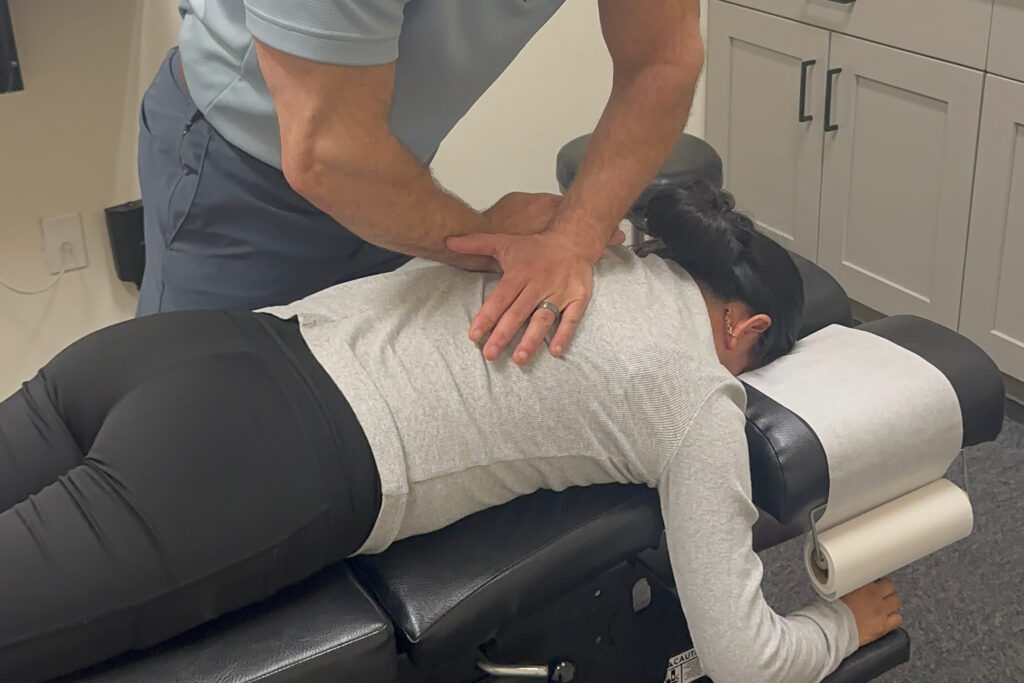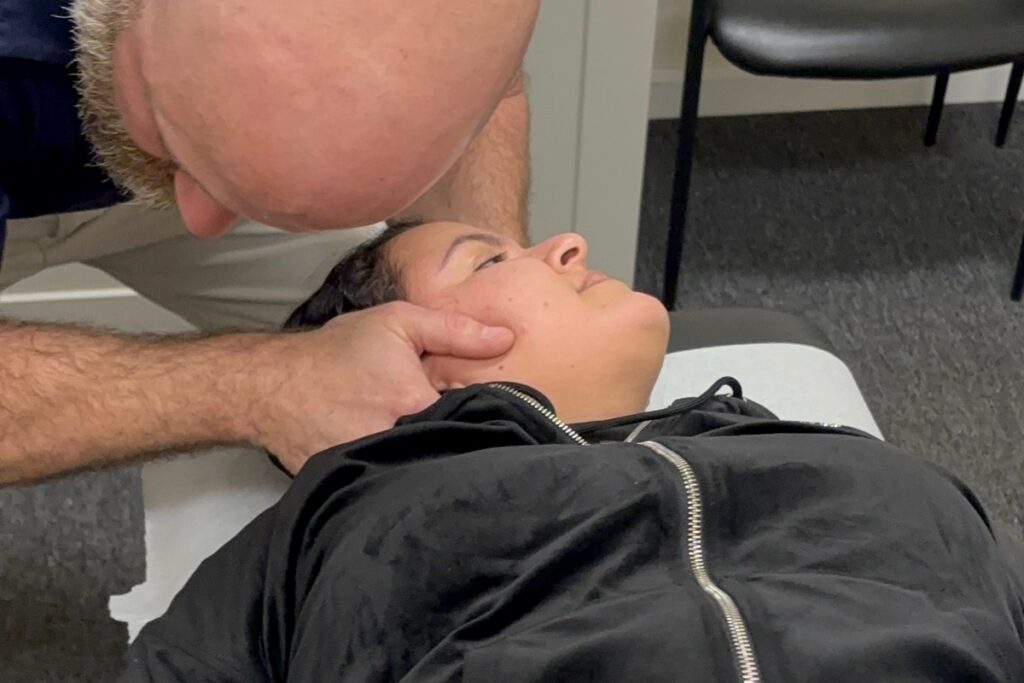

As a local chiropractor, I want to share some valuable insights on preventing low back pain and promoting overall wellness. A key factor in maintaining a healthy spine is core strength and stability. When your core muscles are strong and well-balanced, they provide essential support to your spine, helping you move with ease and reducing the risk of discomfort.
Incorporating specific exercises into your daily routine can make a world of difference. Here are some simple movements that can help build that strength and stability, ensuring you stay active and pain-free:
- Pelvic Tilts: This exercise helps to engage your abdominal muscles and improve your posture. Simply lie on your back with your knees bent, and gently tilt your pelvis upward, flattening your lower back against the floor.
- Bird-Dog: Start on your hands and knees, then extend one arm forward while simultaneously extending the opposite leg back. This movement enhances coordination and strengthens your core while promoting spinal stability.
- Bridges: Lying on your back with your feet flat on the ground and knees bent, lift your hips toward the ceiling. This exercise strengthens your glutes and lower back, supporting your spine.
- Side Planks: Lying on your side, prop yourself up on your elbow and lift your hips off the ground. This targets your oblique muscles and helps improve lateral stability.
- Cat-Cow Stretch: This gentle stretch encourages flexibility and movement in your spine. Alternate between arching your back and rounding it while on your hands and knees.
In addition to these exercises, it’s essential to maintain good posture throughout your day, whether you’re sitting at a desk or lifting objects. Remember to listen to your body; if you experience any discomfort, consult with a chiropractor who can provide personalized care and guidance.
Chiropractic care is an excellent approach to achieving optimal health. It focuses on natural healing and wellness, ensuring your spine is aligned and functioning at its best. By prioritizing core strength and incorporating these exercises, you can take proactive steps towards a healthier back and a more active lifestyle.
Key Takeaways
- Strengthen Your Core: Incorporating planks and side planks into your routine is an excellent way to build core strength. A strong core provides stability, which is essential for reducing strain on your lower back.
- Bridge Your Way to Support: Performing bridges not only strengthens your glutes but also supports your lower back without putting extra stress on your spine. This exercise enhances your overall core support, which is key to maintaining a healthy back.
- Balance with Bird-Dogs: Engage in bird-dogs to improve coordination and core stability. This exercise helps you maintain proper spinal alignment, which is crucial for preventing back pain.
- Flexibility for a Healthier Spine: Regularly practicing flexibility exercises like the Cat-Cow stretch and Child’s Pose can help alleviate tension in your back and improve spinal mobility. These gentle stretches can be a fantastic addition to your routine.
- Stay Consistent: Consistency is vital for achieving and maintaining a healthy back. Aim to include core-strengthening and flexibility exercises at least two to three times a week. This regular practice can help prevent low back pain and support your overall wellness.
Remember, chiropractic care can play a significant role in your journey toward optimal health. Regular visits to your chiropractor can help ensure that your spine stays aligned, promoting natural healing and enhancing your body’s ability to function at its best. By combining chiropractic care with these simple exercises, you can take proactive steps toward a healthier, pain-free life.
Understanding Low Back Pain
Low back pain is a common challenge that many people face at some point in their lives. Understanding what causes this discomfort is key to managing and preventing it effectively. Factors such as poor posture, muscle strain, and injuries can lead to low back pain. You may feel discomfort after lifting heavy objects, sitting for long periods, or performing repetitive motions. Conditions like herniated discs or arthritis can also contribute to your pain.
It’s important to recognize the signs of low back pain. If you’re experiencing sharp, persistent pain or if you notice it radiating down your legs, it’s a good idea to consult with a chiropractor. They can help assess your situation and guide you toward relief. Additionally, lifestyle factors like stress and obesity can worsen your symptoms, so addressing these can be beneficial for your overall health.
Chiropractic care focuses on the spine and its connection to your overall well-being. By receiving regular adjustments, you can help correct misalignments, improve your posture, and relieve tension in your muscles. This natural approach can lead to lasting pain relief and promote a healthier lifestyle.
Here are some simple tips to take away for a healthier back:
- Maintain Good Posture: Whether sitting or standing, keep your spine aligned and avoid slouching.
- Stay Active: Engage in regular physical activity to strengthen your core and back muscles, which can help support your spine.
- Lift with Care: When lifting heavy objects, bend at your knees and keep the load close to your body to reduce strain on your back.
- Take Breaks: If you sit for long periods, make sure to take breaks to stretch and move around to relieve tension.
- Manage Stress: Incorporate relaxation techniques like deep breathing or yoga to help reduce stress, which can contribute to muscle tension.
The Importance of Core Strength
Core strength is essential for maintaining a healthy spine and preventing low back pain. As your local chiropractor, I want to emphasize the importance of a strong core not only for your stability and balance but also for your overall well-being. By strengthening your core, you can significantly reduce the risk of injuries and enhance your daily activities.
Incorporating core exercises into your routine can greatly benefit your back health, but remember, chiropractic care is your best ally in achieving optimal wellness. Regular visits to your chiropractor can help ensure your spine is aligned and functioning properly, which complements your core strengthening efforts.
Here are some effective core exercises you can try at home, along with tips to maximize their benefits:
- Planks: Start with a basic plank—hold your body in a straight line while supporting yourself on your forearms and toes. Aim to hold for 20-30 seconds, gradually increasing your time as you build strength. This exercise engages multiple muscle groups and supports spinal stability.
- Bird-Dog: While on your hands and knees, extend one arm forward and the opposite leg back, keeping your spine straight. Hold for a few seconds before switching sides. This exercise promotes balance and coordination, essential for a strong core.
- Dead Bug: Lie on your back with your arms extended toward the ceiling and knees bent at a 90-degree angle. Slowly lower one arm and the opposite leg toward the floor, then return to the starting position. This movement helps engage your core while protecting your spine.
- Bridges: Lie on your back with your knees bent and feet flat on the ground. Lift your hips toward the ceiling while squeezing your glutes. This exercise strengthens the lower back and pelvis, supporting overall spinal health.
Remember, consistency is key! Incorporate these exercises into your routine several times a week. Additionally, always listen to your body; if you feel any discomfort, consult with your chiropractor for personalized guidance.
Benefits of Core Strength
Strengthening your core is crucial for a healthy spine and preventing discomfort. A strong core not only offers stability and support for your back but also makes daily activities easier and more enjoyable. When your core muscles are engaged, they help distribute weight evenly across your body, which reduces strain on your lower back. This balance can relieve discomfort and significantly improve your posture, allowing you to sit, stand, and move without unnecessary tension.
Incorporating core-strengthening exercises into your routine can also boost your athletic performance. A solid core enhances coordination and strength during physical activities, making every movement more effective. By prioritizing core strength, you’re taking an important step toward overall wellness, which is essential for maintaining an active and pain-free lifestyle.
As a chiropractor, I encourage my patients to focus on core exercises like planks, bridges, and gentle yoga stretches. These can be easily integrated into your daily routine and are excellent for building strength without the need for medication or invasive procedures. Remember, supporting your spine naturally through exercise and chiropractic care is the best way to achieve optimal health.
Core Exercises Overview
Building a strong core is essential for your overall health and wellness, and as a chiropractor, I want to emphasize its importance in maintaining a healthy spine and preventing pain.
Your core isn’t just about achieving that elusive six-pack; it encompasses all the muscles surrounding your abdomen, back, and pelvis. Strengthening these muscles provides vital support for your spine, enhances your posture, and significantly reduces the risk of injury, particularly in your lower back.
When your core is strong, everyday activities—like lifting, bending, or even sitting—become easier and safer, which is crucial for maintaining a pain-free life. Incorporating various core exercises into your routine, such as planks, bridges, and leg raises, can greatly improve your stability and balance. These exercises help in reinforcing your body’s natural ability to support itself and can be an excellent complement to your chiropractic care.
Regularly engaging in core strengthening exercises not only helps prevent low back pain but also boosts your athletic performance and overall daily functionality. Remember, a strong core supports not just your physical activities but also contributes to your spinal health, which is at the heart of chiropractic care.
Here are a few simple tips to help you get started on building a strong core:
- Start with Basics: Begin with fundamental exercises like planks and bridges to establish a strong foundation.
- Focus on Form: Ensure you maintain proper form during exercises to avoid strain and maximize benefits.
- Consistency is Key: Aim to incorporate core exercises into your routine several times a week for the best results.
- Listen to Your Body: Pay attention to how your body feels during and after exercises. If you experience pain, consult with your chiropractor for guidance.
- Combine with Chiropractic Care: Regular chiropractic adjustments can enhance your core strength efforts by ensuring your spine is aligned and functioning optimally.
Let’s commit to building that strong core together, paving the way for a healthier, pain-free life through the power of chiropractic care and natural wellness practices!
Stretching for Flexibility
Flexibility is essential for maintaining a healthy back and preventing low back pain. When your muscles and joints are flexible, they can move through a full range of motion, which helps reduce discomfort and strain. One of the best ways to enhance flexibility is through stretching, and incorporating specific techniques into your daily routine can lead to significant improvements.
As a chiropractor, I can’t emphasize enough how important it’s to prioritize spinal health and overall wellness. Chiropractic care focuses on natural healing and can be a powerful ally in your journey toward optimal health. By regularly visiting a chiropractor, you can receive personalized adjustments that help align your spine, improve mobility, and alleviate pain.
Here are some effective stretches that can keep your back healthy and limber:
- Cat-Cow Stretch: Begin on your hands and knees. Inhale as you arch your back (the “cow” position), and exhale as you round your spine (the “cat” position). This stretch helps mobilize your spine and improve flexibility.
- Child’s Pose: Kneel on the floor, sit back on your heels, and reach your arms forward on the ground. This gentle stretch helps relieve tension in the lower back and promotes relaxation.
- Seated Forward Bend: Sit with your legs extended in front of you and slowly reach for your toes. This stretch targets the hamstrings and lower back, promoting increased flexibility.
- Torso Twist: While seated or standing, gently twist your torso to one side, holding for a few breaths before switching sides. This movement helps improve spinal mobility and can alleviate stiffness.
In addition to these stretches, maintaining good posture throughout the day and incorporating regular chiropractic adjustments into your wellness routine can greatly enhance your flexibility and overall spinal health.
Importance of Flexibility
Incorporating regular stretching into your daily routine can significantly improve your flexibility, which is crucial for avoiding low back pain. When your muscles and joints are flexible, they can move freely, allowing you to maintain proper alignment and reduce strain on your lower back. Tight muscles can create imbalances, leading to discomfort and increasing the likelihood of pain.
Improving your flexibility not only helps with pain relief, but also promotes better posture—a key factor in maintaining a healthy spine. Good posture ensures that weight is distributed evenly, which can lessen the stress on your back and support overall spinal health.
Remember, flexibility goes beyond just feeling good; it’s an essential part of your overall wellness. By prioritizing stretching in your fitness routine, you can enhance your body’s resilience and support an active lifestyle.
Additionally, consider incorporating chiropractic care into your wellness plan. Regular adjustments can help maintain proper alignment, alleviate tension, and enhance your flexibility even further. With the right combination of stretching and chiropractic support, you can achieve lasting relief and optimal health. So, make stretching a habit, listen to your body, and consult with your chiropractor to keep your spine in top shape!
Recommended Stretching Techniques
To enhance your flexibility and help prevent low back pain, incorporating specific stretching techniques into your routine can make a world of difference. As a chiropractor, I believe that maintaining a healthy spine is crucial for overall well-being, and these stretches can be a natural way to support that.
Start with hamstring stretches. Sit on the floor and gently reach for your toes, holding for 20-30 seconds. This simple move helps keep your hamstrings flexible, which is essential for a healthy back.
Next, try the cat-cow stretch to improve spinal flexibility. While on all fours, alternate between arching your back (like a cat) and rounding it (like a cow). This motion not only feels great but also helps maintain the natural curvature of your spine.
Don’t forget about the standing quadriceps stretch. Stand tall and grab your ankle, pulling it toward your glutes. This stretch helps release tension in your quads, which can contribute to lower back issues if tight.
The seated spinal twist is another fantastic exercise. Sit comfortably and gently twist your torso to each side. This movement increases mobility in your spine and can help alleviate discomfort.
Lastly, incorporate the child’s pose into your routine to relax your lower back. This restorative position encourages gentle stretching and relaxation, which is beneficial for your spine.
Aim to stretch regularly, holding each position while breathing deeply. Consistency is key! By committing to these techniques, you’ll not only enhance your flexibility but also support your spinal health, reducing the risk of low back pain.
The Role of Stability in Preventing Pain
The Importance of Stability in Preventing Low Back Pain
As a local chiropractor, I want to emphasize that while many people often think about strength and flexibility, stability is crucial for preventing low back pain. When your core effectively stabilizes your spine, it significantly lowers the chances of injury and discomfort. Engaging in stability exercises is a fantastic way to maintain proper posture and alignment, which are vital for your daily activities.
Here’s a simple breakdown of the benefits of stability training:
| Stability Training Benefits | Description |
|---|---|
| Improved Balance | Helps you stay upright and coordinated, reducing the risk of falls. |
| Injury Prevention | Lowers the chances of strains and sprains, keeping you active and pain-free. |
| Enhanced Posture | Encourages proper alignment of the spine, which can alleviate pressure on your back. |
| Increased Functional Strength | Boosts your ability to perform everyday tasks with ease. |
| Better Body Awareness | Teaches you to understand your movements better, allowing for safer physical activity. |
Incorporating stability exercises into your routine can greatly enhance your body’s resilience against low back pain. Simple activities like planks, bird-dogs, or even yoga can be incredibly effective. Remember, it’s essential to listen to your body and start at your own pace.
Don’t underestimate the value of stability—it’s a key ingredient for a healthy back! By prioritizing stability through exercises and chiropractic care, you’re taking a significant step towards achieving optimal health and wellness. If you ever feel overwhelmed or unsure about how to integrate these exercises into your life, don’t hesitate to reach out for a consultation. Your journey to a pain-free life can start today!
Key Exercises for Core Strength
Building core strength is vital for supporting your spine and preventing low back pain, which is a common issue many people face. As a chiropractor, I emphasize the importance of a strong core as it plays a crucial role in maintaining proper posture and spinal alignment, ultimately leading to better overall health.
To get started, I recommend incorporating planks into your routine. Planks engage multiple muscle groups and promote stability. Aim to hold a plank position for 20 to 30 seconds while keeping your body in a straight line from head to heels. This simple exercise can help strengthen your core and protect your spine.
Another great exercise is the bridge. To perform this, lie on your back with your knees bent and feet flat on the floor. Lift your hips toward the ceiling, squeezing your glutes at the top. This movement not only strengthens your lower back but also engages your glutes, which are essential for overall stability.
Dead bugs are also excellent for core strengthening. Lie on your back and raise your legs to a tabletop position. Extend your arms toward the ceiling and then alternate lowering opposite limbs while keeping your core engaged. This exercise helps improve coordination and stability, which are vital for spinal health.
Finally, consider adding bird-dogs to your routine. Start on all fours and extend one arm forward while simultaneously extending the opposite leg back. Maintain a flat back and hold for a few seconds before switching sides. This exercise enhances balance and strengthens your core without putting unnecessary strain on your spine.
I suggest performing these exercises three times a week and gradually increasing the duration and intensity as your strength improves. Remember, strengthening your core isn’t just about aesthetics; it can significantly reduce your risk of low back pain and improve your overall quality of life.
While these exercises can be beneficial, I also encourage you to consider regular chiropractic care. Chiropractic adjustments can complement your core strengthening routine by ensuring your spine remains aligned and functioning optimally. Together, these practices can lead you toward a healthier, pain-free life. Always listen to your body and consult with your chiropractor to tailor an approach that suits your unique needs.
Effective Stretches for the Lower Back
Incorporating effective stretches into your daily routine not only enhances the strength of your core but also plays a crucial role in maintaining a healthy spine. Stretching your lower back can improve flexibility, alleviate tension, and promote overall spinal health. One of the best stretches you can start with is the child’s pose. To do this, kneel on the floor, sit back on your heels, and extend your arms forward while lowering your torso. Hold this position for about 30 seconds, taking deep breaths to help relax your back.
Another beneficial stretch is the knee-to-chest stretch. Simply lie on your back and gently pull one knee toward your chest. Hold for 20 seconds, then switch legs. This stretch is excellent for releasing tightness in your lower back and can help you feel more comfortable throughout your day.
Don’t forget about the seated forward bend, which is another great option for relieving lower back tension. Sit with your legs extended in front of you and reach for your toes, keeping your back straight. Hold this position for 30 seconds to help lengthen your spine and improve flexibility.
Incorporating these stretches into your daily routine can significantly alleviate discomfort and promote a healthy lower back. Remember to listen to your body as you stretch; ease into each position to avoid strain.
Along with these stretches, regular chiropractic care can provide additional support for your spine, helping you achieve a pain-free, healthier life. Your chiropractor can guide you on proper techniques and create a personalized plan that aligns with your wellness goals. Prioritize your spinal health today for a brighter, more active tomorrow!
Incorporating Stability Training
Incorporating stability training is essential for maintaining core strength and preventing low back pain, which is a common issue many people face. As your local chiropractor, I want to emphasize the importance of effective stability exercises in enhancing your overall balance and supporting your spine. These exercises can help improve your posture, reduce tension, and promote a healthier lifestyle.
Start by including simple exercises like planks, bridges, and bird-dogs into your routine. These moves can strengthen your core without putting additional stress on your back. Remember, consistency is key! Aim to incorporate these exercises a few times a week for the best results.
It’s also important to listen to your body. If you experience any discomfort while exercising, it may be a sign that your spine needs some extra care. Regular chiropractic adjustments can help ensure your spine is aligned, which can enhance your stability training and overall wellness.
Importance of Core Stability
Core stability is vital for a healthy back and plays a key role in preventing pain. When your core muscles are strong, they support your spine, which helps you avoid injuries during everyday activities. By developing core stability, you can enhance your balance and posture, making it easier to perform exercises and daily tasks without putting unnecessary strain on your back.
As a chiropractor, I want to share the benefits of core stability and how it can contribute to your overall well-being, especially in relation to back pain:
| Benefit | Description | Impact on Back Pain |
|---|---|---|
| Improved Posture | Keeps your spine properly aligned | Reduces strain on your back |
| Enhanced Balance | Helps stabilize your body during movement | Prevents falls and injuries |
| Increased Strength | Supports you in daily activities | Lowers the risk of injury |
| Better Flexibility | Promotes a healthy range of motion | Eases tension in muscles |
Focusing on core stability is crucial for achieving a pain-free, active lifestyle. Here are some simple tips to help you strengthen your core:
- Practice Good Posture: Be mindful of your posture throughout the day. Sit up straight, and when standing, keep your shoulders back and your chin up.
- Incorporate Core Exercises: Simple exercises like planks, bridges, and pelvic tilts can significantly strengthen your core muscles. Start with a few repetitions and gradually increase as you become stronger.
- Engage Your Core: Whether you’re sitting, standing, or exercising, think about engaging your core muscles. This means gently pulling your belly button towards your spine to provide support.
- Stay Active: Regular physical activity, like walking or swimming, can help maintain your core strength and overall health.
- Get Chiropractic Care: Regular visits to a chiropractor can help ensure your spine is aligned and functioning properly, which is essential for maintaining core stability.
Effective Stability Exercises
Building on the importance of core stability, effective stability exercises can significantly enhance your strength and balance, ultimately reducing the risk of low back pain. As a chiropractor, I encourage you to incorporate exercises like planks, bird-dogs, and stability ball passes into your routine. These simple yet effective movements not only engage your core but also promote better spinal alignment and overall wellness.
Planks are fantastic for engaging your entire core, helping to support your spine and improve posture. Bird-dogs not only strengthen your core but also enhance coordination and stability, which are essential for maintaining a healthy back. Using a stability ball for passes is an excellent way to challenge your balance, requiring your core to work harder and engage properly.
As you perform these exercises, focus on maintaining proper form and breathing steadily. Pay attention to how your body feels and make adjustments as needed. This awareness helps build control and can prevent injury over time. Remember, consistency is key—aim to include these exercises several times a week for optimal results.
In addition to these exercises, consider visiting your chiropractor regularly for adjustments and guidance on maintaining spinal health. Chiropractic care is a natural approach to pain relief and overall wellness, helping your body function at its best.
Progression and Consistency
Regularly progressing your stability training is essential for maintaining the benefits you’ve gained and preventing plateaus. As a chiropractor, I emphasize that a strong core is vital for a healthy spine and overall wellness. To keep improving, consider gradually increasing the complexity of your exercises. Begin with basic movements and, as you feel more comfortable, incorporate variations such as using a stability ball or balance board. These tools can further engage your core and support your spine.
Aim to challenge your core by adjusting the duration and intensity of your workouts. Consistency is key; try to integrate stability training into your routine at least two to three times a week. This regular practice can help prevent low back pain and enhance your overall performance in daily activities.
Listening to your body is crucial. If you experience any pain or discomfort during your exercises, it’s important to modify them accordingly. Remember, a strong foundation isn’t just about strength; it’s about creating balance and stability to support your spine.
Incorporating chiropractic care into your health regimen can further enhance your results. Regular adjustments can help ensure your spine is aligned and functioning optimally, which can improve your performance in stability training and everyday activities.
Stay committed to your stability training and chiropractic care, and you’ll see lasting results in your health and wellness journey.
Tips for Proper Form and Technique
When it comes to preventing low back pain, maintaining proper form and technique during exercises is crucial for your overall health and wellness. Engaging your core muscles is a great first step; they provide essential stability and support to your lower back. Aim to keep your spine in a neutral position, avoiding any rounding of your shoulders or arching of your back.
When lifting weights, it’s important to position your feet shoulder-width apart. Bend your knees and remember to lift with your legs, not your back. Keeping the weight close to your body will also help protect your spine.
For exercises like squats or deadlifts, be mindful not to let your knees extend past your toes. Focus on controlled movements rather than rushing through your reps; this approach not only helps you maintain balance but also significantly reduces the risk of injury. Always listen to your body—if something doesn’t feel right, it’s best to stop and reassess.
Remember, proper form isn’t just about avoiding pain; it’s also about maximizing the benefits of your workouts and enhancing your overall fitness journey. By incorporating these tips, you can create a safer and more effective exercise routine, paving the way for a healthier lifestyle.
If you’re experiencing persistent pain or discomfort, consider chiropractic care as a natural and effective solution for pain relief and optimal health. Your spine deserves the best care, and chiropractic can help you achieve that!
Creating a Balanced Workout Routine
Creating a balanced workout routine is key to achieving optimal health and preventing injury, especially when it comes to your spine. As a chiropractor, I emphasize the importance of incorporating a mix of strength training, cardiovascular exercises, and flexibility work into your weekly regimen. This holistic approach not only supports your overall fitness but also promotes spinal health.
Aim for at least two days of strength training each week, focusing on major muscle groups such as your back, core, and legs. Strengthening these areas is vital for supporting your spine, which can help prevent low back pain and enhance your posture.
Cardiovascular exercises are equally important. Activities like walking, running, or cycling contribute to heart health and improve your endurance. Strive for at least 150 minutes of moderate-intensity cardio each week. Remember, a healthy heart supports a healthy spine!
Flexibility exercises, including stretching and yoga, shouldn’t be overlooked. These activities improve your range of motion and help reduce muscle tension, which is crucial for maintaining spinal alignment and overall body function.
Listening to your body is essential. If you notice signs of fatigue or discomfort, it’s important to adjust your routine. Paying attention to your body’s signals can prevent injuries and ensure you’re on the path to wellness.
Maintaining a Pain-Free Lifestyle
Maintaining a pain-free lifestyle is essential for enjoying daily activities and living your best life. As a chiropractor, I want to share some simple and effective strategies that can help you achieve optimal health and wellness while highlighting the benefits of chiropractic care.
First and foremost, paying attention to your posture is crucial. Whether you’re sitting at your desk or lifting heavy items, maintaining good posture can significantly reduce strain on your spine. Remember to engage your core muscles to support your back and keep it aligned. This practice not only prevents discomfort but also enhances your overall well-being.
Incorporating regular, low-impact exercises into your routine is also beneficial. Activities like walking, swimming, or yoga can strengthen your back muscles and improve flexibility. These exercises are gentle on the body and can be easily adjusted to fit your fitness level. If you’re unsure where to start, consider consulting with a chiropractor who can guide you on safe movements that promote spinal health.
Listening to your body is vital. If you experience discomfort or strain, don’t push through it. Instead, take a break and allow yourself time to recover. Ignoring pain can lead to more significant issues down the line. A chiropractor can help you understand these signals and provide tailored treatment to address any underlying concerns.
Creating an ergonomically friendly workspace is another simple yet effective way to reduce back strain. Ensure that your chair and desk are set up to support your spine’s natural curvature. Small adjustments can make a big difference in preventing discomfort throughout your workday.
Don’t forget the role of nutrition in maintaining spinal health. A balanced diet supports a healthy weight, which can relieve pressure on your back. Focus on whole foods, plenty of fruits and vegetables, and stay hydrated. Good nutrition works hand-in-hand with chiropractic care to promote overall wellness.
Lastly, managing stress is essential for keeping tension away from your body. Techniques such as meditation, deep breathing, or even a relaxing walk can help keep your mind and body in harmony. Chiropractic care also offers stress relief through gentle adjustments, aligning your spine and helping your nervous system function optimally.
Conclusion
By incorporating these key exercises and focusing on core strength and stability, you can significantly reduce your risk of low back pain. Remember, regular stretching is essential for flexibility, and maintaining proper form during your workouts is crucial. Consistency is key, so aim to practice these movements two to three times a week.
As a chiropractor, I want to emphasize that a balanced approach to fitness, combined with paying attention to your body’s signals, can lead to a healthier, pain-free lifestyle. Chiropractic care is an excellent way to support your journey toward optimal health. It not only helps alleviate pain but also promotes natural healing and wellness.
If you find that discomfort persists, I encourage you to seek professional chiropractic advice. Our goal is to help you achieve lasting relief and a better quality of life without relying on surgeries or medications. Remember, your body is designed to heal itself, and with the right support, you can enjoy a pain-free existence.