
If you’re experiencing chronic low back pain, you’re not alone. This common issue can significantly affect your daily life, but there is hope! Gentle and consistent exercise can provide you with the relief you seek. By concentrating on strengthening your core, improving flexibility, and enhancing circulation, you can start to feel better in no time.
As a chiropractor, I believe that the best way to achieve optimal health and manage pain is through natural methods like chiropractic care and tailored exercises. It’s important to understand that your spine plays a crucial role in your overall well-being. By keeping it healthy, you can support your body’s natural healing processes.
So, what specific exercises can you incorporate into your routine? Here are some effective options that can help you manage your pain and regain control over your body:
- Pelvic Tilts: This simple exercise helps strengthen your abdominal muscles and relieve tension in your lower back. Lie on your back with your knees bent, feet flat on the floor. Gently tilt your pelvis upward while flattening your lower back against the floor. Hold for a few seconds, then release. Repeat several times.
- Cat-Cow Stretch: This yoga-inspired stretch increases flexibility and relieves tension in the spine. Start on your hands and knees. Inhale as you arch your back (Cow), lifting your head and tailbone toward the ceiling. Exhale as you round your back (Cat), tucking your chin and pelvis. Alternate between these two positions for several breaths.
- Child’s Pose: A great stretch for the lower back, Child’s Pose promotes relaxation and flexibility. Begin on your hands and knees, then sit back on your heels while reaching your arms forward on the floor. Hold this position for 20-30 seconds, breathing deeply.
- Bridges: Strengthening your glutes and lower back can alleviate pain. Lie on your back with your knees bent and feet flat. Press your feet into the ground as you lift your hips toward the ceiling, squeezing your glutes at the top. Hold for a moment, then lower back down.
- Walking: One of the simplest yet most effective exercises. A brisk walk can improve circulation and help reduce stiffness in your back. Aim for at least 20-30 minutes a day, gradually increasing your pace as you feel more comfortable.
Remember, these exercises should be performed gently and within your comfort level. Always listen to your body, and if something doesn’t feel right, stop. Incorporating these movements into your routine can help you manage pain and enhance your overall health.
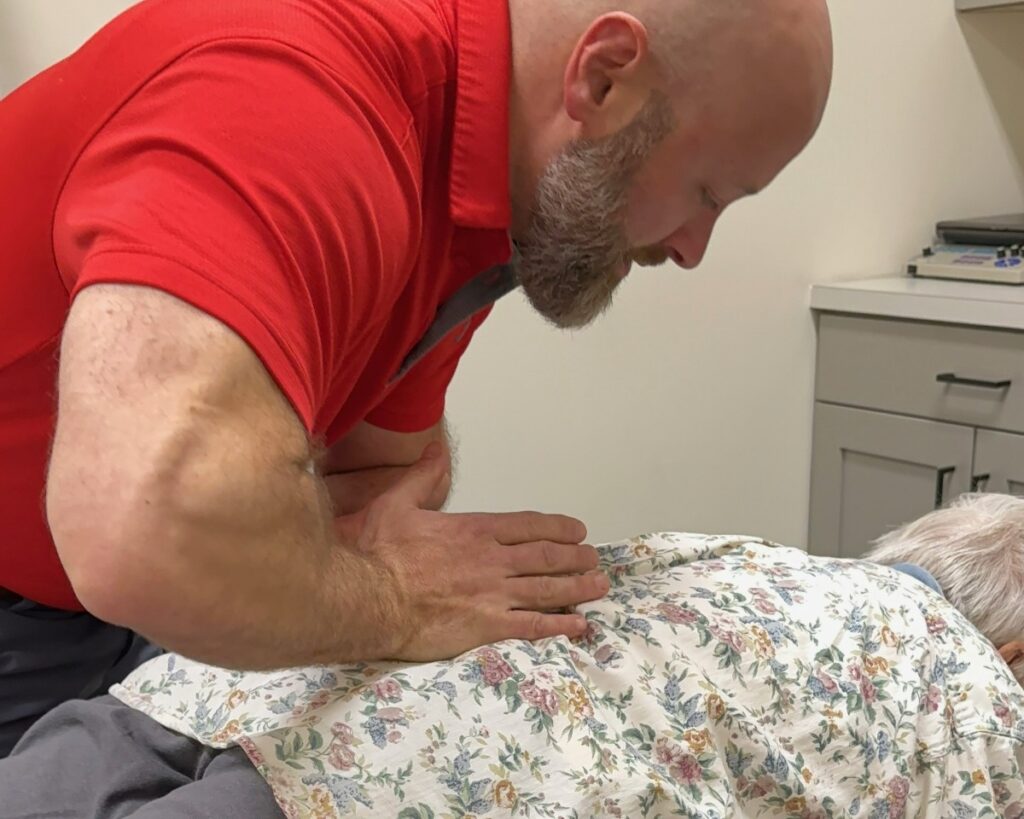
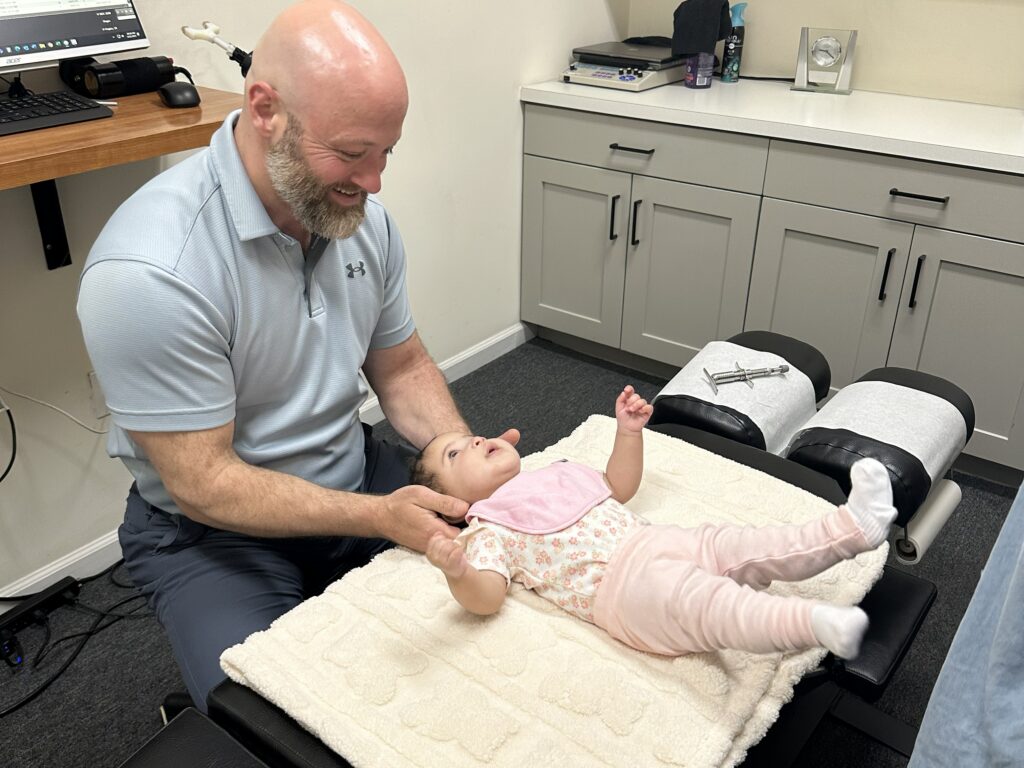
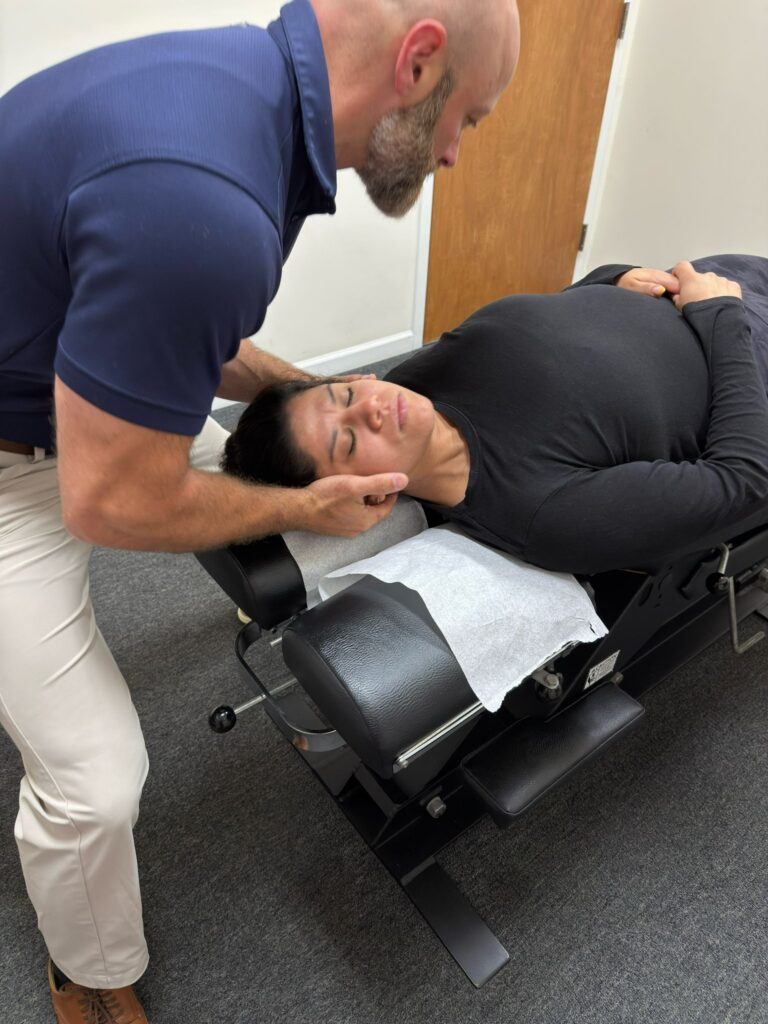
In addition to exercise, regular chiropractic adjustments can help align your spine, reduce tension, and promote healing. By focusing on a holistic approach that combines exercise with chiropractic care, you can achieve lasting relief from chronic low back pain. Embrace the natural path to wellness, and take control of your health today!
Key Takeaways
- To support your lower back and enhance spinal stability, try core-strengthening exercises like Bird-Dog and Plank. These exercises are great for building a strong foundation that helps protect your spine.
- Don’t forget to include gentle stretching routines, such as Cat-Cow and Child’s Pose. These stretches can help improve flexibility and ease tension in your spine, making you feel more relaxed and comfortable.
- Engaging in low-impact aerobic activities, like walking or swimming, can significantly boost circulation. These activities promote healing and are gentle on your back, making them excellent choices for staying active.
- It’s important to listen to your body as you gradually increase the intensity and duration of your exercises. This approach helps prevent any flare-ups of pain and ensures you’re moving at a pace that feels right for you.
- Remember to consult with a chiropractor to create a personalized exercise program that complements your care. They can help you develop a routine that addresses your specific needs and helps you achieve optimal health and wellness through natural methods.
By focusing on these simple yet effective strategies, you can take meaningful steps toward relieving chronic low back pain and enhancing your overall well-being!
Understanding Chronic Low Back Pain
When you’re dealing with chronic low back pain, it can feel overwhelming, especially when it impacts your daily life. Understanding this type of pain is crucial for finding relief. Chronic low back pain typically lasts longer than three months and can come from a variety of sources, such as muscle strain, disc issues, or even stress. Unlike acute pain, which usually has a clear cause and may fade away on its own, chronic pain tends to linger and can involve both physical and emotional challenges.
It’s important to remember that everyone experiences low back pain differently. You may notice that certain movements or positions make your discomfort worse, while others may bring some relief. Chronic pain can lead to muscle weakness, reduced mobility, and even feelings of frustration. By acknowledging these factors, you can take steps to manage your pain more effectively.
One of the best ways to address chronic low back pain is through chiropractic care. Chiropractors focus on the spine and the musculoskeletal system, helping to realign the spine and improve overall function. This natural approach not only targets pain relief but also promotes better health and well-being.
Here are some general tips to help you manage your chronic low back pain:
- Stay Active: Gentle movements and stretches can help keep your back strong and flexible. Activities like walking, swimming, or yoga can be beneficial.
- Practice Good Posture: Ensuring that you sit and stand with proper alignment can reduce strain on your back. When sitting, keep your feet flat on the floor and your back straight.
- Heat and Ice Therapy: Applying heat to your back can relax tight muscles, while ice can reduce inflammation. Alternate between the two for optimal relief.
- Mindfulness and Stress Management: Practices like meditation or deep breathing can help you manage the emotional aspects of pain.
- Regular Chiropractic Visits: Regular adjustments can help keep your spine in alignment, reducing pain and improving mobility.
The Importance of Exercise for Pain Relief
Regular exercise is a vital component in relieving low back pain and enhancing your overall well-being. As a chiropractor, I can tell you that engaging in physical activity strengthens the muscles that support your spine, leading to improved stability and reduced discomfort. When you exercise, blood flow increases to the affected areas, promoting healing and flexibility.
Staying active also helps you maintain a healthy weight, which can significantly lessen the strain on your back. Many people find that regular movement not only alleviates pain but also boosts their mood and energy levels, making it easier to manage daily tasks.
To maximize the benefits, consider incorporating a variety of exercises into your routine. Strength training and low-impact activities, such as walking or swimming, can provide comprehensive support for your spine. Consistency is critical; by making exercise a regular habit, you can achieve long-term pain management and overall wellness.
It’s important to listen to your body while exercising. Be sure to adjust your activities as needed to avoid overdoing it. Remember, taking that first step is essential in your journey toward feeling better.
Additionally, chiropractic care can play a significant role in your recovery. Regular adjustments can help realign your spine, relieve tension, and improve your body’s ability to heal itself naturally.
Recommended Stretching Exercises
Incorporating stretching exercises into your daily routine can significantly enhance your flexibility and help alleviate low back pain, which is essential for maintaining a healthy spine. Regular stretching releases tension in your muscles, improves mobility, and reduces discomfort.
As a chiropractor, I believe that these simple yet effective stretches can complement your overall wellness journey and support your chiropractic care. Here are some recommended stretches to consider:
- Cat-Cow Stretch: This gentle movement improves spinal flexibility and relieves tension in the back, helping to keep your spine healthy and mobile.
- Child’s Pose: A calming stretch that relaxes both the spine and hips, promoting a sense of tranquility that can enhance your overall well-being.
- Seated Forward Bend: This stretch targets the hamstrings and lower back, promoting relaxation and helping to ease tightness that can lead to discomfort.
- Knees-to-Chest Stretch: A wonderful way to relieve lower back tension while gently stretching the glutes, this stretch can help to provide relief and promote comfort.
- Piriformis Stretch: Focusing on the hip area, this stretch helps relieve pressure on the lower back, which can be beneficial for those experiencing discomfort in that region.
To maximize the benefits of these stretches, aim to hold each position for 15-30 seconds, and incorporate them into your daily routine. Over time, you may notice a significant improvement in your comfort and mobility.
Strengthening Exercises for Back Support
Building strength in your back is crucial for providing support and stability, which can help prevent and alleviate pain. As a chiropractor, I believe that incorporating specific strengthening exercises into your routine can make a significant difference in your overall health and wellness. Here are a few effective exercises to consider:
| Exercise | Reps/Sets |
|---|---|
| Bird-Dog | 10-15 reps, 3 sets |
| Bridges | 10-15 reps, 3 sets |
| Plank | Hold for 20-30 seconds, 3 sets |
When performing these exercises, focus on maintaining proper form. Engaging your core and keeping a neutral spine are essential to maximizing the benefits and minimizing the risk of injury. As you build strength, you can gradually increase the intensity of these exercises.
It’s important to remember that consistency is key. By dedicating time to strengthen your back, you’re taking proactive steps towards managing and reducing chronic low back pain naturally. Along with these exercises, consider incorporating regular chiropractic care into your wellness routine. Chiropractic adjustments can help improve spinal alignment, enhance mobility, and support your body’s natural healing processes.
Here are a few general tips to keep in mind:
- Warm Up: Always start with a gentle warm-up to prepare your muscles for exercise.
- Listen to Your Body: If you feel pain or discomfort, stop the exercise and consult a chiropractor for guidance.
- Stay Hydrated: Drink plenty of water to keep your muscles hydrated and functioning optimally.
- Focus on Posture: Maintain good posture throughout your daily activities to support your back health.
Tips for Safe Exercise Practice
After you’ve integrated strengthening exercises into your routine, it’s essential to prioritize safety while exercising to maintain a healthy spine and prevent injuries. Here are some chiropractic-friendly tips to ensure you’re exercising safely and effectively:
- Warm Up: Spend at least 5-10 minutes warming up your muscles with gentle movements. This helps to prepare your body and prevent strains, reducing the risk of injury.
- Listen to Your Body: Pay close attention to how your body feels during exercise. If you experience pain (not just discomfort), it’s crucial to stop immediately. This is your body’s way of signaling that something isn’t right.
- Use Proper Form: Maintaining good posture and technique is vital. Proper form can significantly reduce the risk of injuries, especially to your back. If you’re unsure about your form, consider consulting a chiropractor for guidance.
- Start Slow: It’s important to gradually increase the intensity and duration of your workouts. This approach allows your body to adapt and strengthen over time, minimizing the chances of overexertion.
- Stay Hydrated: Keep your body hydrated by drinking plenty of water before, during, and after your workouts. Proper hydration supports muscle function and overall health.
Incorporating these tips into your exercise routine not only helps keep your body safe but also enhances your overall wellness. Emphasizing a well-functioning spine through chiropractic care can further support your exercise efforts, helping you achieve optimal health naturally.
Conclusion
Incorporating gentle, consistent exercise into your routine can significantly help relieve chronic low back pain. As a chiropractor, I know that focusing on stretching, strengthening your core, and maintaining a neutral spine is vital for supporting your back and enhancing flexibility. Here are some essential tips to help you get started on your path to a healthier, pain-free back:
- Start Slow: Begin with low-impact exercises and gradually increase the intensity. This approach helps prevent injury and allows your body to adapt.
- Warm Up: Always start with a gentle warm-up to prepare your muscles and joints. Simple movements like walking or light stretching can make a world of difference.
- Listen to Your Body: Pay attention to how your body feels during and after exercise. If you experience any pain, it’s crucial to stop and reassess your movements.
- Focus on Core Strength: A strong core supports your spine. Incorporate exercises that target your abdominal and back muscles, such as pelvic tilts or modified planks.
- Stretch Regularly: Gentle stretches can increase flexibility and relieve tension in your back. Try simple stretches like knee-to-chest or seated forward bends.
- Maintain Good Posture: Throughout your day, whether sitting or standing, practice good posture. Keeping a neutral spine can help prevent further strain on your back.
- Consider Chiropractic Care: Regular visits to a chiropractor can complement your exercise routine. Chiropractic adjustments can help align your spine, improve mobility, and enhance your overall well-being.
By integrating these exercises and tips into your daily life, you can take proactive steps toward managing your chronic low back pain naturally. Remember, chiropractic care is a powerful ally in achieving optimal health and wellness. Your journey to a healthier back starts today!