
If you’re dealing with back pain, you understand how it can disrupt your everyday activities and overall well-being. Finding effective adjustments through chiropractic care is essential for both relief and long-term health. By understanding the root causes of your discomfort and incorporating proper ergonomics along with targeted exercises, you can experience significant improvements in your condition.
So, what adjustments can make a real difference? Let’s dive into some strategies that can help you regain your comfort and freedom from pain, all while highlighting the benefits of chiropractic care.
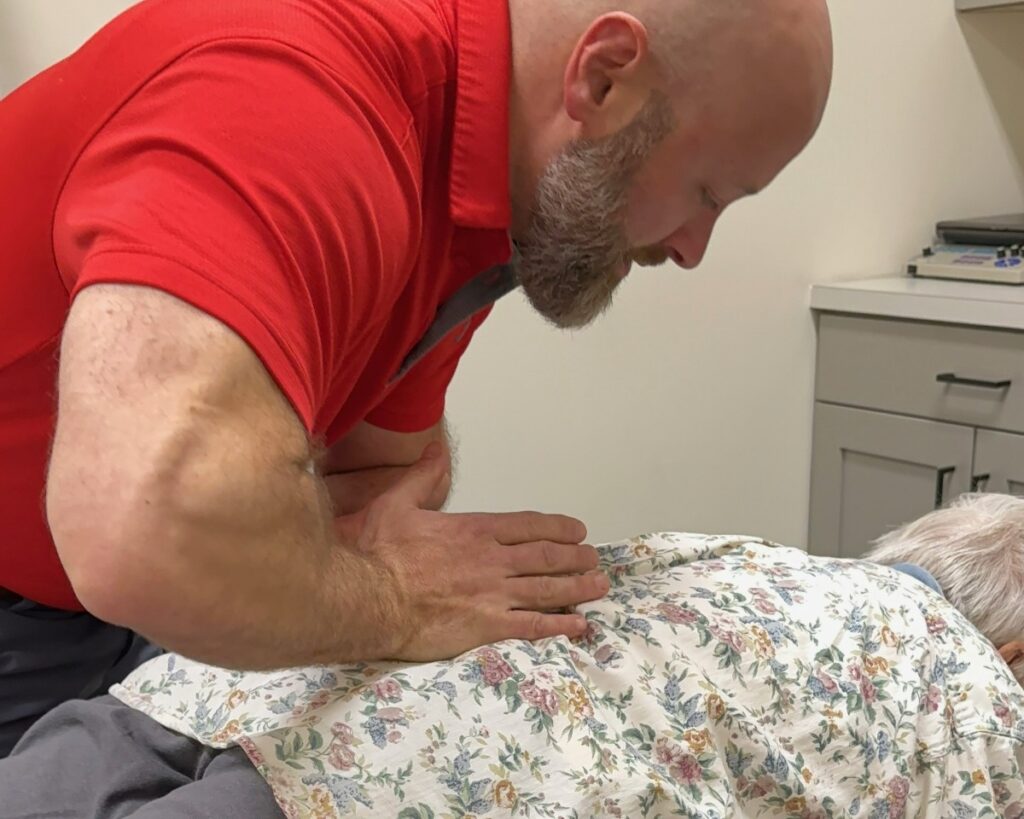
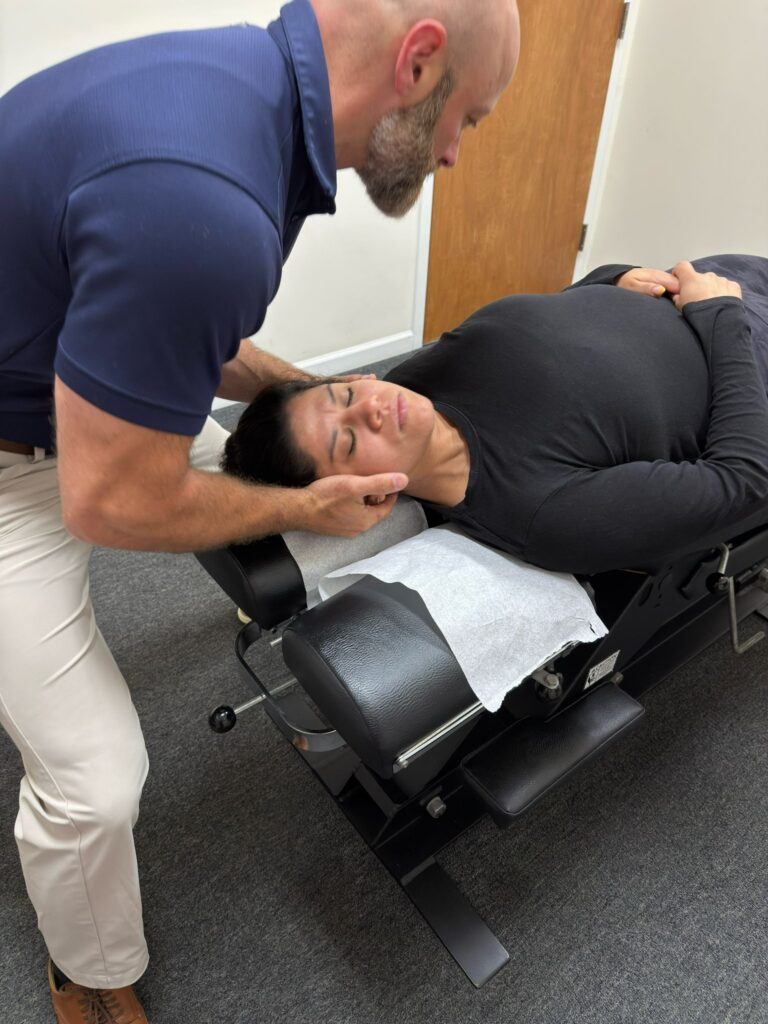
- Chiropractic Adjustments: Regular visits to a chiropractor can help realign your spine and relieve pressure on your nerves. This natural approach can address the underlying issues contributing to your back pain.
- Ergonomic Enhancements: Adjust your workspace to promote better posture. Use chairs that support your lower back, keep your computer monitor at eye level, and remember to take breaks to stretch and move around.
- Strengthening Exercises: Engage in gentle exercises that strengthen your core muscles, which support your spine. Simple activities like planks, bridges, and gentle yoga can enhance your stability and reduce pain.
- Stretching: Incorporate daily stretching routines to improve flexibility and relieve tension in your back muscles. Focus on stretches that target the lower back, hips, and legs.
- Posture Awareness: Be mindful of your posture throughout the day. Whether you’re sitting, standing, or lifting, maintaining proper alignment can significantly reduce strain on your back.
- Heat and Ice Therapy: Applying heat or ice packs to your back can provide temporary relief. Heat helps to relax tight muscles, while ice can reduce inflammation and numb sharp pain.
By focusing on these gentle, natural strategies and incorporating chiropractic care into your routine, you can take a proactive approach to managing your back pain. Remember, achieving optimal health is a journey, and with the right adjustments, you can reclaim your life from pain and discomfort. Embrace these tips, and feel free to reach out to your local chiropractor for personalized guidance on your path to wellness.
Key Takeaways
Chiropractic adjustments are a powerful tool for relieving tension, restoring spinal alignment, and enhancing overall function. By addressing these key areas, chiropractic care can significantly aid in alleviating back pain and promoting a healthier lifestyle.
Gentle manipulative therapies offered in chiropractic practice support your body’s natural healing processes and encourage optimal wellness. By focusing on the root causes of back pain, chiropractic care helps you not just feel better temporarily, but works towards long-term relief and health.
One of the great benefits of chiropractic care is that early intervention can lead to quicker recovery times and better outcomes in managing back pain. The sooner you seek chiropractic help, the sooner you can start feeling like yourself again.
In addition to adjustments, incorporating regular stretching and strengthening exercises into your routine is essential. These activities enhance flexibility and improve core support, which are vital for maintaining a healthy back. Simple exercises can make a significant difference in how you feel.
Don’t underestimate the importance of proper posture and an ergonomic workspace. These small adjustments in your daily life can prevent discomfort and support your spinal health, leading to reduced back pain over time. Remember, making these changes can be a simple yet effective way to promote your well-being.
In summary, chiropractic care is an excellent choice for those seeking pain relief and a pathway to natural wellness. By focusing on a holistic approach that includes adjustments, exercises, and lifestyle changes, you can achieve optimal health and a pain-free life.
Understanding the Causes of Back Pain
When you’re dealing with back pain, it’s important to understand the various factors that might be contributing to your discomfort. One common cause is poor posture. When you sit or stand in a way that isn’t aligned, it can put a strain on your muscles and ligaments, leading to chronic pain over time. Consider how you position yourself throughout the day—making small adjustments can make a big difference.
Physical activity also plays a crucial role in back health. Whether you’re overdoing it at the gym or not exercising enough, imbalances in your back muscles can occur. Aim for a balanced routine that includes strength training and flexibility exercises to support your spine.
Don’t forget about stress; it can cause your muscles to tighten, leading to pain. Finding ways to manage stress, such as through mindfulness, yoga, or gentle stretching, can help relax those tight muscles and alleviate discomfort.
Injuries from falls or accidents can also have lasting effects on your back. If you’ve experienced an injury, it’s essential to address it properly. Chiropractic care can help by realigning your spine and reducing inflammation, promoting natural healing.
Sometimes, underlying conditions like herniated discs or arthritis may be at play. If you suspect a medical issue, it’s always wise to consult with a healthcare professional. However, chiropractic care is an excellent first step for many back pain issues, as it focuses on restoring your spine’s natural alignment and function.
Being aware of these causes can empower you to identify patterns in your pain. Taking proactive steps is key! Here are some general tips to help you on your journey to relief and improved well-being:
- Practice Good Posture: Keep your back straight and shoulders back, whether sitting or standing. Consider ergonomic furniture to support your spine.
- Stay Active: Incorporate regular exercise into your routine, focusing on activities that strengthen your core and back muscles.
- Manage Stress: Engage in relaxation techniques like deep breathing, meditation, or yoga to help reduce tension in your body.
- Listen to Your Body: If something doesn’t feel right, don’t push through the pain. Instead, seek out chiropractic care to address any underlying issues.
- Stay Hydrated: Drinking plenty of water can help keep your spinal discs hydrated and healthy.
The Importance of Ergonomics in Your Workspace
The way you sit and work can have a significant impact on your back health, particularly in your daily workplace environment. As a chiropractor, I want to emphasize the importance of creating an ergonomic workspace to help prevent discomfort and support your spinal health. Here are some essential factors to consider, along with tips for achieving a more supportive setup:
| Ergonomic Factor | Recommendation |
|---|---|
| Chair Height | Ensure your feet rest flat on the floor. This helps maintain proper posture and reduces strain on your back. If your feet don’t reach the ground, consider using a footrest. |
| Monitor Position | Position the top of your monitor at eye level to avoid straining your neck. This alignment encourages a natural head position, which is vital for spinal health. |
| Keyboard Placement | Keep your keyboard at elbow height and close to your body to minimize reaching. This helps maintain a neutral wrist position, reducing the risk of repetitive strain injuries. |
| Desk Setup | Keep your wrists straight while typing. Use a wrist pad if needed to support your wrists and prevent discomfort. |
Stretching Techniques for Back Pain Relief
Incorporating stretching techniques into your daily routine can provide significant relief from back pain and improve your overall flexibility.
As a chiropractor, I emphasize that stretching not only alleviates tension but also encourages better posture, leading to enhanced comfort throughout your day.
While chiropractic care is the best choice for achieving optimal health, these stretches can complement your treatment and support your journey towards wellness.
Here are three effective stretches you can easily integrate into your routine:
- Cat-Cow Stretch: Begin on your hands and knees in a tabletop position. As you inhale, arch your back and lift your head and tailbone towards the ceiling (this is the cow position). Then, as you exhale, round your back and tuck your chin to your chest (this is the cat position). Repeat this cycle for about 5-10 times. This stretch promotes spinal mobility and can enhance the effectiveness of chiropractic adjustments.
- Child’s Pose: Kneel on the floor and sit back on your heels. Extend your arms forward and lower your torso towards the ground. This position helps to release tension in your lower back and can be held for about 30 seconds. It’s a great way to relax and reset, especially after a long day.
- Seated Forward Bend: Sit with your legs extended in front of you. Inhale deeply, lengthening your spine, and as you exhale, hinge at your hips and reach towards your toes. Hold this position for 20-30 seconds. This stretch not only targets your back but also encourages flexibility in your hamstrings, which can support your overall spinal health.
Remember, while these stretches can provide relief, they work best in conjunction with regular chiropractic care.
This holistic approach can help you achieve long-lasting health and wellness, allowing your body to heal naturally.
Listen to your body, and if you experience any pain while stretching, consult your chiropractor for personalized guidance.
Embracing a routine that includes both chiropractic adjustments and these simple stretches can lead you to a healthier, pain-free life.
Strengthening Exercises for a Healthier Back
Strengthening your back is vital for preventing pain and enhancing overall stability, and chiropractic care plays a crucial role in achieving optimal back health. By incorporating targeted exercises into your routine, you can support your spine and improve your well-being naturally.
One excellent exercise to start with is the plank. This simple move engages your entire core, which is essential for spinal support. Aim for three sets of 30 seconds, and as your strength builds, gradually increase the duration. Remember, maintaining proper form is key to maximizing the benefits and preventing any strain.
Another effective exercise is the bird-dog. While on all fours, extend one arm forward and the opposite leg back, holding for a few seconds before switching sides. This exercise not only strengthens your back but also boosts balance and coordination. Try to perform three sets of 10 repetitions on each side, focusing on controlled movements.
Bridges are also fantastic for back health! To do this, lie on your back with your knees bent and feet flat on the floor. Lift your hips toward the ceiling while squeezing your glutes at the top. Hold for a moment before lowering back down. Aim for three sets of 12 repetitions. This exercise strengthens your lower back and glute muscles, providing additional support to your spine.
Additionally, consider incorporating light resistance training into your routine. This can help build overall strength, which is essential for maintaining a healthy back. Consistency is key, so make these exercises a regular part of your day.
The Role of Posture in Back Health
Your posture plays a crucial role in your back health, and adopting poor habits can lead to significant discomfort over time. As a chiropractor, I’ve seen firsthand how slouching or hunching can negatively impact your spine and overall well-being. By making conscious adjustments to your posture, you can promote better alignment and reduce the risk of pain.
Here are some simple tips to help you maintain good posture throughout your day:
- Be Mindful of Your Sitting Position: When sitting, keep your feet flat on the ground and your knees at a right angle. Use a chair that supports your lower back to help maintain the natural curve of your spine.
- Stand Tall: When standing, distribute your weight evenly on both feet. Keep your shoulders back and your head aligned over your spine. Imagine a string pulling you upward from the top of your head to help you maintain an upright position.
- Take Breaks: If you sit for long periods, make it a point to stand up, stretch, and walk around every 30 minutes. This helps to relieve tension and promotes better circulation.
- Practice Core Strengthening: A strong core supports your back. Incorporate exercises like planks and bridges into your routine to enhance your core stability.
- Seek Chiropractic Care: Regular visits to a chiropractor can help ensure your spine is properly aligned, which is essential for overall health. Chiropractic adjustments can alleviate discomfort and promote natural healing.
Remember, good posture not only helps relieve back pain but also contributes to your overall well-being.
Impact of Poor Posture
While many people may not realize it, maintaining good posture is crucial for your back health and overall well-being.
Poor posture can lead to various issues that can disrupt your daily life and overall comfort. As a chiropractor, I want to share three significant impacts of poor posture, along with some tips to help you improve your alignment and embrace a healthier lifestyle:
- Increased Pain: Slouching or leaning forward can put undue strain on your back muscles, leading to chronic pain and discomfort. To combat this, try to be mindful of your posture throughout the day. Whether sitting at a desk or standing, keep your shoulders back and your spine aligned. Regular chiropractic adjustments can help realign your spine and alleviate pain.
- Reduced Flexibility: Poor posture can restrict your natural movement, making it more difficult to bend or twist without feeling discomfort. To enhance your flexibility, incorporate gentle stretching into your daily routine. Simple stretches can help open up your body and improve your range of motion. Additionally, chiropractic care can help restore proper alignment, making it easier for you to move freely.
- Nerve Compression: When your spine is misaligned, it can compress nerves, leading to tingling or numbness in your limbs. This is where chiropractic care shines! By focusing on spinal alignment, chiropractic adjustments can relieve nerve pressure and promote better overall health.
Incorporating these tips into your daily life can help you maintain better posture and, in turn, enhance your overall health. Remember, small changes can lead to significant improvements.
If you’re struggling with pain or discomfort, consider visiting a chiropractor to explore how natural healing can help you achieve optimal wellness. Your journey to a healthier, pain-free life starts with a strong foundation—your spine!
Benefits of Good Posture
Good posture is essential for maintaining a healthy spine and preventing discomfort. As a chiropractor, I believe that aligning your body correctly not only reduces strain on your spine but also allows it to function optimally. This alignment can lead to better breathing, increased energy levels, and improved focus throughout your day.
Here’s a quick overview of the benefits of good posture:
| Benefit | Description |
|---|---|
| Reduced Pain | Proper alignment minimizes tension in muscles and joints, reducing discomfort. |
| Increased Energy | Good posture enhances oxygen flow and circulation, giving you a natural boost of energy. |
| Enhanced Confidence | Maintaining a strong posture promotes a positive self-image and can improve your mood. |
To achieve and maintain good posture, here are some simple tips you can incorporate into your daily routine:
- Be Mindful of Your Alignment: Whether you’re sitting, standing, or walking, pay attention to how your body is aligned. Keep your shoulders back, head up, and spine straight.
- Ergonomic Workspaces: If you spend long hours at a desk, ensure that your workspace is ergonomic. Adjust your chair and computer height so that your elbows are at a 90-degree angle and your feet are flat on the ground.
- Take Breaks and Move: Don’t forget to take regular breaks to stand up, stretch, and move around. This helps to relieve tension and reset your posture.
- Strengthen Your Core: Engage in exercises that strengthen your core muscles, as a strong core supports your spine and encourages good posture.
- Chiropractic Care: Regular visits to your chiropractor can help you maintain good posture and address any spinal misalignments. Chiropractic adjustments support your body’s natural healing processes and promote overall wellness.
Lifestyle Changes to Support Back Wellness
Making small lifestyle changes can significantly improve your back wellness and alleviate discomfort. By incorporating simple habits into your daily routine, you can support your spine and enhance your overall health. As a chiropractor, I’m excited to share three effective changes you can adopt that not only promote back health but also align with natural healing principles:
1. Stay Active: Regular movement is crucial for a healthy spine. Activities like walking, swimming, or practicing yoga can strengthen your back muscles and improve flexibility. Aim for at least 30 minutes of moderate exercise most days of the week.
Remember, chiropractic care can complement your exercise routine by ensuring your spine is properly aligned, allowing you to move more freely and with less pain.
2. Mind Your Diet: Eating a balanced diet rich in anti-inflammatory foods—think colorful fruits, vibrant vegetables, and whole grains—can help you maintain a healthy weight. This is important because excess weight puts additional pressure on your back.
Additionally, certain foods can support your body’s natural healing processes. Consider visiting your chiropractor for personalized nutrition advice that can enhance your wellness journey.
3. Prioritize Sleep: Quality sleep is essential for recovery and pain management. Ensure your mattress provides adequate support, and find a comfortable sleeping position that promotes spinal alignment.
If you’re struggling with sleep or waking up with discomfort, a chiropractor can offer insights on how to create a sleep environment that fosters relaxation and healing.
Utilizing Heat and Cold Therapy
Heat and cold therapy is a fantastic, natural way to manage back pain and support your recovery journey. As a chiropractor, I often emphasize the importance of listening to your body and using these techniques to promote healing without the need for medications or invasive procedures.
When you’re feeling muscle tension or stiffness in your back, applying heat can be incredibly soothing. Heat therapy helps to relax those tight muscles and boosts blood flow, which is essential for healing. You can easily incorporate this into your routine by using a heating pad, wrapping a warm towel around the affected area, or enjoying a warm bath. Just be sure to keep the heat at a comfortable level to avoid any burns.
On the flip side, if you’re dealing with inflammation or swelling, cold therapy can be your ally. By applying an ice pack or a cold compress for about 15-20 minutes, you can numb the area and effectively reduce swelling. Just remember to wrap the ice pack in a cloth to protect your skin from frostbite.
One of the best approaches is to alternate between heat and cold therapy. This combination can enhance your recovery process and provide effective relief from back pain. It’s all about finding what works best for your body, so don’t hesitate to experiment with both methods.
In addition to these therapies, maintaining good spinal health through regular chiropractic adjustments can play a significant role in achieving optimal wellness. A chiropractor can help align your spine, relieve tension, and improve your overall function, making it easier for you to manage pain and stay active.
When to Seek Professional Help
If your back pain has lingered for more than a few weeks, it’s a sign that you should consider seeking professional help—specifically, from a chiropractor.
Ignoring additional symptoms like numbness or weakness can lead to further complications, so it’s essential to pay attention to your body. Chiropractic care is a natural and effective way to address these issues and promote healing without the need for medications or surgeries.
Recognizing when to seek assistance is crucial for your health. A chiropractor can assess your condition, provide tailored treatments, and help you understand the root cause of your pain.
Here are some general tips to keep in mind:
- Stay Active: Gentle movements and stretches can help maintain flexibility and strength in your back.
- Practice Good Posture: Pay attention to how you sit, stand, and lift objects. Proper alignment can make a significant difference in your comfort.
- Listen to Your Body: If something doesn’t feel right, don’t hesitate to reach out for help. Early intervention can lead to quicker recovery.
- Stay Hydrated: Drinking plenty of water supports spinal health and overall wellness.
Chiropractic care isn’t just about pain relief; it’s about achieving optimal health and well-being.
If you’re experiencing persistent back pain, consider visiting a chiropractor to explore how natural healing can help you feel your best.
Persistent Pain Duration
Often, back pain can be a temporary issue that resolves with rest and self-care. However, if your pain persists, it’s essential to know when to seek professional help. As a chiropractor, I believe that understanding your body is key to managing pain and achieving optimal health. Here are three important signs you shouldn’t ignore:
- Duration: If your back pain lasts longer than three days without improvement, it’s a clear signal to consult a chiropractor. We specialize in addressing the root cause of pain and can provide natural, non-invasive solutions to help you heal.
- Intensity: If the pain escalates to a level that disrupts your daily activities, don’t hesitate to seek a professional opinion. A chiropractor can assess your condition and offer tailored treatment strategies that focus on restoring your spinal health and overall well-being.
- Symptoms: If you experience numbness, tingling, or weakness in your legs, these could indicate a more serious issue that requires immediate attention. As chiropractors, we can help identify the underlying problems and guide you on the path to recovery through gentle adjustments and holistic care.
Listening to your body is crucial. Remember, chiropractic care not only helps alleviate pain but also promotes natural healing and supports a healthier lifestyle.
Here are a few general tips to keep in mind:
- Stay Active: Gentle stretching and low-impact exercises can keep your back strong and flexible.
- Posture Matters: Be mindful of your posture, especially if you sit for long periods. Proper alignment reduces strain on your back.
- Ergonomic Support: Use supportive chairs and maintain a comfortable workspace to minimize stress on your spine.
Symptoms Beyond Discomfort
While back pain can sometimes be manageable, there are certain symptoms that indicate it’s time to seek professional help, especially from a chiropractor.
If you’re experiencing severe pain that doesn’t improve with rest or common home remedies, it’s wise to consult a healthcare provider who specializes in spinal health.
Pay attention to any numbness, tingling, or weakness in your legs, as these may suggest nerve issues that require immediate attention.
Additionally, experiencing problems with bladder or bowel control is a signal to seek help right away; these symptoms may indicate a more serious underlying condition.
If your back pain followed an injury, or if you’re experiencing fever or unexplained weight loss, it’s crucial to get a professional evaluation.
These could be signs that your body is signaling something more serious.
Trust your instincts—your body knows when something isn’t right.
Ignoring these symptoms can lead to further complications, which is why consulting with a chiropractor can be immensely beneficial.
Chiropractors focus on the spine and nervous system, offering natural healing methods that can provide pain relief and promote overall wellness.
In the meantime, here are some general tips to help manage your back health at home:
- Practice good posture: Whether sitting, standing, or lifting, maintaining proper posture can prevent unnecessary strain on your back.
- Stay active: Gentle exercises, like walking or stretching, can help keep your spine healthy. Consider incorporating yoga or pilates for flexibility and strength.
- Use ergonomic furniture: If you work at a desk, ensure your chair supports your back and your screen is at eye level to reduce strain.
- Stay hydrated: Drinking enough water supports spinal health by maintaining the elasticity of the spinal discs.
- Listen to your body: If something doesn’t feel right, don’t hesitate to reach out to a chiropractor for an evaluation.
Conclusion
To summarize, achieving freedom from back pain is entirely possible through personalized adjustments and healthy lifestyle changes. Understanding the root causes of your discomfort is crucial, and that’s where chiropractic care shines. By focusing on spinal health and proper alignment, we can support your back naturally.
Improving your workspace ergonomics plays a significant role in reducing strain on your spine. Simple adjustments like keeping your computer screen at eye level and using a chair that offers good lumbar support can make a big difference. Additionally, incorporating gentle stretching and strengthening exercises into your daily routine can enhance your back health and overall well-being.
Don’t underestimate the power of good posture and self-care practices such as regular chiropractic adjustments. These not only alleviate pain but also promote natural healing and better overall health. If your pain persists or worsens, remember that our doors are always open for you to seek professional chiropractic care. You’ve got the tools to reclaim your comfort and embrace a healthier lifestyle!