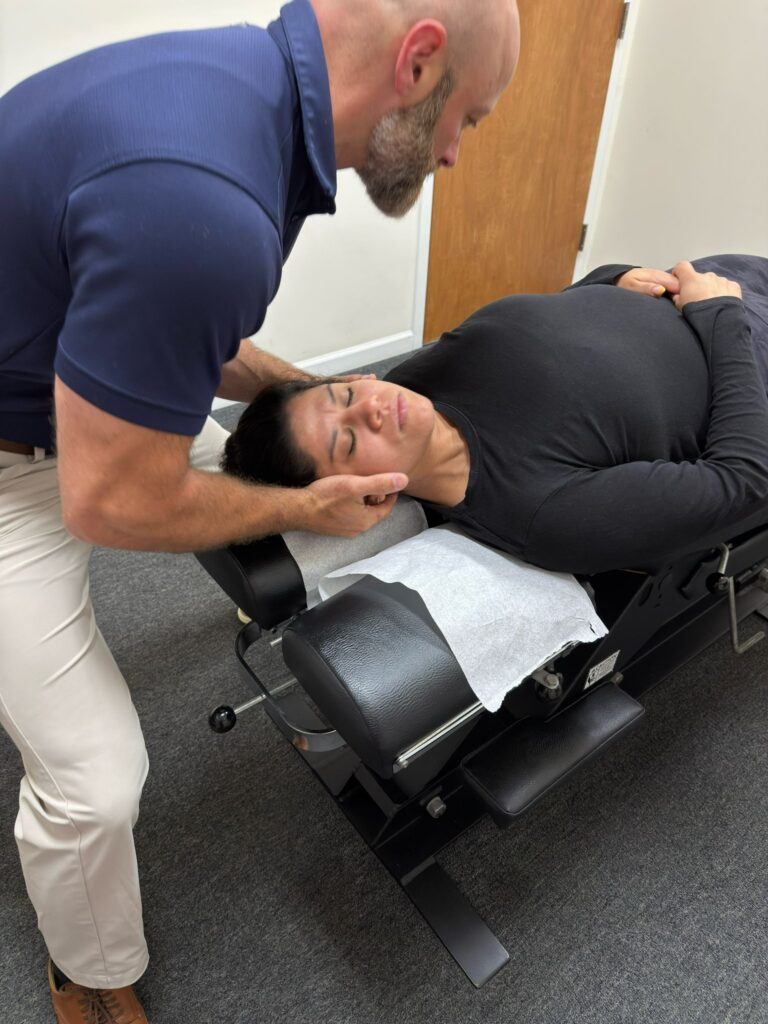

Finding the right visit schedule for headache relief can sometimes feel overwhelming, but it doesn’t have to be! Understanding how often you experience headaches and their intensity is the first step. By working closely with your chiropractor, you can create a tailored plan that meets your unique needs and helps you find lasting relief.
Chiropractic care is a natural and effective way to address headaches, focusing on spinal health and overall wellness. Here are some steps you can take to develop a personalized schedule that works best for you:
- Track Your Headaches: Keep a simple log of when your headaches occur, their intensity, and how long they last. This information will be invaluable when discussing your care plan with your chiropractor.
- Communicate Openly: Be honest with your chiropractor about your experiences. Share details about your headaches and any other symptoms you may be feeling. This will help them adjust your treatment plan effectively.
- Start with Regular Visits: If you’re experiencing frequent headaches, starting with more regular appointments can help. Chiropractic adjustments can relieve tension, improve spinal alignment, and positively influence your overall health.
- Listen to Your Body: As you progress, pay attention to how your body responds to treatment. If you notice improvement, discuss with your chiropractor whether you can adjust the frequency of your visits.
- Incorporate Healthy Habits: Alongside chiropractic care, adopting a healthier lifestyle can enhance your results. Regular exercise, staying hydrated, maintaining good posture, and practicing stress management techniques can all contribute to headache relief.
- Stay Consistent: Consistency is key when it comes to reaping the full benefits of chiropractic care. Stick to the schedule you and your chiropractor agree upon, and be patient as your body adjusts.
Remember, chiropractic care is about more than just relief from headaches—it’s about achieving optimal health and wellness. By taking a proactive approach to your care and collaborating with your chiropractor, you’re on the path to feeling your best naturally!
Key Takeaways
- Schedule your initial chiropractic visits every four to six weeks for a comprehensive assessment and to create a personalized plan to help manage your headaches effectively. This approach allows us to understand your unique situation and develop strategies that work best for you.
- As we monitor the frequency and intensity of your headaches, we can adjust your visit schedule based on your progress. Many patients find that they can reduce their visits to every three to six months as their condition improves.
- It’s vital to keep an open line of communication with your chiropractor. This way, we can tailor your treatments to fit any changes in your headache patterns or triggers, ensuring you receive the most effective care possible.
- Consider keeping a headache diary. By tracking when your headaches occur, what might trigger them, and which relief methods work best for you, we can refine your visit schedule and treatment plan, making our approach even more effective.
- Lastly, commit to regular check-ups. These visits not only help in preventing future headaches but also promote your overall wellness through ongoing chiropractic care. By making chiropractic a part of your health routine, you’re choosing a natural path to pain relief and better health.
Understanding Your Headache Patterns
To find effective relief from headaches, it’s essential to first understand your headache patterns. Keeping a headache diary can be a powerful tool in this process. Track when your headaches occur, their intensity, and how long they last. This practice will help you identify trends—are your headaches more frequent during certain times of the day or after specific activities? Recognizing these patterns is crucial for finding the right approach to relief.
Next, consider the various types of headaches you may experience. Are they tension headaches, migraines, or cluster headaches? Each type can stem from different causes and may require unique management strategies. Pay attention to how you feel before, during, and after a headache. This awareness can uncover potential triggers and help you take proactive steps.
Chiropractic care can play a significant role in managing headaches naturally. By addressing spinal misalignments and improving nervous system function, chiropractic adjustments can help reduce headache frequency and intensity.
Here are some general tips to incorporate into your routine:
- Stay Hydrated: Dehydration can be a common headache trigger, so make sure you’re drinking enough water throughout the day.
- Practice Good Posture: Poor posture can contribute to tension headaches. Ensure your workstation is ergonomically set up and take regular breaks to stretch.
- Manage Stress: Techniques such as deep breathing, meditation, or gentle yoga can help alleviate tension and reduce the likelihood of headaches.
- Get Regular Chiropractic Care: Regular visits to your chiropractor can help keep your spine aligned and may reduce the frequency of headaches.
By being proactive and incorporating these practices, you can take important steps toward achieving optimal health and natural wellness.
Identifying Triggers and Symptoms
To find effective headache relief, it’s essential to identify your specific triggers and symptoms. Understanding what triggers your headaches can’t only help you manage them better but also lead you to consider holistic approaches like chiropractic care, which focuses on natural healing and optimal wellness.
Common headache triggers include stress, poor posture, dehydration, and even certain foods. By recognizing your unique patterns, you can tailor your lifestyle choices—like improving your posture or staying hydrated—to help minimize these triggers.
Chiropractic care plays a significant role in headache management. Regular adjustments can help align your spine, reducing tension in your neck and shoulders, which are common areas where headache pain originates.
Here are some simple tips to help you manage headaches naturally:
- Stay Hydrated: Drink plenty of water throughout the day. Dehydration is a common trigger for headaches.
- Practice Good Posture: Being mindful of your posture, especially when sitting at a desk, can alleviate unnecessary stress on your neck and spine.
- Manage Stress: Incorporate relaxation techniques such as deep breathing, yoga, or meditation into your routine to help reduce stress levels.
- Regular Chiropractic Visits: Consider scheduling regular chiropractic adjustments to maintain spinal health and overall well-being. This can help prevent headaches before they start.
By focusing on these strategies and incorporating chiropractic care into your health routine, you can work towards a headache-free life while also enhancing your overall wellness.
Common Headache Triggers
While you may not realize it, certain everyday activities and environmental factors can trigger headaches. Stress is a common culprit; it can accumulate throughout the day, leading to tension headaches. As a chiropractor, I often see how spinal alignment and tension in the body can contribute to this discomfort. Managing stress through chiropractic adjustments can help alleviate tension and promote relaxation.
Dehydration is another significant trigger. When your body doesn’t get enough water, it can respond with pain. Staying hydrated is crucial for overall health, and regular chiropractic care can support your body’s natural functions, helping you maintain overall wellness.
Caffeine can be a double-edged sword; it might provide relief for some, but withdrawal can lead to headaches for others. If you find yourself relying on caffeine, consider discussing with your chiropractor how to manage your intake in a way that supports your health without causing discomfort.
Certain foods, such as aged cheeses or processed meats, may exacerbate symptoms too. Keeping a food diary can help you identify any dietary triggers. Coupling this awareness with routine chiropractic visits can enhance your body’s ability to cope with potential triggers.
Additionally, bright lights, strong odors, and loud noises can contribute to your discomfort. Creating a calm environment at home and work can be beneficial. Chiropractic care can also help improve your overall posture and spinal health, allowing your body to be more resilient to these external stressors.
By identifying these headache triggers in your daily life and seeking the guidance of a chiropractor, you can take proactive steps to avoid them. Regular chiropractic care not only aids in pain relief but also promotes a healthier lifestyle, potentially reducing the frequency and severity of your headaches.
Recognizing Symptom Patterns
How can you effectively recognize the patterns behind your headaches? Start by keeping a detailed headache diary, which can be a powerful tool in understanding your body’s signals. Note the date, time, duration, and intensity of each headache, as well as any accompanying symptoms such as nausea or sensitivity to light.
It’s also important to track potential triggers, like specific foods, stress levels, or even lack of sleep. As you gather this information, you may begin to see connections between your headaches and certain factors in your life. Look for patterns regarding when and how often your headaches occur, as this insight can help you identify what might be causing them.
While you’re observing these patterns, consider how chiropractic care can play a vital role in managing your headaches. Misalignments in the spine can often contribute to headache pain, and a chiropractor can help correct these issues through gentle adjustments and treatments tailored to your needs.
In addition to seeking chiropractic care, here are a few general tips to help you manage your headaches naturally:
- Stay Hydrated: Dehydration can trigger headaches, so ensure you’re drinking plenty of water throughout the day.
- Maintain Good Posture: Poor posture can lead to tension headaches. Be mindful of your posture, especially when sitting at a desk or using your phone.
- Practice Relaxation Techniques: Stress is a common trigger for headaches. Consider techniques like deep breathing, meditation, or yoga to help alleviate tension.
- Get Regular Sleep: Establish a consistent sleep schedule to ensure you’re getting enough rest each night.
By recognizing these symptom patterns and incorporating natural healing strategies, you’ll be better equipped to manage your headaches and improve your overall wellness.
Personalizing Your Approach
Recognizing symptom patterns is just the beginning; personalizing your approach to headache relief requires understanding the specific triggers and symptoms that are unique to you. One effective method is to keep a headache diary. This simple tool allows you to track when your headaches occur, their intensity, and any accompanying symptoms.
Be sure to note factors like food, stress, sleep, and even changes in the weather that might contribute to your discomfort. This information can be invaluable in helping you identify what to avoid or address.
Once you’ve pinpointed your triggers, you can develop strategies to minimize their impact naturally. For instance, consider how chiropractic care can assist you in managing stress and improving your sleep quality. Regular chiropractic adjustments can help align your spine, which can alleviate tension in your body and promote overall wellness.
Additionally, making mindful dietary choices and incorporating relaxation techniques can enhance your journey to better health.
Remember, what works for someone else mightn’t work for you, so stay proactive in your pursuit of relief. By embracing a holistic approach that includes chiropractic care, you can find effective ways to manage your headaches and improve your overall quality of life.
Prioritize your wellness by exploring natural solutions—your body will thank you!
The Role of Healthcare Providers in Headache Management
When it comes to managing headaches, chiropractic care plays a crucial role in guiding you toward effective, natural treatment options. As a chiropractor, I begin by evaluating your specific symptoms and understanding your medical history. This helps identify potential triggers and underlying causes of your headaches, allowing us to create a personalized plan that focuses on natural healing.
Chiropractic adjustments can help relieve tension in the neck and spine, which may be contributing to your headache symptoms. By improving spinal alignment, we can enhance your overall well-being and promote better nervous system function, which is key to reducing pain.
In addition to adjustments, I can provide you with valuable tips on lifestyle changes that support headache relief. Simple practices like maintaining good posture, staying hydrated, managing stress through relaxation techniques, and ensuring you get enough sleep can make a significant difference.
I also keep you informed about the latest findings in natural health and wellness, so your treatment plan can adapt as needed. Throughout your journey, I’ll monitor your progress and make necessary adjustments to your care based on how you respond.
If your headaches require specialized attention, I can help connect you with other wellness professionals who share a holistic approach. Together, we can work on optimizing your headache management and improving your quality of life naturally.
Frequency of Visits: How Often Should You See a Specialist?
Are you wondering how often you should visit a specialist for headache relief? The frequency of your visits can depend on the severity and type of your headaches, but as a chiropractor, I believe that regular chiropractic care can play a vital role in managing and alleviating headache pain naturally.
If you’re just starting your journey toward headache relief, consider scheduling appointments every four to six weeks. This allows your chiropractor to assess your progress, adjust your treatment plan, and ensure your spine is aligned, which can significantly impact headache frequency and intensity.
Once you find a treatment plan that works for you, you may be able to reduce your visits to every three to six months. However, if you notice any changes in your headaches—whether an increase in frequency or intensity—don’t hesitate to come in sooner. Open communication with your chiropractor is essential. They can help tailor your visit schedule to best suit your individual needs and keep you on track for optimal health.
Remember, regular chiropractic adjustments not only help with headache management but also promote overall wellness. Here are a few simple tips you can incorporate into your routine:
- Stay Hydrated: Dehydration can often lead to headaches. Drink plenty of water throughout the day.
- Maintain Good Posture: Poor posture can strain your neck and back, potentially triggering headaches. Be mindful of your posture, especially when sitting for long periods.
- Incorporate Stretching: Gentle neck and shoulder stretches can relieve tension and help prevent headaches.
- Manage Stress: Practice relaxation techniques such as deep breathing or meditation to help reduce stress-related headaches.
Ultimately, the right frequency of visits to your chiropractor depends on how well your treatment is working and any changes in your symptoms. Prioritizing your spinal health through regular chiropractic care can lead to lasting relief and a healthier, more vibrant life.
Timing Your Appointments for Maximum Benefit
Scheduling your chiropractic appointments at the right times can significantly enhance your journey toward headache relief. It’s essential to take your personal schedule and energy levels into account when planning your visits. For example, if you find that headaches often strike in the morning, consider booking an appointment shortly after you wake up. This way, you may feel better throughout the day, setting a positive tone for your daily activities.
If you tend to accumulate stress during the workweek, scheduling sessions during your lunch break or right after work can be beneficial. These times allow you to manage tension before it escalates, helping to maintain a healthier state of mind and body.
Paying attention to patterns in your headaches can also guide your appointment scheduling. If you identify that certain days tend to be more challenging, align your chiropractic visits with these days. By addressing potential issues proactively, you empower yourself to tackle challenges head-on.
Establishing a consistent appointment time that fits seamlessly into your lifestyle not only increases the likelihood that you’ll stick with your treatment plan but also maximizes the benefits of chiropractic care.
Remember, chiropractic is a natural approach to wellness, focusing on spinal health and the body’s innate ability to heal itself.
Tracking Treatment Responses and Adjustments
To effectively manage your headaches, it’s important to keep a close eye on your symptoms and their patterns. By tracking these details, you can work with your chiropractor to make necessary adjustments to your treatment plan. Chiropractic care focuses on the spine and nervous system, which play a crucial role in overall health and can significantly contribute to headache relief.
Here are some helpful tips to consider:
- Keep a Headache Diary: Note when your headaches occur, their intensity, and any activities or foods that may trigger them. This can help identify patterns that your chiropractor can address.
- Stay Hydrated: Dehydration can lead to headaches. Make sure you’re drinking enough water throughout the day.
- Posture Check: Poor posture can strain your spine and contribute to headaches. Pay attention to your posture, especially if you spend long hours sitting.
- Regular Chiropractic Visits: Regular adjustments can help align your spine and reduce tension in your body, which may alleviate headache symptoms.
- Stress Management: Stress can trigger headaches, so incorporating relaxation techniques like deep breathing, yoga, or meditation can be beneficial.
Monitor Symptom Patterns
How can you effectively monitor your headache symptoms to find the right treatment approach, particularly through chiropractic care? Start by keeping a detailed headache diary. Note the frequency, duration, and intensity of your headaches, along with any triggers such as food, stress, or sleep patterns. This will help you and your chiropractor identify specific patterns that may be contributing to your discomfort.
In addition to tracking your headaches, pay attention to your posture and spinal health. Poor alignment can lead to tension and headaches, so regularly checking in on how you carry yourself throughout the day can be beneficial. Simple practices like stretching and maintaining proper ergonomics at your workstation can make a significant difference.
Consider incorporating relaxation techniques like deep breathing or gentle yoga, which can help reduce stress and tension that might trigger headaches. These natural methods align perfectly with the holistic approach of chiropractic care, focusing on treating the root cause rather than just masking symptoms.
If you’re experiencing ongoing headaches, visiting a chiropractor can be an excellent option. They can assess your spinal health and provide gentle adjustments that may alleviate tension and improve overall function.
Adjust Treatment Plans
As you monitor your headache symptoms, it’s crucial to adapt your treatment plan based on your experiences with chiropractic care. Take note of how your body feels after each visit. If you notice improvements, that’s a positive sign that your current chiropractic approach is working well for you.
However, if you find that your symptoms aren’t improving or are getting worse, it may be time to reassess your strategy. Open communication with your chiropractor is key. Share what’s helping and what’s not working for you. Together, you can explore adjustments to your treatment plan.
This might include changing how often you visit, trying different chiropractic techniques, or even adding complementary therapies like lifestyle advice or relaxation techniques.
Remember, your treatment plan should be flexible and evolve with your needs. By staying engaged and proactive about your care, you’re taking important steps toward finding long-lasting relief and enhancing your overall well-being.
Embrace the natural healing power of chiropractic care as a vital part of your journey to optimal health. And don’t forget, simple practices like staying hydrated, maintaining good posture, and managing stress can also significantly impact your headaches and overall health.
Incorporating Lifestyle Changes Into Your Schedule
When it comes to managing headaches, incorporating lifestyle changes into your daily routine can be a game-changer, and chiropractic care can play a crucial role in this process. Start by identifying what might be triggering your headaches, such as certain foods or stressors, and work towards eliminating or reducing these factors.
Regular physical activity is essential; whether you enjoy walking, yoga, or another form of exercise, find something that you love to do so it feels less like a chore and more like a rewarding part of your day.
Prioritizing sleep is another key aspect of headache management. Establish a consistent sleep schedule aiming for 7-8 hours of quality rest each night. Creating a calming bedtime routine can help improve your sleep quality, which is vital for your overall health.
Remember, staying hydrated is also critical in preventing headaches, so make sure you’re drinking plenty of water throughout the day.
In addition, consider incorporating mindfulness or relaxation techniques, such as meditation or deep breathing, to help manage stress levels effectively. Chiropractic care can also support this process by addressing any underlying spinal issues that may contribute to headache pain.
Regular adjustments can help align your spine, reduce tension, and promote overall wellness.
These changes may take time to show results, but by gradually integrating them into your life, you can experience substantial improvements in your overall well-being and a reduction in headache frequency.
Collaborating With Your Healthcare Team
Collaborating with your healthcare team is vital for effectively managing headaches and creating a comprehensive treatment plan that prioritizes natural healing. Open communication and teamwork can lead to better outcomes and an enhanced quality of life.
Here are some key ways to ensure a productive partnership with a focus on chiropractic care:
- Share your symptoms: Keeping a headache diary is a great way to track the frequency, duration, and triggers of your headaches. This information helps your chiropractic team understand your condition better and tailor a natural treatment plan just for you.
- Discuss treatment options: Be open to exploring various natural therapies. Chiropractic care is an excellent option for addressing headaches, as it focuses on spinal health and alignment, which can alleviate tension and improve overall wellness. Techniques such as spinal adjustments and soft tissue therapies can be particularly effective in reducing headache frequency and intensity.
- Set realistic goals: Work together with your chiropractor to establish achievable targets for headache relief. It’s essential that you both agree on the best ways to track your progress, ensuring that your treatment plan is effective and aligned with your health goals.
- Schedule regular check-ins: Consistent visits to your chiropractor allow for ongoing monitoring of your progress. Regular adjustments and assessments can help your team make necessary modifications to your treatment plan, ensuring that you stay on the path to optimal health.
By focusing on natural healing through chiropractic care, you can take significant steps toward managing headaches effectively and enhancing your overall well-being.
Evaluating Progress and Making Adjustments
To effectively manage your headaches, it’s crucial to regularly evaluate your progress and make necessary adjustments to your approach. Start by tracking how often you experience headaches, how long they last, and how intense they feel. This information can help you identify patterns and potential triggers.
Consider keeping a journal or using a simple app to note not just your headaches but also any natural remedies or lifestyle changes you’ve tried and their results.
After gathering this information, share it with your chiropractor during your visits. They can help you assess what’s working and what might need to be changed. If you find that there hasn’t been much improvement, don’t hesitate to discuss alternative natural treatments or modifications to your current care plan. Staying proactive is essential; sometimes, even minor adjustments can lead to significant relief.
In addition to chiropractic care, here are some general tips that may help improve your overall well-being and reduce headache frequency:
- Stay Hydrated: Dehydration can often trigger headaches, so make sure you’re drinking plenty of water throughout the day.
- Practice Good Posture: Poor posture can strain your neck and spine, leading to headaches. Be mindful of your posture while sitting and standing.
- Manage Stress: Engage in relaxation techniques such as deep breathing, meditation, or yoga. Reducing stress can alleviate headache symptoms.
- Regular Exercise: Physical activity can promote better circulation and overall health, helping to reduce headache frequency.
- Sleep Well: Ensure you’re getting enough restful sleep each night, as sleep disturbances can contribute to headaches.
Creating a Personalized Visit Schedule
Creating a personalized visit schedule is crucial for maximizing the benefits of your chiropractic care and effectively managing your headaches. By tailoring your appointments to align with your specific needs, you can enhance your recovery and overall well-being naturally. Here are some simple steps to consider when crafting your schedule:
- Observe headache patterns: Pay attention to when your headaches occur most frequently. This information can help us plan your visits to coincide with these times for optimal relief.
- Talk with your chiropractor: Share your symptoms and wellness goals during your visits. Together, we can determine the best frequency for your chiropractic appointments to support your healing journey.
- Track your progress: Keep a journal of your headache intensity and frequency after each session. Noticing changes can motivate you and help us adjust your care plan as needed.
- Stay adaptable: Your body’s response to treatment is unique. Be open to adjusting your schedule based on how you feel over time. This flexibility ensures you receive the best care tailored just for you.
Remember, chiropractic care is a natural approach that focuses on the health of your spine and nervous system, promoting overall wellness without the need for medications or surgeries.
Conclusion
Finding your ideal visit schedule for headache relief is an essential step toward achieving optimal health and wellness. At our chiropractic practice, we believe that understanding your unique patterns and needs is key to effective treatment. By communicating openly with us and tracking your symptoms, we can work together to create a personalized plan that adapts as you progress.
Chiropractic care focuses on natural healing by addressing the root causes of pain, rather than just masking symptoms with medications or invasive procedures. Regular adjustments can help improve spinal alignment, reduce tension, and promote overall well-being, which can be incredibly beneficial in managing headaches.
In addition to your chiropractic visits, incorporating healthy lifestyle changes can make a significant difference. Here are some simple tips to help you on your journey to headache relief:
- Stay Hydrated: Dehydration can trigger headaches, so make sure to drink plenty of water throughout the day.
- Practice Good Posture: Whether you’re working at a desk or using your phone, maintaining good posture can help reduce neck and back tension that contributes to headaches.
- Manage Stress: Engage in relaxation techniques such as deep breathing, meditation, or yoga to help ease stress and tension.
- Get Regular Exercise: Physical activity improves circulation and can help prevent headaches by reducing muscle tension.
- Prioritize Sleep: Aim for consistent, quality sleep each night to help your body recover and maintain energy levels.
Regular evaluations are crucial to adjusting your visit schedule and ensuring you maintain peak relief and wellness. Remember, chiropractic care is a powerful tool in managing headaches and promoting a healthier lifestyle. Take charge of your health, and together, we can keep those headaches at bay!