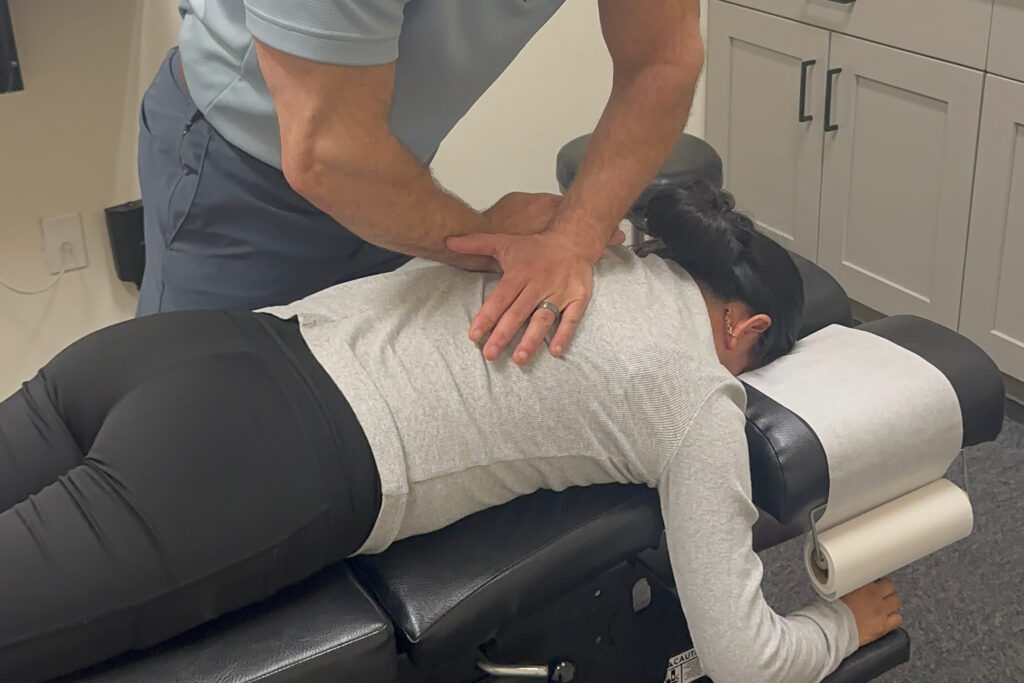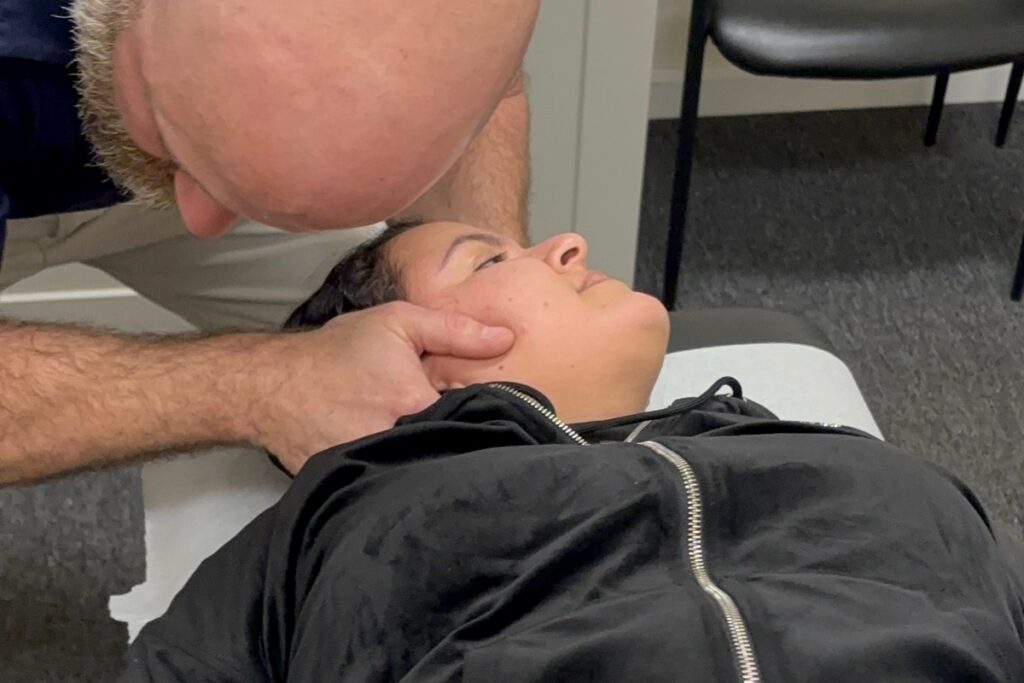

If you’re experiencing low back discomfort, it’s important to know that there are gentle and effective options available that can help alleviate your pain while promoting overall wellness. As a chiropractor, I believe in the power of natural healing through safe and simple techniques. Gentle stretching, mindful breathing, and basic self-care practices can greatly enhance your comfort and support spinal health.
Incorporating these practices into your daily routine can provide significant relief and improve your quality of life. Curious about which specific gentle techniques can work best for you? Let’s explore some methods that not only ease discomfort but also foster better spinal alignment and overall health.
- Gentle Stretching: Incorporate stretches that focus on the lower back and surrounding muscles. Simple movements, such as knee-to-chest stretches or seated forward bends, can help relieve tension and improve flexibility.
- Mindful Breathing: Practicing deep, mindful breathing can help reduce stress and promote relaxation in your back muscles. Try inhaling deeply through your nose, holding for a few seconds, and exhaling slowly through your mouth.
- Posture Awareness: Maintaining proper posture is crucial for spinal health. Focus on sitting and standing with your shoulders back and your spine in a neutral position.
- Hydration: Staying well-hydrated supports the health of your spinal discs and overall bodily function. Aim to drink plenty of water throughout the day.
- Heat Therapy: Applying heat to your lower back can provide soothing relief. Consider using a warm towel or a heating pad for short periods to relax tight muscles.
- Gentle Movement: Engage in low-impact activities like walking or swimming. These can help strengthen your back muscles without placing additional strain on your spine.
- Mindfulness and Relaxation: Spend a few minutes each day practicing mindfulness or meditation. This can help reduce stress and tension that contributes to back pain.
- Regular Chiropractic Care: Regular visits to your chiropractor can help maintain spinal alignment, improve joint function, and prevent future pain. Chiropractic adjustments are a safe and effective way to manage discomfort naturally.
- Supportive Sleep: Ensure your sleeping environment supports your spine. Use a mattress that provides adequate support and consider sleeping on your side with a pillow between your knees.
- Listen to Your Body: Pay attention to what your body is telling you. If certain movements or activities cause pain, modify them or seek guidance from your chiropractor.
By integrating these gentle techniques into your routine, you can take proactive steps towards achieving optimal health and living free from pain. Chiropractic care stands out as a natural approach to not only relieve discomfort but also enhance your overall well-being. If you’re interested in exploring how chiropractic can support your journey to better health, don’t hesitate to reach out. Your path to relief and wellness starts here!
Key Takeaways
- Start by practicing gentle stretching exercises, such as Cat-Cow and Child’s Pose. These movements help warm up your spine and can alleviate tightness in your lower back, setting the stage for better spinal health.
- Incorporate mindful breathing techniques, like diaphragmatic breathing, into your routine. This practice promotes relaxation and can significantly reduce tension in the lower back, enhancing overall wellness.
- Consider utilizing yoga poses such as Downward-Facing Dog and Sphinx Pose. These poses not only enhance spinal mobility but also support improved posture, which is crucial for maintaining a healthy spine.
- Engage in core-strengthening exercises, like planks and bridges. A strong core is essential for supporting your spine and reducing the risk of back pain, making it an important part of your wellness routine.
- Combine gentle stretching with visualization techniques. As you stretch, imagine tension melting away. This can deepen relaxation and aid in the relief process, allowing your body to heal naturally.
Remember, chiropractic care is a fantastic option for addressing lower back pain and enhancing your overall health. By integrating these gentle techniques into your daily routine, you can support your spine and enjoy a healthier, pain-free life.
Gentle Stretching Exercises
Gentle stretching exercises can be incredibly beneficial for alleviating low back pain, and they can complement your chiropractic care perfectly. Incorporating these movements into your daily routine not only enhances flexibility but also helps reduce tension in your back.
Let’s start with a great stretch known as the cat-cow stretch. Position yourself on your hands and knees, and gently alternate between arching your back (like a cat) and rounding it (like a cow). This simple movement helps warm up your spine and eases tightness, making it an excellent choice for maintaining spinal health.
Next, consider trying the child’s pose. By sitting back on your heels and reaching your arms forward, you create a gentle elongation of your lower back. This pose encourages deep breathing, which can enhance relaxation and further relieve discomfort.
Another effective stretch is the seated forward bend. While sitting on the floor, reach for your toes, allowing your spine to flex and relax naturally. This position can be soothing and is a great way to release tension in the lower back.
As you practice these stretches, aim to hold each position for 15-30 seconds, allowing the relief to wash over you. It’s essential to listen to your body and avoid pushing into any pain. Consistent practice of these gentle stretches can help you maintain a healthy back and improve your overall wellness.
Mindful Breathing Techniques
Incorporating mindful breathing techniques into your routine can significantly enhance the benefits of gentle stretching exercises, especially for those experiencing discomfort in their lower back. By focusing on your breath, you create a soothing environment that promotes relaxation and helps alleviate tension. This is an important step toward maintaining spinal health and overall well-being.
Begin by finding a comfortable position—either seated or lying down. Take a deep breath in through your nose, allowing your abdomen to expand fully. Hold that breath for a moment, then exhale slowly through your mouth. Repeat this process for several minutes, paying close attention to how your body feels with each breath.
As you engage in this breathing practice, visualize the tension in your lower back melting away with each exhale. This not only helps you connect with your body but also promotes mindfulness, allowing you to stay present in the moment.
By integrating mindful breathing with your stretching routine, you cultivate a deeper sense of relaxation and relief from discomfort. Remember, chiropractic care is an excellent choice for addressing issues related to the spine and can complement these practices. Regular adjustments can help maintain alignment, enhance mobility, and support your body’s natural healing processes.
For optimal health, consider making mindful breathing and gentle stretching a regular part of your routine. This combination can be a powerful tool in your journey toward natural wellness and pain relief. Always prioritize your spinal health and consider consulting with a chiropractor for personalized advice tailored to your needs.
Warm Compress Therapy
Warm compress therapy is an excellent way to relieve lower back pain and tension, and it complements the benefits of chiropractic care. By applying warmth to your lower back, you can enhance blood flow, relax tight muscles, and alleviate discomfort. This simple technique can be a great addition to your wellness routine.
To use warm compress therapy, soak a clean cloth in warm water, wring it out, and place it on the affected area. If you prefer convenience, a heating pad or a hot water bottle can work just as well. Just be sure the temperature is comfortable to avoid any burns.
For optimal results, leave the compress on for about 15-20 minutes, allowing the heat to penetrate deeply into your muscles. If you find that prolonged heat provides relief, you can repeat this process several times throughout the day.
While warm compress therapy offers quick relief and promotes relaxation, it’s essential to listen to your body. If you notice any increase in pain or discomfort, it’s best to discontinue use and consult with your chiropractor for further guidance.
Incorporating warm compress therapy into your daily routine, along with regular chiropractic adjustments, can significantly contribute to your overall health and wellness. Remember, your spine is the foundation of your well-being, and gentle, natural methods like these can help you achieve optimal health without the need for medications or surgeries.
Your back deserves this gentle care, and when combined with chiropractic care, you can experience lasting relief and improved quality of life!
Yoga Poses for Back Relief
How can yoga help alleviate back pain? While yoga can promote flexibility and strengthen core muscles, chiropractic care remains the most effective way to achieve optimal health and relieve back discomfort. A skilled chiropractor can address the root causes of your pain, ensuring that your spine is properly aligned and functioning well.
That said, incorporating specific yoga poses into your routine can complement chiropractic treatment and help you manage back pain. Start with Child’s Pose to gently stretch your lower back. This pose can provide immediate relief and help you connect with your body. Next, try Cat-Cow Pose, which increases spinal mobility and alleviates tension. This gentle movement encourages the natural flexion and extension of your spine.
Downward-Facing Dog is another excellent pose that stretches your hamstrings and spine while also strengthening your back muscles. Remember, a strong back is crucial for overall spinal health. The Sphinx Pose is particularly effective as it promotes spinal extension and strengthens the spine, aiding in better posture.
Finally, the Supine Spinal Twist can help release tightness and improve circulation in your back, further enhancing the benefits of chiropractic care.
Throughout these poses, focus on your breath; deep breathing is essential for relaxation and can make your practice more effective. Regularly practicing these yoga poses, alongside chiropractic adjustments, can help you manage and reduce back pain, leading to a more comfortable and active lifestyle.
Always consult your chiropractor before starting any new exercise routine, especially if you’re dealing with back pain. They can provide tailored advice and ensure that your approach to wellness is safe and effective. Remember, chiropractic care is the best choice for achieving long-term health and wellness.
Foam Roller Techniques
Using a foam roller can be an excellent way to relieve tension in your back and enhance your overall mobility, complementing the benefits of chiropractic care.
To get started, lie on your back with the foam roller positioned under your lower spine. Gently roll back and forth, paying attention to any tight areas. You can also adjust your body slightly to target the muscles along your spine and hips, which can help alleviate discomfort and improve alignment.
Next, consider placing the roller under your glutes. Sit on the roller and shift your weight side to side to release tightness in those muscles. This technique can help reduce pressure on your lower back, promoting a healthier spine.
Don’t overlook your thoracic spine! Position the roller horizontally under your upper back, supporting your neck. Lift your hips and roll from the base of your neck down to your mid-back. Spending a few minutes on each area while breathing deeply can enhance relaxation and contribute to your overall wellness.
Proper Posture Awareness
Maintaining proper posture is crucial for preventing low back pain and ensuring your spine remains healthy, and as a chiropractor, I can’t stress this enough. Your posture impacts your overall well-being, and being mindful of your alignment can significantly enhance your spinal health.
When you sit, stand, or move, pay attention to how your body is aligned. Keep your shoulders back and relaxed, and consciously avoid slouching. Your ears should align with your shoulders, and your hips should sit directly under your torso. This proper alignment helps distribute your body weight evenly and reduces strain on your back.
When choosing a chair, opt for one that supports your lower back. Keep your feet flat on the floor, and if your feet don’t reach, a footrest can be a great help. If you find yourself standing for long periods, remember to shift your weight between your legs and avoid locking your knees to keep your body balanced.
Incorporating posture checks throughout your day is a simple yet effective way to maintain spinal health. Set reminders to adjust your position while working at a desk or using your phone. Developing awareness of your posture can significantly lower the risk of low back pain and encourage a healthier lifestyle.
Chiropractic care is a natural and effective way to achieve optimal health and wellness. By working with a chiropractor, you can receive personalized advice on maintaining proper posture and managing any pain you may be experiencing. Remember, a healthy spine is the foundation for a healthy life!
Massage Therapy Benefits
Massage therapy can indeed provide relief for your lower back by easing muscle tension and enhancing circulation. However, as a chiropractor, I want to emphasize that chiropractic care is a superior option for addressing the root causes of pain and promoting overall wellness.
When you visit a chiropractor, we focus on spinal alignment and joint function, which not only alleviates discomfort but also helps improve blood flow and deliver essential nutrients to your muscles more effectively. This holistic approach can lead to a greater range of motion and make everyday movements easier and more comfortable.
In addition to chiropractic adjustments, here are some general tips to support your lower back health:
- Stay Active: Regular gentle exercises like walking or swimming can strengthen your back muscles and improve flexibility.
- Maintain Good Posture: Whether sitting at a desk or lifting objects, keeping your spine aligned can prevent strain.
- Use Proper Lifting Techniques: Bend at your knees, keep the object close to your body, and avoid twisting while lifting.
- Incorporate Stretching: Gentle stretches can help alleviate tension and maintain flexibility in your back.
- Listen to Your Body: If you experience discomfort, consult your chiropractor for personalized advice and treatment.
Alleviates Muscle Tension
When you experience tightness in your lower back, chiropractic care can be a transformative solution. This holistic approach focuses on the spine and nervous system, addressing the underlying causes of muscle tension rather than just the symptoms. By realigning the spine, a chiropractor can help alleviate the knots and discomfort that accumulate in your muscles, leading to immediate relief.
As your chiropractor works to restore proper alignment, you’ll notice a decrease in stiffness and discomfort. This adjustment not only helps release built-up tension in your muscles but also allows your body to relax and regain its natural balance. The benefits extend beyond physical relief; many patients also find that their mental stress diminishes, promoting an overall sense of well-being.
To maintain this relief, regular chiropractic sessions can play a crucial role in promoting greater flexibility and comfort in your daily activities. In addition to chiropractic adjustments, consider incorporating some gentle stretching and strengthening exercises into your routine to support your spine and muscles. Staying hydrated, practicing good posture, and using ergonomic furniture can also contribute to a healthier back.
Improves Circulation
Regular chiropractic care can significantly enhance your circulation, which is essential for delivering oxygen and nutrients throughout your body. Improved blood flow not only helps eliminate metabolic waste, reducing feelings of fatigue but also supports the healing process. As your circulation improves through chiropractic adjustments, you may experience a boost in energy levels and an overall sense of well-being.
Chiropractic techniques work to stimulate blood vessels and promote efficient heart function, benefiting both your muscles and organs. You might find that with better circulation, aches and stiffness—especially in areas like your lower back—can be alleviated.
Moreover, enhancing circulation aids in injury recovery and helps maintain muscle elasticity, which is crucial for overall mobility.
Incorporating chiropractic care into your wellness routine is more than just a treat for yourself; it’s a proactive step toward achieving optimal health. Here are a few tips to maximize your circulation and well-being:
- Stay Hydrated: Drinking enough water helps your blood maintain its viscosity, promoting better circulation.
- Regular Movement: Incorporate physical activity into your daily routine, whether it’s a walk, stretch, or exercise, to keep your blood flowing.
- Maintain Good Posture: Proper alignment of your spine can enhance your circulation and overall health, so be mindful of your posture, especially when sitting for long periods.
- Deep Breathing: Engage in deep breathing exercises to improve lung capacity and oxygen flow, which can also support better circulation.
Enhances Range of Motion
Enhancing your range of motion is crucial for improving overall mobility and reducing discomfort in your lower back. As a chiropractor, I can assure you that incorporating chiropractic care into your wellness routine is one of the best ways to achieve this. Through tailored spinal adjustments and techniques, we help to loosen tight muscles and align your spine, making it easier for you to move without pain.
When your spine is properly aligned, you’ll notice increased flexibility in your hips and back, which can significantly alleviate tension. This enhanced range of motion allows you to carry out daily activities with greater ease—whether it’s bending down to tie your shoes or lifting items around the house. Regular chiropractic sessions not only help relieve stiffness but also keep your lower back feeling agile and resilient.
To support your journey toward better mobility, here are a few tips you can practice at home:
- Stay Active: Engage in low-impact exercises such as walking, swimming, or yoga to promote flexibility and strength.
- Stretch Regularly: Incorporate gentle stretches into your daily routine to maintain muscle elasticity and prevent tightness.
- Practice Good Posture: Be mindful of your posture when sitting, standing, or lifting to avoid unnecessary strain on your back.
- Take Breaks: If you’re sitting for long periods, make it a habit to stand up and move around every 30 minutes to keep your muscles engaged.
Strengthening Core Muscles
Strengthening your core muscles isn’t just a fitness trend; it’s a vital part of maintaining spinal health and overall well-being. A strong core acts as a natural support system for your spine, helping to improve your posture and significantly reduce the risk of back pain. As a chiropractor, I believe that enhancing your core strength can lead to better health outcomes and a more active lifestyle.
Let’s dive into some simple yet effective exercises that can help you build a resilient core, while also emphasizing the importance of chiropractic care in achieving optimal health. Remember, a well-aligned spine is crucial for your core to function properly, so regular chiropractic adjustments can enhance the effectiveness of your core-strengthening efforts.
Here are a few core-strengthening exercises you can try at home:
- Planks: Start by lying face down, then lift your body on your forearms and toes, keeping a straight line from your head to your heels. Hold this position for 20-30 seconds. Planks engage multiple muscle groups, providing stability and strength.
- Bird-Dog: Begin on your hands and knees. Extend one arm forward while simultaneously extending the opposite leg back. Hold for a few seconds, then switch sides. This exercise enhances balance and coordination, which are essential for spinal health.
- Bridges: Lie on your back with your knees bent. Lift your hips towards the ceiling, forming a straight line from your shoulders to your knees. This movement strengthens your lower back and glutes, supporting your spine.
- Dead Bug: Lie on your back with your arms straight up and knees bent at 90 degrees. Lower one arm and the opposite leg towards the floor, then return to the starting position. This exercise promotes core stability and coordination.
As you incorporate these exercises into your routine, remember that chiropractic care plays a crucial role in maintaining a healthy spine and enhancing your core strength. Regular adjustments can help align your spine, reduce muscle tension, and prevent injuries, allowing you to perform these exercises safely and effectively.
In addition to exercise, consider these general tips for a healthier lifestyle:
- Stay hydrated to support muscle function and recovery.
- Practice good posture while sitting and standing to alleviate unnecessary strain on your spine.
- Listen to your body; if you experience pain during any exercise, consult your chiropractor for guidance.
Importance of Core Stability
While many individuals concentrate solely on back exercises, it’s crucial not to overlook core stability, as neglecting this area can lead to persistent discomfort. Your core muscles are essential for supporting your spine and maintaining good posture. When these muscles are weak, your back has to work harder, which can result in strain and pain.
A stable core helps evenly distribute the load on your spine, alleviating pressure on your lower back. By actively engaging your abdominal, pelvic, and back muscles, you create a strong foundation for all movements—whether you’re standing, sitting, or lifting. This stability not only improves your physical performance but also plays a key role in protecting you from injuries.
At our chiropractic clinic, we emphasize the importance of core stability as part of a holistic approach to health and wellness. Strengthening your core can lead to significant improvements in how your back feels day to day. Here are some simple tips to help you enhance your core stability:
- Practice Good Posture: Whether sitting at your desk or standing, maintain a straight back and engage your core muscles. This helps to support your spine effectively.
- Incorporate Core Exercises: Consider incorporating exercises like planks, bridges, and pelvic tilts into your routine. These can be done at home and require no special equipment.
- Focus on Breathing: Deep breathing techniques can engage your core muscles. Try inhaling deeply through your nose, allowing your belly to rise, and exhaling slowly through your mouth.
- Stay Active: Regular physical activity, including walking or light stretching, can help keep your core muscles engaged and your spine healthy.
- Seek Chiropractic Care: Regular visits to your chiropractor can help align your spine and improve your overall core stability. Your chiropractor can provide personalized exercises and adjustments tailored to your needs.
Effective Core Exercises
As a local chiropractor, I want to emphasize the essential role that core stability plays in maintaining a healthy spine and overall well-being. Incorporating effective core exercises not only enhances strength but also provides crucial support for your lower back, helping alleviate discomfort and prevent future injury.
Let’s start with planks. This simple yet powerful exercise involves holding your body in a straight line while engaging your abdominal muscles. It’s a fantastic way to build core strength. You can also try bird-dogs: while on all fours, extend one arm and the opposite leg, ensuring your core remains tight. This exercise helps improve balance and coordination, both important for spinal health.
Another excellent option is bridges. Lie on your back with your knees bent and lift your hips towards the ceiling, squeezing your glutes. This movement strengthens the lower back and pelvis, which supports proper spinal alignment. Don’t skip side planks, either, as they effectively target your obliques and contribute to lateral stability.
Aim for three sets of each exercise, holding for 20-30 seconds or performing 10-15 repetitions. As you strengthen your core, you may notice relief and increased stability in your lower back, making daily activities more manageable.
Remember, while these exercises are beneficial, they work best in conjunction with regular chiropractic care. A chiropractor can assess your individual needs, provide personalized recommendations, and ensure that your spine is aligned properly. This holistic approach to health and wellness can lead to optimal pain relief and a more vibrant life.
Incorporating these exercises into your routine, combined with the benefits of chiropractic care, can set you on a path toward better health and vitality!
Herbal Remedies and Essential Oils
When it comes to finding relief from low back pain, many people seek natural solutions, and as a chiropractor, I believe that chiropractic care is one of the best approaches for achieving optimal health and wellness. Chiropractic adjustments can help realign the spine, relieve pressure on nerves, and restore mobility, all of which can significantly reduce discomfort.
In addition to chiropractic care, you may also explore herbal remedies and essential oils to complement your healing journey. For instance, arnica is a well-known herb with anti-inflammatory properties that can be applied topically to soothe sore muscles. Ginger is another excellent choice; you can enjoy it as a tea or in capsule form to help fight inflammation from within.
Essential oils can be helpful too. Peppermint and eucalyptus oils, when diluted in a carrier oil and massaged into your lower back, can provide a cooling sensation that eases pain. Lavender oil is also worth considering; its calming properties can promote relaxation and help alleviate tension in your body.
Before trying any new product, it’s essential to perform a patch test on your skin to prevent allergic reactions. Remember, while herbal remedies and essential oils can provide additional support, they work best when combined with regular chiropractic care, which addresses the root causes of pain.
Incorporating these natural approaches into your routine can lead to a more holistic way of managing low back discomfort. Prioritize your spinal health, and don’t hesitate to reach out to a chiropractor for personalized care tailored to your needs. Together, we can work towards achieving your wellness goals and enhancing your overall quality of life.
Restorative Practices for Relaxation
When you’re experiencing tension in your lower back, chiropractic care can play a pivotal role in your journey towards relief. As a chiropractor, I often recommend incorporating restorative practices such as deep breathing techniques, gentle stretching exercises, and mindfulness meditation into your daily routine. These methods not only help you relax but also support your body in releasing built-up stress and tension.
Let’s delve into how these practices, combined with chiropractic care, can enhance your well-being:
- Chiropractic Adjustments: Regular visits to your chiropractor can help align your spine, alleviating pressure and tension in your lower back. This foundational care is crucial for overall spinal health and can significantly reduce discomfort.
- Deep Breathing Techniques: Engaging in deep breathing exercises can help calm your nervous system and reduce stress levels. Try taking slow, deep breaths in through your nose, holding for a moment, and then slowly exhaling through your mouth. This simple practice can promote relaxation and enhance the effectiveness of your chiropractic adjustments.
- Gentle Stretching Exercises: Incorporating gentle stretches into your routine can improve flexibility and relieve tension in your muscles. Consider stretches that focus on the lower back, hips, and hamstrings. Always consult with your chiropractor before starting any new exercise regimen to ensure it complements your chiropractic care.
- Mindfulness Meditation: Taking a few minutes each day to practice mindfulness can help you stay present and reduce anxiety. This mental clarity can enhance your overall healing process. Find a quiet space, close your eyes, and focus on your breath or a calming mantra.
- Healthy Living Tips: Maintaining a healthy lifestyle goes hand in hand with chiropractic care. Stay hydrated, eat a balanced diet rich in anti-inflammatory foods, and engage in regular physical activity. These choices support your overall health and can enhance the benefits of your chiropractic adjustments.
Incorporating these restorative practices alongside chiropractic care can create a powerful synergy for your health. By focusing on natural healing and healthier living, you can achieve optimal wellness and enjoy a pain-free life. Always remember to consult with your chiropractor for personalized advice tailored to your unique needs.
Deep Breathing Techniques
Practicing deep breathing techniques can significantly enhance relaxation and alleviate tension in your lower back, making it a great complement to your chiropractic care. To get started, find a comfortable position, either sitting or lying down, and gently close your eyes. Begin by inhaling deeply through your nose, allowing your abdomen to expand fully. This deep breath helps to oxygenate your body and promote relaxation. Hold that breath for a moment, then exhale slowly through your mouth, letting go of any tension you might be holding in your lower back and throughout your body.
Focus on the rhythm of your breath, noticing how your body relaxes more with each exhale. A helpful approach is to aim for a count of four while inhaling, holding for four, and exhaling for six. Repeat this cycle several times. As you breathe, visualize warmth spreading through your lower back, easing any discomfort and promoting a sense of calm and well-being.
Incorporating deep breathing into your daily routine is an effective way to complement your chiropractic adjustments, as it not only relaxes your body but also helps center your mind. Remember, chiropractic care focuses on restoring balance and alignment in your spine, and combining it with mindful practices like deep breathing can enhance your overall wellness journey. By taking these simple steps, you’re investing in your health and embracing a natural path toward pain relief and improved well-being.
Gentle Stretching Exercises
Incorporating gentle stretching exercises into your daily routine can significantly relieve tension in your lower back and promote overall relaxation, which is essential for maintaining a healthy spine. As a chiropractor, I want to emphasize that these stretches can complement your chiropractic care, helping you to achieve optimal health naturally.
Start with simple stretches like the cat-cow pose. This movement helps mobilize your spine, easing tightness and promoting spinal alignment. Another effective stretch is the child’s pose; it gently elongates your lower back while providing a calming effect on your mind, allowing you to unwind after a long day.
You might also want to try the seated forward bend. This stretch targets your hamstrings and back muscles, promoting flexibility and reducing discomfort. Remember, the key to effective stretching is to breathe deeply. This not only helps your body relax further but also enhances the benefits of each stretch.
Hold each position for at least 15-30 seconds, and most importantly, listen to your body. Avoid pushing yourself too hard; instead, focus on what feels good and comfortable for you. Regularly practicing these gentle stretches can improve your flexibility and overall comfort, making daily activities feel much easier.
Mindfulness Meditation Practices
Mindfulness meditation practices can be an excellent complement to chiropractic care for relaxation and stress relief. By honing your focus on the present moment, you create a soothing environment that can help ease tension in your back and support spinal health.
To get started, find a comfortable position—whether seated or lying down. Close your eyes and take slow, deep breaths. As thoughts come to mind, acknowledge them without judgment and gently redirect your focus back to your breath. This practice not only cultivates awareness but also reduces stress, which is essential for alleviating discomfort in your lower back.
Incorporating mindfulness meditation into your daily routine, even if just for a few minutes, can enhance the benefits of your chiropractic care. Over time, you may experience greater relaxation, improved mental clarity, and a deeper connection with your body, all of which contribute to your overall well-being.
Remember, while mindfulness can be beneficial, regular visits to your chiropractor are crucial for maintaining spinal health and addressing any underlying issues. Consider the following tips to optimize your wellness journey:
- Stay Consistent: Make mindfulness meditation a daily practice to maximize its benefits alongside your chiropractic adjustments.
- Listen to Your Body: Pay attention to how your body feels during meditation. This awareness can inform your chiropractor of any changes or discomfort you might be experiencing.
- Combine Techniques: Use mindfulness techniques before or after your chiropractic appointment to enhance your relaxation and the effectiveness of the treatment.
- Stay Active: Incorporate gentle movement or stretching into your routine, as this complements both mindfulness practices and chiropractic care.
Conclusion
Incorporating these 10 gentle techniques into your daily routine can significantly alleviate low back discomfort. As a chiropractor, I emphasize the importance of mindful movement and self-care practices, such as yoga and foam rolling, to promote natural healing and wellness. These techniques not only help you relax but also support your spine’s health.
Start by listening to your body and progressing slowly. It’s essential to honor your limits to avoid further strain. One of the best things you can do for your back is to maintain proper posture throughout your day, whether sitting, standing, or lifting. Additionally, consider integrating breathing exercises to help reduce stress and tension in your muscles.
Remember, chiropractic care plays a crucial role in achieving optimal health by addressing the root causes of discomfort. Regular adjustments can enhance your body’s ability to heal itself, improve mobility, and provide long-lasting relief. If you’re unsure where to start, don’t hesitate to consult a chiropractor for personalized guidance tailored to your needs.
With consistent practice of these techniques and regular chiropractic adjustments, you’ll find greater comfort and strength, allowing you to reclaim your daily activities with ease. Prioritize your health and well-being—your spine will thank you!