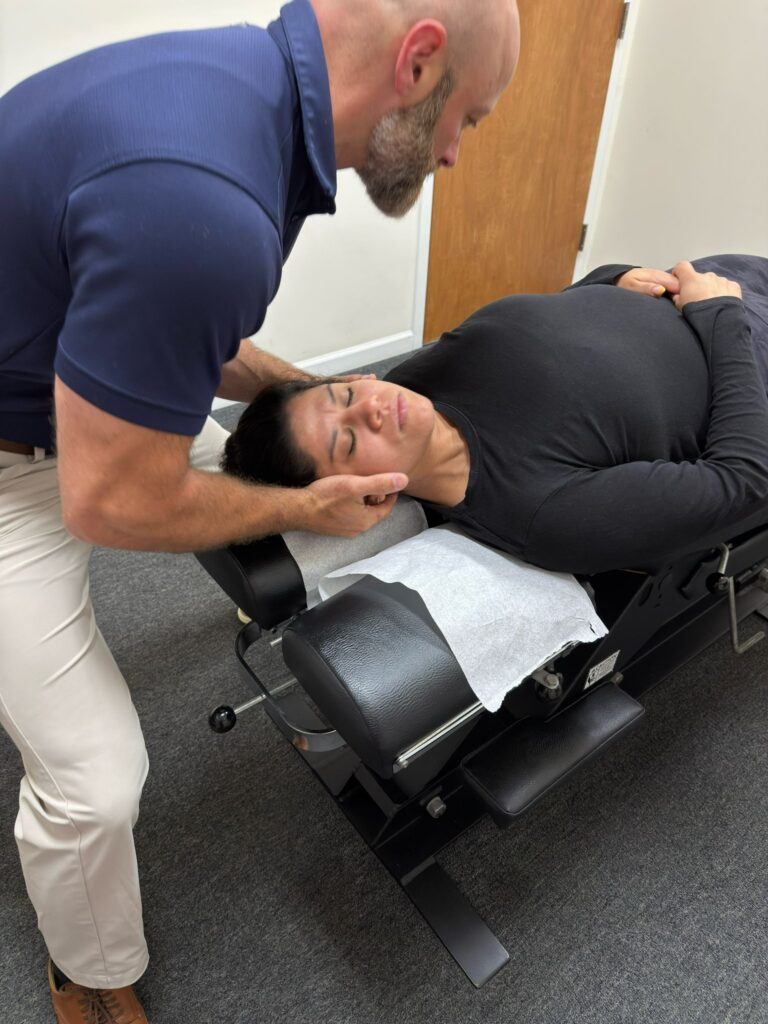

If you’ve ever found yourself struggling with low back pain, you may not realize just how much your everyday habits could be influencing your discomfort. From the way you sit at your desk to how you lift and carry items, your lifestyle choices are crucial for maintaining a healthy spine. It’s easy to overlook these habits, but by becoming aware of them, you can take steps toward relief.
Imagine if making a few simple adjustments in your daily routine could significantly ease your pain levels. The good news is that it can! Let’s delve into some common culprits that might be contributing to your low back pain and discover how chiropractic care can help you find long-lasting relief.
- Posture Matters: Poor posture is one of the leading causes of low back pain. Whether you’re hunching over a computer or slouching on the couch, your spine bears the brunt. By practicing good posture—sitting up straight, keeping your shoulders back, and aligning your ears with your shoulders—you can reduce strain on your back. Consider regular visits to your chiropractor, who can provide personalized advice and adjustments to improve your posture.
- Lifting Techniques: How you lift objects can significantly impact your spine’s health. Always bend your knees and keep the object close to your body when lifting. Avoid twisting your torso while carrying heavy loads. If you find yourself frequently lifting items, a chiropractor can teach you safe lifting techniques tailored to your lifestyle.
- Stay Active: A sedentary lifestyle can weaken your back muscles, making you more susceptible to pain. Incorporating regular low-impact exercises, such as walking, swimming, or yoga, can strengthen your back and promote flexibility. Your chiropractor can recommend specific exercises that suit your needs and help you maintain a healthy spine.
- Create a Supportive Environment: Your workspace and home setup can either help or hinder your back health. Invest in a chair that supports your lower back and consider using ergonomic tools. Make sure your workstation promotes a neutral spine position. Your chiropractor can assess your setup and suggest adjustments for optimal spinal alignment.
- Mind Your Sleep: Quality sleep is essential for overall wellness, including back health. Ensure your mattress supports your spine adequately and your pillow keeps your neck aligned. If you’re struggling with sleep-related back pain, a chiropractor can provide insights on how to enhance your sleeping position for better support.
Remember, chiropractic care is not just a treatment for pain but a holistic approach to wellness. By addressing the root causes of your low back pain through lifestyle changes and regular chiropractic adjustments, you can achieve optimal health and improve your quality of life. If you’re ready to take the first step towards a healthier back, reach out to your local chiropractor today!
Key Takeaways
As a local chiropractor, I want to share some insights into how our lifestyle choices can contribute to low back pain and how chiropractic care can help you achieve optimal health and wellness.
- Sedentary Lifestyle: Many of us spend long hours sitting, whether at a desk or at home. This can weaken our core muscles, which are vital for providing support to our spine. When these muscles are weak, it increases the risk of experiencing low back pain. To combat this, I recommend incorporating regular movement into your day, such as taking short walks or doing stretches every hour. Chiropractic adjustments can also help strengthen your core and improve your posture.
- Poor Posture: Spending extended periods in front of a computer can lead to poor posture, which creates muscle imbalances and puts extra strain on your spine. To improve your posture, try to keep your back straight and your shoulders relaxed while sitting. Utilizing ergonomic furniture can also make a significant difference. Regular chiropractic visits can help align your spine and alleviate any discomfort caused by poor posture.
- Excess Body Weight: Carrying extra weight can place unnecessary stress on your lower back, leading to discomfort. Maintaining a healthy weight through a balanced diet and regular exercise can help reduce this strain. Chiropractic care can provide you with personalized wellness advice and adjustments that support your overall health journey.
- Chronic Stress: Stress can lead to muscle tension, which may escalate into persistent lower back pain if not addressed. Engaging in relaxation techniques, such as deep breathing or yoga, can help manage stress levels. Chiropractic care is also a natural way to relieve tension and promote relaxation in the body, supporting your mental and physical well-being.
- Inadequate Sleep Quality: Poor sleep can disrupt the body’s ability to repair itself, affecting spinal health and worsening pain perception. To enhance your sleep quality, create a bedtime routine, ensure your sleeping environment is comfortable, and try to sleep in a position that maintains spinal alignment. Regular chiropractic adjustments can also help improve your overall sleep quality by addressing any underlying issues.
In summary, making small lifestyle adjustments can significantly impact your spinal health and overall well-being. Chiropractic care is an excellent choice for natural pain relief and promoting a healthier lifestyle. If you’re experiencing low back pain, consider visiting your local chiropractor for a personalized approach to better health. Your spine will thank you!
Understanding Low Back Pain: The Basics
When you think about low back pain, it’s essential to recognize that it can come from various sources, both physical and lifestyle-related. Your daily habits play a significant role in how your back feels. If you lead a sedentary lifestyle, your muscles can weaken, which makes them less capable of supporting your spine. This can lead to discomfort and pain. On the other hand, if you’re overly active without proper conditioning, you risk straining your back.
Obesity is another factor that can put extra stress on your lower back, contributing to pain. Stress and anxiety can also manifest physically, tightening your muscles and creating tension that worsens discomfort. Additionally, insufficient sleep can hinder your body’s ability to heal, leading to persistent low back issues.
Understanding these lifestyle factors is crucial, as it empowers you to take proactive steps to improve your overall well-being. Incorporating regular chiropractic care can be a game-changer in managing and alleviating low back pain. Chiropractors focus on spinal alignment and overall body function, helping to restore balance and reduce discomfort naturally.
Here are some simple tips to help you manage your low back pain and promote a healthier lifestyle:
- Stay Active: Incorporate gentle exercises and stretches into your routine to strengthen your back and core muscles. Activities like walking, swimming, or yoga can be beneficial.
- Mind Your Posture: Pay attention to your posture while sitting, standing, or lifting objects. Proper alignment can significantly reduce strain on your back.
- Manage Stress: Find healthy ways to cope with stress, such as meditation, deep breathing exercises, or spending time in nature. Relaxation techniques can help ease muscle tension.
- Get Quality Sleep: Ensure you’re getting enough restful sleep each night. Create a sleep-friendly environment and consider your sleeping position to reduce strain on your back.
- Consider Chiropractic Care: Regular visits to a chiropractor can help ensure your spine is aligned and functioning optimally. They can provide personalized care tailored to your specific needs, promoting natural healing and overall wellness.
Poor Posture: A Silent Contributor
If you find yourself spending long hours at a desk, it’s important to be aware that your posture could be a hidden factor contributing to your low back pain. Slouching puts excessive strain on your spine, leading to discomfort and tension over time.
One of the best ways to combat this is by investing in ergonomic support, which can help you maintain proper alignment and promote overall spinal health. However, even more effective is incorporating chiropractic care into your wellness routine. Regular chiropractic adjustments can help realign your spine, relieve pressure, and reduce pain naturally, allowing your body to heal itself without the need for medications or invasive procedures.
In addition to chiropractic care, here are a few helpful tips to improve your posture and protect your spine while working at a desk:
- Adjust Your Workspace: Ensure that your chair and desk are at the right height. Your feet should be flat on the floor, and your knees should be at a 90-degree angle. Your computer screen should be at eye level to avoid leaning forward.
- Take Frequent Breaks: Make it a habit to stand up, stretch, and walk around every 30 minutes. This helps relieve tension and promotes better circulation.
- Strengthen Your Core: Engaging in exercises that strengthen your core muscles can provide better support for your spine and improve your posture.
- Mind Your Posture: Regularly check in on your posture. Keep your shoulders back and your head aligned with your spine.
Desk Job Dilemma
Desk Job Dilemma: Supporting Your Back Naturally
As a chiropractor, I’ve seen how the hours spent hunched over a desk can take a toll on your back health. Many people don’t realize that poor posture is a major contributor to discomfort and pain. It’s all too easy to fall into habits that strain your muscles and lead to long-term issues, but with a few adjustments, you can support your spine and promote wellness.
Here’s a simple guide to help you evaluate your desk setup for better posture:
| Aspect | Good Posture | Poor Posture |
|---|---|---|
| Chair Height | Feet flat on the floor | Legs dangling |
| Monitor Level | Eye level | Looking down |
| Back Support | Lumbar support | Flat back |
Tips for a Healthier Workspace:
- Adjust Your Chair: Ensure that your chair is at a height where your feet can rest flat on the floor. This helps to distribute your weight evenly and reduces strain on your lower back.
- Position Your Monitor: Your computer monitor should be at eye level. This prevents you from looking down, which can cause neck tension and discomfort.
- Use Lumbar Support: A chair with good lumbar support helps maintain the natural curve of your spine. If your chair lacks this feature, consider adding a small cushion or lumbar roll.
- Take Breaks: Stand up, stretch, and move around every hour. This simple action can relieve tension and rejuvenate your muscles.
- Stay Mindful of Your Posture: Regularly check in with your posture throughout the day. Keep your shoulders relaxed and your back straight.
Slouching and Spinal Health
Slouching is a common habit that often goes unnoticed, but it can significantly impact your spinal health. When you lean forward or hunch your shoulders, you’re placing unnecessary stress on your spine and the surrounding muscles. This poor posture can create muscle imbalances, resulting in discomfort and pain, particularly in your lower back. Although you may not feel the effects right away, over time, slouching can lead to chronic issues.
As a chiropractor, I want to emphasize the importance of maintaining good posture to support your spine and overall well-being. Start by being mindful of your posture throughout the day. Whether you’re sitting at a desk or standing, aim to keep your shoulders back and your spine straight. Simple adjustments like these can make a big difference in how your body feels.
Incorporating regular breaks to stretch and move throughout your day can also help reset your posture and relieve tension. Gentle stretches and exercises can strengthen your core and support your spine, which is vital for preventing pain.
By making small, conscious efforts today, you can protect your spine and reduce the risk of low back pain in the future. Remember, chiropractic care is an excellent choice for achieving optimal health and wellness. Regular visits to a chiropractor can help you maintain proper alignment, alleviate discomfort, and promote natural healing.
Prioritize your spinal health, and consider chiropractic care as a key part of your journey toward a healthier life.
Importance of Ergonomic Support
Ergonomic support is crucial for maintaining good posture and preventing low back pain, especially in our modern work environments. As a chiropractor, I want to emphasize that investing in ergonomic solutions can make a significant difference in reducing strain on your back and enhancing your overall health.
Here are four key aspects to consider that can help you achieve better spinal health and wellness:
- Chair Height: Ensure your chair is adjusted so that your feet can rest flat on the floor, with your knees at hip level. This simple adjustment can help align your spine and promote better posture.
- Desk Arrangement: Position your computer screen at eye level. This prevents you from tilting your head down or straining your neck, which can lead to discomfort and misalignment over time.
- Lumbar Support: Choose a chair that offers proper lumbar support to help maintain the natural curve of your spine. This support is essential for reducing pressure on your lower back and promoting better spinal alignment.
- Frequent Breaks: Don’t forget to take regular breaks! Stand up, stretch, and move around every hour. This helps prevent stiffness and improves circulation, which is vital for maintaining a healthy spine and overall well-being.
By making these adjustments and incorporating these practices into your daily routine, you can experience lasting relief from low back pain. Remember, chiropractic care is an excellent option for achieving optimal health and wellness.
It focuses on natural healing and spinal education, helping you live a healthier life without the need for invasive procedures or medications. Prioritize your spinal health today!
Sedentary Lifestyle: The Hidden Danger
While you mightn’t realize it, a sedentary lifestyle can be a significant contributor to low back pain. Spending long hours sitting—whether at a desk, in front of the TV, or during commutes—can weaken your core muscles, leading to poor spinal support. When your muscles aren’t strong enough to hold your spine in alignment, it can create discomfort and tension in your lower back.
You might also notice that your posture suffers. Slouching in a chair or hunching over your devices puts extra strain on your back.
Additionally, prolonged inactivity can reduce blood flow, stiffening your muscles and joints, making it even harder to maintain proper posture.
As a chiropractor, I want to emphasize the importance of movement for your overall health. Incorporating more physical activity into your daily routine can be a game-changer. Try to stand up regularly, stretch, or take short walks.
Even small changes can help strengthen your back and alleviate pain.
Remember, chiropractic care is a fantastic way to support your spine and improve your overall well-being. Regular adjustments can help realign your spine, reduce tension, and enhance your body’s natural healing processes.
Here are some simple tips you can take away to improve your health:
- Take Breaks: Set a timer to remind yourself to get up and move every hour.
- Stay Active: Engage in light exercises or stretches during breaks to keep your muscles active and strong.
- Maintain Good Posture: Be mindful of your posture while sitting; keep your back straight and shoulders relaxed.
- Consider Chiropractic Care: Regular visits to a chiropractor can help keep your spine aligned and your body functioning at its best.
Don’t underestimate the power of movement and chiropractic care! By taking these steps, you can achieve a healthier lifestyle and reduce pain naturally.
Improper Lifting Techniques
Improper lifting techniques can put a significant strain on your back, leading to pain and discomfort that can impact your daily life.
Many individuals underestimate the risks of lifting heavy objects incorrectly, which can lead to long-term issues. To help you protect your back and maintain a healthy spine, here are some essential tips to keep in mind:
- Bend your knees: Instead of bending at your waist, squat down to lift. Using your legs is key to powering the lift safely, which not only protects your back but also helps in maintaining a strong and functional spine.
- Maintain a straight back: Keeping your spine aligned while lifting is crucial. Avoid twisting your body during the lift to minimize strain on your back. A straight back helps to distribute weight evenly and reduces the risk of injury.
- Hold objects close: When lifting, keep the item close to your body. This practice helps to reduce pressure on your back, making the lift easier and safer. The closer the load is to your center of gravity, the less strain you’ll experience.
- Engage your core: A strong core is essential for a stable spine. Before lifting, engage your abdominal muscles to provide added support during the lift. This not only helps in protecting your back but can also improve your overall posture.
In addition to these lifting techniques, regular chiropractic care can play a vital role in achieving optimal health. By visiting a chiropractor, you can address any alignment issues in your spine, which is essential for maintaining good posture and preventing pain.
Chiropractic adjustments can promote natural healing and enhance your body’s ability to function at its best.
Weight Management and Its Impact
Maintaining a healthy weight is crucial for your overall well-being, especially when it comes to preventing low back pain. Excess body weight can place unnecessary strain on your spine and the muscles surrounding it. When you carry extra pounds, your body has to work harder to support itself, which can lead to discomfort and even injury over time.
It’s important to recognize how everyday habits can contribute to weight gain. A sedentary lifestyle, poor eating choices, and stress can all lead to unwanted weight, negatively impacting your back health. Fortunately, there are natural and effective ways to manage your weight and support your spine.
Incorporating regular exercise into your routine isn’t only beneficial for weight loss but also helps strengthen your core muscles, which play a vital role in supporting your spine. Think of activities like walking, yoga, or swimming as great ways to get moving while being gentle on your back.
Mindful eating is another key aspect of maintaining a healthy weight. Focus on nourishing your body with whole foods, such as fruits, vegetables, lean proteins, and whole grains. This won’t only help you shed those extra pounds but will also provide your body with essential nutrients for healing and wellness.
As a chiropractor, I encourage you to consider chiropractic care as a valuable part of your journey towards optimal health. Regular adjustments can help align your spine, improve your posture, and relieve pain, allowing you to move more freely and engage in physical activities that promote a healthy weight.
Footwear Choices and Their Effects
Choosing the right footwear is an important aspect of maintaining your low back health, and it’s often overlooked. As a chiropractor, I want to emphasize how proper footwear can make a significant difference in your overall well-being. When you wear the right shoes, you can support your spine and reduce discomfort.
Here are some key factors to keep in mind when selecting your footwear:
- Arch Support: Look for shoes that provide adequate arch support. This helps to keep your feet and spine aligned, which is crucial for preventing pain. Well-supported arches can help your body maintain its natural posture.
- Cushioning: Choose shoes with good cushioning to absorb shock. This is especially important when you’re walking or standing for long periods, as it reduces the impact on your lower back and promotes a more comfortable experience.
- Heel Height: Be cautious with heel height. High heels can throw off your balance and shift your center of gravity, leading to strain on your back. Opt for lower heels that keep your body in a more natural position.
- Fit: Ensure your shoes fit properly. Shoes that are too tight or too loose can change the way you walk, creating unnecessary strain on your back. A good fit promotes better posture and comfort.
As you consider your footwear choices, remember that chiropractic care can also play a vital role in supporting your spine and overall health. Regular visits to a chiropractor can help address any misalignments caused by poor footwear and provide you with personalized advice on maintaining your back health.
Stress and Muscle Tension
Stress can significantly contribute to the development of low back pain by causing muscle tension throughout your body. When you’re under stress, your body instinctively tightens muscles, particularly in the back, neck, and shoulders. This tension can lead to discomfort and pain, making it challenging to maintain a healthy posture or move freely.
Over time, if stress becomes chronic, that muscle tension can escalate into a persistent issue. As you navigate your daily activities, this tightness can manifest as lower back pain, hindering your ability to work, exercise, or even unwind.
One effective way to manage this tension and promote healing is through chiropractic care. A chiropractor can help restore proper alignment to your spine and relieve muscle tension, allowing your body to function optimally. In addition to chiropractic adjustments, consider incorporating stress-relief techniques such as deep breathing, meditation, or gentle stretching into your daily routine. These practices can help you manage emotional triggers, alleviate muscle tension, and enhance your overall well-being.
The Role of Sleep in Spinal Health
Your sleep position can significantly influence your spinal health, and as a local chiropractor, I want to emphasize the importance of being mindful of how you rest at night. A proper sleep position helps maintain the natural curvature of your spine, which can lead to less discomfort and a more restful night.
In addition to your sleep position, the quality of your mattress is crucial for providing adequate support to your back. A mattress that’s too soft or too firm can create misalignments, leading to pain and discomfort. Look for a mattress that supports your spine’s natural alignment while also being comfortable for you.
Remember, getting enough sleep is essential not just for your physical recovery but also for your overall well-being. When you prioritize your sleep and ensure that your body is well-supported, you set the stage for a healthier life.
If you’re experiencing discomfort, consider visiting a chiropractor who can help assess your spinal health and provide personalized care. Chiropractic adjustments can align your spine, relieve pain, and enhance your body’s natural healing abilities.
Here are some general tips to improve your spinal health while you sleep:
- Choose the Right Pillow: Your pillow should keep your neck aligned with your spine. If you sleep on your back, a thinner pillow is ideal. If you sleep on your side, consider a firmer, thicker pillow for proper support.
- Sleep on Your Back or Side: These positions promote better spinal alignment. Avoid sleeping on your stomach, as it can strain your neck and back.
- Use a Supportive Mattress: Invest in a mattress that offers good support while still being comfortable. Look for one that retains its shape and supports your spine’s natural curves.
- Maintain a Sleep Routine: Aim for consistent sleep patterns by going to bed and waking up at the same time each day. This helps regulate your body’s internal clock.
Sleep Position Impact
Sleep position plays a vital role in maintaining your spinal health, as the way you rest can either support or strain your back. Choosing the right position not only enhances your comfort but also contributes to your overall well-being. Here are some helpful tips for ideal sleep positions that can promote natural healing and align with chiropractic care principles:
- Side Sleeping: This position is excellent for spinal alignment. To support your neck, use a firm pillow that keeps your head in line with your spine. This can help reduce discomfort and improve your overall sleep quality.
- Back Sleeping: Lying on your back can be beneficial, especially when you place a pillow under your knees. This simple adjustment helps reduce pressure on your spine and encourages proper alignment, making it easier for your body to heal naturally.
- Avoid Stomach Sleeping: While it might feel comfortable to some, stomach sleeping can twist your neck and spine, leading to pain and discomfort. Instead, try to train yourself to sleep on your side or back to protect your spine.
- Use a Support Pillow: Regardless of your sleeping position, a good pillow can make all the difference in maintaining proper spinal alignment. A chiropractic pillow designed to support the natural curves of your neck and head can enhance your sleep and promote better spinal health.
Remember, making small adjustments to your sleep position can lead to significant improvements in preventing low back pain and enhancing your overall health. If you’re experiencing discomfort or want to achieve optimal health, consider consulting with a chiropractor.
Chiropractic care can help you understand your body better and provide you with personalized strategies for pain relief and wellness. Embrace these tips for healthier living and enjoy the restorative benefits of quality sleep!
Mattress Quality Matters
A good mattress is crucial for maintaining your spinal health, as it plays a significant role in your comfort and support while you rest. When you invest in a quality mattress, you ensure the right balance of firmness and softness, which helps keep your spine aligned during sleep. If your mattress is too soft, it may fail to provide adequate support for your lower back, leading to discomfort and potential pain. On the other hand, a mattress that’s too firm can create pressure points, causing disruptions in your sleep.
Think about your sleeping position when choosing a mattress. For instance, side sleepers often find that softer mattresses help cushion their hips and shoulders, while back or stomach sleepers usually benefit from firmer options that support the natural curve of the spine.
As a chiropractor, I want to emphasize the importance of regularly assessing your mattress’s condition. If you notice sagging or wear and tear, it’s time to consider replacing it. A quality mattress can be a game-changer for your sleep quality and overall spinal health.
Remember, while a good mattress is important, it should be complemented by regular chiropractic care. This holistic approach can help you achieve optimal health by ensuring your spine is well-aligned and functioning properly. So, along with investing in a good mattress, consider scheduling regular visits with your chiropractor to maintain your well-being and prevent pain.
Incorporating these simple steps into your life can lead to better sleep and improved health. Don’t underestimate the power of a good night’s rest and the benefits of chiropractic care!
Sleep Duration Importance
Quality sleep isn’t just about having a comfortable mattress; it’s also crucial to consider how long you sleep. Getting the right amount of sleep is essential for your spinal health and can significantly influence your experience of low back pain. When your body doesn’t receive enough rest, it struggles to repair itself, leading to muscle tension and discomfort.
As a chiropractor, I want to share four ways that sleep duration can positively affect your back health:
- Muscle Recovery: Longer sleep periods give your muscles the necessary time to heal and recover from everyday stresses. This is particularly important for those who engage in physical activities or have physically demanding jobs.
- Pain Perception: When you get adequate sleep, your body is less sensitive to pain. This means that discomfort can feel more manageable, allowing you to go about your daily activities with less strain.
- Inflammation Control: Quality sleep plays a vital role in regulating inflammation, which is a key factor in chronic pain. By prioritizing your sleep, you can help your body combat inflammation naturally.
- Posture Maintenance: A well-rested body is better equipped to maintain proper posture. Good posture reduces strain on your spine and helps prevent back pain from developing over time.
To enhance your sleep duration and improve your spinal health, consider these tips:
- Establish a consistent sleep schedule by going to bed and waking up at the same time each day.
- Create a calming bedtime routine to signal to your body that it’s time to wind down.
- Limit screen time before bed to improve your sleep quality.
- Ensure your sleep environment is comfortable and conducive to restful sleep.
By making these adjustments and prioritizing your sleep, you can support your back health and overall well-being.
Conclusion
As a local chiropractor, I want to emphasize how vital it is to address lifestyle factors when it comes to managing low back pain. Making small changes in your daily routine can have a big impact on your spinal health and overall well-being.
First and foremost, pay attention to your posture. Whether you’re sitting at a desk or standing in line, maintaining a straight back can help reduce strain on your spine. Consider setting reminders to check your posture throughout the day!
Incorporating regular movement is another excellent way to alleviate back pain. Simple activities like walking, stretching, or even light exercises can keep your body flexible and strong. A little movement goes a long way in supporting your spine.
When lifting objects, always use proper techniques. Bend your knees and keep the object close to your body to avoid putting unnecessary pressure on your back. This practice not only prevents injuries but also promotes better alignment.
Maintaining a healthy weight is crucial for reducing the load on your spine. A balanced diet combined with regular physical activity can help you achieve and maintain a weight that supports your back health.
Choosing supportive footwear is also key. Shoes with proper arch support can make a significant difference in how your body feels throughout the day. Avoid high heels or flat shoes with no support, as they can contribute to back pain.
Don’t forget about the impact of stress on your body. Managing stress through mindfulness, meditation, or relaxation techniques can help reduce tension in your muscles and improve your overall health.
Lastly, quality sleep is essential for spinal health. A good mattress and pillow that support your spine can lead to better rest and recovery for your body.
By making these lifestyle changes and prioritizing your spinal health, you’re taking significant steps towards reducing pain and promoting long-term recovery. Remember, chiropractic care is a natural and effective way to support your journey to optimal health and wellness. If you’re experiencing low back pain, don’t hesitate to reach out to a chiropractor for personalized care and guidance. Together, we can work towards a healthier, pain-free life!