
Low back pain can be a frustrating and debilitating experience, but there are genuine solutions that can help you find relief. As a chiropractor, I believe that addressing the root causes of your pain, rather than just masking the symptoms, is key to achieving lasting wellness. This journey starts with understanding your body and how it moves, which is where chiropractic care can play a vital role.
Incorporating targeted exercises designed to strengthen your core and improve flexibility is essential. Simple stretches can help alleviate tension and promote better spinal alignment. Additionally, making small lifestyle adjustments—like improving your posture and using ergonomic furniture—can significantly reduce the strain on your back.
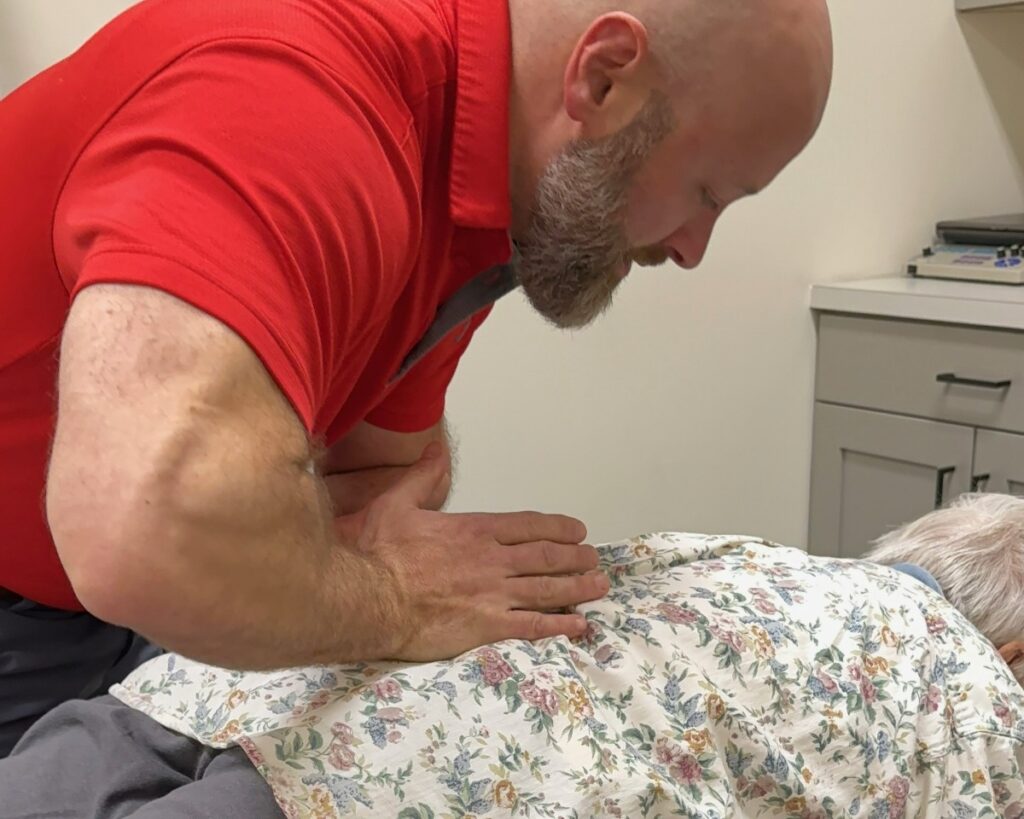
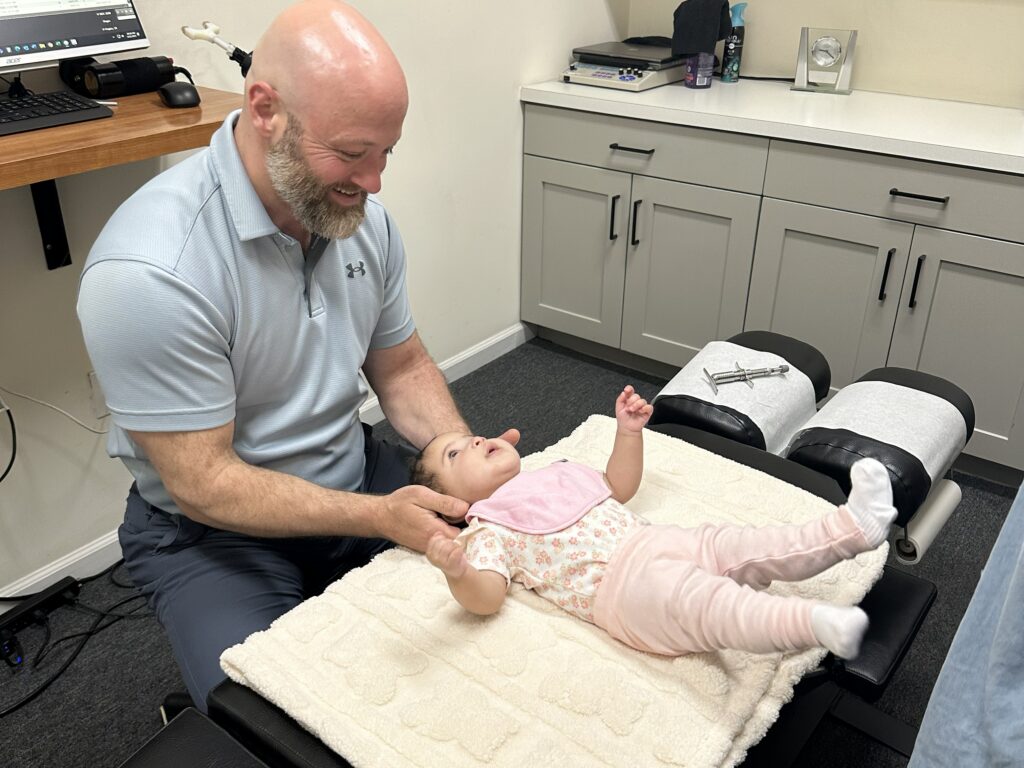
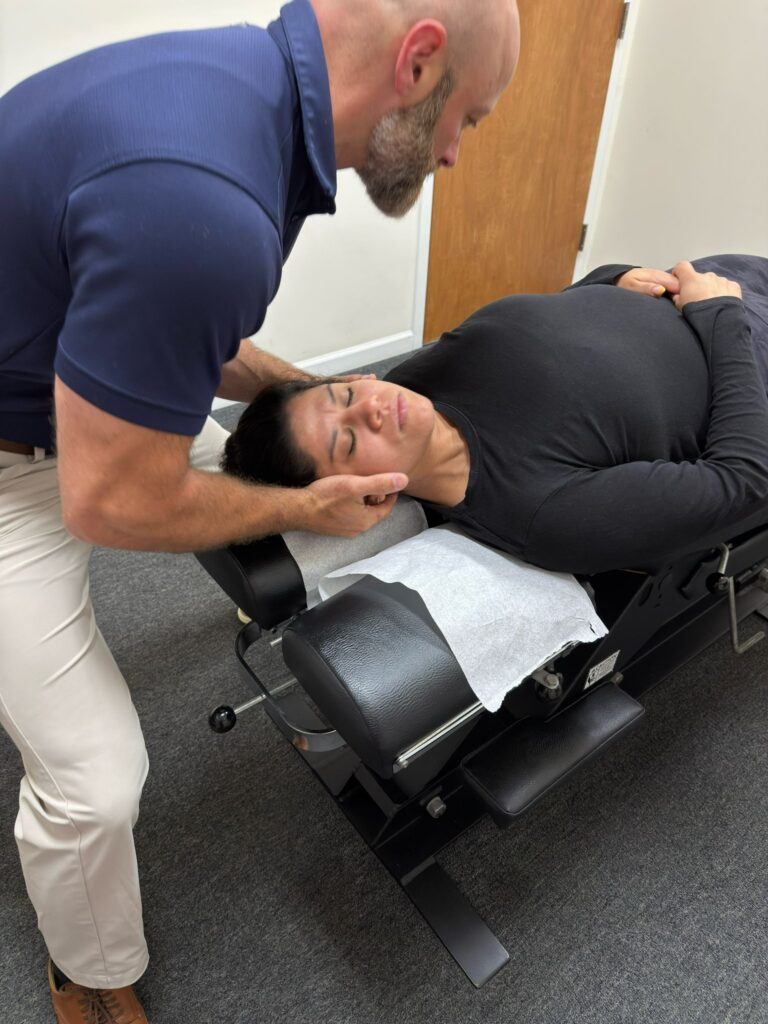
One of the most effective steps you can take is to visit a chiropractor. Through gentle spinal adjustments, we can help realign your spine, relieve pressure on your nerves, and improve your overall function. This natural approach not only addresses pain but also encourages your body to heal itself.
Moreover, maintaining regular chiropractic care can prevent future issues and help you maintain optimal health. It’s about creating a balance in your life that supports your spine and overall well-being.
Here are some general tips to consider for managing low back pain:
- Stay Active: Engage in low-impact activities like walking or swimming to keep your body moving without putting excessive strain on your back.
- Practice Good Posture: Be mindful of how you sit, stand, and lift objects. Keeping a neutral spine can prevent unnecessary stress on your back.
- Incorporate Stretching: Simple stretches can help improve your flexibility and reduce tension in your back muscles.
- Listen to Your Body: Pay attention to what your body is telling you. If something doesn’t feel right, don’t hesitate to seek chiropractic care.
By focusing on these strategies and embracing chiropractic care, you can take significant steps toward relieving your low back pain and enhancing your overall health. Remember, your spine is the foundation of your body—taking care of it is essential for a pain-free life.
Key Takeaways
- If you’re experiencing severe, persistent, or radiating pain, it’s crucial to seek a professional evaluation. Understanding the underlying causes can help us create a tailored chiropractic treatment plan to address your specific needs and promote healing naturally.
- Chiropractic care is a fantastic option for alleviating low back pain. Through gentle spinal adjustments, we can help restore proper alignment, enhance mobility, and relieve nerve-related symptoms. It’s all about helping your body heal itself!
- Incorporating gentle physical therapy exercises into your routine is a great way to enhance flexibility and strengthen your core muscles. This not only helps prevent stiffness but also supports your recovery journey. Your chiropractor can guide you on the best exercises for your situation.
- Maintaining proper posture and ergonomics at work is essential for reducing spinal stress. Simple adjustments to your workspace can make a big difference in preventing low back pain during your daily activities. Remember to take breaks, stretch, and stay mindful of your body positioning!
- Don’t forget the importance of hydration and balanced nutrition! Drinking plenty of water and consuming nutrient-rich foods can greatly support your body’s healing processes and overall spinal health. By fueling your body with the right nutrients, you’re setting the stage for a healthier, pain-free life.
Remember, chiropractic care offers a natural, effective solution for low back pain relief and overall wellness. With the right approach, you can achieve better health and live your life to the fullest!
Understanding the Causes of Low Back Pain
When you experience low back pain, understanding the root causes is crucial for finding effective relief. Common issues that lead to discomfort include muscle strain, herniated discs, and spinal stenosis. Poor posture and prolonged sitting often contribute to these problems. If you’ve lifted heavy objects incorrectly or performed repetitive movements, you might experience increased pain due to muscle fatigue or injury.
It’s also important to note that conditions like arthritis or osteoporosis can lead to chronic pain, while stress and anxiety can manifest physically as tension in your back. Identifying your specific triggers is essential for tailoring your recovery approach.
Chiropractic care is an excellent option for addressing low back pain. A chiropractor can help identify the underlying causes of your discomfort and provide personalized treatment to restore your spinal health. Regular adjustments and spinal alignments can alleviate pain, improve function, and promote overall wellness.
In addition, consider incorporating some lifestyle changes that can positively impact your back health. Maintaining a healthy weight, engaging in regular physical activity, and ensuring proper sleeping habits are all important factors. Simple exercises, stretches, and mindfulness techniques can help reduce tension and improve your posture, further supporting your recovery.
The Role of Physical Therapy in Recovery
After pinpointing the causes of your low back pain, the next step in your recovery journey should ideally be chiropractic care. This approach is centered on restoring proper alignment, function, and strength in your spine and surrounding muscles. A knowledgeable chiropractor will evaluate your condition and create a customized plan tailored to your specific needs.
Through gentle adjustments and targeted exercises, you’ll learn how to alleviate pain, enhance your posture, and reduce the risk of future injuries. Chiropractic care not only focuses on physical treatment but also emphasizes education, helping you understand how your body moves and the significance of maintaining proper alignment.
Regular chiropractic visits provide the support and motivation you need to stay committed to your healing process. Additionally, this form of care can help you regain confidence in your physical abilities, enabling you to engage in daily activities with greater ease and less discomfort.
As you embark on your recovery journey, here are some general tips to keep in mind:
- Stay Active: Gentle movements and stretches can help maintain flexibility and prevent stiffness.
- Practice Good Posture: Be mindful of how you sit, stand, and lift to reduce strain on your back.
- Listen to Your Body: Pay attention to any signs of discomfort and communicate these with your chiropractor.
- Stay Hydrated: Proper hydration supports overall health, including the health of your spinal discs.
- Focus on Nutrition: Eating a balanced diet can help support your body’s healing process.
Effective Exercises for Strengthening the Back
Strengthening your back is crucial for preventing pain and improving your overall mobility, and chiropractic care can play a significant role in helping you achieve optimal spinal health. By integrating specific exercises into your routine, you can further enhance the benefits of regular chiropractic adjustments.
Start with pelvic tilts: lie on your back with your knees bent. Gently flatten your lower back against the floor and hold for a few seconds. This simple movement engages your core and stabilizes your spine, helping to create a strong foundation for your back.
Next, consider incorporating bird-dogs into your regimen. Get on your hands and knees, and extend one arm forward while extending the opposite leg back. Keep your hips level as you hold for a few seconds, then switch sides. This exercise not only improves your balance but also strengthens your lower back, which is essential for maintaining good posture and reducing discomfort.
Lastly, bridges are an excellent addition to your routine. Lie on your back with your knees bent and feet flat on the floor. Raise your hips towards the ceiling, squeezing your glutes at the top, and then slowly lower back down. This movement strengthens your lower back and glutes, contributing to overall stability and support for your spine.
In addition to these exercises, remember to maintain good posture throughout your day, stay hydrated, and listen to your body. Regular chiropractic care can enhance your body’s natural healing processes, helping you to live a healthier, pain-free life. By combining these exercises with chiropractic adjustments, you can significantly improve your back strength, reduce pain, and enhance your overall quality of life.
The Importance of Posture and Ergonomics
Your posture and desk setup play a crucial role in maintaining your spinal health and preventing low back pain. As a chiropractor, I want to emphasize that by adopting an ideal sitting position and following simple ergonomic guidelines, you can significantly reduce the strain on your back. Let’s explore how small adjustments can lead to big improvements in your comfort and overall wellness.
First, ensure that your chair supports the natural curve of your spine. Sit all the way back in your chair with your feet flat on the floor and your knees at a 90-degree angle. This position helps distribute your weight evenly and can alleviate pressure on your lower back.
Next, consider the height of your computer screen. The top of your monitor should be at or just below eye level. This way, you won’t have to strain your neck to see the screen, which can lead to discomfort in both your neck and back.
Additionally, take regular breaks to stand up, stretch, and walk around. Movement is essential for maintaining a healthy spine, and it can help reduce stiffness and tension in your back.
Incorporating chiropractic care into your wellness routine is also a fantastic way to support your spinal health. Regular adjustments can help align your spine, improve your posture, and enhance your body’s natural ability to heal itself.
Optimal Sitting Position
Maintaining an ideal sitting position is crucial not only for preventing low back pain but also for promoting overall spinal health, something we at our chiropractic practice are deeply passionate about. When you sit, it’s important to keep your back straight and shoulders relaxed, ensuring that your spine maintains its natural curve. This is a fundamental principle of spinal health that we often emphasize in our care.
Make sure your feet rest flat on the floor, with your knees at or slightly below hip level. This positioning helps to promote better circulation and alignment, which are vital for your overall comfort. Avoid crossing your legs, as this can lead to misalignment and discomfort over time.
When using a computer or device, position your screen at eye level to prevent unnecessary neck strain. This simple adjustment can make a significant difference in how you feel throughout the day. Additionally, keep your elbows close to your body at a 90-degree angle to support your shoulders and back.
If you find yourself sitting for long periods, it’s essential to take regular breaks to stretch and move around. Even a few minutes of movement can help alleviate tension in your back and improve circulation. Remember, focusing on your posture while sitting can greatly reduce the risk of developing low back pain.
At our chiropractic practice, we believe that a proactive approach to spinal health is the best way to achieve comfort and wellness. By paying attention to your sitting posture and incorporating regular movement into your day, you can support your body’s natural healing abilities and enhance your overall wellbeing. If you’re experiencing pain or discomfort, consider visiting us for a consultation to explore how chiropractic care can help you achieve optimal health naturally.
Desk Setup Guidelines
An effective desk setup is crucial for maintaining a healthy spine and can significantly enhance your comfort and productivity while working. As a chiropractor, I want to share some simple adjustments that can help you achieve optimal health and wellness.
Start by adjusting your chair height so that your feet rest flat on the floor, and your knees are bent at a 90-degree angle. This position supports proper spinal alignment. Your monitor should be at eye level and about an arm’s length away. This helps prevent neck strain and promotes a more natural posture, reducing the risk of discomfort and pain.
Keep your keyboard and mouse close, allowing your elbows to stay near your body and bent at around 90 degrees. This minimizes unnecessary strain on your shoulders and neck. It’s also important to use a supportive chair that encourages the natural curve in your lower back, which can help prevent low back pain.
Don’t forget to take regular breaks! Stand up, stretch, and move around every hour. These simple actions can help relieve tension and improve circulation, further enhancing your overall well-being.
Mindfulness and Relaxation Techniques
As a chiropractor, I want to share how practicing mindfulness and relaxation techniques can significantly alleviate low back pain and enhance your overall well-being.
Breathing exercises are a simple yet effective way to reduce tension in your muscles and promote relaxation. By focusing on your breath, you can help calm your mind and body, creating a more peaceful state that may ease discomfort.
Guided meditation is another wonderful tool that allows you to shift your focus away from pain. By engaging in this practice, you can create a mental space that fosters healing and relaxation.
Incorporating these mindfulness techniques into your daily routine can complement the benefits of chiropractic care, which focuses on correcting spinal misalignments and optimizing your body’s natural healing processes.
Remember, the goal is to empower you to take control of your health. Alongside regular chiropractic adjustments, integrating mindfulness and relaxation practices can enhance your pain management strategy and promote a healthier lifestyle.
Breathing Exercises Benefits
While many people might underestimate the power of breathing exercises, they’re essential for managing low back pain, especially when combined with chiropractic care. By focusing on your breath, you can activate your body’s natural relaxation response, reducing tension in your muscles and easing discomfort. Deep breathing increases oxygen flow, which not only supports muscle recovery but also enhances your overall well-being.
As you practice these exercises, you’ll cultivate mindfulness, becoming more in tune with your body and its signals. This heightened awareness can help you identify pain triggers, allowing you to adjust your posture or activity levels to prevent discomfort. Incorporating breathing exercises into your daily routine complements the benefits of chiropractic care, empowering you to take control of your pain management naturally.
Here are some simple tips to get started with breathing exercises:
- Find a Comfortable Position: Sit or lie down in a relaxed position, ensuring your spine is aligned.
- Focus on Your Breath: Close your eyes and take a deep breath in through your nose, allowing your abdomen to expand. Then, exhale slowly through your mouth.
- Practice Regularly: Aim to practice deep breathing for a few minutes each day. You can do this in the morning, during breaks, or before bed.
- Stay Mindful: As you breathe, pay attention to how your body feels. Notice areas of tension and consciously relax those muscles as you exhale.
Guided Meditation Practices
Incorporating guided meditation practices into your daily routine can be a remarkable way to manage low back pain and enhance your overall well-being. As a chiropractor, I believe that natural approaches like meditation complement chiropractic care and can lead to a more holistic healing experience.
Here are some benefits you might notice from adding meditation to your routine:
- Reduced Stress Levels: Meditation is known to help lower cortisol levels, a hormone that can contribute to pain. By reducing stress, you may find your body is less tense, which can alleviate some of your back pain.
- Improved Focus on Breath: Taking the time to focus on your breath can help release tension in your back. When you breathe deeply and mindfully, it encourages relaxation throughout your body, supporting the spinal health that chiropractic care aims to improve.
- Enhanced Body Awareness: Mindfulness practices can help you tune into your body more effectively. This awareness allows you to identify areas of tension and discomfort, which is essential for both meditation and chiropractic adjustments.
- Greater Emotional Resilience: Regular meditation practice can foster better coping mechanisms for pain. By becoming more resilient emotionally, you may find it easier to manage discomfort and maintain a positive mindset during your healing journey.
To integrate meditation into your routine, consider setting aside just a few minutes each day to sit quietly and focus on your breath. You can start with simple guided meditations available online or through apps. Pairing these practices with regular chiropractic adjustments can further enhance your path to optimal health and natural wellness.
Utilizing Heat and Cold Therapy
When it comes to relieving low back pain, heat and cold therapy can be your best friends in managing discomfort and promoting natural healing. As a chiropractor, I often recommend these methods alongside regular chiropractic adjustments for optimal health and wellness.
Using heat can work wonders for your back. It helps relax tense muscles and boosts blood flow, making it easier for your body to heal. You can easily apply heat by using a heating pad or enjoying a warm bath for about 15-20 minutes. This soothing warmth can provide significant relief and comfort to your lower back.
On the flip side, cold therapy is excellent for reducing inflammation and numbing sharp pain. Simple methods, like using a cold pack or even a bag of frozen peas wrapped in a cloth, can be applied to the affected area for 15-20 minutes. This can help control swelling and provide quick relief.
Remember, it’s important to listen to your body. If one method doesn’t seem to help, don’t hesitate to try the other. Many people find that alternating between heat and cold therapy gives them the best results. Just be sure to protect your skin by wrapping any heat or cold sources in a cloth to avoid burns or frostbite.
Incorporating heat and cold therapy with regular chiropractic care can enhance your recovery process, help you achieve better spinal alignment, and promote overall wellness. Always prioritize natural healing methods like chiropractic adjustments, which target the root cause of pain rather than merely masking symptoms. With these simple techniques, you can take charge of your low back pain and move towards a healthier, more comfortable life.
Exploring Alternative Treatments: Acupuncture and Massage
After trying heat and cold therapy for your low back pain, you may be curious about other natural options that can support your healing journey. While acupuncture and massage have gained popularity, it’s essential to remember that chiropractic care is one of the most effective and comprehensive approaches to achieving optimal health and pain relief.
Here are some benefits of choosing chiropractic care for your low back pain:
- Spinal Adjustments: Chiropractors use gentle adjustments to align your spine, which can help alleviate pressure on nerves and reduce pain. This method addresses the root cause of your discomfort rather than just masking symptoms.
- Muscle Relaxation: Chiropractors often incorporate techniques that relax tight muscles surrounding the spine, enhancing your overall mobility and comfort.
- Improved Function: Regular chiropractic care can help restore proper function to your spine and joints, which can lead to better movement and reduced pain over time.
- Stress Relief: Chiropractic adjustments not only relieve physical tension but can also help reduce stress levels, contributing to a holistic sense of well-being.
- Education and Prevention: One of the best aspects of chiropractic care is the emphasis on educating patients about spinal health and providing tips to prevent future issues, such as proper posture, ergonomic adjustments at work, and exercises to strengthen your back.
Integrating chiropractic care into your pain management routine is a proactive step towards a healthier, pain-free life. By focusing on natural healing methods, you can support your body’s innate ability to heal itself and maintain optimal health.
If you’re looking for a comprehensive solution to your low back pain, consider scheduling an appointment with a chiropractor who can guide you on your path to recovery.
Nutritional Support for Bone and Muscle Health
To enhance your bone and muscle health, it’s crucial to prioritize essential nutrients such as calcium and protein. These elements are fundamental for maintaining strong bones and supporting muscle function.
Additionally, incorporating anti-inflammatory foods into your diet can help alleviate discomfort and promote healing.
As a chiropractor, I encourage you to consider how your diet and lifestyle choices impact your overall well-being. By focusing on nourishing foods, you can support your body’s natural healing processes and enhance your strength.
Here are some simple tips to get you started on your journey to better health:
- Include dairy products, leafy greens, and nuts in your meals for a calcium boost.
- Choose lean protein sources like chicken, fish, and legumes to support muscle repair and growth.
- Add in fruits and vegetables known for their anti-inflammatory properties, such as berries, turmeric, and leafy greens.
- Stay hydrated and consider integrating regular physical activity, as movement is essential for maintaining bone density and muscle strength.
Remember, chiropractic care plays a vital role in your health journey by ensuring proper spinal alignment, which can enhance your body’s ability to function optimally.
Essential Nutrients for Strength
Building strong bones and muscles is crucial for preventing low back pain and enhancing your overall mobility. As a chiropractor, I believe that supporting your strength naturally can significantly contribute to your well-being. By focusing on essential nutrients in your diet, you can promote not just muscle and bone health, but also support your body’s ability to heal and function optimally. Here are some vital nutrients to consider:
- Calcium: This mineral is key for maintaining strong bones. You can find calcium in dairy products, leafy greens, and fortified foods. Incorporating these into your meals can help keep your bones healthy and resilient.
- Vitamin D: This vitamin works hand-in-hand with calcium to ensure your body absorbs it effectively. You can get vitamin D from sunlight, fatty fish, and fortified dairy products. Remember to spend some time outdoors to naturally boost your vitamin D levels!
- Protein: Essential for muscle repair and growth, protein-rich foods like lean meats, beans, and legumes should be a staple in your diet. Strong muscles support your spine and help prevent injuries.
- Magnesium: This nutrient plays a vital role in muscle function and bone health. You can find magnesium in nuts, seeds, and whole grains. A diet rich in these foods can help your muscles relax and function better.
In addition to focusing on these essential nutrients, consider regular chiropractic care as a natural approach to enhance your health. Chiropractic adjustments can improve your spinal alignment, reduce pain, and promote better overall function.
Alongside proper nutrition, chiropractic care can help you achieve optimal health and well-being.
Anti-Inflammatory Foods to Consider
Incorporating anti-inflammatory foods into your diet can significantly enhance your bone and muscle health, which is vital for managing and alleviating low back pain. As a chiropractor, I believe in the power of natural healing and wellness, and a nutritious diet plays a crucial role in supporting your recovery. Here are some excellent anti-inflammatory foods to consider adding to your meals:
| Food | Benefits |
|---|---|
| Fatty Fish | Rich in omega-3 fatty acids, which help reduce inflammation and support joint health. |
| Leafy Greens | Packed with antioxidants that combat oxidative stress and promote overall health. |
| Berries | High in anti-inflammatory compounds that can help fight pain and swelling. |
| Turmeric | Contains curcumin, a natural anti-inflammatory that may help relieve pain and improve mobility. |
| Olive Oil | Loaded with healthy monounsaturated fats that can reduce inflammation and improve heart health. |
By choosing these foods, you can aid your body in its natural healing process and complement the benefits of chiropractic care. Remember, a well-rounded diet not only helps reduce inflammation but also empowers your body to function optimally.
Here are a few tips to help you get started:
- Plan Your Meals: Incorporate these anti-inflammatory foods into your weekly meal plan. Try adding fatty fish to your dinner or blending leafy greens into your morning smoothie.
- Snack Smart: Keep berries on hand for a healthy snack. They’re easy to grab and packed with nutrients.
- Experiment with Spices: Use turmeric in your cooking. It can easily be added to soups, stews, or even scrambled eggs for a health boost.
- Choose Healthy Fats: Use olive oil as a dressing for your salads or drizzle it over roasted vegetables instead of butter or margarine.
Lifestyle Modifications for Long-Term Relief
While managing low back pain often involves various approaches, embracing certain lifestyle modifications can significantly enhance your journey to long-term relief. At our chiropractic practice, we believe that small, positive changes in your daily routine can lead to profound improvements in your comfort and well-being.
Here are some lifestyle modifications that can work hand in hand with chiropractic care:
- Stay Active: Regular low-impact exercises, such as walking or swimming, can help strengthen your back and improve flexibility. These activities not only support your spine but also promote overall wellness.
- Maintain a Healthy Weight: Keeping your weight in check is crucial as it reduces the stress on your spine. By achieving and maintaining a healthy weight, you can alleviate pain and create a more supportive environment for your back.
- Practice Good Posture: Being mindful of your posture while sitting, standing, or lifting is essential. Proper alignment prevents unnecessary strain on your back and can enhance the effectiveness of your chiropractic adjustments.
- Incorporate Stretching: Regular stretching can improve mobility and relieve tightness in your back muscles. Simple stretches can be a great complement to your chiropractic care, helping to keep your spine flexible and pain-free.
Incorporating these tips into your daily life not only helps manage low back pain but also promotes a healthier lifestyle overall.
When to Seek Professional Help
Knowing when to seek professional help for low back pain is essential, especially if your discomfort lingers or gets worse despite your best self-care efforts. If you experience severe pain that doesn’t seem to improve with rest or if the pain radiates down your legs, it’s important to consult a chiropractor. These symptoms may indicate underlying issues that can be effectively addressed through chiropractic care.
Watch out for additional signs that warrant a visit to your chiropractor. If you experience numbness, tingling, or weakness in your legs, these could suggest nerve involvement that needs attention. Similarly, if everyday activities like standing or walking become challenging, reaching out for professional support can help you regain your mobility and comfort.
If your pain arises after a fall, injury, or any sudden trauma, don’t wait to get evaluated. Chiropractic care can provide natural healing methods that support your recovery. Additionally, be mindful of signs like unexplained weight loss, fever, or changes in bowel and bladder function, as these may signal a need for further investigation.
Conclusion
Incorporating genuine solutions for low back pain relief into your daily routine can truly transform your health. As a chiropractor, I believe that understanding the root causes of your pain is crucial. By focusing on targeted exercises that strengthen your core and improve flexibility, you can support your spine and alleviate discomfort.
Consider making ergonomic adjustments in your workspace and home environment. Simple changes, like using a chair that offers good lumbar support and maintaining proper posture while sitting or standing, can make a big difference in how your back feels.
Mindfulness practices, such as deep breathing and gentle stretching, can also play a vital role in your healing journey. Additionally, nourishing your body with wholesome foods can support overall wellness and recovery.
Remember, if your pain worsens or is accompanied by concerning symptoms, it’s important to consult with a healthcare professional who understands the benefits of chiropractic care. You’re not alone in this journey; chiropractic care is a natural and effective way to promote healing and achieve optimal health. Together, we can work towards a pain-free life!