
Headaches can really throw off your day, leaving you searching for effective ways to feel better. As a chiropractor, I want to emphasize the importance of understanding your specific headache type and identifying any triggers that may be causing your discomfort. By making some simple lifestyle adjustments and exploring natural remedies, you can take significant steps toward managing your headaches—and chiropractic care can play a crucial role in that journey.
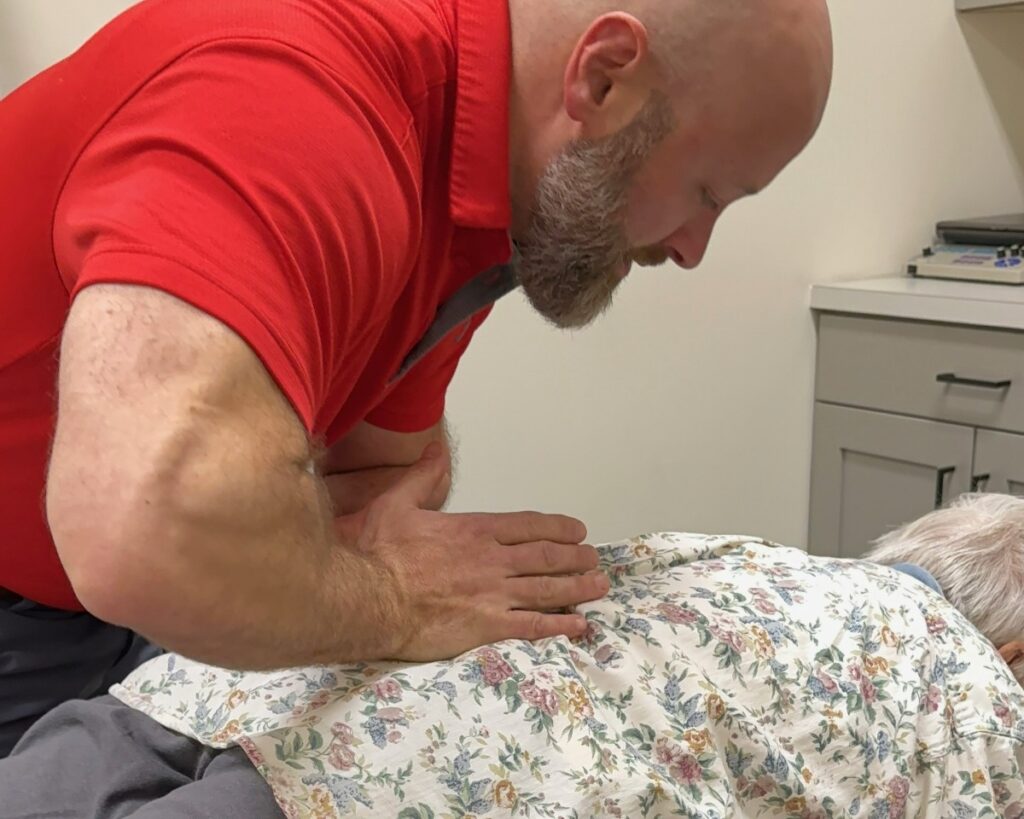
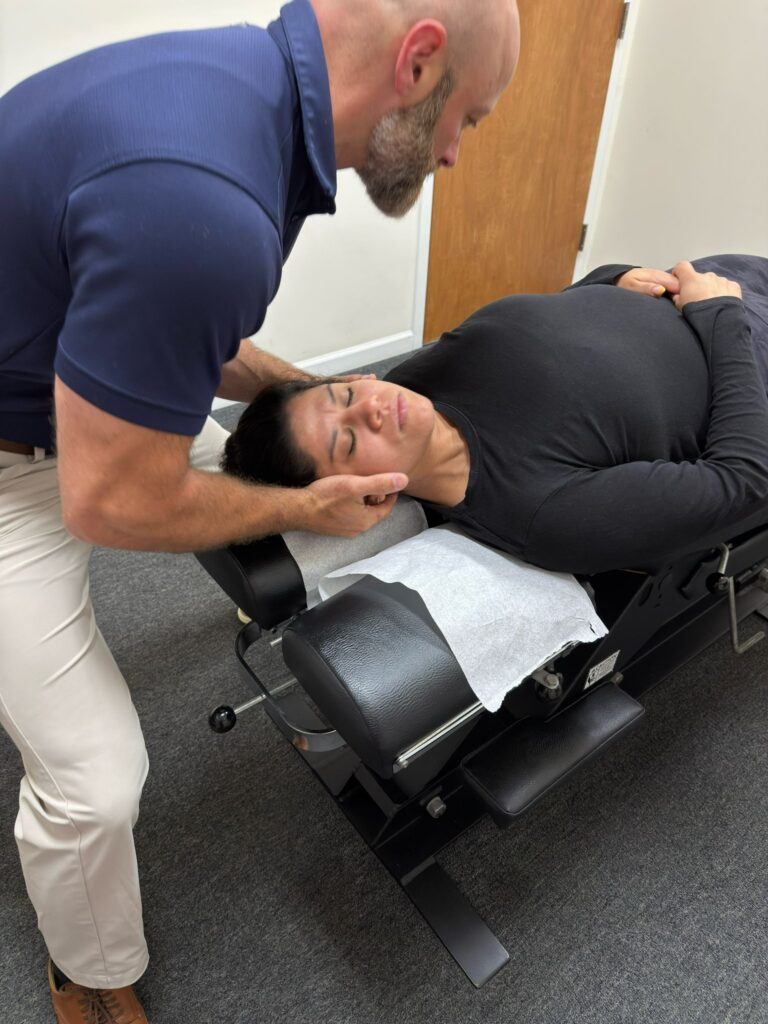
First, it’s essential to recognize how spinal health is linked to headache relief. Misalignments in the spine can contribute to tension and pain, which may lead to headaches. Regular chiropractic adjustments can help realign your spine, reduce tension, and promote better overall health, making it one of the best choices for pain relief.
Here are some key tips to help you regain control over your well-being:
- Stay Hydrated: Dehydration is a common headache trigger. Make sure you’re drinking plenty of water throughout the day.
- Practice Good Posture: Poor posture can lead to tension in your neck and shoulders, resulting in headaches. Be mindful of your posture, especially if you work at a desk.
- Regular Chiropractic Visits: Regular adjustments can help maintain spinal alignment, reduce tension, and improve your overall health, which can diminish headache frequency and intensity.
- Manage Stress: Stress is a major contributor to headaches. Incorporating relaxation techniques such as deep breathing, yoga, or meditation can be beneficial.
- Sleep Well: Ensure you’re getting enough restful sleep, as lack of sleep can trigger headaches. Create a calming bedtime routine to promote better sleep quality.
- Limit Screen Time: Prolonged exposure to screens can strain your eyes and contribute to headaches. Take regular breaks to rest your eyes.
- Explore Natural Remedies: Consider natural options like essential oils or herbal teas that can help soothe headaches without the need for medications.
By focusing on these strategies and incorporating chiropractic care into your routine, you can pave the way to better health and relief from headaches. Remember, understanding your body and making mindful choices are key to achieving optimal wellness.
Key Takeaways
- Keeping a headache diary can be a valuable tool for identifying triggers. By noting when headaches occur, their intensity, and any activities that preceded them, you can gain insights into patterns and potential causes, which can also help your chiropractor tailor your care plan for better management.
- Staying hydrated is essential for overall health and can be particularly effective in preventing headaches. Aim to drink at least eight glasses of water a day, and include hydrating foods like cucumbers and watermelon in your diet. Proper hydration supports spinal health and overall well-being.
- Regularly practicing stress management techniques, such as deep breathing and mindfulness meditation, can significantly reduce tension that often contributes to headaches. These practices not only enhance mental well-being but can also improve the effectiveness of chiropractic adjustments by promoting relaxation.
- Consider incorporating natural remedies into your routine for headache relief. Essential oils, ginger tea, and cold compresses can provide soothing relief. These methods complement chiropractic care by promoting natural healing without the need for medications.
- If you experience sudden or persistent headaches, or if they come with alarming symptoms like vision changes or nausea, it’s important to seek professional help. A chiropractor can assess your spine and overall health to determine the best course of action and ensure you receive the appropriate care.
By focusing on these strategies, you can take proactive steps towards managing headaches naturally and improving your overall health. Remember, chiropractic care is a powerful ally in achieving optimal wellness and pain relief.
Understanding Different Types of Headaches
When you experience a headache, it’s important to recognize the type you’re dealing with, as this can significantly influence your approach to finding relief. Headaches can generally be categorized into two types: primary and secondary.
Primary headaches, such as migraines and tension-type headaches, arise from the headache itself and aren’t triggered by another underlying condition. For example, migraines are often characterized by throbbing pain, nausea, and sensitivity to light, while tension headaches may feel like a tight band wrapped around your head.
On the flip side, secondary headaches are caused by other health issues, such as sinus infections or high blood pressure. Understanding whether your headache is primary or secondary is crucial for effective management.
While many might reach for over-the-counter medications, a more natural and holistic approach is to consider chiropractic care. Chiropractic adjustments can help alleviate headache pain by addressing misalignments in the spine that may contribute to tension and discomfort.
By promoting proper spinal alignment, chiropractic care supports your body’s natural ability to heal and function optimally. Additionally, practicing good posture, staying hydrated, and managing stress can also help prevent headaches.
If you find yourself struggling with headaches, consider consulting with a chiropractor. They can work with you to develop a personalized plan that focuses on natural healing, empowering you to take charge of your health and well-being.
Identifying Triggers and Patterns
Identifying the triggers and patterns behind your headaches can truly transform your journey toward effective relief, and as a chiropractor, I believe that understanding these factors is essential for optimal health. One of the most beneficial steps you can take is to keep a headache diary. By noting when your headaches occur, their intensity, and what activities you were engaged in beforehand, you can start to uncover patterns that may be linked to specific triggers. This awareness is key to managing your wellness naturally.
To help you categorize potential triggers, here’s a simple table:
| Trigger Type | Examples |
|---|---|
| Dietary | Caffeine, alcohol, chocolate |
| Environmental | Bright lights, strong odors |
| Physical | Poor posture, lack of sleep |
| Emotional | Stress, anxiety, fatigue |
Once you identify these triggers, you can take proactive steps to minimize or avoid them. For instance, maintaining good posture and ensuring you get adequate sleep are vital for spinal health and can significantly reduce headache occurrences. Furthermore, managing stress through relaxation techniques or gentle exercises can also promote overall well-being.
Chiropractic care plays a crucial role in addressing headaches, as it focuses on the health of your spine and nervous system. Regular chiropractic adjustments can help improve spinal alignment, reduce tension, and enhance circulation, all of which contribute to headache relief. By choosing chiropractic care, you are opting for a natural method that supports your body’s ability to heal itself.
Embracing these strategies and incorporating chiropractic care into your routine may lead to fewer headache episodes and a more balanced, healthier lifestyle. Remember, the goal is to empower yourself with knowledge and choices that foster your well-being naturally.
Lifestyle Modifications for Prevention
Making simple lifestyle modifications can greatly reduce the frequency and severity of your headaches, and as a chiropractor, I believe that these changes can complement the natural healing process of your body. Incorporating a few key adjustments into your daily routine can help prevent headaches from happening in the first place. Here are some modifications to consider:
- Stay Hydrated: Drinking at least eight glasses of water a day can help prevent dehydration, which is a common trigger for headaches. Proper hydration supports overall spinal health and function as well.
- Regular Sleep Schedule: Establishing a consistent sleep routine by going to bed and waking up at the same time each day can ensure you receive quality rest. Good sleep is essential for your body to heal and recharge, promoting better spinal alignment and reducing tension that can lead to headaches.
- Balance Your Diet: Focus on eating regular meals that include a mix of nutrients to fuel your body. Avoiding known headache trigger foods, such as processed snacks or excessive caffeine, can also help. A well-balanced diet supports your overall health, including the health of your spine.
- Manage Stress: Stress can contribute to tension in your body, which may lead to headaches. Incorporating relaxation techniques such as deep breathing, meditation, or yoga can help reduce stress levels. Regular chiropractic adjustments can also assist in relieving tension and promoting relaxation.
By making these lifestyle modifications, you can support your body’s natural healing abilities and reduce the occurrence of headaches.
Natural Remedies for Headache Relief
While headaches can be quite uncomfortable, there are several natural remedies you can consider for relief, along with the benefits of chiropractic care. As a chiropractor, I believe that addressing the root causes of headaches through spinal health can lead to optimal wellness.
One natural approach is using essential oils, such as peppermint and lavender. These oils can help soothe tension and promote relaxation. You can dilute a few drops in a carrier oil and gently massage it onto your temples. This not only provides relief but can also complement regular chiropractic adjustments, which help align the spine and reduce nerve tension.
Acupuncture is another method some people find effective for managing headaches, but chiropractic care is often the best choice for long-term relief. By focusing on spinal adjustments, we can improve your body’s overall function and potentially reduce the frequency and intensity of headaches.
Ginger tea is a fantastic option as well, thanks to its anti-inflammatory properties that can help alleviate pain and nausea. Additionally, applying a warm or cold compress to your forehead or neck can ease muscle tension and enhance circulation—especially beneficial after a chiropractic session.
Herbal supplements like feverfew and butterbur may show promise for headache prevention, but always discuss these options with your healthcare provider, especially if you’re already under chiropractic care.
Finally, incorporating mindfulness practices or gentle yoga into your routine can help manage stress, a common headache trigger. These practices can work hand-in-hand with chiropractic care to promote a healthier, more balanced lifestyle.
The Role of Hydration in Headache Management
Staying properly hydrated is crucial for managing headaches, as even mild dehydration can lead to discomfort that’s hard to shake off. When your body doesn’t get enough fluids, it reacts in ways that can result in headaches. Here are some simple hydration tips to help you stay on top of your wellness:
- Drink water regularly: Aim for at least eight 8-ounce glasses a day. This is a great baseline, but you may need more if you’re active or in a hot environment.
- Incorporate hydrating foods: Fruits and vegetables aren’t only nutritious but also high in water content. Consider adding watermelon, cucumber, and oranges to your meals for extra hydration.
- Be mindful of caffeine: While a little caffeine can be okay, too much can lead to dehydration. Balance your intake to avoid headaches.
- Listen to your body: Pay attention to signs of thirst. It’s best to hydrate regularly rather than waiting until you’re feeling parched.
Remember, staying hydrated is just one part of a holistic approach to health.
Regular chiropractic care can also play a vital role in promoting overall wellness and pain relief. By aligning your spine and nervous system, chiropractic adjustments can help improve your body’s functions, making it easier to maintain good hydration and overall health.
Stress Management Techniques
Stress is a common trigger for headaches, and managing it effectively is essential for your overall well-being. As a chiropractor, I want to share some natural techniques that can help reduce stress and, in turn, alleviate headache pain.
One of the simplest methods to incorporate into your daily routine is deep breathing exercises. Just a few minutes each day focusing on your breath can calm your mind and help release built-up tension in your body. This relaxation can also benefit your spine, as stress often leads to muscle tightness, which can affect your posture and overall spinal health.
Mindfulness meditation is another excellent tool for managing stress. By practicing mindfulness, you can train your mind to stay present, which helps lower stress levels significantly. This not only supports your mental health but also positively impacts your physical health, including reducing tension in your neck and shoulders that can contribute to headaches.
Journaling is a fantastic way to process your thoughts and emotions. Writing down what you’re feeling can help you identify specific stressors in your life. By understanding these, you can take proactive steps to address them and reduce their impact on your health.
Setting boundaries is crucial as well. Learning to say no when you’re overwhelmed can protect your time and energy, allowing you to focus on what truly matters. Remember, your health is your priority.
Don’t forget the importance of laughter and strong social connections. Spending time with friends and family can elevate your mood and help you unwind. Engaging in joyful activities can also contribute to a healthier spine by promoting relaxation and reducing muscle tension.
By actively applying these stress management techniques, you’re likely to notice a decrease in headache frequency and intensity. Alongside these practices, regular chiropractic care can provide additional support by ensuring that your spine is aligned and functioning optimally.
This holistic approach to health can lead to a better quality of life, free from the burdens of chronic headaches. Embrace these natural methods and consider integrating chiropractic care into your wellness routine for the best results.
The Benefits of Regular Exercise
Regular exercise is a vital component of maintaining overall health, particularly when it comes to improving blood circulation. This enhanced circulation is key to reducing the frequency and intensity of headaches.
As a chiropractor, I often emphasize the importance of physical activity not just for physical fitness, but also as a natural way to relieve tension that can lead to headaches.
Incorporating exercise into your daily routine can be a simple yet effective strategy for headache relief. Whether it’s a brisk walk, yoga, or any form of movement you enjoy, staying active can help keep your spine aligned and your body functioning optimally.
Additionally, consider pairing your exercise routine with regular chiropractic adjustments. These adjustments can enhance your body’s ability to cope with stress, further reducing the tension that contributes to headaches.
Remember, the goal is to foster a holistic approach to wellness that prioritizes your body’s natural ability to heal.
Here are some general tips to help you get started:
- Aim for at least 30 minutes of moderate exercise most days of the week.
- Focus on activities that promote flexibility and core strength, such as yoga or Pilates.
- Stay hydrated and maintain a balanced diet to support your overall wellness.
- Prioritize good posture during your workouts and throughout your day to relieve unnecessary strain on your spine.
Improved Blood Circulation
When you engage in regular exercise, you can significantly enhance your blood circulation, which is crucial for maintaining optimal health. This improvement in circulation not only supports your overall well-being but can also play a vital role in alleviating headaches.
Here are some key benefits of better blood flow that you may experience:
- Enhanced oxygen delivery: With better circulation, your brain receives more oxygen, which can help lessen the intensity of headaches. This is particularly important since our brain relies on a steady supply of oxygen to function effectively.
- Nutrient distribution: Improved blood flow means that essential nutrients reach your muscles and tissues more efficiently. This can lead to a reduction in tension and discomfort that often accompanies headaches.
- Waste removal: Enhanced circulation aids in flushing out toxins from your body, which can decrease the likelihood of headaches and other discomforts. By supporting your body’s natural detoxification processes, you help maintain a healthier state overall.
- Increased energy levels: When your blood is flowing well, you might notice a boost in your energy levels. This increase can make daily activities feel easier and more enjoyable, helping you stay active and engaged.
Incorporating regular exercise into your routine is a fantastic way to promote not only headache relief but also a healthier lifestyle.
However, don’t forget the importance of chiropractic care in this journey. Regular chiropractic adjustments can help align your spine, allowing for optimal nerve function and circulation. This natural approach to health can enhance the benefits of exercise, making it a powerful combination for pain relief and overall wellness.
Stress Reduction Techniques
While many people think of exercise as a way to improve physical fitness, it plays a crucial role in enhancing mental well-being and reducing stress. Regular physical activity can release endorphins, those natural mood lifters that help combat anxiety and elevate your spirits.
You don’t have to go to a gym; simple activities like walking, jogging, or dancing can significantly benefit your mental health. Aim for at least 30 minutes of moderate exercise most days of the week.
This routine not only helps clear your mind but also improves your sleep quality, which is vital for managing stress effectively. Remember, a well-aligned spine can also contribute to better overall health and improved physical performance.
So, whether you’re engaging in a light stroll or grooving to your favorite tunes, consider visiting a chiropractor to ensure your spine is in optimal condition, which will enhance your ability to enjoy these stress-relieving activities.
Make it a priority to incorporate movement into your daily life, and don’t hesitate to reach out to your local chiropractor for guidance on maintaining a healthy spine and achieving overall wellness.
Together, you can create a personalized plan that supports both your physical activity goals and your journey to stress relief.
When to Seek Professional Help
When it comes to headaches, it’s important to understand when you might need more than just over-the-counter relief. Recognizing the signs that indicate a visit to a healthcare provider can help you avoid complications and ensure optimal wellness. Here are some key symptoms to watch for:
- If your headache hits suddenly and feels extremely intense, sometimes described as a “thunderclap,” it’s an indication that you should seek professional advice.
- Persistent headaches that don’t improve with typical treatments may suggest an underlying issue that could benefit from a natural healing approach, like chiropractic care.
- Pay close attention to any changes in your vision, speech, or balance that occur with your headache; these can be signs that your body needs attention.
- If you’ve had a head injury, even a minor one, and develop a headache, it’s wise to consult with a professional to rule out any serious concerns.
Don’t overlook these signs! Consulting a chiropractor can help identify potential spinal misalignments or other issues contributing to your headaches. Chiropractic care focuses on natural healing methods, which can offer significant relief without the need for medications or invasive procedures.
In addition to seeking professional help, here are some general tips for managing headaches naturally:
- Stay hydrated: Dehydration can often trigger headaches, so make sure you’re drinking enough water throughout the day.
- Maintain good posture: Poor posture can contribute to tension headaches, so be mindful of how you sit and stand.
- Practice relaxation techniques: Stress can lead to headaches, so incorporating practices like deep breathing or meditation can be beneficial.
- Get regular chiropractic adjustments: Keeping your spine aligned can help prevent headaches and improve your overall health.
Integrating Mindfulness and Relaxation Practices
Integrating mindfulness and relaxation practices can play a crucial role in managing headaches, and as a chiropractor, I believe these techniques complement the benefits of chiropractic care for optimal health.
Start by incorporating simple mindful breathing exercises into your daily routine. Take a few moments to focus on your breath, inhaling deeply and exhaling slowly. This can help reduce tension in your body and mind.
Guided imagery exercises can also be beneficial. Visualizing a peaceful place can promote relaxation and ease discomfort.
Additionally, progressive muscle relaxation is a fantastic technique where you tense and then relax each muscle group in your body, helping to release built-up tension.
These strategies not only foster a sense of calm but can also enhance the effectiveness of chiropractic adjustments.
Remember, chiropractic care is designed to address the root causes of pain and promote natural healing. By integrating these mindfulness practices, you can further support your overall wellness and find relief from headaches without resorting to medications or invasive procedures.
Embrace these holistic approaches for a healthier, pain-free life!
Mindful Breathing Techniques
Many individuals experience headaches, and while chiropractic care is a fantastic approach to address the underlying issues, incorporating mindful breathing techniques can also be a beneficial tool for relief.
By focusing on your breath, you can promote relaxation and reduce tension throughout your body, which often contributes to headache pain. Here are some effective breathing techniques you can try alongside your chiropractic care:
- Deep Breathing: Take a moment to inhale deeply through your nose, filling your lungs completely, then exhale slowly through your mouth. This simple practice helps to calm your nervous system.
- 4-7-8 Technique: Inhale through your nose for 4 seconds, hold that breath for 7 seconds, and then exhale gently through your mouth for 8 seconds. This technique can help soothe your mind and reduce stress.
- Box Breathing: Breathe in for 4 seconds, hold your breath for another 4 seconds, exhale for 4 seconds, and then pause for 4 seconds before taking your next breath. This method can help stabilize your heart rate and promote a sense of calm.
- Progressive Muscle Relaxation: As you breathe, try tensing and then relaxing each muscle group in your body, starting from your toes and moving up to your head. This can help release built-up tension that may be contributing to your headaches.
Integrating these mindful breathing practices into your daily routine can enhance the effectiveness of your chiropractic care and help you manage headaches more effectively.
Guided Imagery Exercises
Guided imagery exercises are an excellent way to relieve headaches and promote relaxation, fitting seamlessly into a holistic approach to health and wellness that chiropractic care embodies. By tapping into your imagination, you can create serene mental landscapes that help ease tension in your body, which is essential for maintaining a healthy spine and overall well-being. Visualizing calming environments can complement the benefits of chiropractic adjustments by helping reduce stress and enhancing your body’s natural healing processes.
Imagine a soothing beach with gentle waves lapping at the shore and soft sand beneath your feet. This scene can help reduce stress and promote a sense of calm—both crucial for spinal health.
Here’s a handy table to help you visualize these scenes and understand their benefits:
| Scene | Description | Benefits |
|---|---|---|
| Calming Beach | Gentle waves, soft sand | Reduces stress, promotes calm |
| Peaceful Forest | Tall trees, chirping birds | Enhances focus, lifts mood |
| Tranquil Mountain | Clear skies, fresh air | Boosts energy, clears mind |
| Serene Meadow | Colorful flowers, soft breeze | Encourages joy, inspires peace |
| Quiet Lake | Still water, soft ripples | Instills tranquility, eases pain |
When you close your eyes, breathe deeply, and let these images guide you, remember that relaxation plays a vital role in your body’s ability to heal. Chiropractic care focuses on restoring balance and function to your spine, which can alleviate pain and tension, enhancing the effects of these guided imagery exercises.
For a more effective experience, consider incorporating these general tips into your routine:
- Practice Regularly: Make guided imagery a part of your daily routine, especially when you start feeling tension in your neck or back.
- Combine with Deep Breathing: Pair your visualization with deep breathing exercises to enhance relaxation and increase oxygen flow to your muscles.
- Stay Consistent: Regular chiropractic visits can help maintain spinal health, making it easier to relax and visualize effectively.
Progressive Muscle Relaxation
While addressing your headache, progressive muscle relaxation (PMR) can be an excellent technique to help you unwind and alleviate tension throughout your body. This method promotes mindfulness by encouraging you to focus on each muscle group, leading to a deeper state of relaxation.
Here’s how to effectively practice PMR, paired with the benefits of chiropractic care for optimal health:
- Find a quiet space where you can sit or lie down comfortably. Creating a peaceful environment is key to enhancing your relaxation experience.
- Tense each muscle group for about 5 seconds, then relax for 30 seconds, starting from your toes and working your way up to your head. This process not only helps release tension but also allows you to become more aware of your body, which is a fundamental aspect of chiropractic care.
- Breathe deeply as you relax, letting your breath flow naturally. Deep breathing can help enhance the effects of PMR and further reduce tension.
- Repeat as needed, paying special attention to areas where you feel the most tension. Regular practice can promote overall well-being, especially when combined with chiropractic adjustments that align your spine and support your body’s natural healing processes.
Incorporating PMR into your routine can complement your chiropractic care, helping you achieve a more balanced and pain-free lifestyle.
Conclusion
Incorporating these headache relief strategies into your routine can significantly enhance your overall well-being and help manage discomfort effectively. Understanding your personal headache triggers is essential; this awareness allows you to avoid potential pitfalls that can lead to pain. Staying well-hydrated is another simple yet powerful step—dehydration is a common culprit in headache development.
Chiropractic care is an excellent approach to addressing headaches, as it focuses on the alignment of the spine and nervous system, which can often be key factors in headache relief. Regular chiropractic adjustments can help reduce tension in your neck and spine, which may alleviate headache symptoms and prevent them from occurring in the first place.
In addition to chiropractic care, practicing stress management techniques such as deep breathing, meditation, or yoga can be beneficial. These methods not only promote relaxation but also contribute to overall health and wellness.
Natural remedies like essential oils and ginger tea can offer quick relief and are great complements to chiropractic care. Essential oils, such as peppermint or lavender, can be soothing when applied topically or used in a diffuser.
If you find that headaches persist or worsen, it’s a great idea to consult with a chiropractor. They can provide tailored advice and specific treatments designed to address the underlying issues contributing to your headaches.
By taking control of your health through chiropractic care and these simple lifestyle adjustments, you can pave the way toward a more comfortable, pain-free life. Remember, achieving optimal health is a journey, and you don’t have to navigate it alone!