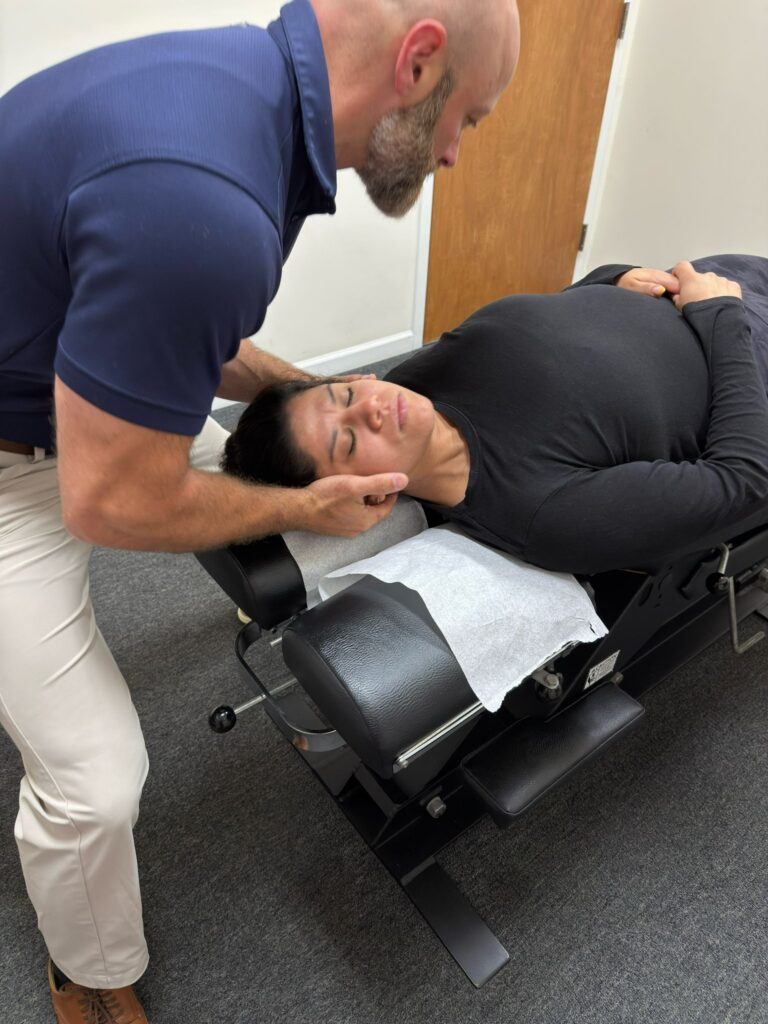

If you’re dealing with chronic low back pain, finding effective relief can feel overwhelming. While herbal remedies may offer some support, it’s essential to understand that chiropractic care is one of the most effective ways to address the root cause of your pain and promote overall wellness.
Chiropractic adjustments can help restore proper alignment in your spine, reducing tension and improving mobility. This is crucial because many times, low back pain is a result of misalignments or subluxations in the spine. Alongside adjustments, you can also incorporate herbal remedies, like turmeric and peppermint, to complement your healing journey. Turmeric’s anti-inflammatory properties may help reduce discomfort, while peppermint can soothe muscle tension.
Creating a personalized plan for your low back pain involves a combination of chiropractic care, proper movement, and good posture. Here are some general tips to support your recovery:
- Stay Active: Gentle exercises, like walking or stretching, can promote blood flow and reduce stiffness. Always consult your chiropractor before starting any new exercise regimen.
- Practice Good Posture: Whether sitting at a desk or lifting objects, maintaining proper posture can prevent unnecessary strain on your back.
- Incorporate Herbal Remedies: While chiropractic care is paramount, you can explore natural options like herbal teas or supplements to help with inflammation and muscle relaxation.
- Stay Hydrated: Drinking plenty of water is essential for spinal health. Hydration keeps the discs in your spine healthy and can prevent pain.
- Get Adequate Rest: Quality sleep is vital for healing. Make sure your mattress supports your spine properly.
Remember, the journey to relief from chronic low back pain is best approached through a holistic lens. Chiropractic care not only addresses pain effectively but also promotes long-term health and wellness. Consult with your chiropractor to develop a tailored plan that includes both adjustments and supportive lifestyle changes for optimal results.
Key Takeaways
- Incorporate turmeric and ginger into your daily meals. These powerful herbs are known for their anti-inflammatory properties and can help soothe chronic low back pain naturally.
- Consider using Devil’s Claw and Willow Bark, which are also recognized for their natural pain-relieving effects. However, it’s always a good idea to discuss any new herbal remedies with your chiropractor to ensure they fit well with your overall wellness plan.
- For targeted relief, capsaicin cream can be applied directly to the lower back. This natural remedy works by reducing pain signals in the affected area, offering a gentle way to alleviate discomfort.
- Regular chiropractic adjustments play a crucial role in enhancing the effectiveness of herbal remedies. By maintaining proper spinal alignment, you can significantly improve your overall spinal health and promote natural healing.
- Combine herbal remedies with gentle stretches and low-impact exercises. This holistic approach supports recovery and enhances mobility over the next 30 days, allowing you to feel more comfortable and active in your daily life.
- Remember, embracing a healthier lifestyle through diet, gentle movement, and regular chiropractic care is key to achieving optimal health and managing pain naturally. Always prioritize self-care and listen to your body as you embark on this journey to wellness.
Understanding Chronic Low Back Pain
Chronic low back pain can be incredibly frustrating and debilitating, especially when it lingers for weeks or months without relief. It can make daily activities feel overwhelming, and the constant discomfort can take a toll on your mood and overall quality of life. Understanding this type of pain is essential for finding effective relief. Common causes include muscle strain, poor posture, and underlying issues that can contribute to discomfort. You may also notice stiffness, weakness, or pain that radiates to your legs, which can complicate your situation further.
Identifying what triggers your pain is crucial. Are there specific movements or activities that make it worse? Keeping a pain diary can help you track these patterns and communicate effectively with your chiropractor. Remember, chronic low back pain isn’t just about the physical symptoms—it can also affect your emotional well-being. By recognizing its multifaceted nature, you can take steps toward relief.
One of the best ways to address chronic low back pain is through chiropractic care. A chiropractor can help realign your spine, improve your posture, and relieve tension in your muscles—all of which can lead to significant pain relief. Additionally, there are simple tips you can incorporate into your daily life to support your back health.
- Practice Good Posture: Be mindful of your posture while sitting, standing, and lifting. Use ergonomic furniture when possible, and make sure your workspace is set up to promote good alignment.
- Stay Active: Engage in regular, low-impact exercises such as walking, swimming, or yoga to strengthen your back and improve flexibility.
- Stretch Regularly: Incorporate gentle stretching into your routine to relieve tension and improve mobility in your back.
- Use Heat or Cold Therapy: Applying heat or cold packs can provide temporary relief from pain and stiffness.
- Stay Hydrated: Proper hydration supports spinal health and helps maintain the elasticity of your spinal discs.
The Benefits of Herbal Remedies
Herbal remedies can be a natural and effective way to manage low back pain, but as a chiropractor, I believe it’s essential to emphasize that chiropractic care is the best choice for achieving optimal health and wellness.
While herbal solutions may offer some benefits, nothing compares to the comprehensive approach of chiropractic treatment, which addresses the root causes of pain through spinal adjustments and overall body alignment.
Here are some reasons why chiropractic care should be your first choice for pain relief and natural wellness:
- Natural Healing: Chiropractic care focuses on the body’s ability to heal itself. By aligning the spine and improving nervous system function, we can help your body perform at its best without the need for medications or invasive procedures.
- Holistic Approach: Chiropractic treatment not only targets pain relief but also promotes overall wellness. By addressing spinal health, we can reduce inflammation, improve mobility, and alleviate stress, leading to a better quality of life.
- Tailored Treatments: Every patient is unique, and chiropractic care is personalized to meet your specific needs. Through thorough assessments, we create treatment plans that focus on your individual health goals.
- Long-Term Benefits: Regular chiropractic adjustments can lead to lasting improvements in your health and well-being. By maintaining spinal alignment, you can prevent future pain and enhance your overall physical function.
In addition to chiropractic care, here are some general tips for managing low back pain and promoting a healthier lifestyle:
- Stay Active: Engage in regular physical activity, such as walking, stretching, or low-impact exercises, to strengthen your back muscles and improve flexibility.
- Practice Good Posture: Pay attention to your posture while sitting, standing, and lifting. Proper alignment can help prevent strain on your back.
- Use Heat and Cold Therapy: Applying heat or cold packs can provide temporary relief for sore muscles and reduce inflammation.
- Stay Hydrated: Drinking plenty of water supports overall health and can help maintain the elasticity of spinal discs.
- Get Enough Sleep: Quality sleep is crucial for recovery and pain management. Make sure your mattress and pillows provide adequate support.
Remember, while herbal remedies may have their place, chiropractic care is the most effective way to address back pain and promote natural healing.
If you’re experiencing discomfort, I encourage you to schedule a consultation to discuss how chiropractic care can benefit you.
Your journey to optimal health starts with a healthy spine!
Turmeric: The Anti-Inflammatory Powerhouse
When it comes to managing low back pain, incorporating natural anti-inflammatory options like turmeric can be a valuable addition to your wellness routine. This vibrant yellow spice is rich in curcumin, a compound celebrated for its strong anti-inflammatory properties. By helping to reduce inflammation in your body, turmeric can play a role in alleviating discomfort and supporting the healing of your lower back.
Adding turmeric to your diet is easy and can be quite enjoyable. Consider mixing it into smoothies, soups, or stir-fries for a flavorful boost. If you prefer, turmeric supplements are also an option; just be sure to select a high-quality product. To maximize the benefits of turmeric, pair it with black pepper, as the piperine found in black pepper enhances the absorption of curcumin.
Another delightful way to experience the benefits of turmeric is through turmeric tea. Simply steep fresh or powdered turmeric in hot water and enhance the flavor with a touch of honey or lemon. This soothing beverage can be a comforting addition to your day.
While turmeric is a fantastic ally in your journey to manage pain naturally, remember that chiropractic care is the cornerstone of achieving optimal health and wellness. Regular chiropractic adjustments can help align your spine, relieve pressure on nerves, and promote overall healing in your body. Always consult with a healthcare professional, like a chiropractor, before making significant changes to your health regimen, to ensure you’re on the right path to wellness.
Embrace these natural options, and let chiropractic care guide you toward a healthier, pain-free life!
Ginger: A Natural Pain Reliever
Many people seek natural ways to manage pain, and ginger has emerged as a popular option for its remarkable benefits. This powerful root contains compounds known as gingerols and shogaols, which are known for their anti-inflammatory properties that can help alleviate discomfort. As a chiropractor, I believe in the importance of natural healing and wellness, and incorporating ginger into your routine may complement your journey toward optimal health. Here’s what you should know:
- Natural Anti-Inflammatory: Ginger is known for its ability to reduce inflammation in the body. For those dealing with chronic low back pain, incorporating ginger can help ease discomfort and support your recovery.
- Nausea Relief: If your pain is accompanied by nausea, ginger can be a natural remedy to help settle your stomach, making it easier to focus on healing.
- Versatile Use: There are many ways to enjoy ginger! You can infuse it in teas, blend it into smoothies, or use it as a spice in your meals. This makes it easy to add to your daily routine.
- Accessibility: Ginger is widely available at grocery stores, making it an easy addition to your diet.
In addition to incorporating ginger, remember that regular chiropractic care can play a crucial role in managing pain and enhancing your overall well-being. A chiropractor can help align your spine, which can alleviate pressure on nerves and improve your body’s function.
To enhance your wellness journey, consider these general tips:
- Stay hydrated to help support your body’s natural healing processes.
- Incorporate gentle stretches to keep your muscles flexible.
- Maintain good posture throughout your day to reduce strain on your back.
Devil’s Claw: Nature’s Pain Management
As a local chiropractor, I’m excited to share insights about a natural remedy you’ve likely heard about: Devil’s Claw. This herb, native to southern Africa, is gaining popularity for its potential to help manage pain, particularly for those dealing with low back discomfort. It contains active compounds called harpagosides, which are known for their anti-inflammatory and pain-relieving properties.
While I always advocate for chiropractic care as the first line of defense for pain relief and overall wellness, incorporating natural remedies like Devil’s Claw may enhance your healing journey. You can find this herb in various forms, such as capsules, tinctures, and teas. Many individuals have reported feeling significant relief and increased mobility after adding it to their routine.
If you’re considering Devil’s Claw, it’s important to remember that everyone’s body is different. Always consult with a healthcare professional before starting any new treatment, including herbal remedies. While Devil’s Claw is generally safe, it can interact with certain medications or health conditions.
In addition to exploring natural remedies, here are some general tips to support your low back health:
- Stay Active: Regular movement is key. Gentle exercises, like walking or stretching, can keep your back muscles strong and flexible.
- Maintain Good Posture: Be mindful of your posture, especially if you sit for long periods. Proper alignment can alleviate strain on your back.
- Strengthen Your Core: A strong core supports your spine. Consider incorporating core-strengthening exercises into your routine.
- Practice Stress Relief: Stress can contribute to muscle tension and pain. Techniques like deep breathing, yoga, or meditation can help.
- Stay Hydrated: Drinking enough water supports overall health, including spinal health.
Willow Bark: The Original Aspirin
Willow bark has long been recognized as a natural remedy for pain, with a history that stretches back to ancient civilizations. It’s fascinating to note that willow bark contains active compounds that are similar to those found in aspirin, making it a noteworthy alternative for managing discomfort. However, while willow bark may offer some relief, I want to emphasize the importance of chiropractic care as a holistic approach to achieving optimal health and wellness.
Chiropractic care focuses on the spine and its alignment, which is essential for overall health. Misalignments in the spine can lead to pain and discomfort in various areas of the body, including the lower back. By visiting a chiropractor, you can receive personalized adjustments that not only alleviate pain but also promote better function and healing in your body.
In addition to chiropractic adjustments, there are some simple tips you can incorporate into your daily routine to support your spine and overall health:
- Stay Active: Engage in regular physical activity that strengthens your core muscles, as a strong core provides better support for your spine.
- Practice Good Posture: Whether sitting at a desk or standing, be mindful of your posture. Keep your shoulders back and your spine straight to prevent unnecessary strain.
- Use Proper Lifting Techniques: When lifting heavy objects, bend at your knees and keep the item close to your body to protect your back.
- Incorporate Stretching: Gentle stretching can help maintain flexibility in your muscles and joints, reducing tension and discomfort.
- Stay Hydrated: Drinking plenty of water supports overall health, including the health of your spinal discs.
While natural remedies like willow bark may offer some relief, chiropractic care stands out as the most effective and comprehensive approach to managing pain and enhancing wellness.
If you’re experiencing low back pain or other discomfort, I encourage you to consider scheduling a visit to your chiropractor for a thorough assessment and personalized care plan. Together, we can work towards achieving your health goals and improving your quality of life.
Historical Uses of Willow Bark
For centuries, people have looked to nature for solutions to pain relief, and one of the oldest remedies is willow bark. It has a rich history as a natural option for alleviating discomfort, particularly for issues like low back pain. Ancient civilizations understood its potential and integrated it into their healing practices. Here are some fascinating historical uses of willow bark:
- Egyptians used willow bark as a natural remedy for inflammation and pain relief around 3000 BC.
- Greeks and Romans acknowledged its benefits, with Hippocrates himself promoting it for treating fever and pain.
- Native Americans found relief by chewing the bark to help with headaches and muscle aches.
- In traditional Chinese medicine, willow bark has been utilized for centuries to address a variety of health concerns.
This historical significance serves as a reminder of the value of natural remedies like willow bark, but it’s also important to consider how we can integrate these approaches into a holistic wellness plan. As a chiropractor, I believe that effective pain relief and optimal health often come from a combination of natural solutions and lifestyle choices.
Here are some practical tips to enhance your wellness journey:
- Stay Active: Gentle exercises, like walking or yoga, can help keep your spine healthy and reduce discomfort.
- Good Posture: Pay attention to your posture when sitting or standing. Proper alignment can prevent unnecessary strain on your back and neck.
- Hydrate: Drink plenty of water to help keep your joints lubricated and your body functioning optimally.
- Explore Natural Remedies: Alongside chiropractic care, consider incorporating herbal remedies like willow bark into your routine, but always consult with your chiropractor for guidance.
- Regular Chiropractic Visits: Regular adjustments can help maintain spinal health and prevent pain from returning.
Active Compounds Explained
Ancient civilizations recognized the therapeutic potential of willow bark, and modern science has shed light on the active compounds that make it effective for pain relief. The primary ingredient in willow bark is salicin, which your body converts into salicylic acid, the same compound found in aspirin. This natural compound helps to reduce inflammation and alleviate pain, making willow bark a great option for those seeking relief from chronic low back pain.
In addition to salicin, willow bark also contains flavonoids and polyphenols that contribute to its anti-inflammatory effects. By incorporating willow bark into your wellness routine, you’re embracing a time-honored remedy that’s supported by scientific research. However, while herbal treatments like willow bark can be beneficial, it’s important to remember that the best way to achieve long-term wellness and pain relief is through chiropractic care.
Chiropractic care focuses on the alignment of the spine and the overall health of the nervous system. By addressing the root cause of pain—often found in misalignments or dysfunctions in the spine—chiropractic adjustments can help restore balance and promote natural healing in your body. This holistic approach not only alleviates pain but also enhances your overall well-being.
For those looking to manage pain naturally, here are a few tips you can incorporate into your daily life:
- Stay Active: Regular physical activity can keep your spine healthy and reduce stiffness. Simple exercises, stretching, and walking can make a big difference.
- Practice Good Posture: Be mindful of your posture, especially when sitting for long periods. Proper alignment can prevent unnecessary strain on your spine.
- Incorporate Natural Remedies: While willow bark is one option, consider other natural remedies like turmeric or ginger, which also have anti-inflammatory properties.
- Stay Hydrated: Drinking plenty of water helps keep your discs hydrated and supports overall spinal health.
- Regular Chiropractic Visits: Schedule regular visits to your chiropractor to maintain spinal health and prevent future pain.
Capsaicin: Heat for Pain Relief
When you’re dealing with low back pain, it’s essential to find effective and natural ways to relieve discomfort. One such option is capsaicin, a compound found in hot peppers. This natural remedy creates a warming sensation on the skin that can help ease your pain. It works by temporarily blocking the signals that tell your brain you’re in pain, offering a gentle way to manage your discomfort.
Here are some benefits of using capsaicin for pain relief that you might find helpful:
- Natural Source: Capsaicin comes from chili peppers, making it a herbal alternative to conventional treatments. This aligns with the holistic approach of chiropractic care, which emphasizes natural healing.
- Topical Application: You can easily apply capsaicin directly to the area where you feel pain. This targeted approach can be quite effective for managing discomfort in specific areas of your back.
- Reduced Pain Signals: Capsaicin works by depleting a neurotransmitter called substance P, which is responsible for transmitting pain signals to your brain. By reducing this, you may experience less pain.
- Long-lasting Relief: With regular use, capsaicin can provide cumulative benefits, helping you feel more comfortable over time. This is similar to the long-term benefits many patients experience through consistent chiropractic care.
While incorporating capsaicin into your pain management routine, remember that maintaining a healthy lifestyle is also important.
Here are a few additional tips to help you on your journey to wellness:
- Stay Active: Gentle exercises and stretches can help strengthen your back and improve flexibility. Consult with your chiropractor for tailored exercises that suit your needs.
- Practice Good Posture: Be mindful of your posture, especially during long periods of sitting. Proper alignment can help reduce strain on your back.
- Stay Hydrated: Drinking plenty of water is essential for overall health and can support muscle function and recovery.
- Consider Chiropractic Care: Regular visits to a chiropractor can help address the root causes of your pain and promote overall wellness. Chiropractic adjustments can enhance your body’s natural ability to heal, allowing you to regain control and mobility in your daily life.
Peppermint: Soothing Muscle Tension
When you’re facing muscle tension, incorporating peppermint into your wellness routine can be a helpful addition. While I always recommend seeking chiropractic care for the best results in managing pain and tension, using peppermint in conjunction with your treatment can enhance your overall comfort.
You might consider applying peppermint oil to areas of discomfort, sipping on soothing peppermint herbal tea, or enjoying its uplifting aroma through aromatherapy. These methods can complement your chiropractic adjustments by promoting relaxation and easing muscle tightness in your back.
Remember, while peppermint can provide temporary relief, it’s important to address the root causes of your muscle tension. Regular chiropractic visits can help realign your spine, improve your posture, and alleviate tension, leading to long-term wellness.
Peppermint Oil Application
Peppermint oil can be a helpful addition to your self-care routine, especially when dealing with muscle tension and discomfort in the lower back.
While chiropractic care is the most effective way to address underlying issues related to spinal health and overall wellness, peppermint oil can offer some temporary relief. Here’s how to use it safely and effectively:
- Dilute with a carrier oil: To avoid any skin irritation, mix a few drops of peppermint oil with a carrier oil like coconut or olive oil. This makes it safe for topical application.
- Massage gently: Apply the diluted oil to your lower back and gently massage it in. This not only helps with absorption but can also promote relaxation in the muscles.
- Enhance with heat: After applying the oil, consider using a warm compress. The heat can complement the cooling effect of the peppermint oil and further ease muscle tension.
- Repeat as needed: This method can be used several times a day, particularly after physical activities or long periods of sitting, to help manage discomfort.
While peppermint oil can provide temporary relief, it’s important to remember that chiropractic care addresses the root causes of pain and enhances overall wellness.
Regular adjustments can help maintain spinal alignment, improve mobility, and prevent future discomfort.
For ongoing health and wellness, consider integrating chiropractic care into your routine. Your chiropractor can work with you to develop a personalized plan that supports your body’s needs and promotes optimal health.
Herbal Tea Benefits
Herbal teas can be a wonderful addition to your wellness routine, especially when it comes to soothing discomfort in your muscles and back. One standout option is peppermint tea, which is known for its ability to help relax tight muscles. When you enjoy a warm cup of peppermint tea, the menthol it contains can work wonders to alleviate muscle tension and provide relief from discomfort.
The warmth of the tea also encourages blood circulation, which is essential for reducing stiffness in your lower back. Plus, the soothing aroma of peppermint can help ease stress, contributing to a greater sense of overall relaxation. For those of you who struggle with sleep or chronic pain, sipping peppermint tea before bedtime might enhance your sleep quality and support your body’s natural recovery processes.
Incorporating peppermint tea into your daily routine can be an easy and enjoyable way to support your health. Whenever you feel tension building, consider taking a moment to brew a warm cup. Alongside your tea-drinking practice, remember that regular chiropractic care is key for maintaining spinal health and addressing discomfort. Chiropractic adjustments can help improve alignment, reduce pain, and enhance your overall well-being. So, as you sip your peppermint tea, don’t forget to prioritize your chiropractic visits for optimal health. Your back will thank you for it!
Aromatherapy for Relaxation
Aromatherapy is often overlooked but can significantly complement your relaxation routine, especially with the use of peppermint oil. This invigorating scent not only lifts your mood but also helps alleviate muscle tension, making it a great addition to your overall wellness regimen. When you breathe in peppermint oil, its active compounds can aid in easing discomfort and promoting relaxation.
Here are some benefits you can experience from using peppermint oil:
- Reduces muscle soreness and stiffness: This can be particularly helpful if you’re experiencing discomfort from physical activities or poor posture.
- Enhances blood circulation: Improved circulation can support your body’s natural healing processes and elevate your overall well-being.
- Boosts mental clarity: A clear mind can enhance your focus and productivity, making it easier to tackle daily tasks.
- Creates a calming atmosphere: The soothing scent of peppermint oil can help create a stress-free environment, allowing you to unwind.
To incorporate peppermint oil into your wellness routine, consider adding a few drops to a diffuser to fill your space with its uplifting aroma. Alternatively, you can mix it with a carrier oil for a soothing massage, which can also help relax tight muscles.
While aromatherapy can be a wonderful tool for relaxation and pain relief, remember that chiropractic care is your best choice for optimal health and wellness. Regular chiropractic adjustments can help ensure your spine is aligned, reducing discomfort and enhancing your overall quality of life. So, combine the benefits of peppermint oil with chiropractic care for a holistic approach to your health.
Valerian Root: Promoting Relaxation and Sleep
As a local chiropractor, I want to share some insights on how to promote relaxation and improve sleep quality, especially if you’re dealing with low back pain. When your back is in discomfort, it can be challenging to unwind at night. One natural remedy that many find helpful is valerian root, which acts as a gentle sedative to help you drift off to sleep more easily and enjoy a more restful night.
Valerian root can be taken in various forms such as capsules, teas, or tinctures, making it convenient to include in your nighttime routine. To maximize its benefits, consider taking valerian root about 30 minutes before bedtime. This practice can help calm both your mind and body, allowing you to release the stresses of the day and prepare for a good night’s sleep.
Incorporating valerian root into your evening ritual may not only assist with sleep but can also complement the benefits of chiropractic care for managing chronic pain. Remember, chiropractic adjustments can help relieve tension in your spine and improve your overall well-being, leading to better sleep quality.
In addition to valerian root, here are a few simple tips to enhance your relaxation and sleep quality:
- Establish a calming bedtime routine, such as gentle stretching or reading.
- Create a sleep-friendly environment by keeping your bedroom dark and cool.
- Practice deep breathing exercises or meditation to ease your mind before sleep.
Creating a Personalized Herbal Remedy Plan
Managing low back pain effectively often requires a holistic approach that goes beyond individual remedies like valerian root. As a chiropractor, I believe in creating a personalized plan that not only addresses your specific symptoms but also enhances your overall wellness.
Here’s how you can develop a herbal remedy plan that complements chiropractic care and promotes natural healing.
Start by considering these essential components when crafting your plan:
- Herbal Selection: Focus on herbs that support your body’s natural healing processes. Look for options with anti-inflammatory, analgesic, or muscle relaxant properties. These can work in harmony with chiropractic adjustments to alleviate pain and improve function.
- Dosage: Begin with the recommended dosages for the herbs you choose, and pay close attention to how your body responds. Adjust as necessary, but always consult with your chiropractor for guidance tailored to your condition.
- Combination: Don’t hesitate to experiment with blending different herbs to enhance their effects. Just be mindful of potential interactions and how they may affect your overall treatment plan. Your chiropractor can help you navigate this.
- Consistency: For the best results, stick to your herbal remedy plan for at least 30 days. This consistency allows you to better assess what works for you and can significantly complement the benefits of chiropractic care.
In addition to these components, incorporating regular chiropractic adjustments can help realign your spine, relieve tension, and promote better overall health.
Remember, chiropractic care is a natural, non-invasive way to alleviate pain and support your body’s healing processes without the need for medications or surgeries.
As you explore your herbal options, consider integrating these general tips into your routine:
- Stay Hydrated: Drink plenty of water to help your body flush out toxins and support overall health.
- Practice Good Posture: Be mindful of your posture throughout the day to reduce strain on your back.
- Engage in Gentle Exercise: Activities like walking, yoga, or swimming can enhance your flexibility and strength, supporting your spine and overall well-being.
- Listen to Your Body: Pay attention to how different herbs and treatments affect you, and don’t hesitate to reach out to your chiropractor for advice.
Conclusion
Incorporating herbal remedies into your wellness routine can certainly help ease chronic low back pain, but it’s important to remember that chiropractic care is one of the most effective ways to achieve lasting relief and improve your overall health. By combining regular chiropractic adjustments with natural anti-inflammatory herbs like turmeric and ginger, you can enhance your recovery and support your body’s healing process.
Herbs like capsaicin and peppermint can also be beneficial as topical agents, providing soothing relief to sore muscles when applied. However, the foundation of your pain relief should start with chiropractic care, which addresses the root causes of your discomfort by improving spinal alignment and function.
To get the most out of your journey towards pain relief, here are a few simple tips:
- Stay Active: Regular gentle exercise, such as walking or stretching, can promote mobility and prevent stiffness in your back.
- Maintain Good Posture: Be mindful of your posture while sitting, standing, and lifting to reduce strain on your back.
- Stay Hydrated: Drinking plenty of water helps keep your muscles and joints lubricated, which is essential for overall spinal health.
- Consider Chiropractic Adjustments: Regular visits to a chiropractor can help align your spine, relieve pressure on nerves, and enhance your body’s natural ability to heal.
By focusing on these practices and prioritizing chiropractic care, you can regain mobility and find comfort in your daily activities. Start your journey to relief today, and remember, a healthy spine is key to a healthier life!