
As we consider how lifestyle changes over the centuries have influenced our physical well-being, it’s important to recognize the significant differences between our past and present. In earlier times, daily life was filled with movement and manual labor, which naturally strengthened our backs and kept our bodies active. Today, many of us find ourselves sitting for extended periods, leading to discomfort and pain in our backs.
Understanding these historical shifts highlights the importance of taking proactive steps to care for our spinal health. One valuable lesson we can draw from the past is the importance of staying active. Incorporating regular movement into your daily routine can help prevent back pain and promote overall wellness. Simple activities like walking, stretching, and even doing household chores can make a big difference.
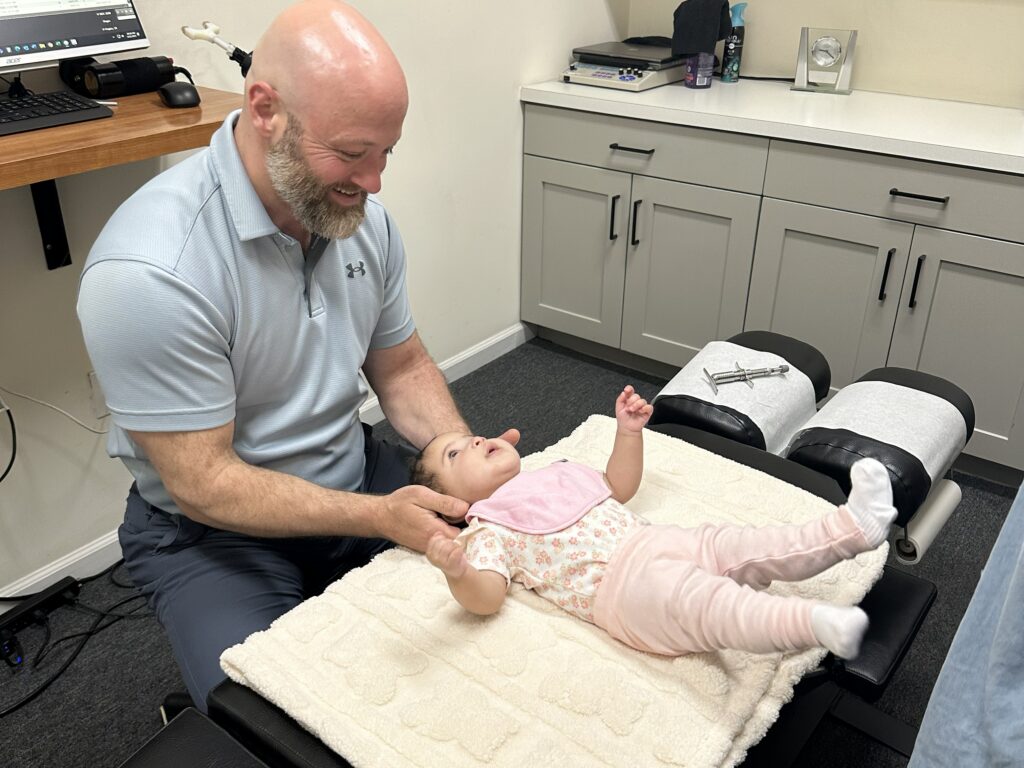
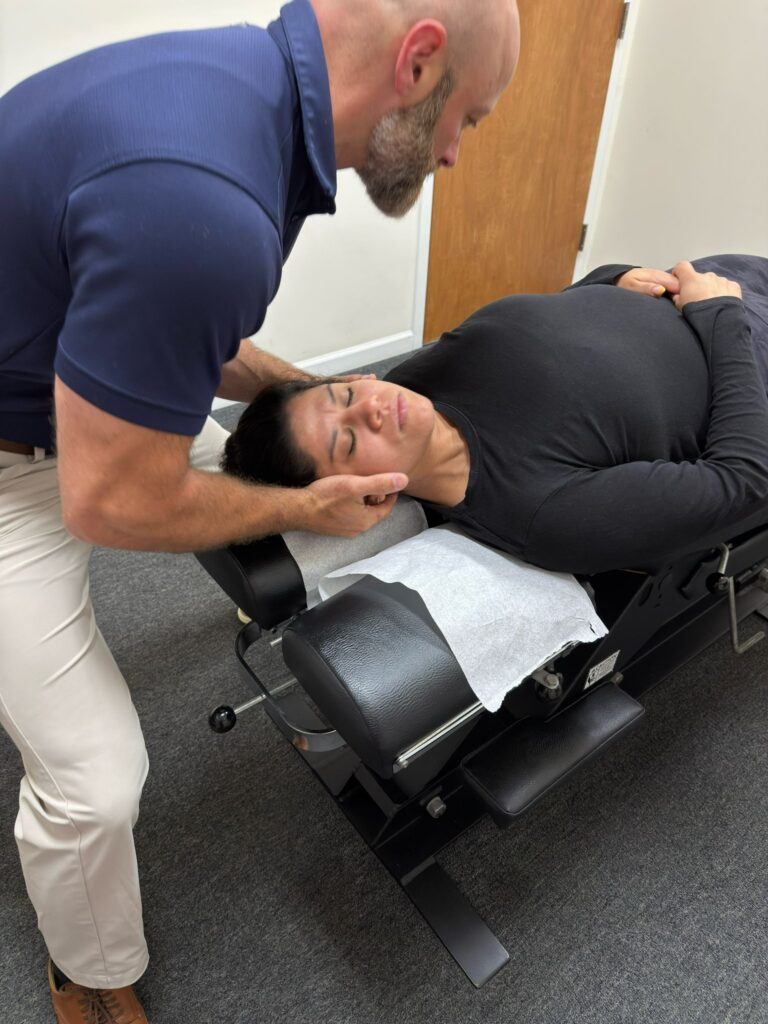
Chiropractic care is a fantastic option for those looking to relieve pain naturally and enhance their overall health. By focusing on spinal alignment and mobility, chiropractic adjustments can help restore balance to your body, allowing you to move freely without discomfort. Regular visits to a chiropractor can also provide you with personalized advice on maintaining a healthy lifestyle and preventing future pain.
Additionally, here are a few practical tips to help you take control of your back health:
- Stay Active: Aim to incorporate movement into your day, whether it’s a brisk walk during lunch or simple stretches at your desk.
- Practice Good Posture: Be mindful of your posture while sitting or standing. Use ergonomic furniture when possible, and take breaks to adjust your position.
- Strengthen Core Muscles: Engaging in exercises that strengthen your core can provide better support for your spine and help prevent injuries.
- Listen to Your Body: If you experience discomfort, don’t ignore it. Seek the guidance of a chiropractor who can help identify the root cause of your pain and offer natural solutions.
- Prioritize Restful Sleep: Ensure your sleeping position supports your spine. A comfortable mattress and pillow can make a significant difference in how you feel each day.
By embracing these strategies and considering chiropractic care as a primary option for pain relief and wellness, you can take meaningful steps toward achieving optimal health while preventing future back issues. Remember, our bodies are designed for movement, and by honoring that need, we can foster a healthier, pain-free lifestyle.
Key Takeaways
The shift from the hard physical work of the Agricultural Era to the more sedentary jobs that came with the Industrial Revolution has significantly increased the risk of back pain. As we moved to sitting at desks for long hours, many of us developed poor posture, which can lead to serious discomfort in the spine. The introduction of technology and automation has only made this situation worse, as we often find ourselves glued to screens rather than engaging in physical activity.
To help combat these issues, creating an ergonomic workspace is crucial. This means adjusting your chair height, positioning your monitor at eye level, and ensuring you’re taking regular movement breaks. These small changes can make a big difference in how your back feels throughout the day.
It’s also important to remember that our leisure activities have become more sedentary over time. Watching television or playing video games can contribute to weakened muscles that support the spine, leading to increased back pain. To counteract this, try to incorporate regular movement into your daily routine. Simple activities like stretching, walking, or playing outside can help strengthen your back and promote overall wellness.
As a chiropractor, I believe that natural healing through chiropractic care is one of the best ways to achieve optimal health and pain relief. Chiropractic adjustments can help realign your spine, relieve tension, and improve your overall function. By focusing on maintaining a healthy spine and incorporating movement into your lifestyle, you can take proactive steps to prevent back pain and enhance your quality of life. Remember, prioritizing your spinal health today can lead to a more active and pain-free tomorrow!
The Agricultural Era: Physical Labor and Natural Movement
Historically, the Agricultural Era was characterized by physical labor that involved daily activities such as farming, harvesting, and tending to livestock. This constant movement—bending, lifting, and stretching—was not just a part of life; it was essential for maintaining a healthy body. Engaging in these natural movements helped keep muscles strong and flexible, significantly reducing the risk of injuries, especially to the spine.
As people worked alongside each other, they built a sense of community and teamwork, which enhanced the overall physical engagement of their daily routines. Activities like plowing fields and carrying water kept individuals active, promoting toned muscles and proper spinal alignment. This lifestyle naturally fostered better posture, balance, and coordination.
One crucial takeaway from this era is the importance of movement in preventing back pain and promoting overall wellness. Incorporating regular movement into your daily life can significantly enhance your health.
Here are some practical tips to help you stay active and maintain a healthy spine:
- Incorporate Movement into Your Day: Whether it’s gardening, walking, or even light stretching, find ways to move regularly throughout the day to support your body.
- Practice Good Posture: Being mindful of your posture, especially when sitting or lifting, can prevent strain on your back and improve alignment.
- Strengthen Core Muscles: Engage in exercises that strengthen your core, as a strong core supports your spine and helps prevent injury.
- Stay Hydrated: Drinking plenty of water is essential for maintaining spinal health and aiding in the overall function of your body.
- Visit Your Chiropractor: Regular chiropractic adjustments can help keep your spine aligned, support natural healing, and relieve pain, allowing you to enjoy a more active lifestyle.
The Industrial Revolution: The Rise of Sedentary Jobs
As the Industrial Revolution took hold, many individuals transitioned from physically demanding agricultural jobs to more sedentary roles in factories and offices. This significant shift in daily routines has led to increased concerns about our health and well-being. If you find yourself sitting for long hours, often hunched over workstations with minimal movement, you’re not alone. The repetitive nature of factory tasks can drain your energy and place tremendous strain on your back and posture.
With less physical activity, your body starts to adapt to this new lifestyle, which can lead to muscle imbalances and discomfort. The days of laboring outdoors, where natural movements kept our bodies strong and flexible, have become less common. Instead, the convenience of indoor work has contributed to a rise in back pain and other musculoskeletal issues.
But there’s good news! Chiropractic care offers a natural approach to addressing these issues. Regular visits to a chiropractor can help realign your spine, relieve tension, and improve your overall function. By focusing on spinal health, you can combat the negative effects of a sedentary lifestyle and promote optimal wellness.
Here are some general tips to help you maintain a healthy back, especially if your work involves long periods of sitting:
- Take Regular Breaks: Every 30 minutes, stand up, stretch, and move around. This simple habit can help reduce muscle tension and improve circulation.
- Practice Good Posture: Ensure your workstation is ergonomically set up. Your chair should support your lower back, and your computer screen should be at eye level to prevent hunching.
- Incorporate Movement: Find ways to incorporate movement into your day. Consider walking during phone calls or opting for stairs instead of elevators.
- Stay Hydrated: Drinking plenty of water can help keep your muscles hydrated and functioning properly.
- Stretch: Incorporate simple stretches into your daily routine, focusing on your back, neck, and shoulders. Stretching can help alleviate tension and improve flexibility.
The Impact of Technology: From Manual Labor to Automation
As technology continues to advance, many of us have noticed a significant shift from manual labor to more sedentary jobs. While this shift can make our lives more convenient, it also brings about new challenges, particularly when it comes to our health and well-being. One of the most common issues arising from this change is back pain, which has become increasingly prevalent in our modern work environments.
As a chiropractor, I want to emphasize the importance of ergonomics and workplace design in preventing back pain. When we spend long hours sitting at a desk or hunched over our devices, we can put unnecessary strain on our spines. This is where chiropractic care can play a vital role. By focusing on spinal alignment, we can help alleviate pain and promote better overall health.
Here are some simple tips to improve your workplace setup and help prevent discomfort:
- Ergonomic Chair: Invest in a chair that supports your lower back. Ensure your feet rest flat on the floor and your knees are at a 90-degree angle.
- Screen Height: Position your computer screen at eye level to avoid straining your neck. Your monitor should be about an arm’s length away from your face.
- Take Breaks: Remember to stand up and stretch every 30 minutes. Simple stretches can help relieve tension in your back and improve circulation.
- Posture Check: Be mindful of your posture. Sit up straight with your shoulders relaxed and avoid slumping forward.
- Chiropractic Care: Regular visits to a chiropractor can significantly benefit your spinal health. We focus on natural healing methods that address the root cause of pain, rather than just masking the symptoms.
Shift to Sedentary Jobs
In today’s fast-paced world, many of us find ourselves in sedentary jobs, which is a big change from the physically demanding work of the past. With the rise of technology and automation, many hands-on tasks have been replaced, leading to long hours spent sitting at a desk and staring at a screen. This can have a negative impact on our bodies, contributing to poor posture, back pain, and muscle weakness.
As a chiropractor, I want to emphasize the importance of maintaining a healthy spine and overall wellness in this sedentary lifestyle. Prolonged sitting can lead to tight muscles and reduced flexibility, but there are simple steps you can take to counteract these effects. Incorporating regular movement into your day is crucial. Try to stand up and stretch every hour, or consider using a standing desk to keep your body engaged.
Chiropractic care can be an effective way to address any discomfort you may experience from sitting for long periods. Our goal is to help you achieve optimal health through natural healing methods. By aligning your spine and improving your posture, we can help alleviate pain and promote better mobility.
In addition to chiropractic adjustments, here are a few tips to help you stay healthy while working at a desk:
- Take Breaks: Set a timer to remind yourself to get up and move around every 30 to 60 minutes.
- Stretch: Incorporate simple stretches into your routine to relieve tension in your neck, back, and hips.
- Posture Check: Be mindful of your posture while sitting. Keep your feet flat on the floor, your back supported, and your screen at eye level.
- Hydrate: Drink plenty of water throughout the day to stay hydrated and promote circulation.
- Exercise: Aim for regular physical activity outside of work, whether it’s walking, yoga, or any other form of exercise you enjoy.
Ergonomics and Workplace Design
As a local chiropractor, I want to emphasize the importance of ergonomics and workplace design for your overall health and wellness. With the shift towards more sedentary work environments, where we often find ourselves sitting for long hours at desks and in front of screens, it’s crucial to create a workspace that supports your spine and body.
Start by adjusting your chair, monitor, and keyboard to promote good posture. A well-aligned workstation can help reduce strain on your back and neck. Consider investing in an ergonomic chair that supports your lower back and encourages you to maintain a natural spine position. Standing desks are another excellent option, as they promote movement and can alleviate some of the pressures associated with prolonged sitting.
In addition to proper furniture, small tools can make a big difference. Wrist supports can help prevent strain during typing, while monitor stands can position your screen at eye level, reducing neck tension. Remember, even minor adjustments can help prevent discomfort and back pain over time.
Prioritizing ergonomics isn’t just about comfort; it’s about protecting your long-term health. Regular chiropractic care can be an essential part of your wellness routine, helping to keep your spine aligned and functioning optimally. By embracing these ergonomic changes and incorporating chiropractic care into your life, you’ll likely notice improvements in both your comfort and work performance.
Take these tips to heart, and feel empowered to create a workspace that not only enhances your productivity but also supports your journey towards natural healing and healthier living.
Changes in Transportation: How Commuting Affects Our Backs
While modern conveniences like cars and public transport certainly make our daily commutes easier, they can also lead to back pain if we aren’t careful about our posture and lifestyle choices. Many commuters find themselves spending hours in vehicles or on trains and buses, often slouching or hunching over their devices. This poor posture can put unnecessary strain on your back muscles, resulting in discomfort and pain.
To help prevent back pain during your commute, it’s essential to be mindful of how you position yourself. Make sure to adjust your seat to provide proper support for your lower back. If possible, take breaks to stretch whenever you can. If you’re using public transport, try standing with your weight evenly distributed and consider using a supportive backpack instead of a shoulder bag to better distribute the weight.
Incorporating regular physical activity into your daily routine can also significantly counteract the effects of prolonged sitting. Simple changes, like walking or cycling to your destination, can greatly improve your back health.
Additionally, regular chiropractic care can play a vital role in maintaining spinal health and preventing pain. Chiropractors focus on aligning the spine and ensuring that your body is functioning optimally, which can help alleviate discomfort and enhance overall well-being.
The Emergence of Office Culture: Long Hours and Poor Posture
As a chiropractor, I understand that commuting and the rise of office culture can significantly impact your back health. Long hours spent sitting can lead to poor posture and discomfort, creating challenges for your spine. It’s important to recognize how your work environment may contribute to back pain.
Here are four common issues you might encounter, along with tips to help you maintain a healthier back:
- Prolonged Sitting: Sitting for extended periods can tighten your hip flexors and strain your spine. To combat this, set a timer to remind yourself to stand up and stretch every hour. Even a brief walk around the office can help keep your muscles engaged.
- Slouched Posture: Hunching over your desk can put unnecessary pressure on your back. Try to maintain an upright position with your shoulders back and your feet flat on the floor. Using a supportive chair or a cushion can also promote better alignment.
- Inadequate Ergonomics: A poorly designed workstation can lead to discomfort and potential injury. Ensure your chair and desk are at the right height to support your posture. Consider using a standing desk or an ergonomic chair that encourages a healthy spine.
- Neglected Movement: Forgetting to take breaks can limit your body’s ability to stretch and recover. Incorporate short movement breaks into your day. Simple exercises like shoulder rolls or gentle back stretches can make a significant difference.
Recognizing these challenges is the first step towards prevention. By making small adjustments in your work environment and incorporating regular movement into your day, you can take charge of your back health.
Chiropractic care is an excellent option for pain relief and maintaining overall wellness. Regular adjustments can help keep your spine aligned and enhance your body’s natural healing abilities. Embrace these tips for a healthier workday and consider visiting a chiropractor to support your journey to optimal health.
Leisure Activities: the Shift From Active to Sedentary Pursuits
Leisure activities have increasingly shifted from active pursuits to more sedentary ones, and this change can seriously impact your back health. You might find yourself spending hours binge-watching shows or scrolling through social media instead of enjoying a hike or playing sports. These habits not only limit your physical activity but also contribute to poor posture and weakened muscles, making you more susceptible to back pain.
As a chiropractor, I want to emphasize the importance of staying active for your spinal health. Engaging in active leisure activities helps to strengthen your back and core muscles, which are crucial for supporting your spine. In contrast, prolonged sitting can lead to stiffness and discomfort, putting you at risk for back pain.
To combat this, it’s essential to incorporate more movement into your free time. Here are some simple tips to help you stay active:
- Take Regular Breaks: If you find yourself sitting for extended periods, set a timer to remind you to stand up and stretch every 30 minutes. This simple action can help relieve tension in your back.
- Go for Walks: Whether it’s a leisurely stroll around your neighborhood or a brisk walk in the park, walking is a fantastic way to get moving and promote circulation.
- Join a Local Sports Team: Engaging in team sports not only provides physical activity but also offers social interaction, which is great for your mental health.
- Explore Outdoor Hobbies: Try hiking, cycling, or even gardening. These activities can be enjoyable while also helping you stay active.
- Practice Good Posture: Be mindful of your posture when sitting. Use a chair that supports your lower back, and keep your feet flat on the floor.
By making these small changes to your leisure activities, you can significantly reduce your risk of back pain and enhance your overall well-being. And if you do experience back discomfort, chiropractic care is an excellent natural approach to finding relief. Chiropractic adjustments can help restore proper alignment to your spine, alleviate pain, and improve your body’s ability to heal itself.
Prioritizing your spinal health through active living and chiropractic care is a powerful way to achieve optimal health.
Parenting and Child Rearing: The Evolution of Physical Play
In today’s fast-paced world, the way we approach parenting and child-rearing has seen some significant shifts, especially when it comes to physical play. Once upon a time, kids would run freely outside, climbing trees and riding bikes. Nowadays, many children spend hours glued to screens, which can have a negative impact on their physical health—and yours too, potentially leading to back pain from a sedentary lifestyle.
As a chiropractor, I understand the importance of movement for maintaining a healthy spine and overall wellness. Here are four ways you can encourage more physical play in your children’s lives while also promoting your own health:
- Limit screen time – Setting boundaries for device usage can encourage your kids to engage in outdoor activities. This not only helps them stay active but also fosters better spinal health by reducing the time spent in poor postures associated with screen use.
- Be active together – Join your kids in games, walks, or bike rides. Not only does this strengthen your bond, but it also keeps both you and your children fit. Remember, leading by example is a powerful way to instill healthy habits.
- Create a play-friendly environment – Make your backyard or local park a safe space for play. Having accessible areas for physical activity encourages your children to explore and move, which is crucial for their physical development and spinal health.
- Model healthy habits – Show your children the importance of movement by being active yourself. Regular physical activity can help prevent back pain and other musculoskeletal issues, making it easier for you to enjoy life with your kids.
Incorporating these strategies into your daily routine can foster a love for physical activity in your children, promoting their health and well-being. Remember, chiropractic care can also play a vital role in supporting healthy movement and alleviating any pain you may experience.
Modern Health Trends: Revisiting Ancient Practices for Back Care
While modern chiropractic care offers a comprehensive approach to alleviating back pain, many individuals are also exploring ancient practices that complement these methods. Techniques like yoga and tai chi enhance flexibility and promote core strength, which are essential for supporting your spine. Incorporating these practices into your daily routine can help relieve tension and improve your posture, making them great additions to your chiropractic care plan.
Mindfulness and meditation, rooted in ancient traditions, can play a significant role in managing pain by reducing stress and strengthening the connection between your mind and body. These techniques encourage relaxation and can be effective when combined with chiropractic adjustments.
Additionally, traditional forms of massage, like Thai or Shiatsu, focus on releasing muscle tightness and improving circulation. While these methods can be beneficial, it’s important to remember that regular chiropractic adjustments are the cornerstone of optimal spinal health and overall wellness.
As you seek to enhance your back care routine, here are some general tips to keep in mind:
- Stay Active: Engage in low-impact exercises to keep your muscles strong and your spine healthy.
- Practice Good Posture: Be mindful of your posture while sitting and standing to prevent unnecessary strain on your back.
- Listen to Your Body: Pay attention to how your body feels during different activities and adjust accordingly to avoid pain.
- Stay Hydrated: Proper hydration supports overall health and can help maintain spinal disc health.
Combining these tips with regular chiropractic care can lead to significant improvements in your back health and overall well-being. Remember, chiropractic is a natural, effective approach to achieving lasting pain relief and enhancing your quality of life.
Conclusion
As we move through our busy lives today, it’s crucial to recognize how historical lifestyle changes have influenced our spinal health. At our chiropractic practice, we believe that reintroducing movement into your daily routine is key to preventing back pain. Simple changes, like setting up an ergonomic workspace, engaging in core-strengthening exercises, and being mindful of your posture, can make a significant difference.
Incorporating practices such as yoga and stretching not only connects us to the wisdom of our ancestors but also supports a strong and healthy spine. These gentle movements promote flexibility and strength, helping to alleviate discomfort and prevent future injuries.
Remember, chiropractic care is one of the best ways to achieve optimal spinal health. Regular adjustments can help keep your spine aligned and functioning properly, empowering you to lead a more active and balanced life.
Here are a few simple tips to prioritize your back health today:
- Stay Active: Aim for at least 30 minutes of movement each day, whether it’s walking, stretching, or engaging in a favorite sport.
- Mind Your Posture: Be aware of your posture while sitting, standing, or lifting. Always keep your back straight and avoid slouching.
- Ergonomic Workspace: If you work at a desk, ensure your chair and computer are set up to support a healthy posture.
- Take Breaks: Make it a habit to stand up and stretch every hour to reduce tension in your back.
By focusing on these strategies and incorporating regular chiropractic care into your routine, you can take positive steps toward a healthier, pain-free future. Your spine will thank you!