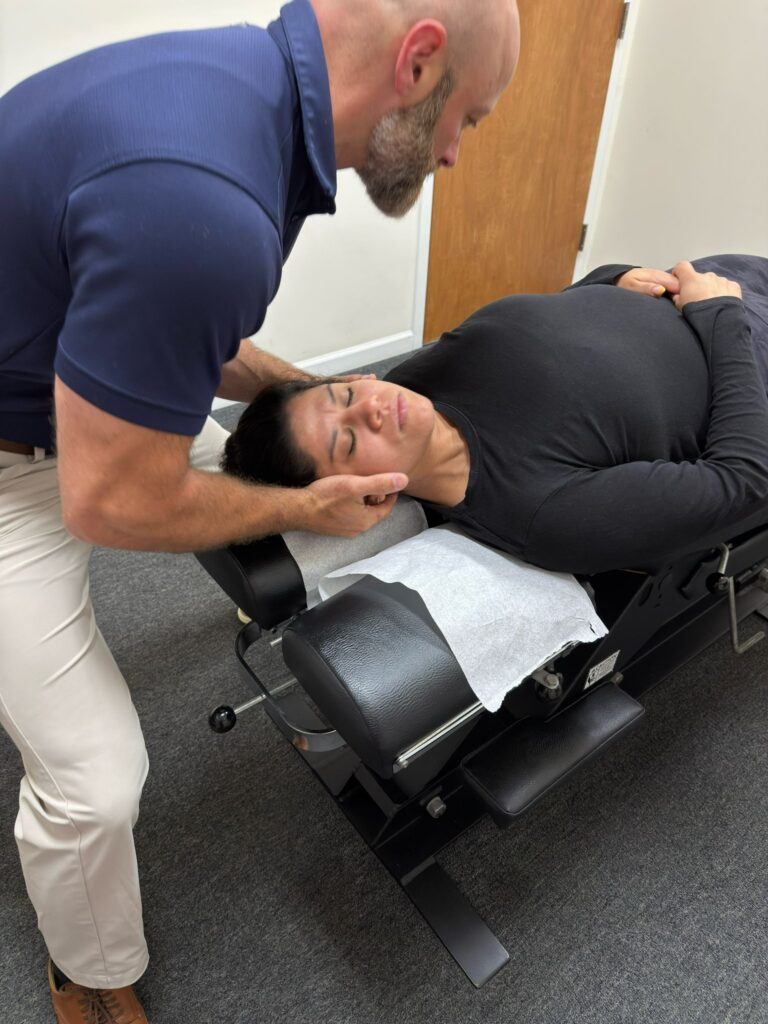

If you frequently find yourself dealing with headaches, it’s time to consider holistic approaches that can help you prevent them naturally, with chiropractic care at the forefront. By making simple lifestyle changes and prioritizing spinal health, you can significantly reduce the frequency and intensity of these discomforts.
One key factor is proper hydration; drinking enough water can help maintain your body’s balance and prevent tension headaches. Additionally, stress management techniques, such as deep breathing exercises and mindfulness, can alleviate tension in the neck and shoulders, which often contributes to headaches.
Chiropractic care plays a vital role in achieving optimal health and wellness. Regular adjustments can help align your spine, improve nerve function, and relieve tension, which may be the underlying cause of your headaches. By addressing these issues naturally, you can enhance your overall well-being.
Curious about how these methods can work for you? Consider incorporating regular chiropractic visits into your routine, along with these general tips: maintain good posture, take breaks during long periods of screen time, and practice relaxation techniques to keep stress at bay. With these strategies, you can work towards a headache-free life and embrace a healthier, more vibrant you!
Key Takeaways
- Maintaining good posture is crucial for preventing headaches, and regular chiropractic care can significantly alleviate tension and improve spinal alignment. By ensuring your spine is in proper alignment, you can greatly reduce the frequency of headaches and enjoy a more comfortable life.
- Staying hydrated is another key factor in headache prevention. Aim to drink enough water each day, as even mild dehydration can lead to headaches. Keeping your body well-hydrated supports overall health and can help keep those headaches at bay.
- Consider adopting a headache-friendly diet that includes foods rich in magnesium, such as leafy greens, nuts, and whole grains. Reducing your intake of caffeine and processed foods can also help, as these are known to trigger headaches for some individuals. A balanced diet supports not just your head but your entire body.
- Incorporating stress management techniques into your daily routine can be incredibly beneficial. Practices like yoga, deep breathing exercises, and mindfulness can help you identify and manage stress triggers that might lead to headaches. By addressing stress holistically, you can improve your overall well-being.
- Regular physical activity is essential for maintaining optimal health and can play a significant role in headache prevention. Aim for a consistent exercise routine that you enjoy. Additionally, establishing a regular sleep schedule can enhance your overall wellness, making you less prone to headaches.
Remember, chiropractic care is a natural, effective way to achieve relief from headaches and support your overall health. By focusing on these holistic approaches, you can take control of your health and live a headache-free life.
Understanding the Causes of Headaches
While headaches can arise from various sources, understanding their causes is crucial for effective prevention and relief. As a chiropractor, I emphasize the importance of recognizing how spinal health can play a significant role in alleviating headaches. Tension headaches, for instance, may be linked to stress, poor posture, or lack of sleep—all of which can be influenced by misalignments in the spine.
Migraines, on the other hand, can be triggered by certain foods, hormonal changes, or environmental factors like bright lights or strong odors. It’s essential to pay attention to your body’s signals. Keeping a headache diary can be a helpful tool; it allows you to track potential triggers and patterns. This awareness can empower you to avoid those factors in the future.
In addition to these common triggers, be mindful of eye strain from excessive screen time and dehydration, both of which can contribute to headaches. Regular chiropractic adjustments can help alleviate tension in the neck and shoulders, reducing the frequency and intensity of headaches. By maintaining proper spinal alignment, you can support your overall nervous system function, which is vital for overall health and wellness.
Here are some general tips to help you manage headaches naturally:
- Practice Good Posture: Keep your spine aligned, especially when sitting at a desk or using electronic devices.
- Stay Hydrated: Drink plenty of water throughout the day to prevent dehydration.
- Take Breaks: If you work on a computer, remember to take regular breaks to rest your eyes and stretch your body.
- Manage Stress: Incorporate stress-relief techniques like deep breathing, yoga, or meditation into your routine.
- Consider Chiropractic Care: Regular visits to a chiropractor can help address misalignments and tension that contribute to headaches.
The Role of Hydration in Headache Prevention
Staying hydrated is a vital part of maintaining overall health and can play a significant role in preventing headaches. Did you know that even mild dehydration can lead to discomfort? It’s true! Signs of dehydration, such as a dry mouth or feeling fatigued, can come on quietly and catch you off guard.
As a chiropractor, I want to emphasize the importance of hydration not just for preventing headaches, but also for supporting your spinal health and overall wellness. Dehydration can lead to muscle tension and stiffness, which may contribute to discomfort in your neck and back.
By ensuring you drink enough water throughout the day, you not only help fend off headaches but also promote a healthier spine.
Here are some simple tips to help you stay hydrated:
- Carry a Water Bottle: Keep a reusable water bottle with you throughout the day. This serves as a reminder to sip regularly.
- Set Reminders: Use your phone or a timer to remind you to drink water, especially if you often forget.
- Eat Hydrating Foods: Incorporate fruits and vegetables with high water content, like cucumbers and watermelon, into your diet.
- Infuse Your Water: If plain water doesn’t excite you, try adding slices of lemon, lime, or berries for a refreshing twist.
- Monitor Your Intake: Aim for at least 8 glasses of water a day, but listen to your body; if you’re thirsty, drink more!
Remember, maintaining proper hydration is just one part of a holistic approach to health. Regular chiropractic care can also help ensure your body functions optimally, reducing tension and discomfort.
Importance of Water Intake
Hydration is a vital component of overall health and wellness, and it plays a significant role in preventing headaches. Even mild dehydration can lead to discomfort and pain, making it essential to ensure you’re drinking enough water each day.
By maintaining proper hydration, you can’t only reduce the risk of headaches but also support your spinal health and overall well-being. Here are some simple tips to help you stay hydrated:
- Set a Daily Goal: Aim for at least 8 glasses of water daily. You might need more depending on your activity level and the climate you live in. Staying well-hydrated supports your body’s functions, including the health of your spine.
- Incorporate Hydrating Foods: Include water-rich fruits and vegetables in your diet, such as cucumbers, oranges, and watermelon. These not only help with hydration but also provide essential nutrients that contribute to a healthy spine.
- Carry a Water Bottle: Having a reusable water bottle on hand serves as a reminder to drink throughout the day. Staying mindful of your hydration can help keep headaches at bay and promote a more balanced lifestyle.
- Monitor Your Intake: Consider using apps or simple tracking methods to ensure you’re meeting your hydration goals. Staying on top of your water intake can enhance your overall health and support your chiropractic care.
Remember, staying hydrated is an easy yet powerful way to maintain your health and prevent headaches.
Alongside regular chiropractic adjustments, proper hydration can enhance your body’s natural healing processes and promote a pain-free life. Take these steps to support your journey toward optimal health!
Signs of Dehydration
Recognizing the signs of dehydration is essential for maintaining your overall health and wellness, especially when it comes to preventing headaches and supporting your spine. If you’re feeling fatigued, dizzy, or lightheaded, your body might be signaling that it needs more fluids. Common indicators of dehydration include a dry mouth and increased thirst.
Pay attention to the color of your urine; if it appears darker than usual, that’s a clear sign that it’s time to hydrate. Dehydration can also contribute to headaches and difficulty concentrating, which can affect your daily activities and overall well-being.
Staying hydrated isn’t just about drinking water; it’s about nourishing your body to function optimally, including your spine and nervous system. As a chiropractor, I encourage you to drink water consistently throughout the day, especially during hot weather or when you’re engaging in physical activities.
Here are some simple tips to help you stay hydrated:
- Carry a Water Bottle: Keep a reusable water bottle with you to remind yourself to drink water throughout the day.
- Set Reminders: Use your phone or a timer to remind you to take a drink every hour.
- Infuse Your Water: If plain water isn’t appealing, try adding slices of fruit or herbs to enhance the flavor.
- Eat Water-Rich Foods: Incorporate fruits and vegetables with high water content, like cucumbers, oranges, and watermelon, into your diet.
Listening to your body and responding to its hydration needs can help you maintain optimal health and reduce the risk of headaches.
Dietary Changes to Reduce Headaches
While many factors can trigger headaches, dietary changes often provide a practical way to reduce their frequency and intensity, enhancing your overall wellness. As a chiropractor, I believe that the right lifestyle choices can significantly impact your health, including how you manage pain.
Here are some dietary changes you might consider to help alleviate headaches:
- Stay Hydrated: Drinking plenty of water throughout the day is essential. Dehydration is a common headache trigger, so keeping your body hydrated can make a big difference in how you feel.
- Limit Caffeine: While some people find that a small amount of caffeine can ease their headaches, too much can lead to withdrawal headaches. It’s important to monitor your caffeine intake and find a balance that works for you.
- Avoid Processed Foods: Many processed foods contain preservatives and additives, such as MSG, that can trigger headaches in sensitive individuals. Opt for whole, natural foods whenever possible to support your body’s wellness.
- Incorporate Magnesium-Rich Foods: Foods like spinach, nuts, and whole grains aren’t only nutritious but can also help prevent headaches, as magnesium deficiency is often linked to them. Including these foods in your diet can contribute to overall health and may reduce headache occurrences.
By focusing on these dietary changes, you can create a more headache-friendly diet that supports your health in a natural way.
Remember, chiropractic care is also a fantastic approach to address pain and enhance your well-being. Regular chiropractic adjustments can help improve spinal alignment and reduce tension, which may contribute to fewer headaches over time.
Incorporating Regular Exercise Into Your Routine
Incorporating regular exercise into your routine can be a game changer for managing headaches and improving your overall health. As a chiropractor, I often emphasize the importance of natural healing and healthier living. Exercise not only enhances your physical well-being but also plays a significant role in reducing the frequency and intensity of headaches. Aim for at least 30 minutes of moderate exercise most days, such as walking, cycling, or practicing yoga.
Here’s a quick overview of how different types of exercise can benefit you, especially in connection with headache relief:
| Exercise Type | Benefits for Headaches |
|---|---|
| Aerobic Exercise | Increases blood flow, helping to alleviate tension that may contribute to headaches. |
| Strength Training | Builds muscle strength, which can relieve stress on joints and improve your overall posture, reducing headache triggers. |
| Yoga | Enhances flexibility, promotes relaxation, and focuses on breathing techniques that can help ease headache symptoms. |
| Stretching | Reduces muscle tightness, improves posture, and can prevent headache discomfort caused by muscle strain. |
In addition to regular exercise, consider how chiropractic care can complement your wellness journey. Chiropractic adjustments can help align your spine, relieve tension, and enhance your body’s natural ability to heal itself. When combined with an active lifestyle, chiropractic care can provide a holistic approach to managing headaches and achieving optimal health.
Here are some helpful tips to keep in mind:
- Start slow: If you’re new to exercise, gradually build up your routine to avoid injury.
- Stay consistent: Aim to make physical activity a regular part of your day.
- Listen to your body: If certain movements trigger discomfort, consult with your chiropractor for personalized advice.
Stress Management Techniques for Headache Relief
Managing stress effectively is key to reducing the frequency and intensity of headaches, and as a chiropractor, I want to emphasize the holistic approach we can take to achieve optimal health.
Techniques such as mindfulness meditation, deep breathing exercises, and progressive muscle relaxation are valuable tools for finding relief, but they’re most effective when combined with chiropractic care.
Chiropractic adjustments can help alleviate tension in your spine and nervous system, which is often a contributing factor to headaches. When your spine is aligned properly, it allows your body to function optimally, reducing stress and promoting overall wellness.
Here are some simple tips you can incorporate into your daily routine to help manage stress and support headache relief:
- Practice Deep Breathing: Take a few moments each day to focus on your breath. Inhale deeply through your nose, hold for a few seconds, and exhale slowly through your mouth. This can help calm your mind and reduce tension.
- Mindfulness Meditation: Set aside a few minutes each day to sit quietly and focus on the present moment. This practice can help you manage stress more effectively and may lead to fewer headaches.
- Regular Chiropractic Care: Schedule regular visits to your chiropractor. By keeping your spine aligned, you can help reduce stress on your nervous system, which may help decrease headache frequency and intensity.
- Stay Active: Engage in regular physical activity, such as walking, yoga, or swimming. Exercise releases endorphins, which can improve your mood and relieve stress.
- Adequate Hydration: Drink plenty of water throughout the day. Dehydration can trigger headaches, so staying hydrated is crucial for overall health.
- Prioritize Sleep: Aim for a consistent sleep schedule and ensure you’re getting enough restful sleep. Lack of sleep can increase stress and contribute to headaches.
By incorporating these techniques into your lifestyle and prioritizing chiropractic care, you can effectively manage stress and promote natural healing.
Mindfulness Meditation Practices
As a chiropractor, I understand that stress can often lead to headaches, which can be quite debilitating. One effective way to manage stress and promote natural healing is through mindfulness meditation. Incorporating these practices into your daily routine can’t only help alleviate headache symptoms but also support your overall spinal health and well-being.
Here are four simple mindfulness techniques that can aid in managing your headaches naturally:
- Body Scan: Find a comfortable position, either lying down or seated. Close your eyes and mentally scan your body from head to toe, paying attention to areas of tension. This awareness can help you identify stress points and encourage relaxation, which is essential for a healthy spine.
- Guided Imagery: Picture yourself in a serene environment, such as a peaceful beach or a tranquil forest. This visualization technique can help divert your mind from pain and promote relaxation, making it easier for your body to heal naturally.
- Mindful Breathing: Focus on your breath by inhaling deeply and exhaling slowly. This practice centers your mind, calms your nervous system, and can help reduce the tension that often contributes to headache discomfort.
- Gratitude Journaling: Take a moment each day to write down things you’re grateful for. This simple act can shift your mindset, lower stress levels, and create a more positive outlook on life, which is beneficial for your overall health.
Incorporating these mindfulness practices into your routine can be a great complement to chiropractic care. Regular chiropractic adjustments help to align your spine, reduce tension, and enhance your body’s natural healing abilities.
By combining these mindful techniques with chiropractic treatment, you can achieve optimal health and effectively manage headaches without the need for medications or invasive procedures.
Deep Breathing Exercises
While stress often triggers headaches, incorporating deep breathing exercises into your daily routine can offer immediate relief and enhance your overall well-being. As a chiropractor, I emphasize the importance of natural methods for pain relief, and deep breathing is an effective way to activate your body’s relaxation response.
Start by finding a comfortable position, whether seated or lying down. Close your eyes and take a deep breath in through your nose for a count of four. Hold that breath for another count of four, allowing your body to relax further. Then, exhale slowly through your mouth for six counts. Repeat this cycle several times. You’ll likely notice tension easing and clarity returning, which is beneficial not only for headaches but for reducing stress in general.
Regular practice of deep breathing not only helps alleviate headaches but also complements chiropractic care by promoting relaxation and enhancing spinal health.
Progressive Muscle Relaxation
Progressive muscle relaxation (PMR) is an excellent technique that can help alleviate headache tension and promote overall wellness. By consciously tensing and relaxing different muscle groups, you can effectively release the stress that often contributes to headaches.
Here’s how to practice PMR in a way that complements your chiropractic care:
- Choose a peaceful spot: Find a comfortable location where you can relax without interruptions. This quiet environment will enhance your experience.
- Begin with your feet: Start by tensing the muscles in your feet for about five seconds. Then, let them relax for 30 seconds. This simple step can immediately help you feel more at ease.
- Move upward: Gradually work your way up through your body—first your legs, then your abdomen, followed by your arms, shoulders, neck, and face. Remember to repeat the tensing and relaxing process for each muscle group.
- Breathe deeply: As you let go of tension in each muscle area, focus on taking deep, calming breaths. This will enhance the relaxation process and help clear your mind.
Incorporating PMR into your daily routine can be a wonderful complement to chiropractic adjustments, leading to more significant relief from headaches and contributing to your overall health.
The Benefits of Mindfulness and Meditation
Mindfulness and meditation can be valuable allies in managing headaches, especially when stress and tension come into play. As a chiropractor, I believe in a holistic approach to health and wellness, and these practices can complement your chiropractic care beautifully.
By practicing mindfulness, you can learn to stay present and aware, which helps reduce the mental clutter that often contributes to headaches. This increased awareness enables you to identify stress triggers, allowing you to address them before they escalate into more significant issues.
Meditation is another great tool for relaxation. It can help lower cortisol levels, which in turn eases muscle tension—a common contributor to headaches. By dedicating just a few minutes each day to focus on your breath or visualize calming scenes, you can create a sense of tranquility that helps protect you from headache-inducing stress.
Incorporating mindfulness and meditation into your daily routine can greatly enhance your overall well-being. You may find that you’re more resilient in handling everyday stressors, which can lead to a reduction in the frequency and severity of headaches over time.
As a chiropractor, I encourage you to explore these practices alongside your chiropractic care for a comprehensive approach to your health. Remember, your mind and body will thank you for the relief!
Additionally, consider these simple tips: take regular breaks throughout your day to practice deep breathing, set aside quiet time for reflection, or even engage in gentle stretching exercises to release tension in your neck and shoulders. These small changes can make a significant difference in your overall health and wellness.
Herbal Remedies and Supplements for Headaches
When you’re seeking relief from headaches, it’s important to consider not just herbal remedies and nutritional supplements, but also how chiropractic care can play a crucial role in your journey to wellness. Options like peppermint and feverfew, along with essential nutrients such as magnesium and riboflavin, may provide some relief.
However, addressing the root causes of headaches often lies in ensuring a properly aligned spine. Chiropractic care focuses on the spine and nervous system, which can significantly impact headache frequency and intensity. Regular adjustments can help alleviate tension and misalignments that contribute to headaches.
In addition to chiropractic visits, here are some simple tips to incorporate into your routine:
- Stay Hydrated: Dehydration can trigger headaches, so make sure you’re drinking enough water throughout the day.
- Practice Good Posture: Poor posture can lead to tension in your neck and shoulders. Be mindful of your posture while sitting, especially if you work at a desk.
- Manage Stress: Techniques such as deep breathing, yoga, or meditation can help reduce stress, which is a common headache trigger.
- Get Regular Exercise: Physical activity can improve circulation and reduce muscle tension, both of which are beneficial in preventing headaches.
- Sleep Well: Aim for a consistent sleep schedule. Quality sleep is vital for overall health and can help reduce the occurrence of headaches.
By integrating these practices into your lifestyle and prioritizing chiropractic care, you can work towards achieving optimal health and well-being.
Effective Herbal Options
Headaches can be quite the nuisance, but there are natural ways you can find relief that don’t involve medications or invasive procedures. As a chiropractor, I believe in the body’s ability to heal itself, and exploring effective herbal options can complement your overall wellness journey.
Here are four herbal remedies that you might find helpful in managing headaches:
- Peppermint: This herb is well-known for its soothing properties. You can apply peppermint oil to your temples for a refreshing and calming effect that may help alleviate tension.
- Feverfew: Traditionally used to ward off migraines, feverfew can help reduce both the frequency and intensity of headaches. Incorporating it into your routine may be beneficial for long-term headache management.
- Ginger: Often recognized for its ability to ease nausea, ginger can also help with headaches. Whether you enjoy it in tea or as a spice in your meals, ginger can be a gentle way to combat headache pain.
- Willow Bark: Sometimes called “nature’s aspirin,” willow bark may provide natural pain relief. It’s a great option for those looking to manage discomfort without relying on over-the-counter medications.
In addition to these herbs, remember that regular chiropractic adjustments can play a vital role in maintaining spinal health, which is often linked to headache relief.
Keeping your spine aligned can help reduce tension and improve your overall well-being.
Consider integrating these herbs into your wellness routine, and don’t forget the importance of regular chiropractic care in achieving optimal health and natural pain relief.
Taking a holistic approach to your health can empower you to manage headaches more effectively while enhancing your overall quality of life.
Key Nutritional Supplements
Headaches can be a frustrating experience, but there are natural ways to manage them that align perfectly with a holistic approach to health—like chiropractic care. While you may find relief through various remedies, incorporating certain nutritional supplements may enhance your overall wellness and provide additional support in managing headaches.
One of the key players is magnesium. This essential mineral may help reduce the frequency of migraines, so consider aiming for 400-600 mg daily.
Another option is Coenzyme Q10, which may help lessen headache severity. A daily dose of 100-300 mg could be beneficial.
Don’t forget about omega-3 fatty acids; adding 1,000 mg of fish oil or algal oil to your routine may also support your overall health and potentially ease headaches.
Riboflavin, or vitamin B2, is another supplement worth considering. Striving for about 400 mg daily can be helpful.
Remember, it’s always best to consult with a healthcare provider before starting any new supplement, especially if you have existing health conditions or are taking medications.
In addition to these supplements, don’t overlook the power of chiropractic care. Regular adjustments can help relieve tension in your spine and neck, which may be contributing to your headaches.
Alongside your supplements, consider incorporating stress-relief techniques such as deep breathing exercises, staying hydrated, and maintaining good posture throughout your day.
By integrating these natural approaches, including chiropractic care, nutritional supplements, and healthy lifestyle practices, you can create a comprehensive plan for headache relief and optimal wellness.
Always listen to your body, and seek the guidance of a chiropractor to support your journey toward health and wellness.
The Importance of Sleep and Rest
Sleep and rest are crucial for preventing headaches, as a lack of proper rest can lead to tension and migraines. Prioritizing quality sleep not only aids your body in recovery but also helps reduce stress, making it an essential part of a holistic approach to headache management.
As a chiropractor, I believe that proper sleep contributes to overall spinal health and wellness. Here are some practical tips to ensure you get the restful sleep you need:
- Establish a Routine: Try to go to bed and wake up at the same time each day. This helps regulate your internal clock, promoting better sleep quality and overall well-being.
- Create a Relaxing Environment: Make your bedroom a sanctuary for sleep. Keep it dark, quiet, and cool. This can help you fall asleep faster and stay asleep longer, which is vital for your body’s healing processes.
- Limit Screen Time: The blue light emitted from screens can interfere with your body’s natural sleep cycle. Aim to avoid screens for at least an hour before bedtime. Instead, consider relaxing activities that don’t involve screens, such as reading a book or practicing gentle stretches.
- Practice Relaxation Techniques: Incorporating deep breathing, meditation, or gentle yoga into your bedtime routine can help calm your mind and prepare your body for restful sleep. These practices can also enhance spinal alignment and overall comfort.
- Consider Chiropractic Care: Regular chiropractic adjustments can improve your spinal health, which may help alleviate headaches. A well-aligned spine can enhance your body’s ability to relax and function optimally, contributing to better sleep and overall wellness.
By following these tips, you can create a solid foundation for restful sleep that supports your body’s natural healing processes.
Acupuncture and Massage Therapy
After ensuring you get enough sleep, you might want to explore some holistic methods to help prevent headaches. While acupuncture and massage therapy can be beneficial, I want to emphasize that chiropractic care is one of the best options for achieving optimal health and pain relief.
Chiropractic care focuses on the alignment of your spine, which is crucial for your overall well-being. Misalignments, or subluxations, can lead to tension and discomfort, contributing to headaches. By receiving regular chiropractic adjustments, you can improve your spinal alignment, alleviate tension in your muscles, and enhance blood flow, which can significantly reduce the frequency and intensity of headaches.
Here’s a quick comparison of chiropractic care with other methods:
| Treatment | Benefits |
|---|---|
| Chiropractic Care | Corrects spinal misalignments, reduces pain, enhances overall wellness |
| Acupuncture | May help with pain but doesn’t address underlying spinal issues |
| Massage Therapy | Relieves muscle tension but doesn’t focus on spinal health |
| Combined Approach | While beneficial, chiropractic care alone often suffices for headache relief |
Incorporating chiropractic adjustments into your routine can lead to lasting relief and a more balanced life. Remember, maintaining good posture, staying hydrated, and managing stress through relaxation techniques can also support your headache prevention efforts. Make chiropractic care your go-to solution for natural pain relief and overall wellness.
Creating a Headache-Free Environment
Creating a headache-free environment is essential for overall well-being, and as a chiropractor, I believe that addressing your surroundings can complement your journey towards optimal health. By making simple adjustments in your space, you can significantly reduce the frequency of headaches. Here are four key steps to consider:
- Control Lighting: Aim for soft, natural light in your environment. Harsh fluorescent bulbs can be a real headache trigger for many. If you find glare bothersome, consider using blackout curtains to create a more soothing atmosphere.
- Manage Noise Levels: Noise can add to the tension that may lead to headaches. Incorporate soft furnishings, such as rugs and curtains, to help absorb sound. White noise machines can also be beneficial, providing a calming background noise that helps create a peaceful environment.
- Optimize Air Quality: Fresh air is crucial for maintaining good health. Ensure your space is well-ventilated, and consider using air purifiers to cut down on allergens and pollutants that could trigger headaches. Clean air supports not only your respiratory health but also your overall well-being.
- Declutter: A clean and organized space is vital for reducing stress levels. Clutter can lead to distractions and increased anxiety, which may contribute to headache pain. Take the time to tidy up and arrange your environment in a way that fosters calm and clarity.
Remember, while these adjustments can help ease headache symptoms, regular chiropractic care can be a powerful ally in achieving lasting relief and promoting natural wellness.
Conclusion
Incorporating holistic approaches, especially through chiropractic care, can significantly reduce the frequency and intensity of your headaches. By prioritizing hydration, maintaining a balanced diet, engaging in regular exercise, and managing stress effectively, you can build a solid foundation for overall well-being.
One of the most important aspects to consider is the alignment of your spine, as misalignments can lead to tension and discomfort that contribute to headaches. Regular visits to your chiropractor can help ensure that your spine is in optimal alignment, promoting better health and reducing headache occurrences.
Additionally, focusing on quality sleep is crucial for recovery and overall health. Techniques such as proper sleep posture and using supportive pillows can enhance your rest and prevent headaches from arising. Exploring natural therapies like acupuncture can also provide relief, but remember that chiropractic adjustments are a fantastic way to support your body’s natural healing processes.
Creating a headache-free environment is essential too. This includes minimizing stressors in your life and ensuring that your workspace is ergonomically friendly. By embracing these strategies and incorporating chiropractic care into your routine, you can take charge of your health and lead a more balanced, enjoyable life. Remember, your journey to wellness starts with simple, natural choices.