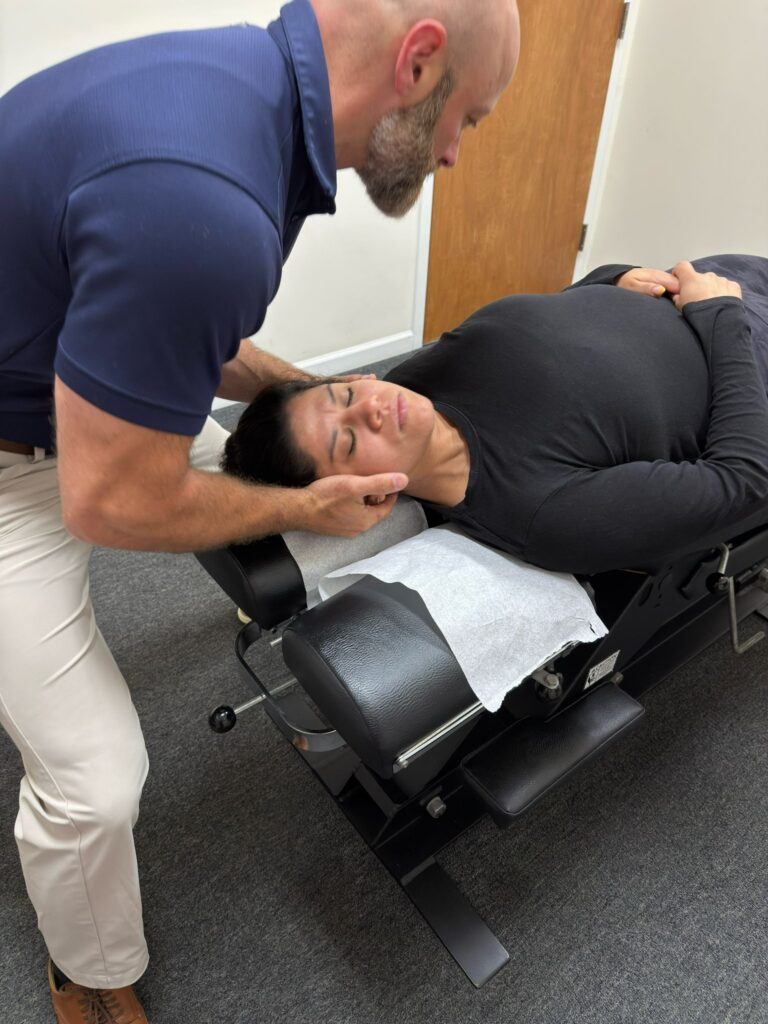

As a local chiropractor, I want to share how chiropractic adjustments can significantly help alleviate anxiety and stress in your life. Many people may not realize that by realigning your spine and reducing muscle tension, these adjustments can promote physical relaxation, which in turn enhances your overall sense of well-being.
It’s fascinating to see the connections between physical discomfort and emotional strain. When your body is aligned and functioning optimally, it can lead to a more balanced state of mind. If you’re looking for a natural approach to managing stress, I encourage you to consider integrating chiropractic care into your wellness routine. Together, we can explore how these adjustments can transform your experience and help you feel more at ease in your daily life.
Understanding Anxiety and Stress
As a local chiropractor, I want to take a moment to address something that many of us encounter in our daily lives: anxiety and stress. These feelings can be overwhelming and may arise from a variety of sources, such as the pressures of work or personal responsibilities.
You may notice that anxiety often manifests as restlessness, irritability, or difficulty concentrating, while stress is your body’s response to perceived challenges and can lead to physical symptoms like headaches and fatigue.
It’s important to understand the distinction between anxiety and stress. Stress is typically a short-term response to immediate pressures, whereas anxiety can linger and sometimes appear without an obvious cause. By recognizing these feelings, you can empower yourself to address them in a healthier way.
At our chiropractic clinic, we believe that acknowledging your emotional state is crucial to your overall well-being. Understanding what you’re experiencing allows you to identify potential triggers and develop effective coping strategies.
Chiropractic care can play a significant role in alleviating physical symptoms associated with stress and anxiety, as we focus on restoring balance to your body and nervous system.
By embracing natural healing methods, including chiropractic adjustments, you can take proactive steps toward reducing anxiety and stress in your life. This approach not only helps improve your physical health but also paves the way for a calmer, more balanced existence.
Let’s support you on this journey to better health and well-being.
The Role of Mindfulness in Daily Life
In today’s fast-paced world, bringing mindfulness into your daily routine can be an excellent way to support your overall well-being and reduce stress and anxiety, which are often linked to physical discomfort. As a chiropractor, I often see how tension and stress can manifest in the body, leading to aches and pains. Practicing mindfulness helps you stay fully present in the moment, allowing you to navigate life without the burden of overwhelming worries.
Start by setting aside just a few minutes each day for mindful activities—this could be as simple as savoring your morning coffee or taking a leisurely walk in nature. Pay attention to your surroundings, the sounds, and the sensations in your body. This practice can help ground you, shifting your focus away from racing thoughts and into a state of relaxation, which is beneficial for your musculoskeletal health.
You can also integrate mindfulness into everyday tasks, such as washing dishes or commuting, by being aware of the sensations and movements involved. For example, as you wash dishes, notice the warmth of the water and the texture of the dishes. This focus can alleviate tension in your body, making you more aware of how stress affects your physical state.
As you cultivate mindfulness, you may find that you become more attuned to your thoughts and emotions. This awareness can empower you to respond to stressors with a sense of calm, which in turn can contribute to better posture and reduced tension in your spine.
Simple Breathing Techniques for Instant Relief
As a chiropractor dedicated to promoting holistic wellness, I want to share some simple breathing techniques that can provide instant relief when stress begins to take hold.
One effective method is the 4-7-8 technique. Inhale deeply through your nose for a count of four, hold that breath for seven seconds, and then exhale slowly through your mouth for a count of eight. This cycle can be repeated four times, and it’s a great way to calm your nervous system.
Another valuable technique is box breathing. This involves inhaling through your nose for four seconds, holding the breath for four seconds, exhaling for four seconds, and then pausing for another four seconds before beginning again. This method helps ground you and brings your focus back to the present moment.
Lastly, I recommend diaphragmatic breathing. For this, place one hand on your chest and the other on your belly. Breathe in deeply, allowing your belly to rise more than your chest. This type of breathing encourages relaxation and can significantly reduce feelings of anxiety.
Integrating these techniques into your daily routine can help you find immediate calm and maintain your peace of mind, which is crucial for your overall well-being.
The Importance of Physical Activity
As a local chiropractor, I want to emphasize the importance of managing stress through natural methods, particularly by incorporating physical activity into your daily routine. Engaging in regular exercise isn’t just good for your body; it’s also a powerful tool for alleviating anxiety. When you move your body, it releases endorphins—those wonderful hormones that can elevate your mood and help you feel more relaxed.
You don’t have to commit to an intense workout or run a marathon to experience these benefits. Even simple activities like a brisk walk or a short exercise session can significantly improve your well-being.
Moreover, consistent physical activity can enhance your focus and give you a much-needed break from everyday stressors. It also plays a critical role in improving your sleep quality, which is essential for effective stress management.
Additionally, by setting small fitness goals, you can cultivate a sense of achievement that boosts your confidence and overall mental health.
Creating a Calming Environment
Creating a calming environment is essential for your overall well-being and can significantly alleviate stress and anxiety, especially when you’re focusing on healing.
As a chiropractor, I want to emphasize the importance of nurturing a space where you can relax and recharge, allowing your body to heal naturally. Here are some tips to cultivate that peaceful oasis:
- Declutter: A tidy environment can help clear your mind, making it easier for you to focus on your health and wellness journey.
- Use Soft Lighting: Warm, soft lighting can create a cozy atmosphere that encourages relaxation and comfort, aiding in the healing process.
- Incorporate Nature: Integrating plants or natural elements into your space can bring a sense of peace and connection to the earth, which is vital for holistic health.
- Play Soothing Sounds: Gentle background music or calming nature sounds can help drown out distractions and promote relaxation, thereby enhancing your recovery.
- Personal Touches: Surround yourself with items that evoke happiness and safety, such as cherished photos or meaningful mementos, which can foster a positive mindset conducive to healing.
By creating a calming environment, you not only support your chiropractic care but also cultivate a space that nurtures your body and mind.
Establishing a Consistent Sleep Routine
As a chiropractor, I often emphasize the importance of a consistent sleep routine for overall health and wellness.
To truly reap the benefits of a good night’s sleep, it’s crucial to optimize your sleep environment. Creating a calm and inviting space can significantly impact how you feel at bedtime.
Additionally, establishing wind-down rituals can help signal to your body that it’s time to relax.
These adjustments not only promote better sleep but can also reduce anxiety and enhance your overall well-being.
Let’s explore how these changes can support your body’s natural healing processes and lead to improved rest.
Sleep Environment Optimization
As a local chiropractor, I want to emphasize the vital role your sleep environment plays in your overall health and well-being.
Creating an optimized sleep space can significantly improve your rest and lower anxiety levels, which are crucial for your body’s healing processes. Here are some essential elements to consider for a healthier sleep environment:
- Supportive mattress and pillows: It’s important that your mattress and pillows provide the right support for your preferred sleeping position. This can help maintain proper spinal alignment and reduce discomfort, which is essential for a good night’s sleep.
- Optimal room temperature: Aim to keep your bedroom cool and comfortable, ideally between 60-67°F (15-19°C). This temperature range is conducive to better sleep quality and can help your body relax.
- Minimize noise: Noise can be a significant disruptor of sleep. Consider reducing disruptive sounds in your environment or using white noise machines to create a soothing background sound that promotes relaxation.
- Darkness: A dark room is crucial for quality sleep. Utilize blackout curtains or an eye mask to block out any light that might interfere with your body’s natural sleep cycle.
- Cleanliness: A tidy sleeping space isn’t only visually appealing but also promotes better health. Keeping your environment clean and free from allergens can enhance your sleep quality and overall well-being.
By focusing on these key factors, you can create a sleep environment that supports your body’s natural healing capabilities and promotes a restful night’s sleep.
Wind Down Rituals
As a local chiropractor, I want to emphasize the importance of establishing a consistent wind down ritual for improving your overall well-being, including your sleep quality. By creating a calming bedtime routine, you can signal to your body that it’s time to relax and prepare for restorative sleep.
Begin by dimming the lights and turning off electronic devices at least an hour before you plan to sleep. This not only helps your body produce melatonin, the sleep hormone, but it also reduces strain on your nervous system.
Incorporate activities that promote relaxation, such as reading a book, practicing deep breathing exercises, or sipping on a warm cup of herbal tea.
Consistency is key—strive to follow the same routine every night. This regularity helps regulate your internal clock, making it easier to fall asleep and wake up feeling refreshed.
By prioritizing a peaceful wind down ritual, you not only enhance your sleep but also help alleviate anxiety and stress, which can impact your spinal health and overall wellness.
Nutrition’s Impact on Mental Health
As a chiropractor, I often emphasize the holistic connection between our physical health and mental well-being. One of the key factors that can significantly impact your mental health is nutrition. The foods you consume have the potential to uplift your mood and alleviate stress, making it essential to be mindful of your dietary choices.
Here are some important points to consider:
- Omega-3 Fatty Acids: These beneficial fats, found in fish, are known to help reduce anxiety and enhance your overall mood. Incorporating them into your diet can support not just your physical health, but also your mental clarity.
- Whole Grains: Foods like brown rice, oats, and whole grain bread help stabilize blood sugar levels, which is vital for maintaining consistent energy throughout the day. This can help you feel more balanced and focused.
- Fruits and Vegetables: Rich in vitamins and antioxidants, these foods play a crucial role in supporting brain function. They nourish your body and mind, promoting a positive outlook.
- Hydration: Staying adequately hydrated is vital for maintaining cognitive function. Drinking enough water can help you stay focused and combat feelings of fatigue.
- Limit Processed Foods: Foods high in sugar and trans fats can contribute to mood swings and irritability. By reducing these in your diet, you may notice a more stable and positive mood.
By understanding how nutrition affects your mental health, you can take proactive steps towards enhancing your overall well-being.
Setting Boundaries to Manage Overwhelm
As a local chiropractor, I want to emphasize the importance of setting clear limits in your life to help manage feelings of overwhelm.
It’s crucial to communicate your needs to those around you, fostering a supportive environment that prioritizes your well-being.
Remember, taking time for self-care isn’t a luxury; it’s essential for maintaining your mental health and overall wellness.
Chiropractic care is one of the natural healing methods that can support you in this journey by alleviating physical stress and promoting relaxation.
Importance of Clear Limits
As a chiropractor, I want to emphasize the significance of establishing clear limits in your daily routine, especially when it comes to managing stress and maintaining your overall well-being.
Just like we focus on aligning your spine for optimal health, setting boundaries in your life can help you navigate the complexities that often lead to overwhelm.
Here’s why clear limits are essential for your health:
- They protect your time, allowing you to prioritize your health and wellness, including regular chiropractic visits.
- They reduce stress by creating a sense of predictability in your life, which can positively impact your physical health.
- They foster healthier relationships by clarifying expectations, making it easier for you to communicate your needs and limitations.
- They empower you to say no to unnecessary commitments, helping you avoid physical and mental burnout.
- They enhance your ability to recharge, providing you with the necessary space for self-care, which is crucial for maintaining a healthy spine and overall body function.
By recognizing the importance of clear limits, you can improve not only your mental well-being but also your physical health.
Communicating Your Needs
When you take the time to communicate your needs clearly, especially regarding your health, you lay the foundation for a more effective chiropractic experience. Expressing what you need from your chiropractic care isn’t selfish; it’s essential for your overall well-being.
Start by identifying your limits and recognizing when your body feels strained or out of alignment.
Using “I” statements can help convey your feelings to your chiropractor without creating any misunderstandings. For example, you might say, “I feel discomfort in my lower back after sitting for long periods,” instead of, “My back hurts.” This approach invites understanding and cooperation, allowing us to tailor our treatments to your specific needs.
Remember, it’s perfectly okay to ask questions or seek clarification about your treatment plan. By clearly communicating your needs and concerns, you empower yourself and create a collaborative environment with your chiropractor.
This not only enhances your healing process but also helps you manage stress and discomfort more effectively. Together, we can help you achieve your health goals and improve your quality of life through natural healing.
Prioritizing Self-Care Activities
As a chiropractor, I understand the importance of prioritizing self-care activities to help you maintain balance and manage stress in your life.
After communicating your needs—whether it’s physical discomfort or emotional overwhelm—it’s crucial to set boundaries that allow for personal time.
Here are some self-care activities I recommend for my patients to consider:
- Daily mindfulness practices: Incorporating a few minutes of meditation or deep breathing exercises into your routine can significantly enhance your overall well-being and complement the adjustments you receive in our office.
- Regular exercise: Engaging in physical activities you enjoy, such as walking, yoga, or dancing, not only helps to strengthen your body but also promotes spinal health and reduces tension.
- Quality time with loved ones: Nurturing relationships with those who uplift you can provide emotional support and contribute to your overall health, making it easier to manage physical discomfort.
- Creative outlets: Activities like painting, writing, or crafting can serve as excellent forms of self-expression and relaxation, allowing your mind to unwind and your body to recuperate.
- Digital detox: Taking breaks from screens is vital for mental clarity and stress reduction. This practice can help enhance your body’s natural healing process, especially after chiropractic adjustments.
Incorporating these self-care practices not only enhances your chiropractic care but also fosters a holistic approach to your health.
Connecting With Nature for Peace of Mind
As a local chiropractor, I often emphasize the profound benefits of connecting with nature for your overall well-being, especially when it comes to alleviating anxiety and stress.
Imagine yourself walking through a lush forest; the gentle rustling of leaves and the cheerful chirping of birds create a calming environment that can significantly ease your mind. Breathing in the fresh air not only invigorates your body but also promotes a sense of clarity and focus.
Taking a moment to appreciate the vibrant colors of blooming flowers or the serene flow of water can help you shift your attention away from everyday stressors. Engaging with nature isn’t just a pleasant experience; it can ground you and enhance your connection to the world, which is essential for holistic health.
Whether you choose to hike, take a leisurely stroll in the park, or simply sit under a tree, these moments are opportunities to recharge your physical and mental state.
Nature encourages mindfulness, which is vital in reducing tension and improving your overall health. So, the next time you feel overwhelmed, I encourage you to step outside and embrace the tranquility that nature offers.
Allow it to wash away your stress, and remember that these natural experiences can complement your chiropractic care, helping you achieve a balanced and healthy lifestyle.
Embracing Gratitude and Positive Thinking
As a local chiropractor, I believe that embracing gratitude and positive thinking can significantly enhance your overall well-being, especially when navigating health challenges.
By shifting your focus from discomfort and stressors to the positives in your life, you can create a buffer against anxiety and improve your healing journey. Here are a few practices that can help you cultivate this empowering mindset:
- Start a gratitude journal: Each day, jot down three things you appreciate about your body and health. This practice can help you recognize the positive aspects of your physical well-being.
- Practice mindfulness: Dedicate a few moments each day to quiet reflection, allowing yourself to focus on the present moment and how your body feels. This can enhance your connection to your health.
- Surround yourself with positivity: Engage with supportive individuals and uplifting content that inspires you. Positive relationships can have a profound impact on your healing process.
- Celebrate small victories: Acknowledge even your minor health improvements, such as increased flexibility or reduced pain levels. Celebrating these milestones can boost your morale and motivation.
- Visualize success: Picture your health goals and the steps you’ll take to achieve them. This visualization can reinforce a positive outlook on your healing journey and the benefits of chiropractic care.
By incorporating these practices into your daily routine, you not only support your physical health but also cultivate a mindset that fosters resilience and positivity.
Together, we can pave the way for a healthier, more fulfilling life.
Conclusion
As a local chiropractor, I want to share with you how incorporating chiropractic adjustments into your routine can significantly help manage anxiety and stress. When we perform adjustments, we focus on realigning your spine, which can promote relaxation and a sense of balance in your body. This is more than just physical alignment; it creates a foundation for mental well-being.
Many of my patients find that when their bodies are aligned, they feel more at ease and capable of handling daily stressors. I encourage you to combine chiropractic care with mindfulness practices, breathing techniques, and a healthy lifestyle. Together, these elements can create a supportive environment that nurtures your mental health.
By embracing chiropractic adjustments as part of your self-care routine, you can not only alleviate anxiety but also enhance your overall quality of life. This holistic approach paves the way for a calmer, more resilient version of yourself. If you have questions or want to learn more about how chiropractic care can fit into your wellness journey, I’m here to help!