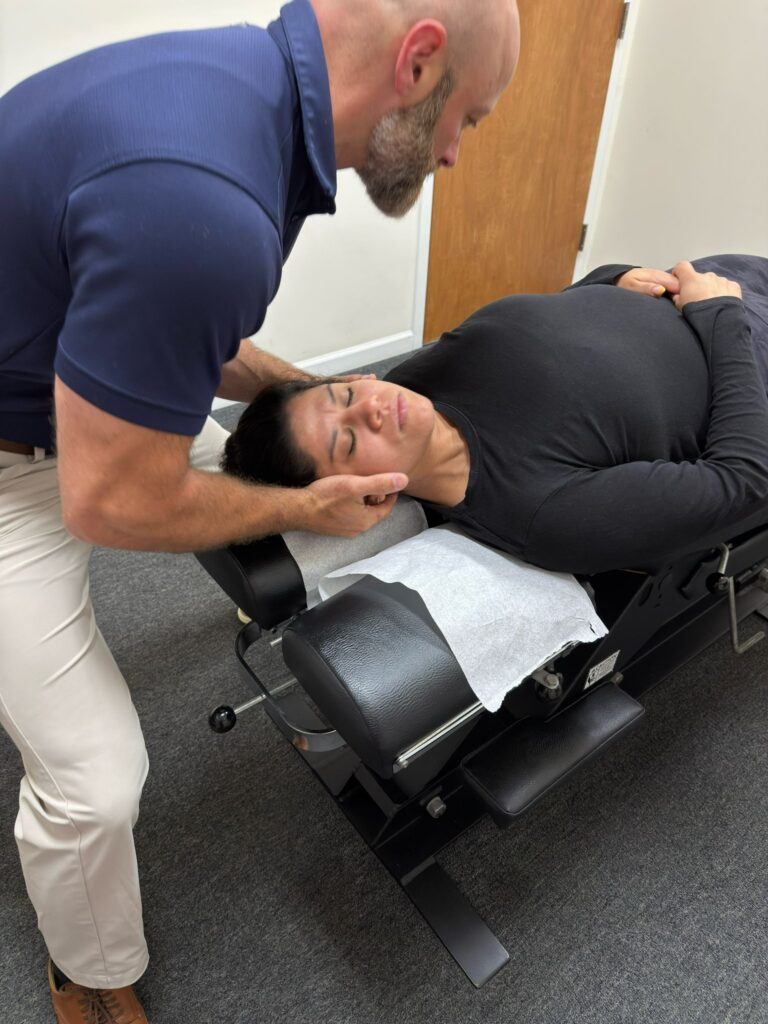

When it comes to finding effective relief from migraines, the frequency of your chiropractic visits can truly make a world of difference. As a local chiropractor, I recommend visiting your chiropractor every 1-3 months, but this can vary based on your individual needs and progress. Regular check-ins are essential, as they help maintain spinal alignment and alleviate tension—two key factors in managing migraines effectively.
So, how do you know what schedule works best for you? Here are some tips to help you determine the right frequency for your chiropractic visits:
- Listen to Your Body: Pay attention to how often you experience migraines and any patterns you notice. If you find that your migraines become more frequent or severe, it might be time to increase your visits.
- Communicate with Your Chiropractor: Be open about your symptoms and any changes you experience. Your chiropractor can adjust your care plan based on your feedback and progress.
- Focus on Maintenance: Once you’ve achieved some relief, regular check-ups are important to maintain spinal health and prevent future migraines. Think of it as routine maintenance for your body!
- Incorporate Healthy Habits: Alongside your chiropractic care, consider integrating stress-reducing activities like yoga or meditation, staying hydrated, and maintaining a balanced diet. These lifestyle choices can enhance your overall wellness and help reduce the frequency of migraines.
- Track Your Progress: Keeping a migraine diary can be incredibly helpful. Note when migraines occur, their intensity, and what you were doing at the time. This information can guide your chiropractor in tailoring your treatment plan.
Remember, chiropractic care is not just about addressing pain; it’s about achieving optimal health and wellness naturally. By prioritizing your spinal health and making regular visits, you can take meaningful steps towards a life with fewer migraines and greater overall well-being. If you haven’t yet experienced the benefits of chiropractic care, now is the perfect time to start your journey towards natural healing.
Key Takeaways
How Often Should You Visit for Migraine Relief?
If you’re seeking relief from migraines, regular visits to your chiropractor can make a significant difference. It’s generally recommended to see your chiropractor every 1-3 months. This schedule allows for ongoing assessments and optimizations of your spinal health, which is essential for migraine relief.
By visiting regularly, we can adjust your treatment plan based on your progress and any changes in your symptoms. Consistency in chiropractic care not only helps with migraine management but also enhances your overall body function, promoting natural pain relief without relying on medications or invasive procedures.
It’s important to tailor your visit frequency to your individual needs. Consider the severity and frequency of your migraines, as well as how your body responds to treatment. Open communication with your chiropractor is key; together, we can determine the best schedule for your specific migraine management needs.
In addition to regular chiropractic care, here are some general tips to help you manage migraines and promote overall wellness:
- Stay Hydrated: Dehydration can trigger migraines, so be sure to drink plenty of water throughout the day.
- Maintain a Healthy Diet: Eating balanced meals and avoiding trigger foods can reduce the frequency of migraines.
- Practice Relaxation Techniques: Incorporate stress-reducing practices such as yoga, meditation, or deep breathing exercises into your routine.
- Prioritize Sleep: Aim for consistent sleep patterns, as lack of sleep can be a significant migraine trigger.
- Stay Active: Regular physical activity can help reduce the intensity and frequency of migraine attacks.
Remember, chiropractic care is a powerful tool for achieving optimal health and natural pain relief. By working together, we can create a customized plan that supports your journey to wellness!
Understanding Migraines: Types and Triggers
Understanding migraines is essential, especially since they can vary widely in type and triggers. Migraines often come in different forms, like migraine with aura, where you might experience visual disturbances, and migraine without aura, which typically involves intense pain. Recognizing these types helps you identify your specific experience and take charge of your health.
Triggers play a significant role in the onset of migraines. Common triggers include stress, certain foods, hormonal changes, and environmental factors like bright lights or strong smells. Keeping a migraine diary can be a helpful tool, allowing you to pinpoint what sets off your attacks and manage them effectively.
One natural approach to alleviating migraines is through chiropractic care. Chiropractic adjustments can help improve spinal alignment, which may relieve tension and stress that contribute to migraine occurrences. By focusing on your spine’s health, you could enhance your overall well-being and potentially reduce the frequency and intensity of migraine episodes.
Once you identify your triggers, consider proactive steps to avoid them. This might include adjusting your diet to eliminate known food triggers, implementing stress management techniques like deep breathing or yoga, or creating a calming environment free from harsh lighting and strong odors.
In addition to these lifestyle changes, regular chiropractic visits can be a powerful ally in your journey toward migraine relief. Chiropractic care not only addresses spinal alignment but also promotes natural healing, empowering your body to function at its best.
Understanding these elements is the first step toward effective management and relief from your migraines, leading to a healthier, more vibrant life.
Evaluating the Frequency and Intensity of Your Migraines
To effectively manage your migraines and enhance your overall well-being, it’s important to evaluate their frequency and intensity. Start by keeping a simple log of how often you experience a migraine each month. Are they happening more than once a week, or just a few times a year? Understanding your specific pattern can empower you to take proactive steps toward relief.
Next, think about how intense your migraines feel. You can rate your pain on a scale from one to ten, with ten being the worst pain imaginable. This self-assessment can help you identify whether your migraines are becoming more severe over time. It’s also beneficial to note any accompanying symptoms, such as nausea or light sensitivity, as these can influence your overall experience.
In addition to tracking your migraines, consider incorporating chiropractic care into your wellness routine. Chiropractic adjustments can help alleviate tension in your spine and neck, which may contribute to migraine frequency and intensity. By addressing any misalignments, chiropractic care supports your body’s natural healing processes and promotes a healthier lifestyle.
Here are some general tips you can adopt to help manage your migraines:
- Stay Hydrated: Drinking plenty of water throughout the day can prevent dehydration, which is a common migraine trigger.
- Maintain a Regular Sleep Schedule: Aim for consistent sleep patterns to help regulate your body’s internal clock.
- Practice Relaxation Techniques: Incorporating stress-reduction strategies such as deep breathing, yoga, or meditation can help minimize migraine triggers.
- Monitor Your Diet: Keep track of any foods that might trigger your migraines, and try to maintain a balanced diet rich in whole foods.
When to Seek Immediate Medical Attention
If you experience a severe headache that comes on suddenly, it’s important to take it seriously and consider seeking help. While chiropractic care can be a powerful tool for managing headaches, especially those related to tension or spinal misalignments, any sudden and severe headache may be a sign that you need immediate medical evaluation.
Pay attention to any unusual symptoms that might accompany your headache, such as confusion or weakness. These could be indicators that something more serious is occurring, and it’s best to err on the side of caution.
Additionally, if you’re experiencing troubling side effects from any treatments or medications, remember that chiropractic care focuses on natural healing and wellness. By addressing the root causes of pain and discomfort, chiropractic adjustments can help you achieve optimal health without the potential complications of medications or invasive procedures.
For overall wellness, consider incorporating regular chiropractic visits into your routine. Maintaining proper spinal alignment can help prevent headaches and improve your overall well-being.
Stay hydrated, practice good posture, and manage stress through relaxation techniques to further support your health. Remember, your body is designed to heal itself, and chiropractic care can guide you on that journey!
Severe Headache Onset
When does a severe headache become a cause for concern? If you suddenly experience an intense headache that feels different from your usual migraines, it’s important to take it seriously.
Headaches that come on suddenly, especially if they intensify quickly, may signal a deeper issue that needs attention. If you’ve never experienced headaches like this before, don’t ignore the warning signs.
Pay attention to accompanying symptoms such as nausea, vomiting, or changes in vision, as these can indicate a need for immediate care. If the headache is so severe that it stops you from going about your daily activities, it’s time to reach out for help.
As a chiropractor, I want to emphasize the importance of understanding your body and trusting your instincts. While chiropractic care is an excellent approach for alleviating headaches and promoting overall wellness, it’s crucial to be aware of when a headache may require further evaluation.
Consider these general tips to help manage headaches naturally:
- Stay Hydrated: Dehydration can lead to headaches. Aim to drink plenty of water throughout the day.
- Practice Good Posture: Poor posture can contribute to headaches. Make sure your workspace is set up ergonomically.
- Regular Adjustments: Chiropractic adjustments can help align your spine and relieve tension that may contribute to headaches.
- Stress Management: Incorporate relaxation techniques such as deep breathing, meditation, or yoga into your routine.
- Adequate Sleep: Ensure you’re getting enough restful sleep, as lack of sleep can trigger headaches.
- Healthy Diet: Eating balanced meals and avoiding processed foods can promote overall health and reduce headache frequency.
Remember, your health is a priority. By staying informed and proactive, you can take steps toward achieving optimal wellness.
If headaches persist, consider consulting with a chiropractor to explore natural healing methods tailored to your needs.
Neurological Symptoms Occurrence
Experiencing neurological symptoms alongside a severe headache can be concerning, and it’s important to understand how to approach these situations with a focus on natural healing and wellness. If you find yourself experiencing sudden vision changes, such as blurred or double vision, or if you have trouble speaking, these are signs that shouldn’t be overlooked.
Numbness or weakness in your arms or legs, particularly if it’s one-sided, may indicate an issue that requires attention. Additionally, feelings of confusion or difficulty concentrating can be related to stress or tension in the body, which chiropractic care can often help alleviate.
When faced with a severe headache that appears suddenly, consider seeking out a chiropractor instead of traditional medical routes. A chiropractor can help assess your condition and provide gentle adjustments that may relieve tension and reduce pain naturally.
Remember, it’s essential to listen to your body. If you experience these symptoms, prioritize your health and seek help from a chiropractic professional.
In the meantime, here are some general tips to support your wellness:
- Stay Hydrated: Dehydration can lead to headaches. Make sure you drink plenty of water throughout the day.
- Practice Good Posture: Maintaining proper posture can help reduce tension in your neck and spine, potentially preventing headaches.
- Manage Stress: Stress is a common trigger for headaches. Consider practicing mindfulness, meditation, or yoga to help reduce stress levels.
- Regular Chiropractic Visits: Consistent chiropractic care can help keep your spine aligned, promote nervous system function, and support overall health.
Medication Side Effects
While many people turn to medications for relief from migraine symptoms, it’s important to consider the potential side effects that can accompany these treatments. Instead of relying solely on medications, exploring natural alternatives like chiropractic care can help promote overall wellness and alleviate pain without the risks associated with pharmaceuticals.
Chiropractic care focuses on the alignment of the spine and overall body function, which can be a powerful way to manage migraines and other types of pain. By addressing the root cause of discomfort, chiropractic adjustments can help restore balance and improve your body’s ability to heal itself naturally.
If you’re experiencing any concerning symptoms related to medications, such as severe allergic reactions, chest pain, or persistent gastrointestinal issues, it’s crucial to consult with your healthcare provider for guidance. However, considering chiropractic adjustments and lifestyle changes can be an effective way to enhance your health and minimize the need for medications.
Here are some tips to support your wellness journey:
- Stay Hydrated: Drinking plenty of water can help prevent dehydration, which is a common trigger for migraines.
- Practice Good Posture: Maintaining proper posture can alleviate tension in the neck and back, reducing the likelihood of headaches.
- Incorporate Regular Exercise: Engaging in physical activity can increase endorphins, which are natural pain relievers.
- Manage Stress: Techniques like deep breathing, meditation, or yoga can help reduce stress levels that may trigger migraines.
- Get Adequate Sleep: Establishing a regular sleep schedule can improve your overall well-being and help prevent migraine episodes.
The Importance of a Comprehensive Treatment Plan
A comprehensive treatment plan is vital for effectively managing migraines, as it targets not only the discomfort but also the underlying triggers linked to spinal health and overall wellness. By creating a personalized approach that emphasizes natural healing, you can significantly enhance your quality of life. Here’s a quick overview of key components to consider for your plan, especially from a chiropractic perspective:
| Component | Description |
|---|---|
| Chiropractic Care | Regular adjustments can help align your spine, which may reduce migraine frequency and intensity. |
| Lifestyle Modifications | Prioritize regular sleep, proper hydration, and a balanced diet to support your overall health. |
| Stress Management | Engage in relaxation techniques such as yoga or meditation, which can help ease tension that contributes to migraines. |
| Regular Check-Ins | Schedule consistent visits with your chiropractor to assess your progress and adapt your plan as needed. |
Taking the time to develop a thorough treatment plan will empower you to recognize and manage your unique migraine triggers. Remember, it’s all about finding what works best for you, so be open in discussing your experiences with your chiropractor. By focusing on natural healing and wellness, you can pave the way for a healthier, pain-free life.
Monitoring Your Symptoms: Keeping a Migraine Diary
Keeping a migraine diary is a powerful tool for understanding your body’s signals and managing your symptoms naturally. By tracking your migraines, you can identify patterns and discover potential triggers that may be linked to your spinal health or posture. This knowledge not only helps you pinpoint what aggravates your migraines but also allows you to assess the effectiveness of your chiropractic care.
As a chiropractor, I encourage you to note not just the severity and frequency of your migraines, but also any physical activities, stress levels, and dietary choices that may play a role. This holistic approach can empower you to make informed decisions about your wellness journey.
Additionally, consider incorporating regular chiropractic adjustments into your routine. Aligning your spine can help alleviate tension and improve overall body function, potentially reducing the frequency and intensity of your migraines.
Simple lifestyle changes, such as practicing good posture, staying hydrated, and managing stress through relaxation techniques, can also contribute to a healthier, migraine-free life.
Importance of Tracking Symptoms
Tracking your migraine symptoms is a crucial step in understanding what triggers your discomfort and how to manage it more effectively. As a chiropractor, I encourage you to take a closer look at your health and well-being.
Keeping a detailed record of your migraines can provide you with insights that won’t only help you communicate better with your healthcare provider but also enhance your overall wellness. Here’s why tracking your symptoms is important:
- Increased Awareness: By noting your symptoms, you become more attuned to what your body is experiencing. This awareness helps you articulate your concerns more clearly to your chiropractor, ensuring you receive tailored care.
- Personalized Approach: Documenting your experiences allows you to customize your treatment plan. Chiropractic care focuses on addressing the root causes of pain, and understanding your symptoms better can lead to more effective, individualized strategies for relief.
- Monitoring Progress: Over time, you’ll be able to observe how your symptoms change. This can help you identify what chiropractic techniques, lifestyle adjustments, or wellness practices work best for you.
Using a migraine diary isn’t just about recording pain; it’s a proactive measure toward regaining control over your health.
Consider integrating some simple tips into your daily routine:
- Posture Awareness: Maintain good posture throughout the day to reduce tension in your neck and spine, which can contribute to headaches.
- Hydration: Keep track of your water intake. Dehydration is a common trigger for migraines, so staying well-hydrated is essential.
- Stress Management: Incorporate relaxation techniques such as deep breathing, yoga, or gentle stretching to help alleviate stress, which can be a significant factor in migraine occurrences.
- Regular Chiropractic Visits: Schedule regular adjustments with your chiropractor. Spinal alignment can greatly impact your overall nervous system function and may help reduce the frequency and intensity of migraines.
Start today by keeping a migraine diary and incorporating these wellness tips into your life. Taking charge of your health is empowering, and with chiropractic care, you can work towards achieving optimal wellness naturally.
Identifying Triggers and Patterns
Understanding your migraine triggers and patterns is crucial for effective management, especially when you’re proactive about monitoring your symptoms. One valuable tool for this is a migraine diary, which can help you pinpoint the factors that may be contributing to your headaches. By recording your daily activities, diet, emotional states, and symptom severity, you can gain insights into potential triggers and better understand your body’s responses.
Here’s a simple way to track your migraines:
| Date | Trigger | Symptom Severity (1-10) |
|---|---|---|
| 2023-10-01 | Stress | 7 |
| 2023-10-02 | Skipped meals | 8 |
| 2023-10-03 | Bright lights | 6 |
| 2023-10-04 | Dehydration | 9 |
| 2023-10-05 | Lack of sleep | 5 |
As a chiropractor, I encourage you to consider how lifestyle factors can influence your overall health and well-being. Here are some general tips to help you manage headaches naturally:
- Stay Hydrated: Dehydration can be a significant trigger for migraines. Make sure you’re drinking plenty of water throughout the day.
- Regular Meals: Try not to skip meals. Maintaining a balanced diet with regular eating patterns can help prevent headaches.
- Manage Stress: Incorporate relaxation techniques into your routine, such as deep breathing exercises or gentle yoga. These can help reduce stress levels and potentially lower the frequency of migraine attacks.
- Sleep Hygiene: Aim for consistent sleep patterns. A well-rested body is less likely to trigger a migraine.
- Limit Bright Lights: If bright lights trigger your headaches, consider wearing sunglasses or using softer lighting in your home.
Additionally, chiropractic care can play a vital role in alleviating headache pain. By addressing spinal misalignments and improving overall body function, chiropractic adjustments can help reduce tension and stress that contribute to migraines. Regular chiropractic visits can support your journey to optimal health and provide a natural, drug-free approach to pain relief.
Analyzing Treatment Effectiveness
When it comes to managing migraines, it’s important to regularly assess how well your treatment is working to find the best approach for you. One effective method to do this is by keeping a migraine diary. This simple tool can help you track your symptoms and recognize patterns that can guide your natural treatment decisions.
Here are some tips to help you get started:
- Track Frequency and Intensity: Keep a record of how often you experience migraines and how intense they are. This information can help you and your chiropractor understand your condition better.
- Document Lifestyle Factors: Note down elements such as your sleep patterns, diet, and stress levels. These factors can significantly impact your migraines, and understanding them can help you make healthier choices.
- Explore Natural Solutions: Instead of relying on medications, consider incorporating chiropractic care into your routine. Chiropractic adjustments can help relieve tension in your spine and improve overall nervous system function, which may reduce the frequency and intensity of your migraines.
- Stay Hydrated and Eat Well: Maintaining proper hydration and a balanced diet can have a positive effect on your overall health, including your migraine symptoms. Focus on whole foods and stay away from processed items that may trigger headaches.
By keeping a migraine diary and considering chiropractic care, you can take proactive steps towards managing your migraines naturally.
The Role of Preventive Medications
Chiropractic care can play a significant role in managing migraines, especially if you experience them frequently or with high intensity. Instead of relying on medications, which can come with side effects, many people find that chiropractic adjustments help reduce the frequency and severity of their migraine episodes.
By ensuring that your spine is aligned and your nervous system is functioning optimally, chiropractic care can provide a natural approach to managing pain and discomfort.
It’s important to start a chiropractic regimen early, as it may take a few visits to notice substantial improvements. Maintaining an open line of communication with your chiropractor is essential; share any concerns or symptoms you’re experiencing so they can tailor your treatment to your specific needs.
Remember, finding the right approach may require some patience and experimentation, as everyone’s body responds differently.
In addition to chiropractic adjustments, consider incorporating healthy lifestyle changes that can further help alleviate migraine triggers. Staying hydrated, managing stress through relaxation techniques, maintaining a consistent sleep schedule, and avoiding known triggers like certain foods can make a significant difference.
By choosing chiropractic care as part of your wellness plan, you can work towards enjoying more migraine-free days and improving your overall quality of life.
Don’t hesitate to reach out to your chiropractor to discuss how they can support you on your journey to better health and wellness.
Alternative Therapies and Their Effectiveness
Many people turn to alternative therapies to enhance their migraine management, especially after exploring the benefits of chiropractic care. Chiropractic treatment focuses on spinal alignment and overall wellness, which can play a crucial role in reducing migraine frequency and intensity.
While alternative therapies can offer additional relief, it’s essential to prioritize chiropractic care as a primary approach for achieving optimal health. Here are some complementary therapies you might consider alongside chiropractic care:
- Acupuncture: This ancient Chinese practice uses thin needles inserted at specific points on the body. Many find that it can help reduce migraine occurrences, but it’s best to pair it with regular chiropractic adjustments for comprehensive care.
- Massage Therapy: Regular massages can relieve muscle tension and stress, known migraine triggers. Many individuals experience significant improvement after just one session. However, incorporating chiropractic care can help maintain spinal health and prevent tension from building up again.
- Herbal Supplements: Some herbs, such as butterbur and feverfew, have shown potential in studies for easing migraine symptoms. Always consult with a healthcare professional before trying new supplements, and consider discussing these options with your chiropractor, who can provide insights into natural healing approaches.
Incorporating these therapies into your wellness routine can enhance your migraine relief efforts.
However, make chiropractic care your first choice for pain relief and natural wellness. Remember, maintaining proper spinal health is vital for overall well-being, and regular adjustments can help keep your body functioning optimally.
Always prioritize your health by focusing on natural methods and working closely with your chiropractor for the best results.
Collaborating With Your Healthcare Provider
When managing migraines, working closely with a chiropractor can significantly improve your treatment plan. Establishing open communication is essential; be sure to share your symptoms, triggers, and how various treatments are affecting you. This candid conversation allows your chiropractor to customize a plan that meets your unique needs.
Don’t hesitate to ask questions about how chiropractic adjustments can help alleviate your pain, as well as any natural therapies that may support your well-being.
In addition, it’s beneficial to keep track of your migraine occurrences. Recording details such as how often they happen, how long they last, and their intensity can provide valuable information during your visits. This insight can help your chiropractor adjust your care more effectively.
Moreover, consider incorporating some lifestyle changes to support your overall wellness. Staying hydrated, maintaining a balanced diet, and practicing stress-reduction techniques like yoga or meditation can help minimize migraine triggers.
Regular chiropractic care not only addresses pain relief but also promotes a healthier spine and nervous system, leading to better overall health. Remember, your journey to wellness is a partnership, and your chiropractor is there to guide you every step of the way!
Establishing a Follow-Up Schedule for Long-Term Care
Establishing a follow-up schedule for long-term care is crucial for effectively managing your migraines and enhancing your overall wellness. Regular visits to a chiropractor can help you track your progress, optimize your spinal health, and stay informed about natural healing methods that can improve your quality of life.
Consistency in your appointments ensures you receive the support you need to reduce migraine frequency and intensity naturally.
Here are some key points to consider when setting up your follow-up schedule:
- Frequency of Visits: Aim for check-ins every 1-3 months. Depending on the severity of your migraines and your response to chiropractic care, this frequency can help maintain your spinal health and keep your nervous system functioning optimally.
- Monitoring Symptoms: Keep a simple migraine diary to share during your visits. Note when your migraines occur, their duration, and any triggers you notice. This information can help your chiropractor tailor your care plan for maximum effectiveness.
- Adjusting Treatment: Be open to discussing different chiropractic techniques or therapies, such as spinal adjustments, soft tissue work, or lifestyle modifications. Your chiropractor will work with you to find the best approach based on your feedback and progress.
Remember, chiropractic care focuses on natural healing and addresses the root causes of pain, which can lead to long-term relief from migraines.
Conclusion
To summarize, visiting a chiropractor every 1-3 months can significantly improve your migraine relief. Regular check-ins allow us to monitor your spinal health and tailor your treatment plan to your individual needs. Open communication is essential; by discussing your symptoms and triggers with your chiropractor, we can work together to optimize your care for the best results.
Chiropractic care focuses on the natural healing of your body, emphasizing the importance of spinal alignment and overall wellness. By maintaining a consistent schedule, you can help reduce the frequency and intensity of your migraines, leading to an enhanced quality of life.
In addition to your chiropractic visits, here are some general tips to support your health and manage migraines effectively:
- Stay Hydrated: Drinking plenty of water throughout the day can help prevent dehydration, which is a common trigger for migraines.
- Manage Stress: Incorporate relaxation techniques such as deep breathing, yoga, or meditation into your daily routine to help keep stress levels in check.
- Maintain a Healthy Diet: Eating regular, balanced meals can help stabilize your blood sugar levels and reduce the risk of migraines. Avoid known food triggers that you may have identified.
- Get Enough Sleep: Establishing a consistent sleep schedule can help improve your overall health and reduce migraine occurrences.
- Exercise Regularly: Engaging in regular physical activity can promote overall well-being and reduce stress, both of which can help manage migraines.
Remember, consistent attention to your health through chiropractic care and these lifestyle adjustments can make a meaningful difference in your life. Don’t hesitate to reach out to schedule your next visit and take proactive steps towards better health!