
If you’re dealing with chronic low back pain, know that you’re not alone. Many individuals face this challenge, and finding effective relief can sometimes feel daunting. However, incorporating gentle movements, specific exercises, and making simple posture adjustments can significantly improve your pain levels. While exercise is important, it’s essential to understand that chiropractic care offers a holistic approach to addressing the root causes of your pain.
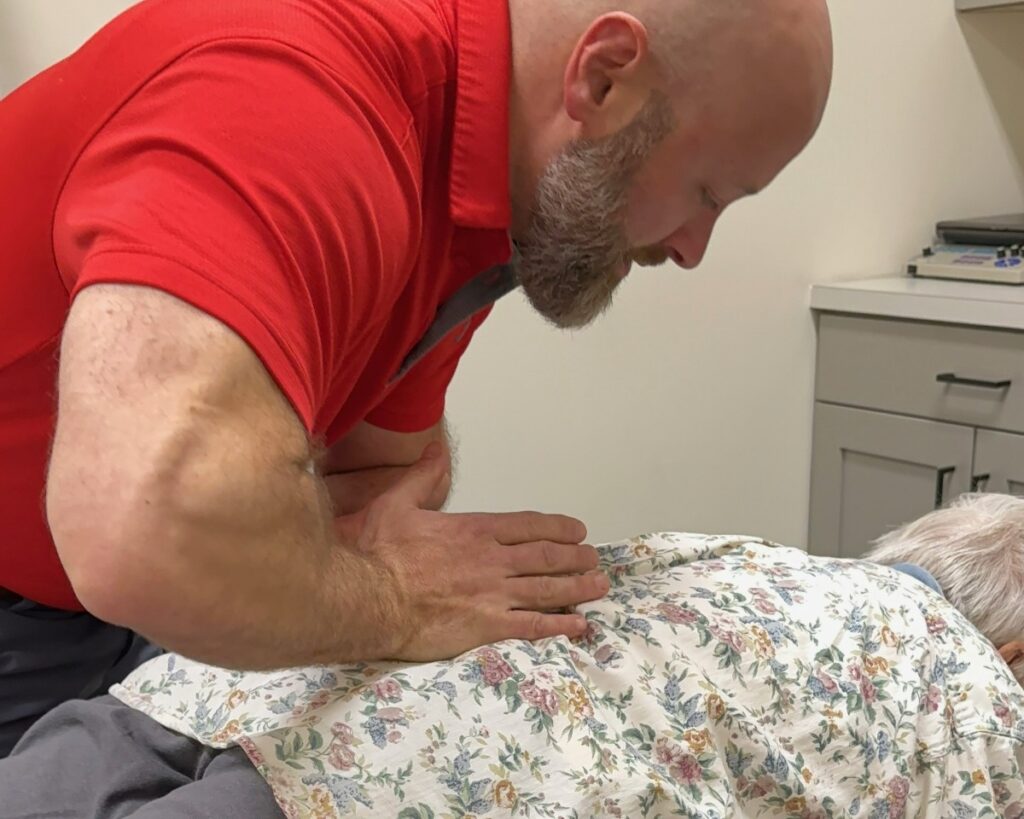
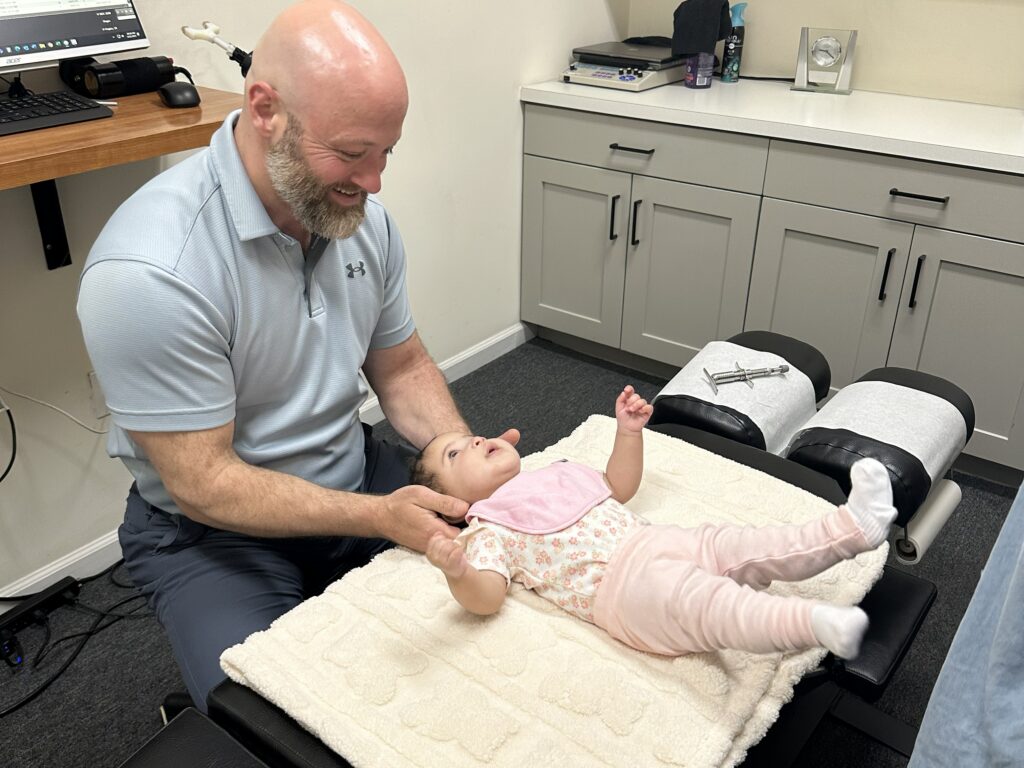
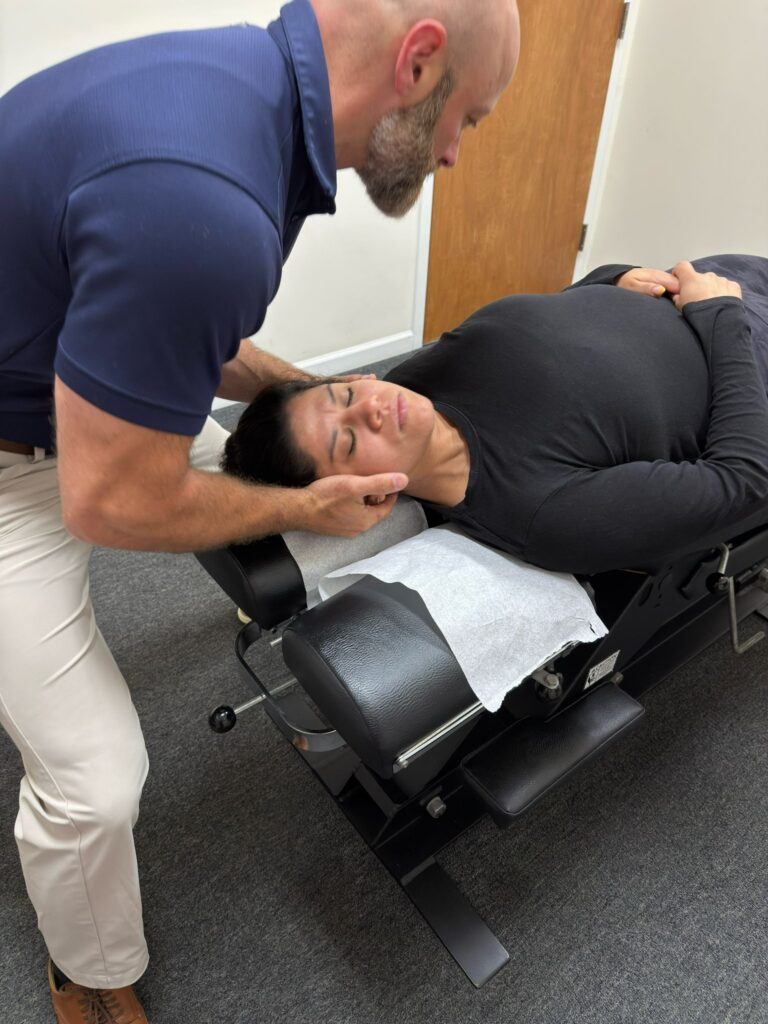
Chiropractic care focuses on spinal health, which is crucial for overall wellness. By aligning your spine and correcting any misalignments, we can help alleviate pain, improve mobility, and enhance your body’s natural healing abilities. This natural approach empowers your body to function at its best without the need for medications or invasive procedures.
In addition to regular chiropractic adjustments, here are some helpful tips to consider:
- Stay Active: Gentle activities like walking or stretching can keep your muscles engaged and promote flexibility.
- Practice Good Posture: Be mindful of your posture while sitting, standing, or lifting. Proper alignment can reduce strain on your back.
- Use Ergonomic Furniture: Invest in chairs and desks that support your spinal health, especially if you spend long hours sitting.
- Stay Hydrated: Drinking plenty of water helps maintain the health of your spinal discs and overall body function.
- Incorporate Core Strengthening: Focus on exercises that strengthen your core muscles, as a strong core supports your spine.
- Listen to Your Body: Pay attention to how your body feels during activities, and don’t hesitate to modify movements that cause discomfort.
By embracing these practices and prioritizing your spinal health through chiropractic care, you can take meaningful steps toward relieving your chronic low back pain and enhancing your overall quality of life. Remember, your journey to wellness doesn’t have to be faced alone; we’re here to support you every step of the way!
Key Takeaways
- Embrace low-impact aerobic activities, such as walking or swimming, to not only strengthen your muscles but also enhance blood circulation—key factors in supporting your spine and overall health.
- Incorporate core-strengthening exercises like planks and bridges into your routine. These exercises are essential for providing stability and support to your spine, promoting a healthier back.
- Consider keeping a journal to track your pain patterns. This can help you identify what triggers discomfort and which relief strategies work best for you, allowing for more personalized care.
- Regular visits to a chiropractor can significantly alleviate your chronic low back pain. Chiropractic care focuses on enhancing spinal alignment, which is crucial for your overall wellness and can help your body heal naturally.
- Remember to practice good posture and engage in gentle stretching throughout the day. These simple habits can support your spinal health and relieve tension, making a noticeable difference in how you feel.
By focusing on these natural approaches to health and wellness, you can take proactive steps towards a pain-free life, with chiropractic care leading the way.
Understanding Chronic Low Back Pain
Chronic low back pain can be a frustrating and debilitating condition, especially when it lingers for weeks or even months. As a chiropractor, I want to help you understand the causes of this pain and how chiropractic care can help you manage it effectively. This pain isn’t just a fleeting ache; it often arises from various underlying issues such as muscle strain, herniated discs, or degenerative conditions.
Understanding the nature of your pain is essential. It may stem from injuries, poor posture, or even stress. By recognizing these factors, you can pinpoint triggers and seek appropriate treatment. Chiropractic care focuses on addressing the root causes of your pain through spinal adjustments and natural healing techniques, helping your body restore its balance and function.
It’s also important to differentiate between acute pain, which usually resolves quickly, and chronic pain, which persists and requires a more comprehensive approach. With chronic low back pain, it’s vital to take proactive steps toward relief. Regular chiropractic adjustments can help alleviate pain, improve mobility, and enhance your overall quality of life.
In addition to chiropractic care, there are simple tips and tricks you can incorporate into your daily routine to support your back health:
- Practice Good Posture: Be mindful of your posture when sitting, standing, or lifting. Use ergonomic chairs and keep your back straight to reduce strain.
- Stay Active: Engage in gentle exercises like walking, swimming, or yoga to strengthen your back and improve flexibility.
- Manage Stress: Techniques such as deep breathing, meditation, or mindfulness can help reduce stress, which may contribute to muscle tension and pain.
- Use Proper Lifting Techniques: When lifting heavy objects, bend your knees and keep the object close to your body to avoid straining your back.
Lifestyle Changes for Pain Relief
Making simple lifestyle changes can significantly alleviate your chronic low back pain and enhance your overall well-being. One of the best approaches to achieving this is through chiropractic care, which focuses on natural healing and restoring proper function to your spine.
Incorporating regular exercise and stretching into your daily routine is essential. These activities not only strengthen your muscles but also improve flexibility, which can help reduce pain and prevent future injuries. A chiropractor can guide you in creating a personalized exercise plan that aligns with your specific needs, ensuring that you strengthen the right areas without causing additional strain.
Additionally, adjusting your workspace for better ergonomics is crucial. A chiropractor can provide valuable advice on how to set up your environment to support your spine’s health. Simple adjustments, like using a chair with proper lumbar support or positioning your computer screen at eye level, can make a big difference in reducing strain on your back.
Exercise and Stretching Routines
Incorporating regular exercise and stretching into your daily routine is essential for alleviating low back pain and promoting a healthier spine. As a chiropractor, I encourage my patients to engage in low-impact aerobic activities, such as walking or swimming. These exercises not only improve circulation but also help strengthen the muscles that support your spine.
Core-strengthening exercises are particularly beneficial. Movements like planks and bridges can provide the stability your back needs, reducing pain and preventing future issues. Additionally, focusing on stretching routines for your hamstrings, hip flexors, and lower back can enhance flexibility and relieve tension in those areas, contributing to overall spinal health.
Consider exploring practices like yoga or Pilates. These not only improve your flexibility and strength but also promote body awareness and better posture, which are crucial for spinal support.
Always remember to listen to your body. If a movement causes pain, it’s important to modify it or seek guidance from a chiropractor. Gradually increasing the intensity and duration of your workouts is key to ensuring you build strength safely and effectively.
For those dealing with chronic low back pain, consistency is crucial. Regular chiropractic adjustments can complement your exercise routine by ensuring your spine is aligned, which can enhance your overall well-being and speed up your recovery.
Ergonomic Workspace Adjustments
Transforming your workspace is an essential step towards reducing low back pain and enhancing your overall comfort throughout the day. As a local chiropractor, I want to emphasize that proper ergonomics can play a crucial role in maintaining your spinal health and overall well-being.
Start by adjusting your chair to ensure it supports your lower back. Your feet should rest flat on the floor, which helps maintain a healthy posture. If your feet don’t reach the floor, consider using a footrest to alleviate strain on your back.
Next, focus on your desk height. When typing, your elbows should bend at about 90 degrees. This positioning helps prevent unnecessary strain on your neck and back. If you’re using a computer, place your screen at eye level to avoid straining your neck, which can lead to discomfort and tension.
Incorporating regular breaks into your routine is also vital. Stand up, stretch, or take a short walk every hour. This not only helps to relieve tension but also encourages blood flow, which is beneficial for your spine.
Consider exploring options like a standing desk or an ergonomic chair, both of which promote better posture and can contribute to long-term spinal health. These simple adjustments can significantly impact how you feel during and after your workday.
Effective Exercises and Stretching
To relieve chronic low back pain, strengthening your core muscles is key. A strong core provides support to your spine and can significantly reduce discomfort. Alongside core strengthening, incorporating flexibility and mobility stretches into your routine can improve your overall range of motion and further support spinal health.
As a chiropractor, I believe in the power of natural healing through exercise and stretching. These methods not only help in managing pain but also enhance your body’s ability to heal itself. Here are some effective exercises and tips that can make a difference in your daily comfort:
- Pelvic Tilts: This simple exercise helps activate your core and lower back muscles. Lie on your back with your knees bent. Gently arch your lower back, then flatten it against the floor. Repeat this movement for a few minutes to strengthen your core and relieve tension in your back.
- Knee-to-Chest Stretch: This stretch helps loosen up the lower back. While lying on your back, bring one knee up to your chest and hold for 15-30 seconds. Alternate legs and repeat. This not only stretches the back but also promotes relaxation.
- Cat-Cow Stretch: Get on your hands and knees. Alternate between arching your back (like a cat) and dipping it down (like a cow). This movement helps increase flexibility in the spine and can alleviate stiffness.
- Child’s Pose: This gentle stretch helps elongate the spine and relieve tension. Kneel on the floor, sit back on your heels, and reach your arms forward on the ground, relaxing your head down. Hold this position for a few deep breaths.
Remember, incorporating these exercises into your daily routine can lead to significant improvements in your comfort and overall well-being. It’s also essential to maintain proper posture throughout your day and listen to your body.
If you experience persistent pain, consider visiting a chiropractor who can provide personalized care and guidance tailored to your specific needs. Chiropractic care is a natural and effective way to achieve optimal health and relieve pain without the need for medications or invasive procedures.
Your journey to wellness starts with taking small, manageable steps!
Strengthening Core Muscles
Strengthening your core muscles is a fundamental step in alleviating chronic low back pain and enhancing your overall stability. A strong core provides vital support to your spine, helping to reduce strain and discomfort. As a chiropractor, I believe that focusing on natural ways to strengthen your body can lead to significant improvements in your health and wellness. Here are some effective exercises you can easily incorporate into your daily routine:
| Exercise | Sets | Reps |
|---|---|---|
| Plank | 3 | 30 seconds |
| Dead Bug | 3 | 10-15 |
| Bridge | 3 | 10-15 |
| Bird Dog | 3 | 10-15 |
When performing these exercises, prioritize good form and control. It’s essential to breathe deeply and engage your core throughout each movement. This commitment to proper technique not only helps in building strength but also ensures that you’re protecting your spine.
Remember, strengthening your core muscles isn’t just about alleviating pain; it also enhances your overall functional fitness. By improving your core strength, you’ll find that daily activities become easier and more enjoyable.
Additionally, consider complementing your exercise routine with regular chiropractic adjustments. Chiropractic care is a natural and effective way to promote spinal health, improve mobility, and reduce pain. By addressing misalignments in your spine, chiropractic adjustments can help your body function optimally, allowing you to get the most out of your core-strengthening efforts.
Take these simple steps towards a stronger core and better health, and you’ll be on the path to a more active and fulfilling life!
Flexibility and Mobility Stretches
Incorporating flexibility and mobility stretches into your daily routine can significantly enhance the benefits of chiropractic care, particularly when it comes to achieving a strong core and maintaining a healthy spine. By improving your overall range of motion and reducing stiffness, you can support your body’s natural healing processes.
Start with gentle stretches that promote spinal mobility, such as the cat-cow pose. This movement helps to articulate the spine and release tension. The child’s pose is another excellent stretch that can help alleviate stress and tension in your back, while the seated forward bend effectively stretches your hamstrings and lower back.
Don’t forget to include hip openers, like the figure-four stretch. Tight hips can contribute to back pain, and addressing this tightness can make a significant difference in your comfort levels. Aim to hold each stretch for at least 30 seconds, taking deep breaths to maximize relaxation and enhance the benefits.
Regularly practicing these stretches not only promotes better posture but can also reduce discomfort and support your journey toward a pain-free back. Remember, consistency is key for lasting relief. By integrating these simple practices into your life alongside chiropractic care, you can take proactive steps toward optimal health and wellness.
Always consult with your chiropractor for personalized recommendations that suit your individual needs.
Alternative Therapies to Consider
When it comes to managing chronic low back pain, exploring natural therapies can provide new paths to relief. As a chiropractor, I firmly believe that chiropractic care is one of the most effective ways to address pain and promote overall wellness. While options like acupuncture and massage therapy may offer some benefits, they often focus on symptom relief without addressing the underlying issues that may be contributing to your discomfort.
Chiropractic care, on the other hand, focuses on improving spinal alignment and function, which can lead to long-lasting pain relief and enhanced mobility. Here’s a quick comparison of chiropractic care with other therapies:
| Therapy | Benefits | Considerations |
|---|---|---|
| Chiropractic | Corrects spinal alignment, reduces pain, and promotes natural healing | Typically requires regular visits for best results |
| Acupuncture | Can help reduce pain and inflammation | May require multiple sessions and doesn’t address spinal alignment |
| Massage Therapy | Relaxes muscles and eases tension | Provides temporary relief and doesn’t focus on structural issues |
While all these therapies have their place, I encourage you to consider how chiropractic care can help correct the root causes of your low back pain. Here are some general tips you can incorporate into your routine to support your spinal health:
- Maintain Good Posture: Whether sitting at your desk or standing, being mindful of your posture can prevent unnecessary strain on your back.
- Stay Active: Regular physical activity strengthens your core muscles, which support your spine. Aim for low-impact exercises like walking or swimming.
- Stretch Regularly: Incorporate stretching into your daily routine to improve flexibility and reduce tension in the muscles surrounding your spine.
- Use Ergonomic Furniture: Ensure your workspace is set up to promote good posture and reduce strain on your back.
- Stay Hydrated: Drinking plenty of water helps maintain the elasticity of the discs in your spine.
Always consult with a healthcare professional before starting any new treatment or exercise program to ensure it aligns with your specific needs. Embracing chiropractic care and these healthy habits could be the key to alleviating your chronic low back pain and achieving optimal health and wellness.
Medical Interventions and Treatments
When it comes to managing chronic low back pain, exploring natural and holistic approaches can be incredibly beneficial. As a chiropractor, I firmly believe that chiropractic care is one of the best ways to achieve optimal health and relieve pain without the need for medications or invasive surgeries.
Chiropractic adjustments can help realign your spine, improve mobility, and reduce discomfort by addressing the root cause of your pain. Many patients find that regular chiropractic visits not only alleviate their back pain but also enhance their overall well-being.
In addition to chiropractic care, there are several natural strategies you can incorporate into your daily routine to support your back health. Here are a few tips:
- Stay Active: Engage in low-impact exercises like walking, swimming, or yoga to strengthen your back muscles and improve flexibility. Consistent movement is key to preventing stiffness and promoting healing.
- Maintain Good Posture: Whether you’re sitting at a desk or lifting objects, focusing on proper posture can significantly reduce strain on your back. Consider using ergonomic furniture and remembering to lift with your legs, not your back.
- Practice Stress Relief: Stress can exacerbate pain, so incorporating relaxation techniques such as deep breathing, meditation, or gentle stretching into your routine can help manage both stress and pain levels.
- Stay Hydrated and Eat Well: A balanced diet rich in nutrients supports overall health and helps maintain the strength of your spine. Ensure you’re drinking plenty of water and consuming foods that promote inflammation reduction, like fruits, vegetables, and healthy fats.
- Listen to Your Body: Pay attention to how your body feels during different activities. If something causes discomfort, it’s essential to modify your approach or seek guidance from a chiropractor who can provide tailored advice.
The Importance of Posture
Maintaining good posture is crucial for preventing and alleviating chronic low back pain, and as a chiropractor, I want to emphasize how this simple practice can lead to significant improvements in your health and well-being.
When you sit, stand, or move with proper alignment, you distribute your weight evenly, which reduces strain on your spine and muscles. On the other hand, slouching or hunching can lead to muscle fatigue and increased pressure on your lower back, making any existing pain worse.
To improve your posture, start by being mindful of how you sit and stand. Aim to keep your shoulders back, your head aligned with your spine, and your feet flat on the ground. If you spend long hours sitting, consider investing in an ergonomic chair that provides support for your lower back. Remember to take regular breaks to stretch and walk around, as this can help relieve tension and keep your muscles relaxed.
Practicing good posture not only aids in reducing pain but also enhances your overall well-being. By being aware of your body’s alignment throughout the day, you can significantly improve your comfort and quality of life.
If you’re struggling with chronic pain, chiropractic care is an excellent choice for natural relief. Our holistic approach focuses on correcting misalignments in the spine, which can lead to better posture and reduced pain. By incorporating regular chiropractic adjustments into your routine, you’ll be taking a proactive step toward achieving optimal health and wellness.
Developing a Pain Management Plan
Creating a personalized pain management plan is essential for anyone dealing with chronic low back pain. As a chiropractor, I believe that understanding your body’s signals is the first step toward relief. Start by identifying what triggers your pain and noticing patterns in your discomfort. Keeping a journal can be incredibly helpful—track your symptoms, daily activities, and what makes you feel better or worse. This valuable information will guide you and your chiropractor in developing effective strategies tailored to your needs.
Chiropractic care is a powerful tool in managing pain naturally. Regular adjustments can help realign your spine, reduce tension, and improve your body’s overall function. Alongside chiropractic care, consider incorporating gentle exercises that strengthen your core and enhance your flexibility. Movement is key to recovery, so aim for activities that feel good and support your healing journey.
Don’t underestimate the impact of lifestyle changes either! Eating a nutritious diet and staying hydrated can significantly contribute to your well-being. Simple practices like walking, stretching, and even practicing good posture can make a world of difference.
Managing stress is equally important, as it can make pain feel worse. Techniques such as deep breathing, mindfulness, or even yoga can help you relax and reduce tension in your body. Remember, your chiropractor is here to support you. Regular communication about your progress will ensure your pain management plan remains effective.
You’re in control of your journey to health. Stay proactive, and trust in the power of chiropractic care to help you achieve optimal wellness. Embrace these strategies, and you’ll be on your way to a more comfortable and active life!
Conclusion
Incorporating gentle movement, core strengthening exercises, and regular chiropractic adjustments can significantly help alleviate chronic low back pain. As your local chiropractor, I believe that by making small lifestyle changes and focusing on effective exercises, you can develop a comprehensive pain management plan that works for you.
Start by integrating gentle activities such as walking, swimming, or yoga into your daily routine. These movements can enhance flexibility and promote blood flow to your back, aiding in recovery. Strengthening your core is essential as a strong core supports your spine and reduces strain on your lower back. Simple exercises like planks and bridges can be very effective.
Good posture plays a crucial role as well. Be mindful of how you sit, stand, and lift objects. Keeping your spine aligned can prevent unnecessary stress and pain. Additionally, tracking your triggers—whether they be certain movements or activities—can help you manage your pain more effectively.
Don’t forget the importance of managing stress, as it can contribute to muscle tension and exacerbate pain. Techniques such as deep breathing, meditation, or even hobbies you enjoy can make a real difference.
Always consult with your chiropractor before starting new treatments or exercises. They can provide personalized guidance and ensure you’re on the right path toward optimal health. Embrace a proactive approach to your well-being, and let chiropractic care help you achieve a healthier, pain-free life!