
Headaches can be incredibly frustrating, but you don’t always have to rely on medication for relief. As a chiropractor, I believe that understanding your body’s signals and making some simple lifestyle changes can help reduce the frequency and intensity of headaches.
One of the first steps is to stay hydrated. Dehydration is a common trigger for headaches, so make sure you’re drinking plenty of water throughout the day. Additionally, practicing relaxation techniques such as deep breathing, meditation, or gentle yoga can help alleviate stress, which is another frequent contributor to headaches.
Maintaining a consistent sleep schedule is also key. Poor sleep can exacerbate headache symptoms, so aim for a regular bedtime and wake-up time to promote better rest.
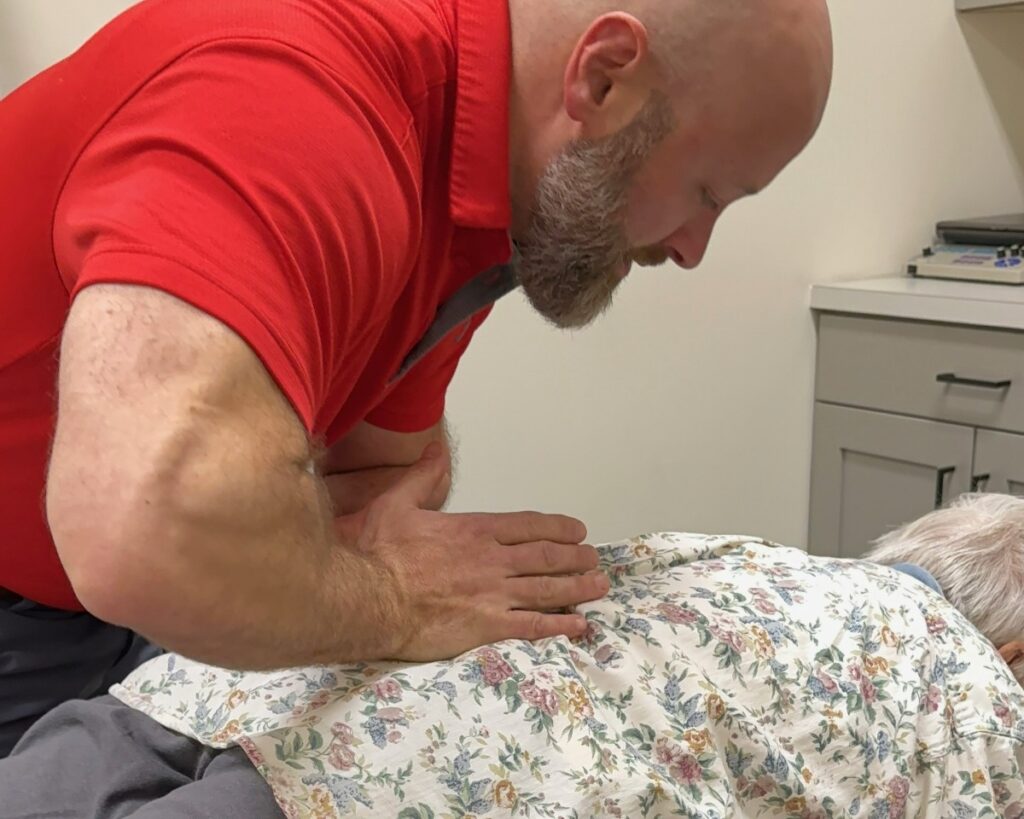
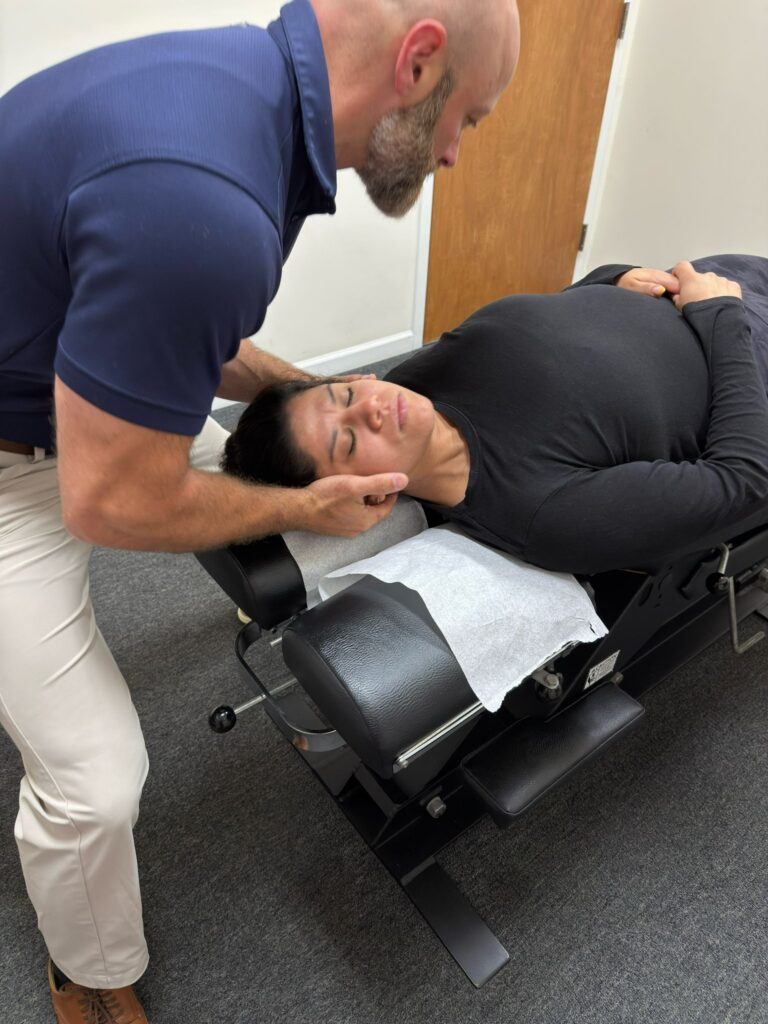
One of the best ways to achieve optimal health and manage headaches naturally is through chiropractic care. Chiropractic adjustments can help align your spine, relieve tension in your neck and shoulders, and improve overall nervous system function, which can significantly reduce headache occurrences.
If you’re curious about other effective strategies that can seamlessly fit into your daily routine, consider incorporating regular physical activity, such as walking or stretching, to keep your body moving and relieve tension. Listening to your body and recognizing your headache triggers will empower you to take control of your health.
By exploring these holistic approaches, you may just find the relief you’ve been seeking without the need for medication. Remember, chiropractic care is a valuable resource for achieving long-term wellness and pain relief.
Key Takeaways
- Keep a headache diary to help identify and avoid your personal triggers, such as certain foods, stressors, or environmental factors. This awareness can empower you to make healthier choices and reduce headache frequency.
- Incorporate relaxation techniques into your daily routine. Practices like deep breathing, progressive muscle relaxation, and mindfulness meditation can greatly reduce stress and tension, which are often contributors to headaches.
- Staying hydrated is key in preventing headaches. Make it a habit to drink water throughout the day and include water-rich foods like fruits and vegetables in your diet to avoid dehydration-related discomfort.
- Regular physical activity is essential for overall health and can help alleviate headaches. Activities such as brisk walking or yoga improve blood flow and release endorphins, which can elevate your mood and reduce pain.
- As a chiropractor, I encourage you to consider holistic approaches to wellness. Chiropractic care is designed to address underlying issues that may be contributing to your headaches. By optimizing spinal health and nervous system function, chiropractic can enhance your overall well-being and provide natural relief from pain. Make an appointment today to explore how chiropractic care can help you achieve optimal health and live pain-free!
Identify Triggers and Patterns
When you start to experience recurring headaches, it’s essential to identify what may be triggering them. One effective way to do this is by keeping a headache diary. Write down when your headaches occur, how long they last, and any other symptoms you experience. Take note of your daily activities, what you eat, and your stress levels. You might discover that certain foods—like aged cheese or processed meats—could be linked to your headaches.
Don’t forget to consider your environment, too. Bright lights or strong smells can contribute to discomfort. It’s also important to look at your sleep habits—are you getting enough restful sleep? Managing stress is crucial, as high stress can lead to tension headaches.
By identifying these triggers, you can take proactive steps to avoid them. This awareness allows you to tackle headaches more effectively, improving your overall well-being. Understanding your body’s signals is key to finding relief naturally, without relying on medications.
As a chiropractor, I encourage you to consider how spinal health can play a role in headache relief. Misalignments in the spine can lead to tension and discomfort, contributing to headaches. Regular chiropractic adjustments can help restore proper alignment, reduce tension, and promote better overall health.
In addition to chiropractic care, here are some general tips for managing headaches:
- Stay Hydrated: Drink plenty of water throughout the day to prevent dehydration, which can trigger headaches.
- Maintain a Balanced Diet: Focus on whole foods, including fruits, vegetables, whole grains, and lean proteins to support your health.
- Practice Relaxation Techniques: Incorporate stress-reduction strategies such as deep breathing, yoga, or meditation into your routine.
- Get Regular Exercise: Physical activity can reduce stress and tension, helping to prevent headaches.
- Pay Attention to Posture: Good posture can help relieve tension in your neck and shoulders, reducing the likelihood of tension headaches.
Stay Hydrated
Staying hydrated is crucial for overall wellness and can play a significant role in preventing headaches. As a chiropractor, I often see how even mild dehydration can lead to discomfort and tension, affecting your spine and overall health. You mightn’t realize you’re dehydrated until you experience signs such as dry mouth, fatigue, or dizziness.
To help keep headaches at bay and promote a healthy spine, make it a habit to drink enough water throughout the day. Here are a few tips to ensure you stay hydrated:
- Carry a Water Bottle: Having a water bottle with you can remind you to sip throughout the day.
- Set Reminders: Use your phone or a timer to remind you to drink water at regular intervals.
- Infuse Your Water: If plain water isn’t appealing, try adding slices of fruits like lemon or cucumber for a refreshing taste.
- Eat Water-Rich Foods: Incorporate fruits and vegetables with high water content into your diet, such as cucumbers, oranges, and melons.
- Listen to Your Body: Pay attention to your thirst signals and drink water whenever you feel parched.
Remember, proper hydration supports your spinal health and overall well-being. Staying hydrated, alongside regular chiropractic care, can help you achieve optimal health and reduce the frequency of headaches naturally.
Make these hydration habits part of your daily routine for a healthier, pain-free life!
Importance of Water Intake
Hydration is a key player in avoiding headaches and achieving optimal health. As a chiropractor, I can emphasize that when your body is well-hydrated, it functions more efficiently, especially your brain. Water maintains the balance of fluids in your body, which is vital for overall wellness and can significantly reduce headache triggers.
Even slight dehydration can lead to discomfort and tension in your head, affecting your daily life. To help keep headaches at bay, make it a habit to drink water consistently throughout the day, not just when you feel thirsty. Carry a reusable water bottle with you as a reminder.
Including hydrating foods, such as fruits and vegetables, in your diet can also boost your hydration levels. Additionally, regular chiropractic adjustments can support your overall health and wellness, helping to relieve tension that may contribute to headaches.
Signs of Dehydration
Recognizing the signs of dehydration is crucial for maintaining your health and can even help prevent headaches, which can be a common issue for many. As a chiropractor, I want to emphasize the importance of staying hydrated for your overall well-being and spinal health.
First, listen to your body’s signals. Thirst is your body’s way of telling you it needs more water. If you’re experiencing a dry mouth or cracked lips, these are clear indicators that you may not be getting enough fluids.
Additionally, if you notice your urine is darker than usual or if you’re urinating less frequently, these are signs that you should increase your water intake.
Dehydration can lead to fatigue or dizziness, which can affect your ability to focus and maintain good posture—something vital for spinal health. Ignoring these warning signs can lead to more serious health concerns, including increased pain and discomfort.
To stay proactive and support your body, I recommend carrying a water bottle with you and sipping throughout the day. This simple habit can make a significant difference in your hydration levels and overall health.
Remember, proper hydration not only helps prevent headaches but also supports your spinal health by keeping your body’s tissues functioning optimally.
By prioritizing hydration, you can enhance your wellness journey and reduce the risk of discomfort.
And remember, chiropractic care is a natural approach to achieving optimal health and addressing pain relief. Stay hydrated, and take care of your spine!
Practice Relaxation Techniques
When headaches strike, finding relief is essential, and practicing relaxation techniques can be a wonderful way to support your health. As a chiropractor, I often recommend methods like deep breathing exercises, progressive muscle relaxation, and mindfulness meditation to help ease tension.
These techniques not only calm your mind but also alleviate physical discomfort, providing a natural way to feel better.
In addition to these relaxation methods, it’s important to consider the role of spinal health in headache relief. Misalignments in the spine can contribute to tension and discomfort, so regular chiropractic care can help restore balance and promote overall wellness.
By addressing any underlying spinal issues, you may find that your headaches become less frequent and less severe.
Here are some simple tips you can incorporate into your routine:
- Deep Breathing: Take a few minutes each day to focus on your breath. Inhale deeply through your nose, hold for a moment, and then exhale slowly through your mouth. This helps reduce stress and tension.
- Progressive Muscle Relaxation: Tense and relax each muscle group in your body, starting from your toes and working your way up to your head. This helps release built-up tension and promotes relaxation.
- Mindfulness Meditation: Spend a few minutes each day sitting quietly, focusing on the present moment. This practice can help reduce stress and improve mental clarity.
- Regular Chiropractic Visits: Consider scheduling regular appointments with your chiropractor to maintain spinal alignment and overall health. This proactive approach can help prevent headaches and enhance your well-being.
Remember, natural healing through chiropractic care can be a powerful tool in your journey to optimal health.
Deep Breathing Exercises
Headaches can be quite disruptive, but there are natural ways to find relief, and one effective method is through deep breathing exercises. As a chiropractor, I understand the importance of managing pain and discomfort without the use of medications or invasive procedures.
To begin, find a quiet and comfortable space where you can sit or lie down. Close your eyes and take a slow, deep breath in through your nose, allowing your abdomen to expand fully. This helps to increase oxygen flow to your body, which can be beneficial for overall wellness. Hold that breath for a moment, then exhale slowly through your mouth. As you breathe out, imagine releasing any tension or discomfort you may be feeling.
Focus on the rhythm of your breath, aiming for a calm and steady pace. This practice not only helps to relax your mind but also promotes better spinal health by reducing stress on your body. You can enhance your relaxation by visualizing a peaceful scene, such as a serene beach or a quiet forest.
By incorporating deep breathing into your daily routine, you empower yourself to manage headache discomfort more effectively.
Remember, while these exercises are helpful, regular chiropractic care can play a vital role in maintaining optimal health and preventing headaches. It addresses the root causes of pain by ensuring your spine is properly aligned and your nervous system is functioning at its best.
Progressive Muscle Relaxation
One effective technique for relieving headaches is Progressive Muscle Relaxation (PMR), which can help alleviate tension in your body and promote overall wellness. As a chiropractor, I believe in the power of natural healing methods that complement spinal health.
To practice PMR, start by finding a quiet space where you can sit or lie down comfortably, allowing your body to feel supported.
Begin with a deep breath to center yourself. Focus on one muscle group at a time, starting with your feet. Tense the muscles in your feet for five seconds, then fully relax them as you exhale. Gradually work your way up through your body—calves, thighs, abdomen, arms, and face—tensing and relaxing each area. This process not only helps reduce tension but also enhances your awareness of how your body feels, which is important for maintaining a healthy spine.
As you practice PMR, take note of the contrast between tension and relaxation. Spending about 15-20 minutes on this technique can lead to a sense of calm that may ease headache symptoms naturally. Remember, incorporating this practice into your routine can support your overall health, helping you manage pain without relying on medications or surgeries.
In addition to PMR, consider regular chiropractic adjustments to improve your spinal alignment and reduce the frequency of headaches. Maintaining a healthy spine is crucial for optimal body function and can enhance your body’s natural ability to heal.
Embrace these natural approaches, and you’ll be on your way to a healthier, pain-free life.
Mindfulness Meditation Techniques
In addition to Progressive Muscle Relaxation, incorporating mindfulness meditation techniques can significantly enhance your ability to manage headaches naturally. By focusing on the present moment, you can effectively reduce the stress and tension that often contribute to headaches.
To get started, find a quiet space where you can sit comfortably without interruptions. Close your eyes and take deep, slow breaths. As thoughts come to mind, simply acknowledge them without judgment, and gently guide your focus back to your breath. Aim to practice this for 5 to 10 minutes daily. If you’re looking for guidance, there are many online resources available that offer guided mindfulness meditations.
Over time, these practices can help foster a sense of calm and resilience, making it easier to cope with headache triggers and discomfort.
Remember, chiropractic care is also a powerful tool for achieving optimal health and alleviating pain. Regular chiropractic adjustments help address spinal misalignments that can contribute to tension and headaches.
Explore Essential Oils
As a chiropractor, I want to share some insights on how you can manage headaches naturally, using essential oils alongside the benefits of chiropractic care. While essential oils can provide relief, it’s important to remember that addressing the underlying causes of headaches is key to long-term wellness.
Essential oils like lavender, peppermint, and eucalyptus can offer soothing effects when you’re experiencing tension headaches. Lavender oil is well-known for its calming properties, helping to ease stress and tension that may contribute to your headaches. You can inhale its aroma or apply a diluted version to your temples for relief.
Peppermint oil is another great option; its menthol content can promote circulation and provide a cooling sensation. A gentle massage of a few drops on your forehead may help ease discomfort.
Eucalyptus oil, celebrated for its anti-inflammatory benefits, can be inhaled or diffused to help open your airways and promote relaxation.
To enhance the benefits of these oils, consider using a diffuser in your home or adding a few drops to a warm bath. However, remember that while these natural remedies can support your wellness journey, regular chiropractic adjustments can play a crucial role in addressing spinal misalignments that often contribute to headaches.
By incorporating chiropractic care into your routine, you can target the root causes of your pain and achieve optimal health. If you’re looking for a holistic approach to managing headaches and enhancing your overall well-being, chiropractic care is an excellent choice.
Always consult with your chiropractor to find the best strategies tailored to your individual needs.
Implement Regular Exercise
While you mightn’t immediately consider exercise as a remedy for headaches, incorporating regular physical activity can significantly alleviate the frequency and intensity of headaches. Exercise enhances blood flow, delivering vital oxygen and nutrients to your brain, which can help ease headache symptoms.
Additionally, it triggers the release of endorphins, your body’s natural pain relievers, helping to elevate your mood and reduce stress—both common headache triggers.
Aim for at least 30 minutes of moderate activity most days of the week. This could include brisk walking, cycling, or gentle yoga. You don’t need to dive into intense workouts; even light, gentle movements can make a positive impact.
It’s important to pay attention to your body’s response during and after your exercise sessions. If you find that your headaches decrease, keep up with your routine!
Remember to stay hydrated and listen to your body; if something doesn’t feel right, it’s okay to adjust your activity level. Making exercise a regular part of your life not only helps combat headaches but also contributes to your overall well-being.
As a chiropractor, I encourage you to consider how spinal health can also play a crucial role in headache management. Regular chiropractic adjustments can enhance your body’s function, improve posture, and reduce tension, all of which can contribute to fewer headaches.
Maintain a Consistent Sleep Schedule
Establishing a consistent sleep schedule can be a vital step towards finding relief from headaches, and it’s an area where chiropractic care can play a supportive role in your overall wellness. When you go to bed and wake up at the same time every day, you help regulate your body’s internal clock, which can enhance the quality of your sleep and, in turn, lessen the chances of sleep-related headaches.
Aim for seven to nine hours of restorative sleep each night. To create a calming bedtime routine, consider activities that promote relaxation, such as gentle stretches or deep breathing exercises. These practices not only prepare your body for sleep but also align with the holistic approach of chiropractic care, which emphasizes the connection between mind and body.
It’s best to avoid screens and bright lights in the hour leading up to bedtime, as they can disrupt your ability to fall asleep. Instead, engage in soothing activities that help you unwind.
If you find yourself missing your bedtime occasionally, don’t worry. Simply get back on track the following night. Prioritizing a consistent sleep schedule can lead to a noticeable reduction in headache frequency and intensity. This, in turn, can enhance your daily life, making it easier for you to engage in activities you love and promoting overall well-being.
Remember, regular chiropractic adjustments can also support your journey towards better sleep and headache relief. By maintaining proper spinal alignment, you can improve your body’s function and reduce tension that may contribute to headaches.
Embracing both a consistent sleep schedule and chiropractic care can pave the way for a healthier, more vibrant you.
Conclusion
As a chiropractor dedicated to your health and wellness, I want to share some natural strategies to help relieve headaches without the need for medication. Understanding the root causes of your headaches is essential, and often, they can be linked to spinal misalignments or tension in the body. By addressing these issues through chiropractic care, you can experience significant relief.
Here are some effective tips to incorporate into your routine:
- Identify Your Triggers: Pay attention to what may be causing your headaches. It could be stress, poor posture, or certain foods. Keeping a headache diary can help you pinpoint these triggers.
- Stay Hydrated: Dehydration is a common headache trigger. Make sure you’re drinking plenty of water throughout the day. Staying properly hydrated can help prevent headaches from occurring.
- Practice Relaxation Techniques: Stress can contribute to tension headaches. Techniques such as deep breathing, meditation, or yoga can help reduce stress levels. These practices also promote relaxation of the muscles around your spine.
- Regular Exercise: Engaging in regular physical activity is crucial for maintaining overall health and can help reduce the frequency and intensity of headaches. Exercise increases blood flow and can alleviate tension in the muscles.
- Explore Chiropractic Care: Regular chiropractic adjustments can help align your spine and alleviate tension, which may be contributing to your headaches. A chiropractor can provide personalized treatment to address your specific needs.
- Consider Essential Oils: Some essential oils, like peppermint or lavender, may provide relief when applied topically or used in aromatherapy. They can promote relaxation and reduce headache symptoms.
- Maintain a Consistent Sleep Schedule: Quality sleep is vital for your overall health. Establishing a regular sleep routine can help prevent headaches caused by fatigue or irregular sleeping patterns.
Remember, it’s all about finding what works best for you. By prioritizing your overall well-being and considering chiropractic care as a natural and effective solution, you can manage your headaches and enjoy a healthier, more vibrant life. If you experience frequent headaches, don’t hesitate to reach out to a chiropractor for a personalized treatment plan tailored to your needs.